Table of Contents
There’s something uniquely electric about the moment silence falls over a game night table, eyes darting between players as someone leans in with a perfectly rehearsed poker face. Bluffing games transform ordinary living rooms into arenas of psychological chess, where a well-timed wink or a shaky laugh can be worth more than any physical piece on the board. These aren’t just games—they’re social experiments disguised as fun, forcing us to read micro-expressions, craft believable lies, and laugh until our sides hurt when the truth finally tumbles out. Whether you’re surrounded by close friends or meeting new people, the shared tension and inevitable bursts of laughter create memories that stick long after the cards are put away.
What makes bluffing mechanics so universally captivating? It taps into a fundamental human thrill: the dance between deception and discovery. Unlike pure strategy games, bluffing titles demand emotional intelligence as much as mental agility. You’re not just playing the cards (or tokens, or roles) you’re dealt—you’re playing the people across from you. This dynamic creates unpredictable, high-energy sessions where newcomers can compete toe-to-toe with seasoned gamers, and where every round feels fresh because human behavior is the wild card. If you’ve ever wanted game nights that spark conversation, build camaraderie, and leave everyone begging for “just one more round,” understanding how to choose the right bluffing experience is your secret weapon.
Top 10 Bluffing Games
Detailed Product Reviews
1. The Chameleon: Award-Winning Bluffing Board Game for Family, Adults & Friends | Includes 80 Extra Secret Words | Who is The Imposter?

Overview: This fast-paced social deduction game challenges 3-8 players to identify the “Chameleon” secretly unaware of the round’s common word. Everyone else knows the word (e.g., “Apple”), but the Chameleon must bluff convincingly using coded hints without revealing their ignorance, all within a tight 15-minute timeframe for ages 14+.
What Makes It Stand Out: Its brilliance lies in the elegant asymmetry—only one player is the imposter—and the reliance on subtle, non-verbal communication through shared context. The included 80 extra words massively boost replayability, while its multi-award status (including UK Games Expo’s “Best Party Game”) validates its exceptional design for quick, engaging group interaction.
Value for Money: Priced competitively for a premium party game, it delivers immense value through sheer replayability and minimal setup. Compared to similarly scoped games, the extensive word bank and robust physical components justify the cost, making it a superior investment over games requiring frequent expansions.
Strengths and Weaknesses: Strengths: Incredibly easy to learn (<2 mins), perfect for mixed groups, fosters hilarious tension, and scales flawlessly from 3-8 players. Weaknesses: The Chameleon’s disadvantage can feel overwhelming for new players, and very large groups (7-8) slightly dilute individual engagement.
Bottom Line: An essential, award-winning party game that masterfully blends simplicity with thrilling bluffing. Highly recommended for families and adults seeking a consistently fun, quick, and social experience with near-perfect replayability.
2. Big Potato Sounds Fishy Board Game: The Bluffing Family Game for Kids 10+ - Best New Family Quiz Games, Trivia Games for Groups of People
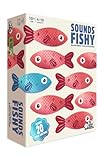
Overview: Sounds Fishy tasks players with inventing plausible fake answers to trivia questions, then convincing others theirs is correct. One player reads a true/false question (e.g., “Cows have four stomachs”), provides the real answer, and everyone else crafts convincing lies. The guesser must identify the truth, blending creativity with bluffing.
What Makes It Stand Out: Unlike traditional trivia, knowledge isn’t key—you create misinformation, lowering barriers for kids and non-experts. Its genius is in the “no answers? no problem” approach, fostering hilarious creativity and group laughter. The fast pace, focus on inventiveness over facts, and broad appeal (ages 10+) make it uniquely accessible.
Value for Money: Excellent value for large groups due to endless replayability from player-generated content. While the component count is modest, the sheer volume of potential questions (via included prompts and imagination) outshines many trivia games at similar price points, especially for family-focused budgets.
Strengths and Weaknesses: Strengths: Effortlessly inclusive, sparks immense creativity, extremely quick to learn/play, and works brilliantly for 4-8 players. Weaknesses: Limited physical components (mostly cards), and humor heavily relies on group dynamics—quieter players might get overshadowed.
Bottom Line: A standout, laughter-filled family game where creativity trumps knowledge. Ideal for groups valuing humor and inclusivity over complex strategy; highly recommended for family game nights and casual gatherings.
3. Coup Card Game by Indie Boards & Cards | Fast Bluffing and Social Deduction Strategy | Hidden Roles, Deception, and Player Interaction | Quick 15-Minute Game for 2–6 Players | Adults, Teens, Families

Overview: Coup is a razor-sharp social deduction card game where 2-6 players use hidden role cards (like Duke, Assassin, or Captain) to accumulate coins, block actions, and eliminate opponents through calculated bluffs and challenges. With a 15-minute runtime, it’s a masterclass in tense, high-stakes interaction.
What Makes It Stand Out: Its minimalist design—just role cards and coins—creates profound depth. The core loop of declaring actions you may not have, daring others to challenge you, and risking elimination for bluffing generates unmatched psychological tension. The compact size belies its strategic richness and constant player engagement.
Value for Money: Exceptional value; the tiny box houses a game with near-infinite replayability due to player-driven mind games. Priced lower than many larger-box games, it offers superior strategic depth and re-play frequency, making it a cornerstone for any game library seeking intense, portable interaction.
Strengths and Weaknesses: Strengths: Incredibly fast setup/play, deep strategic layers emerge quickly, highly portable, scales well across player counts. Weaknesses: Can feel punishing for new players due to elimination, and luck in role draws occasionally outweighs skill in short sessions.
Bottom Line: A near-perfect social deduction gem offering intense, strategic bluffing in minimal time. Essential for fans of player interaction and mind games; highly recommended for hobbyists and casual groups alike.
4. Gullible: The Hilarious Team Game of Creativity, Bluffing and Astonishing Facts. Will You Fool Your Family and Friends or Believe The Unbelievable? (Gullible - Same Game, Smaller Box) (New Edition)

Overview: Gullible pits teams against each other using bizarre true facts. One team reads a question with a real answer (e.g., “What’s a baby platypus called?”), then invents two fake but plausible answers. Opposing teams bet chips guessing the truth, losing chips on wrong bets—a blend of creativity, bluffing, and surprising trivia.
What Makes It Stand Out: The team-based structure fosters collaboration and hilarious group debates. Its unique hook is using real obscure facts as anchors for lies, making discoveries genuinely astonishing. The eco-conscious ethos (10% profits to charity, sustainable materials) adds meaningful value beyond gameplay.
Value for Money: Strong value for groups, especially considering its team focus accommodates up to 10 players seamlessly. The compact “smaller box” edition retains full content, and the charity/environmental commitment enhances its worth, outperforming trivia games lacking social or ethical dimensions.
Strengths and Weaknesses: Strengths: Highly inclusive team play, sparks genuine laughter and learning, eco-friendly production, works for 2-10 players. Weaknesses: Fact quality varies slightly, and team coordination can slow pace with larger groups. The smaller box, while portable, feels less premium.
Bottom Line: A joyful, clever party game where creating lies is as fun as spotting truth. Its team focus, educational twist, and ethical stance make it a top pick for family and group gatherings; highly recommended.
5. Bamboozled - A Hilariously Fun Bluffing Dice & Card Game. Family-Friendly Party Game for Kids, Teens & Adults. Fast and Easy to Learn

Overview: Bamboozled combines dice rolling with bluffing: players secretly roll dice, then announce a cumulative total, either truthfully or deceptively. Others challenge or add to the claim, with bluffers risking penalty cards if caught. Designed for all ages, it’s a quick, laughter-filled dice-rolling showdown.
What Makes It Stand Out: Its seamless blend of dice probability and lighthearted deception is instantly accessible. The compact tin with durable cards and rounded dice ensures portability and safety for kids. The 15-second setup and visual appeal (colorful artwork) make it ideal for spontaneous play anywhere.
Value for Money: Excellent for its portability and durability. The tin format protects components during travel, and the simple rules ensure constant use. While less strategically deep than card-based rivals, its universal age appeal (kids to adults) and travel-ready design offer distinct value for casual play.
Strengths and Weaknesses: Strengths: Ultra-portable, near-instant setup, genuinely family-friendly (ages 8+), high-quality compact components, encourages quick thinking and laughter. Weaknesses: Limited strategic depth compared to pure deduction games, and replayability relies heavily on group energy.
Bottom Line: A superb, travel-friendly bluffing game that delivers quick, inclusive fun for mixed-age groups. Perfect as a stocking stuffer or travel essential; highly recommended for casual, laughter-driven game sessions.
6. Little Secret | Bluffing Board Game for Family and Friends | an Exploding Kittens Card Game Collaboration | Award-Winning Board Game for 4-8 Players

Overview: Little Secret is a word-association bluffing game developed in collaboration with Exploding Kittens, designed for 4–8 players aged 10+. Players receive a secret password and must deduce who holds a different word through clever deception and questioning, all while avoiding suspicion themselves.
What Makes It Stand Out: Its seamless blend of intuitive wordplay and social deduction sets it apart, amplified by the playful Exploding Kittens aesthetic. With 700+ words ensuring replayability and a lightning-fast 20-minute runtime, it turns casual gatherings into hilariously tense sessions of trust-testing.
Value for Money: Priced competitively for an award-winning party game, it offers exceptional longevity thanks to its vast word bank and low barrier to entry. It outshines cheaper alternatives by avoiding repetitive gameplay, making it ideal for frequent game nights.
Strengths and Weaknesses:
Strengths: Effortless rules, high replay value, inclusive for mixed-age groups, and masterfully balances simplicity with strategic depth.
Weaknesses: Limited strategic complexity may disappoint hardcore gamers; reliance on player engagement means quieter groups might underutilize its potential.
Bottom Line: A must-have for social butterflies seeking lighthearted, laughter-filled nights. Its accessibility and explosive fun justify every penny, earning its award-winning status effortlessly.
7. Mattel Games Liar’s UNO Card Game in Travel & Storage Tin for Adults, Kids, Families, Parties & Game Nights, Outwit Other Players with Bluffing & Trickery (Amazon Exclusive)
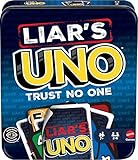
Overview: Liar’s UNO reimagines the classic card game by weaving bluffing into its core mechanics. Players use a specialized deck in a travel tin, lying about played cards while challenging opponents’ honesty—a twist that transforms familiar UNO into a nerve-wracking test of deception for ages 7+.
What Makes It Stand Out: The genius integration of “Liar’s Cards” (where truth or lies trigger card draws) breathes fresh life into UNO. Colorblind-friendly symbols and the compact tin elevate practicality, making it uniquely accessible and portable.
Value for Money: As an Amazon-exclusive variant, it justifies its slight premium over standard UNO with innovative gameplay and the durable tin. It’s a smarter investment than generic bluffing decks, offering instant recognition for UNO fans.
Strengths and Weaknesses:
Strengths: Brilliantly simple bluffing integration, inclusive design for colorblind players, perfect travel size, and retains UNO’s quick pace.
Weaknesses: Limited strategic depth beyond basic lies; the UNO foundation may feel restrictive for players seeking wholly original mechanics.
Bottom Line: An excellent upgrade for UNO enthusiasts craving novelty. Its portability, accessibility, and seamless bluffing twist make it a standout value for family game nights or trips.
8. PLAYVIEW 21 Bluff – The Ultimate Bluffing & Strategy Card Game for Family Game Night–Fast-Paced & Hilarious Party Game – Outsmart & Outbluff to Win – Includes 4 Custom Decks & Gift Box
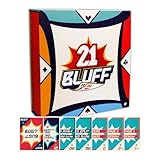
Overview: 21 Bluff merges blackjack-style number chasing with high-stakes bluffing, where 2–4 players race toward 21 while deploying Power Cards to deceive opponents. Packaged in a gift box with four custom decks, it targets families and adults seeking rapid, laughter-filled rounds.
What Makes It Stand Out: Its unique fusion of arithmetic strategy (aiming for 21) and chaotic Power Cards creates dynamic, unpredictable gameplay. The inclusion of four themed decks and premium gift packaging positions it as a versatile centerpiece for celebrations.
Value for Money: The bundled decks and box justify its mid-range price, especially against single-deck competitors. It outperforms similar games in replay variety but faces stiff competition from established titles like Skull in pure bluffing depth.
Strengths and Weaknesses:
Strengths: Highly replayable with multiple decks, engaging Power Card mechanics, and exceptional packaging for gifting.
Weaknesses: Over-reliance on luck with Power Cards can overshadow strategy; the 2–4 player limit feels restrictive compared to 8-player alternatives.
Bottom Line: A vibrant, giftable option for casual gamers, though strategic purists may prefer leaner bluffing experiences. Best for those prioritizing fun over finesse.
9. SAVANA Traitors Aboard - Award Winning Secret Identity Party Game - Fun, Bluffing and Betrayal | Easy to Learn, 15-Minute Round | Popular Games for 3-8 Players - Ages 10+

Overview: Traitors Aboard casts players as pirates on a ship where “Good Pirates” secretly cooperate to fill a gold chest while “Mutineers” sabotage efforts. This team-based betrayal game accommodates 3–8 players in 20–30 minute rounds, ideal for mixed-age groups.
What Makes It Stand Out: Its asymmetric team dynamics (cooperation vs. hidden sabotage) create intense social deduction without complex rules. The compact travel size and pirate theme make it universally appealing, distinguishing it from word- or number-focused rivals.
Value for Money: An affordable entry into team-bluffing games, it rivals pricier titles like The Resistance with smoother onboarding. The 10+ age range broadens its audience, though durability concerns linger for frequent use.
Strengths and Weaknesses:
Strengths: Exceptional ease of learning, thrilling team-betrayal tension, and portable design.
Weaknesses: Short rounds may feel shallow; Mutineer victories can frustrate new players due to limited counter-strategies.
Bottom Line: A superb gateway into social deduction for families and casual groups. Its simplicity and thematic charm deliver outstanding value for quick, engaging sessions.
10. Asmodee Skull Party Game - Bluffing and Strategy Game, Family Fun for Kids & Adults, Ages 13+, 3-6 Players, 30 Minute Playtime

Overview: Skull challenges 3–6 players to place and bet on engraved rose/skull tiles, bluffing about their ability to flip consecutive roses without hitting a skull. This minimalist strategy game, updated with refreshed rules, emphasizes psychological warfare over luck.
What Makes It Stand Out: Its elegant, almost meditative tension—using just four tiles per player—creates profound strategic depth. The refined design and compact tin highlight Asmodee’s commitment to quality, appealing to purists seeking pure bluffing mastery.
Value for Money: Priced higher than mass-market games, it earns its cost through timeless mechanics and premium components. It surpasses cheaper clones in durability and rule clarity, though newer players might prefer guided experiences.
Strengths and Weaknesses:
Strengths: Unmatched strategic depth, ultra-portable, and fosters intense player interaction.
Weaknesses: Steeper learning curve for absolute beginners; 13+ age rating excludes younger strategists despite simple rules.
Bottom Line: An essential classic for serious game nights. Worth every dollar for its razor-sharp focus on psychology and bluffing—ideal for collectors and strategy lovers.
Understanding Bluffing Game Mechanics
The Core Psychology of Deception
Bluffing games thrive on the tension between what players know and what they pretend to know. Successful designs create safe spaces for deception where lying isn’t just allowed—it’s celebrated. The best mechanics encourage players to interpret subtle cues like hesitation, body language, or inconsistent storytelling, turning social observation into a tangible skill. This psychological layer makes every interaction meaningful, as even quiet players become active participants through their reactions.
Hidden Information vs. Open Bluffing
Games often fall into two categories: those with hidden roles or objectives (where some information is secret from the start) and those built around open declarations (where players actively state false claims). Hidden-role games foster long-term suspicion and deduction, while open-bluffing formats create rapid-fire moments of truth or consequences. Consider whether your group prefers slow-burn intrigue or quick, chaotic confrontations when evaluating mechanics.
The Role of Risk and Consequence
Effective bluffing hinges on meaningful stakes. When the cost of getting caught feels significant—but not punishing—players stay engaged. Look for systems where failed bluffs create funny setbacks rather than elimination, keeping everyone in the action. Games that let players recover gracefully from a busted lie maintain momentum and prevent frustration during longer sessions.
Player Count and Group Dynamics
Small Groups (2-4 Players)
Intimate settings allow for deeper psychological play, where every word and gesture carries weight. Two-player duels become intense battles of wits, while groups of three or four enable complex alliances and betrayals. Opt for games emphasizing direct confrontation and layered deception, where limited players can fully track interactions without feeling overwhelmed.
Medium Groups (5-7 Players)
This sweet spot maximizes social chaos without sacrificing clarity. More players mean richer group dynamics, unexpected alliances, and multiple potential targets for suspicion. Games here often shine with mechanics that prevent analysis paralysis, like timed decisions or simultaneous actions, ensuring the pace stays snappy even as the web of lies grows.
Large Gatherings (8+ Players)
Big groups demand streamlined rules and clear turn structures to avoid confusion. Look for games with simple core actions that scale smoothly, where players remain engaged even during others’ turns. Team-based bluffing or narrator-led formats often work best here, transforming the room into a single energetic unit rather than isolated individuals.
Complexity and Accessibility Factors
Rule Simplicity for Quick Starts
The fastest way to kill game night momentum is a 20-minute rule explanation. Prioritize titles with teachable-in-5-minutes clarity, where core actions (like “claim cards” or “accuse players”) are intuitive. Simple frameworks let groups dive into the social drama immediately, reserving mental energy for reading opponents rather than remembering mechanics.
Depth Through Player Interaction
True replayability comes not from complicated rules, but from how players reinterpret simple systems. Games where strategies evolve based on group personality—like adapting to a friend’s notorious “tell” or exploiting a newcomer’s predictability—stay fresh over dozens of plays. Seek designs where human variability is the complexity engine.
Balancing Luck and Skill
The best bluffing experiences blend chance with player agency. Random elements (like shuffled roles or card draws) create unpredictable scenarios, while skill determines how players navigate them. Avoid games where luck dominates outcomes; the sweet spot lets clever bluffs overcome bad hands, rewarding psychology over probability.
Physical Components and Table Presence
Card Quality and Handling
Flimsy cards that bend or stick together disrupt the flow of high-stakes moments. Prioritize games with thick, durable stock and a smooth shuffle—especially crucial when rapid card handling is part of the tension. Matte finishes prevent glare during intense staring contests, while rounded corners ensure cards glide effortlessly from hand to table.
Visual Design and Clarity
Artwork should enhance, not obscure, gameplay. Icons and text must be legible at arm’s length during frantic rounds. Minimalist designs often work best, avoiding visual noise that distracts from reading opponents’ reactions. Color contrast is critical—nobody wants to squint at near-identical shades when deciding who to accuse.
Component Safety for Rowdy Nights
Game nights get lively. Choose pieces that won’t scatter across the room if someone laughs too hard—think weighted tokens or cards that stay put. Avoid tiny components young kids or clumsy adults might lose (or accidentally eat). Durable boxes with secure lids also save sanity during post-game cleanup.
Social Engagement and Replay Value
Encouraging Player Expression
The best games don’t just permit storytelling—they demand it. Mechanics that require players to justify claims (“Why would you have three aces?”) or invent backstories for roles turn shy participants into charismatic performers. Watch for systems that reward creative lying as much as successful deception, making every round feel like improv comedy.
Managing Elimination and Downtime
Games where players sit out after one failed bluff murder momentum. Prioritize designs where everyone stays involved—through hidden roles that persist after “death,” team-based objectives, or quick round structures. Short playtimes (15-25 minutes) also help, allowing groups to reset and try new tactics before attention wanes.
Adapting to Group Personality Shifts
A game that thrives with sarcastic friends might flop with reserved colleagues. Consider flexibility: Can rules be tweaked for sillier or more serious play? Do mechanics accommodate both bold liars and subtle manipulators? Titles with adjustable tension levels (like optional “hard mode” rules) ensure longevity as your group’s dynamics evolve.
Setting Up for Success
Pre-Game Atmosphere Tips
Lighting matters—dimmed overheads with a warm table lamp create an intimate, “interrogation room” vibe that heightens suspense. Background music should be low and unobtrusive (think ambient jazz, not bass drops). Most importantly, set the tone early: “Tonight, honesty is not the best policy!” signals playful permission to deceive.
Managing New Player Introductions
Onboard newcomers by assigning them simple, active roles (like “accuser” or “timekeeper”) to ease them into the chaos. Avoid dumping strategy tips mid-game; instead, highlight fun moments (“Did you see Sarah’s face when she bluffed that?”). Post-game, share hilarious fails rather than critiquing plays to keep the vibe welcoming.
Navigating Common Frustrations
When accusations fly (“You always lie about blue tokens!”), gently steer conversations toward the game’s structure, not personal traits. If analysis paralysis hits, implement soft timers (“You have until I count to three”). Remember: the goal is shared laughter, not perfect strategy. A lighthearted “Wow, that backfired spectacularly!” resets tension instantly.
Frequently Asked Questions
How do I choose between hidden-role and open-bluffing games?
Consider your group’s energy: hidden-role games suit strategic, talkative crowds who enjoy slow-building suspicion, while open-bluffing formats work better for quick-thinking groups that love immediate, chaotic confrontations.
What’s the ideal number of players for bluffing games?
Most designs peak between 4-6 players—enough for rich dynamics without excessive downtime. Always check the box’s recommended range; games scaling poorly outside this often frustrate players.
Can bluffing games work for introverted groups?
Absolutely. Start with mechanics requiring minimal speaking (like silent card plays) or team-based deception where quieter players support vocal allies. Avoid titles demanding constant performative lying.
How important is physical component quality?
Critical for immersion. Flimsy cards or confusing tokens break suspension during tense moments. Prioritize sturdy materials—especially if you’ll play frequently or with energetic groups.
Do these games get repetitive after multiple plays?
Not if they emphasize player-driven storytelling. Games where social dynamics—not fixed strategies—determine outcomes stay fresh. Look for high replayability through variable setups or evolving group “meta.”
Are bluffing games suitable for family game nights?
Yes, but vet themes carefully. Many modern designs offer family-friendly versions with silly lies (e.g., “I stole the cookie!”) instead of cutthroat betrayal. Avoid heavy themes like murder unless your family enjoys that tone.
How can I prevent arguments during high-stakes bluffs?
Establish clear house rules upfront: “No physical tells,” “Bluffs must be verbal,” or “One retraction per game.” Most importantly, laugh off disputes—remind everyone it’s about shared fun, not “winning” the argument.
What’s the best way to teach bluffing mechanics quickly?
Demonstrate with a live example: “Watch me bluff this round—see how I acted confident about worthless cards?” Then have players try one low-stakes round before scoring begins.
Can bluffing games work in virtual settings?
Video calls can work with apps designed for digital play, but physical games often lose nuance online. Prioritize titles with simple web tools (like shared screens for card reveals) and avoid mechanics relying on subtle physical reactions.
How long should a typical bluffing game session last?
Aim for 20-40 minutes per session. Longer durations risk fatigue, making bluffs predictable. If your group craves more, play multiple short rounds with breaks for laughter and refreshments.
See Also
- Stop Boring Game Nights with the 10 Best Crossword Board Games This Year
- Stop Boring Game Nights with the 10 Best Sports Trivia Games This Year
- Stop Boring Game Nights with the 10 Best Drawing Games This Year
- Stop Boring Game Nights with the 10 Best Acting Games This Year
- Stop Boring Game Nights with the 10 Best Party Board Games This Year