Table of Contents
Imagine the creak of floorboards in a long-abandoned mansion, the rustle of an ancient map under flickering candlelight, or the tense silence before rolling the dice that could mean victory or doom. For countless board game enthusiasts, the true magic lies not just in competition, but in stepping into another world, becoming intrepid explorers solving intricate mysteries, braving uncharted territories, and unraveling secrets woven into the very fabric of the game. Adventure board games offer this unparalleled escape, transforming your living room into a portal to excitement, demanding not just strategy, but imagination, collaboration, and a thirst for discovery. It’s about the shared gasps, the collaborative “aha!” moments, and the lingering sense of accomplishment after conquering a narrative challenge together.
But with so many titles promising thrilling expeditions, how do you cut through the noise and find the perfect adventure that truly resonates with your group? The landscape is vast and varied, filled with games emphasizing different aspects of the adventure – some lean heavily into cooperative puzzle-solving, others into epic solo journeys, and many into rich, branching narratives. Simply chasing the latest hype or a numbered “best of” list often leads to disappointment, as the ideal game hinges entirely on your specific group’s preferences, playstyle, and what kind of mystery truly excites you. This guide cuts through the marketing fluff, focusing on the essential elements that transform a simple board game into a captivating adventure worthy of your precious game night.
Top 10 Adventure Board Games
Detailed Product Reviews
1. Storyfold: Wildwoods – Solo Narrative Adventure Board Game | 1 Player Board Game | Immersive Storybook Gameplay, Unique River Card Mechanic, Learn as You Play, Fast Setup

Overview: Storyfold: Wildwoods is a groundbreaking solo narrative board game where players guide Luma and her bear Brom through a magical forest corrupted by shadow. Using a dedicated storybook and innovative mechanics, it delivers a deeply personal adventure focused on healing and discovery, perfect for fans of immersive storytelling.
What Makes It Stand Out: Its debut of the Storyfold system is revolutionary for solo play. The unique River Card Mechanic dynamically adjusts challenge tension based on player choices, creating organic narrative flow. Pre-packaged chapter cards and an in-box tray enable sub-2-minute setup, while stunning artwork and a heartfelt story elevate the emotional engagement beyond typical solo games.
Value for Money: Priced competitively against niche solo adventures, Wildwoods offers exceptional value. The high-quality components, reorganizable storage, and multiple replayable paths (via the River System) provide significant longevity. It outshines pricier alternatives by eliminating complex rulebooks and maximizing playtime efficiency.
Strengths and Weaknesses:
Strengths: Effortless setup/teardown; deeply immersive narrative; intuitive River Card tension system; beautiful art; beginner-friendly.
Weaknesses: Limited replayability after all story paths are exhausted; story resolution may feel predetermined for some.
Bottom Line: Wildwoods is a must-buy for solo board gamers seeking narrative depth without complexity. Its innovative system, emotional resonance, and flawless execution make it a standout debut and the new gold standard for story-driven solo experiences.
2. Brotherwise Games Call to Adventure
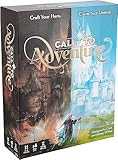
Overview: Call to Adventure is a narrative-focused card game where players sculpt a hero’s destiny through challenges and choices. Merging legacy storytelling with strategic card play, it tasks you with building your hero’s traits and virtues to overcome obstacles and define their epic journey.
What Makes It Stand Out: The game’s core innovation lies in its rune-based narrative engine. Players draft illustrated cards representing virtues, skills, and origins, then resolve challenges by combining runes. This creates emergent storytelling where every decision shapes a unique hero saga, offering more player agency than traditional legacy games.
Value for Money: With 150+ illustrated cards and 24 custom runes, it delivers substantial content at a mid-range price. While lacking miniatures, its focus on narrative creativity offers better replayability than many comparable RPG-lite games, making it ideal for story enthusiasts on a budget.
Strengths and Weaknesses:
Strengths: Highly replayable narrative creation; intuitive rune-drafting mechanics; strong thematic integration; excellent for group storytelling.
Weaknesses: Limited strategic depth for hardcore gamers; some card interactions feel unbalanced; minimal player interaction in competitive mode.
Bottom Line: Call to Adventure excels as a creative springboard for fantasy storytelling. It’s perfect for casual groups or solo players wanting to craft heroic legends, though competitive players may find it too light. A worthy addition for narrative game fans.
3. The Lord of The Rings: Adventure to Mount Doom | Family Game | Cooperative Game | Strategy Game

Overview: Adventure to Mount Doom is a cooperative strategy game where players unite to guide Frodo safely to Mount Doom. Designed for families, it captures Tolkien’s epic struggle through dice rolls, card draws, and shared decision-making to evade Ringwraiths and protect the Ringbearer.
What Makes It Stand Out: Its faithful adaptation of key LOTR narrative beats stands out. The shared resource pool and escalating threat mechanics (like Wraith tokens) create genuine tension. Unlike many licensed games, it avoids direct combat, focusing instead on stealth and sacrifice to mirror Frodo’s perilous journey.
Value for Money: Priced accessibly for a licensed title, it offers solid value with its thematic depth and 50-minute playtime. While component quality is modest compared to premium LOTR games, its cooperative simplicity and strong immersion for casual players justify the cost.
Strengths and Weaknesses:
Strengths: Authentic Tolkien atmosphere; easy-to-learn cooperative rules; scalable solo/4-player modes; strong family appeal.
Weaknesses: Limited strategic depth; high luck dependency with dice/card draws; minimal replayability due to fixed narrative path.
Bottom Line: An excellent entry-point for LOTR fans and families seeking cooperative play. It sacrifices tactical complexity for narrative charm, making it ideal for casual game nights but less satisfying for strategy veterans.
4. Avalon Hill Talisman: The Magical Quest Board Game, 5th Edition | Fantasy Tabletop Adventure Games | Ages 12 and Up | 2 to 6 Players | Roleplaying Strategy Games

Overview: Talisman: 5th Edition revives the classic fantasy adventure board game where players race across a magical realm to claim the Crown of Command. Combining luck-based movement with character development, it pits heroes against monsters, curses, and each other in a quest for ultimate power.
What Makes It Stand Out: The 5th Edition shines with its stunning board art, streamlined rules, and 12 unique character figures (like the Wizard and Thief). The three-tiered realm structure and modular Adventure cards create dynamic exploration, while the new “Fate” mechanic adds strategic depth to dice rolling.
Value for Money: Justifying its premium price, the edition boasts lavish components: detailed miniatures, a massive board, and 500+ cards. Though pricier than digital RPGs, its physical presence and chaotic multiplayer fun offer unmatched longevity for groups, outperforming cheaper alternatives in replay value.
Strengths and Weaknesses:
Strengths: Gorgeous, immersive components; highly social and chaotic fun for 2-6 players; deep character customization; excellent re-playability.
Weaknesses: Luck-heavy mechanics can frustrate strategy lovers; playtime often exceeds 2+ hours; some card imbalances persist.
Bottom Line: Talisman remains the definitive social fantasy board game. The 5th Edition’s refinements make it the best version yet—ideal for large groups craving whimsical, unpredictable adventures, despite its reliance on chance.
5. Bag of Dungeon–Fantasy Adventure Board Game for Families & RPG Fans | 1–4 Players, Ages 7+ | Classic Dungeon Crawler | Portable Tabletop RPG with Endless Replayability

Overview: Bag of Dungeon is a compact dungeon-crawler RPG where players explore randomized labyrinths to escape past monsters and traps. Designed for quick setup, it blends classic RPG elements like dice rolling and hero selection into a portable adventure for families or solo dungeon delvers.
What Makes It Stand Out: Its genius lies in extreme portability—everything fits in a single pouch—and lightning-fast setup (<10 minutes). The 120 modular dungeon tiles and 13 quests ensure endless layouts, while simplified rules (no GM needed) make it a true “gateway” into RPGs without overwhelming new players.
Value for Money: Exceptional value for its price point. The travel-friendly design, high replayability from randomized tiles, and family-friendly depth outperform bulkier dungeon crawlers. It’s a steal compared to games requiring rulebooks or apps, especially for on-the-go gaming.
Strengths and Weaknesses:
Strengths: Unbeatable portability; near-instant setup; infinite replayability via tile randomization; perfect family-RPG bridge.
Weaknesses: Cardstock components less durable than premium games; combat depth limited for hardcore RPG fans; minimal narrative progression.
Bottom Line: Bag of Dungeon is the ultimate travel RPG—ideal for families, beginners, or anyone needing bite-sized dungeon crawls. Its simplicity and portability make it indispensable, though veterans may crave more complexity. A must-pack for gamers on the move.
6. A Wild Venture Board Game - Engine-Building & Adventure Strategy Game, Whimsical Fantasy World with 100+ Unique Cards, Fast-Paced Gameplay for Kids & Adults, Ages 10+, 2 Players, 40-60 Min Playtime
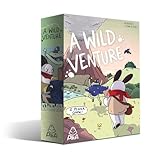
Overview: A Wild Venture is a compact, two-player strategy card game set in a charming fantasy realm where players compete to win the Community Cup through clever resource management and quest completion. It focuses on dynamic engine-building within a highly interactive, head-to-head framework. What Makes It Stand Out: Its innovative “engine-dismantling” mechanic is the true differentiator; players must strategically deconstruct their built engines to score points, as only fully used cards yield victory. The shared deck creates constant tension, forcing rapid adaptation and preventing passive play, while 100+ unique cards across themed sets ensure significant replayability. Value for Money: Priced competitively for a premium, two-player-only strategy experience, it delivers exceptional depth. The high-quality components, double-sided board, and extensive card library offer far more strategic variety than most dueling games at this price point, justifying the cost for enthusiasts seeking focused, replayable competition. Strengths and Weaknesses: Strengths: Brilliant dismantling mechanic adds unique strategic depth; fast-paced, highly interactive turns; exceptional replayability; accessible rules with meaningful decisions. Weaknesses: Strictly limited to two players; the need to fully deplete cards can occasionally feel restrictive; setup requires careful card sorting initially. Bottom Line: A remarkably fresh take on engine-building that excels in two-player dynamics. Its innovative scoring system, constant player interaction, and high replay value make it a standout strategy gem worth the investment for dueling game fans seeking depth without excessive complexity.
7. Spin Master Games, Jumanji Stampede, 3D Adventure Cooperative Board Game, for Fans of The Jumanji Movies, Easter Gift, 2-4 Players, for Ages 8 & Up

Overview: Jumanji Stampede is a cooperative board game inspired by the popular film franchise, where players work together against the clock to collect five magical crystals before the villain reaches Rhino Mountain, navigating jungle perils through a 3D landscape. What Makes It Stand Out: The immersive 3D board, featuring a substantial 7-inch Rhino Mountain and thematic obstacles like a spinning snake or barreling boulder, creates a visually engaging experience. The cooperative race-against-time mechanic, driven by shared objectives from challenge cards, effectively captures the movie’s adventurous spirit and urgency. Value for Money: As a thematic family cooperative game with significant 3D components, it offers solid value. While the core gameplay loop is relatively simple, the strong Jumanji theme, physical presence of the board, and family-friendly tension provide good entertainment for the price, especially for movie fans. Strengths and Weaknesses: Strengths: Highly thematic 3D board enhances immersion; simple cooperative rules ideal for younger players; strong Jumanji movie appeal; quick setup and playtime. Weaknesses: Gameplay lacks strategic depth for experienced gamers; replayability is somewhat limited by predictable challenge sequences; component durability might be a concern with heavy use. Bottom Line: An excellent, accessible entry into cooperative gaming for families and Jumanji fans, particularly younger audiences. Its visual appeal and straightforward teamwork mechanics make it a fun, if somewhat lightweight, game night choice that delivers on theme over deep strategy.
8. USAOPOLY Harry Potter Hogwarts Battle Cooperative Deck Building Card Game | Official Licensed Merchandise Board Great Gift for Fans Movie artwork For 132 months to 1188 months

Overview: Hogwarts Battle is a fully cooperative deck-building game where 2-4 players assume iconic student roles (Harry, Hermione, Ron, Neville) to defend Hogwarts against escalating threats across seven distinct, increasingly difficult adventures, using spells, allies, and items. What Makes It Stand Out: Its progressive campaign structure is exceptional; Games 1-7 form a continuous narrative where players unlock new cards, mechanics, and villains, creating a true sense of character growth and escalating challenge. The deep integration of Harry Potter lore through official artwork and thematic card effects immerses fans completely. Value for Money: The sheer volume of included components (252 cards, multiple boards, tokens, dice) and the seven-game campaign structure offer outstanding replayability and longevity for the price. It transforms from a simple deck-builder into a substantial narrative experience, providing far more content than typical standalone games. Strengths and Weaknesses: Strengths: Brilliant progressive difficulty curve; deeply engaging Harry Potter theme; high replayability through campaign modes; cooperative play fosters teamwork; extensive component count. Weaknesses: Later games become very challenging; setup can be cumbersome with all components; luck with card draws can occasionally dominate strategy. Bottom Line: A must-have for Harry Potter fans and cooperative game lovers. Its innovative campaign structure, rich thematic integration, and exceptional value through sheer content make it a highly recommended investment for building a lasting, evolving gaming experience centered around the Wizarding World.
9. The Night Cage by Smirk and Dagger | Cooperative Candlelit Horror Strategy Game | Tile Laying Labyrinth Escape Adventure for 1 to 5 Players Ages 14 Plus

Overview: The Night Cage is an award-winning cooperative horror game where players collaboratively navigate a shifting, candlelit labyrinth to escape before it collapses, using a single physical candle to reveal pathways and confront lurking Wax Eaters in near-total darkness. What Makes It Stand Out: The core innovation is the literal use of a real candle as a gameplay mechanic. Its flickering light dynamically limits visibility, forcing players to strategically manage the flame’s position to explore new tiles while ensuring safety, creating unparalleled atmospheric tension and shared vulnerability as darkness consumes revealed paths. Value for Money: Priced as a premium experience, it delivers exceptional thematic immersion and unique mechanics rarely found elsewhere. The high-quality components, adjustable difficulty, Advanced Game variants, and immense replayability through constantly shifting mazes justify the cost for horror and strategy enthusiasts seeking a truly distinctive game. Strengths and Weaknesses: Strengths: Unmatched atmospheric tension via candle mechanic; deeply cooperative and communication-focused; innovative tile-laying system; high replayability with variants; award-winning thematic execution. Weaknesses: Candle setup/maintenance adds minor logistical steps; intense darkness can frustrate some players; limited player count range for optimal tension (best at 2-4). Bottom Line: A groundbreaking, deeply immersive cooperative horror experience. The ingenious use of a real candle to drive gameplay and atmosphere elevates it beyond standard board games, making it a highly recommended, must-try title for groups seeking intense, thematic, and truly unique strategic challenges.
10. Asmodee Ticket to Ride Board Game (2025 Refresh) - A Cross-Country Train Adventure for Friends and Family, Strategy Game for Kids & Adults, Ages 8+, 2-5 Players, 30-60 Minute Playtime

Overview: The 2025 refresh of Ticket to Ride delivers the beloved classic train-routing experience, where players collect colored train cards to claim railway routes across a North American map, connecting cities to fulfill destination tickets and build the most expansive network. What Makes It Stand Out: Its enduring appeal lies in the perfect balance of accessibility and strategic depth. Simple set-collection and route-building mechanics are easy to grasp in minutes, yet offer meaningful decisions about risk (unfulfilled tickets penalize), route blocking, and network optimization, all wrapped in beautiful, updated components including vibrant miniature trains. Value for Money: As a perennial bestseller, the refresh maintains excellent value. The high-quality board, durable trains, straightforward rules, and near-perfect blend of luck and strategy for all ages ensure countless replayable family and social gaming sessions, outperforming many newer games in its price bracket for broad appeal. Strengths and Weaknesses: Strengths: Exceptionally easy to learn; quick setup and playtime; universally appealing to families and gamers; beautiful refreshed components; high replayability; meaningful player interaction through route blocking. Weaknesses: Can suffer from “runaway leader” in some games; limited strategic depth for hardcore gamers; luck of ticket draws impacts outcomes significantly. Bottom Line: The 2025 refresh reaffirms Ticket to Ride as the quintessential gateway game. Its timeless mechanics, stunning presentation, and unmatched ability to engage players of all ages make it an essential, highly recommended addition to any game collection for reliable, enjoyable strategy fun.
Understanding the Adventure Board Game Landscape
Before diving into features, it’s crucial to grasp what truly defines this vibrant subgenre. Adventure board games are distinct from pure strategy games or luck-based roll-and-moves. They prioritize narrative immersion, player agency within a story, and often, thematic challenges that feel organic to the setting. The journey itself is the destination.
Decoding the Core Adventure Game DNA
At their heart, these games blend mechanics with storytelling. Success isn’t just about accumulating points; it’s about progressing through a plot, overcoming obstacles tied to the theme (deciphering clues, managing resources in a dangerous environment, surviving encounters), and experiencing a sense of narrative consequence. The mechanics serve the story, not the other way around.
Key Distinctions from Other Genres
Unlike Eurogames focused purely on engine-building efficiency, or Ameritrash games emphasizing theme through components and dice rolls, adventure games demand active participation in the unfolding narrative. You aren’t just managing resources; you’re using them to survive a blizzard or bribe a guard. The story isn’t just flavor text; it’s the framework guiding your decisions and the game’s progression.
The Spectrum of Adventure Experiences
Adventure games span a wide spectrum. Some are tightly scripted, puzzle-box experiences requiring precise solutions. Others offer open-world exploration with emergent storytelling. Some are intensely cooperative, demanding constant teamwork. Others might feature competitive elements within a shared narrative framework, or even solo-focused journeys. Recognizing this diversity is the first step to finding your match.
Essential Features to Evaluate for Your Adventure
Choosing the right adventure requires looking beyond the box art. Focus on these critical features to ensure the game delivers the mystery and exploration you crave.
Narrative Depth and Player Agency
How compelling is the story? Does it draw you in with intriguing characters, a mysterious setting, and meaningful choices? Crucially, does your group feel their decisions matter? Games offering genuine branching paths, multiple solutions to problems, or consequences for failure create far more immersive adventures than linear, solve-the-puzzle experiences.
Cooperative Mechanics vs. Competitive Tension
Determine your group’s preference. Deeply cooperative games foster teamwork, shared problem-solving, and collective triumph (or defeat). Semi-cooperative or competitive adventure games introduce tension through hidden roles, conflicting objectives within the narrative, or direct competition for resources – this can enhance drama but might frustrate players seeking pure teamwork. Know which dynamic fuels your group’s fun.
Puzzle Integration and Thematic Consistency
Puzzles are often the backbone of adventure games. Evaluate how well they are woven into the theme. Do the puzzles feel like something an explorer would actually encounter – deciphering an ancient language, navigating a maze, or deducing a culprit’s alibi? Puzzles that feel arbitrary or disconnected from the story break immersion and diminish the adventure feel.
Replayability: Beyond the First Expedition
A great adventure game shouldn’t be a one-and-done experience. Look for elements that encourage return trips: variable setup ensuring different challenges each time, modular boards creating new landscapes, legacy elements that permanently change the game based on outcomes, or multiple distinct story paths and endings. High replayability maximizes the value of your adventure investment.
Component Quality and Thematic Immersion
While not the most critical factor, components play a vital role in selling the adventure. Well-illustrated maps, thematic tokens, evocative storybook entries, or unique道具-like components can significantly enhance the atmosphere. Consider how the physical elements contribute to making you feel like an explorer – flimsy cards might undermine the sense of discovering ancient artifacts.
Matching the Game to Your Explorer Team
The perfect adventure game depends entirely on who’s embarking on the journey with you. Honestly assess your group’s dynamics and capabilities.
Group Size and Dynamics Considerations
Does the game shine with 2 players, or truly come alive with 4-5? Some adventures become unwieldy with too many players, while others lose their narrative intimacy with just two. Consider your group’s typical size and communication style. Highly cooperative games demand strong communication; competitive tension requires players who enjoy that dynamic.
Complexity Threshold: Balancing Challenge and Enjoyment
Adventure games range from accessible family-friendly mysteries to deeply complex narrative epics. Be realistic about your group’s tolerance for rule density, intricate mechanics, and session length. A game that’s too simplistic won’t satisfy seasoned explorers, while one that’s overly complex can overwhelm newcomers and bog down the narrative flow. Find the sweet spot for collective enjoyment.
Time Commitment: Planning Your Expedition Duration
Be brutally honest about the time you can dedicate. Some adventures unfold over multiple short sessions (perfect for weekly game nights), while others demand a single, intensive 3-4 hour expedition. Consider setup/cleanup time too. Choosing a game that consistently overruns your available time leads to frustration and unfinished stories – the ultimate adventure killer.
Player Skill and Experience Alignment
Factor in the experience level of your regular group. Newer players might be overwhelmed by games requiring heavy deduction or complex resource management early on. Seasoned gamers might find overly simplistic narrative games dull. Look for adventures that offer a learning curve or adjustable difficulty to grow with your team.
Thematic Elements That Fuel the Mystery
The theme isn’t just window dressing; it’s the engine driving the adventure. The right theme makes every decision feel significant and every challenge authentic.
Setting Authenticity and Atmosphere
Does the game world feel believable and cohesive? A convincing jungle expedition should evoke humidity, dangerous wildlife, and archaeological wonder; a cosmic horror mystery should drip with dread and the unknown. Strong thematic integration in the rules, components, and narrative creates the essential atmosphere that transforms mechanics into an experience.
Mystery Types: Puzzles, Deduction, or Exploration?
Identify what kind of mystery excites your group most. Are you drawn to intricate logic puzzles and code-breaking? Do you relish the challenge of deducing hidden information from clues and player actions? Or is the thrill found in physically exploring a map, discovering new locations, and managing the risks of the unknown? Different games specialize in these distinct mystery flavors.
Character Roles and Narrative Integration
How do players embody their explorers? Do unique character abilities feel thematically relevant (a scholar deciphering texts, a scout navigating terrain)? Are character choices woven into the narrative progression? Games where roles actively shape how the story unfolds, rather than just providing mechanical bonuses, deepen player investment and the sense of being part of the adventure.
Practical Considerations for Choosing Your Quest
Beyond the core experience, practical factors significantly impact your long-term enjoyment of an adventure game.
Setup and Teardown Efficiency
A game with a 20-minute setup and complex organization can kill the pre-game excitement. Evaluate how streamlined the preparation is. Modular boards that snap together easily, clear component sorting, and intuitive setup guides make starting your adventure far more appealing than wrestling with numerous small pieces every time.
Storage Solutions Within the Box
Nothing ruins immersion like poorly stored components. Check reviews for mentions of sensible internal organization. Does the box have adequate trays or space for expansions? Games that stay organized encourage more frequent plays, while a box full of loose bits becomes a chore to manage and discourages setting up.
Expansion Potential and Long-Term Value
Consider if the base game feels complete or if significant content requires expansions. Some adventure games are designed as part of a larger narrative arc across multiple boxes. Assess whether this ongoing investment model suits your group’s commitment level and budget. A robust base game with optional expansions often offers better initial value than a bare-bones core set.
Learning Curve and Rulebook Clarity
A poorly written rulebook can derail even the most promising adventure. Look for games renowned for clear, well-structured rules with good examples. A smooth learning process, potentially aided by good tutorial scenarios, ensures you spend time playing the adventure, not arguing over interpretations. Consider if the game offers a “learn as you play” structure, common in narrative-driven adventures.
Making the Final Decision: Your Adventure Checklist
Armed with this knowledge, you’re ready to confidently select your next expedition. Don’t just browse shiny boxes; use a structured approach.
Prioritizing Your Non-Negotiables
List your top 3-5 absolute must-haves based on your group’s needs. Is it strict cooperation? A specific theme (like archaeological digs)? Under 90-minute playtime? High replayability? Having clear priorities helps filter out unsuitable options quickly, cutting through the overwhelming number of choices.
Leveraging Reviews Wisely
Seek out reviews that focus on your priorities, not just overall scores. Look for comments on the aspects you care most about: “How was the puzzle integration?” “Did the narrative feel impactful with 3 players?” “How long really does setup take?” Ignore reviews fixated on elements irrelevant to your group’s adventure goals.
The Power of Demo or Video Overview
Whenever possible, watch a detailed “how to play” video showcasing a full turn or a specific scenario. Better yet, try to demo the game at a local store or convention. Experiencing the flow, the puzzle style, and the thematic feel firsthand is invaluable and prevents buyer’s remorse based solely on box appeal.
Frequently Asked Questions
How do I know if an adventure board game is truly cooperative or just “multiplayer solitaire”?
True cooperation requires constant interaction and shared decision-making where one player’s actions directly impact others’ options and the group’s overall success. Look for mechanics like shared resources, group puzzle-solving requiring input from all, or a win/loss condition that applies to everyone equally. If players mostly manage their own boards with minimal interaction beyond taking turns, it’s likely solitaire.
What’s the biggest mistake people make when choosing an adventure game?
Overlooking group size and time commitment. Choosing a game designed for 4-5 players for a regular 2-player group (or vice-versa), or picking a 3-hour epic when you only have 90 minutes available, guarantees frustration. Always match the game’s requirements to your group’s reality first.
Are adventure board games suitable for families with younger kids?
Many are! Look for games specifically labeled as family-friendly with lower complexity ratings. Key factors include simpler rules, shorter playtimes (under 60 mins), visual clues over heavy text, and themes appropriate for the age group (e.g., treasure hunts over horror). Always check the publisher’s age recommendation as a starting point.
How important is physical component quality for the adventure experience?
While not the most critical factor, it significantly impacts immersion. Sturdy maps, clear clue cards, and thematic miniatures help sell the fantasy. However, a game with brilliant narrative design but average components can still be fantastic. Prioritize gameplay and story first, but don’t ignore how components affect the tactile feel of your exploration.
Can I enjoy adventure games solo, or are they strictly for groups?
Many modern adventure games shine in solo play! Solo modes are increasingly common and well-designed, often using AI systems or puzzle-focused challenges that translate perfectly to a single explorer. If solo play is important, specifically seek out games renowned for their robust and engaging solo experiences.
How do I assess replay value beyond what the box claims?
Look for concrete mechanics: modular boards/tiles, variable player powers, multiple distinct story paths or endings, legacy elements that change the game permanently, or scenario packs. Avoid games relying solely on “different choices” if the underlying structure is rigid; true replayability needs mechanical variety baked in.
What’s the difference between an “adventure” game and a " legacy" game?
An adventure game focuses on a narrative-driven experience, which could be a single playthrough or have high replayability. A Legacy game is a specific format where choices permanently alter the game components and rules over a fixed campaign (usually 10-24 sessions), creating a unique, evolving story. All Legacy games are adventures, but not all adventures are Legacy games.
How do I handle it if my group gets stuck on a puzzle during the game?
Good adventure games often provide tiered hints to prevent total standstills. Check if the game includes a built-in hint system. If not, agree beforehand on a hint protocol (e.g., waiting 10 minutes before looking at a clue). Avoid spoiling the solution immediately; sometimes stepping away briefly or discussing different angles unlocks progress. The goal is overcoming the challenge, not unnecessary frustration.
Are there adventure games that minimize reading for groups who prefer less text?
Yes! Many modern designs use strong iconography, illustrated clues, and visual puzzle elements to reduce text dependency. Look for games emphasizing spatial reasoning, pattern matching, or deduction through physical components. Always check gameplay videos to gauge the actual text load before purchasing.
How can I find adventure games that match a very specific theme I love (like deep-sea exploration or ancient Egypt)?
Use specialized board game databases (like BoardGameGeek) and filter by category (“Adventure,” “Exploration,” “Deduction”) and then by theme (“Egypt,” “Ocean”). Read detailed descriptions and reviews focusing on thematic execution. Join online communities or subreddits dedicated to board games and ask for theme-specific recommendations, clearly stating your desired theme and preferred mechanics.
See Also
- The 10 Ultimate Best Adventure Board Games for Explorers in 2026
- How to Solve Boring Game Nights with the 10 Best Adventure Board Games in 2026
- How to Solve Boredom with the 10 Best Adventure Board Games in 2026
- 10 Expert-Recommended Adventure Board Games for Immersive Play in 2026
- 10 Best Adventure Board Games for Family Game Nights in 2026