Table of Contents
Rolling the perfect set of dice shouldn’t feel like squinting at a riddle. Whether you’re a dungeon master orchestrating an epic campaign or a player whose fate hangs on every roll, nothing kills the momentum faster than having to pick up a die and angle it toward the light just to read the result. Acrylic dice have revolutionized tabletop gaming by offering crystalline clarity and razor-sharp number definition that older materials simply can’t match—but not all acrylic sets are created equal when it comes to visibility.
The quest for dice that practically announce their results across the table has become increasingly sophisticated. As manufacturing techniques evolve and 2026 approaches, understanding what truly makes numbers “pop” versus what creates a muddled, frustrating experience separates the exceptional from the mediocre. This guide dives deep into the features, manufacturing nuances, and practical considerations that define premium visibility in acrylic dice—empowering you to make informed decisions without getting lost in marketing hype or brand-specific claims.
Top 10 Acrylic Dice Sets
Detailed Product Reviews
1. 50 Pieces Dice Set, 14mm Bulk 6 Sided Colored Dices for Board Games, Math Learning,Classroom

Overview: This 50-piece dice collection offers 10 translucent colors (5 dice each) in a compact 14mm size. Made from durable acrylic with rounded edges, these dice arrive in a storage box that’s perfect for family game nights and educational settings. The vibrant color palette includes black, dark blue, light blue, purple, red, rose red, yellow-green, green, light yellow, and orange.
What Makes It Stand Out: The translucent design sets these apart from standard opaque dice, creating a gem-like aesthetic that enhances gameplay. The included storage box solves organization headaches, while the color variety enables creative game variants beyond traditional numbered dice. Rounded edges ensure smooth rolling and reduce table wear, making them particularly suitable for classroom environments where durability matters.
Value for Money: At this quantity and price point, you’re getting excellent value for moderate gaming needs. The set costs significantly less than purchasing individual dice packs while providing enough variety for most family or small classroom applications. The durable acrylic construction means these won’t need frequent replacement, offering long-term savings over cheaper alternatives.
Strengths and Weaknesses: Strengths include vibrant translucent colors, convenient storage solution, rounded edges for safety, and excellent math teaching potential. Weaknesses are the smaller 14mm size (less substantial feel), limited quantity per color for large group activities, and moderate total count compared to bulk alternatives.
Bottom Line: Ideal for families and teachers seeking a colorful, organized dice solution for light to moderate use. The storage box and quality materials make this a practical choice, though larger groups may need multiple sets.
2. Rerdeim 110 Pieces Dice Set, Colored Game Bulk Dices, Colorful Dices, 6 Sided Dice for Classroom Teaching, Board Game, Playing, Rolling, Small Six Sided 11 Color Red, Yellow, Blue, Green and More

Overview: This massive 110-piece transparent dice set delivers exceptional quantity with 11 vibrant colors in a portable 14mm size. Designed for versatility, these high-quality acrylic dice serve classroom teaching, board games, DIY crafts, and party decorations. The extensive color range includes red, yellow, blue, green, purple, pink, cyan, light green, orange, with 10 dice per color.
What Makes It Stand Out: The sheer volume makes this unbeatable for large groups or creative projects. Eleven distinct colors provide maximum flexibility for game design and probability lessons. The transparent acrylic creates a modern aesthetic, while the manufacturer’s emphasis on DIY applications opens possibilities for holiday gifts and party decor beyond standard gaming.
Value for Money: With nearly double the dice of standard sets, this offers superior per-die value. The bulk packaging reduces cost significantly compared to smaller sets. However, the 15+ age recommendation is puzzling for dice and may limit classroom utility for younger students, potentially offsetting the value for educators.
Strengths and Weaknesses: Strengths include massive quantity, excellent color variety, and versatile applications. Weaknesses are the concerning age restriction, lack of mentioned storage solution, smaller 14mm size, and potential overkill for casual users who don’t need 110 dice.
Bottom Line: Best suited for adult game groups, crafters, and large event organizers. Teachers should verify age appropriateness before purchasing, while families may find the quantity excessive for home use.
3. SLSESIN 100 Pieces 16MM Dice Set, 6 Sided Standard Colored Dices with Portable Plastic Box, Opaque 10 Colors Games Dice for Board Games, Parties, Classroom Math Bulk Dice

Overview: This 100-piece collection features standard 16mm opaque dice in 10 colors, neatly organized in a compartmentalized plastic box. The larger size provides substantial feel and optimal rolling weight compared to smaller alternatives. Available in white, blue, yellow, orange, ivory white, light green, green, black, pink, and red, these acrylic dice with rounded corners suit board games, parties, and classroom math activities.
What Makes It Stand Out: The compartmentalized storage box is a game-changer for organization, eliminating color-mixing frustrations. The 16mm size hits the sweet spot—large enough for confident handling yet compatible with most board games. Rounded corners ensure smooth rolls while the opaque design offers classic tabletop aesthetics that serious gamers appreciate.
Value for Money: This set balances quantity, quality, and organization perfectly. The included storage system adds value absent in competing products. While slightly pricier than bare-bones bulk options, the time saved on organization and superior 16mm sizing justify the modest premium for serious users.
Strengths and Weaknesses: Strengths include optimal 16mm size, brilliant compartmentalized storage, durable acrylic construction, and versatile color selection. Weaknesses are the opaque design (less flashy than translucent), limited to 10 colors, and potential bulkiness of the storage box for ultra-portable needs.
Bottom Line: The best all-purpose choice for educators and gamers wanting quality, organization, and standard sizing. The storage solution alone makes this worth the investment over disorganized bulk alternatives.
4. Rerdeim 60 Pieces Dice Set, 16mm Standard Bulk 6 Sided Colored Dices for Board Games, Math Learning, Classroom, 10 Color, 6 Pieces of Each Color

Overview: This 60-piece set delivers standard 16mm dice in 10 vibrant colors, providing six dice per color for balanced distribution. Crafted from premium acrylic with rounded edges, these dice serve classroom teaching, game nights, and creative DIY projects. The color palette includes light green, yellow, green, orange, red, magenta, purple, sky blue, blue, and black.
What Makes It Stand Out: The 16mm standard size ensures compatibility with most board games while offering better handling than smaller 14mm alternatives. The vibrant color selection enables creative gameplay variants and craft applications. Rounded edges provide smooth rolling action, and the manufacturer’s focus on DIY versatility suggests these work well for decorative purposes beyond gaming.
Value for Money: This mid-range quantity offers reasonable per-die value for moderate users. The 16mm sizing adds value over smaller dice without significant price increase. However, the absence of a mentioned storage solution means you’ll need to provide your own organization, slightly diminishing overall value compared to sets with included boxes.
Strengths and Weaknesses: Strengths include standard 16mm size, vibrant color range, durable acrylic material, and versatile applications. Weaknesses are no included storage, limited quantity for large classrooms, and only six dice per color which may restrict some probability demonstrations.
Bottom Line: A solid choice for casual gamers and small group educators who prioritize standard sizing over massive quantity. Plan to purchase a separate storage container to maintain organization.
5. Seenelling 36 Piece 19 mm Casino Style Craps Dice Sets Acrylic and Translucent D6 Dice, Square W/Rounded Edge for Casino, Craps, Table Games and Board Games (Classic Color)

Overview: This premium 36-piece set features large 19mm casino-style dice in six translucent colors, designed to elevate gaming experiences with professional-grade aesthetics. The substantial size and square-rounded edges provide authentic casino feel for craps, table games, and sophisticated board gaming. Six dice per color ensure adequate distribution for most gaming scenarios.
What Makes It Stand Out: The 19mm size delivers exceptional visibility and satisfying heft unmatched by standard dice. The translucent casino-quality design with square-rounded edges ensures fair, predictable rolls while looking stunning. These dice transform ordinary game nights into premium experiences and work brilliantly for dice stacking demonstrations due to their precise craftsmanship.
Value for Money: While the per-die cost exceeds bulk educational sets, the casino-grade quality and impressive size justify the premium. This represents excellent value for hosts and enthusiasts wanting professional aesthetics without casino supply store prices. The durability ensures lifelong use, amortizing the initial investment.
Strengths and Weaknesses: Strengths include impressive 19mm size, professional casino styling, durable acrylic construction, and versatile application from craps to math activities. Weaknesses are limited quantity for large groups, oversized for some board game boxes, and higher upfront cost that may deter budget-conscious buyers.
Bottom Line: Perfect for casino-themed events, serious gamers, and educators wanting maximum visibility. Not ideal for bulk classroom distribution, but unbeatable for creating an upscale gaming atmosphere.
6. DIYDEC 100pcs 16mm Game Bulk Dice 10 Colors Acrylic 6 Sided Dice Set for Classroom Teaching Math Learning Standard Dice for Party Family Board Games

Overview: The DIYDEC bulk dice set delivers exactly what its name promises: a massive collection of 100 standard 16mm dice spanning ten vibrant colors. Each color—black, white, dark blue, light blue, purple, red, rose, dark green, orange, and yellow—appears ten times, making this ideal for classroom management or large gaming groups. The acrylic construction ensures durability while maintaining lightweight portability.
What Makes It Stand Out: The sheer volume combined with thoughtful color distribution sets this apart. Unlike smaller sets that force you to share, this collection lets every participant have their own dedicated dice pool. The rounded corner design isn’t just aesthetic—it creates smoother rolls and reduces surface damage to tables. The versatility extends beyond gaming into educational applications, creative building, and even decorative uses.
Value for Money: At bulk pricing, you’re paying significantly less per die than purchasing smaller packs individually. For teachers, party planners, or board game cafés, the cost-per-unit makes this an economical powerhouse. Comparable 50-piece sets often cost 60-70% of this price, making the 100-piece option a smart investment for heavy users.
Strengths and Weaknesses: Strengths include exceptional quantity, excellent color variety, rounded corners for better rolling, and true 16mm sizing. The acrylic material resists chipping and fading. Weaknesses: the large quantity may overwhelm casual users, and storage requires planning since no container is mentioned. Some users report occasional paint inconsistencies on numbers in bulk batches.
Bottom Line: Perfect for educators, large families, or serious board game enthusiasts who need volume without sacrificing quality. The DIYDEC set transforms dice scarcity into dice abundance.
7. 50 Pieces Colored Dice Set 16mm Standard Game Dices Acrylic 6 Sided Colorful Bulk Casino Dice for Casino Theme Party Board Games Vegas Birthday Party Supplies (Square Corner)
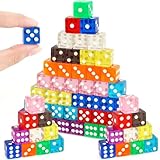
Overview: This 50-piece dice set balances quantity and manageability, offering ten colors with five dice each. The square-corner design evokes authentic casino aesthetics, making it perfect for Vegas-themed events. Crafted from acrylic, these 16mm dice provide durability for repeated use while remaining lightweight enough for extended gaming sessions.
What Makes It Stand Out: The square corners differentiate this from rounded alternatives, creating that satisfying clatter and bounce associated with professional casino dice. The color assortment—five per shade—works perfectly for smaller groups while maintaining enough variety for complex game mechanics. The set excels as a thematic accessory for casino parties or educational probability lessons.
Value for Money: Positioned as a mid-range option, this delivers solid value for occasional hosts and educators. While the per-die cost runs higher than 100-piece bulk sets, it’s more economical than buying individual packs. For users needing 40-60 dice, you’re not paying for excess inventory you’ll never use.
Strengths and Weaknesses: Strengths include authentic square corners, sturdy acrylic build, versatile color distribution, and suitability for themed events. The 16mm size ensures readability. Weaknesses: square corners may roll less smoothly on uneven surfaces and can be noisier. Five dice per color limits large-group distribution compared to ten-per-color alternatives.
Bottom Line: An excellent choice for party planners and casual gamers who want casino authenticity without industrial-scale quantities. The 50-piece count hits the sweet spot for most social gatherings.
8. 16MM Standard 6 Sided Dice Set, 50 Pieces Colorful Dice for Board Games, Classroom Math Bulk Game Dice, Make Entertainment More Exciting

Overview: This practical 50-piece dice collection emphasizes organization and durability. Ten bright colors arrive in a reusable storage box, solving the common problem of loose dice clutter. The plastic construction features rounded edges for smoother rolling, targeting both classroom educators and family game nights with its versatile design.
What Makes It Stand Out: The included storage box immediately elevates this above disorganized bulk competitors. Rounded edges reduce noise and table damage while ensuring fair rolls. The color palette prioritizes bright, easy-to-read hues that enhance visual learning for math exercises and add vibrancy to board games.
Value for Money: The storage container adds significant value, essentially providing free organization that would cost $5-10 separately. While the “plastic” description suggests slightly lower-grade material than premium acrylics, the durability remains adequate for classroom and home use. The price point matches competitor 50-piece sets without accessories.
Strengths and Weaknesses: Strengths include the storage box, rounded edges for quiet rolling, bright readable colors, and multipurpose design. The 16mm size fits comfortably in hands of all ages. Weaknesses: material described as “plastic” rather than acrylic may raise longevity concerns. Color variety is standard without unique shades. No mention of number paint quality.
Bottom Line: The storage box makes this the most practical choice for teachers and parents who value organization. If you need contained chaos rather than loose dice, this is your set.
9. GWHOLE 40 Pieces 6-Sided Game Dice Set, 8 Translucent Colors Dice for Board Games and Teaching Math

Overview: GWHOLE offers a compact 40-dice set featuring eight translucent colors that catch light beautifully. With five dice per color, this set targets smaller groups prioritizing aesthetics alongside function. The standard 16mm sizing and square corners maintain traditional gaming feel while the translucent design adds visual appeal.
What Makes It Stand Out: The translucent acrylic creates a premium, gemstone-like appearance that opaque dice lack. This visual quality makes math lessons more engaging for students and adds flair to game night. The rainbow spectrum—red, yellow, orange, green, blue, indigo, violet, pink—provides excellent color-coding options for game mechanics or probability demonstrations.
Value for Money: While offering fewer dice than 50-piece competitors, the translucent quality justifies the comparable price point. You’re trading quantity for aesthetic upgrade. For users needing under 40 dice, this eliminates waste while delivering superior visual appeal. Bulk buyers should note the per-die cost runs higher than standard opaque sets.
Strengths and Weaknesses: Strengths include stunning translucent colors, standard casino-style square corners, and perfect sizing. The eight-color palette covers the spectrum well. Weaknesses: limited quantity restricts large-group use, and translucent material may show wear more visibly. Only five dice per color limits distribution options. No storage solution included.
Bottom Line: Choose GWHOLE when visual impact matters more than sheer volume. The translucent dice elevate presentations and make learning more captivating for visual learners.
10. 10 PC D6 dice 16mm Acrylic Dice Set for RPG MTG DND Dice Table Games and Board Games (Purple + Blue)

Overview: This minimalist 10-piece set serves a specific niche: RPG and trading card game enthusiasts who need just a few specialty dice. The purple and blue dual-color design creates a unique marbled effect, distinguishing these from standard monochrome dice. Sized at 16mm, they integrate seamlessly with existing polyhedral collections.
What Makes It Stand Out: The dual-color fusion delivers aesthetic appeal that single-color dice can’t match, making rolls feel more personal and dramatic. The focused RPG/MTG/DND positioning indicates quality control for games requiring frequent rolling. The small quantity acknowledges that serious role-players often need just a few extra D6s alongside their primary sets, not dozens.
Value for Money: As a premium small-batch product, the per-die cost exceeds bulk options significantly. However, for RPG players, paying extra for dice that match their character theme or campaign aesthetic is worthwhile. You’re investing in personalization rather than pure utility.
Strengths and Weaknesses: Strengths include the unique dual-color design, premium acrylic material, perfect sizing for RPGs, and focused marketing toward gamers. The dice feel substantial and roll fairly. Weaknesses: extremely limited quantity, single colorway option, and poor value for non-RPG users. Not suitable for classrooms or large groups.
Bottom Line: Ideal for role-players seeking thematic dice to complement their primary sets. Don’t buy this for general gaming—purchase it to enhance your RPG experience with distinctive style.
Why Acrylic Dice Dominate Modern Gaming
Unmatched Clarity for Easy Reading
Acrylic’s inherent optical properties create a glass-like transparency that allows light to penetrate and reflect off number surfaces in ways other plastics can’t replicate. This clarity isn’t just about aesthetics—it fundamentally changes how our eyes process the contrast between the die body and its numbering. Unlike resin or polymer blends that can appear hazy or yellow over time, high-grade acrylic maintains its luminous quality, ensuring your dice remain as readable on their hundredth session as they were on their first.
The Sweet Spot Between Weight and Portability
Acrylic strikes an ideal balance that serious gamers appreciate. Heavy enough to feel substantial in hand and roll with satisfying momentum, yet light enough to prevent table damage and transport effortlessly. This weight distribution also impacts visibility—dice that are too light may skitter unpredictably, while overly heavy dice can damage surfaces and create reading angles that obscure numbers. The density of quality acrylic allows for consistent rolls that settle quickly and present their faces at readable angles.
Decoding Dice Visibility: What Actually Matters
Ink Contrast Ratios That Pop
The science of visibility begins with contrast ratio—the difference in luminance between the number ink and the die material itself. Premium manufacturers achieve ratios of 15:1 or higher, where bright white or metallic ink stands in stark relief against deep, saturated backgrounds. The key lies in ink opacity; thin, watery applications disappear into transparent dice, while properly pigmented, thick applications create dimensional depth that catches light from any angle. When evaluating dice, look for numbering that appears to float above the surface rather than sink into it.
Font Styles That Enhance Legibility
Not all number fonts serve visibility equally. Bold, sans-serif numerals with consistent stroke width outperform decorative scripts or ultra-thin modern typefaces every time. The most readable dice feature numbers with a minimum 0.5mm stroke width, generous spacing between digits, and slightly rounded character edges that prevent light from creating harsh shadows. Many premium makers now use custom-designed fonts optimized specifically for small-scale readability, often tweaking standard numerals to be 10-15% larger within the same face space.
Number Positioning and Spacing
Precision matters beyond font choice. Numbers positioned too close to face edges can appear truncated or distorted, especially on rounded dice. Optimal placement centers each numeral with at least 1mm clearance from all edges, creating visual breathing room. The orientation should remain consistent across all faces of a single die—nothing breaks immersion faster than numbers that seem to tumble randomly around each surface. This consistency indicates the manufacturer used precision-aligned molding fixtures rather than manual processes.
Size Matters: Choosing the Right Dimensions
Standard 16mm vs. Oversized Options
The traditional 16mm D6 remains the industry standard for good reason—it fits comfortably in hand, rolls true, and presents numbers at a scale most manufacturers can engrave cleanly. However, for players prioritizing visibility above all else, 18mm or 19mm variants offer substantially larger number faces without feeling unwieldy. The increased surface area allows for bolder numbering and creates more distance between digits on adjacent faces, reducing visual clutter during quick reads.
Jumbo Dice for Maximum Visibility
Oversized dice ranging from 22mm to 25mm serve specific gaming scenarios beautifully. These giants command attention and can be read from across a convention hall, making them ideal for DMs who roll publicly or players with vision challenges. The trade-off comes in portability and storage—they require specialized cases and can feel cumbersome during extended sessions. Consider jumbos for specific high-stakes rolls rather than complete sets.
Compact Sets for Travel Gaming
On the opposite end, 12mm micro dice solve portability problems but sacrifice visibility. Their numbers often dip below 2mm in height, straining even perfect vision. If travel readability matters, look for 14mm “mini-standard” sizes that shrink volume while maintaining 2.5mm+ numerals. Some manufacturers achieve this by using flatter face geometries, maximizing surface area within a smaller diameter.
Color Psychology and Readability
High-Contrast Combinations That Work
Visibility science favors specific color pairings. Black ink on transparent or frosted white acrylic provides the highest natural contrast, followed by metallic gold on deep purple or blue. White ink works best on dark, saturated bases—think blood red, forest green, or midnight blue. Avoid low-contrast combinations like silver on light blue or pastel pink on white; these may look attractive in product photos but fail under actual gaming conditions where lighting varies and quick glances are the norm.
Transparent vs. Translucent vs. Opaque
Clarity categories dramatically impact number visibility. Crystal-clear transparent dice with bold ink offer unmatched readability, as light penetrates and illuminates the entire piece. Translucent dice with 30-70% opacity can work beautifully with high-contrast ink but require stronger lighting conditions. Opaque dice, while classic, depend entirely on surface contrast since no light passes through—this makes ink quality paramount. For maximum visibility across all environments, transparent or lightly translucent dice with dark, bold numbering consistently outperform.
Avoiding Problematic Color Pairings
Certain aesthetic trends compromise functionality. Pastel-on-pastel combinations, while Instagram-worthy, create insufficient contrast for rapid reading. Similarly, dichroic or color-shifting effects, though visually stunning, can cause numbers to seemingly disappear as the die rotates and the background hue changes. Neon inks on neon bases might seem bright, but similar wavelengths can blend together, creating a glowing blur rather than distinct digits. When in doubt, stick to classic dark-light pairings.
Manufacturing Quality Indicators
Precision Molding Techniques
Premium acrylic dice start with injection molds polished to a mirror finish, creating dice faces that are optically clear rather than subtly textured. Look for dice with perfectly flat faces—roll a die and observe if it wobbles or settles smoothly. Quality molds produce sharp, consistent edges where faces meet, while budget molds leave slightly rounded corners that catch light unevenly and can obscure number edges. The best manufacturers use CNC-machined molds replaced after every 10,000 impressions to maintain precision.
Flash and Mold Line Removal
Excess plastic from the molding process—called flash—creates thin ridges along edges that scatter light and cast tiny shadows across number surfaces. Premium dice undergo tumbling or hand-filing to remove these lines completely. Inspect dice under bright light; any visible seam or roughness indicates rushed post-processing. Perfectly smooth edges ensure light interacts cleanly with the die surface, making numbers appear sharper and more defined.
Edge Sharpness vs. Rounded Corners
This nuance significantly impacts both aesthetics and readability. Sharply cut edges create brilliant prismatic effects in acrylic and frame each face distinctly, but can feel aggressive in hand and chip more easily. Gently rounded edges (0.2mm radius) maintain most of the optical benefits while improving durability and hand-feel. Avoid dice with heavily rounded edges (0.5mm+ radius), as they blur the transition between faces and can cause numbers near edges to appear distorted.
The Role of Inclusions and Effects
Understanding Glitter Distribution
Glitter and foil inclusions add visual drama but can interfere with number clarity. The key lies in distribution density and particle size. Fine, sparse glitter (0.1mm particles at less than 5% density) adds sparkle without competing with numerals. Large, dense glitter flakes (1mm+ particles at 20%+ density) create visual noise, especially when they settle behind inked numbers, reducing contrast. Premium manufacturers suspend inclusions in clear acrylic layers above and below the number plane, keeping the numeral area optically pure.
Foil vs. Film Inclusions
Metallic foils create stunning depth effects but require careful implementation. Single-layer foil sheets placed deep within the die can cast shadows that darken numbers, while multi-layered foils too close to the surface create distracting reflections. The sweet spot places foil inclusions at least 2mm behind the number plane, allowing them to catch light beautifully without interfering with readability. Film inclusions—thin printed designs—should use translucent rather than opaque patterns to maintain number visibility.
When Effects Hinder Visibility
Beware of “gimmick” effects that prioritize flash over function. Color-morphing pigments, heavy internal swirls, and embedded objects (flowers, tiny skulls) may look cool but create unpredictable backgrounds that numbers can get lost in. If you love these effects, ensure the manufacturer compensates with extra-bold numbering, often achieved through double-inking or raised-number techniques that create physical dimensionality.
Reading Conditions: Environmental Factors
Low-Light Gaming Solutions
Most gaming occurs in dimly lit basements or atmospheric game stores with suboptimal lighting. This is where acrylic’s light-transmitting properties shine—literally. Transparent dice catch and diffuse ambient light, making numbers more legible in shadows than opaque alternatives. For extreme low-light conditions, consider dice with photo-luminescent ink that charges under any light source and glows softly for hours, or those with metallic inks that reflect even minimal light sources.
LED Light Tables and Dice Trays
Modern gaming accessories can dramatically enhance visibility. LED-lit dice trays with white or cool blue backlighting make transparent acrylic dice appear to glow from within, causing dark ink to stand out dramatically. Some premium trays now feature adjustable color temperature, allowing you to optimize for your specific dice colors. For DMs, a small portable light table for public rolls ensures every player can read results instantly, building trust and drama simultaneously.
Surface Color Impact on Readability
The surface you roll on affects perceived contrast. White or light wood tables reflect light up through transparent dice, illuminating numbers from below. Black felt surfaces absorb light, forcing you to rely on overhead illumination and surface contrast alone. Consider a dice tray with a reversible white/black liner—use the white side for dark-inked dice and black for metallic or white-inked sets. This simple switch can improve readability by 30% or more without changing your dice.
Maintenance for Lasting Clarity
Cleaning Without Causing Scratches
Acrylic scratches more easily than resin or metal, and micro-scratches create haze that diminishes number clarity. Never use paper towels or abrasive cloths—opt for microfiber lens cloths used for eyeglasses. Clean with cool water and a drop of mild dish soap, rubbing gently in straight lines rather than circles. For stubborn grime, isopropyl alcohol works, but avoid acetone or ammonia-based cleaners that can cloud the surface. Clean dice monthly if handled frequently.
Storage Solutions That Prevent Yellowing
UV exposure yellows acrylic over time, reducing transparency and number contrast. Store dice in opaque, compartmentalized cases rather than clear display boxes. If you must show them off, use UV-blocking display cases designed for museum artifacts—these block 99% of harmful rays. Keep dice away from windows and fluorescent lights when not in use. With proper care, premium acrylic dice remain crystal-clear for decades; with poor storage, noticeable yellowing can occur within 2-3 years.
When to Re-ink Your Dice
Even the best ink can wear thin on frequently rolled dice. If you notice numbers becoming harder to read, examine them under magnification. When ink depth drops below 0.1mm or shows transparency, it’s time to re-ink. This simple DIY process involves using a fine-tipped applicator to flow new ink into engraved numbers, letting it dry, then wiping away excess. Professional re-inking services use industrial-grade pigments and curing processes that last 10x longer than DIY methods, often costing less than replacing premium sets.
Customization Options for Better Visibility
DIY Re-inking Techniques
For the hands-on gamer, re-inking offers customization and clarity improvement. Use acrylic-based model paints or specialized dice inks rather than water-based craft paints that chip easily. Apply with a 00-size brush or needle-tip applicator for precision. For maximum durability, finish with a clear acrylic sealant, but apply it only to the number grooves to avoid creating a glossy haze across the die face. Test on a spare die first—color matching can be tricky, and some acrylic formulations reject certain paint chemistries.
Professional Re-engraving Services
When ink alone isn’t enough, some specialty services can deepen existing engravings or add contrasting borders around numbers. Using micro-laser engravers, they can increase number depth from standard 0.3mm to 0.8mm, creating dramatic shadows that enhance readability. This process costs more than simple re-inking but permanently transforms marginal dice into highly legible tools. Ensure the service uses acrylic-compatible lasers—CO2 lasers work best, while fiber lasers can cause micro-fracturing.
Adding Contrast After Purchase
If you love a dice set’s aesthetic but struggle with visibility, consider contrast-enhancing accessories. Thin-lined permanent markers can add subtle outline effects to numbers, though this requires steady hands. More elegantly, some crafters apply thin strips of metallic foil tape into number grooves, creating reflective outlines that catch light. For a non-permanent solution, colored dice sleeves or face stickers designed for miniatures can be trimmed to fit number spaces, adding contrast without permanent alteration.
Budget Considerations
Price vs. Visibility Quality
The relationship between cost and clarity isn’t linear. Budget acrylic dice ($5-10 per set) often use thinner ink and basic molds, resulting in readability issues. Mid-range options ($15-25) typically hit the visibility sweet spot—manufacturers invest in better molds and pigmented inks without adding luxury packaging costs. Premium dice ($30-60+) offer marginal visibility improvements but excel in unique effects and manufacturing consistency. For pure readability, focus on the $18-22 range where manufacturers prioritize function over frills.
Spotting Value in the Mid-Range
Mid-priced dice often outperform their cost suggests. Look for sets that emphasize “readable” or “bold” numbering in their descriptions—these manufacturers consciously invest in visibility. Check product photos for consistent ink application and sharp edge definition. Many mid-range makers skip expensive inclusion effects, instead channeling resources into precision molding and high-pigment inks. These “no-frills” sets frequently outshine pricier, flashier options in real-world readability tests.
When Premium Pricing Is Justified
Premium costs make sense for specialized visibility needs. Dice with proprietary high-contrast inks, medical-grade acrylic clarity, or custom-engineered fonts deliver measurable readability improvements for players with vision impairments. Limited-run sets using experimental molding techniques that create perfectly flat faces justify their price through exceptional consistency. If you’re a DM rolling for an entire table or a tournament player requiring absolute certainty in reading, premium pricing translates to performance value.
Community Standards and Expectations
Tournament Legal Requirements
Competitive play environments enforce strict visibility standards. Most tournament organizers require dice where numbers are “immediately readable from 3 feet away under standard venue lighting.” This unofficially disqualifies dice with metallic flakes behind numbers, ultra-thin fonts, or insufficient ink opacity. Some events now mandate “high-contrast” sets, though definitions vary. When building a tournament-ready collection, prioritize transparent or white dice with black ink, or black opaque dice with white ink—these combinations never raise questions.
Gaming Group Preferences
Your regular gaming group develops unwritten standards over time. If everyone uses muted, vintage-style dice, bringing in ultra-bright, high-visibility sets might feel jarring. Conversely, if your table values efficiency and fast-paced play, dice that require squinting become a group frustration. Consider your group’s culture—some prefer the aesthetic cohesion of similarly styled dice, while others prioritize individual readability. The best choice balances personal needs with table expectations, perhaps using high-visibility sets for personal rolls while keeping thematic sets for group photo ops.
Collector vs. Player Perspectives
Collectors often prioritize rarity and aesthetics over readability, while players need functional tools. This divide influences market offerings. Limited-edition sets with complex effects command collector premiums but frequently disappoint in actual play. Player-focused manufacturers, conversely, iterate on mold precision and ink formulas that don’t photograph as dramatically but perform flawlessly. Decide which camp you inhabit—if you’re buying dice to use weekly, prioritize player-centric features. If they’re for display with occasional use, aesthetic considerations can reasonably trump visibility.
Frequently Asked Questions
How can I test dice visibility before purchasing online? Request high-resolution photos from multiple angles in different lighting conditions. Reputable sellers will provide macro shots showing ink depth and edge sharpness. Look for videos demonstrating rolls—the numbers should be instantly readable even in motion. Check return policies; quality retailers understand visibility concerns and offer satisfaction guarantees.
Do larger dice always have better number visibility? Not necessarily. While larger faces allow for bigger numbers, some oversized dice use the extra space for decorative elements rather than enlarged numerals. Always check the actual number height in product specifications. A well-designed 16mm die with 3mm numerals can outperform a poorly designed 22mm die with 3.5mm numbers if the ink quality and contrast are superior.
Can I improve the visibility of dice I already own? Absolutely. Professional re-inking services can transform poorly inked dice for $1-2 per die. DIY methods using acrylic paints work for minor touch-ups. Adding a white or light-colored dice tray dramatically improves perceived contrast. For transparent dice, simply cleaning them with a proper microfiber cloth often restores lost clarity from finger oils and micro-scratches.
What causes acrylic dice to become cloudy over time? UV exposure, contact with harsh chemicals (including some hand lotions), and micro-scratching from improper cleaning are the primary culprits. Storage in direct sunlight can cause noticeable hazing within months. Using dice as improvised weapons (we’ve all been there) creates surface scratches that diffuse light. Proper care and storage in UV-protective cases prevent 95% of clouding issues.
Are transparent dice always more readable than opaque ones? In good lighting, transparent dice often have an edge due to light transmission illuminating numbers from within. However, in very bright or direct light, transparent dice can suffer from glare. High-quality opaque dice with premium ink can match or exceed transparent readability in challenging lighting. The key is contrast quality, not material transparency alone.
How do I clean dice without damaging the numbering? Use cool water, mild soap, and a microfiber cloth. Avoid submerging dice for extended periods—quick dips are sufficient. Never use alcohol on metallic inks unless specifically formulated for it. Don’t scrub; let soap dissolve oils, then pat dry. For stubborn grime, a soft toothbrush can reach into number grooves, but use minimal pressure to avoid scratching surrounding acrylic.
What font size should I look for in premium dice? Aim for numerals at least 2.5mm tall on a standard 16mm D6, scaling proportionally for larger dice. The “critical 7” on D20s should be 3mm+ for instant recognition during tense moments. Anything smaller requires perfect vision and ideal lighting. Premium manufacturers often list font specifications—if they don’t, assume the numbers are undersized.
Do sharp or rounded edges affect number readability? Sharp edges create clean face boundaries that frame numbers beautifully, but the difference is subtle. Overly rounded edges (more than 0.3mm radius) can cause light to bleed between faces, slightly softening number definition. For most users, this effect is minor compared to ink quality. Choose based on rolling feel and durability preferences rather than visibility concerns alone.
Can I mix dice from different sets without visibility issues? Mixing is fine if visibility consistency matters to you. Using one high-contrast set for combat rolls and another for skill checks can actually improve gameplay by creating visual differentiation. Problems arise when you mix dice with vastly different readability levels within the same roll type—this forces your brain to constantly adjust, slowing down play. Standardize visibility quality within functional categories.
How often should I replace my acrylic dice for optimal visibility? With proper care, quality acrylic dice remain highly readable for decades. Replace dice when numbers show significant wear (ink depth below 0.1mm), when the acrylic yellows or clouds noticeably, or when edges chip enough to affect rolling fairness. For weekly players, expect 5-7 years of peak performance before gradual degradation becomes noticeable. Casual players may get 15+ years from a well-cared-for set.
See Also
- 10 Best Acrylic Dice Sets for Clear, Crisp Rolls in Competitive Play in 2026
- 10 Most Durable Acrylic Dice Sets Based on Real User Reviews in 2026
- 10 Top-Rated Acrylic Dice Sets According to Experts in 2026
- 10 Affordable Acrylic Dice Sets That Don’t Sacrifice Quality in 2026
- 10 Best Acrylic Dice Sets for Clear, Durable Rolls in 2026