Table of Contents
Deck building games have evolved from niche hobbyist curiosities into a cornerstone of modern tabletop gaming, and 2026 finds the genre in its most innovative phase yet. Expansions now do far more than simply add cards—they fundamentally transform gameplay loops, introduce narrative depth, and create entirely new strategic dimensions that breathe fresh life into beloved base games. Whether you’re a seasoned card-slinging veteran or just discovering the satisfaction of crafting the perfect engine from a shared pool, understanding what makes an expansion truly exceptional has never been more crucial.
The landscape of deck building expansions in 2026 reflects a maturing market where players demand substance over mere volume. Today’s premier expansions are evaluated not just on the quantity of new cards, but on their ability to integrate seamlessly, offer genuine replayability, and respect the time investment players have already made mastering core systems. This guide explores the essential features, trends, and considerations that define top-tier expansions, helping you navigate the increasingly sophisticated world of deck building game enhancements without getting lost in marketing hype.
Top 10 Deck Building Game Expansions
Detailed Product Reviews
1. DC Deck-Building Game Multiverse Box

Overview: The DC Deck-Building Game Multiverse Box solves the collector’s dilemma of organizing an ever-growing card collection. This substantial storage solution accommodates every card released to date with room for future expansions, plus includes an exclusive Multiverse Crossover Pack based on the Convergence storyline. The box features custom foam inserts and set dividers, transforming chaotic piles into a curated library.
What Makes It Stand Out: The exclusive Crossover Pack introduces the groundbreaking Events mechanic, creating dynamic secondary line-ups that shuffle random cards from your entire collection into play. This lets you experience massive, unpredictable games without managing a 500-card deck. The oversized Multiverse Location cards grant players champion status, fundamentally altering win conditions. This is the only product offering true multiversal gameplay.
Value for Money: Priced around $40-50, you’re essentially paying $15-20 for premium storage and $25-30 for exclusive content. Comparable storage solutions cost $30+ without any gameplay additions. For serious collectors, this pays for itself by protecting hundreds of dollars in cards while delivering unique mechanics unavailable elsewhere.
Strengths and Weaknesses: Strengths include unparalleled storage capacity, exclusive Convergence content, innovative Events system, and future-proofing your collection. The foam inserts prevent card damage and dividers enable quick setup. Weaknesses: it’s not standalone, casual players with small collections may find it excessive, and the box itself is bulky. The Events mechanic can overwhelm newcomers.
Bottom Line: Essential for dedicated DC DBG collectors. The exclusive content and professional organization justify the investment, but casual players should wait until their collection grows. If you own three or more DC DBG sets, this is a must-have upgrade.
2. Legendary® 007™ Thunderball: A James Bond Deck Building Game Expansion
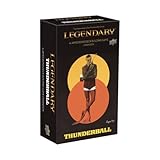
Overview: The fourth expansion to Legendary James Bond thrusts players into the aquatic espionage of Thunderball. This 120-card set faithfully recreates the film’s Caribbean nuclear extortion plot, adding new allies, Q-branch gadgets, and underwater missions. Players foil SPECTRE’s scheme through location-specific challenges that capture the movie’s distinctive maritime atmosphere.
What Makes It Stand Out: Thunderball uniquely emphasizes aquatic mechanics absent in previous expansions. The Caribbean Sea missions introduce location-specific victory conditions and water-based obstacles. Card artwork directly pulls from film stills, creating immersive nostalgia. New gadgets specifically address underwater combat and aquatic infiltration, expanding tactical options beyond previous sets’ terrestrial focus.
Value for Money: At $20-25 for 120 cards, it matches standard Legendary expansion pricing. The film-specific theme delivers targeted content for Bond aficionados rather than generic spy tropes. Compared to the base game’s $50-60 price, expansions like Thunderball provide focused replayability at less than half the cost, making it an efficient way to extend campaign variety.
Strengths and Weaknesses: Strengths include faithful film adaptation, unique aquatic mechanics, gorgeous film-based artwork, and seamless integration with existing content. The theme resonates strongly with classic Bond fans. Weaknesses: requires the base Legendary 007 game, niche aquatic focus may not appeal to all players, and the villain pool is limited to SPECTRE operatives from this single film.
Bottom Line: A must-buy for Bond collectors who own the base game. Thunderball’s distinctive maritime theme and faithful adaptation make it stand out among expansions, but casual players should prioritize more versatile sets first.
3. Legendary: Midnight Sons: a Marvel Deck Building Game Expansion

Overview: The 32nd expansion for Legendary Marvel introduces the supernatural Midnight Sons, bringing dark justice to the deck-building universe. This set adds five heroes including Morbius, Blade, and Werewolf by Night, plus two Masterminds, two Villain groups, and four Schemes. All cards feature comic-accurate artwork celebrating Marvel’s horror-hero legacy.
What Makes It Stand Out: Midnight Sons delivers the franchise’s first dedicated supernatural horror theme. Heroes feature unique bloodlust and lunar transformation mechanics that mirror their comic powers. The set introduces day/night cycle effects that alter card abilities mid-game. This thematic depth transforms standard superhero battles into gothic struggles against occult threats, refreshing the core experience dramatically.
Value for Money: Priced at $18-22, this expansion offers typical Legendary value: roughly 100 cards featuring specialized mechanics. The supernatural angle provides distinct replayability compared to generic hero sets. For players owning multiple Legendary expansions, this injects variety at standard expansion cost without requiring additional components beyond the core set.
Strengths and Weaknesses: Strengths include innovative day/night mechanics, beloved horror-hero characters, cohesive dark theme, and comic-faithful artwork. The transformation mechanics add strategic depth. Weaknesses: requires Marvel Legendary Core Set, horror theme may alienate younger players, and synergy with existing heroes is limited. Some mechanics feel complex for casual groups.
Bottom Line: Perfect for Marvel fans seeking variety beyond traditional Avengers content. The supernatural theme and clever mechanics justify the purchase, but families with young children should consider the horror elements carefully. A solid mid-tier expansion.
4. Renegade Game Studios G.I. Joe Deck-Building Game: Shadow of The Serpent Expansion - Ages 13+, 1-4 Players 30-70 Mins, Deck Building Game Expansion

Overview: Shadow of the Serpent expands the G.I. Joe deck-building experience with two narrative-driven missions continuing the fight against Cobra. This add-on includes new Joe characters, utility items, weapons, and challenging Cobra Officers. An Expert Mode card ramps difficulty for veteran players seeking greater tactical challenges in their 30-70 minute sessions.
What Makes It Stand Out: The expansion’s mission-based structure provides cohesive storytelling rarely seen in deck-builders. Expert Mode dynamically scales difficulty without adding cumbersome rules. New Cobra Officers feature unique tactical abilities requiring specific counter-strategies. The utility items introduce resource management decisions beyond simple attack values, deepening the strategic layer.
Value for Money: At $15-20, this is a budget-friendly expansion delivering focused content. Two full missions with new enemies and gear extend campaign play significantly. Compared to the $40 base game, this offers 50% more mission content at half the price. For fans who’ve mastered base scenarios, the Expert Mode alone provides replayability value.
Strengths and Weaknesses: Strengths include compelling mission narratives, Expert Mode replayability, new strategic elements via utility items, and thematic Cobra enemy variety. The expansion integrates seamlessly with base game mechanics. Weaknesses: requires G.I. Joe DBG base set, limited to two missions (some may want more), and new content doesn’t fundamentally alter core gameplay. Expert Mode may frustrate casual players.
Bottom Line: Essential for G.I. Joe DBG owners wanting more content. The mission quality and Expert Mode justify the price, but players seeking radical mechanical innovation should wait for larger expansions. Best for dedicated fans.
5. Cryptozoic Entertainment: DC Deck-Building Game: Crossover Collection 1 Expansion- Deck Building Card Game, Ages 14+ Multi

Overview: Crossover Collection 1 bundles three DC DBG expansions—The Rogues, Birds of Prey, and New Gods—into a single package. This compilation introduces Teamwork mechanics, card rotation systems, and Homeworld locations. Each pack features foil oversized Character cards and thematic gameplay elements. The box includes an exclusive Black Racer promo card, adding value for collectors.
What Makes It Stand Out: This collection uniquely offers three distinct team themes in one purchase. The Rogues deliver coordinated villain team tactics, Birds of Prey emphasize cooperative card rotation, and New Gods introduce cosmic Homeworld advantages. The foil oversized cards provide premium collectibility. The Black Racer promo is exclusive to this set, making it irreplaceable for completionists.
Value for Money: Priced at $30-35, the collection effectively costs $10-12 per crossover pack—roughly 30% savings versus individual purchases at $15-18 each. You’re getting 150+ cards, three mechanical systems, and a promo for less than two standalone packs. For DC DBG fans planning to buy multiple expansions, this represents undeniable bundle savings.
Strengths and Weaknesses: Strengths include exceptional bundle value, three diverse themes, premium foil cards, exclusive promo, and mechanical variety. The Teamwork and rotation systems add fresh strategic dimensions. Weaknesses: requires any DC DBG base game, no storage solution included, overwhelming amount of content for casual players, and some team themes may not appeal to all players.
Bottom Line: Outstanding value for committed DC DBG players. The bundle pricing, exclusive promo, and mechanical diversity make this a smart purchase. Casual fans should start with one thematic pack before committing to this collection. A definitive expansion bundle.
6. Legendary 2099: A Marvel Deck Building Game Expansion

Overview: Legendary 2099 marks the 34th expansion to Upper Deck’s sprawling Marvel deck-building universe, introducing Doctor Doom as a central figure alongside five new heroes and two villain groups. This set continues the series’ tradition of blending cooperative and competitive elements, allowing players to forge uneasy alliances or pursue individual glory while battling iconic threats. All cards feature original artwork that captures the dystopian 2099 aesthetic.
What Makes It Stand Out: Doctor Doom’s inclusion as both a potential ally and mastermind offers unprecedented narrative flexibility. The expansion’s original art specifically tailored to the 2099 timeline distinguishes it from recycled illustrations in earlier sets. The mix of five heroes and dual villain groups provides substantial variety, while the optional player-vs-player dynamic creates fresh strategic tensions absent in purely cooperative deck-builders.
Value for Money: As the 34th expansion, Legendary 2099 targets dedicated collectors rather than newcomers. The $25-30 price point aligns with previous expansions, offering roughly 100 cards. While requiring the core set limits standalone value, the Doctor Doom content justifies the investment for completists. Casual players might find better entry points among earlier, more foundational expansions.
Strengths and Weaknesses: Strengths include Doctor Doom’s versatile implementation, thematic 2099 artwork, and robust replay through varied player configurations. Weaknesses involve mandatory core set ownership, potential power creep affecting older cards, and diminishing returns for players already saturated with Legendary content. The expansion adds complexity that may overwhelm casual groups.
Bottom Line: Legendary 2099 delivers exactly what veteran players expect: focused thematic content with mechanical polish. Doctor Doom devotees and completionists should purchase immediately, while newcomers should start with earlier expansions or the core set.
7. Resident Evil Deck Building Game Expansion Outbreak

Overview: The Resident Evil Deck Building Game: Outbreak expansion injects fresh terror into Bandai’s survival-horror card system with 150 new cards, upgraded storage, and refined tactical mechanics. Designed for 2-4 players and clocking in at 30 minutes, this set emphasizes quick, brutal decision-making. The included damage counters and card dividers streamline setup and teardown, addressing common complaints about the base game’s component limitations.
What Makes It Stand Out: Outbreak’s integrated storage solution immediately distinguishes it from expansions that expect players to provide their own organization. The 30-minute playtime creates intense, focused sessions perfect for game nights. Massive replay value emerges from randomized mansion layouts and infected encounters, ensuring no two runs feel identical. The tactical card-game framework rewards careful hand management over pure luck.
Value for Money: At approximately $30-35, Outbreak positions itself as a premium expansion. The inclusion of physical components—counters, dividers, and a storage box—adds tangible value beyond just cards. Compared to bare-bones card-only expansions, this comprehensive approach justifies the cost. However, players need the base game to utilize these additions, limiting its standalone appeal.
Strengths and Weaknesses: Strengths include exceptional component quality, brisk pacing, and genuine tactical depth that captures Resident Evil’s tension. Weaknesses involve mandatory base-game ownership, limited player count scaling, and occasionally swingy difficulty spikes. The rulebook could better clarify interaction with older sets.
Bottom Line: Outbreak is an essential upgrade for Resident Evil deck-building fans, fixing organizational headaches while delivering tight, thematic gameplay. Survival-horror enthusiasts who own the base game should prioritize this purchase.
8. Renegade Game Studios Transformers Deck-Building Game: A Rising Darkness Expansion - Standalone Expansion, Ages 14+, 1-5 Players, 45-90 Min

Overview: Renegade’s Transformers Deck-Building Game: A Rising Darkness functions as both a standalone entry and an expansion, letting 1-5 players embrace their inner Decepticon across 45-90 minute campaigns. Unlike the Autobot-focused core set, this expansion spotlights the villainous perspective, offering competitive and cooperative modes. When combined with the base game, it enables innovative Team vs Team battles that capture the franchise’s faction warfare.
What Makes It Stand Out: The Decepticon focus provides a rare antagonist viewpoint in deck-building games. Standalone capability means newcomers can experience the system without prior investment. The Team vs Team mode creates asymmetrical gameplay unavailable in the core set, while the flexible player count (1-5) accommodates solo play and larger groups. This dual-mode design maximizes table appeal.
Value for Money: Priced around $40-45 as a standalone, it offers complete gameplay with 200+ cards. As an expansion, the value depends on owning the core set. The content volume and mode variety compare favorably to similarly priced deck-builders. Solo mode adds significant value for isolated players, while Team vs Team justifies purchase for groups seeking fresh competitive angles.
Strengths and Weaknesses: Strengths include versatile play modes, strong Decepticon theming, and excellent scalability. Weaknesses involve some rulebook ambiguity when mixing sets and slightly longer setup for Team vs Team configurations. The competitive mode can feel less balanced than cooperative play, and card quality varies between sets.
Bottom Line: A Rising Darkness succeeds as both an entry point and expansion. Transformers fans and deck-building collectors will appreciate its flexibility, though competitive players should verify mode balance suits their group.
9. Renegade Game Studios Renegade Game Studios G.I. Joe Deck-Building Game: New Alliances - A Transformers Crossover Expansion - Take On The Role of A Pony, Ages 14+, 1-4 Players, 30-70 Min

Overview: This ambitious crossover expansion merges G.I. Joe with Transformers, requiring the G.I. Joe Deck-Building Game core set to function. Players command Autobots that transform between bot and vehicle modes, strategically transporting JOE team members across missions. The innovative Energon dice pool introduces resource management that fuels powerful Autobot abilities, creating a hybrid dice-and-card system for 1-4 players in 30-70 minute sessions.
What Makes It Stand Out: The franchise crossover delivers unprecedented thematic mashup appeal. Dual-mode Autobot cards fundamentally alter movement mechanics, offering strategic depth beyond standard deck-building. The Energon dice pool adds tactile resource management that mirrors Transformers’ energy concerns. These mechanics integrate surprisingly well with G.I. Joe’s military operation framework, creating genuine synergy rather than forced branding.
Value for Money: As an expansion requiring a $45-50 base game, the $25-30 price tag targets committed fans. The dice components and 100+ cards provide adequate content, but value hinges entirely on crossover interest. For G.I. Joe players indifferent to Transformers, the purchase is questionable. For fans of both franchises, it’s a justified premium.
Strengths and Weaknesses: Strengths include brilliant thematic integration, innovative dice-pool mechanics, and dual-mode card design. Weaknesses involve mandatory base-game ownership, niche appeal limiting audience, and potentially confusing rules interactions between systems. The dice pool can create swingy outcomes that frustrate purist card players.
Bottom Line: New Alliances excels for G.I. Joe and Transformers devotees, offering creative mechanics that respect both franchises. Casual fans of either property should approach cautiously due to the required investment and specialized appeal.
10. Legendary: A Marvel Deck Building Game - Paint The Town Red Expansion

Overview: Paint The Town Red brings symbiote chaos to Upper Deck’s Legendary system as a non-standalone expansion requiring the core set. This 100-card addition introduces Black Suit Spider-Man as a playable hero and Carnage as a devastating new Mastermind, supported by two villain groups and four schemes. The set captures the dark, aggressive tone of Marvel’s symbiote saga through mechanics that emphasize risk-reward decisions and escalating violence.
What Makes It Stand Out: Black Suit Spider-Man’s long-awaited debut satisfies fan demand, while Carnage ranks among Legendary’s most mechanically brutal Masterminds. The symbiote theme permeates card design, with abilities that feed on destruction and self-harm. Four new schemes provide narrative variety, and the villain groups introduce fresh minion mechanics that challenge veteran players accustomed to base set patterns.
Value for Money: At $20-25 for 100 cards, Paint The Town Red follows standard Legendary expansion pricing. Value depends entirely on Spider-Man and symbiote interest; collectors gain essential characters, while casual players might prefer more versatile expansions. Since it cannot function alone, the effective cost includes the core set investment.
Strengths and Weaknesses: Strengths include iconic character additions, thematic mechanical cohesion, and challenging villain design. Weaknesses involve mandatory core set requirement, limited card quantity compared to larger expansions, and potentially repetitive gameplay if symbiote mechanics don’t appeal. The dark theme may not suit all player groups.
Bottom Line: Essential for Spider-Man enthusiasts and Legendary completists, Paint The Town Red delivers focused symbiote content with mechanical bite. Players unfamiliar with symbiote lore should consider more general expansions first.
Understanding Deck Building Game Expansions
What Defines an Expansion in 2026
Modern expansions have transcended the simple “more cards” approach that dominated early deck building games. Today’s releases are carefully curated experiences that might include modular rule variants, narrative campaign elements, or asymmetric faction systems that fundamentally alter how you interact with the core game. The best expansions in 2026 function as evolution rather than augmentation, addressing base game weaknesses while amplifying its strengths.
Core vs. Peripheral Content
Distinguishing between essential and optional content helps prioritize your purchases. Core expansions typically introduce mechanics that become integral to the game’s identity, while peripheral expansions offer variety for dedicated fans. Understanding this distinction prevents buyer’s remorse and ensures you’re investing in content that matches your engagement level.
Why Expansions Matter in 2026
Evolving Game Metas
The competitive and casual scenes alike have embraced expansion content as the primary driver of strategic diversity. In 2026, stagnation is the death knell for any deck builder’s community, and regular expansion releases signal ongoing developer commitment. These updates keep the metagame fluid, preventing solved strategies from dominating and rewarding creative deck construction.
Player Retention Strategies
Game publishers recognize that expansions are their most effective tool for maintaining active player bases. The most successful deck building games of 2026 feature carefully planned expansion roadmaps that re-engage lapsed players while giving veterans new mountains to climb. This ecosystem approach means expansions often include content specifically designed to lower the barrier for returning players.
Key Features to Look For
New Card Mechanics
Top-rated expansions introduce mechanics that feel both innovative and inevitable. Look for abilities that create interesting timing decisions, reward synergy hunting, or introduce controlled randomness that enhances rather than dilutes skill expression. The hallmark of excellent design is mechanics that experienced players can master but newcomers can still enjoy.
Balanced Power Creep
The specter of power creep haunts every expansion discussion. Premium releases in 2026 demonstrate sophisticated understanding of this balance, introducing cards that are situationally powerful without rendering base game content obsolete. The best expansions create parallel power pathways rather than linear upgrades, ensuring older cards retain strategic relevance.
Rule Refinements
Beyond cards, exceptional expansions include rulebook revisions that streamline clunky base game procedures or clarify ambiguous interactions. These quality-of-life improvements often go unnoticed but dramatically improve the playing experience, particularly for teaching new players or tournament settings.
Component Quality
In 2026, players expect expansions to match or exceed base game production values. This includes linen-finished cards, consistent artwork styles, and thoughtful graphic design that enhances gameplay comprehension. Premium expansions often include upgraded components for the base game as well, demonstrating holistic product thinking.
Compatibility Considerations
Base Game Requirements
Always verify whether an expansion requires a specific edition or print run of the base game. Some 2026 releases leverage updated base game components that aren’t backward compatible with earlier prints. This consideration is especially crucial for games that have undergone art refreshes or component upgrades over their lifespan.
Cross-Expansion Synergy
The most sophisticated deck building games now feature multiple expansions designed to work in combination. Understanding how new releases interact with existing content reveals their true value. Look for modular design that lets you mix and match expansion elements rather than forcing all-or-nothing integration.
Legacy and Campaign Systems
Expansions incorporating legacy elements—permanent, campaign-based changes—require careful consideration of your group’s commitment level. These experiences offer unparalleled narrative depth but demand consistent player groups and acceptance of component alteration. In 2026, many expansions offer “reversible legacy” options that provide campaign depth without permanent changes.
Mechanical Innovations in Modern Expansions
Asymmetric Player Powers
The trend toward unique starting decks and faction-specific cards continues to dominate 2026 expansion design. This approach transforms symmetric base games into highly personalized experiences where player identity matters as much as tactical cardplay. The best implementations ensure each faction feels distinct while maintaining competitive balance.
Modular Board Elements
Static central markets are giving way to dynamic, modular board components that evolve during play. These systems create spatial considerations and timing pressures that traditional deck builders lack. Expansions featuring board modules often appeal to players who found pure deck building too abstract.
Dynamic Market Systems
Fixed card availability has been largely supplanted by rotating markets, draft pools, and player-driven card injection mechanisms. These systems reduce the impact of luck in card ordering and create more interactive decision spaces. In 2026, expect expansions to market this feature prominently as a core innovation.
Player Count and Scalability
Scaling for Two Players
Many deck builders shine at higher player counts but feel solitaire-like with two. Premium expansions in 2026 address this with dueling-specific rules, shared objectives that create interaction, or modified market refresh mechanics. Evaluate whether an expansion improves your most common player count experience.
Large Group Accommodations
Conversely, some expansions introduce simultaneous action selection or team-based variants that make high player counts viable. These solutions prevent the downtime that traditionally plagued deck builders with five or more players. Consider whether the expansion maintains game flow or simply extends playtime.
Solo Mode Additions
The solo gaming renaissance continues strong in 2026, with many expansions including dedicated solo content. The best solo systems go beyond simple beat-your-score challenges, offering AI opponents with distinct personalities and escalating difficulty curves that mirror multiplayer dynamics.
Replayability Factors
Variable Setup Options
Expansions that offer multiple pre-constructed setups or randomizer systems dramatically increase longevity. Look for content that supports “recommended setups” for different play styles, skill levels, or time constraints. This feature signals thoughtful design that anticipates diverse player needs.
Randomization Elements
Beyond setup variety, modern expansions incorporate in-game randomization that creates emergent scenarios. This might include random events, shifting objectives, or unpredictable market disruptions that force adaptation. The key is meaningful randomness that rewards flexible strategy rather than pure luck.
Scenario-Based Content
Campaign and scenario books transform deck builders into narrative experiences. In 2026, the best scenario content includes branching paths, persistent consequences, and unique setup constraints that challenge your deck-building assumptions. This approach provides structured replayability beyond endless random skirmishes.
Storage and Organization
Insert Solutions
The explosion of expansion content has made storage a primary concern. Top-tier releases in 2026 include custom inserts that accommodate not just the new expansion but reorganize base game components for optimal setup and teardown. These inserts often represent significant production value that shouldn’t be overlooked.
Box Size Practicality
Oversized expansion boxes that can’t consolidate with the base game create shelf space headaches. The most consumer-friendly expansions use boxes designed to become the new primary storage solution, often with enough room for future content. Consider whether the expansion’s physical footprint matches its gameplay impact.
Component Management
Look for expansions that include dividers, labeled bags, or digital inventory apps. These organizational tools signal respect for the player’s time and indicate a product designed for actual repeated play rather than impressive unboxing. In 2026, component management is a feature, not an afterthought.
Value Assessment
Price-to-Content Ratio
Calculate the cost per meaningful decision rather than just cards or components. A $40 expansion that fundamentally changes every game often provides better value than a $20 pack that adds superficial variety. Consider how many plays the expansion content will sustain before feeling explored.
Playtime Extension
Expansions that significantly extend playtime may not always be desirable. Evaluate whether the new content creates meaningful decisions throughout or simply adds mechanical overhead. The best expansions feel essential from the first play and don’t require “breaking in” periods where you’re learning rules that don’t enhance the core loop.
Longevity Considerations
Consider the expansion’s position in the product lifecycle. Late-cycle expansions often provide capstone content that completes the game experience, while early expansions might be obsoleted by later, more refined releases. Research the publisher’s long-term roadmap to avoid investing in content that will be overshadowed.
Community and Support
Official Errata and Updates
The best-supported expansions receive ongoing balance patches and rules clarifications. In 2026, look for publishers who maintain living rulebooks and actively engage with community feedback. This support indicates the expansion is part of a living game system rather than a static product.
Organized Play Support
If you enjoy competitive play, investigate whether the expansion is sanctioned in official tournament formats. Some expansions are designated “casual only,” limiting their utility for serious players. Conversely, expansions designed for organized play often undergo more rigorous balance testing.
Online Resources
Comprehensive FAQ documents, strategy articles, and video tutorials signal a publisher’s commitment to their expansion’s success. The availability of these resources in 2026 often correlates with the expansion’s complexity and the community’s engagement level. Check whether these materials exist before purchasing.
Thematic vs. Mechanical Expansions
Narrative-Driven Content
Thematic expansions weave new cards into an evolving story, often with scenario books and legacy elements. These releases prioritize immersion and are ideal for gaming groups that value storytelling alongside competition. The best narrative expansions ensure theme and mechanics reinforce each other rather than existing in separate lanes.
Pure Mechanism Additions
Mechanical expansions focus exclusively on gameplay systems, adding cards and rules without narrative framing. These appeal to purists who want to explore strategic depth without distraction. In 2026, even these “pure” expansions often include flavor text and art that enriches the game world subtly.
Hybrid Approaches
Most top-tier expansions blend both approaches, using theme to contextualize mechanical innovations. This synthesis creates memorable moments where a card’s effect perfectly matches its narrative concept. When evaluating hybrids, assess whether both aspects feel fully developed or if one element was clearly prioritized.
Solo Play Enhancements
Automa Systems
Advanced artificial opponent systems have become standard in 2026 expansions. The best automa don’t just simulate actions but create believable personalities with recognizable strategies. Look for systems that are quick to run but produce varied, challenging gameplay that teaches you multiplayer-relevant skills.
Challenge Modes
Beyond standard solo play, premium expansions include specific challenges—puzzle-like scenarios with pre-determined setups and victory conditions. These modes test mastery of specific mechanics and provide structured practice for competitive play. They’re also perfect for short gaming sessions when time is limited.
AI Opponents
Some expansions now include app-driven or card-based AI opponents that adapt to your strategy. These systems create a more dynamic solo experience than traditional automa, though they may require additional setup time. Consider whether the added complexity yields a sufficiently richer experience for your solo gaming preferences.
Digital Integration Trends
Companion Apps
In 2026, many expansions launch with companion apps that handle setup randomization, track campaign progress, or introduce hidden information mechanics. Evaluate whether these apps enhance the tactile experience or distract from it. The best digital integrations feel optional rather than mandatory.
Online Play Compatibility
If you enjoy digital implementations, verify that expansion content is supported on platforms like Tabletop Simulator, Board Game Arena, or official apps. Some expansions launch day-and-date with digital versions, while others face indefinite delays. This consideration is crucial for remote gaming groups.
AR and VR Elements
Experimental expansions are beginning to incorporate augmented reality features that overlay digital effects onto physical cards. While still emerging in 2026, this technology promises to add animation and hidden information without sacrificing the tactile pleasure of card handling. Assess whether these features are gimmicks or genuine enhancements.
Tournament and Competitive Play
Balanced Formats
Competitive-focused expansions introduce pre-constructed formats or limited pool constructions that create level playing fields. These systems are invaluable for tournament organizers and casual competitive groups alike. Look for expansions that include official format rules and recommended card pools.
Ban Lists and Restrictions
The healthiest competitive games actively manage their card pools. Expansions in 2026 often launch with preemptive balance restrictions or include mechanisms for community-driven bans. This proactive approach prevents degenerate strategies from dominating and extends the competitive lifespan of the entire card pool.
Prize Support
For serious competitors, expansions tied to organized play programs may offer exclusive promotional cards or alternate art versions. While not affecting gameplay, these incentives can significantly impact collector value and community engagement. Consider whether the expansion is part of a broader competitive ecosystem.
Making Your Final Decision
Research Methodologies
Before purchasing, dive deep beyond initial reviews. Watch gameplay videos focusing specifically on expansion content, read strategy forum discussions from players with dozens of plays, and analyze the publisher’s design diaries. This multi-source approach reveals how the expansion performs after the honeymoon period.
Playtesting Opportunities
Many game stores and conventions offer expansion demo events in 2026. Take advantage of these opportunities to experience the content firsthand. Nothing substitutes for actually shuffling the cards and seeing how the mechanics feel in your hands. Pay attention to whether the expansion changes the game’s pacing in ways you enjoy.
Community Feedback Analysis
Focus on feedback from players with similar preferences and play patterns to your own. A group that plays weekly will evaluate longevity differently than one that games monthly. Look for patterns in criticism rather than isolated complaints, and weigh feedback about component quality and rules clarity heavily.
Frequently Asked Questions
What makes a deck building expansion “top-rated” in 2026?
Top-rated expansions are distinguished by seamless integration, mechanical innovation, and sustained replayability. They address base game weaknesses while respecting player investment, include high-quality components, and receive ongoing community support through official updates and organized play.
How do I know if an expansion is compatible with my edition of the base game?
Check the publisher’s website for compatibility matrices that detail which print runs and editions work with the expansion. In 2026, most publishers provide clear guidance, but subtle art or component changes can create issues. When in doubt, contact customer support before purchasing.
Should I buy expansions in release order or can I skip to newer ones?
While many modern deck builders design expansions to be modular, early releases often establish foundational mechanics that later content builds upon. Research whether the expansion series has chronological dependencies or if each release stands alone. Some games have “starter” expansions that are ideal entry points.
Do expansions always improve the base game?
Not necessarily. Some expansions add complexity that dilutes elegant core systems or introduce power creep that invalidates base content. The best expansions enhance without overwhelming. Read critical reviews that specifically address whether the expansion preserves the base game’s essential character.
How important is expansion storage consolidation?
Extremely important for most players. In 2026, shelf space is at a premium, and expansions that don’t integrate storage create long-term frustration. Prioritize expansions designed as comprehensive storage solutions, especially if you own multiple expansions for the same game.
Can expansions fix broken base games?
Expansions can address specific mechanical issues but rarely salvage fundamentally flawed designs. If you dislike the core loop of a deck builder, an expansion is unlikely to change that. However, expansions that add interaction, reduce luck, or improve pacing can transform a mediocre game into a favorite.
What’s the typical price range for quality expansions in 2026?
Quality expansions typically range from $25 to $60, depending on component count and complexity. Premium campaign-style expansions may cost more but should be evaluated on content depth rather than component volume. Price doesn’t always correlate with quality—some of the best expansions are modestly priced.
How do I evaluate an expansion’s solo mode quality?
Look for automa systems that are quick to operate but produce varied strategies. Quality solo modes include difficulty scaling, clear win conditions, and gameplay that teaches multiplayer skills. Avoid systems that simply increase numerical targets without changing tactical considerations.
Should I wait for expansions to go on sale?
While sales are tempting, popular expansions can go out of print quickly in 2026’s volatile production environment. If an expansion is receiving strong community buzz and addresses a specific desire you have, purchasing at release ensures availability. Sales are better for peripheral expansions you’re less certain about.
How many expansions are too many for one game?
The tipping point varies by game, but generally, if setup becomes a chore or you can’t remember which components belong to which expansion, you’ve crossed the line. The healthiest approach is curating a personal mix of expansions that create your ideal experience rather than owning everything for completeness’ sake.
See Also
- 10 Top-Rated Deck Building Games According to Experts in 2026
- How to Choose the 10 Best Deck Building Game Expansions for Your Collection in 2026
- How to Solve Game Night Stagnation with the 10 Best Deck Building Games in 2026
- 10 Top-Rated Black Card Sleeves According to Experts in 2026
- 10 Top-Rated Poker Size Card Sleeves According to Experts in 2026