Table of Contents
The dungeon crawler renaissance shows no signs of slowing down as we head into 2026, with expansion content pushing the boundaries of what’s possible at your gaming table. What once were simple box sets with fixed campaigns have evolved into sprawling ecosystems of modular content, allowing groups to craft truly epic narratives that span months or even years. These modern expansions don’t just add more—they fundamentally transform the base experience, introducing sophisticated mechanics that reward long-term investment and strategic thinking.
Whether you’re a seasoned delver looking to extend your current campaign or a newcomer planning your first major adventure, understanding what makes an expansion truly valuable is crucial. The market has matured beyond simple “more content” offerings into specialized modules that serve specific campaign needs. This guide breaks down the essential features, compatibility considerations, and design philosophies that separate transformative expansions from mere shelf-filler, helping you build the ultimate dungeon crawling experience for your group.
Top 10 Dungeon Crawler Expansions
Detailed Product Reviews
1. Hasbro Gaming Avalon Hill HeroQuest Kellar’s Keep Expansion, Dungeon Crawler Board Game for Ages 14 and Up 2-5 Players Requires HeroQuest Game System to Play

Overview: The Kellar’s Keep expansion marks the first official add-on for the revived HeroQuest system, requiring the base game to function. It extends your dungeon-crawling campaigns with 10 new quests that send heroes into subterranean depths teeming with fresh threats. The package includes 17 unpainted miniatures representing orcs, goblins, and grotesque abominations, plus full-color tiles and artifact cards that maintain the classic HeroQuest aesthetic.
What Makes It Stand Out: As the inaugural expansion, Kellar’s Keep sets the template for HeroQuest add-ons. The 17 miniatures significantly expand your monstrous roster, while the underground theme offers a cohesive narrative arc. The full-color quest book and cards feature the same evocative artwork that made the base game compelling, preserving that nostalgic 1980s fantasy feel while integrating seamlessly with modern production values.
Value for Money: Priced comparably to other HeroQuest expansions, Kellar’s Keep delivers solid content: 10 quests, 17 miniatures, and new tiles. While the $35-40 price point might seem steep for an expansion, it’s consistent with Hasbro’s HeroQuest line. You’re paying for the IP, quality miniatures, and official compatibility. Third-party alternatives exist, but none match the authentic HeroQuest integration.
Strengths and Weaknesses: Strengths include official compatibility, high-quality miniatures, and faithful continuation of the HeroQuest experience. The quests offer genuine challenge and variety. Weaknesses: unpainted miniatures require extra effort, the expansion requires a significant base game investment, and content feels limited compared to modern campaign-style games. The linear quest structure also reduces replayability versus randomized systems.
Bottom Line: Essential for HeroQuest enthusiasts wanting to expand their campaigns. Casual players may find the total investment substantial, but fans will appreciate the authentic extension of their dungeon-crawling adventures.
2. Bag of Dungeon 2: The Cursed Forest | Fantasy Adventure Board Game – Standalone or Expansion | Portable Dungeon Crawler RPG | 1–4 Players | Ages 7+ | Family & Solo Play | Dragon-Themed Tile Game

Overview: Bag of Dungeon 2: The Cursed Forest delivers a portable, family-friendly dungeon crawler that works as both a standalone game and expansion. Supporting 1-4 players ages 7 and up, it combines tactical depth with accessibility. The dragon-themed tile system creates a randomized forest dungeon each playthrough, with players battling monsters and ultimately confronting the dark wizard Morna Gul.
What Makes It Stand Out: True portability sets this apart—everything packs into the included bag. The 10-minute setup and intuitive action-point mechanics make it remarkably accessible while maintaining strategic weight. Solo play is baked in, not tacked on. The age 7+ rating opens dungeon crawling to families, while randomized tile-laying and dynamic monster spawns ensure genuine replayability without the bloat of larger games.
Value for Money: At around $45-50, it undercuts premium dungeon crawlers significantly while offering comparable depth. The standalone capability means you don’t need prior Bag of Dungeon purchases. For families, it replaces multiple entertainment options with a reusable, travel-friendly solution. Compared to $100+ dungeon crawlers, it’s an entry point that doesn’t compromise on core fun.
Strengths and Weaknesses: Strengths include exceptional portability, quick setup, true solo mode, family accessibility, and high replayability. The gear progression system adds depth without complexity. Weaknesses: component quality, while adequate, doesn’t match premium productions; experienced gamers may find the dice-based combat too simple; and the theme, while fun, lacks the narrative richness of campaign-driven games.
Bottom Line: Perfect for families, casual gamers, and anyone wanting dungeon-crawling fun without the shelf footprint. Hardcore gamers might crave more complexity, but for portable, accessible adventure, it’s outstanding.
3. Avalon Hill HeroQuest The Frozen Horror Quest Pack, Dungeon Crawler Game for Ages 14+, Requires HeroQuest Game System to Play

Overview: The Frozen Horror Quest Pack expands HeroQuest with a chilling arctic campaign requiring the base game. This second major expansion includes 21 unpainted miniatures—adding the Barbarian hero, Ice Gremlins, Polar Warbears, Yetis, and the massive Frozen Horror itself. Ten new quests transport heroes to ice-bound dungeons with unique environmental challenges and frost-themed artifacts.
What Makes It Stand Out: The winter theme provides refreshing visual and narrative variety from standard dungeon fare. Including a new hero class (Barbarian) with mercenary allies expands party options significantly. The 21 miniatures represent excellent value, offering more sculpts than Kellar’s Keep. Polar Warbears and Yetis are particularly distinctive additions that stand out on any tabletop.
Value for Money: Retailing around $45-50, you receive more miniatures than comparable HeroQuest expansions, justifying the slight price premium. The Barbarian hero alone adds replay value to the entire HeroQuest system. While requiring the base game represents a hidden cost, the expansion’s density of content—new monsters, hero, artifacts, and tiles—delivers strong ROI for committed players.
Strengths and Weaknesses: Strengths include the cohesive frozen theme, high miniature count, new hero class, and atmospheric quest design. The Barbarian’s mercenary mechanic adds tactical depth. Weaknesses: unpainted miniatures demand hobby time; the icy theme may not integrate with every group’s ongoing campaign; and like all HeroQuest expansions, it demands substantial base game investment. Some quests feel mechanically similar despite thematic differences.
Bottom Line: A must-have for HeroQuest fans seeking variety and miniature value. The Barbarian hero and unique monsters make it more essential than Kellar’s Keep, though casual players should weigh the total system cost.
4. Bag of Dungeon Legends 2: Relics - Paths of The Ancients | 4-in-1 Adventure Pack Expansion for Any Game | Includes Solo Game | RPG Fans | 1–4 Players, Ages 7+ | Classic Dungeon Crawler
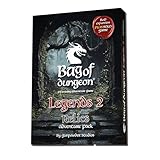
Overview: Legends 2: Relics - Paths of The Ancients serves as both a comprehensive expansion for any Bag of Dungeon game and a standalone entry point via the included “Lost Dungeon” mode. This 4-in-1 pack introduces four new characters with unique skills and items, a new adventure facing Trantor the Spider Queen, plus destiny cards and artifacts that integrate across the entire Bag of Dungeon ecosystem.
What Makes It Stand Out: Remarkable versatility defines this expansion. The free standalone game eliminates the barrier to entry, while existing fans gain four distinct heroes and a challenging new boss. The Spider Queen narrative arc provides fresh thematic content, and the 4-in-1 design means you’re getting multiple play modes in one package—expansion content, new adventure, characters, and bonus game.
Value for Money: At roughly $40, the inclusion of a standalone game alone justifies the price. For existing Bag of Dungeon owners, you’re essentially getting a mini-expansion set at standard pricing. Newcomers receive a complete game experience without prior investment. Compared to single-purpose expansions, this modular approach delivers exceptional flexibility and prevents buyer’s remorse.
Strengths and Weaknesses: Strengths include versatility across the product line, standalone capability, new character variety, and the Spider Queen boss encounter. The 4-in-1 design maximizes utility. Weaknesses: marketing can be confusing about what’s required; content spread across multiple modes may feel diluted if you only use one feature; and as an expansion, it doesn’t fundamentally alter core mechanics.
Bottom Line: An excellent value for Bag of Dungeon fans and a risk-free entry for newcomers. The multi-function design makes it one of the smartest purchases in the portable dungeon-crawler category.
5. Avalon Hill HeroQuest Prophecy of Telor Quest Pack, Requires HeroQuest Game System to Play, Dungeon Crawler Games, Ages 14+, 2-5 Players, Strategy Games

Overview: Prophecy of Telor brings previously exclusive Haslab Mythic Tier content to retail, requiring the HeroQuest base game. This expansion introduces the Warlock hero class and 13 quests written by original designer Stephen Baker. Players pursue the Talisman of Lore while battling fiery orange monsters and the evil wizard Melar. The set includes 15 unpainted miniatures and maintains HeroQuest’s classic dungeon-crawling formula.
What Makes It Stand Out: The Warlock hero class adds spellcasting variety distinct from the base Wizard, with unique mechanics and tactical options. Stephen Baker’s direct involvement ensures authentic HeroQuest design philosophy. The 13 quests exceed most expansions’ campaign length. Previously limited availability makes this a collector’s item, while the fire-themed monsters provide visual contrast to existing undead and orc hordes.
Value for Money: Priced around $45-50, you’re paying premium for official content and rarity. Thirteen quests and a new hero class offer substantial gameplay hours. For completionists, the Haslab content’s retail release is invaluable. However, the Warlock’s similarities to the Wizard may disappoint those wanting more radical innovation. It’s priced for fans, not budget-conscious newcomers.
Strengths and Weaknesses: Strengths include the new hero class, Baker’s quest design, extended campaign length, and exclusive content status. The fire monster theme is visually distinctive. Weaknesses: requires base game; unpainted miniatures; Warlock may feel redundant alongside Wizard; premium pricing for what amounts to more of the same; and limited new tiles compared to earlier expansions.
Bottom Line: Essential for HeroQuest collectors and fans wanting maximum content. The Warlock adds enough novelty to justify purchase for dedicated players, though casual fans might prioritize base game experiences first.
6. Avalon Hill HeroQuest Return of The Witch Lord Quest Pack, Dungeon Crawler Game for Ages 14+, Requires HeroQuest Game System to Play

Overview: The Return of the Witch Lord expansion breathes new unlife into the classic HeroQuest system, delivering a dedicated undead campaign that veteran dungeon crawlers will appreciate. This pack requires the base HeroQuest game and introduces ten fresh quests centered on thwarting a necromantic threat. Players descend into shadowy catacombs battling skeletons, mummies, and zombies across newly illustrated tiles and encounter areas.
What Makes It Stand Out: Sixteen meticulously detailed miniatures form the core appeal—eight skeletons, four mummies, and four zombies—each cast with the crisp detail modern hobbyists expect. The expansion’s true innovation lies in its atmospheric quest booklets featuring full-color artwork that transforms standard dungeon corridors into narrative-rich environments brimming with deadly traps and arcane secrets. Unlike the base game’s broader fantasy approach, this pack commits fully to a gothic horror aesthetic.
Value for Money: Priced competitively against contemporary board game expansions, this pack offers substantial content. The sixteen miniatures alone justify the cost for hobby painters, while ten replayable quests provide 15-20 hours of gameplay. Compared to purchasing separate miniature sets or third-party expansions, the integrated content and official compatibility make this a sound investment for HeroQuest enthusiasts.
Strengths and Weaknesses: Strengths include high-quality miniatures, cohesive thematic content, and seamless integration with existing rules. The full-color tiles and artifact cards enhance visual appeal. Weaknesses are the age 14+ rating, which seems unnecessarily high for content identical in tone to the base game, and the unpainted miniatures may deter non-hobbyists. The requirement of the base game also limits accessibility.
Bottom Line: Essential for HeroQuest owners seeking to expand their campaign options. The undead theme and quality miniatures deliver authentic old-school dungeon crawling nostalgia with modern production values.
7. 5-Minute Dungeon: Curses! Foiled Again! Expansion | Real-Time Cooperative Board Game Add-On | New Heroes, Curses, Artifacts | 1-6 Players, Ages 8+ | Wiggles 3D

Overview: This expansion injects controlled chaos into the lightning-fast 5-Minute Dungeon system, elevating the cooperative experience from frantic to genuinely unpredictable. Adding the Druid and Shaman heroes enables six-player sessions, while the revolutionary Curse mechanic introduces persistent rule-bending cards that complicate each dungeon run. Boss-specific card sets ensure every major encounter feels distinct, moving beyond the base game’s template approach.
What Makes It Stand Out: The Curse system represents genuine innovation for real-time games—persistent effects that stack and evolve mid-game create memorable moments of pandemonium. Six single-use artifacts provide dramatic clutch plays, forcing teams to strategize under pressure. The expansion’s brilliance lies in maintaining the core five-minute formula while adding strategic layers that reward repeat plays without bloating the rules.
Value for Money: For an expansion that fundamentally alters gameplay dynamics while doubling maximum player count, the price point offers exceptional return. The content injects fresh life into a game that can feel repetitive after extended play, effectively tripling its longevity. Competing real-time game expansions rarely offer this level of mechanical innovation at a comparable price.
Strengths and Weaknesses: Strengths include the ingenious Curse mechanic, increased player capacity, and boss-specific theming. The new heroes integrate seamlessly with diverse abilities. Weaknesses: Curses may overwhelm younger players despite the 8+ rating, and the added complexity slightly undermines the base game’s elegant simplicity. Requires the base set, representing an additional investment.
Bottom Line: A must-have for 5-Minute Dungeon fans craving deeper challenge and larger groups. The Curse mechanic alone makes this expansion worthwhile, transforming good sessions into legendary tales of narrowly averted disaster.
8. Maladum Beyond The Vaults - Fantasy Dungeon Crawler Game Immersive Terrain Solo, Co-op and Adversarial Play

Overview: Beyond The Vaults positions itself as the ultimate terrain-focused expansion for the Maladum system, emphasizing modular environments over traditional narrative campaigns. Set in the kingdoms of Enveron, this add-on leverages Battle Systems’ dungeon terrain range to create dynamic, visually striking battlefields. The Universal Quest system provides a standalone, endlessly replayable scenario adaptable to any terrain configuration, supporting up to six adventuring parties.
What Makes It Stand Out: The Universal Quest’s genius is its scenario-agnostic design—one framework that generates fresh objectives across Mines of Meruta, Ravenskeep Sewers, or custom builds. The expansion doesn’t just add content; it transforms Maladum into a sandbox system. Themed Event Cards and bespoke scenarios for specific terrain packs create unprecedented immersion, while Equipment, Side Quests, and Hidden Locations add narrative texture without railroading players.
Value for Money: As a force multiplier for existing Maladum and Battle Systems investments, this expansion delivers exceptional value. The replayability factor is virtually infinite compared to linear campaign packs. While terrain purchases remain separate, this kit unlocks their full potential, making it essential for players committed to the ecosystem.
Strengths and Weaknesses: Strengths include limitless replayability, terrain integration depth, and flexible party scaling. The Universal Quest system is a design triumph. Weaknesses: Requires Maladum base game and potentially expensive terrain packs for full effect, creating a high barrier to entry. The focus on terrain may alienate narrative-driven players.
Bottom Line: For Maladum enthusiasts with terrain collections, this is transformative. It elevates the system from board game to hobby wargame, offering unparalleled flexibility for dedicated dungeon masters.
9. Maladum The Forbidden Creed Expansion - Fantasy Dungeon Crawler Game Immersive Terrain Solo, Co-op and Adversarial Play

Overview: The Forbidden Creed expansion thrusts Maladum adventurers into frigid mountain peaks to confront a malevolent Maladaar cabal wielding forbidden magic. This narrative-driven add-on introduces a compelling twist: the very enemies you battle can be recruited as playable adventurers, while a new Companions system lets you field pets, servants, and apprentices. The expansion includes a frosty ruined keep terrain set with elevated walkways, ideal for tactical skirmishes.
What Makes It Stand Out: The dual-purpose Cabal miniatures—antagonists that convert to allies—represent exceptional design efficiency and narrative flexibility. The Companions system adds meaningful tactical depth without complicating core rules. The Maladite Golem Wandering Beast introduces a formidable neutral threat, while Mountain-themed Event Cards create distinct environmental challenges. The terrain’s multi-level design significantly enhances tactical positioning compared to flat dungeon tiles.
Value for Money: This expansion packs substantial mechanical and narrative content into a modest price point. The recruitable enemy faction essentially provides two content sets in one, while Companions extend campaign longevity. Compared to standalone miniature purchases, the integrated rules and scenarios deliver superior value for Maladum devotees.
Strengths and Weaknesses: Strengths include innovative Cabal recruitment mechanic, versatile Companions system, and three-dimensional terrain elements. The mountain setting distinguishes it from core dungeon crawls. Weaknesses: The specific highland theme may feel restrictive compared to universal expansions, and the narrative assumes familiarity with Enveron lore. Requires the base Maladum game.
Bottom Line: An excellent addition for Maladum players seeking narrative depth and mechanical variety. The recruitable villains and Companion system provide compelling reasons to revisit campaigns with fresh tactical approaches.
10. Maladum Oblivion’s Maw Expansion - Fantasy Dungeon Crawler Game Immersive Terrain Solo, Co-op and Adversarial Play

Overview: Oblivion’s Maw escalates the Maladum narrative to cosmic horror as the Malagaunt’s dimensional experiments unleash the Corrupter—a gargantuan magical beast that devours reality itself. This expansion continues the Dungeons of Enveron storyline, introducing six new Wandering Beasts born from interdimensional breaches and an ancient sanctum terrain piece where players hunt arcane Talismans to control the Corrupter. The Event Card pool expands with Environment, Dungeon, and Veteran categories.
What Makes It Stand Out: The Corrupter represents a paradigm shift from standard boss encounters to world-ending threats, complete with summoning and banishment mechanics. Six dimensionally-twisted Wandering Beasts provide unprecedented variety, each presumably featuring unique behaviors. The Talisman collection mechanic creates a secondary objective layer, transforming standard dungeon crawls into desperate races against apocalyptic escalation. The ancient sanctum terrain promises atmospheric, vertical gameplay.
Value for Money: As a narrative climax expansion, this pack delivers epic-scale content that justifies its price through sheer spectacle and mechanical novelty. The Corrupter alone functions as a centerpiece miniature and gameplay system, while six additional beasts rival standalone bestiary releases. For campaign players, this is the equivalent of a video game expansion pack.
Strengths and Weaknesses: Strengths include the ambitious Corrupter mechanic, dimensional horror theme, and expanded Event Card variety. The continuing narrative rewards dedicated players. Weaknesses: The complex theme may alienate traditional fantasy purists, and the interdimensional lore requires prior investment in the Maladum storyline. The gargantuan scale may overwhelm smaller gaming tables.
Bottom Line: A must-own for Maladum campaign veterans ready for the saga’s dramatic conclusion. The Corrupter and dimensional mechanics offer the most ambitious content in the line, perfect for players seeking epic narrative payoff.
Understanding Modern Dungeon Crawler Expansions
What Defines an Expansion in 2026
Today’s expansions are engineered systems rather than simple content dumps. They introduce mechanics that integrate seamlessly with base games while adding layers of strategic depth. Look for expansions that offer rule refinements addressing common gameplay friction points, such as streamlined turn structures or enhanced enemy AI behaviors. The best expansions feel like natural evolutions of the core system, not bolted-on extras that complicate play.
The Evolution from Base Game to Epic Campaign
Modern dungeon crawlers are designed with expansion pipelines in mind from day one. Base games now serve as foundation platforms, with expansion content building toward grander campaign arcs. This shift means expansions often contain narrative seeds planted in the core game, creating satisfying payoffs for dedicated groups. When evaluating expansions, examine how they respect your existing time investment while promising meaningful new directions for your story.
Key Features That Transform Your Campaign
Modular Tile Systems and Map Expansion
The physical landscape of your adventures matters enormously. Premium expansions deliver tile sets that create fresh environmental puzzles and tactical opportunities. Consider how new terrain types—vertical elements, shifting passages, or multi-level structures—force your party to rethink movement and positioning strategies. The most valuable map expansions include scenario books that maximize these new spatial possibilities rather than just offering random layouts.
Advanced Enemy Scaling Mechanics
Static difficulty curves kill campaign momentum. Top-tier expansions introduce dynamic scaling systems that adjust enemy behaviors based on party composition, equipment levels, and campaign progress. These might include AI decks that evolve as you face recurring foe types, or threat matrices that calculate challenge ratings in real-time. This ensures your twentieth session feels as tense as your first, regardless of power creep.
Narrative Branching and Story Depth
Epic campaigns demand meaningful choices. Look for expansions that add decision points affecting not just immediate outcomes but entire campaign trajectories. Quality narrative expansions provide branching questlines with genuine consequences—new factions emerging, territory control shifting, or NPC relationships evolving based on your actions. Avoid expansions where story additions feel like disconnected side quests; the goal is an integrated tapestry, not a collection of anecdotes.
Character Progression Beyond Level Caps
When campaigns stretch past 20 sessions, standard progression systems hit their limits. Exceptional expansions introduce prestige classes, legacy abilities that permanently alter character sheets, or narrative-driven power upgrades tied to campaign milestones. These systems should feel earned and unique, not just bigger numbers. The best implementations create conversation starters—“Remember when your paladin swore that oath and gained the spectral mount?"—that become part of your group’s shared mythology.
Types of Expansion Content
New Playable Classes and Archetypes
Fresh character options breathe life into veteran parties. Evaluate how new classes interact with existing ones—do they fill underserved tactical roles or narrative niches? The most successful archetypes come with their own mini-campaigns or quest chains that explain their presence in your world. Be wary of expansions that add complexity without purpose; each new class should answer the question, “What stories can we tell now that we couldn’t before?”
Boss Encounters and Endgame Content
Epic campaigns need epic antagonists. Quality boss expansions deliver multi-phase encounters with unique win conditions, environmental interactions, and narrative significance. The difference between a good and great boss expansion lies in its buildup—does it include foreshadowing mechanisms, minion factions, and post-victory world changes? A boss should be a campaign event, not just a tough fight.
Environmental Hazards and Terrain Features
Static dungeons become predictable. Expansions that inject living environments—collapsing ceilings, magical anomalies, wandering hazards—force adaptive strategies. The best implementations include hazard decks that randomize dangers while maintaining thematic consistency. Consider how these elements interact with your existing tile sets; compatibility ensures you’re not locked into using only expansion-specific components.
Loot Systems and Equipment Progression
Nothing derails a campaign like stale treasure. Advanced expansions reimagine loot through crafting systems, artifact evolution, or item legacy mechanics where equipment gains history alongside characters. Look for expansions that make every reward feel meaningful, perhaps through identification subsystems or gear that unlocks narrative content. The goal is transforming loot from stat sticks into story drivers.
Compatibility and Integration Considerations
Base Game Version Compatibility
The 2026 landscape includes multiple printings and editions. Before purchasing, verify which base game versions the expansion supports. Some expansions serve as “bridge” content between editions, offering conversion kits or updated components. Check for official compatibility matrices and community reports on integration smoothness. Nothing sours an expansion experience like discovering component size mismatches or rule contradictions mid-campaign.
Storage Solutions for Expanded Content
Epic campaigns accumulate substantial material. The best expansion publishers now consider storage in their design, offering organizer inserts or compatible box sizes. Evaluate whether the expansion includes component trays that integrate with your existing storage system. Some groups prefer expansions that consolidate content into the base game box, while others want standalone storage for modular addition. Your physical space constraints should inform expansion choices.
Rulebook Clarity and Learning Curves
An expansion that takes three sessions to learn isn’t expanding your fun—it’s delaying it. Examine rulebook samples online for logical organization, clear examples, and comprehensive indices. Premium expansions include tutorial scenarios that introduce mechanics gradually. Consider the teaching burden; will one player absorb the complexity, or does everyone need to study new systems? The best expansions feel intuitive after a single explanation.
Building Epic Campaigns
Campaign Length and Session Structuring
Not all expansions suit all campaign durations. Some are designed for 5-10 session arcs, others for 50+ session epics. Map your group’s availability and commitment level against expansion scope. Look for content that breaks naturally into 2-3 hour sessions with satisfying stopping points. Expansions with “save state” mechanisms—clear ways to record progress mid-dungeon—are invaluable for groups with irregular schedules.
Difficulty Scaling for Long-Term Play
Extended campaigns face unique balance challenges. Expansions should include veteran player modes that assume party optimization and deep system knowledge. These might feature optional hard modes for familiar enemy types or challenge cards that modify scenarios. The key is scalability; you want content that works for both freshening up a mid-campaign party and challenging a group with 30+ sessions under their belts.
Narrative Cohesion Across Multiple Expansions
Planning to combine several expansions? Prioritize publishers known for narrative continuity. Look for expansions that reference each other through shared NPCs, overlapping factions, or combined mega-scenarios. Some expansion lines include “campaign guides” that suggest integration orders for maximum story impact. This transforms disparate modules into a cohesive saga rather than a content buffet.
Community and Support Factors
Digital Integration and App Support
Many 2026 dungeon crawlers include companion apps, and expansions vary wildly in their digital support. Evaluate whether expansions add app content—new soundtracks, digital enemy AI, or campaign trackers. Some expansions unlock app-exclusive scenarios. Consider your group’s tech preferences; app-dependent expansions can streamline play but may become unplayable if support ends. Hybrid models offering both analog and digital options provide the best long-term value.
Community-Created Content Compatibility
The health of an expansion ecosystem often depends on its community. Research whether expansion mechanics are open enough for fan-created scenarios, character classes, or campaign extensions. Publishers that release official content creation kits or sanction community marketplaces extend an expansion’s lifespan indefinitely. Check forums for active modding scenes; an expansion that inspires creative fans will keep your campaign fresh for years.
Frequently Asked Questions
How do I know if my group is ready for expansion content? Your group is ready when you’ve mastered the base game rules and find yourselves wanting more variety in scenarios, character options, or narrative depth. If sessions feel predictable or characters have hit progression walls, it’s expansion time. Most groups benefit from waiting until 8-10 base game sessions before adding major mechanical expansions.
Should I buy one large expansion or several smaller ones? This depends on your campaign goals. A single large expansion typically offers a cohesive narrative arc and integrated mechanics, ideal for focused groups. Multiple smaller expansions provide variety and let you mix-and-match content, better for groups that like experimentation. Budget-conscious buyers often start with a small expansion to test publisher quality before investing in larger boxes.
Will expansions make the game too complex for casual players? Quality expansions include modular complexity—you can add layers incrementally. Look for expansions that label components as “advanced” or “optional.” Start with narrative or content expansions that don’t add rules, then gradually introduce mechanical complexity as comfort grows. Many 2026 expansions are designed with casual-to-hardcore scalability in mind.
How can I tell if an expansion is compatible with my base game version? Check the publisher’s website for SKU compatibility charts. Most 2026 expansions list compatible base game versions on the back of the box. Online communities often maintain compatibility databases with photos comparing component sizes and rule differences. When in doubt, contact the publisher directly with your base game’s printing date.
Do expansions generally go out of print quickly? Dungeon crawler expansions typically have longer print runs than the base games they support, but popular ones can sell out during holiday seasons. Publishers increasingly use print-on-demand for older expansions or include expansion content in “ultimate” edition reprints. If an expansion is crucial to your planned campaign, purchase within 6-12 months of release to be safe.
Can I use expansions from different publishers with the same base game? Generally no—mechanics, components, and themes are publisher-specific. However, some third-party companies create “universal” expansions like terrain packs or generic enemy miniatures that work across systems. These require house-ruling to integrate. Stick to official expansions for seamless gameplay, and treat third-party content as experimental additions.
How much should I expect to spend on expansions for a full campaign? Budget approximately 60-100% of your base game cost for a comprehensive campaign expansion set. A typical 2026 dungeon crawler base game runs $80-120, with major expansions at $40-60 and smaller content packs at $20-30. Many groups find that 2-3 well-chosen expansions provide more value than owning every available module.
Will using expansions void my base game warranty or support? No, publishers design expansions as intended extensions. However, mixing expansions from different print regions or using third-party content can complicate official support requests. Keep your base game and expansion components organized and documented if you need to contact customer service about rule clarifications or component issues.
How do I store multiple expansions efficiently? Many hobbyists consolidate expansion content into the base game box using custom foam core inserts or commercially available organizers. Label everything clearly and keep expansion rulebooks separate for easy reference. Some groups maintain a “campaign box” with only currently used content, storing unused expansions elsewhere to reduce table clutter.
Can I remove an expansion mid-campaign if it’s not working? Yes, but with caveats. Narrative expansions can be dropped if you haven’t started their questlines. Mechanical expansions are harder to remove once integrated, especially if characters have gained expansion-specific abilities or equipment. Plan a “pilot” arc when adding expansions—run 2-3 sessions and evaluate before committing to a full campaign integration.
See Also
- 2026’s Top 10 Dungeon Crawler Expansions for Epic Quests
- 2026’s Top 10 Dungeon Crawler Expansions for Epic Fantasy Adventures
- 2026’s Top 10 Dungeon Crawler Expansions for Epic Adventures
- We Tested 50 Dungeon Crawler Expansions - Here are the 10 Best for Immersive Play
- 10 Most Durable Dungeon Crawler Expansions Based on Real User Reviews in 2026