Table of Contents
The tabletop gaming world has witnessed an explosive surge in physical, kinetic experiences that get your heart racing and your hands moving. As we look toward 2026, action dexterity games have evolved far beyond simple stacking blocks, transforming into sophisticated challenges that blend physical skill with strategic thinking. These games create unforgettable moments of tension, laughter, and triumph as players flick, toss, balance, and manipulate components in real-time competition.
What makes this genre particularly exciting for modern gamers is its universal accessibility and immediate payoff. Unlike complex strategy games that require hours of rule explanation, dexterity games deliver instant engagement while still offering depth for dedicated players. Whether you’re hosting a party, looking for family entertainment, or seeking competitive challenges that test your reflexes, understanding what separates exceptional dexterity games from mediocre ones will help you build a collection that delivers years of fast-paced fun.
Top 10 Action Dexterity Games
Detailed Product Reviews
1. Beat The 8 Ball Action Dexterity Party Game - Kids, Family or Adult Speed Active Party Game by Blue Orange Games for 2 to 4 Players. Recommended for Ages 6 & Up.

Overview: Beat the 8 Ball transforms simple marble rolling into a heart-pounding race against physics and fortune. This dexterity-based party game challenges 2-4 players to time their ball releases perfectly as a spinning 8 Ball gradually descends to block the scoring track. Designed for ages six and up, it creates genuinely suspenseful moments where split-second decisions separate victory from defeat across three rounds or until someone reaches 10 points.
What Makes It Stand Out: The game’s brilliance lies in its escalating risk-reward mechanism. Later releases earn higher scores, but waiting too long means the 8 Ball swallows your points entirely. This creates delicious tension where children can absolutely dominate adults through pure instinct. The transparent funnel lets everyone track the 8 Ball’s ominous progress, building collective anticipation that makes each round feel like a mini-tournament.
Value for Money: Positioned in the mid-range for party games, Beat the 8 Ball delivers exceptional replay value through its simple yet deep timing mechanic. The sturdy plastic construction withstands enthusiastic play, and the compact design stores easily. Compared to digital party games or more complex board games, it offers immediate fun without setup overhead, making it ideal for quick family sessions.
Strengths and Weaknesses: Strengths include instant learnability, genuine skill development in patience and timing, and thrilling spectator appeal. The game scales perfectly across age groups and creates memorable “did you see that?” moments. Weaknesses: limited to four players maximum, and some may find the three-round structure too brief. The reliance on manual dexterity might frustrate very young players despite the age rating.
Bottom Line: Beat the 8 Ball is a masterclass in minimalist game design that delivers maximum excitement. Perfect for families seeking active, screen-free entertainment that rewards careful observation and nerve. Highly recommended for game nights, though consider your group size before purchasing.
2. Don’t Rock the Boat Board Game-Kids Games, Family Games for Kids and Adults, Board Games for Family Night, Multi-Player Board Games, Builds Hand & Eye Coordination, Balancing Toy, Ages 5+

Overview: Don’t Rock the Boat combines pirate theming with delicate balancing mechanics in a charming preschool board game. Players take turns placing adorable penguin figures on a swaying pirate ship, carefully judging weight distribution to avoid capsizing the entire crew. Designed for ages five and up, this multi-player game transforms simple fine motor practice into genuinely engaging family entertainment that builds hand-eye coordination through tactile, visual feedback.
What Makes It Stand Out: The game’s physicality sets it apart from typical board games. The three-dimensional ship rocks realistically with each added penguin, creating immediate cause-and-effect learning. The pirate aesthetic appeals strongly to young children while the balancing challenge remains interesting for adults. Its educational value is seamlessly integrated—kids develop focus and spatial reasoning without realizing they’re practicing developmental skills.
Value for Money: As an affordable entry in the dexterity game market, it offers solid components and high replayability for younger players. The penguin pieces are durable and the ship mechanism reliably unpredictable. While simpler than premium strategy games, it provides better developmental ROI than many passive toys, making it an excellent value for parents seeking purposeful play.
Strengths and Weaknesses: Strengths include broad age appeal, genuine skill development, quick setup, and compact storage. The visual spectacle of the tipping ship creates memorable moments. Weaknesses: limited strategic depth may not satisfy older teens or adults for extended sessions. The plastic components, while sturdy, lack the premium feel of wooden dexterity games. Setup requires careful ship balancing that young children may need help with.
Bottom Line: Don’t Rock the Boat is an ideal gateway game for introducing young children to dexterity-based play. While seasoned gamers may find it light, families with kids aged 5-10 will get tremendous value from its blend of skill-building and pirate-themed fun. A reliable choice for kindergarten classrooms and family game nights.
3. KLASK: The Magnetic Award-Winning Party Game of Skill - for Kids and Adults of All Ages That’s Half Foosball, Half Air Hockey

Overview: KLASK distills the kinetic thrill of foosball and air hockey into a compact, magnetic tabletop experience that has dominated Scandinavian party scenes since 2015. Two players control strikers from beneath the board, maneuvering to sink a ball into their opponent’s goal while avoiding magnetic “biscuits” and the dreaded KLASK hole. Matches last roughly ten minutes, making it perfect for tournaments or quick competitive bursts anywhere with a flat surface.
What Makes It Stand Out: The magnetic control system creates a uniquely tactile, almost magical gameplay sensation. Unlike traditional tabletop sports games, the hidden-hand movement adds a layer of psychological warfare—opponents can’t predict your exact positioning. Its portability is exceptional; the fully assembled wooden board travels easily to pubs, picnics, or office break rooms. The Danish design aesthetic gives it premium tabletop presence.
Value for Money: KLASK sits at a higher price point than casual party games, but its solid wood construction and ingenious mechanism justify the investment. It effectively replaces bulkier foosball tables at a fraction of cost and space. The quick-play format means it sees more table time than complex board games, delivering excellent cost-per-play value for competitive households.
Strengths and Weaknesses: Strengths include immediate accessibility, genuine skill depth, beautiful craftsmanship, and unmatched portability. The protective felt/PTFE stickers preserve playing surfaces. Weaknesses: limited to two players (though tournament formats help), and the magnetic biscuits can occasionally clump unpredictably. The learning curve for controlling the striker smoothly may briefly frustrate absolute beginners.
Bottom Line: KLASK is a must-have for competitive couples or small families who appreciate skill-based party games. Its elegant design and addictive gameplay make it worth every penny, though larger groups should consider it a supplement rather than a primary game night option. A modern classic in dexterity gaming.
4. Blue Orange Tumball Action Dexterity Game - Family or Adult Party Bead Stacking Game for 2 to 4 Players Games. Recommended for Ages 5 & Up.

Overview: Tumball elevates bead stacking to a mesmerizing physics demonstration where 2-4 players carefully hang white beads onto a suspended cluster of colored balls without triggering a collapse. Using specialized wands, participants must judge weight, balance, and tension in real-time, making it both a visual spectacle and a stern test of fine motor control. Recommended for ages five and up, it introduces fundamental physics principles through pure play.
What Makes It Stand Out: The hanging cluster mechanism creates genuinely unpredictable tension dynamics—each added bead subtly shifts the entire structure’s behavior. This transforms simple stacking into a suspenseful exercise in structural engineering. The game’s vertical design makes it a striking centerpiece, and the tactile feedback from the wands provides precise control that rewards practiced dexterity over brute force.
Value for Money: As part of Blue Orange’s award-winning lineup, Tumball offers premium components and thoughtful design at a competitive price point. The 24 stacking beads and 14 colored balls provide substantial replay variety, and the sturdy base ensures longevity. For educators and parents, its dual entertainment-educational value represents excellent ROI compared to single-purpose toys.
Strengths and Weaknesses: Strengths include multi-generational appeal, genuine skill development, and seamless STEM learning integration. The game scales well from casual family play to intense adult competition. Weaknesses: setup involves several small components that require adult assembly, and the delicate balance may frustrate younger players despite the age recommendation. Storage requires careful organization to prevent piece loss.
Bottom Line: Tumball is a brilliant fusion of art and science that rewards steady hands and strategic thinking. Ideal for families wanting educational depth without sacrificing fun, though patience is required during initial setup. A standout choice for classrooms and game collections seeking unique dexterity challenges.
5. Let’s Go Fishin’ Game by Pressman - The Original Fast-Action Fishing Game!, 1-4 players

Overview: Let’s Go Fishin’ revives a nostalgic arcade classic as a battery-powered tabletop challenge where 1-4 players race to catch rotating fish with miniature poles. As the circular pond spins, fish rhythmically open and close their mouths, demanding precise timing and hand-eye coordination. Ages four and up can enjoy this simple yet engaging game that transforms a familiar carnival experience into repeatable home entertainment.
What Makes It Stand Out: The game’s enduring appeal lies in its perfect difficulty curve—challenging enough to hold attention but achievable enough to prevent frustration. The mechanical fish movement creates a mesmerizing rhythm that helps young children develop predictive timing skills. Its solo-play capability distinguishes it from purely competitive party games, making it versatile for independent play or family tournaments.
Value for Money: As one of the most affordable dexterity games on the market, it delivers exceptional accessibility. The original Pressman version ensures reliable mechanics and durability where knockoffs often fail. While simpler than modern strategy games, its high replay value for preschoolers and low price point create outstanding value for families with young children.
Strengths and Weaknesses: Strengths include broad age accessibility, genuine motor skill development, quick setup, and nostalgic charm. The variable player count (1-4) adds flexibility. Weaknesses: the plastic construction feels toy-like rather than premium, and the battery requirement adds ongoing cost. Gameplay can become repetitive for older children and adults, limiting long-term appeal beyond early childhood.
Bottom Line: Let’s Go Fishin’ remains the gold standard for introducing very young children to action-based games. While seasoned gamers will outgrow it quickly, families with preschoolers will find it an indispensable tool for developing coordination and patience. Purchase with appropriate age expectations for maximum satisfaction.
6. Super Skills - Action Game for Competitive People - Beat Your Friends at 120 Challenges - Fun Group Activity for Family Night or Party with Kids, Teen

Overview:
Super Skills delivers 120 physical challenges that transform any gathering into a competitive arena. This award-winning party game tasks players with completing dexterity-based feats—blindfolded cup stacking, behind-the-back ball catches, and dice balancing—to be the first to finish ten challenges and claim victory. Designed for ages 8 and up, it accommodates 2+ players across four distinct play modes.
What Makes It Stand Out:
The sheer variety of 120 unique challenges ensures endless replayability, while the four gameplay modes (solo, cooperative, head-to-head, or group battle) offer remarkable flexibility. Unlike traditional board games, Super Skills emphasizes physical coordination and quick thinking, making it equally suitable for family game night, teen parties, or corporate team-building exercises. The inclusion of professional-grade components like chopsticks and a blindfold elevates it beyond typical party games.
Value for Money:
At its price point, Super Skills provides exceptional value with 120 distinct challenges and high-quality physical components. Comparable party games typically offer fewer challenges and less durable materials. The game’s versatility across age groups and settings means it replaces multiple single-purpose games, making it a cost-effective addition to any game collection.
Strengths and Weaknesses:
Strengths:
- 120 diverse, engaging challenges prevent repetition
- Four play modes maximize versatility
- High-quality components withstand repeated use
- Excellent for mixed-age groups and team building
- Compact storage despite numerous pieces
Weaknesses:
- Requires significant open space for some challenges
- Small pieces (dice, balls) may be lost easily
- Not suitable for players with limited mobility
- Setup time varies between challenges
Bottom Line:
Super Skills is a must-have for active families and party hosts seeking a dynamic alternative to sedentary games. Its blend of physical challenge and competitive fun makes it an outstanding investment for creating memorable group experiences.
7. Fastrack Board Game by Blue Orange Games - The Original 2-Player Disc Slinging Fast Action Game.

Overview:
Fastrack by Blue Orange Games is the original high-velocity disc-slinging duel that transforms any tabletop into a competitive arena. This wooden two-player game challenges participants to fire pucks through a center slot using elastic bands, clearing their side before their opponent does. Suitable for ages 5 to 99, it delivers non-stop action in rapid 5-minute rounds.
What Makes It Stand Out:
The game’s elegant simplicity masks surprising strategic depth. The tactile wooden construction provides satisfying durability, while the elastic-launching mechanism creates unpredictable, heart-pounding exchanges. Unlike digital dexterity games, Fastrack builds genuine hand-eye coordination and fine motor skills. Its universal age appeal makes it rare—a game where grandparents genuinely compete with grandchildren on equal footing.
Value for Money:
As a solid wood game with no electronic components, Fastrack offers lifetime durability at a reasonable price point. Similar dexterity games cost more yet provide less replay value. The game requires no batteries, minimal maintenance, and scales from casual family fun to intense adult tournaments, delivering consistent entertainment per dollar spent.
Strengths and Weaknesses:
Strengths:
- Solid wood construction ensures longevity
- Instant setup with immediate gameplay
- Develops genuine dexterity and reflexes
- True cross-generational appeal (ages 5-99)
- Compact storage and portable design
Weaknesses:
- Only accommodates two players simultaneously
- Elastic bands may require eventual replacement
- Can be noisy during intense matches
- Requires flat, stable playing surface
- Limited strategic variation over time
Bottom Line:
Fastrack is an essential dexterity game that belongs in every collection. Its perfect balance of accessibility and competitive depth makes it ideal for quick bursts of engaging, screen-free entertainment.
8. Fastrack NHL The Fast Action Dexterity Puck Sliding Hockey Game - Sporty Dexterity Wooden Ice Hockey 2 Player Game by Blue Orange Games

Overview:
Fastrack NHL brings official hockey licensing to Blue Orange’s acclaimed disc-slinging formula. This wooden two-player dexterity game features all 32 NHL team logos adorning the rink’s sidelines, transforming the classic puck-flicking mechanic into a spirited hockey match. Players launch pucks through the center slot using elastic bands, racing to clear their defensive zone first.
What Makes It Stand Out:
The NHL branding adds authentic sports atmosphere that resonates deeply with hockey fans, making it an instant conversation piece. Beyond aesthetics, the game maintains the original’s precision-engineered wooden construction and satisfying elastic-launch system. The official licensing transforms a generic abstract game into a thematic sports experience without compromising the core mechanics that made Fastrack a bestseller.
Value for Money:
The NHL edition commands a modest premium over the standard version, justified by official licensing and enhanced visual appeal. For hockey enthusiasts, this thematic upgrade delivers significantly more emotional engagement per dollar. Compared to other officially licensed sports games, it offers superior build quality and replay value, making it a worthwhile investment for fans seeking authentic memorabilia that actually gets played.
Strengths and Weaknesses:
Strengths:
- Official NHL licensing with all team logos
- Premium wooden construction durability
- Enhances fan connection to the sport
- Maintains original’s excellent mechanics
- Compact, portable design
Weaknesses:
- Price premium over standard Fastrack
- Limited to two players
- Licensing adds no gameplay innovation
- Non-fans may prefer generic version
- Elastic components wear over time
Bottom Line:
Fastrack NHL is the definitive version for hockey fans, successfully merging licensed sports memorabilia with outstanding gameplay. The premium is justified for enthusiasts wanting authentic team spirit in their dexterity gaming.
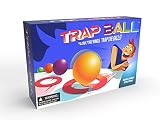
9. Blue Orange Trapball Fun Fast Action Dexterity Party Game for Kids, Teens or Adults. Speed Active, Kids Ball Game Games for 2 Players. Recommended for Ages 6 & Up.
Overview:
TrapBall by Blue Orange is a mesmerizing precision game where players slide rings across a table to capture weighted balls. This two-player dexterity challenge positions competitors at opposite ends, each attempting to trap three of five balls by sliding rings underneath them. Recommended for ages 6 and up, it transforms any smooth surface into a tactical arena of subtle movements and careful aim.
What Makes It Stand Out:
The game’s physics-based mechanic creates magical moments when rings appear to “float” beneath balls, a phenomenon that delights players of all ages. Unlike forceful dexterity games, TrapBall emphasizes finesse, control, and spatial reasoning. The weighted balls provide consistent roll behavior, while the ring design enables surprising trick shots. This unique combination of physics and skill creates a calming yet competitive atmosphere rare in party games.
Value for Money:
TrapBall offers excellent value with its simple but effective component set. The weighted balls and precision-molded rings demonstrate quality manufacturing at a competitive price point. Similar skill-based games often cost more while offering less novelty. Its durability and timeless appeal ensure years of play, making it a smart investment for families seeking non-digital entertainment.
Strengths and Weaknesses:
Strengths:
- Unique physics-based gameplay
- Develops fine motor control and patience
- High-quality weighted components
- Quiet, contemplative competition
- Works on any smooth surface
Weaknesses:
- Limited to two players (teams possible)
- Requires specific table conditions
- Learning curve for ring control
- Small pieces risk being misplaced
- Lacks the high-energy appeal of some alternatives
Bottom Line:
TrapBall is a refreshingly subtle dexterity game that rewards precision over power. Perfect for players seeking thoughtful competition, it’s an excellent addition to any family game collection.
10. FoxMind Games: Match Madness Duo, The Matching Game for Fast Thinkers, Fast-Paced and Action-Packed, Pattern Recognition and Dexterity, Made for 2 Players, for Ages 8 and up

Overview:
Match Madness Duo by FoxMind is a lightning-fast pattern-matching duel where two players race to replicate card designs using five double-sided blocks. Players flip, rotate, and arrange their blocks to match the puzzle, sharpening pattern recognition and dexterity simultaneously. As the sequel to the award-winning Match Madness, it delivers intensified two-player competition for ages 8 and up.
What Makes It Stand Out:
The dual-sided block design exponentially increases puzzle complexity while maintaining tactile satisfaction. Two distinct modes—Quick-Play for speed and Total Madness for strategic scoring—provide replay variety. Unlike digital puzzle games, the physical manipulation develops genuine spatial reasoning and fine motor skills. The game’s escalating difficulty ensures it grows with players, remaining challenging for adults while accessible to children.
Value for Money:
This compact game delivers substantial cognitive training at a modest price. Comparable puzzle games often cost more while offering fewer configurations. The robust plastic blocks withstand intense play, and the 60 puzzle cards provide extensive content. Its dual-mode system effectively provides two games in one, maximizing entertainment value per dollar spent.
Strengths and Weaknesses:
Strengths:
- Excellent cognitive skill development
- High-quality, durable block components
- Two distinct gameplay modes
- Perfect head-to-head competitive tension
- Compact, travel-friendly design
Weaknesses:
- Limited to two players
- Blocks can be dropped and lost
- Visual similarity may frustrate some players
- Not ideal for casual, low-pressure gaming
- Requires good lighting for pattern detail
Bottom Line:
Match Madness Duo is an outstanding mental agility trainer disguised as thrilling competition. Ideal for families seeking educational value without sacrificing excitement, it’s a top-tier two-player puzzle game.
What Defines Modern Action Dexterity Games
The Physical-Digital Connection
Today’s dexterity games create a satisfying tactile experience that screens simply cannot replicate. The weight of components in your hand, the sound of pieces clicking together, and the visceral thrill of a perfectly executed move engage senses in ways that digital gaming has never fully captured. Modern designs incorporate premium materials like solid wood, weighted metal, and textured plastics that enhance both durability and aesthetic appeal. When evaluating potential additions to your collection, pay attention to how the physical components feel during gameplay—quality materials significantly impact the satisfaction of each action.
Why Speed Creates Unforgettable Moments
The time pressure element in action dexterity games triggers adrenaline responses that make victories sweeter and defeats more dramatic. Real-time mechanics force split-second decisions, eliminating analysis paralysis and keeping all players actively engaged simultaneously. This constant momentum prevents downtime and creates natural story moments you’ll discuss long after the game ends. Consider whether you prefer games with sustained pressure throughout or those that build tension through periodic high-stakes challenges.
Core Mechanics That Separate Great Games
Hand-Eye Coordination Challenges
The best dexterity games test precision without requiring professional athlete-level skills. Look for designs that offer multiple ways to succeed—perhaps a steady hand beats raw speed, or strategic positioning outweighs pure accuracy. Games that provide various difficulty levels or optional advanced rules allow players of different abilities to compete meaningfully. The sweet spot lies in mechanics that feel challenging yet achievable, creating that “just one more try” compulsion.
Spatial Awareness Under Pressure
Many top-tier dexterity games require you to mentally map trajectories, judge distances, and anticipate chain reactions while the clock ticks. This cognitive-physical hybrid creates deeper engagement than simple reflex tests. Games that incorporate three-dimensional building or multi-plane movement add layers of complexity that reward spatial reasoning. When assessing a game’s depth, consider whether it offers meaningful choices beyond just “execute the physical task.”
Time Management Elements
Some games use sand timers, soundtracks, or app integration to create urgency, while others rely on player-triggered events that escalate tension. The most engaging systems balance fairness with chaos—giving everyone equal opportunity while ensuring unpredictable outcomes. Evaluate whether the timing mechanism enhances excitement or creates frustration, particularly for players who may need extra time to execute precise movements.
Categories of Action Dexterity Experiences
Stacking and Building Challenges
These games test your ability to construct increasingly unstable structures under constraints. The best examples introduce clever twists—perhaps asymmetric pieces, building while moving, or cooperative construction where communication is limited. Consider whether you prefer games with predictable physics or those that introduce random elements that keep every session unique. The visual spectacle of a towering creation adds dramatic flair that makes these games excellent spectator entertainment.
Throwing and Aiming Mechanics
Flicking, tossing, or launching components across a playing surface creates immediate excitement. Superior designs account for different skill levels by offering multiple scoring zones or risk-reward tradeoffs. Look for games that minimize luck through adjustable difficulty settings or strategic positioning options. The playing surface itself matters greatly—does it accommodate various table sizes? Are there solutions for uneven surfaces or limited space?
Balancing and Precision Tasks
These games demand steady hands and calm nerves as you manipulate pieces in precarious positions. The finest examples build tension progressively, with early moves feeling easy but later actions becoming heart-poundingly difficult. Consider games that allow players to affect each other’s stability—creating interactive tension rather than solitary execution challenges. Component design is crucial; pieces should be easy to handle but difficult to master.
Pattern Recognition Speed Challenges
Some dexterity games combine physical manipulation with quick visual processing, requiring you to spot matches or sequences while performing actions. This dual-demand creates cognitive load that feels exhilarating when you succeed. Evaluate whether the visual elements are accessible to colorblind players or those with visual impairments—good designs incorporate shapes, symbols, or textures alongside color coding.
Cooperative Physical Puzzles
Team-based dexterity games foster collaboration as players work together to achieve physical goals. These experiences excel at building camaraderie and often include communication restrictions that create hilarious misunderstandings. Look for designs that scale difficulty based on player count and offer meaningful roles for participants of varying skill levels.
Essential Features to Evaluate
Player Count Flexibility
The most versatile dexterity games play well across a wide range of participants. Some games shine with intimate 2-3 player duels but feel chaotic with larger groups, while others require critical mass for optimal energy. Consider your typical gaming scenario—do you need something that works for couples, family gatherings, or party situations? Games with robust solo modes or scalable rulesets offer better long-term value.
Age Appropriateness and Accessibility
While dexterity games often appeal to children, the best ones include layers that engage adults without excluding younger players. Look for games with simple base rules but advanced variants, or those where experience provides advantage but beginners can still compete. Safety matters too—avoid games with small, swallowable pieces if playing with toddlers, and consider whether components can withstand rough handling.
Setup and Teardown Efficiency
The fastest-paced games lose appeal if they require 15 minutes of assembly between rounds. Premium designs include thoughtful storage solutions that double as gameplay components, minimizing downtime. Consider whether rule explanations fit within a 5-minute window—most successful party dexterity games can be taught in under three minutes through demonstration rather than lengthy instruction.
Table Space and Environmental Needs
Some dexterity games demand vast, perfectly flat surfaces while others work on modest coffee tables. Assess your available playing area and whether you need portability for travel or outdoor play. Games with vertical components or 3D building require adequate height clearance and stable surfaces. Think about lighting conditions too—games with subtle color distinctions need good illumination.
Component Durability and Longevity
High-frequency physical interaction means components must withstand repeated abuse. Check whether pieces are made from materials that resist chipping, scratching, or warping. Consider replacement policies—do manufacturers sell individual pieces if one gets lost? The best games use standardized components that could theoretically be replaced with household items in a pinch.
Replay Value and Variability
Even the most thrilling dexterity game can feel repetitive after dozens of plays. Look for designs that include modular boards, variable setups, or emergent strategies that evolve with player skill. Games that support house rules or community-created variants extend their lifespan significantly. Randomized objectives or asymmetric player abilities also keep experiences fresh.
Social Dynamics and Player Interaction
Competitive vs Collaborative Experiences
Pure competitive games create intense rivalries and memorable comebacks, while cooperative formats build team spirit and shared victories. Some hybrid designs offer both modes, providing maximum versatility. Consider your group’s temperament—highly competitive players may prefer head-to-head direct confrontation, while casual groups might enjoy team-based challenges or indirect competition where everyone races against the game itself.
Spectator Appeal and Party Atmosphere
The best dexterity games double as performance art, drawing in observers with their visual drama. Look for designs that create natural “highlight reel” moments—towering structures, impossible shots, or last-second saves. Games with simple visual rules allow spectators to immediately understand and cheer for exciting moments, making them ideal for streaming or social media sharing.
Learning Curve and Skill Development
Exceptional dexterity games feel rewarding within the first play but reveal deeper mastery paths over time. They should provide clear feedback—when you fail, you understand why and how to improve. Consider whether the game includes practice modes or low-stakes training rounds that let players develop skills without pressure. The most satisfying experiences create measurable improvement that keeps players returning.
Practical Considerations for Collectors
Storage Solutions and Component Organization
Clever storage that speeds up setup is worth paying extra for. Look for games with custom inserts that protect components and facilitate quick counting or sorting. Consider whether the box size justifies its contents—oversized packaging wastes shelf space, while compact designs may sacrifice component protection. Some games use magnetic closures or stackable designs that integrate with other titles.
Travel and Portability Factors
If you game on the go, prioritize games with few loose pieces, durable containers, and rules that don’t require reference sheets. Many excellent dexterity games now come in travel editions with magnetic components or self-contained boards. Consider weight and fragility—heavy wooden pieces feel premium but aren’t ideal for backpacking, while lightweight plastic travels better but may feel less substantial.
Price-to-Value Assessment
Dexterity games range from budget-friendly card-based affairs to premium productions costing hundreds of dollars. Determine whether you’re paying for component quality, innovative design, or brand prestige. The best values offer infinite replayability at reasonable prices. Consider cost per play—an expensive game played weekly for years delivers better value than a cheap game played twice and forgotten.
Entry-Level vs Premium Investment
Starting with mid-range games that exemplify core mechanics helps you discover preferences before investing in specialized titles. Premium editions often include metal coins, wooden inserts, or oversized components that enhance tactile satisfaction but may not improve gameplay. Decide whether you’re collecting for display, investment, or pure play—this affects which features justify higher price tags.
Emerging Trends in 2026’s Market
Technology Integration Without Overcomplication
Smartphone apps now track scores, add sound effects, or introduce dynamic time pressure without replacing the physical core. The best implementations use tech to enhance rather than dominate—perhaps an app provides atmospheric audio while players focus on physical tasks. Be wary of games that become obsolete if the app stops being supported; look for those where the app is optional enhancement rather than essential infrastructure.
Sustainable Manufacturing Practices
Eco-conscious gamers increasingly demand games made from recycled materials, renewable resources, or biodegradable components. Many 2026 releases feature FSC-certified wood, soy-based inks, and plastic-free packaging. While these choices sometimes increase cost, they align with values and often produce components with unique, natural textures that enhance gameplay feel.
Cross-Genre Hybridization
The most innovative 2026 designs blend dexterity with deck-building, worker placement, or narrative storytelling. These hybrids appeal to strategy gamers who might otherwise dismiss pure physical challenges. When evaluating hybrids, ensure the dexterity element feels integral rather than tacked on—the best ones make physical skill a meaningful resource to manage alongside other game systems.
Building a Well-Rounded Collection
Starting with Foundational Experiences
Every collection benefits from at least one game in each major dexterity category. This variety ensures you have appropriate options for different moods, player counts, and skill levels. Prioritize versatile titles that work across multiple scenarios before specializing in niche sub-genres. Your first five games should collectively cover stacking, flicking, balancing, and real-time pattern challenges.
Expanding into Specialized Niches
Once you understand your preferences, explore games that excel in specific areas you love. Perhaps you discover you enjoy cooperative challenges more than competitive ones, or that you prefer games with heavy metal components. Specialized games often have narrower appeal but deliver unparalleled satisfaction for their target audience. Consider creating “gaming profiles” for different occasions—quick warm-ups, main events, and wind-down activities.
Frequently Asked Questions
What makes a dexterity game “action-packed” versus just a physical challenge? Action dexterity games incorporate time pressure, direct player interaction, or escalating stakes that create adrenaline and excitement. While simple physical challenges focus on steady execution, action variants add layers of competition, risk-reward decisions, and dynamic environments that change as you play.
How much physical space do I realistically need for most dexterity games? Most quality dexterity games work on a standard 3x3 foot table, though some stacking games need vertical clearance of 2-3 feet. Always check specifications for minimum playing area, and consider games with modular boards or adjustable boundaries if space is limited. Many modern designs accommodate smaller surfaces through clever scaling rules.
Are dexterity games suitable for players with mobility limitations? Many excellent dexterity games can be adapted or naturally accommodate different abilities. Look for games offering alternative actions, seated play options, or rules that allow assistive devices. Cooperative games often let players contribute in varied ways, and some modern designs specifically include accessibility considerations in their core ruleset.
How do I prevent damage to my table or floors during active gameplay? Quality dexterity games include components designed to minimize impact—felt-bottomed pieces, soft landing zones, or contained playing areas. Use neoprene mats for added protection, establish clear boundaries for throwing mechanics, and consider playing on carpeted areas or outdoors for particularly vigorous games. Many games now specify surface recommendations in their rules.
What’s the typical learning curve for becoming proficient? Most players grasp basic mechanics within one game but develop meaningful skill over 5-10 sessions. The best games provide immediate feedback that accelerates improvement. Proficiency timelines vary dramatically by game type—flicking accuracy might take weeks to master, while pattern recognition speeds up more quickly. Consistent practice with the same group creates shared skill growth that keeps competition balanced.
Can dexterity games be played solo effectively? Many modern dexterity games include dedicated solo modes with AI opponents, target scores, or time trials. Solo play excels for skill development and stress relief, though it lacks the social dynamics that make these games shine. Look for games with app integration or online leaderboards if solo play is a priority, as these add competitive context even when playing alone.
How do I store games with lots of small, irregularly shaped components? Invest in adjustable compartment boxes, bead organizers, or custom foam inserts. Label everything clearly and store rulebooks separately to prevent damage. Some enthusiasts photograph their organized setup to speed future teardowns. Games with thoughtful packaging that doubles as component trays during play significantly reduce storage headaches.
What age range enjoys action dexterity games most? While mechanics appeal to all ages, the sweet spot is typically ages 8 through adult. Younger children enjoy simpler stacking and tossing games, while teenagers and adults appreciate the strategic layers and competitive aspects. The best family games include rules that let adults play at full complexity while children participate meaningfully at their own level.
How long should a good dexterity game session last? Most action dexterity games deliver optimal excitement in 15-30 minute bursts. This duration maintains energy and prevents physical fatigue. Games that run longer often include natural break points or variable length settings. For game nights, plan multiple short dexterity games rather than one marathon session to keep energy high.
Will my dexterity game collection become outdated quickly? Unlike digital games or some strategy titles, physical dexterity games have incredible longevity. Core mechanics remain enjoyable regardless of trends, and quality components last decades. While new releases may introduce fresh twists, foundational games in your collection will likely stay relevant and playable for years, making them excellent long-term entertainment investments.
See Also
- 2026’s Top 10 Reaction Games for Fast-Paced Tabletop Fun
- How to Solve Boring Game Nights with the 10 Best Action Dexterity Games in 2026
- 10 Must-Have Party Dexterity Games for Any Game Night Enthusiast in 2026
- 10 Top-Rated Party Dexterity Games According to Experts in 2026
- 10 Premium Family Dexterity Games for Game Night (Worth the Investment)