Table of Contents
Ever felt that familiar pang of déjà vu as you set up your game board for the third Saturday in a row? You move pieces predictably, calculate the same optimal moves, and the outcome feels almost scripted before the first card is drawn. Traditional strategy games have their charm, but when every session unfolds like a well-rehearsed play, the magic of discovery fades. Narrative board games offer a thrilling escape from this cycle, transforming your tabletop into a dynamic storytelling engine where choices ripple through the plot, consequences feel personal, and no two adventures ever play out identically. It’s the difference between solving a puzzle and living an epic.
Imagine a game where the tension isn’t just about winning points, but about whether your character will survive the haunted forest, mend a fractured alliance, or uncover a hidden truth that changes everything. These experiences pull you deep into immersive worlds, making every decision matter and turning your game group into co-authors of a unique story. Forget predictable win conditions—here, victory might mean surviving against the odds, achieving a personal character goal, or even embracing a tragic, beautifully crafted ending. If your game nights are craving more heart, more suspense, and genuine unpredictability, it’s time to explore how narrative-driven design can revolutionize your tabletop adventures.
Top 10 Narrative Board Games
Detailed Product Reviews
1. Asmodee Choose Your Own Adventure: House of Danger Board Game - Embark on a Perilous Journey in this Cooperative Narrative Adventure, Ages 10+, 1+ Players, 1+ Hour Playtime
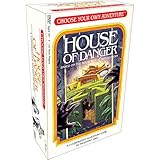
Overview: House of Danger is a cooperative narrative board game where players work together as junior detectives exploring a haunted mansion, making choices that determine their fate through a branching storybook. Designed for 1-5 players (despite a conflicting feature listing 8), it offers a self-contained adventure lasting 60-90 minutes, featuring physical components like cards, tokens, and a detailed storybook driving the experience.
What Makes It Stand Out: Its seamless integration of a physical storybook with board game components creates a truly immersive “choose your own adventure” feel. The app-free design, relying solely on flipping pages based on choices, is remarkably accessible and nostalgic. The cooperative nature, where players collectively solve puzzles and face consequences, fosters strong teamwork without player elimination.
Value for Money: Priced competitively against narrative games, it delivers exceptional replayability through its branching paths. Multiple endings encourage repeated plays to uncover all story threads, offering significant content for the cost, especially compared to app-dependent alternatives requiring device access.
Strengths and Weaknesses: Strengths: Highly accessible rules, strong theme integration, excellent replay value, no app needed, great for families. Weaknesses: Limited strategic depth for hardcore gamers, physical book flipping can slightly disrupt flow, artwork quality is functional but not exceptional.
Bottom Line: An outstanding, accessible introduction to cooperative narrative gaming. Its clever book-driven mechanics, low barrier to entry, and high replayability make it a fantastic value and a must-have for families or casual gamers seeking story-rich adventures.
2. Storyfold: Wildwoods – Solo Narrative Adventure Board Game | 1 Player Board Game | Immersive Storybook Gameplay, Unique River Card Mechanic, Learn as You Play, Fast Setup

Overview: Wildwoods is a solo narrative adventure board game where you play as Luma and her bear Brom, healing a shadow-infested forest through a beautifully illustrated storybook. As the debut title for the Storyfold system, it emphasizes immersive storytelling, quick setup (under 2 minutes), and accessible gameplay designed specifically for one player, lasting 60-90 minutes per chapter.
What Makes It Stand Out: The innovative “River Card” mechanic dynamically sequences story events, creating tension and organic narrative flow without random draws. Pre-packaged chapter components and an in-box tray enable incredibly fast setup and teardown. Its focus on a heartfelt, character-driven story with stunning artwork sets a high bar for solo narrative experiences.
Value for Money: While solo-focused, the production value—high-quality illustrations, clever component organization, and deep narrative—justifies its price point. The unique River System and ease of play offer a premium solo experience rarely matched, providing excellent value for enthusiasts seeking engaging single-player adventures.
Strengths and Weaknesses: Strengths: Exceptional narrative immersion, brilliant River Card system, fastest setup in the genre, gorgeous art, truly solo-designed. Weaknesses: Limited strategic complexity for some, replayability per chapter is moderate (relying on narrative choices), story progression can feel slightly linear at times.
Bottom Line: A landmark solo board game that masterfully blends story and mechanics. Wildwoods’ innovative design, stunning presentation, and effortless accessibility make it an essential purchase and a high-value gem for solo gamers.
3. Root: A Game of Woodland Might and Right | Asymmetric Strategy Board Game by Leder Games | 2–4 Players | Ages 14+ | Adventure, Conflict & Area Control
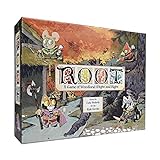
Overview: Root is a highly asymmetric strategy game where 2-4 players control distinct factions (like the Marquise de Cat or the Eyrie Dynasties) vying for control of a charming yet war-torn woodland realm. Each faction has radically different rules, abilities, and victory paths, creating intense conflict, area control, and unique strategic puzzles within a 1-2 hour session.
What Makes It Stand Out: The profound asymmetry is Root’s core genius; no two factions play alike, demanding players master entirely different rule sets. This fosters deep replayability and dynamic player interaction, as every game presents novel challenges based on the faction combination. The thematic integration of factions into the woodland kingdom is superb.
Value for Money: Priced as a premium strategy game, Root delivers immense value through its exceptional depth, staggering replayability (due to faction variety), and high-quality miniatures and components. It justifies its cost by offering countless unique gameplay experiences, outlasting many symmetric games.
Strengths and Weaknesses: Strengths: Unparalleled faction asymmetry, immense strategic depth, exceptional replayability, beautiful components, strong theme. Weaknesses: Steep learning curve, significant potential for analysis paralysis, balance can feel uneven between factions for new players, setup time is lengthy.
Bottom Line: A modern strategy masterpiece offering unparalleled depth and replayability through brilliant asymmetry. Despite its complexity, Root is a worthy investment for experienced gamers seeking challenging, thematic, and endlessly replayable conflict.
4. Asmodee Cozy Stickerville Board Game - Narrative Strategy Game of Village Building & Storytelling, Family-Friendly Fun for Kids & Adults, Ages 8+, 1-6 Players, 30 Minute Playtime

Overview: Cozy Stickerville is a lighthearted, sticker-based narrative strategy game where players collaboratively build a unique village on a shared sticker board. Following a storybook, players place sticker buildings, trigger event cards, and follow resident stories, making choices that shape the town’s development over multiple short (30-minute) “years” for 1-6 players.
What Makes It Stand Out: The tactile sticker mechanic allows players to physically create a personalized village map, fostering strong creative ownership. Its “you can’t lose” philosophy and focus on emergent storytelling—inspired by games like Animal Crossing—create a stress-free, positive experience. The blend of simple strategy (building effects) with narrative choices is perfectly tuned for families.
Value for Money: Offers excellent value through high replayability; the sticker book and random event/catalogue cards ensure no two villages are alike. The included components (storybook, 180+ cards, tokens) provide substantial content for the price, especially as a family-oriented game promoting cooperative play without competition.
Strengths and Weaknesses: Strengths: Highly creative and personalized village building, positive “no lose” design, accessible for families and kids, strong narrative charm, quick playtime. Weaknesses: Stickers are permanent (limits board reuse), strategic depth is light for hardcore gamers, narrative impact of choices can feel superficial.
Bottom Line: A delightful, accessible gem for families and casual gamers seeking a creative, stress-free narrative experience. Stickerville’s charming design, replayability, and positive focus make it outstanding value for cozy game nights.
5. River Horse: Noli The Board Game

Overview: Noli plunges 2-4 players into the cutthroat world of 13th-century Italian merchant families competing for dominance in the coastal town of Noli. Players engage in secret bidding for contracts, frantic real-time dice-rolling regattas, and strategic building placement to amass wealth and influence, all while navigating random events like storms and raids within 60-90 minutes.
What Makes It Stand Out: The thrilling combination of tense, simultaneous real-time dice challenges during regattas and deep strategic bidding creates a unique adrenaline-fueled experience. The historical theme of medieval merchant rivalry is vividly realized through mechanics like building towering palazzos and managing unpredictable sea events, blending area control with auction and dexterity elements.
Value for Money: Noli delivers exceptional value through its dynamic, multi-faceted gameplay and high replayability driven by variable events and player interaction. The blend of strategic depth and engaging physicality (dice rolling) justifies its cost, offering a distinctive experience few games match in the competitive bidding genre.
Strengths and Weaknesses: Strengths: Exciting real-time regattas, innovative blend of strategy/speed, strong historical theme, high player interaction, excellent replayability. Weaknesses: Real-time elements may frustrate some, luck from dice/events can feel impactful, setup is moderately complex for the theme.
Bottom Line: A masterful fusion of strategy, speed, and theme that captures the tension of medieval commerce. Noli’s unique mechanics and relentless engagement make it a highly valuable and recommended addition for gamers seeking thrilling, interactive competition.
6. Shackleton Base: A Journey to The Moon Board Game - Sci-Fi Strategy Game of Space Exploration, Fun for Family, Kids & Adults, Ages 14+, 1-4 Players, 60-120 Minute Playtime

Overview: Shackleton Base immerses players in a strategic race to establish humanity’s first lunar colony at the Moon’s South Pole, balancing cooperation and corporate competition within the treacherous Shackleton crater environment.
What Makes It Stand Out: Its unique blend of cooperative base-building with competitive corporate objectives creates compelling tension. Players manage resources and tech while navigating divergent goals from three sponsoring corporations, adding narrative depth rarely seen in strategy games.
Value for Money: Priced competitively for its component quality and thematic richness, it surpasses generic space-themed games by offering meaningful strategic depth. The dual-coop/comp mechanic justifies the cost for groups seeking nuanced gameplay beyond simple resource gathering.
Strengths and Weaknesses: Strengths: Exceptional thematic integration; dynamic player interaction through corporate rivalry; high replayability via variable objectives. Weaknesses: Steep learning curve for newer players; potential analysis paralysis in late-game decisions; minimal luck element may deter casual gamers.
Bottom Line: An innovative, deeply strategic experience that masterfully merges collaboration and competition. Highly recommended for seasoned board gamers seeking a challenging, immersive space-exploration narrative, though less ideal for families with younger teens.
7. Renegade Games: Wraith & The Giants - A Solo Hero Series Game - A Solitaire Game of Epic Battles with Elemental Giants, Ages 14+, 1 Player, 30-45 Mins

Overview: Wraith & The Giants delivers a tightly designed solo adventure where players control the spectral hero Wraith to battle colossal Elemental Giants threatening a defenseless village.
What Makes It Stand Out: The game shines through its four distinct, replayable boss battles across evolving “Wraith ages,” requiring strategic card-combo chaining against dynamically shifting Giant decks. Award-winning designer Scott Almes ensures polished mechanics and rich narrative depth.
Value for Money: Excellent value for solo enthusiasts, offering substantial variety within its compact runtime. The modular Giant decks and progressive difficulty provide far more longevity than comparable solitaire games at this price point.
Strengths and Weaknesses: Strengths: Highly replayable with varied challenges; intuitive combo system creates satisfying tactical depth; strong narrative integration. Weaknesses: Limited strategic scope compared to multi-player games; minimal physical components; advanced ages may frustrate absolute beginners.
Bottom Line: A near-perfect solo experience that excels in replayability and strategic engagement. Essential for fans of the Solo Hero Series and highly recommended for anyone seeking a quick, challenging, and narratively rich solitaire game.
8. Alley Cat Games Washed Ashore - Strategy Game - for 1 to 6 Players and Ages 10+

Overview: Washed Ashore is primarily a solo narrative adventure where players, stranded on a deserted island, make critical survival decisions through story cards while gathering resources to escape.
What Makes It Stand Out: Its story-driven structure, where every choice has immediate or delayed consequences, creates a compelling, book-like experience. The chapter-based progression and interactions with a native tribe foster strong immersion without complex rules.
Value for Money: Represents solid value for solo story-game fans, especially given its accessibility for ages 10+. While the “1-6 players” claim is misleading (it’s fundamentally solo), its focused narrative justifies the cost for those seeking an entry-level adventure.
Strengths and Weaknesses: Strengths: Intuitive decision-making; strong thematic storytelling; accessible rules for younger players; high replayability via branching paths. Weaknesses: Misleading multi-player claim (only truly functional solo); resource mechanics feel simplistic; limited strategic depth for experienced gamers.
Bottom Line: A charming, accessible solo narrative journey ideal for younger audiences or casual gamers, but its multi-player description is inaccurate. Best purchased for solo play; recommended with reservations for groups.
9. The Elder Scrolls V: Skyrim The Adventure Game - Epic Cooperative & Solo Board Game, Open-World Questing, Character Progression & Narrative Strategy, Ages 14+, 1-4 Players, 60-120 Min Playtime

Overview: This game translates Skyrim’s iconic open-world RPG experience into a cooperative or solo tabletop adventure, letting players explore Tamriel, join factions, and shape Skyrim’s fate through quests and character development.
What Makes It Stand Out: Its faithful adaptation of Skyrim’s core pillars—branching quest resolution (diplomacy, stealth, combat), deep character progression mirroring the video game, and rich lore—creates unparalleled immersion for fans. The open-ended quest system ensures no two campaigns play alike.
Value for Money: A premium investment justified by exceptional thematic authenticity and high replayability from modular scenarios. It outvalues generic fantasy board games by delivering a true Skyrim experience, though cheaper alternatives exist for non-fans.
Strengths and Weaknesses: Strengths: Deep lore integration; meaningful player agency in quests; satisfying character growth; excellent solo/co-op flexibility. Weaknesses: Setup can be cumbersome; rulebook complexity may overwhelm newcomers; component quality inconsistent with price tier.
Bottom Line: A triumphant tabletop adaptation that captures Skyrim’s magic. Highly recommended for franchise fans and RPG board game enthusiasts, though newcomers should prepare for a learning curve.
10. Sleeping Gods by Red Raven Games | Cooperative Campaign Board Game of Exploration, Storytelling, Atlas Navigation and Narrative Adventure | Solo or 1–4 Players | Ages 13+

Overview: Sleeping Gods invites players to captain Sofi Odessa’s crew across a mysterious 1929-era Wandering Sea, exploring islands and uncovering secrets through a campaign-driven narrative with atlas-based navigation.
What Makes It Stand Out: Its innovative multi-page atlas system—where turning physical pages reveals new regions—and seamless “journey log” progress saving create a uniquely immersive, flexible adventure. Branching choices significantly impact the richly illustrated story across solo or group sessions.
Value for Money: Exceptional value due to its campaign depth, high-quality components, and unparalleled session flexibility. The atlas mechanic alone justifies the cost, offering a distinct experience compared to map-tile competitors.
Strengths and Weaknesses: Strengths: Revolutionary atlas exploration; deeply engaging narrative with meaningful choices; perfect for irregular gaming groups via save-anywhere; beautiful art and components. Weaknesses: Atlas storage can be awkward; early scenarios feel light; high price may deter casual players.
Bottom Line: A masterpiece of narrative board gaming that redefines campaign play. Essential for story-driven gamers and highly recommended for anyone seeking a flexible, immersive cooperative experience, despite its premium cost.
Why Narrative Depth Transforms Your Game Night
Moving Beyond Points and Mechanics
Traditional board games often prioritize abstract strategy or resource optimization, where the story is merely a thin veneer over the mechanics. Narrative-focused games flip this script, making the unfolding plot and character development the core drivers of gameplay. This shift creates emotional investment—you’re not just managing cubes; you’re racing against time to save a village, navigating moral dilemmas, or piecing together a mystery where your choices directly shape the world around you. The result? Sessions that spark passionate post-game discussions long after the board is cleared.
The Power of Player Agency in Storytelling
True narrative engagement hinges on meaningful player agency. It’s not enough for a game to have a story; players must feel their decisions actively steer it. Look for systems where branching paths emerge organically from choices, not predetermined railroaded outcomes. Does refusing to help a NPC close a door trigger a chain reaction altering the entire scenario? Does a seemingly minor decision in Act 1 create a pivotal moment in Act 3? This cause-and-effect web ensures every player feels like an essential author of the shared narrative, not just a passive participant.
Essential Features to Evaluate Before You Buy
Assessing Branching Narrative Complexity
Not all branching stories are created equal. Some offer superficial “choose your path” moments with minimal impact, while others feature intricate decision trees where early choices subtly influence late-game possibilities. Consider your group’s preference: do you want tightly crafted, focused narratives with high consequence density, or sprawling epics with countless potential outcomes? Evaluate how deeply the game integrates choices into its core mechanics—does selecting a dialogue option require a skill check, or does it unlock entirely new gameplay sequences? Depth here separates memorable experiences from shallow gimmicks.
Understanding the Role of Randomness and Fate
Narrative games often use dice, card draws, or event decks to inject unpredictability and simulate “fate.” However, the type of randomness matters immensely. Is it purely chaotic (like a dice roll instantly killing a character with no mitigation), or does it offer meaningful player responses (like spending resources to reroll or narrate a narrow escape)? The best designs use randomness to heighten tension and create emergent storytelling moments, not to arbitrarily punish players or negate their strategic choices. Look for systems with “push-your-luck” elements or narrative dice that generate story prompts, not just pass/fail outcomes.
Evaluating Replayability Through Narrative Design
A strong narrative game shouldn’t feel “solved” after one playthrough. Consider how the game ensures replay value: Does it feature multiple distinct story paths, modular scenario setups, or legacy-style evolving campaigns? Some titles use hidden traitor mechanics, variable player powers that drastically alter objectives, or randomized event decks that create unique story beats each time. Crucially, replayability shouldn’t rely solely on memorizing optimal paths—it should invite players back to explore different stories, not just chase a higher score on the same linear journey.
Key Mechanics That Drive Immersive Storytelling
How Legacy Systems Create Evolving Worlds
Legacy games permanently alter components and rules over multiple sessions, mirroring how characters and worlds evolve in real stories. Stickers seal secrets, maps get torn, and new rules unlock based on past successes or failures. This creates unparalleled investment—seeing a character’s name etched on a tombstone or a city rebuilt after a hard-fought victory makes the narrative tangible. However, legacy play demands commitment; ensure your group is ready for the long haul before diving into a sealed box of irreversible changes.
The Impact of Cooperative vs. Competitive Storytelling
Will you unite against the game’s narrative challenges, or will conflicting character goals create tension within your group? Cooperative narrative games foster shared triumphs and collective problem-solving, ideal for groups seeking unity. Competitive or semi-cooperative designs, where players might have hidden objectives or personal story arcs, introduce delicious interpersonal drama—think negotiating alliances while secretly pursuing a personal vendetta. Consider your group’s dynamic: do you thrive on teamwork, or relish the intrigue of hidden motives?
Integrating Physical Components for Narrative Clarity
Components aren’t just pieces—they’re storytelling tools. Look for games where maps, cards, and tokens actively convey narrative information without constant rulebook checks. Illustrated event cards that show consequences visually, dual-layer boards revealing hidden locations, or custom dice symbols that prompt specific story actions all enhance immersion. Poorly designed components create friction; intuitive, thematic ones make the story flow seamlessly from the table into your imagination.
Practical Buying Considerations for Your Group
Matching Narrative Depth to Your Group’s Experience
Don’t overwhelm newcomers with a 200-page campaign book. Entry-level narrative games often feature streamlined rules, guided scenarios, and clear cause-effect chains, easing players into the genre. Experienced groups might crave complex systems with deep roleplay potential, intricate legacy mechanics, or high-stakes narrative consequences. Honestly assess your crew: Are they comfortable with open-ended storytelling, or do they prefer structured missions? Starting too complex can frustrate; starting too simple might bore seasoned storytellers.
Time Investment and Session Structure Realities
Narrative games vary wildly in time commitment. Some deliver complete stories in 60-90 minutes, perfect for casual nights. Others span multi-session campaigns requiring hours per chapter. Crucially, check how “interruptible” the game is—can you pause mid-scenario without losing narrative momentum? Some games feature natural act breaks, while others demand marathon sessions. Be realistic about your group’s availability; a stunning 10-hour epic is useless if you can only meet for two hours weekly.
Balancing Story Complexity with Rule Accessibility
The most common pitfall? Overly complex rules burying the narrative. Great narrative design integrates mechanics into the story—so moving a pawn isn’t just a move, it’s “sneaking past guards,” and resource management becomes “scavenging supplies in a blizzard.” Prioritize games where the rulebook explains why mechanics serve the story (“This dice pool represents your dwindling hope”). If learning the system feels like deciphering a tax code, the story will suffer, no matter how brilliant the plot.
Optimizing Your Narrative Game Experience
Preparing Your Group for Story-Centric Play
Set expectations early. Narrative games often require players to embrace roleplay, make character-driven choices (even if suboptimal for “winning”), and accept dramatic outcomes. Discuss comfort levels with themes like loss or moral ambiguity beforehand. Encourage players to briefly define their character’s motivation before starting—this fuels organic decision-making and enriches group dynamics far more than silent, score-maximizing play.
Managing Pacing and Player Engagement
Long narrative stretches can lose players if not paced well. Identify natural “beats” in the game—moments for dramatic reveals, quiet reflection, or intense action—and use table talk to heighten them. If one player dominates decisions, gently ask others, “What does your character feel about this?” Rotate responsibility for reading event text to keep energy fresh. Remember: the goal isn’t speed, but ensuring every participant feels woven into the story’s fabric.
Leveraging Solo and Small-Group Potential
Many narrative games shine with fewer players, creating intimate, novel-like experiences. Solo modes have evolved beyond mere puzzles—they now offer profound, personal journeys where you wrestle with AI-driven narratives. For duos, look for games emphasizing relationship dynamics or opposing goals. Don’t assume narrative games need large groups; sometimes, the most powerful stories unfold with just two players navigating a shared emotional landscape.
Frequently Asked Questions
Frequently Asked Questions
How do narrative board games differ from traditional RPGs like Dungeons & Dragons?
Narrative board games typically feature structured, self-contained stories with integrated mechanics and components, requiring no gamemaster. They offer guided narrative experiences with less improvisation than RPGs, focusing on pre-written plots enhanced by player choices within defined systems.
Can narrative games work for competitive players who prioritize winning?
Yes, but expectations must shift. Victory conditions often tie directly to narrative goals (e.g., “save the village” vs. “earn the most points”). Competitive players should seek titles blending strategic depth with story impact, where outmaneuvering opponents serves the plot rather than overshadowing it.
Do these games require strong acting or roleplaying skills?
Not necessarily. While some encourage light roleplay, most focus on decision-making that aligns with character motivations. You won’t need to “perform”—simply considering “What would my character do?” is usually sufficient to engage deeply with the story.
How important is replay value in narrative-focused games?
It varies by design. Some offer high replayability through branching paths, while others deliver a single, powerful story akin to reading a novel. Consider whether you value experiencing multiple endings or savoring one well-crafted journey before purchasing.
Are narrative games suitable for family play with children?
Many are, but check age ratings and theme complexity. Look for titles with simpler mechanics, brighter themes, and clear visual storytelling. Younger kids might engage more with cooperative narratives where the group tackles story challenges together.
What’s the biggest mistake new players make with narrative games?
Treating them like traditional strategy games—focusing solely on optimal moves while ignoring character motivations or story consequences. Embrace the narrative as part of the win condition; sometimes “losing” the story creates the most memorable moments.
How do I know if a game’s narrative is too linear or too chaotic?
Read detailed gameplay descriptions (avoiding spoilers) that explain decision impact. Reviews mentioning “meaningful choices,” “branching consequences,” or “emergent storytelling” signal good balance, while “railroading” or “random outcomes” indicate potential issues.
Can narrative mechanics work in short play sessions under 60 minutes?
Absolutely. Many modern designs deliver complete, impactful micro-stories in concise sessions using tight scenario structures, timed events, or cleverly compressed decision trees that avoid feeling rushed.
Do legacy/narrative games become unplayable after one campaign?
Most legacy games are designed as single-campaign experiences, but many include “reset rules” or alternate paths for replays. Some also offer standalone sequels or expansions that reuse components for new stories.
How do I handle players who “meta-game” and ignore character motivations for optimal play?
Discuss narrative expectations upfront. Frame choices around in-world logic (“Would your detective really ignore this clue to save resources?”). Some games include mechanics that reward role-consistent decisions, gently guiding players toward immersive play.
See Also
- Stop Wasting Time on Boring Games with the 10 Best Story-Driven Board Games This Year
- Stop Boring Game Nights with the 10 Best Adventure Board Games This Year
- Stop Wasting Time on Repetitive Games with the 10 Best Thematic Board Games This Year
- 10 Tips for Finding the Perfect Narrative Board Games in 2026
- We Tested 50 Story-Driven Board Games - Here are the 10 Best for Narrative Lovers in 2026