Table of Contents
Life’s too short for games that drag on for hours with complicated rules that require a PhD to understand. We’ve all been there—stuck in a marathon gaming session that started with excitement but devolved into clock-watching and subtle yawns. Quick play board games have revolutionized how we think about tabletop entertainment, packing meaningful decisions, genuine excitement, and memorable moments into digestible 15-45 minute experiences that leave you wanting more rather than wishing for less.
The beauty of these rapid-fire tabletop experiences lies in their accessibility. Whether you’re squeezing in a game during lunch break, entertaining friends before dinner, or introducing newcomers to the hobby without overwhelming them, quick play games deliver satisfaction without the time investment. They prove that depth doesn’t require duration and that the best gaming memories often come from the most efficient designs. Let’s explore how to identify, select, and maximize these time-efficient treasures for your collection.
Top 10 Quick Play Board Games
Detailed Product Reviews
1. Hasbro Gaming Trouble Board Game for Kids Ages 5 and Up 2-4 Players

Overview:
Trouble is a timeless race-to-the-finish board game that has entertained generations of children. Designed for ages 5 and up with 2-4 players, it features the iconic Pop-o-Matic die roller at its center. Players move their pegs around the board based on die rolls, aiming to be the first to get all pieces home. The game requires minimal reading skills, making it perfect for pre-readers and early elementary children who are just beginning to explore board gaming.
What Makes It Stand Out:
The signature Pop-o-Matic bubble is Trouble’s defining feature—satisfying to press, impossible to lose, and endlessly entertaining for kids. The game also includes optional Power Up Spaces that add strategic depth for older players or repeat sessions, transforming a simple luck-based game into something with slightly more tactical consideration. This dual-mode design extends the game’s lifespan as children grow.
Value for Money:
Priced typically between $10-15, Trouble offers exceptional value for families. The sturdy plastic board and integrated die mechanism mean no loose pieces to lose, and the durable construction withstands years of enthusiastic play. Compared to electronic toys or more complex board games, Trouble delivers consistent entertainment at a fraction of the cost, making it a budget-friendly staple for any family game collection.
Strengths and Weaknesses:
Strengths: Simple rules enable instant play; Pop-o-Matic prevents lost dice; suitable for wide age range; quick 15-20 minute sessions; builds turn-taking skills.
Weaknesses: Heavy reliance on luck limits strategic depth; can become repetitive for older players; Power Up variant may confuse youngest users; only accommodates four players maximum.
Bottom Line:
Trouble remains an essential gateway game for families with young children. While it won’t satisfy strategy enthusiasts, its accessibility, durability, and nostalgic charm make it a must-have for introducing kids to board gaming fundamentals.
2. Quick Quick Quick by Relatable, Unleash Your Inner Funny with The Ultimate Party Games, Easter Family Game Night, Adult & Kids Games, The Fastest Way to Have Fun, Ages 8 to 108 – Easter Basket Gift

Overview:
Quick Quick Quick is a high-energy party card game that transforms rapid-fire thinking into hilarious entertainment. Designed for ages 8 to 108 and any group size, players race against a 45-second timer to provide three spontaneous answers to prompts. With 333 cards included, the game encourages creativity over correctness, making it accessible across generations and perfect for family gatherings, parties, or travel situations where laughter is the primary goal.
What Makes It Stand Out:
The game’s genius lies in its “no wrong answers” philosophy combined with relentless time pressure. Unlike trivia games that penalize ignorance, Quick Quick Quick rewards spontaneity and celebrates absurd responses. The battery-free timer adds tactile excitement, while the massive card count ensures extensive replayability. Its portability and flexible player count make it infinitely adaptable—from intimate family nights to large party settings.
Value for Money:
At approximately $15-20, this game delivers substantial content and replay value. The 333 cards provide thousands of unique combinations, and the creativity-driven gameplay means answers evolve with your group. Compared to disposable entertainment or single-use party activities, this reusable game offers ongoing value. The durable cards and compact design justify the investment for families who regularly host gatherings.
Strengths and Weaknesses:
Strengths: Inclusive age range; promotes quick thinking; highly portable; no complex setup; encourages laughter and bonding; works with any group size.
Weaknesses: Time pressure may cause anxiety for some players; humor quality depends heavily on group chemistry; some prompt cards may feel repetitive after extensive play; lacks strategic depth.
Bottom Line:
Quick Quick Quick excels as an icebreaker and energy-booster for social gatherings. While not ideal for quiet or strategy-focused groups, it’s a fantastic addition to any collection when spontaneous fun is the priority.
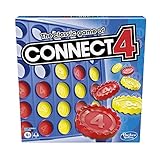
3. Hasbro Gaming Connect 4 Classic Grid,4 in a Row Game,Strategy Board Games for Kids,2 Player .for Family and Kids,Ages 6 and Up
Overview:
Connect 4 is the quintessential vertical strategy game where two players compete to align four colored discs in a row. This modern refresh maintains the classic gameplay that has challenged minds for decades while updating the aesthetic for contemporary families. Designed for ages 6 and up, it delivers tactical depth disguised as simple drop-and-connect mechanics, making it equally appealing to children learning patterns and adults seeking quick strategic duels.
What Makes It Stand Out:
The three-in-one gameplay options significantly elevate this beyond the original. Classic mode provides the traditional experience, while Connect 4 Frenzy introduces simultaneous play for frantic fun. The innovative pop-out feature allows players to remove bottom discs, adding a strategic layer of board manipulation that experienced players will appreciate. The sleek, modern design with updated colors gives this timeless game a fresh visual appeal.
Value for Money:
Typically retailing for $10-12, Connect 4 offers outstanding strategic value. The durable plastic grid and discs withstand countless matches, and the multiple gameplay modes prevent the experience from growing stale. Compared to more complex strategy games, it delivers meaningful tactical decisions at a fraction of the price, making it an accessible entry point into abstract strategy gaming.
Strengths and Weaknesses:
Strengths: Easy to learn but difficult to master; promotes critical thinking; quick 10-minute sessions; modern aesthetic; three gameplay variants; no batteries required.
Weaknesses: Strictly two-player only; experienced players can force draws; small discs may be lost; grid can be difficult to clean; limited social interaction beyond direct competition.
Bottom Line:
Connect 4 remains a must-have for any family game collection, particularly for households with two children. Its blend of accessibility and strategic depth makes it perfect for developing young minds while providing engaging challenges for adults.
4. USAOPOLY Flip 7, The Ultimate Blend of Press Your Luck & Strategy, Fast-Paced Addictive Card Game,Quick to Learn & Easy to Teach,Perfect for Game Nights, 3+ Players, Ages 8 & Up, 20 Minutes Play Time

Overview:
Flip 7 is a press-your-luck card game that distills risk-taking into a 20-minute adrenaline rush. Players aged 8 and up draw cards, accumulating points based on total values while desperately avoiding duplicate numbers that instantly bust their turn. The first to reach 200 points wins, creating a tense balance between greed and caution. With support for three or more players, it serves as an excellent filler game that generates cheers and groans in equal measure.
What Makes It Stand Out:
The game’s unique deck composition—featuring twelve 12s, eleven 11s, descending to single 1s—creates fascinating probability curves that savvy players learn to navigate. Special action cards like Flip Three, Freeze, and Second Chance inject strategic choices into the luck-driven framework, allowing players to manipulate fate. This blend of calculated risk and chaotic twists distinguishes it from simpler press-your-luck games.
Value for Money:
Priced around $12-15, Flip 7 offers excellent value for game night regulars. The compact deck travels easily, and the 20-minute playtime ensures it hits the table frequently. Compared to bulkier board games or less replayable card games, its unique mechanics and consistent excitement justify the modest investment, especially for groups that enjoy light, tense experiences.
Strengths and Weaknesses:
Strengths: Fast-paced and engaging; teaches probability concepts; accommodates various player counts; easy to teach; creates dramatic moments; highly portable.
Weaknesses: High luck factor may frustrate strategic players; busting repeatedly can feel punishing; scoring requires careful tracking; limited depth for extended sessions; not ideal for two players.
Bottom Line:
Flip 7 shines as a light, addictive filler game perfect for kicking off or winding down game nights. While it won’t replace heavy strategy games, its risk-reward tension and quick gameplay make it a worthy addition for casual gaming groups.
5. Monopoly Deal Card Game | Quick-Playing Card Game | Fun Games for Families and Kids | Ages 8 and Up | 2 to 5 Players | 15 Mins. | Travel Games

Overview:
Monopoly Deal compresses the iconic property-trading experience into a streamlined 15-minute card game. Designed for 2-5 players ages 8 and up, it distills Monopoly’s essence—collecting property sets, charging rent, and thwarting opponents—into a fast-paced, portable format. Players race to collect three complete property sets while using Action Cards to steal, swap, and sabotage, eliminating the endless rolling and banking of the original board game.
What Makes It Stand Out:
The game’s brilliance is its ruthless efficiency. It preserves Monopoly’s cutthroat spirit while eliminating downtime, making it infinitely more playable for modern families. Action Cards like “Deal Breaker” and “Just Say No” create dramatic reversals and player interaction that the board game often lacks. The compact card format makes it genuinely portable, transforming a table-hogging epic into a restaurant-friendly diversion.
Value for Money:
Typically costing just $5-7, Monopoly Deal represents phenomenal value. It delivers more actual gameplay satisfaction than its $30 board game counterpart, with higher replayability and broader appeal. The low price point makes it an easy impulse purchase or stocking stuffer, while the endless card combinations ensure it remains fresh across hundreds of plays.
Strengths and Weaknesses:
Strengths: Plays in 15 minutes; highly portable; captures Monopoly’s fun elements; easy to learn with reference cards; accommodates 2-5 players; inexpensive.
Weaknesses: Heavy luck element can frustrate planners; highly confrontational; loses the negotiation aspect of original; property sets feel abstracted; can end abruptly.
Bottom Line:
Monopoly Deal successfully modernizes a classic, delivering all the fun of property trading without the time commitment. For most families, it’s vastly superior to the original board game and belongs in every casual gaming collection.
6. Hasbro Gaming The Game of Life Goals Card & Quick-Playing Family Game, 2-4 Players, Fun Summer Activities, Vacation Travel Essentials, Ages 8+
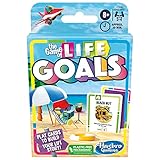
Overview: This card-based adaptation transforms the classic Game of Life into a fast-paced, portable experience. Designed for 2-4 players ages 8+, it replaces the iconic spinner and game board with strategic card play, letting families build life stories through clever decision-making rather than pure chance.
What Makes It Stand Out: The Lifestyle card mechanic adds a personal twist, assigning each player unique scoring objectives that make every round feel different. Choice cards with storytelling prompts like “name your pet llama” spark hilarious conversations, elevating this beyond simple card matching. The quick-play format delivers a complete game in 20 minutes, making it ideal for busy families or travel entertainment.
Value for Money: Priced competitively with other premium card games, this offers exceptional replay value through its 220+ Choice cards and variable Lifestyle combinations. It costs significantly less than the full board game while retaining the thematic essence, making it a smart alternative for budget-conscious buyers seeking quality family entertainment.
Strengths and Weaknesses: Strengths include lightning-fast setup, genuine player interaction, and compact portability for vacations. The storytelling elements create memorable moments that the board game rarely achieves. However, the 2-4 player limit restricts larger gatherings, and the simplified mechanics may disappoint fans seeking the original’s strategic depth. Some cards can feel repetitive after extensive play.
Bottom Line: The Game of Life Goals successfully modernizes a classic for contemporary families. Perfect for parents wanting engaging, conversation-driven gameplay without a lengthy time commitment. While it won’t replace the board game for purists, it’s an excellent addition to any family game collection, especially for travel or quick game nights.
7. Slapburger Card Game - Fast-Paced Kids and Family Games for Ages 4 and Up - Fun Card Game for Birthdays, Classroom, Camping, Game Night & Friends - Easy to Play, 2 to 6 Players, 15 Minutes Playtime

Overview: Slapburger reimagines classic slapping games like Slap Jack into a chaotic, laughter-filled experience for 2-6 players ages 4+. This family-designed card game delivers 15-minute bursts of high-energy fun where quick reflexes and sharp eyes determine the winner as players race to slap special burger-themed combinations.
What Makes It Stand Out: The family-owned brand pedigree shines through in thoughtful design choices that bridge generations. Unlike traditional slapping games, the “Double Decker” and “Sandwich” triggers add strategic depth while maintaining accessibility. The compact 2.5" x 3.5" deck slips effortlessly into pockets, making it a true travel essential that promotes unplugged family bonding anywhere.
Value for Money: As one of the best-priced family games on the market, it delivers outstanding value through its high replayability and broad age appeal. The durable cards withstand enthusiastic slapping from kids, and the 15-minute playtime ensures it hits the table frequently. Comparable games cost 30-50% more without offering significantly more content.
Strengths and Weaknesses: Strengths include immediate learnability, physical engagement that burns kid energy, and genuine cross-generational appeal. The simple rules make it accessible to preschoolers while remaining entertaining for adults. However, the reliance on reflexes may frustrate slower players, and the gameplay can become repetitive for older teens seeking strategic complexity. Overly enthusiastic slapping might cause minor hand stinging.
Bottom Line: Slapburger excels as a gateway game for young families. Its perfect blend of simplicity and excitement makes it ideal for camping trips, classroom rewards, or spontaneous game nights. While seasoned gamers may find it light, it’s unbeatable for creating joyful, active memories with children aged 4-10.
8. Word Game Family Board Games for Kids & Adults with 2 Modes,220 Topic Categories 24 Letters Pressing Games,Fun Fast-Paced Learning Game with English Pronunciation for Boys Girls Age 3+,35 Cards,Blue
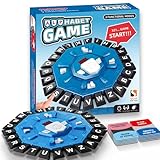
Overview: This electronic word game challenges 2-8 players ages 3+ to think fast under pressure. Combining a 24-letter wheel with an LCD countdown timer and 140 category prompts across two distinct modes, it transforms vocabulary building into a thrilling race against the clock that typically runs 15-20 minutes per session.
What Makes It Stand Out: The digital timer display creates genuine tension that analog word games can’t replicate. Mode 2’s “Step On Thunder” adds a clever risk-reward layer, while the English pronunciation feature aids younger learners. With 220 built-in categories and customizable rules, it adapts to different skill levels better than traditional word games.
Value for Money: Positioned in the mid-range for educational games, it justifies its price through electronic components and extensive content library. Comparable word games require manual timers and limited category cards, making this a more versatile long-term investment for families prioritizing educational screen-free entertainment.
Strengths and Weaknesses: Strengths include genuine educational value for spelling and quick thinking, excellent scalability from preschoolers to adults, and sturdy construction that survives travel. The battery-powered timer eliminates arguments about fairness. However, the 10-second limit can overwhelm younger or neurodivergent players, and the electronic component introduces potential battery costs and durability concerns over time. Some category cards may feel dated.
Bottom Line: This word game brilliantly merges learning with excitement. Ideal for classrooms, family gatherings, and travel entertainment, it shines brightest with mixed-age groups. While the rapid pace isn’t for everyone, its educational benefits and adaptable difficulty make it a worthwhile addition to homes focused on developmental play. Consider your child’s pressure tolerance before purchasing.
9. Hasbro® Don’t Break The Ice Game, Classic Version for Ages 3+ Years, 2-4 Players
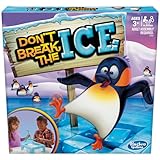
Overview: Hasbro’s classic Don’t Break the Ice delivers timeless suspense for 2-4 players ages 3+. Players carefully tap out white plastic ice blocks, hoping to keep Phillip the Penguin perched atop his fragile platform. The straightforward premise creates surprisingly tense moments as the structure inevitably collapses, delivering ker-plop satisfaction in 10-minute sessions.
What Makes It Stand Out: The physical, tactile nature sets it apart from purely card-based preschool games. The satisfying “click” of blocks and dramatic collapse provides sensory feedback that digital alternatives cannot replicate. Its self-contained design with integrated ice tray simplifies setup, while the penguin character gives young children an emotional stake in the outcome beyond simple winning or losing.
Value for Money: As one of the most affordable classic board games, it offers exceptional value for families with preschoolers. The durable plastic components withstand years of tapping, and the universal appeal ensures it remains relevant across multiple children. Unlike trend-based games, this 40+ year-old design has proven longevity that justifies every penny.
Strengths and Weaknesses: Strengths include instant comprehension for non-readers, fine motor skill development, and genuine excitement without complexity. The quick reset time means kids can play repeatedly without parental frustration. However, the game lacks strategic depth for older children, and the plastic ice blocks can scatter and require hunting. Setup, while improved, still takes a few minutes that impatient toddlers may resist.
Bottom Line: Don’t Break the Ice remains the gold standard for preschool family games. Perfect for introducing turn-taking and patience to children 3-6 years old, it’s an essential addition to early childhood game collections. While older kids will outgrow it quickly, its developmental benefits and durable construction make it a must-have for families with young children.
10. Regal Games Card Games for Kids - Go Fish, Crazy 8’s, Old Maid, Slap Jack, Garbage Monster, War - Simple & Fun Classic Family Table Games - Games May Vary (6 Set)

Overview: Regal Games delivers six classic card games—Go Fish, Crazy 8’s, Old Maid, Slap Jack, War, and Silly Monster Memory Match—in one convenient set designed for 2-6 players ages 4+. Each deck features oversized, colorful cards specifically engineered for small hands, creating an accessible entry point into traditional card gaming.
What Makes It Stand Out: The extra-large card size genuinely helps preschoolers manage their hands, reducing frustration and building confidence. The vibrant, modern illustrations refresh these timeless games while maintaining their original rulesets. Having six complete decks in one package eliminates the need to purchase separate games, creating a comprehensive starter library that grows with your child’s abilities.
Value for Money: This set represents outstanding value, effectively costing less than $2 per game. Comparable single-game purchases would total $30-40, making this an economical choice for grandparents, teachers, or parents building a game collection. The educational benefits spanning number recognition, memory, and social skills further enhance its worth.
Strengths and Weaknesses: Strengths include unmatched variety, child-friendly proportions, and stealth learning opportunities across multiple developmental areas. The portable packaging makes it perfect for travel or restaurant entertainment. However, the card stock, while adequate, isn’t as thick as premium single-game decks and may show wear faster with heavy use. The included games are all public domain, offering no unique twists or modern innovations.
Bottom Line: This collection excels as a foundational game set for families with young children. It brilliantly introduces classic gameplay mechanics while accommodating developmental limitations. For the price, it’s unbeatable value despite modest card quality. Perfect for grandparents’ houses, kindergarten classrooms, or as a backup entertainment stash. Serious gamers should look elsewhere, but for preschoolers, it’s an essential, practical purchase.
Why Quick Play Games Are Taking Over Game Night
The Rise of the 30-Minute Game Session
Modern schedules demand flexibility, and the traditional three-hour board game commitment simply doesn’t fit most lifestyles anymore. The shift toward shorter games reflects our need for entertainment that respects our time while still delivering substantive experiences. These games recognize that adults have competing priorities—children, work, household responsibilities—and offer a complete narrative arc from setup to conclusion in the time it takes to watch a sitcom.
Perfect for Modern Attention Spans
Let’s be honest: our collective attention span has evolved. Quick play games work with this reality by maintaining constant engagement. There’s no downtime where players check their phones or drift into side conversations. Every turn matters, every decision feels impactful, and the game ends while everyone remains fully invested. This creates a positive feedback loop where players want immediate rematches rather than needing recovery time.
What Defines a “Quick Play” Board Game?
Understanding Game Duration Ratings
Game boxes often list playtimes, but these can be misleading. A “30-minute” game might take 45 minutes with new players or stretch to an hour with analysis paralysis. True quick play games maintain their pace regardless of player count and experience level. Look for games where the listed time matches actual play experiences reported by the community. The most reliable quick play titles deliver consistent experiences across their first and twentieth plays.
Setup and Teach Time Matter Too
A 20-minute game that requires 15 minutes to set up and explain defeats its own purpose. The best quick play games feature intuitive setups where components logically flow from the box to the table. Rulebooks should be learnable in under five minutes, ideally through visual diagrams and minimal text. Games that require separate teach sessions or complex reference sheets rarely qualify as genuine quick play experiences, regardless of their actual gameplay duration.
The Sweet Spot for Player Count
Quick play games excel when they accommodate variable player counts without significant time inflation. A game that plays in 20 minutes with two players but drags to 50 minutes with four players lacks the consistency that defines the category. The most versatile options maintain similar pacing whether you’re playing head-to-head or with a full table, making them reliable choices for unpredictable group sizes.
Key Features to Look For
Simple Rules, Deep Strategy
The hallmark of exceptional quick play games lies in their ability to teach in minutes while offering strategic depth that rewards repeated plays. These games typically feature one or two core mechanisms that interlock elegantly. Players grasp the basic actions during their first turn but spend dozens of games exploring optimal strategies. This balance prevents the “solved game” problem where experienced players automatically win while keeping newcomers competitive.
Minimal Setup and Cleanup
Efficient design extends beyond gameplay to the entire experience. Games with organized inserts, clearly marked components, and logical board layouts minimize friction. The best quick play titles have you playing within two minutes of opening the box and packed away just as quickly. This respects not just your playtime but your entire evening, making spontaneous gaming sessions genuinely feasible.
Engaging from the First Turn
Long games can afford slow buildups, but quick play games must hook players immediately. The opening moves should present meaningful choices that set strategy in motion. Games that require several turns to “get going” waste precious time. Look for designs where every player is invested from moment one, with no passive observation periods or automatic opening moves that players make without thought.
Replayability in Small Packages
A quick play game that feels repetitive after three plays fails its fundamental promise. The best titles offer variable setups, multiple paths to victory, or emergent gameplay that creates unique narratives each session. This might come through modular boards, randomized objectives, or player-driven interactions that ensure no two games unfold identically. Replayability transforms a good quick play game into a permanent collection staple.
Choosing Games for Different Player Types
For Competitive Friends Who Love Strategy
Your cutthroat gaming group needs quick play titles that reward skill and planning without eliminating players early. Look for games with indirect interaction where you can sabotage opponents without destroying their chances completely. These games should offer multiple strategic lanes—area control, resource optimization, engine building—so competitive players can explore different approaches across sessions. The key is finding games where mastery develops over time but doesn’t create insurmountable advantages for veterans.
For Casual Players Who Want Laughter
Not every gaming session needs to be a brain-burner. For groups prioritizing social interaction and laughter, seek games with lighthearted themes and mechanics that create memorable moments. These titles often feature creative expression, humorous situations, or surprising reveals that generate stories you’ll retell later. The rules should be forgiving, with minimal penalty for suboptimal plays, keeping the mood light and the focus on fun rather than winning.
For Families with Mixed Ages
Intergenerational gaming requires accessibility without condescension. The best family-friendly quick play games use intuitive concepts—matching colors, building patterns, simple arithmetic—while offering enough depth to engage adults. Avoid games with complex iconography or text-heavy cards that disadvantage younger readers. Instead, prioritize visual clarity and tactile components that children can manipulate confidently. The ideal family game lets a 7-year-old compete with a 70-year-old without either feeling the game is unfairly skewed.
For Solo Gamers Seeking Quick Sessions
Solo gaming has exploded, and quick play titles fit perfectly into solitary play routines. Look for games designed specifically for one player rather than multiplayer games with tacked-on solo modes. These games should offer clear win/lose conditions, adjustable difficulty levels, and sessions that provide satisfaction without requiring extensive setup for a single participant. The best solo quick play games create a sense of progression and achievement that justifies the table space for one.
Game Mechanics That Work Best for Short Sessions
Drafting Mechanisms for Speed
Card drafting creates simultaneous decision-making that keeps all players active. Everyone makes choices at the same time, then reveals and resolves together. This eliminates downtime while creating interesting strategic considerations about what you pass to opponents. Drafting games naturally limit themselves to a set number of rounds, making playtime predictable and consistent regardless of player skill or analysis tendencies.
Simultaneous Action Selection
Games where everyone chooses their move secretly then reveals simultaneously compress playtime dramatically. What might take 30 minutes in turn-based structure completes in 10 minutes when everyone acts together. This mechanic also adds a delicious layer of second-guessing and player psychology that generates excitement and interaction without extending the clock. The reveal moment becomes a highlight of each round, creating built-in drama that traditional turn structures lack.
Push-Your-Luck Elements
The tension of deciding whether to risk what you’ve gained for potential greater rewards creates immediate engagement. Push-your-luck mechanics generate natural story moments and emotional investment without requiring complex rules overhead. These elements work particularly well in quick play games because they create high-stakes decisions that resolve quickly, keeping the pace brisk while delivering memorable outcomes that players discuss long after the game ends.
Pattern Recognition and Set Collection
These accessible mechanics give players clear goals from the start while offering depth through multiple collection strategies. Players can immediately understand “get matching sets” or “complete this pattern,” but optimizing which sets to pursue and when creates meaningful decisions. These mechanics scale well across player counts and typically resolve quickly, as players can plan their turns while others act, minimizing downtime between plays.
Where to Find Reliable Information
Community Reviews and Playthrough Videos
Before adding any quick play game to your collection, consult the broader gaming community. Look for video playthroughs that show actual gameplay rather than scripted tutorials. Pay attention to comments about real-world playtime versus listed duration. Community forums often contain threads specifically discussing how games perform with different player counts and experience levels. These firsthand accounts provide invaluable context that marketing materials gloss over.
Understanding Game Weight and Complexity Ratings
Online board game databases use “weight” ratings to indicate complexity. For quick play games, aim for titles in the light-to-medium range (typically 1.5-2.5 on a 5-point scale). Heavier games, even with short listed times, often extend significantly as players wrestle with complex decisions. Check the “best player count” and “recommended age” sections, but focus on community comments about actual teach time and flow. A game’s weight should align with your group’s preferences while respecting the quick play promise.
Building Your Quick Play Collection
Starting with Versatile Gateway Games
Every collection needs foundational titles that work across diverse situations. These versatile games should play well at multiple player counts, appeal to various experience levels, and fit different social contexts. Think of them as your gaming Swiss Army knives—reliable, adaptable, and always welcome at the table. Start with two or three such games before expanding into more specialized titles that cater to specific player preferences or group dynamics.
Balancing Genres and Mechanics
A well-rounded quick play collection includes variety. If one game uses card drafting, consider another featuring tile placement. Mix economic games with abstract strategy and party-style experiences. This diversity ensures you have options regardless of the group’s mood or energy level. It also prevents collection fatigue where every game starts feeling like a variation of the same mechanism. Aim for mechanical and thematic variety to keep your collection fresh and engaging.
The Importance of Theme Diversity
While mechanics drive gameplay, themes create initial interest. A collection featuring only fantasy or sci-fi themes limits its appeal. Include games with different aesthetic approaches—nature, history, abstract art, humor. This thematic variety helps match games to players’ interests and occasions. A nature-themed game might work perfectly for a relaxed afternoon, while a zany party game fits better for late-night gatherings. Theme diversity expands when and where your games hit the table.
Frequently Asked Questions
How many quick play games should I own to have a good variety?
Start with three to five carefully chosen titles that offer different experiences. This provides enough variety for different groups and moods without creating decision paralysis. You can always expand gradually based on which games see the most table time.
Can quick play games really offer enough depth for serious gamers?
Absolutely. Many quick play games are designed by master game creators who understand how to layer strategic complexity within tight timeframes. The depth comes from emergent player interactions and multiple viable strategies rather than complex rule systems.
What’s the ideal player count range for a versatile quick play game?
Look for games that play well from two to four players, with five-player capability as a bonus. This range covers most gaming situations while maintaining consistent pacing. Games that only work at specific counts see less frequent play.
How do I know if a game’s listed playtime is accurate?
Check community reviews and video playthroughs for real-world timing. Look for comments from players with similar group dynamics to yours. Generally, add 10-15 minutes to the box time for teaching and first-time plays.
Are quick play games suitable for children?
Many excel as family games, but check the recommended age and complexity. The best family quick play games offer simple actions that children can execute while providing strategic layers that engage adults simultaneously.
What’s the difference between a filler game and a quick play game?
While overlap exists, filler games typically fill gaps between longer games. Quick play games stand as complete experiences worthy of dedicated sessions. They’re designed for satisfaction, not just time-filling.
How much should I expect to spend on quality quick play games?
Price varies widely, but many excellent quick play games cost between $20-40. Component quality, artwork, and replayability factors affect pricing. Focus on cost-per-play value rather than upfront price.
Can quick play games work for game nights with experienced players only?
Definitely. Many quick play games offer competitive depth that rewards repeated plays and skill development. They create perfect tournament formats or serve as palate cleansers between heavier strategy games.
How important is component quality in quick play games?
Since these games hit the table frequently, durable components matter. Look for thick cardboard, quality cards, and sturdy boxes. Well-designed inserts that speed setup and cleanup significantly enhance the quick play experience.
Should I prioritize games with expansions?
Not necessarily. Many quick play games offer complete experiences without expansions. However, if you find a title you love that offers expansion content, it can extend the game’s lifespan. Just ensure the base game satisfies on its own first.
See Also
- Stop Wasting Time on Boring Games with the 10 Best Quick Play Games This Year
- Stop Wasting Time on Generic Games with the 10 Best Historical Board Games This Year
- Stop Wasting Time on Shallow Games with the 10 Best Mind Game Board Games This Year
- Stop Boring Game Nights with the 10 Best Quick Play Games This Year
- Stop Boredom with the 10 Best Quick Play Games This Year