Table of Contents
Remember that sinking feeling when game night starts with enthusiasm but quickly flatlines? You pull out the same old standby, roll dice on autopilot, and watch as conversation dwindles into awkward silence or, worse, competitive bickering. It’s not the people—it’s the game. Traditional board games often lack the spark needed to truly engage a diverse group, leaving everyone checking their phones halfway through. Adventure board games, however, are engineered to reignite that magic. They transform passive turns into shared narratives where every decision matters, pulling players out of their seats and into uncharted worlds where collaboration, strategy, and a dash of storytelling take center stage.
Imagine a game night where laughter erupts over a daring escape from a collapsing temple, where teammates lean in conspiratorially to decipher an ancient map, or where the tension of a hidden traitor keeps everyone guessing until the final minute. Adventure board games thrive on these moments—they’re not just about winning but about the experience you build together. They demand creativity, foster teamwork (or cunning betrayal!), and create stories you’ll recount long after the pieces are packed away. If your current rotation feels stale, it’s not you who’s boring; it’s time to unlock the dynamic, immersive potential that modern adventure gaming offers. Let’s explore how to find the perfect adventure to turn your next gathering into an unforgettable expedition.
Top 10 Adventure Board Games
Detailed Product Reviews
1. Storyfold: Wildwoods – Solo Narrative Adventure Board Game | 1 Player Board Game | Immersive Storybook Gameplay, Unique River Card Mechanic, Learn as You Play, Fast Setup

Overview:
Storyfold: Wildwoods delivers a captivating solo narrative adventure where you guide Luma and her bear Brom through a shadow-threatened forest. Designed exclusively for one player, it leverages a richly illustrated storybook and the innovative Storyfold system to create an accessible, immersive journey focused on healing the Wildwoods.
What Makes It Stand Out:
The standout River Card Mechanic dynamically shapes each scene’s tension and pacing, replacing traditional dice with fluid, narrative-driven outcomes. Combined with pre-packaged chapter cards and an in-box tray, setup takes under two minutes—unprecedented for story-heavy games. As the debut title for the Storyfold system, it prioritizes intuitive learning and emotional storytelling without complex rules.
Value for Money:
Priced competitively for a solo-focused narrative game, Wildwoods offers exceptional replayability through branching choices and multiple endings. While niche compared to multi-player games, its specialized design, stunning art, and near-instant setup justify the cost for solo enthusiasts seeking depth without hours of prep.
Strengths and Weaknesses:
Strengths: Effortless setup/teardown; deeply engaging story; beautiful artwork; River Mechanic enhances narrative flow; truly solo-designed.
Weaknesses: Limited player count (1 only); story choices may feel linear after multiple playthroughs; niche appeal for non-solo gamers.
Bottom Line:
Wildwoods is a must-buy for solo board gamers craving rich storytelling and innovative mechanics. Its speed, accessibility, and emotional depth make it a standout debut for the Storyfold system and a top-tier solo experience.
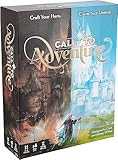
2. Brotherwise Games Call to Adventure
Overview:
Call to Adventure invites players to craft their fantasy hero’s origin story through illustrated challenges and destiny-shaping choices. From the creators of Boss Monster, this card-driven game emphasizes narrative creativity over combat, focusing on how heroes overcome trials to define their legends.
What Makes It Stand Out:
The game shines with its 150+ fully illustrated cards and 24 custom runes, enabling players to build unique hero journeys by selecting traits, challenges, and virtues. Unlike traditional RPGs, it skips dice and grids, using card drafting to weave personalized sagas—perfect for storytelling newcomers and veterans alike.
Value for Money:
Offering high replayability through countless hero combinations, it’s a cost-effective entry into narrative gaming. While not a full RPG replacement, its focused scope and Brotherwise’s proven design (via Boss Monster) deliver solid value for casual or story-focused groups.
Strengths and Weaknesses:
Strengths: Highly replayable hero creation; stunning card art; intuitive rules; strong narrative focus; compact component storage.
Weaknesses: Limited strategic depth for hardcore gamers; minimal player interaction; story outcomes can feel repetitive after extended play.
Bottom Line:
Call to Adventure excels as a creative, accessible gateway to fantasy storytelling. Ideal for families or casual gamers, it’s a worthwhile investment for those seeking imaginative play without complex rules.
3. The Lord of The Rings: Adventure to Mount Doom | Family Game | Cooperative Game | Strategy Game

Overview:
This cooperative strategy game tasks 1–4 players with guiding Frodo across Middle-earth to destroy the One Ring. Based on Tolkien’s epic, it blends dice rolling and card drafting to evade Ringwraiths, manage resources, and navigate iconic locations in a race against time.
What Makes It Stand Out:
Its faithful adaptation of Tolkien’s world—complete with thematic challenges like Shelob’s lair—creates instant immersion. The cooperative mechanics, where players collectively manage Frodo’s corruption and fellowship resources, foster teamwork without overwhelming complexity, making it accessible for families.
Value for Money:
Priced fairly for a licensed 50-minute cooperative experience, it offers strong re-playability through variable setups and solo mode. While lighter than hardcore strategy games, its thematic depth and family-friendly design justify the cost for LOTR fans.
Strengths and Weaknesses:
Strengths: Authentic Tolkien immersion; easy-to-learn cooperative play; solid solo mode; compact playtime; engaging theme integration.
Weaknesses: Dice reliance can frustrate; limited strategic depth; artwork quality inconsistent; minimal player agency in late-game “runaway” scenarios.
Bottom Line:
A charming, accessible co-op game for LOTR enthusiasts and families. Though light on strategy, its thematic faithfulness and quick play sessions make it a recommendable entry for casual game nights.
4. Avalon Hill Talisman: The Magical Quest Board Game, 5th Edition | Fantasy Tabletop Adventure Games | Ages 12 and Up | 2 to 6 Players | Roleplaying Strategy Games

Overview:
Talisman: 5th Edition revives the classic fantasy adventure where 2–6 players race across a magical board to claim the Crown of Command. Players explore regions, battle monsters, and seek the Talisman needed to challenge the Dragon King in a blend of luck, strategy, and whimsical storytelling.
What Makes It Stand Out:
The edition features stunning updated artwork, streamlined rules, and 12 unique characters (like the Wizard and Thief) with special abilities. The modular board—layered with Adventure cards—creates dynamic paths, while the journey from the peaceful Outlands to the perilous Crown of Command region offers escalating tension.
Value for Money:
As a legacy title with high component quality (including detailed figures), it justifies its premium price. Though pricier than modern Euros, its 2–4 hour sessions, 6-player capacity, and enduring appeal make it a worthwhile investment for fantasy groups seeking nostalgic, luck-driven fun.
Strengths and Weaknesses:
Strengths: Gorgeous components; high player count; engaging risk/reward progression; strong visual redesign; accessible rules.
Weaknesses: Luck-heavy (dice/card draws); potential for player elimination; long playtime; less strategic depth than contemporary games.
Bottom Line:
Talisman 5th Edition is a visually stunning, crowd-pleasing classic ideal for casual fantasy fans. Despite its luck dependence, it remains a top pick for large groups wanting immersive, high-fantasy escapism.
5. Bag of Dungeon–Fantasy Adventure Board Game for Families & RPG Fans | 1–4 Players, Ages 7+ | Classic Dungeon Crawler | Portable Tabletop RPG with Endless Replayability

Overview:
Bag of Dungeon packs a portable dungeon-crawling RPG into a compact pouch, challenging 1–4 players to escape a monster-filled labyrinth. With randomized tiles and quick setup, it delivers family-friendly fantasy action where heroes battle traps, collect treasure, and face the Red Dragon in under 30 minutes.
What Makes It Stand Out:
Its genius lies in portability—all components fit in a drawstring bag—and near-instant setup (<10 minutes). The 120 dungeon tiles and 13 quests ensure endless layouts, while simplified rules (roll dice, choose actions) make it a true “gateway RPG” that avoids rulebook bloat.
Value for Money:
Exceptional for its price, offering high replayability and travel-ready design. Though lighter than complex RPGs, it outperforms similar portable games in content volume, making it ideal for families or on-the-go gamers seeking affordable, replayable fantasy.
Strengths and Weaknesses:
Strengths: Ultra-portable; limitless replayability; easy to learn; perfect for ages 7+; fosters teamwork and quick strategy.
Weaknesses: Shallow character progression; component durability concerns (cardboard tiles); limited tactical depth for hardcore RPG fans.
Bottom Line:
Bag of Dungeon is an outstanding, budget-friendly gateway to dungeon crawling. Its portability, simplicity, and replayability make it essential for family game nights or travelers—highly recommended for casual and young players.
6. A Wild Venture Board Game - Engine-Building & Adventure Strategy Game, Whimsical Fantasy World with 100+ Unique Cards, Fast-Paced Gameplay for Kids & Adults, Ages 10+, 2 Players, 40-60 Min Playtime
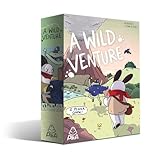
Overview: A Wild Venture is a two-player, engine-building card game set in a charming fantasy world where players compete to win the Community Cup by completing quests and managing resources through clever card combos. What Makes It Stand Out: Its innovative “engine-dismantling” mechanic is the star—players must fully use cards to score points, adding strategic depth as you build and then deliberately break down your engine. The shared deck creates intense, fast-paced interaction, forcing constant adaptation to deny your opponent key combos. Value for Money: Priced competitively for a premium 2-player experience, the 100+ unique cards, double-sided board, and two themed sets offer exceptional replayability. It delivers a richer strategic punch than many entry-level engine-builders at a similar cost. Strengths and Weaknesses: Strengths: Deep yet accessible strategy; high replay value; excellent component quality; truly interactive head-to-head gameplay. Weaknesses: Strictly limited to 2 players; the dismantling mechanic has a slight learning curve; smaller box might not suit collectors. Bottom Line: An outstanding choice for dueling strategy fans seeking depth and constant engagement. Its unique mechanics and high replayability make it a worthy investment for 2-player game nights, despite the player count limitation.
7. Spin Master Games, Jumanji Stampede, 3D Adventure Cooperative Board Game, for Fans of The Jumanji Movies, Easter Gift, 2-4 Players, for Ages 8 & Up

Overview: Jumanji Stampede is a cooperative board game where players work together to collect five magical crystals before a villain reaches Rhino Mountain, navigating jungle emergencies inspired by the Jumanji films. What Makes It Stand Out: The immersive 3D board, featuring a 7-inch-tall Rhino Mountain and interactive hazards like a spinning snake, creates a visually exciting adventure. Thematic jungle emergencies add dynamic, movie-accurate challenges that escalate tension effectively. Value for Money: Solid value for families seeking an engaging cooperative experience. The 3D components and movie license justify the price, though replayability is moderate once all scenarios are mastered. It’s a strong thematic entry point for younger players. Strengths and Weaknesses: Strengths: Highly immersive 3D setup; accessible cooperative rules for ages 8+; strong Jumanji theme; quick setup. Weaknesses: Limited long-term replayability; luck-driven card draws can frustrate; some 3D pieces feel fragile; strategy depth is shallow for experienced gamers. Bottom Line: A fun, visually impressive family game that captures Jumanji’s spirit well. Ideal for casual play and younger audiences, but its simplicity and moderate replayability may not satisfy hardcore board gamers seeking deeper strategy.
8. USAOPOLY Harry Potter Hogwarts Battle Cooperative Deck Building Card Game | Official Licensed Merchandise Board Great Gift for Fans Movie artwork For 132 months to 1188 months

Overview: Hogwarts Battle is a cooperative deck-builder where 2-4 players embody Harry, Hermione, Ron, or Neville, battling dark forces across seven progressively challenging adventures to save Hogwarts. What Makes It Stand Out: The seven-game campaign structure offers remarkable progression, unlocking new mechanics and villains as players advance. Deep integration of Harry Potter lore through 252 cards, iconic characters, and spells creates an authentic, evolving narrative experience. Value for Money: Excellent value given the sheer volume of components (252 cards, 70+ tokens) and the campaign’s replayability. The licensed theme and modular difficulty cater to both fans and strategy enthusiasts, outperforming many standalone deck-builders. Strengths and Weaknesses: Strengths: Immersive campaign progression; rich Harry Potter integration; high component quantity; scales well for 2-4 players; strong replayability. Weaknesses: Setup time increases with complexity; later scenarios can feel overwhelming for new players; storage solutions are basic. Bottom Line: A must-have for Harry Potter fans and cooperative game lovers. Its campaign depth, thematic richness, and scalability make it a top-tier deck-builder that justifies its price point for dedicated fans and casual players alike.
9. The Night Cage by Smirk and Dagger | Cooperative Candlelit Horror Strategy Game | Tile Laying Labyrinth Escape Adventure for 1 to 5 Players Ages 14 Plus

Overview: The Night Cage is a cooperative horror game where players navigate a shifting, candlelit labyrinth to escape before Wax Eaters consume them, using a single candle to reveal paths in near-total darkness. What Makes It Stand Out: The literal candle mechanic creates unparalleled tension—light only illuminates immediate tiles, forcing strategic movement as darkness swallows explored areas. Award-winning atmosphere blends physical components with psychological horror for a truly immersive team challenge. Value for Money: High value for horror and strategy fans. The innovative system, adjustable difficulty, and Advanced Game mode ensure lasting replayability. Component quality (including the candle) supports the intense thematic experience at a premium but fair price. Strengths and Weaknesses: Strengths: Unmatched atmospheric tension; brilliant candle mechanic; deep cooperative strategy; scalable for 1-5 players; exceptional replayability. Weaknesses: Requires a dark room; candle maintenance interrupts gameplay; not suitable for light-sensitive players; storage is bulky. Bottom Line: A groundbreaking horror experience that redefines cooperative play. Despite niche requirements, its emotional intensity and strategic depth make it a standout investment for mature groups seeking unforgettable, adrenaline-fueled adventures.
10. Asmodee Ticket to Ride Board Game (2025 Refresh) - A Cross-Country Train Adventure for Friends and Family, Strategy Game for Kids & Adults, Ages 8+, 2-5 Players, 30-60 Minute Playtime

Overview: This refreshed classic challenges 2-5 players to build train routes across a North American map, collecting cards to claim routes and fulfill destination tickets for points in a family-friendly strategy contest. What Makes It Stand Out: The 2025 update refines accessibility without sacrificing depth—streamlined rules, vibrant map art, and durable mini-trains enhance the iconic “collect and connect” gameplay. Its perfect balance of simplicity and strategic route-planning remains unmatched for broad audiences. Value for Money: Exceptional value as a gateway game. The high-quality components (giant board, trains) and near-limitless replayability through varied routes justify the cost. It outperforms newer strategy games by serving as a versatile staple for any collection. Strengths and Weaknesses: Strengths: Effortless to learn; engaging for ages 8+; beautiful refreshed components; deeply replayable; ideal for mixed-skill groups. Weaknesses: Route-blocking can feel punishing; luck in card draws affects outcomes; limited player interaction beyond blocking. Bottom Line: The definitive family strategy game, now revitalized. This refresh cements Ticket to Ride’s status as a must-own—accessible, endlessly fun, and perfect for bridging generational gaming gaps. An essential purchase for any game shelf.
Decoding the Adventure Board Game Landscape
Adventure board games stand apart by weaving narrative, exploration, and player agency into the core gameplay loop. Unlike pure strategy or luck-based games, they prioritize a journey—solving mysteries, surviving perilous environments, or completing epic quests. Success hinges not just on rules mastery but on how players react to evolving scenarios, making each session uniquely memorable. Understanding this fundamental shift is key to selecting a game that delivers the immersive escape your group craves.
Beyond Dice Rolls: The Core Pillars of Adventure
True adventure games rest on three essential elements: a compelling narrative framework that provides context and motivation, meaningful player choices that directly impact the story’s direction or outcome, and environmental interaction where the game world reacts dynamically to those choices. This trio transforms static boards into living landscapes, ensuring players feel like active participants rather than passive rule-followers. Without these pillars, a game might have adventure themes but lacks the transformative experience.
Identifying Your Group’s Adventure Appetite
Not all adventures suit all players. Some groups thrive on intense cooperation, working shoulder-to-shoulder against the game’s mechanisms, while others prefer the spice of hidden roles or asymmetric objectives that introduce thrilling interpersonal dynamics. Consider your group’s tolerance for conflict, their storytelling enthusiasm, and whether they relish complex puzzles or prefer streamlined action. Matching the game’s social architecture to your group’s chemistry is non-negotiable for engagement.
Critical Factors in Choosing Your Next Adventure
Selecting the right adventure game requires looking beyond the eye-catching box art. It demands a clear-eyed assessment of practical constraints and group preferences. Overlooking these factors is the fastest route to an abandoned game gathering dust on the shelf. Let’s break down what truly matters when making your selection.
Understanding Player Count Realities
The ideal player count isn’t just a number on the box—it’s a promise of balanced engagement. A game designed for 3-4 players often becomes chaotic or slow with 6, while a 1-5 player game might feel hollow with only two participants. Pay close attention to recommended ranges, not just minimums/maximums, and consider how mechanics scale. Does the game include specific rules or components to adjust difficulty and pacing for different group sizes? This directly impacts whether everyone feels involved or sidelined.
The Solo Strategist vs Group Dynamic
While many adventure games focus on groups, solo play is increasingly viable. If you enjoy prepping games for others, a strong solo mode lets you test-run adventures and troubleshoot rules. However, ensure the group experience remains the primary design focus—some games sacrifice multiplayer depth for solo compatibility.
Family-Friendly Scaling
For mixed-age groups, look for games with adjustable difficulty tiers or simplified role variants. True family accessibility means younger players aren’t just along for the ride but have meaningful, age-appropriate actions that contribute to the team’s success without frustrating complexity.
Navigating Complexity and Rule Density
Adventure games span a vast spectrum, from approachable “gateway” experiences to intricate, session-long epics. Underestimating complexity is a common pitfall; a game with a 20-minute claimed playtime might hide hours of rulebook navigation for first-timers. Focus on the learning curve—how many core mechanics must players grasp before feeling competent? Games with phased rule introductions or “learn as you play” tutorials significantly lower the barrier to entry.
The Time Investment Truth
Don’t just glance at the box’s playtime estimate. Factor in setup, rule explanations for new players, and potential decision paralysis in complex games. A 90-minute game might realistically consume 2+ hours with a new group. Be brutally honest about your group’s attention span and typical game night duration.
Component Quality and Setup Efficiency
Cluttered boards, dozens of tiny tokens, or fragile miniatures can turn setup into a chore and cleanup into a nightmare. Prioritize games with organized trays, clear iconography, and streamlined setup procedures. A game that takes 15 minutes to set up but only plays for 45 minutes often feels like more of a burden than a 10-minute setup for a 2-hour adventure.
The Power of Theme and Immersion
Theme isn’t just window dressing in adventure games—it’s the engine that drives engagement. A generic “explore a dungeon” concept pales next to a game where you’re archaeologists racing against rival factions in a lost Mesoamerican city, complete with lore-backed artifacts and environmental hazards. The best themes create instant buy-in, making rules feel intuitive because they align with the narrative (e.g., “We need light to explore the catacombs” rather than “Spend resource X to activate tile Y”).
Mechanics That Serve the Story
Look for games where mechanics directly reinforce the theme. Does a time-track mechanic create genuine urgency for your escape? Do unique character abilities feel like natural extensions of their backstory? When mechanics and narrative are inseparable, immersion deepens, and player decisions gain emotional weight. Avoid games where complex subsystems feel grafted on solely for “game-ness” without narrative justification.
Atmosphere Through Components and Presentation
High-quality art, evocative soundtracks (if included), tactile components, and even the texture of the board contribute significantly to immersion. A well-designed game uses sensory details to transport players—think of the thrill of opening a mysterious sealed envelope or the tension of drawing a card with ominous, textured artwork. Don’t underestimate how physical components enhance the psychological experience.
Maximizing Replayability: Why Your Adventure Shouldn’t End After One Play
The biggest investment in an adventure game is time—yours and your group’s. A game with low replay value becomes a one-night wonder, no matter how exciting the initial experience. True replayability isn’t just about randomizing elements; it’s about creating frameworks where different choices, strategies, or variable setups lead to genuinely distinct narrative outcomes and challenges.
Variable Setups and Modular Design
Games featuring modular boards, randomized event decks, or multiple possible objectives ensure no two sessions play identically. The most robust systems offer branching paths where early decisions cascade into significantly different mid and late-game scenarios. Look for “legacy-lite” elements—persistent changes that carry over between sessions without permanent component destruction, adding long-term narrative investment.
Character Progression and Narrative Branching
Does the game allow characters to grow, unlock new abilities, or face consequences based on past actions? Systems with meaningful progression (even within a single session) or narrative choices that alter the game’s trajectory encourage multiple plays to explore different possibilities. Games offering multiple distinct endings or victory conditions are particularly strong here.
Community Content and Designer Support
An active player community and responsive designers can dramatically extend a game’s lifespan. Look for titles with official scenario expansions, user-created content hubs, or designers who regularly release free print-and-play modules. This ecosystem breathes new life into the core system long after purchase.
Integrating Adventure Games Into Your Social Fabric
Choosing the right game is only half the battle; facilitating it effectively ensures your group actually enjoys the experience. Adventure games often require a different facilitation approach than traditional board games, especially when introducing new players to the genre.
The Art of the Facilitator (Not the Rules Lawyer)
Someone in the group—often the owner—naturally becomes the rules reference. Their role isn’t to police every move but to guide the group through the learning process, clarify ambiguities swiftly, and keep the narrative momentum flowing. Patience and a focus on fun over rigid rule adherence in early plays are crucial. Encourage descriptive storytelling around actions (“I bash the door down with my axe!”) rather than just stating mechanics.
Managing Pacing and Downtime
Adventure games can suffer from “analysis paralysis,” where one player’s lengthy deliberation stalls the group. Implement gentle time limits for major decisions or encourage table talk for collaborative problem-solving. Games with simultaneous action selection or phases where players prepare moves concurrently minimize downtime, keeping energy high.
Fostering Inclusive Participation
Ensure quieter players have opportunities to shine. Games with distinct, complementary roles help—assign the puzzle-solver the decoding task, let the creative storyteller describe exploration outcomes. Avoid games where one dominant player can effectively control the entire team’s strategy. Shared decision-making mechanics promote equal involvement.
Building Long-Term Engagement Beyond the First Play
The initial playthrough is just the beginning. The most satisfying adventure games reveal deeper layers with repeated plays, encouraging your group to return to the same world with fresh strategies and perspectives.
Mastering the Meta: Learning Between Sessions
Encourage your group to discuss what worked, what didn’t, and potential strategies after a session. Many adventure games have optimal paths or hidden synergies that only emerge after multiple plays. This meta-discussion builds collective knowledge and anticipation for the next game, turning your group into seasoned veterans of the game world.
Tracking Your Group’s Legacy
Even without permanent legacy systems, simple tracking enhances continuity. Take notes on key discoveries, character developments, or unresolved plot threads. A shared digital doc or physical journal adds weight to decisions and creates a tangible record of your group’s unique story within the game’s framework.
When to Expand: Official vs. Community Content
After exhausting the core game, official expansions are the safest route for new content that integrates seamlessly. However, robust community support often provides high-quality, free scenarios. Evaluate expansions based on whether they add meaningful new experiences (fresh mechanics, narrative paths) rather than just more of the same components.
Frequently Asked Questions
How do I know if an adventure game is too complex for my group?
Start by assessing your group’s experience with modern board games. If you’ve mostly played classics like Monopoly or Scrabble, begin with “gateway” adventure games emphasizing storytelling over intricate mechanics. Look for phrases like “streamlined rules” or “learn as you play” and watch playthrough videos focusing on setup and first-time play.
Can adventure board games work for large groups of 6+ people?
Yes, but they require specific design features. Prioritize games explicitly stating support for 6+ players with mechanics that avoid excessive downtime (e.g., simultaneous action phases, team-based play). Avoid games where one player controls multiple roles; true scalability means each person has a distinct, manageable role.
How important is theme compared to raw gameplay mechanics?
In adventure games, theme and mechanics are symbiotic. A weak theme makes complex rules feel arbitrary, while great mechanics elevate a thin theme. Prioritize games where the theme actively informs how you interact with the system—this creates the immersive “feel” that defines the genre.
What’s the ideal session length for most adventure games?
Aim for 60-120 minutes for standard sessions. Games significantly shorter often lack narrative depth, while those exceeding 2.5 hours risk fatigue unless they have strong pacing mechanics. Always factor in additional time for rule explanation during the first play.
How can I reduce setup and cleanup time for complex games?
Invest in custom organizers or repurpose existing storage. Prioritize games with integrated component trays and clear iconography. Dedicate 5 minutes post-game to a group cleanup ritual—making it a shared task cuts time dramatically.
Are adventure games suitable for children?
Many are, but age ranges are crucial. Look for games with cooperative play, minimal reading (relying on icons), and adjustable difficulty. Themes should match maturity levels—avoid intense horror elements for younger kids. Always test complexity with your specific child’s attention span.
What makes an adventure game replayable after the first play?
True replayability comes from variable setups (modular boards, randomized events), meaningful player choices that alter outcomes, and multiple distinct paths to victory. Avoid games with a single linear narrative that reveals all secrets in one playthrough.
How do I handle rule ambiguities during gameplay?
First, check the game’s official FAQ or forums. If unresolved, make a group ruling that prioritizes fun and narrative flow, noting it for future reference. Don’t let disputes derail the session—document the issue and research it afterward.
Can adventure games work for remote play via video call?
Some translate well digitally using platforms like Board Game Arena or Tabletop Simulator, especially those with minimal physical manipulation. However, games relying heavily on hidden information, tactile components, or complex spatial arrangements are often poor remote candidates.
How do I reintroduce lapsed players to a recurring adventure game?
Provide a concise “last time” recap focusing on narrative state and key decisions, not rule reminders. Use visual aids like photos of the current board state. Start the session with a quick refresher on 1-2 critical mechanics directly relevant to the opening moves.
See Also
- How to Solve Boring Game Nights with the 10 Best Adventure Board Games in 2026
- Stop Wasting Time on Boring Games with the 10 Best Story-Driven Board Games This Year
- How to Solve Boring Game Nights with the 10 Best Thematic Board Games in 2026
- Stop Predictable Gameplay with the 10 Best Narrative Board Games This Year
- 2026’s Top 10 Horror Board Games for Thrilling Game Nights