Table of Contents
That moment when your favorite worker placement game starts feeling like a chore instead of a thrill—you know the one. You’ve mastered the optimal opening moves, your gaming group can predict each other’s strategies three turns ahead, and what once felt like a sprawling kingdom of possibilities now feels like a well-worn path you’ve walked too many times. Replay fatigue doesn’t mean you’ve fallen out of love with the game; it simply means your brain is craving new variables, fresh decisions, and unexplored territories to conquer.
Expansions are the antidote to this creative stagnation, breathing new life into beloved systems without abandoning the core mechanics that made you fall in love in the first place. In 2026, the landscape of worker placement expansions has evolved beyond simple add-ons into sophisticated modules that can fundamentally transform your gaming experience. This guide walks you through identifying your fatigue points, understanding what features actually solve them, and making informed decisions about which types of expansions will reignite your passion for your table’s old favorites.
Top 10 Worker Placement Game Expansions
Detailed Product Reviews
1. Honey Buzz Fall Flavors Standard Edition - Strategic Worker Placement Board Game Expansion Autumn-Themed Add-On for 1-4 Players, Ages 10+

Overview: Fall Flavors is the autumnal expansion for Honey Buzz, introducing seasonal mechanics that refresh the honey-harvesting experience. This add-on delivers new forage tiles, fall nectar varieties, and unique customers that layer strategic depth onto the base game. Designed for 1-4 players with 45-90 minute playtime, it integrates seamlessly while offering veteran players fresh challenges without sacrificing accessibility.
What Makes It Stand Out: The modular design shines with three distinct systems—Autumn Leaves, Harvest Festival, and Fall Fruit—that can be mixed for customized gameplay. The theme fundamentally alters resource flow and timing, forcing strategy adaptation. New customer cards introduce asymmetric goals, while fall nectar creates compelling engine variations that dramatically increase replayability beyond simple cosmetic changes.
Value for Money: Competitively priced against similar expansions, this delivers three mini-expansions in one box for roughly a third of the base game’s cost. The substantial content extends Honey Buzz’s lifecycle significantly, providing excellent ROI for enthusiasts who’ve exhausted the original. Compared to single-module add-ons, the variety here multiplies replay value exponentially.
Strengths and Weaknesses: Strengths include seamless integration, premium components matching the original, and thematic cohesion that enhances without overcomplicating. The modular approach lets players control complexity. Weaknesses require the base game (non-standalone) and may overwhelm newcomers. Some modules occasionally create balance issues or runaway leaders, though this is mitigated by mixing components.
Bottom Line: Fall Flavors is essential for Honey Buzz fans wanting to revitalize their collection. The thoughtful design and autumnal charm justify the investment, though beginners should master the base game first. For dedicated players, this transforms a solid game into a perennial favorite.
2. Stonemaier Games: Viticulture Essential Edition (Base Game) by Jamey Stegmaier | Create The Most Prosperous Tuscan Vineyard | Strategy Board Game for Adults and Family | 1-6 Players, 90 Mins

Overview: Viticulture Essential Edition is Jamey Stegmaier’s acclaimed worker placement game about building a Tuscan wine empire. Players inherit vineyards and compete through seasonal worker assignment, vine planting, and order fulfillment. Supporting 1-6 players in 90 minutes, it distills complex wine-making into elegant mechanics, offering accessible entry for families while satisfying strategic cravings of veteran gamers through its card-driven variability.
What Makes It Stand Out: The seasonal worker mechanism distinguishes Viticulture, splitting actions between summer and winter phases with different available tasks. Visitor cards provide powerful one-time abilities, creating dynamic puzzle-solving each round. The Essential Edition refines the original with balancing improvements and includes the must-have Tuscany expansion modules, delivering a complete experience that eliminates the base game’s early shortcomings.
Value for Money: Positioned in the premium worker placement category, Viticulture justifies its price through exceptional component quality, solo mode inclusion, and integrated expansions that would cost extra separately. Compared to similar-weight games like Lords of Waterdeep, it offers deeper thematic integration and higher replayability. The production values and design pedigree make this a worthwhile long-term collection cornerstone.
Strengths and Weaknesses: Strengths include intuitive ruleset with strategic depth, beautiful artwork, scalable complexity, and excellent solo automation. The theme resonates powerfully, and the card variety ensures no two games feel identical. Weaknesses involve potential analysis paralysis from card combinations and a steep learning curve for absolute beginners. The luck of card draws can occasionally frustrate, though the mulligan mitigates this.
Bottom Line: Viticulture Essential Edition is a must-own for worker placement enthusiasts. The refined mechanics, thematic richness, and inclusion of essential modules make it the definitive version. While not the simplest gateway game, its quality and depth reward the investment for serious hobbyists.
3. Everdell Board Game – Strategic Worker Placement & Tableau Building Game for Adults & Teens, 1–4 Players, Age 14+, Award-Winning Tabletop Fantasy Game

Overview: Everdell is an award-winning tableau-building worker placement game set in a magical woodland realm. Players guide critters like squirrels and hedgehogs to construct a prosperous city beneath the 3D Ever Tree. For 1-4 players ages 14+, it combines card engine-building with strategic worker placement, delivering 40-80 minutes of immersive gameplay that scales from family-friendly to highly competitive.
What Makes It Stand Out: The breathtaking 3D tree centerpiece creates instant table presence, while over 120 uniquely illustrated cards showcase Beth Sobel’s gorgeous artwork. The critter construction mechanic allows players to chain powerful combos, creating satisfying engine crescendos. Seasonal worker placement adds timing tension, and the card-based events provide shared objectives that drive interactive competition without direct conflict.
Value for Money: Everdell commands a premium price but delivers commensurate value through exceptional components—the 3D tree, metal coins, and linen-finished cards justify the cost. Compared to similar weight games like Wingspan, it offers more spatial strategy and direct interaction. For collectors and serious gamers, the production quality transforms it from mere game to display piece, making it a worthwhile investment.
Strengths and Weaknesses: Strengths include stunning production values, deep strategic layering, excellent solo mode, and high replayability through card variety. The theme appeals broadly, and the mechanics reward both tactical and long-term planning. Weaknesses include a steep price point that may deter casual buyers and complex iconography that can intimidate new players. Setup time is longer than average due to component count.
Bottom Line: Everdell is essential for dedicated board gamers who value production quality and strategic depth. While the price and complexity make it less ideal for casual play, its charm and sophistication earn it a permanent spot in any serious collection. A masterpiece of modern board game design.
4. Honey Buzz Board Game – Strategic Worker Placement & Economic Engine Builder – Fun Resource Management Game for Game Nights and Hobbyists

Overview: Honey Buzz is an innovative worker placement and economic engine builder where players manage beehives to produce and sell honey. Through tile-laying hive expansion and dynamic market manipulation, 1-4 players compete to fulfill woodland creature orders. With 45-90 minute playtime, it offers accessible rules wrapped around deep resource optimization, making it ideal for both family game nights and hobbyist collections.
What Makes It Stand Out: The dynamic pricing market stands as Honey Buzz’s signature innovation, where honey values fluctuate based on supply and demand, creating emergent economic strategies. The chunky nectar tiles and wooden “beeples” provide tactile satisfaction, while the tile-laying hive construction offers spatial puzzle elements rare in pure worker placement games. This fusion of mechanisms feels fresh and engaging.
Value for Money: Mid-tier priced among modern strategy games, Honey Buzz offers strong component quality and unique mechanisms that justify its cost. The included solo mode adds value, and the replayability from market variability and order combinations ensures longevity. While not cheap, it undercuts premium titles like Everdell while delivering comparable innovation, making it a smart mid-range investment.
Strengths and Weaknesses: Strengths include a unique theme, accessible rulebook, satisfying components, and the innovative market system that creates engaging player interaction. The solo mode is robust and scales well. Weaknesses involve limited direct player interaction beyond market competition, and the economic system can create swingy outcomes where early leads compound. Some may find the theme lighter than preferred for strategic depth.
Bottom Line: Honey Buzz excels as a family-weight engine builder with genuine strategic teeth. The market mechanism and production quality make it stand out in a crowded genre. While not the heaviest economic game, its charm and accessibility earn it a spot on most game shelves, especially for those seeking something beyond traditional worker placement.
5. Stonemaier Games Viticulture: Tuscany Expansion Essential Edition, 1-6 Players, Ages 14+, 150 Mins, New Board, Cards, Workers

Overview: Tuscany Essential Edition expands Viticulture into a richer, more strategic vineyard simulation. This modular expansion adds an extended four-season board, special worker abilities, and structure cards that deepen the wine-making experience. Requiring the base game, it extends playtime to 150 minutes for 1-6 players, transforming Viticulture from excellent to essential for serious strategy gamers seeking greater complexity.
What Makes It Stand Out: The four-season board revolutionizes gameplay by distributing bonuses throughout the year, eliminating the “wake-up” position advantage and creating more balanced strategic choices. Special workers with unique abilities add asymmetric depth, while structure cards provide new engine-building pathways. These modules address base game criticisms while maintaining thematic coherence, making Tuscany feel like a natural evolution rather than a bolt-on.
Value for Money: As an expansion, Tuscany delivers transformative changes that justify its standalone price point. The modular design lets players adopt changes gradually, essentially providing multiple expansion experiences. For Viticulture owners, this is arguably mandatory—the improvements so fundamentally enhance the experience that playing without them feels incomplete. The component quality matches the base game, ensuring visual and tactile consistency.
Strengths and Weaknesses: Strengths include fixing base game balance issues, adding tremendous strategic depth, and providing multiple modules for customizable complexity. The extended board creates more meaningful decisions each season. Weaknesses include significantly longer playtime that may deter some groups, and the requirement of base game ownership. The added complexity can overwhelm casual players, making it less suitable for gateway gaming.
Bottom Line: Tuscany Essential Edition is mandatory for Viticulture enthusiasts. The improvements are so fundamental and well-executed that it transforms a great game into a masterpiece. While the increased complexity and playtime narrow its audience, those seeking deeper vineyard strategy will find this expansion indispensable and utterly rewarding.
6. Geek Attitude Games Bruxelles 1893 Including Belle Epoque Expansion - Worker Placement & Bidding Strategy Board Game, Ages 14+, 2-5 Players

Overview: This award-winning worker placement and bidding game transports players to the Art Nouveau era of Brussels. The included Belle Epoque expansion seamlessly integrates new strategic layers without extending playtime, offering exceptional value in one package. Designed for 2-5 players aged 14 and up, it challenges you to become the most influential architect through clever worker deployment and resource management.
What Makes It Stand Out: The 2014 As d’Or award signals outstanding quality, while the completely redesigned mechanics, graphics, and ergonomics modernize this classic. Its modular board ensures every session feels fresh, forcing adaptive strategies. The unique bidding mechanism for turn order adds thrilling tension, distinguishing it from standard worker placement fare.
Value for Money: Including the substantial Belle Epoque expansion makes this edition remarkably cost-effective compared to purchasing separately. The mechanical overhaul justifies buying even if you own the original, while newcomers get a refined, complete experience at a competitive price point against similar mid-weight euros.
Strengths and Weaknesses: Strengths include deep strategic gameplay, high replayability through board modularity, and integrated expansion content. The bidding system creates engaging player interaction. Weaknesses involve substantial rules complexity for beginners and potentially lengthy setup time. The artwork, while improved, may still feel utilitarian rather than lavish.
Bottom Line: Bruxelles 1893 is an excellent choice for serious strategy gamers seeking substantial depth. The included expansion and redesign make it the definitive version of a proven classic.
7. Everdell Collector’s Edition Board Game – Premium Strategy Worker Placement Game for Adults & Teens, 1–4 Players, Age 14+, Deluxe Fantasy Tabletop Game with Exclusive Content & Metal Tokens

Overview: This deluxe edition of the acclaimed Everdell combines the base game with exclusive content in a premium package. Ranked among the top 30 board games of all time, it tasks 1-4 players with building a thriving woodland city through sophisticated worker placement and tableau-building mechanics. The Collector’s Edition elevates the experience with upgraded components and exclusive expansions.
What Makes It Stand Out: The stunning 3D Ever Tree centerpiece immediately captures attention, while metal point tokens and wooden occupied markers provide satisfying tactile feedback. The included Legends Expansion and Extra! Extra! cards significantly enhance replayability. UV spot-coating and upgraded critter meeples demonstrate obsessive attention to detail that collectors crave.
Value for Money: While priced substantially above the standard edition, the premium components and exclusive content justify the investment for dedicated fans. Metal tokens and wooden pieces alone would cost significantly if purchased separately. For casual players, the standard version remains adequate, but enthusiasts will appreciate this definitive edition’s luxury feel.
Strengths and Weaknesses: Strengths include breathtaking production quality, extensive solo mode, and nearly infinite replayability. The charming theme appeals broadly. Weaknesses center on the high price barrier and potential component overkill for those prioritizing gameplay over presentation. Table space requirements are substantial.
Bottom Line: The Everdell Collector’s Edition is essential for devoted hobbyists and makes an impressive gift, though newcomers should try the standard version first.
8. Keymaster Games Harvest Fall Festival | Expansion | Cozy Farming Strategy Board Game for Adults, Families, and Couples | Quick 60-Minute Worker Placement and Polyomino for Game Night or Solo Gaming

Overview: This charming expansion enriches the cozy farming base game Harvest with festival-themed content and novel mechanics. Designed as an add-on rather than standalone product, it introduces new characters, strategic layers, and the innovative Festival Board that intensifies competition for prime actions. The expansion maintains the base game’s accessible spirit while adding welcome depth for all player counts.
What Makes It Stand Out: The introduction of polyomino-style pies creates fresh tactical considerations, while the 13 solo challenges against Mayor Gairy extend the campaign significantly. Premium wooden Animeeples and festival basket components enhance both aesthetics and functionality. The thematic integration of seasonal festivities feels natural rather than forced, preserving the game’s gentle charm.
Value for Money: As an expansion requiring the base game, its value depends entirely on your Harvest investment. For owners, it breathes new life at a reasonable price point comparable to other mid-sized expansions. The solo content alone adds substantial replayability. However, newcomers must factor in the combined cost of both products, which may give pause.
Strengths and Weaknesses: Strengths include seamless integration, enhanced solo mode, and the delightful pie mechanism. Components match the base game’s quality perfectly. Weaknesses involve dependency on the core game and potentially limited appeal if you rarely play Harvest. The new mechanics may slightly increase complexity beyond the original’s family-friendly target.
Bottom Line: Fall Festival is a must-buy for Harvest enthusiasts, particularly solo players, but offers nothing for those without the base game.
9. Stone Age Board Game - Engaging Worker Placement Strategy for Civilization Building! Fun Family Game for Kids and Adults, Ages 10+, 2-4 Players, 60-90 Minute Playtime, Made by Z-Man Games

Overview: Stone Age remains a gateway classic that introduces players to worker placement through prehistoric civilization building. Supporting 2-4 players ages 10 and up, it challenges you to manage a tribe by gathering resources, constructing buildings, and advancing culture. The 60-90 minute playtime hits the sweet spot for family gaming sessions without overstaying its welcome, making it an ideal weeknight choice.
What Makes It Stand Out: Its accessible rule set teaches core worker placement concepts while maintaining meaningful decisions. The dice-based resource gathering adds welcome uncertainty, preventing analysis paralysis. Limited board spaces create genuine tension and interaction, forcing players to adapt strategies based on opponent actions. The prehistoric theme resonates universally with younger players and adults alike.
Value for Money: As a widely available classic, Stone Age offers excellent entry-level pricing for a game of its depth and production quality. It frequently appears at discounted rates, making it an economical choice for families exploring modern board gaming. Compared to newer releases, it delivers solid value without premium pricing or unnecessary complexity.
Strengths and Weaknesses: Strengths include family-friendly accessibility, clear iconography, and durable components. It serves as an ideal teaching tool for modern gaming mechanics. Weaknesses show its age against contemporary designs—less variability, simpler strategies, and artwork that feels dated. Experienced gamers may find it too light after repeated plays and crave more depth.
Bottom Line: Stone Age is a perfect introduction to worker placement for families and casual gamers, though veterans may prefer more complex modern alternatives.
10. Wondrous Creatures Board Game, Worker-Placement & Tableau Building Strategy Game for 1-4 Players, Ages 14+, 40-80 Min Playtime, Build Creature Combos & Experience a Magical World (Gargantuan Beasts)
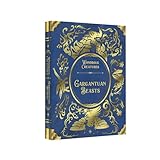
Overview: Wondrous Creatures merges worker placement with tableau building in a magical world of creature collection. Designed for 1-4 players ages 14 and up, it features 126 unique creature cards with abilities that create powerful synergistic combos. The 40-80 minute playtime scales smoothly across player counts, offering both accessibility and strategic depth for casual and serious gamers alike in a complete package.
What Makes It Stand Out: The innovative dual-hex worker placement allows interaction with multiple surrounding icons simultaneously, creating fresh tactical decisions each turn. With over 100 creature cards, the combo potential feels nearly limitless. The premium 5.5-pound box includes high-quality habitat tiles, eggs, and character boards that match the stunning card artwork, making it as beautiful as it is functional for dedicated hobbyists.
Value for Money: The substantial component quality and extensive card variety justify its premium price point. While more expensive than entry-level games, the production values rival top-tier publishers. For strategy fans seeking deep replayability, the investment compares favorably to collecting multiple lighter games that offer less content overall.
Strengths and Weaknesses: Strengths include innovative mechanics, massive replayability, and exceptional production values. The solo mode scales effectively, and the combo-driven engine building rewards strategic creativity. Weaknesses involve potential complexity for newcomers and the risk of overwhelming analysis paralysis with so many card interactions. As a newer release, it lacks the established reputation of classics.
Bottom Line: Wondrous Creatures is an excellent choice for strategy enthusiasts seeking innovative mechanics and high replayability, though newcomers should expect a learning curve.
Understanding Replay Fatigue in Worker Placement Games
What Causes Replay Fatigue
Replay fatigue in worker placement games stems from pattern recognition overload. Your brain has mapped every viable worker placement spot, calculated the efficiency ratios of each action, and reduced the experience to a series of known quantities. The strategic depth that once delighted you becomes a solved puzzle. This happens faster in worker placement games than in other genres because the spatial element of board actions creates repetitive physical movements—you’re reaching for the same spots, saying the same things, and experiencing the same decision trees. The fatigue sets in when variability becomes predictable, when the “random” setup only shuffles familiar elements into slightly different configurations.
Signs You’ve Hit the Wall
You’ll know it’s time for an expansion when you start noticing the tells: your turns feel automatic rather than contemplative, you can recite the point values of every action without looking, and new players are catching up to your skill level suspiciously fast. Another red flag is when your group starts defaulting to the same strategies regardless of player count or setup—if the “farming strategy” always wins or the “military path” is never viable, your game’s balance has become transparent. The social dynamic suffers too; table talk becomes repetitive (“Are you taking the market again?”), and the post-game analysis feels like déjà vu.
Why Expansions Are the Natural Solution
Expansions work because they preserve the cognitive framework you’ve already built while adding meaningful complexity. Unlike learning an entirely new game—which demands fresh mental overhead—expansions let you leverage your existing knowledge while exploring unfamiliar territory. They respect your investment in the base game, both financially and emotionally. The best expansions in 2026 understand that you’re not looking to replace your favorite game but to rediscover it through a new lens that makes old strategies obsolete and forces you to think creatively again.
Key Features That Combat Replay Fatigue
New Worker Placement Locations
The most direct way expansions solve fatigue is by giving you fresh spots to place your workers. These aren’t just reskinned versions of existing actions—they fundamentally alter the decision space by creating new resource engines, alternative victory paths, or disruptive abilities that challenge established meta-strategies. Look for expansions that add locations with conditional triggers or combo potential, forcing you to reconsider the value of every placement relative to these new options. The best additions create tension between old and new actions, making previously underutilized spots suddenly relevant again through synergy.
Alternative Game Boards and Setups
Modular board components that change the physical landscape each session are goldmines for replayability. Expansions offering double-sided boards, interchangeable tiles, or scenario-based setups prevent you from developing muscle memory for optimal placements. In 2026, we’re seeing more expansions with “legacy-style” board evolution where previous games permanently alter the available actions, though many players prefer reversible modifications that maintain the game’s resettable nature. The key is variability that matters—not just cosmetic changes, but layouts that reshape the entire economic engine of the game.
Variable Player Powers
Nothing breaks established patterns like giving each player asymmetric abilities that reward divergent strategies. Expansions introducing unique factions, guilds, or character sheets with special powers force you to abandon your one-size-fits-all approach. The fatigue-busting power here comes from match-up variety; playing as the merchant guild versus the military faction creates entirely different valuation systems for the same board spaces. In 2026, the trend is toward more nuanced powers that scale with player count and interact with expansion modules in unpredictable ways.
Advanced Modules and Layers
The “expert” overlay is a sophisticated tool for fighting fatigue among experienced groups. These modules typically add secondary worker pools, time-track mechanics, or consequence systems that layer on top of the base game without replacing it. Think of them as difficulty settings that also increase strategic diversity. The magic happens when these layers create emergent complexity—where the interaction between base rules and expansion rules generates scenarios neither could produce alone. Look for modules that are optional but deeply integrated, allowing you to toggle them on or off based on your group’s appetite for complexity.
Narrative Campaign Elements
Story-driven expansions inject purpose beyond pure optimization, giving you thematic reasons to pursue suboptimal strategies. Campaign books that connect multiple sessions with persistent consequences, character progression, or branching narratives can make even familiar actions feel meaningful again. The narrative frame provides psychological variety—you’re not just “taking the wood action,” you’re “gathering timber for the winter siege.” In 2026, expansions are balancing these story elements carefully, ensuring they enhance rather than distract from the core worker placement mechanics.
Solo Mode Enhancements
For solo players, fatigue hits differently—it becomes you versus your own best score, a mental echo chamber. Expansions that revitalize solo modes through automa opponents with variable behaviors, scenario-based challenges, or win-condition variety are essential. The best solo expansions create the illusion of a reactive opponent, making you adapt to their placements rather than simply optimizing your own engine. Look for systems where the “bot” player’s actions actually remove spots from your consideration, mimicking the tension of multiplayer competition.
Evaluating Expansion Quality
Integration Complexity
An expansion’s value is directly tied to how seamlessly it integrates with the base game. The sweet spot is content that feels like it always belonged there, not a clunky add-on that requires constant rulebook consultation. In 2026, premium expansions include integrated storage solutions and rulebooks designed for combined play, with base game rules greyed out and expansion rules highlighted. Watch out for expansions that require you to track multiple new currencies or phases that feel tacked on—the cognitive load should enhance the experience, not bog it down with administrative tasks.
Component Quality and Storage
Physical considerations matter more than you’d think. Expansions that match the base game’s component quality, art style, and iconography maintain the immersive experience. More importantly, clever storage solutions that accommodate both base and expansion content in a single box prevent the logistical nightmare of managing multiple packages. The 2026 market has raised the bar here, with many expansions including custom inserts designed for the combined game. If an expansion can’t physically live with your base game, you’ll find yourself leaving it on the shelf more often than not.
Rulebook Clarity
The best mechanics are worthless if you can’t understand them. Expansion rulebooks should assume familiarity with the base game and focus exclusively on what’s new, using clear examples and visual diagrams. Look for rulebooks that include “setup guides” showing exactly which components to use for different module combinations, and “reference cards” that summarize new actions for each player. In 2026, many publishers include QR codes linking to video tutorials for complex additions—a sign they respect your time and want you playing, not parsing text.
Community Reception Longevity
Before investing, investigate how the community is playing the expansion six months after release. Initial hype often fades when expansions prove unbalanced or underdeveloped. Search for forums discussing which modules have staying power, whether the expansion solved the base game’s known issues, and if it created new problems. The 2026 expansion market is mature enough that you can find long-term play reports. Pay attention to whether the expansion is “always used” or “sometimes used”—the former indicates it successfully enhanced the core experience rather than just adding novelty.
Strategic Approaches to Expansion Selection
The “More of What You Love” Strategy
This conservative approach works when you adore the base game but want more variety within its existing framework. You’re looking for expansions that add more cards, more buildings, or more resources without changing core mechanics. These expansions are low-risk but also lower-impact—they postpone fatigue rather than eliminating it. They’re perfect for groups that play the game frequently but don’t want to relearn rules. In 2026, this strategy is most effective with games that have modular decks where you can simply shuffle in new content for instant variety.
The “Complete Transformation” Approach
Sometimes you need to blow up the old meta entirely. Transformational expansions add so much content that the base game becomes a different experience—new boards, new worker types, new victory conditions that make old strategies obsolete. This approach is high-risk, high-reward; you’re essentially committing to learning a new game that uses familiar components. It’s ideal when your group has truly exhausted the base game and craves a fresh challenge. The key is ensuring everyone is on board with the learning curve, as teaching a transformed game can be as time-consuming as teaching something entirely new.
The “Gradual Evolution” Method
The most sophisticated strategy involves expansions designed as a progression system. You start with Module A, play it until it becomes familiar, then add Module B, and so on. This creates a continuously evolving experience that respects your learning investment. In 2026, many expansion lines are designed with this in mind, offering “seasons” or “chapters” that build on each other. The method requires patience but delivers the longest-lasting replayability, as you’re essentially getting multiple games in one box. Track your plays and only add the next module when you can consistently predict the outcome of the current configuration.
Timing Your Expansion Purchases
When You’ve Mastered the Base Game
The optimal time to buy an expansion is after you’ve internalized the base game’s decision tree but before boredom becomes resentment. This typically occurs after 15-25 plays, depending on the game’s inherent variability. You’ll know you’re ready when you can explain the game without referencing the rulebook, but you still find yourself enjoying the core loop. Buying too early means the expansion’s nuances will be lost; buying too late risks your group moving on to other games before the expansion arrives. In 2026, with production cycles stabilizing, you can time purchases more deliberately rather than feeling FOMO-driven.
Group Readiness Assessment
Your gaming group’s appetite for complexity and change is the real deciding factor. Have candid conversations about whether people want to relearn or just play more of the same. Some players experience anxiety when familiar systems change, while others thrive on novelty. The expansion should match the group’s median enthusiasm level, not just the most vocal player’s desires. Consider running a “trial session” where you play with a single new module to gauge reaction before committing to a full expansion purchase.
The 20-Play Rule
A practical heuristic: only buy an expansion after 20 plays of the base game. This ensures you’ve extracted maximum value from your initial investment and can articulate exactly what you want the expansion to fix. Keep a simple log of plays noting what felt stale or unbalanced. After 20 sessions, review your notes—they’ll tell you whether you need more variety (new cards), deeper strategy (advanced modules), or narrative context (campaign elements). This disciplined approach prevents expansion bloat and keeps your collection focused on games you genuinely love playing.
Maximizing Your Expansion Investment
Teaching Expanded Versions
The biggest mistake is teaching the base game plus expansion to new players simultaneously. Always establish the core experience first, then introduce expansion modules as “advanced variants.” When teaching an expansion to experienced players, focus on what’s changed rather than re-explaining the entire game. Use comparison language: “This works like the market, but with a twist.” In 2026, many expansions include “teaching guides” that isolate new concepts—use them. Consider running a “learning game” where everyone agrees to experiment rather than optimize, reducing the pressure to immediately master new systems.
Organizing Combined Components
Efficient storage is crucial for actually using your expansion. Spend time upfront integrating components so setup takes minutes, not half an hour. Use baggies, plano boxes, or custom inserts to group components by module, not by box of origin. Create a “setup cheat sheet” that lists which components to pull for different play styles. The goal is to make the expanded game as easy to get to the table as the base game. In 2026, the best practice is to photograph your organized box and keep the image in your phone for quick reference when packing up.
Creating House Rules for Further Variation
Once you understand an expansion’s design logic, don’t be afraid to create your own variants. Mix modules in ways the rulebook doesn’t suggest, create draft formats for selecting player powers, or design custom scenarios with specific setup constraints. The expansion gives you new tools; you’re allowed to use them creatively. Document your house rules and share them with the community—this extends the expansion’s value and connects you with other players solving the same fatigue problems. Just ensure your group agrees on modifications before you start playing.
Looking Ahead: 2026 Trends
Digital Integration Features
Expansions in 2026 increasingly include companion apps that randomize setups, track campaign progress, or introduce hidden information without extra components. These digital tools can add massive variability without physical overhead. The key is evaluating whether the app enhances or replaces the tactile experience you love about worker placement. Look for apps that handle administrative tasks (setup, scoring) while leaving the core placement decisions physical. Be wary of expansions that require constant screen interaction, as this can disrupt the social flow of tabletop gaming.
Sustainability in Game Production
Environmental consciousness is shaping expansion design. Publishers are using recycled materials, reducing plastic components, and designing smaller footprint boxes that integrate with base game storage. This isn’t just ethical—it affects component feel and table presence. In 2026, premium expansions balance sustainability with quality, often using wood and metal components that feel substantial while being eco-friendly. Consider whether an expansion’s production values align with your values, as this affects long-term satisfaction beyond gameplay.
Modular Design Philosophy
The most forward-thinking expansions are built as interchangeable LEGO bricks rather than monolithic additions. Each module is self-contained enough to mix with other expansions or future releases, creating a ecosystem of content. This approach future-proofs your investment; you’re not just buying one expansion but building a library of components that can be recombined endlessly. When evaluating 2026 releases, look for publishers who explicitly support this modular philosophy in their design notes and community communications.
Frequently Asked Questions
How do I know if I need an expansion or just a new game entirely?
If you still smile when setting up the base game and find yourself thinking “I wish this had just a bit more,” you need an expansion. If you groan at the thought of playing it again or can no longer see the theme through the mechanics, it’s time for a new game. Expansions build on existing love; they can’t create it from scratch.
Will expansions make my favorite game too complex for casual players?
It depends on the expansion type. Many offer modular complexity—you can add advanced rules for experienced players while keeping the base game intact for newcomers. Look for expansions with “beginner” and “expert” setup options. The key is being selective about which modules you introduce based on who’s at the table.
Should I buy one large expansion or several small ones?
Large expansions typically offer better value and more integrated experiences, but they represent a bigger learning commitment. Small expansions let you drip-feed novelty and are easier to teach incrementally. In 2026, the trend favors larger, more substantial expansions with modular components inside, giving you the best of both approaches.
How do I teach an expanded game without overwhelming new players?
Use a progressive disclosure method. Teach the base game first, play a full session, then introduce one expansion module at a time over subsequent plays. Frame each addition as “now that you understand the basics, here’s a twist.” Never teach more than one new concept per explanation.
What if my gaming group doesn’t want to play with expansions?
Respect their preference but try to understand the root cause. If it’s fear of complexity, start with the lightest module. If it’s love of the base game as-is, consider that the expansion might not be necessary. You can always enjoy the expansion in solo mode or with a different group. Forcing content on unwilling players creates resentment.
Are expansions worth the cost compared to buying new games?
Financially, expansions typically cost 30-50% of a new game but can double or triple your plays of a title you already enjoy. The value equation depends on your play frequency. If a $40 expansion gets you 20 more sessions of a beloved game, that’s $2 per play—excellent value. A new $60 game you play twice costs $30 per play.
How do I store my base game and expansion together efficiently?
First, discard expansion boxes unless they’re needed for storage. Use the base game box with a custom insert or plano boxes to organize components by type, not by origin. Keep rulebooks in a separate folder or digitally. The goal is one-box storage that allows 5-minute setup.
Can I mix multiple expansions together?
Only if they’re designed for it. Check the rulebooks for compatibility notes. Some combinations create beautiful emergent complexity; others break the game’s balance. When in doubt, play each expansion separately first to understand its design intent before attempting to combine. Community forums often have tested combination recommendations.
What should I look for in 2026 expansions specifically?
Focus on expansions with integrated digital tools, sustainable production, and modular design. Avoid legacy-style content unless your group commits to campaign play. Look for publishers who support the expansion post-release with FAQ updates and community engagement. The 2026 market rewards expansions that respect your time and environmental values.
How do I avoid “expansion bloat” where I own too many add-ons I never use?
Stick to the 20-play rule before buying, and limit yourself to one expansion per year for any given game. If you haven’t used an expansion module in six months, consider selling it. Keep a “active expansion” list of what’s currently in your rotation. Quality over quantity—one expansion you use constantly is better than five that collect dust.
See Also
- 10 Worker Placement Game Expansions That Solve Repetitive Gameplay in 2026
- 10 Worker Placement Game Expansions That Solve Limited Player Interaction in 2026
- The 10 Ultimate Best Worker Placement Game Expansions for Complex Gameplay in 2026
- How to Choose the 10 Best Worker Placement Games for Game Collections in 2026
- How to Solve Boring Game Nights with the 10 Best Negotiation Board Games in 2026