Table of Contents
Ever felt that sinking feeling when you sit down for a game night, eager to dive into strategy and competition, only to be bogged down by interminable setup phases and sluggish opening turns? You’re not alone. Many traditional deck-builders, despite their strategic depth, suffer from a critical flaw: the first few rounds can feel like wading through molasses. Players draw weak starting hands, struggle to generate meaningful actions, and watch the real fun begin only after tedious initial cycles. This “slow burn” phase isn’t just frustrating—it risks losing player engagement before the game truly gets interesting, especially with newer or less patient groups. The good news? The deck-building genre has evolved dramatically, with modern designs prioritizing immediate dynamism right from the very first card drawn.
Solving boring openings isn’t about dumbing down complexity; it’s about smart design that respects players’ time and injects excitement from turn one. The most engaging contemporary deck-builders achieve this through clever mechanics that bypass traditional weaknesses, ensuring every player feels impactful immediately. Whether you’re a seasoned strategist tired of the same old grind or a newcomer seeking accessible thrills, understanding how these games crack the code on slow starts is key. Forget waiting 15 minutes to feel like you’re actually playing—the best modern experiences deliver strategic momentum from the moment the first card hits the table. Let’s explore the design philosophies and features that transform sluggish beginnings into explosive, unforgettable openings.
Top 10 Deck Building Games
Detailed Product Reviews
1. Fantasy Flight Games Star Wars The DeckBuilding Game | Strategy Card Game | Head-to-Head Tactical Battle Game for Adults & Kids | Ages 12+ | 2 Players | Average Playtime 30 Minutes (FFGSWG01)

Overview: This head-to-head deckbuilder plunges two players into the Galactic Civil War, pitting the Empire against the Rebels in fast-paced 30-minute skirmishes. Players start with identical decks, acquire new cards mid-game, and strategically deploy iconic characters and locations to destroy three of their opponent’s bases. What Makes It Stand Out: Faction asymmetry is key—Imperial players leverage overwhelming military force, while Rebels focus on agility and disruption. The integration of legendary bases like the Death Star (offering game-altering effects) and Hoth adds deep thematic strategy, making each card choice feel narratively significant beyond mere mechanics. Value for Money: Priced competitively for a complete two-player experience, it offers exceptional replayability through distinct faction playstyles and 50+ unique cards. It undercuts larger strategy games while delivering more focused, thematic depth than generic deckbuilders, justifying its cost for Star Wars fans. Strengths and Weaknesses: Strengths: Intuitive rules ideal for beginners; rich theme immersion; satisfying tactical depth; durable components. Weaknesses: Limited to two players; minimal long-term replay without expansions; base destruction mechanic can feel abrupt, reducing late-game tension. Bottom Line: A must-have for Star Wars enthusiasts seeking accessible yet strategically engaging head-to-head play. While its two-player constraint and lack of solo mode limit broader appeal, its thematic execution and quick sessions make it a standout entry in licensed strategy gaming.
2. Mistborn Deckbuilding Game by Brotherwise Games | Fantasy Card Strategy with Allomantic Powers | Build Your Deck, Burn Metals, and Battle Through Cinematic Missions | 1 to 4 Players | Ages 13+

Overview: Inspired by Brandon Sanderson’s novels, this deckbuilder transports players to Scadrial, where they recruit Mistborn heroes and “burn” metals like Steel or Pewter to activate unique powers. Supporting 1-4 players, it blends campaign-style missions with dynamic deck construction in a rich fantasy setting. What Makes It Stand Out: The metal-burning mechanic drives innovative strategy—each metal grants distinct abilities that shape turn structure and combo potential. Cinematic missions evolve the narrative based on player choices, while solo/co-op modes offer structured storytelling rarely seen in competitive deckbuilders, enhancing replayability significantly. Value for Money: Its flexible play modes (solo to competitive) and mission-driven depth provide remarkable longevity for the price. Compared to similar narrative deckbuilders, it delivers more strategic variety and narrative weight, making it a superior investment for fans of story-rich strategy games. Strengths and Weaknesses: Strengths: Deeply integrated lore; versatile solo/co-op/competitive play; metal system encourages creative combos; high replayability via missions. Weaknesses: Steeper learning curve than entry-level deckbuilders; mission setup can be time-consuming; component quality slightly below premium competitors. Bottom Line: An essential pick for fantasy strategy fans and Mistborn readers, offering unmatched narrative depth and mechanical ingenuity. Despite a moderate complexity hurdle, its flexibility and thematic brilliance deliver exceptional value and a highly recommended experience.
3. Asmodee Star Wars: The Deckbuilding Game: The Clone Wars Edition - Intense Galactic Battle, Strategy Game for Kids and Adults, Ages 12+, 2 Players, 30 Minute Playtime

Overview: A standalone expansion to the original Star Wars deckbuilder, this edition reimagines the conflict between the Galactic Republic and Separatists. Players build decks featuring Clone Troopers, Jedi, or droid armies, aiming to destroy three enemy bases in 30-minute tactical duels. What Makes It Stand Out: Faction-specific mechanics shine—Republic players utilize clone synergy and Jedi heroism, while Separatists deploy swarming droid tactics. Iconic locations like Geonosis’ droid foundries introduce unique resource systems, deepening strategic layering beyond the base game with fresh thematic twists. Value for Money: As a standalone title, it avoids needing the original game, offering complete value at its price point. While slightly pricier than non-licensed deckbuilders, its authentic Clone Wars content and refined mechanics justify the cost for franchise devotees seeking new faction dynamics. Strengths and Weaknesses: Strengths: Seamless standalone play; immersive Clone Wars theme; intuitive rules for new players; strategic depth through base abilities. Weaknesses: Very similar core mechanics to base game; limited player count (2 only); minimal innovation for veterans of the original edition. Bottom Line: Highly recommended for Star Wars fans craving Clone Wars immersion, especially those without the original game. Though it doesn’t revolutionize the formula, its focused theme and polished execution deliver a satisfying, accessible duel experience.
4. Gwent - Official Licensed Version | Complete Set | Competitive Deck Building Strategy Game | Fantasy Card Battler From the Popular Video Game | Tactical Playing Cards | Ages 12+ | 1-5 Players | 20 min

Overview: This physical adaptation of The Witcher 3’s beloved mini-game pits 1-5 players in tactical card duels. Using 400+ cards across five factions, players deploy units, play weather effects, and bluff opponents to win two of three rounds in quick 20-minute matches. What Makes It Stand Out: Gwent’s unique “best two out of three” round structure and emphasis on bluffing set it apart. The official license ensures authentic art and faction identities (e.g., Northern Realms, Skellige), while hand management depth rewards calculated risks over pure card advantage. Value for Money: The all-in-one set (including faction decks and playmats) offers tremendous value, eliminating the need for booster packs. At its price, it outperforms many competitive deckbuilders in completeness and portability, though video game fans may find physical card quality less robust than digital play. Strengths and Weaknesses: Strengths: Highly portable; exceptional replayability with 5 factions; strategic bluffing mechanics; faithful video game adaptation. Weaknesses: Card stock durability concerns; steep initial learning curve for new players; round-based pacing may frustrate those preferring direct conflict. Bottom Line: A top-tier choice for fans of tactical card play and The Witcher, delivering deep strategy and portability. Despite minor material flaws, its innovative mechanics and completeness make it a compelling standalone game worth every penny.
5. Unstable Games Command of Nature Card Game - Nature-Themed Strategy Game for 2-6 Players, Ages 8 and Up - Family Game Night Card Game from The Creators of Unstable Unicorns and Here to Slay

Overview: From the makers of Unstable Unicorns, this lighthearted game challenges 2-6 players to harness elemental forces (earth, water, air) and sabotage opponents using nature-themed cards. Simple rules enable quick setup for family game nights, with matches lasting under 30 minutes. What Makes It Stand Out: Its broad accessibility—supporting up to six players with an 8+ age rating—makes it ideal for mixed-age groups. The nature theme avoids aggressive combat, focusing on playful sabotage (e.g., “Tornado” discards opponents’ cards) while retaining the series’ signature humor and strategic layering. Value for Money: Positioned as an affordable family game, it punches above its weight with high replayability and expansion support (e.g., Sand and Wind). It costs less than complex strategy games but offers more depth than pure party games, striking a perfect balance for casual play. Strengths and Weaknesses: Strengths: Inclusive player count; easy to learn; engaging for kids and adults; humorous artwork; expansion-ready. Weaknesses: Lighter strategy than dedicated deckbuilders; theme less distinctive than Unstable Unicorns; card text can overwhelm younger readers. Bottom Line: An excellent, budget-friendly pick for family gatherings, blending approachability with just enough strategy to satisfy teens and adults. While not for hardcore gamers, its versatility and charm make it a standout for casual, laughter-filled game nights.
6. Avatar: The Last Airbender: Aang’s Destiny, Cooperative Deck Building Strategy Board Game, Play as Aang, Katara, Appa & More, Fun for Family Game Night, Ages 10+, 2-4 Players, 60 Minutes

Overview: Aang’s Destiny is a cooperative deckbuilder where players embody beloved Avatar characters like Aang or Katara, working together to restore balance across the Four Nations. It captures the series’ spirit through missions, bending mechanics, and team-based strategy against iconic foes. What Makes It Stand Out: Its fully cooperative nature demands genuine teamwork, with shared objectives preventing “alpha gaming.” The progressive unlockable content across seven boxes offers exceptional replayability, while the theme is deeply woven into card abilities and narrative missions, making fans feel immersed in the Avatar world. Value for Money: Priced competitively for a licensed game with substantial unlockable content and high component quality, it offers more long-term value than many一次性 board games. The 60-minute playtime and family-friendly complexity (ages 10+) provide solid entertainment per dollar compared to pricier strategy games. Strengths and Weaknesses: Strengths: Excellent thematic integration; scalable difficulty via unlockables; encourages true cooperation; accessible rules. Weaknesses: Setup/storage for seven boxes can be cumbersome; replay value heavily relies on progressing through unlocks; limited player interaction beyond coordination. Bottom Line: A must-have for Avatar fans seeking a thematic, cooperative experience. Its progressive structure and faithful adaptation make it a standout family game night choice, though non-fans may prefer simpler or more competitive deckbuilders.
7. USAOPOLY Harry Potter Hogwarts Battle Cooperative Deck Building Card Game | Official Licensed Merchandise Board Great Gift for Fans Movie artwork For 132 months to 1188 months

Overview: Hogwarts Battle is a cooperative deckbuilder where players become Harry, Hermione, Ron, or Neville, battling villains from the series across seven escalating adventures. The goal is to defeat dark forces threatening Hogwarts through spellcasting, ally recruitment, and strategic card play. What Makes It Stand Out: The seven distinct, progressively challenging scenarios mirror the books/films’ narrative arc, offering immense campaign-like depth. The cooperative mechanics—where players pool influence to overcome threats—foster teamwork, while the vast card pool (252 cards) ensures varied strategies and high replayability within the wizarding world. Value for Money: With seven game boxes included, it delivers exceptional longevity for its price point. The sheer volume of components (cards, tokens, boards) and the structured difficulty curve provide far more gameplay than typical standalone deckbuilders, justifying the cost for Harry Potter enthusiasts. Strengths and Weaknesses: Strengths: Deeply immersive theme; excellent campaign progression; strong player synergy; high component count. Weaknesses: Later scenarios become overly complex for younger players; setup between games is repetitive; balance issues can arise with certain character combinations. Bottom Line: An essential, richly thematic experience for Harry Potter fans. It masterfully translates the saga into a cooperative challenge, though its complexity may overwhelm casual gamers unfamiliar with the franchise.
8. Asmodee Star Wars: The Deckbuilding Game: Mandalorian Faction Pack - Play as The Mandalorian, Bounty Hunters & Troopers, Strategy Game for Kids & Adults, Ages 12+, 2 Players, 30 Minute Playtime

Overview: This expansion for Star Wars: The Deckbuilding Game introduces the Mandalorian faction, allowing players to command mercenaries like Din Djarin and Grogu in competitive or cooperative modes. It adds new mechanics, cards, and a unique 3-player variant to the base game. What Makes It Stand Out: The “Force Neutrality” mechanic offers strategic depth, rewarding players for balancing light/dark actions. The dedicated 3-player free-for-all mode with dual galaxy rows and exclusive neutral cards is a standout feature, while iconic units (Razor Crest, Kuiil) enhance thematic immersion for fans. Value for Money: At a moderate expansion price, it delivers significant strategic variety with 50+ faction cards and entirely new gameplay modes. It revitalizes the base game, offering exceptional replayability and depth for competitive deckbuilding enthusiasts, easily justifying its cost. Strengths and Weaknesses: Strengths: Innovative Force Neutrality system; excellent 3-player support; rich thematic integration; seamless compatibility with base game. Weaknesses: Requires owning the core game; limited utility for 2-player only households; Grogu mechanics may feel overpowered to some. Bottom Line: A superb expansion that elevates the core Star Wars deckbuilder with fresh, thematic strategies and essential multiplayer options. Mandatory for fans, though strictly an add-on for existing owners.
9. Ascension Deckbuilding Game: Ascension Eternal

Overview: Ascension Eternal is a streamlined, fast-paced deckbuilder designed by industry legends (Gary, Dougherty, Kibler). It distills the acclaimed Ascension series into a 20-minute duel where players recruit heroes and confront monsters to earn honor points and claim victory. What Makes It Stand Out: Its blistering 20-minute playtime sets it apart in the deckbuilding genre, emphasizing rapid decision-making and aggressive tactics. The “center row” card pool constantly refreshes, creating dynamic, high-interaction gameplay that rewards adaptability over careful long-term planning. Value for Money: As a concise, expertly tuned duel-focused game, it offers remarkable value for quick gaming sessions. Priced accessibly, it outperforms many longer, more complex deckbuilders in pure gameplay density per minute, ideal for commuters or filler play. Strengths and Weaknesses: Strengths: Unmatched speed; intense player interaction; simple rules with strategic depth; portable. Weaknesses: Very limited replayability due to minimal variability; no cooperative/solo modes; feels incomplete compared to the full Ascension experience. Bottom Line: A brilliant, lightning-fast duel game perfect for quick matches, but its narrow scope makes it best suited as a travel game or complement to the full Ascension system rather than a standalone purchase.
10. USAOPOLY Harry Potter: Hogwarts Battle - The Charms and Potions Expansion/Second Expansion to Harry Potter Deckbuilding Game/Featuring New Abilities & Cards/Officially Licensed
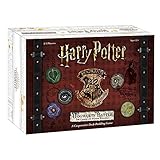
Overview: This expansion for Hogwarts Battle introduces Charms and Potions mechanics, new villains, and Ginny Weasley as a playable character. It requires the base game and adds layers of strategy through charm boards and enhanced magical abilities during cooperative play. What Makes It Stand Out: The charm ability system significantly deepens strategy by letting players customize boards to boost spellcasting or resource generation. Ginny Weasley’s unique mechanics and 158 new cards (including oversized villain cards) refresh the core gameplay, while new “surprise” events add unpredictable tension. Value for Money: Priced reasonably for an expansion, it delivers substantial new content that meaningfully evolves the base game’s strategy. The charm boards and additional scenarios extend replayability significantly, offering excellent value for fans already invested in Hogwarts Battle. Strengths and Weaknesses: Strengths: Innovative charm board customization; strong thematic additions; expands player count to 5; integrates smoothly with base game. Weaknesses: Useless without core game; charm mechanics add complexity that may frustrate younger players; minimal impact on base game’s later-scenario balance issues. Bottom Line: A highly recommended upgrade for Hogwarts Battle owners, adding thoughtful strategic depth and welcome variety. Essential for fans wanting to maximize their cooperative wizarding experience.
Core Mechanics That Ignite Instant Action
Starting Hands with Built-In Punch
Gone are the days of universally weak starter decks. Modern designs often equip players with a curated initial hand featuring one or two cards possessing immediate utility or minor effects. This could be a card granting a small resource boost, a minor defensive shield, or an action that subtly influences the central market. The goal is simple: ensure turn one isn’t just about drawing cards but making a tiny, meaningful choice that sets the stage for your emerging strategy, preventing that “nothing to do” paralysis.
Accelerated Engine Building from Turn One
The traditional “slow build” phase is actively circumvented. Look for systems where early-game cards don’t just generate resources but also provide critical actions or synergies that compound quickly. Instead of needing multiple cycles to assemble a functional engine, these designs allow players to combine early acquisitions for outsized effects immediately. This creates a snowball effect where smart early plays yield visible momentum within the first few rounds, keeping all players feeling strategically relevant.
Dynamic Market Systems with Early Access
Static markets filled with weak early options contribute significantly to boring starts. Innovative games feature markets that adapt, offer tiered access, or include special “rush” cards available only in the opening phase. These early-access cards might be slightly inefficient but provide crucial immediate actions or setup benefits, giving players tangible targets and strategic pathways right from the start, rather than forcing them to buy filler just to participate.
Player Interaction and Pacing Control
Direct Player Influence from the Outset
Games that minimize early interaction often feel like parallel solitaire. The most engaging fast-paced deck-builders incorporate mechanics allowing players to subtly (or not-so-subtly) impact each other’s strategies immediately. This could be through shared resource pools, action denial, forced discards, or competitive market grabs happening within the first few turns. Knowing your opening move might trigger a reaction from opponents adds instant tension and relevance to every early decision.
Time Pressure and Round Structure Innovation
Beyond card mechanics, pacing is heavily influenced by overall structure. Games utilizing strict round timers, limited action points per turn that encourage bold plays, or even “real-time” simultaneous planning phases prevent analysis paralysis from crippling the early game. Some designs implement a visible progression track that accelerates as the game advances, creating inherent urgency that makes every early turn feel critical to long-term success.
Variable Player Powers with Immediate Impact
Asymmetrical starting powers are common, but the key for fast pacing is ensuring these powers are active and impactful on turn one, not just passive bonuses that manifest later. A power that lets you draw an extra card immediately, gain a resource when buying certain cards, or mitigate an early-game penalty gives players a unique strategic hook and a reason to engage deeply with their specific path right from the initial hand.
Streamlined Setup and Accessibility Features
Near-Zero Setup Time Designs
The pre-game grind kills momentum before it starts. Leading modern deck-builders achieve near-instantaneous setup through clever component design: pre-sorted market decks, fixed starting decks by player count, integrated player aids, and minimal initial shuffling. If you’re spending more than two minutes getting the game physically ready, precious excitement is leaking out the door. Streamlined setup is the essential first step to a fast-paced experience.
Intuitive Core Rules with Minimal Early Complexity
While depth is valued, the initial ruleset presented to players must be exceptionally clear and focused on immediate action. Games that bury critical “how to start” mechanics in dense rulebooks fail. The best designs introduce core verbs (Buy, Play, Act) with crystal-clear icons and examples, ensuring players grasp what they can do right now within the first minute of play, not after reading several pages. Complexity unfolds through play, not before it.
Clear Visual Language for Instant Comprehension
Card design is paramount. Fast-paced games utilize uncluttered layouts, consistent iconography, color-coding for card types/effects, and prominent display of critical values (cost, immediate effect). Players should be able to scan their hand and the market within seconds, understanding their options without constant rulebook checks. This visual efficiency drastically reduces downtime and cognitive load during the crucial opening phase.
Strategic Depth Without the Slow Burn
Meaningful Early-Game Trade-Offs
Avoiding boring openings doesn’t mean removing strategic weight. The most compelling designs present players with genuinely difficult, impactful choices right from turn one: take a slightly weaker card with an immediate effect, or save for a stronger card next turn? Sacrifice a resource now for a long-term advantage? These decisions carry weight and consequence, fostering engagement without requiring complex engine assembly first.
Hidden Information and Surprise Elements
Predictability breeds boredom. Incorporating subtle hidden information—like face-down market cards revealed only when bought, or cards with variable effects based on unknown player choices—adds immediate intrigue. Players must make opening decisions based on incomplete data, introducing risk assessment and adaptability as core skills from the very first hand, keeping minds actively engaged.
Built-In Catch-Up Mechanics for Continuous Engagement
Games where falling behind early feels hopeless inevitably lead to disengagement. Effective fast-paced designs often include subtle, automatic catch-up mechanisms activated only in the opening phase (e.g., slight resource bonuses for the player with the fewest points, or access to a special “recovery” card if your first buy was suboptimal). This ensures all players feel the game is winnable long enough for the core strategic depth to take hold, preventing early surrender.
Thematic Integration Driving Pace
Theme as a Pacing Engine
When the game’s narrative actively supports the mechanics, pacing becomes immersive, not artificial. A game themed around an urgent escape, a rapidly escalating crisis, or a frantic race naturally incorporates mechanics that demand immediate action. The theme isn’t just window dressing; it justifies why turn one must involve critical decisions, making the fast pace feel organic and exciting rather than forced.
Narrative Beats Within the Opening Phase
Some innovative designs integrate tiny narrative moments or escalating tensions directly into the first few turns. Perhaps the “threat level” increases after each player’s first action, or completing a minor objective in the opening round triggers a significant story beat that alters available options. This weaves story progression into the mechanical pace, giving players a sense of immediate accomplishment and forward momentum tied to the game’s world.
Sensory Design Reinforcing Urgency
Beyond rules, the physical components can enhance pace. Quick-setup boards, cards with satisfying tactile qualities that encourage rapid handling, or even subtle sound design (like a sand timer’s whisper) can subconsciously signal that this is a game meant to move. When the feel of the components matches the intended fast pace, it reinforces the urgency from the moment players touch the box.
Frequently Asked Questions
How can I tell if a deck-builder has a fast-paced opening before buying it?
Look for rulebook sections emphasizing “immediate action,” “impactful turn one,” or “minimal setup.” Check reviews for phrases like “hits the ground running,” “no slow build phase,” or “engaging from deal.” Avoid descriptions focusing heavily on “engine building over time” without mentioning early-game dynamism.
Isn’t a slow start necessary for deep strategy in deck-builders?
Not necessarily. Depth can come from dynamic player interaction, adapting to a changing market, or making high-stakes early choices with long-term consequences. Many modern games prove strategic richness can coexist with immediate engagement by layering complexity through play rather than front-loading setup or weak initial turns.
Do fast-paced openings make games feel shallow or luck-dependent?
Well-designed fast-paced games mitigate this. Meaningful early choices, balanced starting options, and mechanics that reward adaptation ensure skill remains paramount. The speed comes from efficient design, not randomness—luck elements (like initial draws) are often offset by mulligan rules or flexible early actions.
Are these fast-paced games suitable for families or casual players?
Absolutely. Reduced downtime and immediate engagement are perfect for keeping diverse groups interested. Look for clean iconography and intuitive core verbs. Games avoiding heavy text on early cards and offering clear visual guidance are particularly accessible for newer players without sacrificing depth for veterans.
How important is player count for maintaining a fast pace?
Crucial. Games scaling poorly often slow down significantly with more players due to downtime. Prioritize designs with simultaneous action selection, limited player interaction phases, or mechanics that keep all players engaged during others’ turns (e.g., reacting to market changes). Check if playtime scales linearly or exponentially with player count.
Can cooperative deck-builders also have exciting openings?
Yes, and it’s vital for coop games to avoid early disengagement. Look for coops where every player has a distinct, active role from turn one, shared threats escalate immediately, or the game state changes significantly with each early action. Avoid coops where one player dictates early moves while others wait.
What role does game length play in fixing boring openings?
While shorter games often have less room for slow starts, even longer games (60-90 mins) can avoid boring openings. The key is ensuring the proportion of the game spent in the “setup phase” is minimal. A game hitting its stride by turn 3-4, regardless of total length, solves the opening problem effectively.
Are there specific mechanics I should actively avoid for faster starts?
Be wary of games requiring multiple full deck cycles before meaningful actions, those with excessive “trash” or “discard” requirements early on, or markets flooded with weak “starter” cards offering only minimal resources. Also, complex setup involving significant initial deck construction often preludes a slow start.
How do fast-paced openings impact replayability?
They often enhance it. When early-game choices feel impactful and the path to victory varies significantly based on opening turns and market conditions, each play session offers fresh strategic puzzles. Avoiding a predictable “optimal opening” routine is key to sustained replay value in fast-paced designs.
Is the trend towards faster openings sacrificing strategic depth?
Not inherently. The best designs shift where depth is found—from tedious early setup and engine assembly towards dynamic adaptation, player interaction, and high-stakes decision-making under pressure from the very first card. Depth becomes active participation, not passive waiting.
See Also
- How to Solve Game Night Stagnation with the 10 Best Deck Building Games in 2026
- The 10 Ultimate Best Deck Building Games for Solo Gamers in 2026
- How to Solve Boring Game Nights with the 10 Best Adult Card Games in 2026
- The 10 Ultimate Best Portable Card Games for Deck Building on the Go in 2026
- How to Solve Game Night Monotony with the 10 Best Dedicated Deck Card Games in 2026