Table of Contents
We’ve all been there—the table is set, snacks are ready, but halfway through another predictable game night, everyone’s eyes start glazing over. The same old mechanics, repetitive turns, and that one player who always wins have transformed your weekly gathering into a chore rather than a highlight. But what if you could inject fresh excitement, strategic depth, and visual satisfaction into your evenings with just one category of games? Tile placement games are emerging as the ultimate remedy for stale game nights, offering that perfect blend of tactile pleasure, strategic thinking, and emergent storytelling that keeps everyone engaged from start to finish.
As we move into 2026, this genre has evolved far beyond its classic roots, incorporating innovative mechanics, stunning artwork, and clever design that caters to every type of player—from casual families to hardcore strategists. The beauty lies in how these games transform a simple action of laying down a piece into a meaningful decision that ripples through the entire experience. Whether you’re building sprawling landscapes, constructing intricate cities, or solving spatial puzzles, tile placement games create a shared visual narrative that everyone at the table contributes to and watches unfold. Let’s explore how you can revolutionize your game nights by understanding what makes these games so captivating and how to choose the perfect ones for your group.
Top 10 Tile Placement Games
Detailed Product Reviews
1. Bonsai by DV Games – Cultivate Your Perfect Bonsai Tile Placement Strategy Board Game, 40 Minutes of Playtme for Solo or Multiplayer, Up to 4 Players and Ages 10+

Overview: Bonsai by DV Games transforms the meditative art of bonsai cultivation into a compelling tile-placement strategy experience. Players carefully arrange branches, leaves, and trunks to create harmonious tree compositions while fulfilling specific horticultural objectives. The game accommodates 1-4 players in about 40 minutes, making it an excellent choice for both solitary contemplation and competitive gameplay.
What Makes It Stand Out: Unlike abstract tile-layers, Bonsai grounds every mechanic in authentic bonsai techniques. Each objective card represents real cultivation practices like pruning, wiring, or balancing visual weight. This thematic integration creates a rare harmony between form and function. The solo mode is exceptionally robust, offering a challenging AI opponent that scales with difficulty. Your finished board genuinely resembles a stylized bonsai, providing visual satisfaction beyond mere point calculation.
Value for Money: Positioned in the mid-range for modern board games, Bonsai delivers exceptional value through its educational depth and replayability. The 40+ objective cards ensure no two games feel identical. While premium games like Azul command similar prices, Bonsai’s unique niche and solo versatility justify the investment for enthusiasts seeking substance over mass-market appeal.
Strengths and Weaknesses: Strengths include unparalleled thematic cohesion, meaningful solo play, and strategic depth that rewards repeated sessions. The tactile components and rulebook quality impress. However, the niche theme may not resonate with all players, and the learning curve steeper than gateway games. Some objectives can feel restrictive, limiting creative expression in favor of optimization.
Bottom Line: Bonsai is essential for solo gamers and strategy enthusiasts craving authentic thematic integration. It rewards patience and planning, though casual players may prefer lighter alternatives.
2. Azul Asmodee Azul Board Game - Award-Winning Tile-Placement Strategy Game, Beautiful Mosaic Art, Family Fun for Kids & Adults, Ages 8+, 2-4 Players, 30-45 Minute Playtime
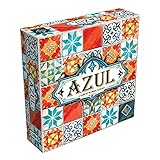
Overview: Azul has cemented itself as the quintessential tile-placement game since winning the Spiel des Jahres in 2018. Players draft colorful ceramic tiles from shared factories to construct intricate mosaic patterns on personal player boards. Supporting 2-4 players in 30-45 minutes, it balances accessibility with strategic sophistication.
What Makes It Stand Out: The game’s production quality remains industry-leading—heavy, satisfying tiles and lush artwork create tactile pleasure. Its brilliance lies in the elegant drafting mechanism where every choice simultaneously helps you and restricts opponents. The scoring system rewards both set collection and spatial planning, creating multiple strategic layers. As a proven gateway game, it teaches advanced concepts without overwhelming newcomers.
Value for Money: Azul sits at the sweet spot for hobby board games, offering premium components and timeless gameplay. Its replayability stems from variable factory setups and diverse scoring strategies. While cheaper alternatives exist, none match Azul’s component quality and refined design. It serves as both an entry point and a permanent collection staple.
Strengths and Weaknesses: Strengths include impeccable production values, intuitive rules with hidden depth, and broad age appeal. The game scales excellently across player counts. Weaknesses involve potential analysis paralysis as players optimize patterns, and the indirect interaction may disappoint those seeking confrontation. The base game can feel repetitive after extensive play, though expansions address this.
Bottom Line: Azul belongs in every collection as the definitive gateway tile-placement game. Its beauty, accessibility, and strategic depth create an unmatched package for families and gamers alike.
3. Goliath Alice’s Garden - Strategy Game with Easy-to-Learn Tile Placement - 1-4 Players, Ages 8 and Up

Overview: Alice’s Garden tasks players with designing the most beautiful garden to impress a demanding Queen. Through straightforward tile placement, participants plant trees, arrange flowers, and lay paths across their personal boards. Supporting 1-4 players and ages 8+, it delivers light strategy in 30-40 minutes.
What Makes It Stand Out: The game excels at accessibility, offering one of the gentlest learning curves in the tile-placement genre. Its vibrant, storybook artwork creates immediate charm, while the Queen’s demand cards provide clear, achievable objectives. The solo mode includes a simple but effective automa system. Component quality surprises for the price point, with thick tiles and colorful illustrations that appeal to younger players.
Value for Money: As a budget-friendly entry, Alice’s Garden provides excellent family value. It costs significantly less than premium alternatives while including solo play and quality components. However, strategic depth doesn’t match hobbyist favorites, limiting long-term appeal for experienced gamers. For families with children or casual gaming groups, the price-to-entertainment ratio proves exceptional.
Strengths and Weaknesses: Strengths include immediate accessibility, family-friendly theme, solid solo mode, and attractive artwork. The rules explanation takes under five minutes. Weaknesses appear in limited strategic complexity and lower replayability compared to deeper games. Advanced players may exhaust strategic possibilities quickly. The scoring system lacks the tension of more cutthroat titles.
Bottom Line: Perfect for families and casual gamers seeking an inviting introduction to tile placement mechanics. Experienced players should look elsewhere for sustained challenge.
4. Spectacular Board Game - Build & Manage an Animal Park, Dice Drafting & Tile Placement Strategy Game for Kids & Adults, Ages 10+, 1-6 Players, 30 Minute Playtime, Made by Surfin’ Meeple

Overview: Spectacular combines dice drafting with tile placement as players simultaneously build animal parks. Each round, participants race to collect matching animal tiles and food dice to populate unique habitats. Supporting 1-6 players in 30 minutes, it emphasizes speed and pattern recognition over ponderous strategy. The core puzzle engages through color-matching mechanics that create satisfying combos.
What Makes It Stand Out: The simultaneous action system eliminates downtime entirely, creating a frantic, engaging puzzle that keeps all players constantly involved. Asymmetric player boards ensure each game feels fresh, while three difficulty levels accommodate both families and experienced gamers. The color-matching mechanic between dice and tiles creates strategic opportunities. Mission tiles add variety without rules bloat.
Value for Money: Spectacular offers strong value for larger groups, scaling efficiently from solo to six players without significant rules overhead. The variable difficulty extends its lifespan across skill levels, making it adaptable for diverse gaming circles. While not as component-heavy as Azul, the innovative mechanics and high replayability justify the price point. It’s a smarter purchase for active groups than many static board games.
Strengths and Weaknesses: Strengths include zero downtime, excellent player scaling from one to six, and accessible rules with surprising hidden depth. The simultaneous play creates exciting tension and constant engagement. Weaknesses involve potential chaos—slower players may feel rushed and overwhelmed. The speed element can obscure deep strategic planning, favoring quick pattern recognition over long-term strategy. Component quality is functional but not luxurious.
Bottom Line: Ideal for energetic groups wanting fast-paced, interactive gameplay that maintains excitement throughout. Less suited for methodical players who prefer deliberate, slower-paced planning.
5. Azul Mini Board Game - Portable Tile-Placement Fun, Strategy Game for Kids and Adults, Ages 8+, 2-4 Players, 30-45 Minute Playtime, Made by Next Move Games

Overview: Azul Mini distills the acclaimed tile-placement experience into a travel-ready format. Retaining the core drafting and mosaic-building mechanics, this compact version plays 2-4 in 30-45 minutes. The design prioritizes portability without sacrificing the strategic essence that made the original a modern classic. Every element has been thoughtfully shrunk while preserving the satisfying tactile feel.
What Makes It Stand Out: The engineering impresses—indented trays prevent tile shifting during travel, and built-in score sliders eliminate loose components entirely. The miniaturized tiles maintain satisfying tactile quality despite their reduced size. Setup takes seconds, making it perfect for cafes, flights, or waiting rooms. It preserves the full strategic depth of the original, proving that portability need not mean simplification.
Value for Money: Priced slightly below the standard edition, Azul Mini offers exceptional value for travelers and space-conscious gamers. The clever design choices add practical utility that the original lacks. However, the smaller tiles can be fiddly for large hands or players with dexterity issues. For those primarily playing at home, the full-sized version remains preferable for its superior tactile experience.
Strengths and Weaknesses: Strengths include brilliant portability, maintained gameplay quality, and smart component design that solves real travel problems. The score tracker is a standout innovation. Weaknesses involve tiny pieces that are easy to lose and harder to handle for some players. The reduced table presence diminishes some visual impact and grandeur. The smaller font on player boards strains readability in low-light conditions.
Bottom Line: An essential companion for Azul fans who travel frequently or have limited storage space. Homebodies should stick with the original for superior ergonomics and table presence.
6. Slide | Fast & Fun Tile Placement Card Game Where the Lowest Score Wins | Beginner & Family Friendly Strategy Board Games | A Tabletop Favorite for Kids & Adults | Ages 7+ | 2 - 6 Players | 15 Min

Overview: Slide is a brisk tile-placement card game that flips traditional scoring on its head—lowest score wins. Designed for 2-6 players ages seven and up, each 15-minute round has participants strategically sliding numbered tiles into personal grids, constantly balancing immediate gains against long-term penalties. The game’s genius lies in its paradoxical goal: making every decision a tense exercise in restraint.
What Makes It Stand Out: The inverted scoring system creates genuinely fresh strategic tension, forcing players to think differently than typical point-salad games. Its lightning-fast playtime and sub-five-minute teach make it infinitely replayable, while the elegant rule set scales beautifully across skill levels. The tactile satisfaction of sliding tiles combined with the “push-your-luck” element of when to stop drawing keeps everyone engaged until the final reveal.
Value for Money: Priced competitively in the $15-20 range, Slide delivers exceptional value for families and gaming groups. It effectively replaces multiple filler games, offering deeper strategy than classics like No Thanks! while remaining more accessible than heavier abstracts. The high replay value and broad age appeal make it a smarter investment than many single-audience card games.
Strengths and Weaknesses: Strengths include near-instant setup, genuine strategic depth despite simplicity, excellent portability, and true cross-generational appeal. The 15-minute runtime perfectly fits modern attention spans. Weaknesses are minimal: hardcore gamers may find it too light for repeated sessions, and the luck of tile draws can occasionally frustrate those seeking pure strategy. Player interaction is indirect, which may disappoint those preferring confrontational gameplay.
Bottom Line: Slide is a masterclass in accessible game design, delivering surprising depth in a tiny package. Perfect for families, casual gamers, and as a strategic palate cleanser between heavier titles. Highly recommended for any collection needing a versatile, quick-playing crowd-pleaser.
7. Tile Lock Scrabble by Winning Moves Games USA, Innovative Gameboard Locks Tiles in Place, for 2 to 4 Players, Ages 8 and Up

Overview: Tile Lock Scrabble solves the classic board game’s most persistent frustration: accidental tile disruption. This ingenious redesign features a plastic board with small posts that secure tiles firmly in place, eliminating the catastrophe of bumped boards forever. All components are plastic, including the tiles and racks, while maintaining the identical gameplay and scoring that has made Scrabble America’s favorite word game for decades.
What Makes It Stand Out: The locking mechanism is a game-changer for families with children, pets, or clumsy adults. You can literally lift the board like a magazine without disturbing the game state. Four rubber feet protect tabletops, and the durable all-plastic construction makes it genuinely travel-friendly. This isn’t a gimmick—it’s a practical evolution that preserves the original’s integrity while removing its biggest physical flaw.
Value for Money: At approximately $20-25, Tile Lock Scrabble commands a modest premium over standard editions. This upcharge is justified many times over for anyone who has experienced tile-disaster frustration. Compared to electronic versions costing twice as much, this offers the authentic tactile experience with modern practicality. For households with kids, it’s practically essential.
Strengths and Weaknesses: Strengths include foolproof tile security, enhanced portability, surface protection, and maintained classic gameplay. The plastic construction is surprisingly durable. Weaknesses include a less premium feel compared to wooden sets, and the posts can make tile placement slightly fiddly for large fingers. The lighter board may slide on smooth surfaces despite the rubber feet, and some purists miss the traditional materials.
Bottom Line: Tile Lock Scrabble is the definitive version for practical gamers. If you’ve ever shouted in frustration at scattered tiles, this is your solution. An essential upgrade for families and a wise investment for anyone wanting stress-free wordplay.
8. The Night Cage Expansion The Shrieking Hollow by Smirk & Dagger – Tile Placement Cooperative Board Game with New Threats and Challenges – for Ages 14+, 1 to 5 Players & 40 to 60 Min Playtime

Overview: The Shrieking Hollow transforms the claustrophobic horror of The Night Cage into a truly harrowing ordeal. This expansion introduces collapsing pits, unstable tunnels, and a malevolent entity called The Other that actively pursues players upward through the tile-based maze. Prisoners must now risk everything by leaping into pits to temporarily halt The Other’s advance, using their flickering candles as both weapon and shield in a desperate battle for survival.
What Makes It Stand Out: The Other introduces a dynamic, destructive threat that fundamentally changes the game’s puzzle from passive exploration to active evasion. Tiles now physically disappear, creating genuine permadeath for routes and forcing brutal tactical sacrifices. The Shrieking Hollow environment amplifies tension through its evolving geometry, turning each session into a white-knuckle race against an intelligent darkness that hates your light.
Value for Money: Retailing around $25-30, this expansion delivers substantial content that redefines the base experience. The new mechanics add tremendous replay value and strategic complexity, essentially creating a “Night Cage 2.0” for veterans. For dedicated fans, it’s transformative; however, casual players may find the difficulty spike reduces its table time, slightly diminishing per-play value.
Strengths and Weaknesses: Strengths include dramatically increased tension, deeper strategic layers, seamless integration with base game, and a more immersive horror narrative. The Other’s AI is elegantly simple yet terrifyingly effective. Weaknesses: requires the base game (not standalone), significantly increases difficulty potentially alienating casual groups, adds complexity that extends the teach, and can create quarterbacking issues as optimal moves become life-or-death.
Bottom Line: Mandatory for Night Cage devotees seeking maximum terror and challenge. Transforms a good horror game into a great one. Avoid if you prefer the base game’s more contemplative puzzle or if your group struggles with high-stakes cooperation. For the brave, it’s essential.
9. ECO CORAL REEF Deluxe Edition | Strategic Tile-Laying Board Game | Tile Placement Tabletop Game

Overview: ECO Coral Reef casts players as marine biologists collaboratively building a vibrant coral reef through strategic tile placement, while secretly pursuing individual victory conditions. The Deluxe Edition elevates the experience with premium components: a tin box, silicone sea turtles, UREA tiles (similar to dominoes quality), a playmat map, and two additional gameplay variants. Each turn involves placing picture tiles to create a shared ecosystem while advancing personal sea turtles toward the waterline.
What Makes It Stand Out: The hidden objective system brilliantly creates a push-pull between cooperation and competition, reminiscent of games like CO₂ but more accessible. The marine conservation theme is beautifully integrated, making gameplay feel purposeful. The Deluxe Edition’s components are genuinely luxurious—the silicone turtles and substantial tiles provide tactile satisfaction that transforms the experience from pleasant to premium.
Value for Money: Priced around $40-50, the Deluxe Edition commands a significant premium over the standard version. The component upgrade justifies the cost for collectors and frequent players: the tin ensures longevity, the playmat improves setup, and the tile quality enhances every placement. Budget-conscious buyers can opt for the base game, but enthusiasts will appreciate the deluxe treatment as a worthwhile investment in a unique title.
Strengths and Weaknesses: Strengths include a fresh, meaningful theme, clever hidden-agenda mechanics, exceptional deluxe components, educational value, and multiple variants that extend longevity. The abstract gameplay feels like chess-meets-dominoes. Weaknesses: the deluxe price may deter newcomers, hidden objectives can cause analysis paralysis, and the game’s abstract nature may disappoint those expecting more simulation. Player count flexibility is limited.
Bottom Line: A gorgeous, thoughtful strategy game that rewards careful planning and adaptability. The Deluxe Edition is worth the splurge for component quality alone. Ideal for environmentally-conscious gamers and fans of tight, tactical tile-layers. A unique addition to any collection.
10. Beacon Patrol Board Game - Cooperative Coast Guard Adventure! Tile Placement Strategy Game, Fun Family Game for Kids and Adults, Ages 8+, 1-4 Players, 30 Minute Playtime, Made by Pandasaurus Games

Overview: Beacon Patrol casts players as Coast Guard captains collaboratively mapping the treacherous North Sea coastline through strategic tile placement. This 30-minute cooperative adventure for 1-4 players ages eight and up challenges teams to efficiently explore waters, inspect lighthouses and buoys, and maximize territory coverage. Two included mini-expansions add variety, while the solo mode provides a contemplative puzzle experience that maintains the core tension of group play.
What Makes It Stand Out: The nautical theme feels refreshingly original in the cooperative space, avoiding overdone fantasy tropes. Its communication puzzle is elegantly constrained—players must discuss strategy without revealing specific tile details, creating organic tension. The included mini-expansions (weather events and equipment challenges) add substantial replay value rarely seen at this price point. Solo play is genuinely satisfying, not an afterthought.
Value for Money: At approximately $25-30, Beacon Patrol offers excellent value. The two included expansions and robust solo mode effectively provide three games in one box. It competes directly with top-tier family co-ops like Forbidden Island while offering more strategic depth and better components. The 30-minute runtime maximizes plays per session, increasing overall value.
Strengths and Weaknesses: Strengths include a compelling theme, smooth scaling from solo to four players, quick setup, meaningful decisions, and genuinely useful included expansions. The component quality is typical Pandasaurus excellence. Weaknesses: the puzzle can feel slightly deterministic to experienced gamers, tension is lower than survival co-ops, and some scenarios blur together after repeated plays. The communication rules may require clarification for younger players.
Bottom Line: An outstanding cooperative gateway game that shines in family settings and solo play. Perfect for introducing new gamers to tile-laying strategy while satisfying veterans with its efficiency puzzle. Highly recommended for its versatility and value.
Why Tile Placement Games Are Revolutionizing Game Nights
The Psychology Behind Tile Placement Appeal
There’s something deeply satisfying about physically placing a tile and watching your creation expand before your eyes. This tactile interaction triggers a primal sense of building and accomplishment that purely card-based or token-driven games often lack. Each placement feels consequential—you’re not just moving a pawn, you’re permanently altering the shared board state. This creates immediate visual feedback that keeps players invested, even when it’s not their turn. The genre taps into our natural love for pattern recognition, spatial reasoning, and creative expression, making every game session feel both challenging and personally meaningful.
Why 2026 Is a Golden Year for This Genre
The board game industry has reached a maturity point where designers are blending classic tile placement with cutting-edge mechanics. We’re seeing hybrid games that combine tile laying with deck-building, worker placement, and even narrative campaigns. Production quality has skyrocketed, with eco-friendly materials, double-sided tiles for replayability, and modular designs that ensure no two games feel identical. The community has also grown exponentially, meaning more playtesting, refined rulebooks, and better balance—critical factors that eliminate the frustration of broken strategies or unclear interactions that plagued earlier titles.
Key Features to Look for in Modern Tile Placement Games
Complexity Levels and Learning Curves
When evaluating potential additions to your collection, pay close attention to the complexity rating and how the game teaches its rules. The best modern tile placement games offer intuitive visual cues—tile shapes, icons, or color schemes that make the “right” move feel discoverable rather than memorized. Look for games that provide a gentle onboarding experience, perhaps with a simplified “first game” setup or reference tiles that players can consult without constantly flipping through a rulebook. The sweet spot combines depth for experienced players with accessibility that doesn’t overwhelm newcomers during their inaugural session.
Theme Integration and Immersion
A common pitfall in earlier tile games was the disconnect between what you were doing mechanically and what the theme suggested. In 2026’s best offerings, theme and mechanism are inseparable. When you’re placing a tile, you should feel like you’re actually building a monastery, terraforming a planet, or navigating a jungle river. This integration matters because it helps players remember the rules intuitively—if placing a desert tile next to water feels thematically wrong, the mechanics likely reinforce that same restriction. Seek out games where the artwork and tile design tell a story, making each placement feel like a narrative decision rather than abstract optimization.
Component Quality and Tactile Satisfaction
The physical experience of tile placement is half the appeal, so component quality directly impacts enjoyment. Hefty tiles with linen-finished cardstock, satisfying thickness, and precise cutting prevent the cheap feel that can ruin immersion. Some modern games feature dual-layer player boards where tiles sit snugly in recessed spaces—preventing accidental bumps from ruining your carefully planned layout. Consider storage solutions too; games with well-designed inserts that keep tiles organized by type save precious setup time and reduce pre-game frustration. The tactile joy of drawing a tile from a bag or stacking them in satisfying piles shouldn’t be underestimated as a factor in long-term replayability.
Different Types of Tile Placement Mechanics
Abstract Strategy vs. Thematic Adventures
Not all tile placement games are created equal, and understanding the spectrum helps you curate a diverse collection. On one end, abstract strategy games focus purely on spatial competition—pattern completion, area control, and blocking opponents. These tend to be rules-light but strategically deep, perfect for players who love chess-like tension. On the other end, thematic adventure games use tiles to generate stories, discover new locations, or trigger narrative events. These often include more randomness and surprise, appealing to groups that prioritize experience over pure competition. Most collections benefit from having at least one of each type to match different moods and player preferences.
Competitive vs. Cooperative Experiences
While tile placement naturally lends itself to competitive play, the cooperative revolution has hit this genre hard—and wonderfully. Cooperative tile games task players with collectively building something against a timer or AI-driven threat. This dynamic shifts the conversation from “How do I block you?” to “How do we optimize this shared space together?” The best competitive games, meanwhile, offer multiple paths to victory, ensuring that direct conflict is optional rather than mandatory. Consider your group’s temperament: do they thrive on friendly rivalry or prefer collaborative problem-solving? The answer determines which style will hit your table most often.
Spatial Puzzle Mechanics
At the heart of every tile placement game lies a spatial puzzle, but they manifest differently. Some games use adjacency scoring, where tiles score based on what’s next to them. Others employ connection puzzles, requiring you to link features across distances. A growing trend involves three-dimensional placement, where tiles stack or create vertical structures. Understanding these core mechanics helps you avoid buying multiple games that feel mechanically redundant. If you already own a game about connecting roads, consider one focused on surrounding areas or building upward instead of another connection-based title.
How to Choose the Right Game for Your Group
Player Count Considerations
Tile placement games can be notoriously sensitive to player count. A game that sings at two players might become chaotic and random with five, while a four-player gem could feel empty and strategic with just a pair. Check the box, but also research how the game scales—does it offer a dummy player mechanism? Variable board sizes? Some games include special rules for two players that maintain tension and interaction. For versatile collections, prioritize games with a broad player count range (2-4 or 2-5) that have been praised for working well across that entire spectrum rather than excelling at just one number.
Age Appropriateness and Family Play
If you’re buying for family game night, age recommendations only tell part of the story. Look for games that offer meaningful decisions without requiring complex arithmetic or reading comprehension that could frustrate younger players. Visual scoring systems, where players can see their progress rather than constantly calculating, work wonders for mixed-age groups. Some games include “family variants” that simplify scoring while retaining the core tile-laying satisfaction. The best family-friendly titles also have enough depth that adults don’t feel they’re just going through the motions—a tricky but achievable balance that defines the top tier of accessible strategy gaming.
Game Duration and Session Length
Nothing kills enthusiasm like a game that overstays its welcome. Tile placement games vary wildly in length—from 15-minute fillers to epic 2-hour campaigns. Be realistic about your group’s attention span and available time. Games with fixed end conditions (like a certain number of tiles placed) often provide more predictable lengths than those with variable triggers. For weeknight gaming, aim for titles that clock in at 45-60 minutes once everyone knows the rules. Longer games should offer clear “save points” or natural chapter breaks if you need to pause and resume later, a feature increasingly common in modern designs.
Setting Up the Perfect Tile Placement Game Night
Creating the Right Atmosphere
The visual nature of tile placement games means lighting matters more than you might think. Dim lighting can make it hard to distinguish tile details or read iconography, while harsh overhead lights create glare. Aim for bright, diffuse lighting that illuminates the entire table evenly. Background music should be ambient and non-intrusive—lyric-free soundtracks or nature sounds that match the game’s theme enhance immersion without distracting from spatial thinking. Consider tablecloths or mats too; a neutral, non-reflective surface makes tiles easier to see and pick up while protecting your table from repeated tile placement.
Organizing Your Gaming Space
Tile placement games often require significant table space, especially with higher player counts. Ensure each player has room for their personal area plus access to shared draw piles or boards. A lazy Susan or rotating tray for central tile stacks can prevent reaching across the table and disrupting placed tiles. Keep reference sheets within easy view of all players—consider printing extras or using card stands. For games with many tile types, small sorting trays or even muffin tins can keep everything organized and speed up setup dramatically. The goal is minimizing downtime so the focus stays on the engaging decisions, not administrative tasks.
Strategies for Teaching New Players
The “Learn As You Play” Approach
The most effective way to teach tile placement games is often to jump right in with a guided first round. Set up a simple example board, give players their starting tiles, and walk through a sample turn explaining the key decision points. Let them place tiles with minimal rules upfront, then explain scoring and consequences afterward. This hands-on method leverages the visual nature of the genre—players can see how their placement affects the board, making abstract rules concrete. Keep a “practice game” mentality for the first play, where restarts are encouraged and mistakes are learning tools rather than setbacks.
Handling Analysis Paralysis
Tile placement games can trigger analysis paralysis as players try to optimize every possible placement combination. Combat this by implementing gentle timers for turns once everyone understands the basics—30-60 seconds keeps the pace lively without rushing thoughtful play. Another technique is the “draft and pass” method, where players select tiles simultaneously, then place them in turn order. This parallel thinking reduces downtime significantly. For teaching, emphasize that “good enough” is better than “perfect” in early plays. Celebrate interesting board states over optimal scoring to shift focus from winning to the joy of creation.
Advanced Techniques for Seasoned Gamers
Pattern Recognition Mastery
Experienced players elevate their game by recognizing not just their own patterns, but anticipating opponent needs. Advanced strategy involves tracking which tile types have been placed, calculating probabilities of what remains, and using that information to block or prepare for future draws. This meta-level thinking transforms tile placement from tactical reaction to strategic planning. Practice by reviewing board states after games—what patterns emerged? Where did the pivotal placements happen? Many modern games include subtle scoring opportunities that reward players who can spot emerging patterns several turns in advance, separating good players from great ones.
Long-term Planning vs. Adaptive Strategy
The tension between planning ahead and adapting to new tiles defines high-level play. Pure planners often crumble when the tile they need never appears, while pure adapters miss out on synergistic combos. The sweet spot involves creating flexible frameworks—areas of your board that can accommodate multiple tile types while still working toward a larger goal. This might mean building modular sections that score independently, or positioning tiles to create future opportunities regardless of what you draw next. The best players in 2026’s competitive scene excel at “option preservation,” maintaining multiple viable paths until the final tiles reveal which strategy will maximize points.
Expanding Your Collection Over Time
Budget-Friendly Expansion Strategies
Building a diverse tile placement collection doesn’t require breaking the bank. Start with a versatile “anchor” game that works across multiple player counts and complexity levels. From there, add games that fill specific niches—something quick for warm-ups, something heavy for dedicated strategy nights, something cooperative for chill evenings. Look for games with robust expansion content; a single base game with several expansions often provides more variety than multiple standalone titles at similar total cost. Watch for crowdfunding campaigns too—many tile placement games launch with early-bird pricing that offers significant savings, though this requires patience for delivery timelines.
Trading and Community Engagement
The board gaming community thrives on trading, and tile placement games are ideal candidates because they often have high replayability but eventually hit a saturation point for individual owners. Connect with local gaming groups or online trading forums to swap games you’ve mastered for new experiences. This cycling approach keeps your collection fresh without constant spending. Many communities also host “designer nights” where you can try prototypes and provide feedback, giving you early access to innovative mechanics before they hit retail. Engaging with the community also surfaces hidden gems—titles that didn’t get mainstream marketing but offer exceptional tile-laying experiences.
The Social Dynamics of Tile Placement Games
Fostering Healthy Competition
Tile placement games walk a fine line between personal puzzle and direct interaction. The best designs foster what experts call “parallel competition”—players focus primarily on their own board or area, but shared resources and placement opportunities create subtle, meaningful interaction. This reduces the “take-that” aggression that can sour game nights while maintaining competitive stakes. To keep things friendly, establish house rules about table talk: are you allowed to point out missed opportunities? Some groups love the collaborative coaching, while others prefer silent play. Finding your group’s comfort zone ensures the competitive edge sharpens the fun rather than creating tension.
The Collaborative Spirit in Hybrid Games
Modern hybrid designs are blurring the line between competitive and cooperative play. Semi-cooperative tile placement games might have players building a shared central board while competing for personal objectives, or working together to avoid a collective loss while one player emerges as the “winner.” These hybrids create fascinating social dynamics where temporary alliances form naturally. The conversation shifts from “How do I beat you?” to “How do we build this together, and where can I sneak in an advantage?” This shared creation experience often leaves everyone feeling satisfied, regardless of who technically wins, making hybrids perfect for groups where competitive intensity varies between members.
Future Trends in Tile Placement Gaming for 2026
Digital Integration and App Support
The future of tile placement isn’t purely analog. Many 2026 releases feature companion apps that handle scoring, provide solo opponents, or generate scenarios. This integration solves traditional pain points: apps can prevent scoring errors, offer dynamic tutorials, and even create campaign progressions that carry over between sessions. However, the key is seamless integration—the app should enhance, not replace, the tactile joy of placing physical tiles. Look for games where the app handles administrative overhead while the physical components remain the centerpiece of the experience. This hybrid approach is opening tile placement to solo gamers and remote play in ways previously impossible.
Eco-Friendly Production Trends
Sustainability has become a central concern for board game manufacturers, and tile placement games are leading this charge. Expect to see more titles printed on recycled materials with soy-based inks, and packaging designed to minimize waste. Some companies are experimenting with durable, biodegradable tiles or offering “print-on-demand” expansions to reduce overproduction. For environmentally conscious gamers, this trend means you can build your collection with less guilt. Check manufacturer websites for sustainability reports or certifications—they’re becoming as important as gameplay reviews for many buyers in 2026.
Frequently Asked Questions
What makes tile placement games different from other board game types?
Tile placement games focus on physically adding pieces to a shared or personal board where spatial relationships directly impact scoring and strategy. Unlike card games where you play and discard, tiles typically remain permanently placed, creating a visual history of the game and enabling long-term planning based on board state. This permanent placement creates a unique blend of tactical decision-making and strategic board development that feels more constructive than many other genres.
How many tile placement games do I need for a varied collection?
Most gaming groups find that 3-5 distinct tile placement games provide ample variety without redundancy. Aim for one lightweight, quick-playing option; one medium-weight versatile title that handles various player counts; and one heavier, more complex game for dedicated strategy sessions. If your group enjoys the genre, adding a cooperative and a two-player-specific design rounds out a collection that can handle any gaming scenario.
Are tile placement games good for players who aren’t “serious” gamers?
Absolutely. Many modern tile placement games are designed with accessibility as a core principle. They often feature intuitive visual scoring, simple turn structures (draw a tile, place a tile), and immediate feedback that helps casual players understand their progress. The tactile nature is universally appealing, and the “building something” feeling is satisfying regardless of gaming experience. The key is selecting the right complexity level for your group’s comfort zone.
How do I prevent tile placement games from becoming repetitive?
Repetition comes from solved strategies or identical setups. Look for games with modular boards, variable setup conditions, or random tile draws that force adaptation. Many 2026 titles include “scenario books” or campaign modes that introduce new rules and objectives across multiple plays. Rotating between different games in the genre also prevents burnout—each has unique spatial puzzles and scoring systems that exercise different mental muscles.
What’s the ideal player count for most tile placement games?
While many tile placement games support 2-4 players, the sweet spot is often 3 players. With three, you get interesting interaction and competition for resources without the excessive downtime that can plague 4-5 player games. However, the “best” count varies by specific design—some two-player titles are brilliantly tight and confrontational, while others truly shine as collaborative 4-player experiences. Always research a specific game’s scaling before purchasing.
How long does it take to learn a typical tile placement game?
Most medium-weight tile placement games can be taught in 10-15 minutes, with the visual nature of tiles making rules easier to demonstrate than explain. Complex games with many tile types or scoring exceptions might require 20-30 minutes for a comprehensive teach, but the “learn as you play” approach can get you started in under 5 minutes for many titles. The key is the teacher’s familiarity—running a practice round yourself beforehand dramatically reduces teaching time.
Can tile placement games be played solo?
The solo gaming renaissance has embraced tile placement beautifully. Many 2026 releases include official solo modes with AI opponents, beat-your-own-score challenges, or campaign progression. The puzzle-like nature of tile laying translates perfectly to solo play, where you can take your time optimizing placements without pressure from opponents. Look for the solo-friendly logo on game boxes or check reviews specifically covering solo implementation.
What should I look for in a tile placement game for family game night?
Prioritize games with short turns, visual scoring trackers, and themes that resonate with children (building, nature, animals). Avoid games with complex end-game scoring or “take-that” mechanics that could frustrate younger players. Games where everyone builds their own board simultaneously reduce downtime and prevent kingmaking. Also check for durable components—thicker tiles withstand enthusiastic handling better than thin cardstock.
How much table space do tile placement games typically require?
Table space varies dramatically. Personal board games might need just 12×12 inches per player plus a small central area, while sprawling shared-board epics could demand a full 4×6 foot table. Always check “table space required” in reviews, and consider games with adjustable board sizes or modular maps that scale to your available area. For smaller spaces, prioritize games where tiles stack or where player boards are the primary play area.
Are digital versions of tile placement games worth trying?
Digital adaptations excel at teaching rules, handling scoring automatically, and enabling play when gathering physically isn’t possible. They often include solo challenges and online multiplayer. However, they can’t replicate the tactile satisfaction of physically placing tiles or the social experience of a shared table. Consider digital versions as companions to physical copies—great for learning, practicing, or remote play, but not replacements for the real thing when gathering with friends.
See Also
- Stop Boring Game Nights with the 10 Best Tile Placement Games This Year
- The 10 Ultimate Best Tile Placement Games for Competitive Game Nights in 2026
- 10 Tile Placement Games That Solve Decision Paralysis in 2026
- How to Solve Decision Paralysis with the 10 Best Tile Placement Games in 2026
- 10 Tips for Finding the Perfect Tile Placement Games for Game Night in 2026