Table of Contents
For language enthusiasts who’ve exhausted their favorite word game’s base set, premium expansions offer a gateway to deeper strategy, richer vocabulary, and renewed excitement at the table. These carefully crafted add-ons don’t just shuffle new cards into the mix—they fundamentally transform the gameplay experience, introducing linguistic challenges that mirror how we actually use language in creative and complex ways. Whether you’re looking to explore archaic terminology, master advanced anagramming, or simply keep your weekly game night fresh after hundreds of plays, the right expansion can breathe new life into a beloved classic.
Investing in premium content means more than just buying more of the same. The best word game expansions are designed by linguists and passionate gamers who understand that language is a living, evolving tool for connection and competition. They add layers of meaning, introduce strategic depth through careful word selection, and often include educational components that make every session a learning opportunity. But with countless options crowding the market—from simple booster packs to comprehensive overhauls—knowing which features justify the price tag requires a discerning eye and an understanding of what truly enhances gameplay versus what merely pads the box.
Top 10 Word Game Expansions
Detailed Product Reviews
1. Ransom Notes Expansion Pack, Not Safe for Work (NSFW) Edition - The Ridiculous Word Magnet Party Game, 3+ Players
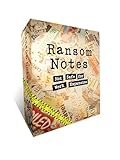
Overview: This expansion transforms the family-friendly Ransom Notes base game into an adults-only comedy experience. Designed for players 17 and up, it injects crude humor and provocative scenarios that push boundaries far beyond the original. With 180 deliberately offensive word tiles and 100 shocking prompt cards, it targets mature audiences seeking uninhibited laughter at adult gatherings.
What Makes It Stand Out: The unapologetic raunchiness sets this apart from typical party game expansions. While most add-ons play it safe, this pack dives headfirst into vulgar territory with words and prompts that would make a sailor blush. It’s perfect for bachelorette parties, college reunions, or any setting where decorum takes a backseat to gut-busting humor. The content is genuinely shocking, not just mildly suggestive.
Value for Money: Considering it offers 100 new scenarios and nearly doubles your word pool, the price aligns with standard expansion packs. For groups that regularly host adult game nights, the replay value justifies the cost. However, its niche appeal means it won’t suit every collection.
Strengths and Weaknesses: Strengths include genuinely hilarious adult content that succeeds at its mission and seamless integration with the base game. The one-minute learning curve remains intact. Weaknesses are significant: extremely limited audience, potential to offend even within adult groups, and zero versatility for mixed company. It also requires the base game, adding to total investment.
Bottom Line: Buy this only if your group craves boundary-pushing humor and understands the content. For the right audience, it’s exceptional. For anyone else, it’s a regrettable purchase waiting to happen.
2. Ransom Notes Expansion Pack One - The Ridiculous Word Magnet Party Game, 3+ Players

Overview: As the inaugural expansion for Ransom Notes, this pack significantly broadens the base game’s horizons. It adds 198 fresh prompt cards and 180 new words while extending player capacity to 10 through four additional magnet trays. The expansion maintains the core mechanic of crafting absurd sentences from limited word pools but introduces vastly more variety.
What Makes It Stand Out: The sheer volume of prompt cards nearly triples your scenario options, dramatically reducing repetition. The inclusion of extra trays solves the base game’s player limit problem, making it viable for larger gatherings. Prompts range from mundane to genuinely bizarre, covering territory like “Explain a vasectomy” to wholesome chess team cheers, offering surprising versatility.
Value for Money: This expansion delivers substantial content at a fair price point. The additional player trays alone add value, eliminating the need to purchase them separately. For groups that play regularly, the content volume prevents the base game from growing stale too quickly.
Strengths and Weaknesses: Strengths include massive prompt variety, extended player capacity, and quality word additions that enable more creative responses. The quick-play nature remains. Weaknesses include inconsistent tone—approximately 15-30% of cards contain mature content requiring removal for family play. This curation burden falls on the owner. Like all expansions, it requires the base game.
Bottom Line: Essential for Ransom Notes enthusiasts. The volume of content and player extension make it worthwhile, though you’ll need to filter cards for family settings. Perfect for groups wanting maximum variety.
3. Word Game Family Board Games for Kids & Adults with 2 Modes,220 Topic Categories 24 Letters Pressing Games,Fun Fast-Paced Learning Game with English Pronunciation for Boys Girls Age 3+,35 Cards,Blue
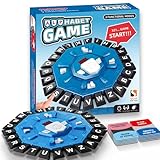
Overview: This versatile word game combines education with frantic fun through two distinct play modes. The Category Quick Answer mode offers 220 built-in topics for rapid-fire word association, while Step On Thunder mode challenges players with customizable letter-based rules. An integrated LCD timer adds urgency to every round, creating a 15-20 minute experience suitable for ages three and up.
What Makes It Stand Out: The dual-mode design provides genuine variety rarely seen in educational games. The digital countdown display modernizes traditional word games, adding tangible excitement. With support for 2-8 players and portability for travel, it adapts to numerous settings from classrooms to picnics. The 220 categories ensure extensive replayability.
Value for Money: Priced competitively against single-focus educational games, this offers two games in one package. The robust construction withstands energetic play, and the 35 double-sided cards provide 140 category variations. For families seeking learning tools that don’t feel like homework, the investment is sound.
Strengths and Weaknesses: Strengths include true educational value in vocabulary and quick thinking, broad age appeal, and excellent portability. The timer engages competitive players. Weaknesses include the 10-second countdown potentially overwhelming younger or anxious children. Some categories may prove too simple for adult players, and the English pronunciation feature seems underdeveloped.
Bottom Line: An excellent choice for families with children aged 5-12. The educational benefits and flexible gameplay outweigh minor flaws. Ideal for teachers and parents wanting screen-free learning excitement.
4. Think Fun Zingo! Sight Words Boost - Engaging Brain Game | Expansive Vocabulary Builder | Stimulates Memory & Concentration | for Kids Aged 4 and Up | Expansion Pack (76472)

Overview: This expansion pack for the popular Zingo! game system targets early readers by introducing 24 essential sight words. As an add-on to any Zingo! Zinger device, it helps children aged four and up recognize high-frequency words through the franchise’s proven sliding-tile mechanism. ThinkFun’s reputation for educational quality backs this focused learning tool.
What Makes It Stand Out: The expansion specifically addresses sight word recognition—a critical early literacy skill—rather than just adding generic vocabulary. It seamlessly integrates with existing Zingo! sets, making it a natural progression for families already invested in the system. The brand’s 50-million-unit sales history speaks to its child-friendly design and educational efficacy.
Value for Money: While containing only 24 words, the price reflects ThinkFun’s premium quality and research-backed design. For parents serious about literacy development, it’s a modest investment. However, the limited word count means you’ll exhaust its content relatively quickly compared to full game purchases.
Strengths and Weaknesses: Strengths include targeted educational focus, durable components, clear instructions, and perfect integration with the Zingo! ecosystem. The memory and concentration benefits are tangible. Weaknesses are the small word set and requirement of a base Zingo! game. Some children may master these words rapidly, limiting long-term engagement.
Bottom Line: A worthwhile purchase for Zingo! owners with emerging readers. It’s specialized and brief but effective. Consider it a bridge between early Zingo! versions and more advanced reading games rather than a standalone value proposition.
5. Ransom Notes Expansion Pack, Family Edition - The Ridiculous Word Magnet Party Game, 3+ Players

Overview: This Family Edition expansion bridges the generational gap for Ransom Notes enthusiasts. It introduces 100 family-friendly prompts and 180 contemporary words—including modern slang like “sus,” “bruh,” and “bussin”—making the base game’s mechanics accessible to mixed-age groups. The content maintains the signature absurdity while remaining appropriate for younger players.
What Makes It Stand Out: The strategic inclusion of current slang creates authentic intergenerational play opportunities. Parents can legitimately compete with teens using their actual vocabulary, while the family-friendly prompts ensure no awkward censorship mid-game. It’s a rare expansion that makes a game more inclusive rather than simply adding volume.
Value for Money: For families who already own Ransom Notes, this unlocks years of additional gameplay across age groups. The price matches other expansions, but its specialized focus on family play delivers unique value. You avoid buying a separate “kids’ version” while extending your existing investment.
Strengths and Weaknesses: Strengths include genuinely family-appropriate content, relevant modern language, and the same quick-learn mechanics. It enables quality multi-age bonding. Weaknesses include limited appeal for adult-only groups seeking edgy humor, and like all expansions, it requires the base game. Some traditionalists may find the slang inclusion gimmicky.
Bottom Line: Essential for Ransom Notes-owning families with children aged 10+. It thoughtfully adapts the game for inclusive play without sacrificing fun. Skip if you only play with adults, but perfect for household game nights spanning multiple generations.
6. WHAT DO YOU MEME? Incohearent Expansion Pack NSFW Edition by Relatable, Designed to Add On to Incohearent Core Game, Funny Card Game for Adults, Good for Party Games, Includes 180 Cards
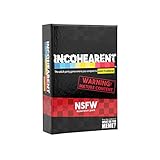
Overview: This NSFW expansion pack for the popular Incohearent party game delivers 180 new cards of adults-only gibberish-decoding fun. Designed for ages 17 and up, it transforms family-friendly gameplay into risqué entertainment perfect for mature gatherings. Players compete to decipher seemingly nonsensical phrases before the timer expires, with results that range from mildly suggestive to outright bawdy.
What Makes It Stand Out: The expansion’s exclusive adult content sets it apart from standard party games, tapping into viral social media appeal that made the original a hit. With support for 2-20+ players and 20-40 minute sessions, it scales effortlessly from intimate gatherings to raucous parties. The content is specifically crafted for bachelorette parties and adult game nights where boundaries can be pushed for comedic effect.
Value for Money: At its price point, 180 professionally-designed NSFW cards offer substantial replay value compared to purchasing another complete party game. The expansion breathes new life into the core game you already own, making it more economical than starting fresh with a different adult-oriented title. Comparable expansion packs typically offer fewer cards at similar prices.
Strengths and Weaknesses: Strengths include fresh, timely content that prevents the base game from becoming stale; broad player range; and genuine laugh-out-loud moments. Weaknesses are its absolute requirement of the core Incohearent game and its limited appeal—this is strictly for adults comfortable with explicit humor, making it unsuitable for mixed company.
Bottom Line: If you own Incohearent and regularly host adult game nights, this expansion is essential. For those seeking a standalone NSFW party game, look elsewhere. It’s a targeted product that excels within its niche but serves no purpose without the base game.
7. Winning Moves Yahtzee Words Games USA, Family Word Game Version for 2 or More Players, Ages 8+

Overview: Yahtzee Words resurrects the 1980s classic that reimagines the beloved dice game with letters instead of numbers. Players roll seven letter dice to form words and achieve specific combinations on a familiar scoresheet divided into Upper and Lower sections. Designed for ages 8 and up, it accommodates two or more players in a skill-building experience that merges chance with vocabulary prowess.
What Makes It Stand Out: The genius lies in preserving Yahtzee’s iconic scoring structure while introducing linguistic challenges. Beyond standard words, players aim for specialized categories like All Consonants, All Vowels, and the elusive seven-letter “Yahtzee” word. This hybrid approach makes it accessible to traditional Yahtzee fans while offering fresh strategic depth for word game enthusiasts.
Value for Money: As a self-contained game with seven custom dice and scoresheets, it delivers solid value compared to premium word games. The familiar mechanics reduce learning time, maximizing play time. While dedicated word games like Scrabble may offer more strategic depth, Yahtzee Words provides quicker gameplay and broader age appeal at a competitive price point.
Strengths and Weaknesses: Strengths include easy-to-learn rules leveraging classic Yahtzee familiarity, vocabulary development for younger players, and satisfying blend of luck and skill. Weaknesses are limited word length (maximum seven letters) and potential repetitiveness over extended sessions. The dice quality and included scoresheets may require replacement after heavy use.
Bottom Line: An excellent choice for families seeking a bridge between classic dice games and word play. It won’t replace dedicated word games for serious linguists, but its nostalgic appeal and accessibility make it a worthy addition to any game collection.
8. Word Game Family Board Games for Kids & Adults with 2 Modes,220 Topic Categories 24 Letters Pressing Games,Fun Fast-Paced Learning Game,35 Cards,LCD Display Timer,Christmas & Birthday Gifts,Red
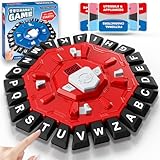
Overview: This electronic word game combines traditional category-based play with modern technology through its LCD timer and two distinct modes. Supporting 2-8 players ages 3 and up, it features 220 built-in topics across 35 double-sided cards and a 24-letter pressing board. The 10-second countdown creates urgent, energetic gameplay perfect for family gatherings and educational settings.
What Makes It Stand Out: The digital integration sets this apart from static board games. Mode 1 offers category quick-answers while Mode 2 introduces a “Step On Thunder” elimination twist with customizable rules. The portable design and sturdy construction withstand energetic play, making it versatile for travel, classrooms, or home use across multiple generations.
Value for Money: With 220 categories, electronic components, and dual gameplay modes, this packs significant content at a mid-range price point. Comparable electronic games often cost more while offering less variety. The educational value for children and entertainment for adults provides dual utility that increases its cost-effectiveness over single-audience games.
Strengths and Weaknesses: Strengths include engaging timer function, broad age range, educational vocabulary benefits, and high replayability through numerous categories. Weaknesses involve potential battery dependency, possible durability concerns with electronic components over time, and that the 10-second pressure may frustrate younger or anxious players. The learning curve for Mode 2 might initially confuse some users.
Bottom Line: A dynamic, versatile word game that successfully merges classic category play with modern features. Ideal for families with children and educators looking for interactive learning tools. The electronic element adds excitement, though traditionalists may prefer analog alternatives.
9. ThinkFun Zingo! Booster Pack #1 - Exciting Expansion Pack for Zingo! Game | Engages Kids in Learning | Enhances Memory & Word Recognition Skills | Trusted by Families Worldwide

Overview: ThinkFun’s Zingo! Booster Pack #1 expands the beloved educational game with 24 new words across six double-sided cards and 72 tiles. As an official expansion from a trusted brand with over 50 million games sold, it seamlessly integrates with the core Zingo! game to provide fresh content for young learners. This add-on maintains the original’s focus on memory and word recognition skills.
What Makes It Stand Out: The expansion targets the critical early learning phase with carefully curated vocabulary that builds upon the base game’s foundation. ThinkFun’s reputation for quality educational games ensures these new words are developmentally appropriate and engaging. The booster format allows parents and educators to refresh the game without replacing the entire system.
Value for Money: Offering six new cards and 72 tiles at a budget-friendly price point represents excellent value for families who already own Zingo!. Compared to purchasing an entirely new educational game, this economical refresh extends the life of your existing investment. The cost-per-play ratio becomes increasingly favorable with repeated use in homes or classrooms.
Strengths and Weaknesses: Strengths include high-quality production matching the original game, targeted vocabulary expansion, and maintained educational value. Weaknesses are the absolute requirement of the base Zingo! set and the relatively modest addition of only 24 words. Some children may master the new content quickly, necessitating further expansions. The tiles require proper storage to prevent loss.
Bottom Line: An essential purchase for families whose children have exhausted the original Zingo! cards. It revitalizes a proven learning tool economically, though it’s not a standalone product. For Zingo! owners, it’s a no-brainer; for newcomers, start with the core game first.
10. Exploding Kittens Poetry for Neanderthals 2+ Players - Ages 7+ - 15 Minutes to Play - Competitive Word Guessing Game - Party Game, Family Game Night, Kid and Adult Card Game

Overview: From the creators of Exploding Kittens comes Poetry for Neanderthals, a hilarious word-guessing game that restricts communication to single-syllable words. Supporting 2-6 players ages 7 and up in 15-minute sessions, it includes 200 double-sided cards, two game boards, and a 2-foot inflatable “No!” Stick for penalizing linguistic transgressions. The Oatmeal’s signature humor permeates every aspect.
What Makes It Stand Out: The single-syllable constraint creates absurdly funny situations that level the playing field between ages and vocabulary levels. The inflatable club adds physical comedy, transforming verbal slip-ups into memorable moments. Its quick playtime and simple rules make it an ideal party starter or palate-cleanser between heavier games.
Value for Money: With 200 cards offering 400 phrases, durable game boards, and the signature inflatable prop, this delivers substantial content at a competitive price. The replay value is high due to player creativity and the sheer number of card combinations. Similar party games often provide fewer components while costing more.
Strengths and Weaknesses: Strengths include immediate accessibility, genuine cross-generational appeal, and perfect integration of theme with mechanics. The inflatable club is both ridiculous and effective. Weaknesses include potential for the novelty to wear thin after many sessions, and the physical component requires inflation and storage space. Some advanced players might find the simplicity limiting long-term.
Bottom Line: A masterfully executed party game that delivers consistent laughs across age groups. Perfect for family game nights and casual gatherings where fun trumps complexity. While not a deep strategic experience, it achieves its comedic goals brilliantly and deserves a spot in any party game collection.
Why Premium Expansions Transform Your Gaming Experience
The Cognitive Benefits of Expanded Vocabulary Play
Premium expansions do more than extend playtime—they actively rewire how your brain processes language patterns. When you encounter specialized word categories, regional dialects, or historical linguistic variants, you’re forced to move beyond your everyday vocabulary into more nuanced territory. This mental stretching improves pattern recognition, enhances working memory, and strengthens the neural pathways connecting spelling, meaning, and strategic application. The best expansions introduce words you’ve never encountered, creating those satisfying “aha” moments that make language learning addictive rather than tedious.
Long-Term Value vs. Base Game Fatigue
Even the most brilliant word game can feel stale after fifty plays when you’re seeing the same letter combinations and optimal strategies. Premium expansions solve this by introducing new mechanics that shift the strategic landscape. Perhaps wildcards now have specific constraints, or long words generate bonus effects that change endgame calculations. This evolution prevents the gameplay from becoming rote, ensuring your investment continues paying dividends years after purchase. The initial cost often breaks down to pennies per hour of renewed engagement.
Understanding Different Expansion Types
Deck-Building Expansions
These additions introduce new cards that integrate directly into your existing draw pile, fundamentally altering the probability and possibility space. Look for expansions that don’t just add volume but introduce new card types—perhaps action cards that let you manipulate opponents’ words, or reaction cards triggered by specific linguistic patterns. The key is whether these additions create emergent strategies rather than simply diluting the original experience. Premium deck-builders often include curated categories like scientific terminology, literary devices, or even constructed languages for sci-fi themed sets.
Tile-Based Add-Ons
For games using physical letter tiles, expansions might introduce new tile distributions, special power pieces, or board modifiers that change how you place your words. The highest-quality tile expansions use superior materials—thicker cardboard, engraved wood, or acrylic pieces with satisfying heft. They might include tiles with digraphs (like “TH” or “QU”) or diacritical marks that open up foreign language possibilities. Consider how these additions affect game balance; premium expansions rigorously test new tiles to ensure they don’t break the scoring economy.
Rule Variant Modules
Sometimes the most valuable expansions aren’t physical components at all but comprehensive rulebooks introducing new game modes. These might include team play variations, timed challenges, or cooperative modes where players build stories together. Premium rule variants come with extensive playtesting notes, examples of edge cases, and scaling difficulty for different skill levels. They essentially give you multiple games within the same system, maximizing your return on investment through sheer versatility.
Solo Play Enhancements
The recent surge in solo gaming has prompted expansions designed specifically for single-player experiences. These often include puzzle-like challenges, AI opponents with deterministic behavior, or campaign modes where you track progress across multiple sessions. For language lovers, solo expansions might feature etymology trees to complete, vocabulary quizzes integrated into gameplay, or storytelling elements where your word choices affect narrative outcomes. The premium quality shows in the robustness of the solo system—does it feel like a tacked-on mode or a fully realized alternative?
Thematic Language Packs
These expansions retheme the entire game around a specific linguistic tradition—perhaps Victorian literature, medical terminology, or internet slang. The best thematic packs don’t just swap words; they integrate the theme into the mechanics. A Shakespearean expansion might reward iambic pentameter patterns, while a legal terminology pack could introduce “objection” mechanics that let players challenge words. Premium thematic content includes rich flavor text, historical context, and educational sidebars that make you feel immersed in the linguistic world.
Key Features Worth Paying For
Quality Component Upgrades
Premium expansions distinguish themselves through tactile excellence. Cards printed on linen-finish stock that shuffles smoothly without fraying. Tiles with UV-coated printing that won’t fade after hundreds of plays. Custom inserts that organize the expanded content without requiring a third-party solution. These physical improvements matter because word games are often handled extensively—cards are drawn, tiles are placed, components are passed around. The durability directly correlates with long-term satisfaction and justifies higher price points.
Curated Linguistic Content
Any publisher can dump a database of words into an expansion, but premium products feature carefully vetted lists. Look for evidence of curation: words are tagged by difficulty level, obscure terms include brief definitions, and the expansion might even exclude problematic or outdated vocabulary. The best expansions balance accessibility for casual players with depth for linguistic experts. They might include editor’s notes explaining why certain words were included or excluded, giving you insight into the design philosophy.
Replayability Mechanisms
A premium expansion’s value multiplies when it includes systems that ensure no two games feel identical. This might be achieved through random setup variations, modular board pieces, or card drafting that lets players shape the game’s vocabulary pool. Some expansions include “legacy” elements where your group permanently modifies components or rules based on campaign outcomes. These mechanisms create a sense of ownership and investment that transcends the initial purchase.
Scalability for Various Player Counts
The mark of a well-designed expansion is how gracefully it scales from two players to six or more. Premium add-ons include specific adjustments for different player counts—perhaps additional neutral pieces in lower-player games, or team rules that emerge organically at higher counts. They anticipate how the expanded content affects downtime, interaction, and strategic depth across the spectrum. This flexibility means the expansion remains useful even as your gaming group changes over time.
Educational Integration Tools
For language lovers who value learning, premium expansions often include supplementary materials: glossaries, pronunciation guides, or even QR codes linking to deeper etymological resources. Some include worksheets or discussion prompts for classroom use, making them valuable for educators. The best expansions blur the line between game and educational tool, providing structure for vocabulary building that feels organic rather than didactic.
Evaluating Compatibility and Integration
Base Game Version Matching
Before purchasing, verify which edition of the base game the expansion supports. Publishers sometimes release multiple versions with slightly different component sizes, card backs, or rule sets. Premium expansions typically include adapter kits or clearly state compatibility ranges. Check for iconography consistency—do the new components use the same design language? Mismatched aesthetics break immersion and can cause gameplay confusion. The best expansions feel seamless, as if they were always meant to be part of the original design.
Storage Solution Synergy
Expanded content needs a home, and premium products consider this. Some include boxes designed to hold both the base game and expansion, while others provide custom inserts that integrate with the original packaging. Consider whether the expansion’s storage solution protects components from warping, makes setup faster, or includes labeled compartments for easy sorting. Poor storage leads to damaged pieces and longer setup times, eroding the value of your investment.
Rulebook Clarity and Accessibility
A premium expansion’s rulebook should be a model of clarity, with extensive examples, visual diagrams, and a logical organization that lets you find answers mid-game. Look for rulebooks that include a “quick start” guide for returning players, a comprehensive glossary of new terms, and an FAQ section addressing common edge cases. Some premium products even include video tutorial links or digital rulebooks with searchable text. The quality of documentation directly impacts how quickly you can integrate the expansion into your regular rotation.
Investment Considerations
Price-to-Play-Time Ratio
Calculate the expansion’s cost against how many additional hours of engagement it provides. A $30 expansion that adds 20 hours of fresh gameplay costs $1.50 per hour—cheaper than most entertainment options. Premium expansions justify higher prices through sheer content volume, but also through depth. An expansion that fundamentally changes strategy might provide fewer total hours but higher quality engagement. Consider your play frequency: weekly players get more value than monthly groups.
Resale Value and Collector’s Markets
Certain premium expansions, particularly limited print runs or those from renowned designers, appreciate in value. While you shouldn’t buy games as financial investments, knowing your purchase retains value provides peace of mind. Check secondary markets to see how out-of-print expansions are priced. Premium products often include numbered certificates, designer signatures, or foil-stamped components that appeal to collectors. This resale potential softens the initial sting of a high price tag.
Digital Companion Benefits
Many modern expansions include digital components: apps for scoring, online dictionaries for dispute resolution, or community features for sharing custom content. Premium products integrate these seamlessly, perhaps with exclusive digital content unlocked via codes in the box. Consider whether the digital aspect enhances or distracts from the tactile word game experience. The best expansions use technology to reduce tedious tasks (like scoring complex words) while keeping focus on the core linguistic challenge.
Advanced Features for Language Enthusiasts
Etymology and History Inserts
For those who love words themselves, premium expansions sometimes include booklets exploring the origins of included vocabulary. These might trace a word from Proto-Indo-European roots through modern usage, or explain how scientific terms are constructed from Latin and Greek components. This context transforms gameplay into a journey through linguistic history. Look for expansions that cite reputable sources like the Oxford English Dictionary or academic linguistics papers, ensuring the information is accurate and detailed.
Multilingual Crossover Potential
Some premium expansions acknowledge that language lovers often speak multiple languages. They might include bilingual cards, rules for mixing languages mid-game, or even entirely separate language editions that can be combined. The best expansions handle this thoughtfully—perhaps awarding bonus points for cognates or allowing players to “borrow” words from other languages under specific conditions. This feature exponentially increases the expansion’s value for polyglots or language learners.
Tournament and League Support
If you’re part of a competitive word game community, premium expansions designed for tournament play offer features like official scoring variants, balanced setup procedures, and anti-stalling rules. They might include certificates for league winners or integrate with online ranking systems. Premium tournament expansions are extensively playtested for fairness and often have errata documents maintained by the publisher. This level of support transforms casual play into a serious competitive pursuit.
Making Your Selection
Assessing Your Play Style
Before clicking “buy,” honestly evaluate how your group approaches word games. Do you prefer cutthroat competition or collaborative learning? Quick filler games or epic sessions? Expansions that introduce take-that mechanics will frustrate cooperative players, while purely educational add-ons might bore competitive groups. Premium expansions often target specific play styles, so matching the expansion’s philosophy to your group’s preferences ensures the investment pays off in actual table time rather than shelf-warming.
Community Reviews and Playtesting Videos
While avoiding specific product names in your research is impossible, focus on review content that discusses mechanics and features rather than just hype. Look for detailed playthrough videos showing how the expansion actually changes decision-making. Premium expansions generate discussion about balance, integration, and long-term replayability. Pay attention to reviews from players with similar gaming backgrounds—competitive Scrabble players have different priorities than casual party gamers.
Where to Purchase Authentic Expansions
Counterfeit expansions plague the board game market, often using flimsy components and incorrectly printed words that ruin gameplay. Purchase directly from publishers, authorized retailers, or reputable online marketplaces with verification programs. Premium expansions sometimes include holographic seals or unique serial numbers. Buying authentic ensures you receive the quality control that justifies the premium price and supports designers who create the content you love.
Frequently Asked Questions
How do I know if an expansion will actually improve my favorite word game rather than just add complexity?
Look for expansions that address specific limitations you’ve noticed in the base game. If you find yourself using the same words repeatedly, seek content that introduces new letter combinations or scoring incentives for unusual vocabulary. Read reviews focusing on whether the expansion creates meaningful new decisions rather than just adding rules overhead. Premium expansions often include “lite” modes that let you ease into new mechanics gradually.
Are digital word game expansions worth the investment compared to physical ones?
Digital expansions excel in areas like automatic scoring, infinite content generation, and online multiplayer. They’re ideal for solo play or connecting with distant friends. However, physical expansions offer tactile satisfaction and social interaction that many language lovers value. Premium digital expansions should include offline modes, robust content curation, and regular updates. Consider hybrid models where physical purchases unlock digital content for the best of both worlds.
What should I do if an expansion includes words I’m unfamiliar with or find questionable?
Premium expansions often include optional “challenge” rules where players can dispute words, with agreed-upon dictionaries as the final arbiter. Some groups create house rules for removing problematic terms. The best expansions provide word lists online that you can preview before purchase. If an expansion includes offensive or outdated terminology, contact the publisher; premium companies often release replacement cards or errata documents addressing community concerns.
How can I integrate expansions when playing with newcomers who only know the base game?
Many premium expansions include “teaching” setups that introduce one or two new elements at a time. Start with expansions that add content without changing core rules, letting new players use base game strategies while veterans explore new options. Some expansions are specifically designed as “trainer” modules that help new players learn advanced concepts gradually. Always play a base game round first before introducing any expansion content.
Do word game expansions work well for children’s language development?
Age-appropriate expansions can significantly boost vocabulary and spelling skills, but ensure the content matches the child’s reading level. Premium expansions designed for educational use include difficulty scaling, visual aids, and cooperative modes that reduce competitive pressure. Look for expansions with parent or teacher guides suggesting ways to scaffold learning. Avoid expansions with complex rule changes until children have mastered the base game.
Can I mix expansions from different publishers or unofficial sources?
Generally, mixing third-party or unofficial expansions creates balance issues and component quality mismatches. Premium expansions from the original publisher are rigorously tested for compatibility. Unofficial expansions may not follow the same design philosophy, leading to broken strategies or unfair advantages. If you do experiment with third-party content, treat it as a separate variant rather than integrating it into your main collection.
How do I store multiple expansions efficiently without losing components?
Premium expansions often integrate with storage solutions from the base game. Invest in adjustable inserts, labeled baggies, or custom foam core organizers. Some collectors use trading card storage boxes for card-based expansions, with dividers separating different sets. Digital component tracking apps can help you quickly inventory pieces before and after play. The goal is reducing setup time to minutes, not hours.
What makes an expansion “premium” versus standard?
Premium status comes from component quality, design depth, and production values. You’re paying for thicker card stock, linen finishes, metallic inks, wooden pieces instead of cardboard, and extensive playtesting. Premium expansions include robust rulebooks with examples, designer diaries, and often community support through forums or organized play. The price reflects not just materials but the expertise of linguists, graphic designers, and game developers involved.
Should I wait for expansions to go on sale or buy them at release?
Word game expansions rarely see deep discounts, and premium print runs can sell out quickly. If an expansion addresses an immediate need in your gaming group, buying at release ensures you get it. However, waiting lets you benefit from community reviews and errata. Some publishers offer pre-order bonuses that justify early purchase. Sign up for newsletters from publishers you trust to catch limited reprints or anniversary editions that include expansion content.
How can I create my own house rules to further customize an expansion?
Start by playing the expansion strictly by the rules for several sessions to understand the design intent. Then identify specific elements your group would like to adjust—perhaps scoring for certain word types or timing restrictions. Document your changes and test them over multiple plays. Premium expansions often inspire creative house ruling because their robust systems can handle modification. Share your variants with the community; many publishers actively solicit fan content for future official expansions.
See Also
- 10 Premium Strategy Game Expansions for Hardcore Gamers (Worth the Investment)
- 10 Premium Strategy Game Expansions for Serious Players (Worth the Investment)
- 10 Premium Expansion Game Inserts (Worth the Investment)
- The 10 Ultimate Best Economic Game Expansions for Resource Management Lovers in 2026
- 10 Premium Expansion Packs for Board Games for Collectors (Worth the Investment)