Table of Contents
Dungeons & Dragons has transformed from a basement hobby into a sophisticated collector’s market where premium editions and limited-run products command serious attention from both players and investors. As we look toward 2026, the landscape of high-end tabletop gaming continues to evolve, with publishers embracing luxury materials, exclusive content, and artisan craftsmanship that elevates the D&D experience far beyond standard printings. Whether you’re a dedicated dungeon master looking to enhance your table presence or a collector seeking pieces that appreciate over time, understanding what makes certain D&D products worthy of premium investment has never been more crucial.
The difference between a standard rulebook and a premium edition isn’t just about a higher price tag—it’s about longevity, tactile experience, and the intangible value of owning something truly special in the D&D community. Premium products often feature upgraded binding, exclusive artwork, supplementary materials, and production values that make them stand out on your shelf and at your gaming table. But not every expensive D&D product automatically qualifies as a sound investment. Knowing which categories, features, and production decisions actually create lasting value will help you build a collection that’s both personally meaningful and financially sensible.
Top 10 Dungeons & Dragons Games
Detailed Product Reviews
1. Dungeons & Dragons - Starter Set: Heroes of The Borderlands

Overview: This is Wizards of the Coast’s most accessible entry point into Dungeons & Dragons, designed explicitly for newcomers and families. Heroes of the Borderlands distills the core D&D experience—character creation, combat, exploration, and social interaction—into manageable, hour-long sessions. It eliminates the intimidation factor while preserving the collaborative storytelling magic that defines the hobby, making it ideal for busy households curious about tabletop RPGs.
What Makes It Stand Out: The revolutionary bite-sized session design breaks traditional campaigns into one-hour chunks perfect for modern schedules. The learn-as-you-play approach gets dice rolling within minutes, not hours, while maintaining genuine player agency. Every encounter offers multiple resolution paths—fight, negotiate, or sneak—teaching newcomers the creative problem-solving that makes D&D special without overwhelming them with rules.
Value for Money: At the standard starter set price ($20-30), this delivers exceptional value. Three adventure booklets provide dozens of encounters, significantly more content than previous starter sets. The self-contained design requires no additional rulebooks or purchases, making it a complete package for beginners. For families testing D&D’s waters, this offers maximum content with minimal financial risk.
Strengths and Weaknesses: Strengths include unparalleled accessibility, family-friendly content, flexible scheduling, and authentic D&D mechanics. Weaknesses: veteran players will find it oversimplified, the scope is limited compared to full campaigns, and the rigid hour-long structure may frustrate groups preferring longer sessions. The streamlined rules sacrifice some of D&D’s depth for approachability.
Bottom Line: This is the perfect on-ramp for families, casual gamers, and absolute beginners. If D&D has felt overwhelming, Heroes of the Borderlands removes every barrier brilliantly. While experienced players should look elsewhere, this set accomplishes its mission: making D&D truly accessible for everyone without diluting its essential spirit.
2. Dungeons & Dragons Stranger Things: Welcome to The Hellfire Club Adventure Game

Overview: This Stranger Things-themed D&D box completes Eddie Munson’s unfinished campaign, merging the Netflix phenomenon with tabletop roleplaying. Designed for 3-5 players, it captures the 1980s nostalgia and outsider spirit of the Hellfire Club while providing a complete, accessible adventure that welcomes both newcomers and veterans into its collaborative storytelling experience.
What Makes It Stand Out: The authentically tubular 80’s aesthetic—retro artwork, vibrant character sheets, and a period-perfect DM Screen—creates immersive nostalgia. Eddie Munson’s virtual guidance adds narrative weight for fans. Four interconnected adventures escalate from classic fantasy to Stranger Things threats like Demogorgons, teaching core D&D mechanics through themed challenges that feel organic to both universes rather than forced cross-promotion.
Value for Money: At $30-40, you’re paying a premium for the Stranger Things license. For fans, the collectibles and thematic immersion justify the cost. The adventure content alone compares to standard $30 modules, but the nostalgia factor multiplies value for enthusiasts. For non-fans, a generic starter set offers better pure gaming value, making this a specialized purchase rather than a general recommendation.
Strengths and Weaknesses: Strengths include powerful theme integration, high production values, accessible rules, and genuine emotional resonance for fans. Weaknesses: niche appeal limits replayability, some adventures feel constrained by licensing requirements, and the 80’s gimmick may wear thin for players seeking traditional fantasy. The connection to show lore, while strong, can alienate those unfamiliar with Stranger Things.
Bottom Line: A must-buy for Stranger Things superfans and perfect for introducing viewers to D&D. For general D&D players, it’s a fun but non-essential novelty. The heartfelt tribute to Eddie Munson elevates this beyond mere merchandising into a genuine love letter that succeeds on its own terms while honoring both franchises authentically.
3. Ravensburger Horrified Games – Dungeons & Dragons – Strategy Board Game – Boost Critical Thinking & Teamwork – Cooperative Gameplay – Unique Monster Challenges – 1 to 5 Players – Adults & Kids 10+

Overview: Ravensburger adapts their acclaimed Horrified system to the Forgotten Realms, creating a cooperative board game where 1-5 players defend Waterdeep and Undermountain from iconic D&D monsters. This strategic tabletop experience distills D&D’s essence into 60-minute sessions, emphasizing teamwork and tactical decision-making over rulebooks and character sheets, making it accessible yet substantive.
What Makes It Stand Out: Each monster’s unique tactics are brilliantly implemented—the Beholder, Displacer Beast, Mimic, and Red Dragon require distinct strategies that mirror their RPG behaviors. The production quality shines with sculpted miniatures and a richly illustrated board. Solo-play capability and genuine strategic depth elevate this beyond typical licensed games, while the custom d20 adds authentic D&D flair without overwhelming complexity, creating a perfect bridge between board games and roleplaying.
Value for Money: At $35-45, this sits in the premium family board game tier. The component quality and replayability justify the price—different monster combinations create fresh challenges. Compared to similar cooperative games like Pandemic, it offers comparable value with added D&D theme. For board gamers seeking D&D flavor without RPG commitment, this is fairly priced and provides substantial content.
Strengths and Weaknesses: Strengths include excellent component quality, genuine strategic depth, scalable difficulty, solo mode, and authentic monster mechanics. Weaknesses: limited to four monsters (expansions would enhance value), lacks RPG character progression, and may disappoint those wanting full D&D experience. The board game format restricts creative problem-solving that defines roleplaying.
Bottom Line: An excellent choice for board game enthusiasts and D&D fans wanting a lighter, faster experience. It captures D&D’s cooperative spirit and monster variety without rules overhead. While not a replacement for the RPG, it’s a superior gateway game that stands proudly alongside the best cooperative board games, offering genuine strategic satisfaction.
4. Hasbro Gaming Dungeons & Dragons Adventure Begins, Cooperative Fantasy Board Game, Fast Entry to The World of D&D, Family Game for 2-4 Players, 10 and Up

Overview: Hasbro’s Adventure Begins is the most streamlined entry point to D&D, transforming the RPG into a 2-4 player board game that plays in under an hour. Aimed at ages 10+, it abstracts complex rules into card-driven mechanics, letting players choose heroes, battle monsters, and face one of four bosses without character sheets or extensive preparation, making it genuinely playable by pre-teens independently.
What Makes It Stand Out: This is D&D at maximum accessibility—setup takes minutes, not hours. The choose-your-boss mechanism provides immediate variety, while the four plastic mini figures offer tangible representation rare in entry-level products. The card-based combat distills D&D’s essence into intuitive board game language, successfully translating the fantasy adventure experience into something a 10-year-old can grasp and enjoy without constant adult supervision.
Value for Money: At $20-25, this is the most affordable official D&D board game. The four mini figures alone represent solid value. Compared to family board games, it delivers decent content for the price, though experienced gamers will exhaust its strategic depth quickly. As a pure entry product for children, it’s priced appropriately for impulse purchases and gifts, offering low financial risk.
Strengths and Weaknesses: Strengths include lightning-fast setup, true family-friendly design, quality mini figures, and zero learning curve. Weaknesses: extreme simplification loses D&D’s depth, no character customization or progression, limited strategic choices, and veteran players will find it superficial. The board game format fundamentally restricts the creative problem-solving that defines D&D.
Bottom Line: Perfect for introducing children ages 10-14 to D&D concepts or for families wanting the absolute simplest entry point. It delivers on its promise of fast, accessible fantasy adventure. However, Heroes of the Borderlands offers more authentic D&D gameplay for the same price, making this ideal only for those prioritizing simplicity and independence above all else.
5. The Game Master’s Book of Random Encounters: 500+ customizable maps, tables and story hooks to create 5th edition adventures on demand (The Game Master Series)

Overview: This DM resource provides over 500 ready-to-use maps, tables, and story hooks designed to generate 5th Edition adventures instantly. It’s a toolkit for Dungeon Masters facing writer’s block or time constraints, offering modular content that can be dropped into any campaign setting. The book focuses on practical, immediately usable material rather than theory or advice, prioritizing utility over instruction.
What Makes It Stand Out: The sheer volume and modularity ensure you’ll never be caught without an idea. The customizable nature lets DMs adapt encounters to specific campaigns, while the mix of maps, tables, and hooks covers every prep need. Unlike random generators, these are curated, balanced encounters ready for immediate use, spanning all environments and challenge levels. The “on demand” design philosophy respects a DM’s time constraints and eliminates the terror of blank pages before sessions.
Value for Money: At $25-35, this is an investment in time-saving. For busy DMs, the value is immense—each encounter costs pennies compared to hours saved. Compared to single adventure modules at similar prices, this offers vastly more content. However, value depends on DM style: improvisational masters may need it less, while planners will find it indispensable, making it a specialized tool rather than universal necessity.
Strengths and Weaknesses: Strengths include massive content variety, immediate usability, flexibility across settings, and genuine time savings. Weaknesses: requires DM experience to integrate smoothly, lacks narrative cohesion of pre-written campaigns, some encounters may need party-specific balancing, and physical format lacks digital searchability. It’s a supplement, not a replacement for core materials.
Bottom Line: An essential tool for new DMs building confidence and veteran DMs seeking prep relief. It eliminates blank-page paralysis and pays for itself in one session. If you run games regularly and value your time, this book is invaluable. For DMs who love homebrewing everything, it serves better as emergency inspiration than a primary resource, but remains worthwhile insurance.
6. Dungeons & Dragons 2024 Dungeon Master’s Guide (D&D Core Rulebook)

Overview: The 2024 Dungeon Master’s Guide represents the definitive resource for D&D fifth edition, completely revised to streamline campaign creation and management. This core rulebook delivers over 400 magic items, comprehensive worldbuilding tools, and the iconic Greyhawk campaign setting in one stunning package. Designed for Dungeon Masters of all experience levels, it transforms complex preparation into intuitive, actionable guidance.
What Makes It Stand Out: The standout feature is the revolutionary bastion system, allowing players to construct and manage their own strongholds between adventures. Eighteen brand-new magic items join hundreds of revised classics, while the double-sided Greyhawk poster map provides an instantly playable sandbox. The Lore Glossary and redesigned handouts eliminate frantic page-flipping during sessions. Practical solutions for common DM pitfalls—railroading, pacing issues, and player engagement—are presented with clarity rarely seen in previous editions.
Value for Money: At approximately $50-60, this 320-page hardcover delivers exceptional value. The consolidation of three previously separate products (DMG, magic item compendium, and campaign setting) into one cohesive volume justifies the investment. Compared to purchasing older supplements separately, you’re saving significantly while gaining updated mechanics that integrate seamlessly with the 2024 ruleset.
Strengths and Weaknesses: Strengths include unparalleled organizational improvements, breathtaking new artwork, and mechanics that genuinely reduce DM workload. The bastion system adds meaningful downtime gameplay. Weaknesses: requires the 2024 Player’s Handbook for full compatibility, and veteran DMs may find some advice redundant. The Greyhawk setting, while classic, might feel generic to those preferring homebrew worlds.
Bottom Line: An essential upgrade for serious Dungeon Masters. The 2024 DMG doesn’t just iterate—it fundamentally improves the DM experience through thoughtful design and genuinely useful new systems. Newcomers and veterans alike will find their games elevated.
7. Dungeons & Dragons 2024 Monster Manual (D&D Core Rulebook)
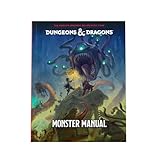
Overview: The 2024 Monster Manual unleashes over 500 creatures upon your tabletop, making it the most comprehensive bestiary in D&D’s history. With more than 75 entirely new monsters and complete redesigns of iconic foes, this volume transforms encounter building into an art form. The revised stat blocks prioritize clarity and usability, ensuring DMs spend less time interpreting rules and more time crafting memorable battles.
What Makes It Stand Out: The chromatic and metallic dragon reimaginings are breathtaking, featuring new lore and mechanics that restore their legendary status. Over 40 humanoid stat blocks enable rich NPC encounters beyond simple combat. The arch-hag and blob of annihilation introduce terrifying high-level challenges, while improved creature-type organization makes finding the perfect monster instantaneous. Each entry features fresh artwork, with nearly 300 new illustrations bringing these beasts to life.
Value for Money: Priced around $50-60, this 350-page tome offers tremendous value. The combination of quantity (500+ creatures) and quality (redesigned stat blocks and art) exceeds what previous monster supplements provided at similar price points. For DMs running regular campaigns, the time saved during preparation alone recoups the investment within weeks.
Strengths and Weaknesses: Strengths include exceptional organization, stunning visual presentation, and stat blocks that finally prioritize DM usability. The new high-level threats fill a crucial gap in fifth edition. Weaknesses: some classic monsters feel unnecessarily rebalanced, and the book assumes familiarity with 2024 rules changes. A few reprinted creatures from Volo’s and Mordenkainen’s may disappoint collectors seeking purely new content.
Bottom Line: The definitive monster reference for fifth edition. Whether you’re a new DM building your first campaign or a veteran seeking fresh challenges, this manual delivers. The usability improvements alone make it worth the upgrade.
8. Dungeons & Dragons Mad Libs: World’s Greatest Word Game

Overview: Dungeons & Dragons Mad Libs brings the classic word game into the Forgotten Realms, offering lighthearted, fill-in-the-blank entertainment for fans of all ages. This compact activity book transforms familiar D&D tropes into hilarious stories through collaborative wordplay. Perfect for game nights, travel, or introducing younger players to fantasy concepts, it requires no rulebooks or dice—just creativity and a sense of humor.
What Makes It Stand Out: The D&D theming elevates traditional Mad Libs beyond simple silliness. Players generate absurd character backstories, ridiculous quest narratives, and comical monster descriptions that could actually inspire real campaign ideas. It’s an icebreaker that gets everyone participating, regardless of their D&D knowledge level. The portable format makes it ideal for conventions, waiting rooms, or between-session entertainment.
Value for Money: Typically retailing under $10, this represents excellent impulse-buy value. For the price of a couple dice sets, you get dozens of reusable stories that entertain indefinitely. Compared to other D&D-branded accessories, it delivers more actual play hours per dollar than many miniatures or dice.
Strengths and Weaknesses: Strengths include universal accessibility, genuine humor, and surprising utility as a DM brainstorming tool. It builds vocabulary and creative thinking for younger players. Weaknesses: limited replayability once you’ve exhausted the templates, and the humor relies entirely on participant creativity. Hardcore gamers seeking mechanical depth will find it too simplistic.
Bottom Line: A charming, affordable addition to any D&D collection. While not essential, it’s perfect for families, educators, or groups wanting a fun, no-pressure D&D-adjacent activity. Gift it to your DM or bring it to your next session zero.
9. Hasbro Gaming Dungeons & Dragons: Bedlam in Neverwinter Board Game, Escape Room, Cooperative Strategy Games for Ages 12+, 2-6 Players, 3 Acts Approx. 90 Mins Each (Amazon Exclusive)

Overview: Dungeons & Dragons: Bedlam in Neverwinter distills the essence of D&D into a cooperative board game escape room experience. Designed for 2-6 players and playable in three 90-minute acts, this Amazon exclusive eliminates the need for a Dungeon Master while preserving character creation, monster combat, and puzzle-solving. Players investigate disappearances in the iconic city of Neverwinter, working together to unravel a cult conspiracy.
What Makes It Stand Out: The three-act structure provides narrative depth rarely seen in board game adaptations. Dynamic board building reveals locations as players solve puzzles, creating genuine discovery. The puzzle variety—from wordplay to multi-card visual riddles—challenges different thinking styles. Character progression through loot collection and combat maintains D&D’s rewarding feedback loop without complex rules overhead.
Value for Money: At approximately $40-50, it competes favorably with premium cooperative board games. Three complete adventures in one box, combined with high-quality components and replayable puzzle variations, delivers solid value. For groups intimidated by full D&D, it’s an accessible entry point that still captures the brand’s spirit.
Strengths and Weaknesses: Strengths include no DM requirement, strong thematic integration, and puzzles that genuinely engage players. The 90-minute act length allows satisfying sessions without all-day commitment. Weaknesses: total 4.5-hour runtime may be lengthy for some, and experienced D&D players might find it restrictive. Puzzle difficulty can vary significantly between groups.
Bottom Line: An excellent hybrid that bridges board gaming and roleplaying. Perfect for families, casual gamers, or D&D groups wanting a structured, low-prep alternative. The escape room format makes it a unique addition to any collection.
10. The Young Adventurer’s Collection Box Set 1 [Dungeons & Dragons 4 Books]: Monsters & Creatures, Warriors & Weapons, Dungeons & Tombs, and Wizards & … & Dragons Young Adventurer’s Guides)
![The Young Adventurer's Collection Box Set 1 [Dungeons & Dragons 4 Books]: Monsters & Creatures, Warriors & Weapons, Dungeons & Tombs, and Wizards & ... & Dragons Young Adventurer's Guides)](https://m.media-amazon.com/images/I/41A0YrQYoQL._SL160_.jpg)
Overview: The Young Adventurer’s Collection Box Set introduces children to Dungeons & Dragons through four beautifully illustrated hardcover guides: Monsters & Creatures, Warriors & Weapons, Dungeons & Tombs, and Wizards & Spells. This curated set distills D&D’s rich lore into accessible, non-mechanical entries that spark imagination without overwhelming young readers with complex rules. Designed for ages 8-12, it serves as both entertainment and gateway to tabletop roleplaying.
What Makes It Stand Out: The artwork is the true star—vibrant, friendly, and exciting without being frightening. Each book focuses on a specific aspect of fantasy adventure, allowing kids to explore their interests. The set functions as a reference library that children can browse independently, building vocabulary and creative thinking. It’s a rare D&D product that parents and children can enjoy together without needing a rulebook.
Value for Money: Retailing around $50-60 for four hardcovers, the price matches quality children’s book sets. Compared to purchasing guides separately, the box saves approximately 20% while providing attractive storage. For families considering D&D, it offers risk-free exploration before investing in core rulebooks.
Strengths and Weaknesses: Strengths include age-appropriate content, exceptional production value, and genuine educational benefits. The box set format encourages collection and care. Weaknesses: contains no actual game mechanics, so it’s purely inspirational. Older teens may find the tone too juvenile. The lack of a “how to play” guide means parents must bridge the gap to actual D&D.
Bottom Line: An essential purchase for families with curious young fantasy fans. It successfully demystifies D&D while standing alone as quality children’s literature. Buy this before the rulebooks to nurture interest naturally.
Understanding Premium D&D Investments
What Defines a Premium D&D Product
Premium D&D products distinguish themselves through exceptional production quality, limited availability, or unique content that can’t be found in standard releases. These aren’t just reprints with fancier covers—they’re fundamentally enhanced versions designed for collectors and serious enthusiasts. Look for telltale signs like sewn binding instead of glued, ribbon bookmarks, foil stamping, gilded page edges, and heavyweight paper stock that won’t yellow or tear after years of use.
The content itself often receives significant upgrades beyond the physical package. Premium adventures might include expanded bestiaries with additional creatures, detailed NPC backstories that were cut from the standard version, or full-color regional maps that replace the black-and-white versions in regular editions. Some premium sets include creator commentary, development notes, or early-draft illustrations that provide fascinating insights into the design process.
The Evolution of High-End Tabletop Gaming
The premium D&D market has matured dramatically over the past decade, moving from simple variant covers to complex, multi-component collections. Publishers have recognized that their audience includes working professionals with disposable income who want products that reflect their commitment to the hobby. This shift has led to collaborations with renowned fantasy artists, bookbinders, and even luxury goods manufacturers.
In 2026, we’re seeing a trend toward modular premium systems where collectors can purchase base sets and then acquire expansion modules that integrate seamlessly. This approach mirrors video game season passes but with physical components, allowing investors to spread costs while building comprehensive collections. The market has also embraced regional exclusives and convention-specific releases that become highly sought after in secondary markets.
Categories of Premium D&D Content Worth Collecting
Deluxe Core Rulebooks and Anniversary Editions
Core rulebooks in premium formats represent the foundation of any serious D&D collection. Anniversary editions celebrating milestone years often feature retrospective content, updated errata integration, and design philosophies that have evolved since original publication. These volumes typically use library-quality binding designed to lie flat at the table—a practical upgrade that also preserves the spine during decades of use.
The real value in deluxe core books comes from their timeless utility. Unlike adventure modules that may see limited use once completed, core rulebooks remain relevant across multiple campaigns and editions. Premium versions of these essential texts become heirlooms, passed between gaming groups and generations of players. When evaluating these investments, prioritize editions that include substantial new content rather than purely cosmetic upgrades.
Limited-Run Adventure Modules and Campaigns
Limited-run adventures represent some of the most volatile but potentially rewarding investments in the D&D space. Print runs numbered in the low thousands create immediate scarcity, while adventures set in iconic locations or featuring legendary villains tend to hold value best. The key is identifying modules that offer replayability through sandbox design or modular encounters that can be dropped into any campaign.
Premium adventure modules often include separate booklets for player handouts, ensuring the main book stays pristine while players can handle maps, letters, and illustrations. Some editions feature “director’s cut” content with alternative story branches, expanded encounter tables, or detailed settlement descriptions that transform a linear adventure into a living world. These additions significantly enhance long-term value for dungeon masters who run multiple groups.
Mastercraft Accessories and Terrain Systems
Premium accessories have moved far beyond simple metal dice sets. In 2026, we’re seeing integrated terrain systems that combine modularity with museum-quality craftsmanship. These include magnetic dungeon tiles with embedded lighting systems, 3D-printed terrain pieces cast in resin with hand-painted details, and custom DM screens built from exotic woods with integrated initiative trackers and hidden compartments.
The investment value of accessories depends heavily on their versatility and durability. Systems that work across multiple campaign settings and edition rule sets offer better long-term value than theme-specific pieces. Look for accessories with replaceable components—dry-erase surfaces, interchangeable art panels, or modular storage—that ensure the product remains functional even as your gaming needs evolve.
Artisan Dice and Gaming Implements
Artisan dice represent the entry point for many premium D&D collectors, but the category extends far beyond simple polyhedral sets. Premium gaming implements include hand-forged metal dice with custom engravings, gemstone dice with certification of authenticity, and historically-inspired sets that replicate ancient divination tools. Some premium collections feature dice paired with matching accessories like spell slot trackers, condition rings, or custom carrying cases.
When investing in artisan dice, consider the material’s durability and playability. While delicate gemstone dice make stunning display pieces, they may chip or crack during actual gameplay. Premium sets designed for active use often combine aesthetic beauty with practical reinforcement—metal cores in resin shells, protective coatings on softer stones, or precision-machined metals with balanced weight distribution.
Key Features That Drive Value
Production Quality and Materials
The materials used in premium D&D products directly impact both their aesthetic appeal and longevity. Smyth-sewn binding, where signatures of pages are stitched together before being attached to the spine, allows books to open completely flat without damaging the binding. This technique, combined with cloth reinforcement and board covers, creates volumes that can withstand hundreds of gaming sessions.
Paper quality matters immensely for products you intend to use regularly. Acid-free, lignin-free paper with a high GSM rating resists yellowing and page tears. For maps and handouts, consider synthetic papers like Yupo or tear-resistant polymers that survive spills, creasing, and heavy handling. Some premium products use different paper stocks within the same volume—thicker, coated stock for art pages and durable uncoated stock for reference tables.
Exclusive Artwork and Illustrations
Artwork exclusivity significantly impacts a premium D&D product’s collectibility. Original pieces commissioned specifically for a premium edition, especially when accompanied by artist signatures or certificates of authenticity, create immediate distinction from standard versions. Some premium sets include art prints suitable for framing, effectively bundling a collectible art piece with the gaming product.
The style and artist reputation matter as much as exclusivity. Pieces from artists with established fantasy followings or those who have contributed to major fantasy franchises carry premium value. Look for editions that include process work—sketches, color studies, or alternate compositions—that provide insight into the creative development. This behind-the-scenes content transforms the product from a simple rulebook into an art collection.
Supplementary Content and Expansions
Premium products often justify their cost through substantial supplementary content that expands the core experience. This might include additional subclasses with complete progression tables, expanded magic item compendiums with unique artifacts, or detailed faction guides with reputation mechanics. The key is content that integrates seamlessly with the base rules while offering fresh options for experienced players.
Digital companion content has become a standard feature in premium physical products. QR codes linking to downloadable assets, virtual tabletop token packs, or audio files with ambient soundscapes and narration add layers of value. The most forward-thinking premium products include access to exclusive online communities, designer Q&A sessions, or early previews of upcoming releases.
Collector’s Edition Packaging
Presentation packaging transforms a collection of components into a cohesive experience. Premium D&D products increasingly feature custom-designed boxes with magnetic closures, ribbon pulls, and foam inserts precisely cut for each component. Some editions use wooden chests, leather-bound slipcases, or metal tins that become display pieces in their own right.
Numbered editions and certificates of authenticity add tangible collectibility. Products that indicate their specific place in a limited run (e.g., “847 of 5,000”) create documented scarcity. However, verify that the numbering reflects actual production limits rather than marketing language—true limited editions should have verifiable print run information and consistent numbering across all copies.
Investment Considerations for Collectors
Rarity and Print Run Limitations
Understanding true rarity requires research beyond marketing claims. Investigate whether a “limited edition” has a fixed, announced print run or represents a timed pre-order window that could produce any number of copies. Products with explicitly stated, low-numbered runs (under 3,000 units) historically appreciate better than open-ended limited releases.
Regional exclusivity creates artificial scarcity that can drive value. Products available only through specific retailers, at particular conventions, or in certain countries often develop premium secondary market prices. However, this appreciation depends on the product’s inherent quality—exclusivity alone doesn’t guarantee value if the content doesn’t resonate with the broader community.
Resale Market Dynamics
The D&D resale market operates differently than traditional collectibles. While sealed products typically command higher prices, opened but well-preserved premium items often retain significant value because buyers intend to use them. Complete sets with all original components, packaging, and documentation sell for substantially more than incomplete collections.
Track resale platforms to understand which categories appreciate consistently. Core rulebooks and setting guides tend to hold value better than adventure modules, which may become less relevant as new editions release. However, adventures featuring iconic locations or characters often transcend edition changes through conversion guides and nostalgic appeal. Accessories and dice sets have more volatile pricing, heavily influenced by current trends and material costs.
Long-Term Play Value vs. Shelf Appeal
The most successful premium D&D investments balance display-worthy aesthetics with practical utility. Products designed purely as shelf candy—beautiful but impractical for actual play—appeal to a narrower collector market. Those that enhance the gaming experience while looking impressive tend to have broader, more stable demand.
Consider how often you’ll realistically use a premium product before purchasing. A $300 deluxe adventure you’ll run once may provide less value than a $200 premium monster manual you’ll reference in every session. However, some collectors derive value simply from ownership and occasional perusal, making shelf appeal a legitimate consideration if you’re honest about your collecting goals.
Matching Premium Products to Your Playstyle
For the Lore-Driven Dungeon Master
If you run campaigns rich in political intrigue, deep history, and complex NPC relationships, premium products that expand setting lore offer the best investment. Look for editions with detailed faction hierarchies, historical timelines spanning thousands of years, and family trees for noble houses. These products should include extensive random tables for generating rumors, legends, and historical events that make your world feel lived-in.
Premium setting guides often include separate booklets for player-facing lore versus DM secrets, allowing you to share rich background material without revealing plot points. The best investments in this category feature layered information—brief overviews for quick reference, detailed entries for deep dives, and adventure hooks connecting historical events to present-day conflicts.
For the Tactical Combat Enthusiast
Players who love complex battlefield scenarios should prioritize premium products with expanded combat options. This includes detailed tactical maps with elevation markers, comprehensive condition and effect trackers, and supplementary rule sets for mass combat or siege warfare. Premium battle map collections featuring reusable, generic locations (temples, fortresses, wizard towers) provide better long-term value than adventure-specific maps.
Look for products that include robust DM tools for building balanced encounters quickly—random encounter tables sorted by terrain and CR, template systems for customizing monsters, and quick-reference sheets for complex rules like grappling or underwater combat. The most valuable tactical premium products integrate with popular virtual tabletops, providing digital assets that mirror the physical components.
For the Character Optimization Player
If you enjoy building mechanically powerful characters across multiple classes and subclasses, premium character option books represent your best investment. These should include not just additional subclasses but also expanded feat selections, alternative class features, and multiclassing synergies with detailed progression guides. Premium products in this category often feature character build “playbooks” showcasing optimized combinations.
The most valuable character-focused premium products include digital character builder integrations, allowing you to easily implement new options without manual data entry. Some feature solo adventure scenarios designed to test character builds at various levels, providing both entertainment and practical optimization insights. Look for editions with designer commentary explaining the mechanical philosophy behind new options.
For the World-Building Homebrewer
Dungeon masters who create original settings should invest in premium products that serve as inspirational references and practical tools. This includes comprehensive random generation tables for settlements, dungeons, and wilderness regions; detailed ecological guides explaining how monsters fit into food chains; and cultural development frameworks for creating believable societies. Premium products for homebrewers often feature modular design, allowing you to mix and match components.
The best investments include physical tools you can use during creation sessions—deck of cards for random NPC generation, spinners for determining terrain features, or dry-erase templates for mapping. Some premium world-building sets include “idea prompt” booklets with hundreds of brief scenarios designed to spark creativity when you’re stuck. These products should feel like collaborative partners in your creation process.
The Digital Premium Landscape
Virtual Tabletop Enhancements
Premium digital content has become inseparable from physical collecting. High-end D&D products increasingly include integrated virtual tabletop (VTT) support with professionally lit and rendered maps, animated spell effects, and fully-statted tokens with custom art. These digital components should be platform-agnostic or support the major VTT systems to ensure long-term utility.
The most valuable digital premium features include dynamic lighting setups that replicate the physical product’s intended atmosphere, soundscapes with directional audio for immersive gameplay, and API scripts that automate complex mechanics from the premium content. Some products offer exclusive one-shot adventures available only to premium purchasers, creating digital scarcity that parallels physical rarity.
Digital-Exclusive Content Libraries
Some premium investments now center on subscription-based content libraries rather than one-time purchases. These services provide ongoing access to exclusive subclasses, magic items, and short adventures released monthly. When evaluating these subscriptions, consider the historical release cadence and content quality—do they deliver substantial, play-ready material or superficial fluff?
The best digital libraries include community features like exclusive Discord channels where subscribers can discuss content with designers, vote on upcoming features, and share homebrew inspired by the premium material. Look for platforms that allow you to download and keep content locally, ensuring access continues even if the service eventually shuts down.
Hybrid Physical-Digital Bundles
The most innovative premium products in 2026 blur the line between physical and digital. These bundles might include a deluxe physical book with a digital code that unlocks additional chapters, interactive maps where scanning QR codes reveals hidden locations, or physical props that contain clues decipherable only with a companion app. This integration creates a layered experience that rewards both collectors and active players.
When investing in hybrid products, evaluate the digital component’s longevity. Is it hosted on the publisher’s servers or a third-party platform? Have they committed to supporting the digital features for a specific timeframe? The most reliable hybrid products use simple, low-maintenance digital features like PDF downloads or static web pages rather than complex apps that may become obsolete.
Building a Cohesive Premium Collection
Curating by Edition or Theme
Serious collectors often focus their investments around specific themes to create cohesive collections. Edition-based collecting—acquiring premium products from a particular ruleset—creates a historical archive of D&D’s evolution. This approach works best when you can obtain complete sets, including rare promotional items and retailer exclusives from that edition’s lifespan.
Theme-based collections might focus on a particular setting, creature type, or play style. For example, collecting all premium products related to planar travel, dragon-centric adventures, or psionic rules creates a specialized library with deep internal connections. These themed collections often appreciate well because they appeal to niche enthusiasts willing to pay premium prices for completion.
Storage and Preservation Strategies
Protecting your premium D&D investment requires proper storage. Keep books away from direct sunlight in climate-controlled environments—extreme temperature fluctuations and humidity cause pages to warp and adhesives to fail. Use archival-quality bookends that support volumes fully without putting pressure on spines, and consider custom slipcases for your most valuable pieces.
For accessories and dice, invest in padded storage with individual compartments to prevent pieces from scratching each other. Silica gel packets help control moisture in storage containers, while acid-free tissue paper prevents metal components from tarnishing. Document your collection with photographs and inventory lists for insurance purposes, and consider specialized collectibles insurance for high-value items.
Community Trading and Acquisition Tips
Building a premium collection doesn’t always mean paying retail. The D&D community has robust trading networks where collectors exchange duplicates or trade modern premium items for out-of-print classics. Participate in collector forums and convention meetups to connect with potential trading partners, but always verify authenticity and condition before finalizing trades.
Timing your purchases strategically saves significant money. Many premium products see price drops six months to a year after release when initial demand subsides. Conversely, pre-ordering directly from publishers often includes exclusive bonuses like signed bookplates or additional digital content. For out-of-print items, track auction sites and set alerts for specific products, but be patient—overpaying in a bidding war rarely makes financial sense.
Frequently Asked Questions
What makes a D&D product “premium” versus just expensive?
Premium products feature substantive upgrades in materials, content, and production quality that justify their higher price point. This includes library-grade binding, exclusive artwork, supplementary rules content, and limited availability. Expensive products may simply have inflated prices without these meaningful enhancements.
How do I verify the authenticity of a limited edition D&D product?
Check for numbered certificates, holographic seals, or publisher verification codes. Compare the product against official publisher photos, noting specific details like foil patterns or endpaper designs. Purchase from authorized retailers or directly from the publisher when possible, and be wary of deals that seem too good to be true on secondary markets.
Will premium D&D products hold their value if a new edition releases?
Core rulebooks and setting guides typically retain value better than adventure modules, as their fundamental concepts translate across editions. Products with timeless art, extensive lore, and practical tools remain useful regardless of rule changes. Adventure-specific products may depreciate unless they feature iconic locations or characters that remain relevant.
Should I open and use my premium D&D products or keep them sealed?
This depends on your goals. For pure investment, sealed products command higher prices. However, the D&D resale market values well-preserved, complete used products because buyers intend to play them. Carefully opening and properly storing components often provides the best balance of enjoyment and value retention.
What materials indicate the highest quality in premium D&D books?
Look for Smyth-sewn binding, cloth or leather covers with board reinforcement, gilded or colored page edges, and ribbon bookmarks. Interior paper should be acid-free with high opacity (80+ GSM). For maps and handouts, synthetic or coated papers resist wear better than standard stock.
Are digital premium products a good investment compared to physical items?
Digital products rarely appreciate like physical collectibles due to unlimited replication potential. However, they offer immediate utility and often include exclusive content. The best approach is viewing digital premium content as an enhancement to physical investments rather than a standalone collectible strategy.
How can I protect my premium D&D collection from damage during use?
Use book weights or page holders to avoid spine stress, handle pages with clean hands, and keep beverages and food away from the gaming area. For maps and handouts, use transparent overlays or laminate frequently-handled pieces. Store components in their original packaging between sessions when possible.
What types of premium D&D products are most likely to appreciate over time?
Anniversary editions of core rulebooks, products with contributions from legendary D&D designers, and items tied to major cultural moments in D&D history tend to appreciate most consistently. Adventures featuring iconic villains or locations that appear across multiple media also perform well.
Should I focus on collecting one edition or diversify across multiple editions?
Single-edition collecting creates cohesive, historically significant archives that appeal to specialist buyers. Diversifying across editions reduces risk if one edition falls out of favor but requires broader knowledge. Many successful collectors focus on one edition for core products while acquiring cross-edition accessories and art books.
How do I determine fair prices on the secondary market for out-of-print premium D&D products?
Research completed sales on multiple platforms over several months to establish price ranges. Consider condition carefully—missing components or damage can reduce value by 50% or more. Join collector communities where members share recent purchase data, and use price tracking tools to identify trends rather than reacting to single listings.
See Also
- 10 Most Durable Classic Board Games Based on Real User Reviews in 2026
- The 10 Ultimate Best Mythology Board Games for Legend Lovers in 2026
- 10 Premium Board Games for Adult Gamers (Worth the Investment)
- The 10 Ultimate Best Mythology Board Games for Ancient Lore Fans in 2026
- 10 Most Durable Doodle Board Games Based on Real User Reviews in 2026