Table of Contents
Picture this: you’re gathered around a table, the glow of star charts illuminating eager faces, as your crew prepares to navigate the uncharted nebula on your game board. The hum of warp drives and the tension of first contact scenarios fill the room – no screens required. For space exploration enthusiasts, sci-fi board games offer a uniquely tactile and social portal to the cosmos, far beyond what digital experiences can replicate. These aren’t just games; they’re collaborative missions, strategic odysseys, and immersive storytelling sessions that transform your living room into the bridge of a starship or a frontier colony outpost. In an age saturated with fleeting digital distractions, the enduring appeal of physically plotting courses across galactic maps speaks to a deep human desire for connection and tangible adventure among the stars.
Choosing the right cosmic journey, however, can feel as daunting as charting a course through a black hole. With countless titles promising epic spacefaring sagas, how do you separate the stellar experiences from the supernova duds? The landscape is crowded with thematic depth, mechanical complexity, and varying player counts, making it easy to feel lost before you’ve even unpacked the box. This guide cuts through the cosmic noise, focusing not on fleeting “must-haves” or ranked lists, but on the essential elements that truly define a great space exploration board game experience. Whether you’re a seasoned captain or a rookie crew member, understanding these core considerations ensures your next game night launches you toward unforgettable adventures, not frustrating detours.
Top 10 Sci-Fi Board Games
Detailed Product Reviews
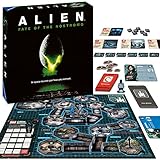
1. Ravensburger Alien: Fate of The Nostromo Board Game for Ages 10 & Up – A Cooperative Strategy Game of Suspense
Overview:
This cooperative board game plunges players into the claustrophobic horror of Ridley Scott’s Alien, tasking 1-5 players with surviving as Nostromo crew members while evading a deadly Xenomorph. Players must collaborate to complete objectives, manage morale, and navigate the ship’s corridors before the Alien claims them all.
What Makes It Stand Out:
Its immersive atmosphere, faithful recreation of the film’s tension, and high-quality components—like detailed miniatures and thematic artwork—set it apart. The variable objectives, five final missions, and optional Ash character ensure significant replayability. The cooperative mechanics force tough strategic choices under pressure, mirroring the movie’s suspense.
Value for Money:
Priced moderately for a premium board game, it delivers exceptional value through robust components (including 5 crew miniatures and a sculpted Alien) and high replayability. While niche, it outperforms generic strategy games by offering a deeply thematic experience that justifies its cost for fans and board game enthusiasts alike.
Strengths and Weaknesses:
Strengths: Captivating theme execution; excellent component quality; scalable difficulty; intuitive rulebook and online tutorials; strong cooperative tension. Weaknesses: Alien movement can feel predictable; limited strategic depth for hardcore gamers; setup time may deter casual players.
Bottom Line:
A must-have for Alien fans and cooperative game lovers, blending cinematic immersion with accessible strategy. Despite minor tactical limitations, its atmosphere and replay value make it a standout purchase for group nights.
2. Escape The Dark Sector Board Game - Sci-Fi Adventure, Cooperative Gameplay, Strategy Game for Teens and Adults, Ages 14+, 1-4 Players, 45 Minute Playtime, Made by Themeborne

Overview:
Escape the Dark Sector is a streamlined cooperative adventure where players—stranded in a space station’s detention block—must scavenge gear, evade threats, and reclaim their ship. Its narrative-driven design uses illustrated cards to guide players through branching story paths in under an hour.
What Makes It Stand Out:
The game excels with its lightning-fast setup, atmospheric storytelling, and card-driven “choose-your-own-adventure” mechanics. Unlike complex sci-fi games, it prioritizes accessibility and social interaction, making it ideal for newcomers. Each playthrough offers unique encounters through randomized card decks.
Value for Money:
Offering immense replayability at a budget-friendly price, it outshines pricier strategy games by delivering a complete, engaging experience in a compact box. The focus on narrative over components (minimal tokens, card-based) ensures affordability without sacrificing fun, especially for casual or family groups.
Strengths and Weaknesses:
Strengths: Exceptional ease of learning; quick setup/playtime; rich storytelling; perfect for new gamers; high replay value. Weaknesses: Light strategic depth; component durability concerns (cards); limited player agency in critical moments; minimal tactical combat.
Bottom Line:
Highly recommended for beginners or groups seeking a fast-paced, story-rich sci-fi escape. Though lacking depth for veterans, its charm, accessibility, and consistent thrills make it a superb gateway game.
3. Age of Galaxy: Second Edition – 4X Sci-Fi Strategy Card Game by Portal Games | Empire Building, Technology Development & Faction Synergies | 1–4 Players, Ages 14+, 45–60 Min
Overview:
Age of Galaxy: Second Edition condenses classic 4X (explore, expand, exploit, exterminate) strategy into a tight card-driven experience. Players build interstellar empires using asymmetric factions, research technologies, and vie for galactic dominance in under an hour.
What Makes It Stand Out:
Its genius lies in delivering deep 4X strategy in minimal time. The 40 unique factions create wildly varied playthroughs, while technology paths and synergistic alliances foster dynamic decision-making. The portable box belies its strategic heft, featuring premium components like linen cards and wooden tokens.
Value for Money:
Priced competitively, it offers extraordinary value for strategy enthusiasts. The solo mode (with 5 scenarios), high replayability, and deluxe components rival games twice its cost. For fans of Twilight Imperium seeking brevity, it’s a cost-effective powerhouse.
Strengths and Weaknesses:
Strengths: Remarkable depth-to-duration ratio; exceptional faction variety; strong solo implementation; high-quality components; intuitive yet strategic. Weaknesses: Steep initial learning curve; limited player count for 4X fans; setup can feel fiddly with many tokens.
Bottom Line:
An essential pick for strategy gamers wanting epic scope without marathon sessions. Its polish, replayability, and solo mode make it a worthy investment despite the learning curve.
4. Renegade Games Studios: The Search for UAPs - Strategy Board Game, Search for UFO’s, Sci-Fi Deduction & Strategy, Ages 14+, 60-75 Min, 1-5 Players

Overview:
Following The Search for Planet X, this deduction game challenges players to locate Unidentified Anomalous Phenomena (UAPs) using satellite data. Through logical reasoning and clue-gathering, players survey space objects like satellites and debris to confirm UAP positions before opponents.
What Makes It Stand Out:
The innovative magnetic rotating Space Boards let players track sightings dynamically—a standout mechanic. Integration of declassified government reports and real-world space objects adds authenticity. The app-free deduction system is elegantly tactile, with solo rules enhancing accessibility.
Value for Money:
It justifies its price with clever mechanics and high replayability via randomized setups. While lighter on components than some competitors, the unique board system and focus on pure logic offer distinct value for deduction fans, especially as a sequel that refines its predecessor’s formula.
Strengths and Weaknesses:
Strengths: Brilliant rotating board innovation; clean, app-free deduction; strong solo mode; thematic integration of real space elements; scalable player count. Weaknesses: Niche appeal for non-deduction fans; limited physical components; puzzle repetition may surface after many plays.
Bottom Line:
A top-tier choice for logic game enthusiasts, offering fresh mechanics and cerebral fun. Its niche focus means it won’t suit all, but for deduction lovers, it’s a compelling, polished experience.
5. SAVANA Spark Riders 3000 - Rider Edition - Sci-Fi Survival Board Game | Pilot, Repair & Fight Aliens with The Interactive App | 1–4 Players, Ages 10+, 60 Min Playtime | Solo & Team Strategy Game

Overview:
In this app-driven cooperative game, players crew a damaged spaceship battling aliens and system failures. Using the IRIS AI app, teams must pilot, repair, and defend The Spark across 13 missions, coordinating roles in real-time to survive escalating threats.
What Makes It Stand Out:
The interactive app is transformative, delivering dynamic events, soundscapes, and adaptive challenges that heighten tension. Role-based action selection (pilot, repair, defend) demands tight teamwork, while marbled dice and detailed miniatures enhance immersion in this cinematic survival narrative.
Value for Money:
With 13 missions, robust components, and seamless app integration, it offers premium value. The solo/team flexibility and high production quality eclipse similar-priced games, though app dependency may deter some. For immersive, narrative-driven play, it’s a standout bargain.
Strengths and Weaknesses:
Strengths: Exceptional app integration; intense cooperative pressure; accessible yet strategic; excellent replayability via missions; strong solo suitability. Weaknesses: App reliance risks technical issues; mission variety slightly uneven; alien threat can feel RNG-heavy.
Bottom Line:
Highly recommended for fans of app-assisted adventures. Its thrilling pacing, teamwork focus, and production quality make it a must-try for cooperative and solo sci-fi enthusiasts.
6. Sinister Fish Games: Moon - A Lunar Competitive Sci-Fi Board Game, A Pick & Pass Base-Building Game for 1-5 Players, Ages 10+

Overview:
Moon immerses players in a strategic sci-fi race to build the most popular lunar colony over three eras. Using a refined “pick & pass” drafting system blended with worker placement, it challenges 1–5 players to balance resource management, technology combos, and era-specific objectives, all wrapped in vibrant lunar artistry.
What Makes It Stand Out:
The game’s genius lies in its escalating complexity: early rounds teach mechanics gently, while later eras introduce layered decisions through variable setup tiles and tech cards. The “twist” on pick-and-pass—where passed cards gain value—creates tension. Beautiful artwork and thematic integration of lunar colonization make strategic choices feel narratively meaningful.
Value for Money:
Priced accessibly for a medium-weight strategy game, Moon offers exceptional replayability via variable player powers, era boards, and scoring opportunities. It outperforms similarly priced pick-and-pass games (like Sushi Go!) by adding depth without overwhelming new players, justifying its cost for families and hobbyists.
Strengths and Weaknesses:
Strengths: Intuitive learning curve, high replayability, stunning theme integration, and smooth player interaction. Weaknesses: Limited direct conflict may disappoint competitive gamers; the “crunchy” late-game can occasionally feel overwhelming for younger audiences despite the age rating.
Bottom Line:
Moon is a near-perfect gateway to strategic drafting games, blending approachability with satisfying depth. Its thematic richness and smart progression make it a must-try for families and casual gamers, though hardcore strategists might crave more player confrontation.
7. Nemesis Lockdown - Sci-Fi Horror Tabletop Miniatures Strategy Game, Cooperative Adventure for Teens & Adults, Ages 14+, 1-5 Players, 90-180 Min Playtime

Overview:
Nemesis Lockdown thrusts players into a tense, semi-cooperative survival horror experience on a multi-level Mars base overrun by aliens. As crewmates managing limited actions, you must repair systems, evade xenomorphs, and uncover secrets—while distrust simmers among humans, thanks to hidden traitor mechanics.
What Makes It Stand Out:
The vertical, modular three-story base with functional elevators revolutionizes spatial strategy, forcing dynamic line-of-sight calculations. Standout features include separate power grids per level, new alien species with unique behaviors, and seamless integration with the original Nemesis universe—enhancing narrative cohesion and replay value.
Value for Money:
While premium-priced, its detailed miniatures, expansive modular board, and dual play modes (standalone or expanded with Nemesis) deliver immense content. It surpasses rivals like Alien: Fate of the Nostromo in strategic depth and physical components, justifying the investment for horror and tactical enthusiasts.
Strengths and Weaknesses:
Strengths: Unmatched thematic immersion, innovative vertical gameplay, high component quality, and flexible campaign integration. Weaknesses: Steep learning curve; lengthy setup; hidden traitor mechanics can lead to imbalanced sessions if players lack experience.
Bottom Line:
A masterclass in cinematic horror gaming, Nemesis Lockdown excels for groups seeking intense, narrative-driven strategy. Its complexity demands commitment, but the payoff is unparalleled tension—ideal for veteran players, less so for casual groups.
8. Bitewing - Orbit Sci-Fi Board Game for Adults and Families - Race Across The Silo System As Interstellar Tourists - Designed by Reiner Knizia - 2 to 4 Players - 30-60 Minutes Play Time - Ages 8+
Overview:
Reiner Knizia’s Orbit delivers a sleek space race where players maneuver ships around a dynamic planetary system. Using a clever card-driven system, you’ll collect energy, adjust orbits, and upgrade crafts to complete a circuit of planets first—perfect for quick, tactical family gaming.
What Makes It Stand Out:
Knizia’s minimalist design shines: simple card actions (move, orbit, reverse, upgrade) create surprising depth through orbital mechanics. The board’s rotating planets force constant adaptation, while dual-ship and partnership modes extend longevity. Critical acclaim highlights its elegant “zigzagging” tension.
Value for Money:
At a mid-range price, Orbit offers exceptional value with two maps, multiple modes, and 30–60 minute sessions. It outperforms heavier sci-fi games in accessibility and replayability, making it a stellar entry point for families and a refreshing palate cleanser for veterans.
Strengths and Weaknesses:
Strengths: Brilliantly intuitive rules, high replayability, compact design, and family-friendly depth. Weaknesses: Limited player interaction (mostly indirect); minimal theme beyond mechanics; shorter playtime may disappoint strategy seekers.
Bottom Line:
Orbit is a near-flawless lightweight strategy gem. Knizia’s mastery turns celestial mechanics into accessible fun, earning its critical praise. Highly recommended for families, newcomers, and gamers craving quick, clever sessions.
9. Battle Systems - Core Space First Born - Sci-Fi Miniatures Board Game - Cyberpunk 28mm Science Fiction Figures for 40K Wargame - Tabletop Modular 3D Gaming Terrain - (First Born Starter Set)

Overview:
Core Space: First Born is a standalone miniatures campaign system where players lead Traders salvaging alien temples on a hostile moon. This starter set includes unpainted 28mm PVC miniatures and modular 3D terrain, enabling narrative-driven skirmishes against First Born aliens and Rock Worms.
What Makes It Stand Out:
The persistent campaign—where crews earn gear upgrades and ship repairs across linked missions—is its crown jewel. Fully modular terrain (compatible with Warhammer/Star Wars systems) and flexible solo/co-op play create immersive, customizable adventures in a gritty cyberpunk universe.
Value for Money:
Priced competitively for a terrain-inclusive starter, it offers substantial content: 20 detailed miniatures, reusable missions, and expandable narrative depth. While painting is required, the cost per component beats most skirmish games, especially for terrain-focused players.
Strengths and Weaknesses:
Strengths: Campaign depth, modular terrain quality, solo-friendly design, and strong narrative hooks. Weaknesses: Requires assembly/painting; rulebook complexity may daunt beginners; mission variety limited in base set.
Bottom Line:
An outstanding entry into narrative miniatures gaming, First Born excels for terrain enthusiasts and campaign lovers. Its richness justifies the effort, though new players should brace for assembly—ideal for hobbyists seeking story-driven skirmishes.
10. Asmodee Twilight Imperium: 4th Edition Board Game - Epic Galactic Conquest, Sci-Fi Adventure Strategy Game for Kids & Adults, Ages 14+, 3-6 Players, 4-8 Hour Playtime

Overview:
Twilight Imperium 4th Edition is the pinnacle of epic sci-fi strategy, where 3–6 players command unique civilizations vying to control the galactic capital, Mecatol Rex. Through diplomacy, warfare, and political maneuvering, you’ll shape a dynamic space opera across 4–8 hour sessions.
What Makes It Stand Out:
Seventeen asymmetric factions (like wormhole-hopping Ghosts of Creuss) ensure wildly varied playstyles. Massive component count (1,000+ pieces), random galaxy setups, and deep player-driven narratives create unparalleled replayability. The blend of negotiation, combat, and tech progression is unmatched in scope.
Value for Money:
Despite its premium cost, the sheer scale—detailed miniatures, sprawling board, and endless strategic permutations—offers immense value for dedicated groups. It eclipses competitors like Scythe in ambition, justifying the price for players seeking a definitive “game of everything.”
Strengths and Weaknesses:
Strengths: Unrivaled depth, faction diversity, emergent storytelling, and high production quality. Weaknesses: Prohibitive playtime; analysis paralysis risks; steep learning curve; downtime can frustrate in large groups.
Bottom Line:
Twilight Imperium is a masterpiece for veteran strategists craving grandeur, but its demands exclude casual players. If you have the time and group commitment, it’s the ultimate sci-fi epic—a worthy throne for any serious collection.
Understanding Your Cosmic Adventure Goals
Before diving into mechanics or components, it’s crucial to define what kind of space exploration experience resonates most with you and your fellow players. This foundational step shapes every subsequent decision.
Defining Your Preferred Theme and Narrative Depth
Space exploration games span a vast spectrum, from gritty, resource-scarce colony survival to grand, empire-building political dramas or tense first-contact scenarios. Do you crave the scientific wonder of discovering new life and phenomena, the strategic depth of interstellar trade and diplomacy, or the heart-pounding urgency of escaping a collapsing star system? Consider how much narrative weight you desire – some games offer light thematic dressing over pure mechanics, while others weave rich, evolving stories where player choices dramatically shape the galaxy’s fate. Aligning the game’s core theme with your group’s collective imagination is paramount for sustained engagement.
Assessing Desired Complexity and Strategic Depth
The complexity of space exploration games varies enormously. Some prioritize streamlined, intuitive actions perfect for quick sessions or introducing new players to the genre, focusing on accessible exploration and simple resource gathering. Others delve into intricate systems involving fleet logistics, multi-layered research trees, complex economic engines, or detailed ship customization. Honestly evaluate your group’s appetite for rules density and strategic planning time. A game overflowing with deep subsystems might overwhelm a casual group, while a simpler experience might leave veteran strategists feeling unchallenged. Look for clear indicators of complexity in descriptions, often framed as “light,” “medium,” or “heavy” strategy.
Considering Player Count and Group Dynamics
Space exploration often implies collaboration, but game structures differ significantly. Will you be competing to colonize the most valuable systems, cooperating as a unified crew against overwhelming AI threats, or engaging in semi-cooperative play where alliances shift like tides? Crucially, verify the game’s optimal player count, not just the minimum and maximum. A title boasting “1-5 players” might shine brilliantly with 3-4 but feel clunky or unbalanced with only 2 or all 5. Consider your usual gaming group size and whether you need robust solo modes for those nights when the crew is scattered across the galaxy.
Core Mechanics That Drive the Journey
The engine that powers your space odyssey lies in the game’s mechanics. Understanding these helps predict the gameplay flow and strategic engagement.
Movement and Exploration Systems
How you traverse the cosmos defines the exploration heartbeat. Grid-based movement offers precise tactical positioning, hex maps provide intuitive directional choices for fleet maneuvers, and point-to-point movement creates a network of strategic chokepoints and trade routes. Some games use deck-building or card-driven systems where exploration is tied to drawing specific encounter or system cards. Look for mechanics that evoke the wonder and uncertainty of discovery – will you reveal unknown sectors blindly, face immediate challenges upon arrival, or carefully scout ahead? The system should feel purposeful, not tedious.
Resource Management and Economic Engines
Fueling your ships, building colonies, researching technologies, and maintaining fleets demand careful resource balancing. Common resources include minerals, energy, food, influence, or specialized scientific data. Effective resource management mechanics create meaningful choices: Do you divert power to shields for defense or engines for faster travel? Sacrifice immediate exploration for long-term research gains? Games with strong “engine-building” elements allow players to create synergistic systems where actions become progressively more efficient, driving a satisfying sense of progression throughout the campaign or session.
Conflict Resolution and Player Interaction
Conflict in space can take many forms beyond direct ship-to-ship combat. Diplomatic negotiations, trade disputes, sabotage, technological espionage, or competing for limited resources on newly discovered planets all drive player interaction. Combat systems range from simple dice rolls to intricate tactical miniatures-based engagements or card-driven battles. Critically, assess the type and frequency of conflict. Is it avoidable through diplomacy or stealth? Is it primarily competitive, cooperative, or a mix? Ensure the interaction level matches your group’s preferences – some thrive on cutthroat competition, while others prefer collaborative problem-solving against the game itself.
Components and Production Quality Matter
The physical components significantly impact immersion and long-term playability. Don’t underestimate their importance.
Map Design and Visual Clarity
The game board or map is your universe. It needs intuitive visual design: clear system connections, readable icons for planets/resources/events, and sufficient space for tracking multiple player elements without becoming cluttered. High-quality art enhances the thematic experience, making each system feel distinct and alive. Consider whether the map is static or dynamically generated – the latter increases replayability but can sometimes hinder visual coherence. A poorly designed map, no matter how beautiful, will frustrate players trying to parse information during critical decisions.
Miniatures, Tokens, and Player Aids
Detailed ship miniatures or distinctive colony markers significantly boost immersion, transforming abstract concepts into tangible assets on your table. However, assess their practicality: Are they easy to distinguish? Do they have meaningful visual differences reflecting capabilities? High-quality tokens (resources, victory points, status markers) and well-designed player reference sheets are essential for smooth gameplay. Cluttered or flimsy components quickly degrade the experience, while sturdy, clearly labeled pieces keep the focus on strategy, not component management.
Rulebook Accessibility and Component Organization
A beautifully written, logically structured rulebook with ample examples is non-negotiable for complex space games. Look for clear step-by-step setup guides, well-organized turn sequences, and comprehensive examples of play. Component organization within the box (trays, bags, dividers) is equally vital. A game with incredible depth becomes a chore if setting up takes longer than playing, or if finding the right token feels like searching for a needle in a supernova. Good organization respects your time and enhances repeat plays.
Practical Considerations for Long-Term Enjoyment
Beyond the initial thrill, sustainability matters for a game to earn a permanent spot in your collection.
Setup and Playtime Realities
Be brutally honest about your group’s tolerance for setup time and session length. Some epic space sagas require 15-20 minutes just to set up intricate boards and distribute components, with playtimes easily exceeding 2-3 hours. Others offer quick setup and 60-90 minute sessions. Consider your typical gaming window. A game demanding 4-hour sessions might gather dust if your group usually plays for 90 minutes. Always prioritize realistic playtime estimates over optimistic box claims; user reviews often provide the most accurate picture.
Learning Curve and Teaching Friendliness
How easily can you teach this game to others? A steep learning curve can isolate new players and slow down experienced groups. Look for games with modular rules (starting simple, adding complexity later) or intuitive core mechanics that scaffold learning. Games relying on too many unique icons without clear visual language or excessive rule exceptions are notorious for frustrating new players. A “teachable” game significantly broadens your potential playgroup and ensures smoother sessions.
Replayability Through Variability
The vastness of space demands variety. How does the game ensure no two journeys feel identical? Key drivers include modular board setups, randomized event decks, asymmetric player factions with unique abilities, multiple win conditions, or branching narrative paths. High replayability is crucial for justifying the investment in both money and shelf space. Avoid games where the optimal path to victory becomes obvious after just a few plays, leading to repetitive, scripted sessions rather than dynamic exploration.
Ensuring the Experience Fits Your Table
The final, often overlooked, factors are deeply personal to your specific gaming environment.
Space Requirements and Table Real Estate
Epic space games often demand significant table space – sometimes requiring a dedicated large table or even the floor. Be realistic about your available play area. A game requiring a 3x3 foot map plus individual player boards and resource piles might be impossible in a cramped apartment setting. Measure your space and compare it to user-reported setup sizes before committing. Don’t let an otherwise perfect game become a shelf-sitter due to spatial constraints.
Solo Play and App Integration Options
For many, solo gaming is essential. Does the game offer a robust, integrated solo mode that feels like a meaningful challenge against an AI opponent, or is it merely a cumbersome variant? Increasingly, companion apps enhance setup, manage AI, track complex game states, or even provide narrative choices. While not essential, a good app can significantly streamline play and boost immersion, especially for complex titles. Evaluate if these features align with your preferences and tech comfort level.
Long-Term Support and Community
Consider the publisher’s track record. Do they offer clear FAQ clarifications, printable components for damaged pieces, or organized community forums? A vibrant player community can be invaluable for finding answers, house rules, or even online play groups. While not critical for every game, strong community support often extends a game’s lifespan and enriches the experience through shared strategies and scenarios, especially for games designed with campaign modes or expansions in mind.
Frequently Asked Questions
Frequently Asked Questions
What’s the best complexity level for beginners to space exploration games? Look for titles explicitly labeled “light” or “medium” strategy with streamlined action systems and minimal setup. Games focusing on simple worker placement for exploration or route-building often provide accessible entry points without overwhelming new players with excessive rules.
How much table space do most space exploration games actually need? Space demands vary widely. Compact games might fit on a standard coffee table (3’x2’), but epic titles often require 4’x4’ or more. Always check user reviews mentioning setup size; box dimensions rarely reflect the sprawl of a fully set-up game with player boards and resources.
Are there good space games designed specifically for two players? Yes, but verify the “2-player experience” specifically. Some games scale poorly down to two, feeling empty or unbalanced. Look for titles highlighting “excellent 2-player” or featuring dedicated asymmetric roles/puzzles designed for duos, rather than just being a subset of the full player count.
What’s the typical playtime for a satisfying space exploration session? Most modern titles target 60-120 minutes for a standard session. Games exceeding 2.5 hours often cater to hardcore strategy fans. Prioritize titles where the box states a playtime within your group’s usual window, and cross-reference with user reviews for realistic estimates.
Do I need miniatures to enjoy these games, or are tokens sufficient? Miniatures enhance immersion but aren’t essential. Many excellent games use beautifully designed tokens or cardboard standees. Focus on whether the components clearly communicate game state; flimsy or confusing tokens will frustrate you more than the absence of miniatures.
How can I tell if a game has meaningful player interaction versus “multiplayer solitaire”? Check descriptions for verbs like “negotiate,” “trade,” “sabotage,” “form alliances,” or “compete for control.” Reviews often mention if players primarily focus on their own boards with minimal meaningful cross-table decisions impacting others. Cooperative or semi-cooperative games inherently foster interaction.
What should I look for in a solo mode for a space game? A strong solo mode uses an AI system that presents dynamic challenges, isn’t purely luck-based, and scales appropriately. Look for modes with adjustable difficulty, unique AI behaviors mimicking player strategies, and integration that feels like part of the core game, not a tacked-on puzzle.
How important is the rulebook quality for complex space games? It’s critical. Seek out rulebook reviews or PDF previews. A good rulebook uses clear language, logical flow, step-by-step examples, ample illustrations, and a comprehensive glossary/index. A poorly written rulebook can make even a brilliant game feel unplayable.
Are companion apps for board games worth using? They can be invaluable for complex games, handling setup, AI, timers, or narrative choices, reducing cognitive load. However, they require a device and can sometimes malfunction. Check if the app is essential (rare) or optional enhancement; many prefer the pure analog experience if the physical game manages complexity well.
How do I assess replayability before buying a game? Focus on variability drivers: modular boards, randomized events/scenarios, asymmetric factions, multiple distinct win conditions, and legacy/campaign systems. Avoid games where early-game choices lock in a single optimal path. User reviews after multiple plays are the best indicator of lasting appeal.
See Also
- 2026’s Top 10 Sci-Fi Board Games for Space Exploration Enthusiasts
- How to Choose the 10 Best Sci-Fi Board Games for Your Collection in 2026
- 10 Must-Have Horror Board Games for a Spooky Night In 2026
- 10 Thematic Board Games Recommendations for Date Nights in 2026
- 10 Thematic Board Games That Solve Lack of Engagement in 2026