Table of Contents
Imagine a room filled with the sound of giggles, the excited shouts of “I know this one!” and the gentle hum of minds stretching just a little further than before. That’s the magic of trivia games for kids—a perfect blend of learning disguised as pure, unadulterated fun. In today’s fast-paced digital world, where screens often dominate playtime, these interactive challenges offer something refreshingly tangible: shared moments that spark curiosity, build confidence, and turn everyday knowledge into an adventure. Whether it’s a rainy afternoon indoors or a lively family gathering, trivia has a unique way of making education feel less like a chore and more like a treasure hunt where every answer is a small victory.
What makes trivia truly shine for young learners isn’t just the facts they absorb—it’s how those facts come alive. When kids race to answer questions about dinosaurs, space, or even the science of baking cookies, they’re not just memorizing; they’re connecting ideas, asking “why,” and discovering that learning can be as thrilling as their favorite game. But with so many options flooding the market, how do you find the right trivia experience that balances education with genuine enjoyment? It’s not about chasing trends or flashy packaging; it’s about understanding what truly engages a child’s developing mind while nurturing their natural love for discovery. Let’s dive into what makes these games invaluable tools for growth—and how to choose ones that will become cherished staples in your home.
Top 10 Kids Trivia Games
Detailed Product Reviews
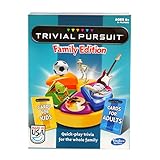
1. Hasbro Gaming Trivial Pursuit Game: Family Edition Board Game, Family Trivia Games for Adults and Kids, 2+ Players, Ages 8+ (Amazon Exclusive)
Overview:
This Amazon-exclusive Trivial Pursuit Family Edition modernizes the classic trivia game for mixed-age households. Designed for 2+ players aged 8+, it bridges the knowledge gap between kids and adults with tailored questions and streamlined rules, making it ideal for family game nights seeking inclusive, educational fun.
What Makes It Stand Out:
The standout feature is its dual-card system: 100 yellow cards with 600 age-appropriate questions for kids and 100 blue cards with 600 for adults, covering six diverse categories. The redesigned board accelerates gameplay—players earn wedges on any colored space, eliminating tedious category-specific paths. Flexible team play accommodates varying group sizes, fostering collaboration over competition.
Value for Money:
Priced competitively against standard trivia games, the 1,200 curated questions offer exceptional replayability. While premium trivia sets often cost more for fewer questions, this edition’s family-focused curation justifies its price by ensuring no player feels excluded—a common flaw in generic trivia games.
Strengths and Weaknesses:
Strengths: Age-balanced questions prevent adult dominance; faster gameplay maintains kid engagement; durable components. Weaknesses: Limited to 6 categories compared to niche trivia games; adult questions may still challenge younger kids; board art feels less vibrant than specialty editions.
Bottom Line:
A near-perfect family trivia solution that smartly adapts a classic. Its thoughtful age-splitting and pace improvements make it a top recommendation for households wanting inclusive, screen-free bonding—just ensure kids are truly 8+ for smoother play.
2. Who Knows More? Kids or Adults, The Ultimate Trivia Game for Kids, Teens and Adults - A Fun Family Party Game
Overview:
“Who Knows More?” frames trivia as a lively kids-versus-adults showdown, designed for 2+ players aged 8+. With a focus on team-based rivalry and accessible rules, it transforms game night into a spirited battle of generations, emphasizing fun over encyclopedic knowledge.
What Makes It Stand Out:
The game’s core innovation is its team-based scoring: players compete as “Kids” or “Adults,” answering questions from universal categories like pop culture and science. First to 20 points wins—a simpler, faster alternative to wedge-collecting mechanics. The inclusive question design ensures both groups have fair chances, avoiding overly obscure topics.
Value for Money:
At a mid-range price point, it delivers solid value through high replayability and broad appeal. While lacking physical components like specialized boards, the streamlined card-based format reduces cost without sacrificing engagement, outperforming pricier trivia sets with narrower age ranges.
Strengths and Weaknesses:
Strengths: Effortless setup and rules ideal for casual players; generates hilarious generational debates; diverse, age-neutral categories. Weaknesses: Limited strategic depth; point-based system may feel less satisfying than tangible wins (e.g., wedges); fewer total questions than comprehensive trivia decks.
Bottom Line:
An excellent pick for families wanting quick, laughter-filled competition. Its simplicity and team dynamic make it a standout for mixed-age groups, though trivia purists might prefer more complex alternatives.
3. National Geographic Kids Quiz Whiz: 1,000 Super Fun, Mind-bending, Totally Awesome Trivia Questions

Overview:
National Geographic Kids Quiz Whiz is a portable trivia book packed with 1,000 fact-based questions spanning science, geography, and wildlife. Aimed at curious children 8+, it functions as a self-quiz resource or group game, leveraging Nat Geo’s reputation for educational rigor without board game mechanics.
What Makes It Stand Out:
The book’s authority shines through meticulously researched, mind-expanding questions that balance fun and learning—like “How fast can a cheetah run?” or “What planet has the most moons?” Its strength lies in transforming complex STEM concepts into bite-sized, engaging challenges, encouraging critical thinking beyond rote memorization.
Value for Money:
As an affordable paperback, it offers immense value per question (under $0.02 per query), dwarfing physical games on cost efficiency. While lacking interactive components, it’s ideal for car rides, classrooms, or solo play where portability and zero setup trump physical accessories.
Strengths and Weaknesses:
Strengths: High educational value with Nat Geo’s trusted content; compact and durable for on-the-go use; questions spark meaningful discussions. Weaknesses: No game structure—requires self-moderation; no visual aids for younger readers; repetitive Q&A format may lose attention spans.
Bottom Line:
A must-have supplementary resource for trivia-loving kids, especially in educational settings. Best paired with physical games for holistic play, but unmatched as a standalone knowledge booster.
4. The Magical World of Kids Disney Trivia Games – Board Games for Family Night, Family Games, Multi-Player Board Game, Family Board Game, Travel Games, Disney Game, Ages 5+

Overview:
This Disney-themed trivia game immerses young fans (5+) in a world of 615 movie and show questions, featuring character movers and a Mickey Mouse-shaped board. Built for 2+ players, it transforms family game night into a nostalgic journey through beloved Disney universes.
What Makes It Stand Out:
The game’s magic lies in its hyper-focused Disney appeal: picture-based cards cater to pre-readers, while character movers (Mickey, Simba, etc.) and the iconic board create instant emotional resonance. Exclusive kid-centric questions avoid obscure deep cuts, ensuring accessibility for the youngest fans—a rarity in franchise trivia.
Value for Money:
Priced slightly above generic trivia games, it justifies cost through premium theming and longevity. Disney fans will cherish the authentic components, though non-fans may find the narrow scope limiting. As a gift for Disney-loving families, it’s unmatched in engagement per dollar.
Strengths and Weaknesses:
Strengths: Perfect for preschoolers with picture cards; high-quality, immersive Disney aesthetics; easy rules for early learners. Weaknesses: Zero replayability beyond Disney knowledge; questions too simple for older kids; no non-Disney content reduces versatility.
Bottom Line:
An exceptional choice for Disney-obsessed families with young children. While niche, its charm and accessibility make it a joyful investment—just confirm your crew lives for princesses and Pixar first.
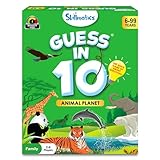
5. Skillmatics Guess in 10 Animal Planet, Easter Basket Stuffers, Card Game, Perfect for Kids, Teens, Adults Who Love Animals, Trivia Games, Travel Games, Gift for Ages 6, 7, 8, 9, 10, and Up
Overview:
Skillmatics Guess in 10 Animal Planet reimagines trivia as a deductive guessing game where players ask “yes/no” questions to identify animals. Designed for ages 6+, it combines strategy, animal facts, and portable play, earning awards for its family-friendly innovation.
What Makes It Stand Out:
Unlike standard trivia, this game emphasizes logic over recall: players use Clue Cards and Bonus Questions to narrow down 50 animals through strategic questioning (e.g., “Does it hibernate?”). Its compact design, award-winning pedigree (NAPPA 2023), and cross-generational appeal—teens strategize while kids learn animal traits—set it apart.
Value for Money:
Priced modestly, it delivers exceptional versatility as a travel game, party icebreaker, and educational tool. The reusable Clue Cards and durable storage box enhance longevity, outperforming single-use trivia decks. At under $15, its replayability and multi-scenario utility make it a steal.
Strengths and Weaknesses:
Strengths: Builds critical thinking skills; highly portable; inclusive for varied ages; award-winning engagement. Weaknesses: Limited to animal themes; fewer total “questions” than trivia books; Clue Cards can be overused by competitive players.
Bottom Line:
A brilliantly fresh take on trivia that’s both educational and endlessly replayable. Ideal for animal lovers and families seeking screen-free strategy fun—highly recommended as a stocking stuffer or travel essential.
6. Beat The Parents Classic Family Trivia Game, Kids Vs Parents, with 25 Bonus Cards for Ages 6 and up (Amazon Exclusive)

Overview:
Beat The Parents pits kids against parents in a generational trivia showdown designed for family game night. With separate question sets for each age group and customizable wagers, it encourages lighthearted competition for 2–6 players aged 6+. The Amazon-exclusive edition includes 25 bonus cards for added replayability.
What Makes It Stand Out:
The game’s core innovation is its wagering system, where teams negotiate playful consequences (e.g., “take out the trash” or “buy pizza”) before playing. Age-specific trivia ensures kids aren’t overwhelmed by adult knowledge gaps, while parents face questions about modern kid culture. The 25 bonus cards and Spin Master’s reputation for quality family games enhance its appeal.
Value for Money:
Priced competitively for a specialty trivia game, it justifies cost through high engagement and longevity. Unlike generic board games, the tailored questions and wager mechanic create unique, repeatable experiences. It outperforms cheaper trivia sets by addressing intergenerational dynamics directly.
Strengths and Weaknesses:
Strengths: Highly interactive wager system; age-appropriate questions reduce frustration; compact and easy to learn; bonus cards extend play. Weaknesses: Limited depth for teens; wagers may clash with strict households; fewer cards than mega-sets like Trivial Pursuit.
Bottom Line:
An excellent investment for families seeking laughter-filled bonding. Its clever structure bridges generational gaps, making it a top-tier choice for game nights where fun and fairness collide.
7. WELL BALANCED Road Trip Trivia - Road Trip Games for Kids Travel Essentials Car Activities Must Haves for Ages 8+

Overview:
WELL BALANCED’s “Smartest in the Car” tackles road trip boredom with 140 trivia questions spanning movies, science, geography, and history. Designed for ages 8+, it offers moderate-difficulty challenges to keep both kids and adults engaged during travel without screens.
What Makes It Stand Out:
Its road-trip-specific portability shines: the compact, durable design fits in glove compartments, while questions are calibrated for kids 8+ to answer confidently. Topics avoid overly complex themes, prioritizing accessible learning (e.g., “Which planet is closest to the sun?”). The inclusive “all ages” approach prevents adult dominance.
Value for Money:
As a travel essential, it outperforms digital alternatives by encouraging collective participation. The $12–$15 price point is fair for 140 vetted questions—cheaper than app subscriptions and sturdier than paper booklets. Ideal for frequent travelers seeking screen-free engagement.
Strengths and Weaknesses:
Strengths: Perfect difficulty balance for kids; ultra-portable; sparks curiosity without frustration; covers diverse educational topics. Weaknesses: Limited replayability (140 questions); no team mechanics; minimal strategy beyond Q&A.
Bottom Line:
A must-have for stress-free road trips. Its thoughtful design transforms travel time into shared learning moments, making it indispensable for families prioritizing engagement over electronics.
8. Awesome Trivia For Kids: 300 Super Fun, Challenging and Totally Awesome Trivia Questions

Overview:
This trivia book delivers 300 curated questions targeting kids, promising fun and challenge across general knowledge. With no physical components beyond text, it serves as a flexible, low-cost activity for car rides, classrooms, or downtime.
What Makes It Stand Out:
The focus on “totally awesome” accessibility sets it apart—questions avoid niche trivia in favor of universally relatable topics (animals, pop culture, science basics). Its pure text format allows instant play anywhere, requiring only a reader and contestants, unlike card-based competitors.
Value for Money:
As a digital or paperback book (typically under $10), it offers exceptional value per question. Costing pennies per query, it surpasses physical games in affordability and eco-friendliness. However, durability depends on format (paperback vs. ebook).
Strengths and Weaknesses:
Strengths: Extremely budget-friendly; vast question variety; zero setup; adaptable for solo or group play. Weaknesses: Lacks interactive elements (e.g., timers, boards); no age-specific filtering; requires adult facilitation for younger kids.
Bottom Line:
A superb no-frills trivia resource for budget-conscious families. While less immersive than board games, its sheer volume and portability make it a practical go-to for quick, educational fun.
9. QUOKKA Board Games for Kids 8-12 and Family - Set of 4 Who Knows It Better? - 2000+ Questions Across Biology, Culture, STEM and Math - Educational Trivia Cards for Learning and Game Night

Overview:
QUOKKA’s trivia set features 2,000+ educational questions across biology, STEM, culture, and math, targeting families with kids 8–12. Players compete to prove who “knows it better” in quick 15-minute rounds suitable for 2+ players aged 12+.
What Makes It Stand Out:
The staggering question count ensures near-endless replayability, while subject diversity (e.g., chemistry, literature, economics) blends education with entertainment. The four-topic structure encourages well-rounded learning, and the 12+ age focus caters to pre-teens seeking intellectual challenges.
Value for Money:
Priced mid-range ($25–$30), it excels through longevity—2,000 questions dwarf most rivals (e.g., Beat The Parents’ 300+). The educational depth justifies cost as a “brain-boosting” gift, outperforming single-topic trivia decks for sustained family use.
Strengths and Weaknesses:
Strengths: Massive, varied question library; strong STEM emphasis; easy rules; fosters critical thinking. Weaknesses: Age minimum may exclude younger siblings; text-heavy cards; minimal physical components beyond cards.
Bottom Line:
A standout for academically inclined families. Its educational rigor and replayability make it a worthwhile investment for game nights that double as stealth learning sessions.
10. Do You Really Know Your Family? A Fun Family Game Filled with Conversation Starters and Challenges - Great for Kids, Teens and Adults
Overview:
This game shifts focus from trivia to personal discovery, using prompts and challenges to help families share stories and bond. Designed for ages 8+, it sparks conversations through questions like “What’s your sibling’s favorite snack?” alongside silly physical dares.
What Makes It Stand Out:
Unlike knowledge-based trivia, it prioritizes emotional connection via personalized questions (“When did Mom/Dad surprise you?”) and lighthearted challenges (e.g., “Do your best dance move”). The emphasis on shared memories and laughter creates unique, heartfelt moments absent in fact-focused games.
Value for Money:
At $15–$20, it offers high relational ROI. While lacking replayability of trivia databases, its role in strengthening family dynamics justifies cost—especially as an alternative to screen time. More impactful than generic games for households seeking deeper interaction.
Strengths and Weaknesses:
Strengths: Builds empathy and inside jokes; zero knowledge required (inclusive for all ages); simple rules; creates lasting memories. Weaknesses: Limited educational value; repetitive after multiple plays; challenges may embarrass shy players.
Bottom Line:
Essential for families craving authentic connection. Its ability to transform game night into meaningful dialogue makes it a heartwarming, must-try experience.
Why Trivia Games Are More Than Just Fun and Games
The Cognitive Boost Behind Guessing Games
Trivia isn’t random fact-recall; it’s a workout for the brain. When children engage with questions that challenge their existing knowledge, they strengthen neural pathways linked to memory and problem-solving. This process—called retrieval practice—helps cement information far more effectively than passive learning, turning fleeting facts into long-term understanding. Plus, the anticipation of answering correctly releases dopamine, making the whole experience feel rewarding and motivating kids to seek out more knowledge.
Social Skills Hidden in Every Round
Beyond individual growth, trivia fosters crucial interpersonal skills. Taking turns, listening actively to others’ answers, and handling both wins and losses gracefully teach empathy and patience. Group play encourages kids to articulate their thoughts clearly and respectfully debate perspectives—skills that translate seamlessly to classroom dynamics and friendships. It’s collaborative learning in its purest form, where teamwork often trumps solo brilliance.
Confidence Through Small Victories
There’s immense power in shouting “I know this!” and being right. Trivia games provide low-stakes opportunities for kids to experience success, building self-assurance one question at a time. When challenges are calibrated to their level, children learn to trust their instincts and take intellectual risks, knowing that even a wrong answer is a stepping stone—not a setback. This nurtures a growth mindset that extends well beyond the game board.
Matching Trivia to Your Child’s Developmental Stage
Early Learners Ages 3 to 5
For preschoolers, simplicity is key. Look for games with bright visuals, tactile components like picture cards, and questions focused on concrete concepts—colors, animals, or daily routines. Avoid complex rules; instead, prioritize互动 elements like pointing or matching that keep short attention spans engaged. The goal here isn’t accuracy but sparking wonder: “What sound does a cow make?” matters more than “What’s the capital of France?”
Elementary Explorers Ages 6 to 10
This age group thrives on expanding their worldviews. Opt for trivia that bridges school subjects with pop culture—think questions about ecosystems alongside superheroes. Mechanics like team play or physical movement (e.g., jumping to answer) maintain energy, while tiered difficulty ensures no one feels left behind. It’s the sweet spot for nurturing that “aha!” moment when kids realize knowledge unlocks new ways to understand their surroundings.
Tweens and Pre-Teens Ages 11 to 13
Older kids crave relevance and depth. Seek out games tackling nuanced topics—history’s untold stories, ethical dilemmas, or STEM innovations—with room for debate. Timed rounds or strategy elements (like wagering points) add sophistication, while open-ended questions encourage critical analysis over rote recall. This stage is about validating their growing intellect: “Why might an ancient civilization build pyramids?” sparks richer discussion than simple dates.
Essential Features That Make Trivia Shine
Content Diversity Beyond Basic Facts
The best trivia avoids narrow focus. Prioritize games covering science, arts, geography, and social-emotional themes to expose kids to interdisciplinary connections. For example, a question about ocean currents could tie into climate change or marine biology, showing how knowledge interlinks. Bonus points if content reflects diverse cultures and perspectives, helping children see themselves and others in the narrative.
Game Mechanics That Hold Attention Spans
If rules feel like homework, engagement plummets. Seek dynamic structures: rotating question types (multiple choice, true/false, visual puzzles), variable round lengths, or cooperative challenges where everyone wins by answering correctly. Avoid rigid turn-taking; instead, opt for buzzing-in systems or group consensus that keeps energy high and minimizes downtime. The smoother the flow, the longer the focus.
Visual and Physical Accessibility
Artwork should clarify, not clutter. High-contrast illustrations, minimal text per card, and intuitive icons make content accessible for emerging readers or visual learners. Consider material safety too—thick, non-toxic cardboard withstands enthusiastic play—while inclusive design (like colorblind-friendly palettes) ensures no child feels excluded. Even box size matters: compact storage encourages spontaneous use over dusty shelf storage.
The Laughter Factor Why Fun Fuels Learning
Humor as a Memory Catalyst
Silly questions (“Would a penguin win a snowball fight?”) aren’t just giggle-worthy—they create memorable anchors for facts. When kids associate information with joy, recall improves dramatically. Look for games weaving in playful scenarios or unexpected twists that make learning stick, like linking historical events to humorous hypotheticals. Laughter lowers stress barriers, opening the brain to absorb more.
Balancing Challenge With Playfulness
Frustration kills curiosity. The ideal trivia game offers “just right” difficulty—questions hard enough to spark thought but not so hard they induce eye rolls. Incorporate levity through bonus fun facts (“Did you know octopuses have three hearts?”) or physical challenges like acting out answers. This balance ensures kids stay motivated, viewing each round as an exciting puzzle rather than a test.
Creating Shared Joy Through Participation
The magic happens when trivia becomes a family ritual. Games that encourage storytelling (“Tell us about the weirdest animal you’ve seen!”) or allow creative answers foster connection. When adults laugh at their own wrong guesses, it models humility and shows kids that learning is a lifelong, joyful journey—not a performance.
Inclusivity How to Ensure Every Child Shines
Adapting for Diverse Learning Styles
Not all kids absorb information the same way. Seek trivia with multi-sensory options: auditory learners benefit from read-aloud cards, kinesthetic types enjoy movement-based answers, and visual learners thrive with illustrated clues. Adjustable difficulty sliders or “help” tokens (e.g., skipping a question) let you tailor play without singling anyone out.
Language and Cultural Sensitivity
For multilingual households or neurodiverse children, look for games offering simplified phrasing, translation guides, or pronunciation tips. Content should avoid stereotyping and celebrate global perspectives—questions about festivals worldwide or bilingual wordplay make trivia feel welcoming, not alienating. Representation matters: seeing diverse faces in illustrations builds belonging.
Physical and Emotional Safety Nets
Consider motor skills; oversized cards or chunky tokens help little hands participate. For shy kids, avoid elimination rules—opt for cooperative scoring where the group wins collectively. Most importantly, frame mistakes as discoveries: “Wow, I thought that too! Let’s learn why it’s actually…” keeps the vibe supportive, not competitive.
Maximizing Long-Term Value Beyond the First Play
Extending Learning Into Daily Life
Trivia shouldn’t end when the game does. Choose sets with “explore more” prompts—like visiting a local museum after a history round or growing herbs post-gardening questions. This turns abstract facts into tangible experiences, reinforcing that knowledge lives everywhere. Jotting down new questions during real-world adventures (e.g., at the zoo) also makes trivia a continuous dialogue.
Customization for Personalized Growth
The best games invite creativity. Blank question cards let families add inside-joke trivia or tie topics to current events (“What’s one thing we’re grateful for this week?”). As kids outgrow printed content, this flexibility ensures longevity—transforming a single purchase into evolving educational tool that grows with them.
Building a Trivia-Friendly Family Culture
Make trivia habitual by linking it to routines: “Question of the dinner table” or weekend car ride quizzes. When curiosity becomes second nature, kids self-direct learning—asking for books on topics they discovered through play. This subtle shift from passive consumption to active inquiry is where trivia’s real legacy lies.
Frequently Asked Questions
How do I know if a trivia game is age-appropriate?
Check for adjustable difficulty levels and content scope. Games for younger kids should rely heavily on images and simple concepts, while older children’s versions include open-ended questions and deeper context. Avoid sets where most questions feel either too easy or impossibly hard—aim for that “stretch but achievable” sweet spot.
Can trivia games help with school subjects?
Absolutely. Well-designed trivia reinforces curriculum-aligned topics like geography, biology, or history through engaging repetition. The key is choosing games with accurate, curriculum-adjacent content that sparks interest—making kids more eager to explore subjects further in class.
What if my child gets frustrated with wrong answers?
Reframe mistakes as learning moments. Use phrases like “That’s a great guess—let’s see why the answer is even cooler!” Opt for cooperative scoring over competitive elimination, and consider “lifelines” like asking a teammate for help. Modeling calm curiosity as an adult sets the tone.
How much time should a trivia session last?
Follow your child’s energy. For ages 3–5, 10–15 minutes is ideal; elementary kids may enjoy 20–30 minutes; tweens can handle longer sessions. End on a high note before frustration sets in—you can always continue tomorrow. Short, frequent plays build habit without burnout.
Are digital trivia apps as effective as physical games?
Physical games often win for hands-on engagement and screen-free interaction, but apps offer adaptive learning tech. Prioritize physical sets for family bonding, but apps can supplement with personalized quizzes. Avoid anything with distracting ads or excessive time pressure.
How do I make trivia inclusive for kids with learning differences?
Look for multi-format questions (visual, verbal, tactile), flexible rules, and non-competitive structures. Many modern games include accessibility guides—prioritize those with adjustable timers, simplified language options, or sensory-friendly components like textured cards.
Can trivia really improve memory?
Yes—retrieval practice in trivia strengthens memory pathways. The act of recalling information under low-stress conditions (like game play) boosts retention far more than passive review. Pair this with spaced repetition (revisiting topics over days), and you’ve got a powerful memory toolkit.
What’s the best way to introduce trivia to reluctant learners?
Start with highly relatable topics—animals, space, or their favorite hobbies—and keep rounds short. Let them choose categories first, and participate enthusiastically yourself. Avoid pressuring correct answers; focus on the fun of guessing together.
How often should we play trivia for educational benefits?
Consistency trumps duration. Aiming for 2–3 short sessions weekly builds routine without pressure. Tie it to existing habits (e.g., post-dinner play) so it feels natural. The goal is sustainable curiosity, not marathon quizzes.
Is trivia suitable for solo play?
While group interaction maximizes social benefits, some sets work solo—especially those with self-checking answers or journaling prompts. For independent play, choose games with clear progress markers (like earning badges per topic) to maintain motivation without peer dynamics.
See Also
- Top 10 Trivia Games for Families in 2026 That Spark Laughter and Learning
- 10 Must-Have Bluffing Games for Epic Trivia Nights in 2026
- 10 Must-Have Party Trivia Games for Epic Gatherings in 2026
- 10 Must-Have Party Trivia Games for Unforgettable Gatherings in 2026
- 10 Must-Have Word Building Games for Language Lovers in 2026