Table of Contents
Hosting a memorable gathering isn’t just about the snacks or the playlist—it’s about the shared laughter, the unexpected moments of connection, and the effortless flow that keeps energy high. Yet, even the most seasoned host knows the dread of that awkward lull when conversations stall and guests start eyeing the door. What if the secret weapon to transforming any ordinary get-together into an unforgettable event wasn’t a fancy gadget or a meticulously curated menu, but something surprisingly simple, portable, and universally engaging? Enter the humble deck of cards—reimagined, reimagined, and reborn as the ultimate social catalyst.
Forget bulky boards or complicated rulebooks that gather dust. Modern card games are engineered for instant immersion, requiring minimal setup but delivering maximum interaction. They slice through social barriers, spark playful competition, and create inside jokes that linger long after the last card is dealt. In today’s fast-paced world, where attention spans are short and group dynamics can be unpredictable, the right card game adapts on the fly—whether you’re entertaining two close friends or a boisterous crowd of twenty. Let’s explore the essential categories every vibrant party game collection needs to keep the fun flowing in 2026 and beyond.
Top 10 Card Games
Detailed Product Reviews
1. USAOPOLY Flip 7, The Ultimate Blend of Press Your Luck & Strategy, Fast-Paced Addictive Card Game,Quick to Learn & Easy to Teach,Perfect for Game Nights, 3+ Players, Ages 8 & Up, 20 Minutes Play Time

Overview: Flip 7 is a high-energy press-your-luck card game where players strategically reveal cards to accumulate points without drawing duplicates, risking their round total. Designed for 3+ players aged 8+, it delivers intense 20-minute sessions perfect for game nights.
What Makes It Stand Out: Its uniquely structured deck—with decreasing quantities of numbers (twelve 12s down to one 1) and action cards like Flip Three or Freeze—creates dynamic risk-reward tension. The “bust on duplicates” mechanic forces constant strategic decisions, blending luck with player agency more effectively than similar games.
Value for Money: Priced competitively for a specialty card game, it offers exceptional replayability through variable scoring and action cards. It outshines generic press-your-luck titles by providing deeper strategy without complexity, making it a smarter investment than simpler alternatives.
Strengths and Weaknesses: Strengths: Highly addictive pacing; intuitive rules; clever deck design enhances replayability; action cards prevent predictability. Weaknesses: Player elimination during rounds can frustrate younger participants; limited player count (max 6) may not suit large groups; luck elements occasionally overshadow strategy.
Bottom Line: Flip 7 excels as a thrilling, strategic game night staple. Despite minor pacing quirks, its unique mechanics and relentless engagement make it a top-tier choice for families and casual gamers seeking quick, high-stakes fun. Highly recommended.
2. Play Nine The Card Game of Golf

Overview: Play Nine reimagines golf as a card game where players aim for the lowest score using dealt cards, mirroring golf’s scoring logic. Suitable for ages 8+, it features simple draw-discard mechanics ideal for family gatherings or casual play.
What Makes It Stand Out: The golf-theme integration is seamless—players “par” by minimizing card values, with 8-card hands and strategic discards mimicking hole play. Its accessibility shines: rules take minutes to grasp, yet scoring decisions add subtle depth uncommon in entry-level games.
Value for Money: An affordable option for family entertainment, it delivers standout versatility. Unlike single-mechanic card games, its golf framework encourages repeated plays while teaching basic arithmetic and strategy, outperforming generic matching sets at similar price points.
Strengths and Weaknesses: Strengths: Effortless setup and rules; perfect for multi-generational play; portable design; reinforces math skills subtly. Weaknesses: Limited strategic depth for seasoned gamers; scoring can feel repetitive after extended sessions; no special cards to vary gameplay.
Bottom Line: Play Nine is a charming, accessible card game that successfully translates golf’s essence into a family-friendly format. While lacking complexity for hardcore gamers, its simplicity and thematic charm make it an excellent, budget-savvy pick for casual game nights.
3. Bicycle Rider Back Playing Cards, Standard Poker Size Deck of Cards, Red & Blue (2 Pack), Classic Cards for Poker, Blackjack, Family Game Night & Card Games, Fun for All Ages

Overview: This 2-pack of Bicycle Rider Back cards offers time-tested quality for classic card games, featuring one red and one blue deck with the iconic bicyclist design. Trusted for over 140 years, it’s optimized for poker, blackjack, and everyday play.
What Makes It Stand Out: The Air Cushion Finish enables buttery-smooth shuffling and durability unmatched by budget brands. Dual-color decks prevent confusion during multi-game sessions, while the timeless Rider Back design ensures easy recognition and professional handling.
Value for Money: Exceptional for the price—two premium decks outlast cheaper alternatives by years. Gamers save long-term versus replacing flimsy cards, and the dual-color set eliminates mid-game sorting, justifying a slight premium over single-deck packs.
Strengths and Weaknesses: Strengths: Unrivaled durability and shuffle feel; instantly recognizable design; color differentiation aids gameplay; versatile for all card games; ideal gift potential. Weaknesses: Standard poker size may be bulky for tiny hands; no unique features beyond reliability; packaging isn’t resealable.
Bottom Line: A non-negotiable staple for card enthusiasts. Bicycle’s proven quality and dual-deck convenience make this pack indispensable for serious players and families alike. Worth every penny for reliable, long-term use.
4. Regal Games Card Games for Kids - Go Fish, Crazy 8’s, Old Maid, Slap Jack, Garbage Monster, War - Simple & Fun Classic Family Table Games - Games May Vary (6 Set)

Overview: This 6-game set delivers kid-focused classics like Go Fish and Old Maid, designed for 2–6 players aged 4+. Large, vibrant cards simplify learning while building foundational skills through playful competition.
What Makes It Stand Out: The oversized cards (ideal for small hands) and bright, intuitive imagery eliminate reading barriers. Combining six educational games in one portable set—like Silly Monster Memory Match—creates seamless transitions between skill-building activities without overwhelming children.
Value for Money: Outstanding for families. Six durable decks at this price replace individual purchases, and the educational focus (colors, matching, numbers) provides developmental value exceeding pure entertainment options. Beats single-game sets in versatility.
Strengths and Weaknesses: Strengths: Perfectly sized for kids; visually engaging art; stealthy learning benefits; ultra-portable; accommodates varied group sizes. Weaknesses: Cardstock thinner than adult decks; “Garbage Monster” rules may confuse younger kids; limited replay depth for older children.
Bottom Line: An essential starter kit for young children. Its thoughtful design and educational merits make it a superb investment for parents seeking screen-free, skill-building fun. Highly recommended for ages 4–8.
5. Mattel Games Phase 10 Card Game with 108 Cards, Great Game for Kids, Family or Adult Game Night, Ages 7 Years and Older
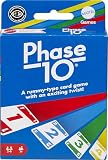
Overview: Phase 10 challenges players to complete 10 escalating card phases (sets, runs, or combinations) before opponents. This Mattel staple supports 2–6 players aged 7+, using a specialized 108-card deck for strategic rummy-style gameplay.
What Makes It Stand Out: Its phase-based progression creates tangible achievement milestones, while Wild and Skip cards inject chaos. Crucially, color-blind accessibility—via symbol-coded cards—ensures inclusive play, a rare and commendable feature in mainstream card games.
Value for Money: Priced fairly for its replayability. The 10-phase structure offers more longevity than Uno or traditional rummy, and the color-blind design justifies a slight premium over non-accessible alternatives.
Strengths and Weaknesses: Strengths: Addictive progression system; highly inclusive design; simple rules with strategic depth; accommodates large groups; durable cards. Weaknesses: Early phases feel too easy; Skip cards can cause frustration; box storage is flimsy.
Bottom Line: Phase 10 remains a must-have for diverse game nights. Its inclusive innovation and engaging structure outweigh minor flaws, making it a top recommendation for families and groups seeking accessible, strategic fun.
6. Five Crowns – Card Game for Kids and Adults, Travel and Family Game Night Favorite, The Game isn’t Over Until the Kings Go Wild, 5 Suited Rummy Style Card Game, 1-7 Players, Ages 8+

Overview:
Five Crowns reimagines classic rummy with a fifth suit of stars, creating a dynamic card game for 1–7 players aged 8+. Each of the eleven rounds introduces new card combinations (like three-of-a-kind or runs), while rotating wild cards keep strategy fluid. Its compact design suits family nights or travel, offering adaptable fun without complex setup.
What Makes It Stand Out:
The unique fifth suit and escalating wild cards (e.g., 3s in round one, 4s in round two) prevent predictability, demanding constant tactical shifts. Unlike traditional rummy, it accommodates up to seven players seamlessly and includes a dedicated scoring pad. The star suit adds strategic depth while maintaining approachability for younger players.
Value for Money:
Priced competitively with standard card games, Five Crowns delivers exceptional replayability through its eleven-round structure and high player count. It outperforms single-deck rummy sets by eliminating the need for multiple purchases, justifying its cost as a long-term family investment.
Strengths and Weaknesses:
Strengths: Highly adaptable for mixed-age groups; intuitive core mechanics; travel-friendly; encourages strategic thinking. Weaknesses: Initial rule complexity may overwhelm very young children; star suit can confuse beginners; limited replay value for hardcore strategy gamers seeking deeper mechanics.
Bottom Line:
A versatile, award-winning game that revitalizes rummy with clever twists. Ideal for families seeking engaging, screen-free entertainment that grows with players’ skills—highly recommended for game nights.
7. Taco Cat Goat Cheese Pizza Wildly Entertaining Card Game for Family and Group Game Night | Easy to Learn and Play with 10-15 Minute Rounds | Fun for Kids, Teens, Adults, and Families | 2-8 Players

Overview:
Taco Cat Goat Cheese Pizza is a rapid-fire matching game where players slap a central pile when spoken words (“Taco,” “Cat,” etc.) align with card reveals. Designed for 2–8 players aged 7+, it delivers 10–15 minute bursts of chaos perfect for parties, travel, or quick family fun with zero setup.
What Makes It Stand Out:
The game’s genius lies in its simplicity: chanting the title while playing cards creates instant, hilarious tension. Special action cards (like “Narf!”) introduce unexpected twists, while the slap mechanic ignites reflexes and laughter. Its brevity and inclusivity make it ideal for diverse groups, from kids to adults.
Value for Money:
At a modest price, it offers disproportionate entertainment value. Outperforming lengthy board games, it excels as a social catalyst—replacing costly screen-based distractions with pure, portable interaction. Comparable games lack its universal appeal and skill-building benefits.
Strengths and Weaknesses:
Strengths: Lightning-fast setup; develops reflexes and focus; wildly inclusive for all ages; travel-sized; sparks genuine laughter. Weaknesses: Can become noisy/chaotic in large groups; repetitive after extended play; physical slapping may frustrate sensitive players.
Bottom Line:
A must-have for group gatherings seeking instant, energetic fun. Its blend of simplicity, speed, and skill development makes it a standout—buy it for parties, travel, or anytime you need guaranteed giggles.
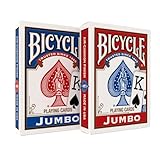
8. Bicycle Jumbo Index Playing Cards , 2 Pack Large Print Poker Size Deck of Cards for Easy Reading, Family Card Games, and Casino Play
Overview:
Bicycle’s Jumbo Index 2-Pack delivers oversized-numbered playing cards designed for effortless visibility. Tailored for seniors, kids, or any group needing clarity, these USA-made decks feature classic Bicycle quality in a practical two-deck bundle for poker, rummy, or family game nights.
What Makes It Stand Out:
The jumbo indices—nearly double standard size—eliminate squinting, a game-changer for visually impaired players. Paired with Bicycle’s signature Air-Cushion Finish for smooth shuffling, the dual-pack ensures backup availability and enables multi-game setups (e.g., simultaneous canasta rounds).
Value for Money:
Slightly pricier than single standard decks, the two-pack offers exceptional utility. Avoiding frequent replacements due to wear or lost cards, it pays for itself in longevity. For accessibility-focused households, it’s indispensable—outperforming niche “senior” decks at similar prices.
Strengths and Weaknesses:
Strengths: Unmatched readability; durable finish; ideal for teaching kids; versatile across 100+ games; trusted brand reliability. Weaknesses: Larger size may feel awkward for professional poker handling; minimal aesthetic customization versus themed decks.
Bottom Line:
A practical, compassionate upgrade for any card-playing household. If clarity matters, this pack is non-negotiable—highly recommended for families, educators, and senior centers.
9. Mattel Card Game Set (Skip Bo, Uno & Phase 10)

Overview:
This Mattel trio bundles Skip-Bo, Uno, and Phase 10—their most iconic card games—into one value-packed set. Players tackle Skip-Bo’s sequencing challenges, Uno’s color-matching frenzy, and Phase 10’s multi-stage rummy objectives, covering diverse playstyles for 2–6 players.
What Makes It Stand Out:
The set’s brilliance is its variety: Skip-Bo sharpens strategic planning, Uno delivers chaotic social energy, and Phase 10 offers layered progression. Each game includes custom decks and rules, eliminating the need to buy separate copies while introducing newcomers to Mattel’s classics.
Value for Money:
Priced lower than purchasing games individually, it’s a budget-friendly gateway to Mattel’s portfolio. Ideal for families wanting multiple game types without clutter, though dedicated fans might prefer deluxe editions of single titles.
Strengths and Weaknesses:
Strengths: Diverse gameplay caters to all ages; compact storage; perfect for teaching game mechanics; unbeatable convenience. Weaknesses: Basic rulebooks lack depth; card quality is standard (not premium); no exclusive content beyond the trio.
Bottom Line:
An essential starter kit for new gamers or families seeking variety. While not revolutionary, its affordability and range make it a smart, crowd-pleasing investment.
10. Mattel Games UNO Card Game in Travel & Storage Tin for Kid, Adult & Family Nights & Parties, Color Blind Accessible & Customizable Deck (Amazon Exclusive)

Overview:
This Amazon-exclusive UNO edition packs the beloved color-matching game into a portable tin, featuring accessibility symbols for color-blind players and three blank Wild Cards for custom rules. It retains classic action cards while prioritizing inclusivity and on-the-go play.
What Makes It Stand Out:
The color-blind accessibility—using distinct symbols (e.g., diamonds for red)—is groundbreaking for mainstream card games. Combined with the durable tin and erasable blank cards (for house rules), it modernizes UNO for diverse players without altering core fun.
Value for Money:
Priced slightly above standard UNO, the tin’s durability and accessibility features justify the premium. It outshines generic travel sets by solving real inclusion barriers, making it invaluable for educators or families with color-vision differences.
Strengths and Weaknesses:
Strengths: Truly inclusive design; portable/storage-friendly; customizable rules; sturdy tin; preserves UNO’s addictive energy. Weaknesses: Symbols may distract purists; tin slightly bulky for pockets; blank cards require dry-erase markers (not included).
Bottom Line:
A thoughtful evolution of UNO that sets a new standard for accessibility. Essential for inclusive game nights—this isn’t just smart design, it’s necessary progress.
Why Card Games Dominate Modern Party Play
Unmatched Portability and Setup Speed
Gone are the days of lugging heavy boxes or spending 15 minutes deciphering assembly instructions. A compact card game fits in a pocket, purse, or even a glove compartment, ready to rescue a dull moment anywhere. Setup often takes less than 30 seconds—shuffle, deal, and play. This immediacy is crucial for spontaneous gatherings or when you need to pivot from conversation to activity without losing momentum. No tables? No problem. Many games work perfectly on laps or even while standing.
Adapting to Any Group Size or Dynamic
Whether you’re hosting an intimate dinner for four or a sprawling backyard bash for twenty, the right card game scales effortlessly. Certain mechanics thrive with small groups, fostering deep interaction, while others cleverly divide larger crowds into teams or rotating partnerships, ensuring no one feels left out. They also accommodate diverse personalities: introverts engage through structured turns, extroverts shine in chaotic free-for-alls, and everyone finds a role.
Fostering Genuine Connection Over Screen Time
In an age dominated by digital distraction, card games create a rare screen-free zone where eye contact, laughter, and physical interaction take center stage. The tactile nature of handling cards—shuffling, dealing, slapping the table—grounds players in the present moment. This shared physical experience builds rapport faster than any icebreaker app, turning acquaintances into collaborators and competitors into confidants.
Essential Mechanics for Crowd-Pleasing Card Games
Lightning-Fast Play Rounds Under 2 Minutes
The magic of party card games lies in rapid iteration. Rounds should conclude in seconds or minutes, not turns. This pace maintains energy, prevents downtime boredom, and allows players to jump in or out without derailing the game. Quick rounds also mean frequent “reset points,” giving trailing players hope and keeping winners humble—essential for group morale.
Simple Rules with Strategic Depth
Accessibility is non-negotiable. If explaining rules takes longer than playing a round, you’ve lost the crowd. Look for games where core mechanics can be taught in three sentences (“Draw, match, yell!”). Yet beneath that simplicity, subtle layers of strategy or bluffing should emerge with repeated plays, rewarding veterans without intimidating newbies. This balance keeps games fresh over multiple gatherings.
Built-In Player Interaction (No Spectating Allowed)
Passive observation kills party energy. The best card games force constant engagement—whether through direct challenges (“Prove you have the right card!”), cooperative puzzles requiring group discussion, or chaotic mechanics where everyone affects everyone else’s fate. If a player isn’t actively involved right now, the game design is failing the party test.
Categories Every Collection Needs
Cooperative Chaos Builders
These games unite players against a common challenge, fostering teamwork and collective sighs of relief (or groans of defeat). Instead of cutthroat competition, they build camaraderie through shared problem-solving under pressure. Think timed card chains, collaborative storytelling, or racing against a deck that actively works against you—perfect for groups that prefer “us vs. the game” tension.
Deduction and Bluffing Showdowns
Human nature loves a good lie—and an even better guess. Games centered on reading micro-expressions, spotting inconsistencies in stories, or accusing friends of secret identities tap into primal social instincts. They transform quiet corners into hotbeds of whispered debates and sudden, dramatic reveals. Key: mechanics must prevent analysis paralysis, keeping deductions fast and fun.
Rapid Reaction and Physical Comedy
Sometimes, the best strategy is no strategy—just pure, unadulterated reflexes. Games requiring lightning-fast slaps, card throws, or synchronized shouting create explosive moments of physical comedy. They break the ice instantly, generate hilarious photo ops, and let competitive spirits shine without complex tactics. Ideal for warming up a group or reigniting flagging energy.
Creative Storytelling and Imagination Sparks
Not all party games need winners. Narrative-driven card games invite players to co-create absurd tales, interpret surreal imagery, or build evolving stories one card at a time. They’re therapeutic for wordplay lovers, unlock hidden creativity in reluctant participants, and produce stories so bizarre they become party lore. No pressure to “win,” just joy in collective imagination.
Team-Based Tournament Style
For larger groups, dividing into squads adds structure without exclusion. Short, head-to-head team matches create natural breaks for refills and chatter, while cumulative scoring builds friendly rivalry. Look for games where team composition can shift each round, preventing cliques and encouraging cross-group bonding. The shared team identity (“Are we the Mighty Avocados or the Sassy Sprouts?”) becomes instant camaraderie.
Optimizing Your Collection for Real-World Hosting
Matching Game Energy to Your Crowd’s Vibe
A rowdy birthday bash demands different energy than a relaxed book club meetup. Curate based on your typical guest personality: high-energy reaction games for extroverted crowds, subtle deduction for cerebral groups, or cooperative builders for mixed-age gatherings. Rotate your “frontline” games seasonally—keep your collection feeling fresh and intentional.
Prioritizing Durability and Accessibility
Party cards take a beating—from spilled drinks to enthusiastic shuffling. Invest in games with thick, laminated stock or water-resistant finishes. Avoid tiny text or color-dependent mechanics that exclude colorblind players. Consider including a “quick reference” card tucked into the box for rules refreshers mid-game, because nobody wants the fun derailed by rule disputes.
Creating Thematic Variety for Repeat Gatherings
Avoid one-note collections. Blend humor with strategy, silence with shouting, teamwork with competition. Having distinct “flavors” ensures you’re never stuck offering the same game twice in a row. A well-rounded mix also accommodates shifting group moods—switch from a raucous reaction game to a calm storytelling session if energy peaks too early.
Future-Proofing Your Game Library
Embracing Modular and Evolving Gameplay
The most enduring card games offer expansion paths—new decks, variant rules, or community-created challenges—that keep them feeling novel years after purchase. Look for systems designed with “add-on” slots, allowing you to refresh mechanics without replacing the entire core game. This sustainability saves money and reduces clutter.
Considering Digital Integration (When It Enhances, Not Distracts)
While screen-free play is ideal, some games smartly use apps for soundtrack ambiance, timer functions, or rule clarification—without requiring individual devices. The key is augmentation, not dependence. If the app vanishes, the game must still function perfectly. Avoid anything demanding constant screen interaction; it defeats the purpose of bringing people together.
Supporting Inclusive and Thoughtful Design
2026’s best games prioritize accessibility: clear iconography for language barriers, adjustable difficulty for neurodiverse players, and themes avoiding outdated stereotypes. A truly great party game makes everyone feel welcome at the table, not just the loudest voices. Check for diverse character art and mechanics accommodating physical limitations (e.g., no fine motor demands).
Frequently Asked Questions
What’s the minimum number of players for most party card games?
Most modern designs accommodate 3-4 players as the absolute baseline, with many scaling smoothly up to 8+. Always check the box, but avoid games requiring 6+ players if you often host smaller dinners.
How much table space do these games really need?
Surprisingly little! Many require only enough room to fan a few cards in front of each player—think 12x12 inches per person. Games designed for “no table” play often involve holding cards or playing into a central pile on laps.
Are there good options for mixed-age groups (kids and adults)?
Absolutely. Prioritize games with adjustable rules (simpler versions for kids) or cooperative goals where ages collaborate. Avoid heavy text or complex strategy; focus on visual cues, physical actions, or storytelling.
How do I handle rule disputes mid-game?
Keep a printed “cheat sheet” in the box! For quick resolution, designate a rotating “Rules Guru” each round, or adopt a “spirit of the game” approach where the group votes on interpretations to maintain flow.
Can card games work for virtual parties?
Yes, but only with specific digital-native designs or apps enabling real-time play. Physical card games rarely translate well to video calls due to secrecy issues and screen-sharing limitations. Stick to dedicated online party platforms for virtual events.
How often should I replace worn-out cards?
Replace individual damaged cards if possible (some publishers sell replacements), but if the whole deck feels flimsy or markings are visible through the backs, it’s time for a new copy. Cheap plastic sleeves can extend life significantly.
What’s the biggest mistake new hosts make with party games?
Overcomplicating the first game! Start with one ultra-simple title to build confidence, not a deep strategy game. If players grasp the basics in 60 seconds, you’ve set the tone for fun.
Are expensive card games worth the investment?
Not necessarily. Many exceptional party card games retail under $20. Prioritize gameplay depth and replayability over lavish components. A $15 game played 50 times beats a $50 game gathering dust.
How do I store card games to prevent damage?
Keep them upright (like books) in a cool, dry place. Avoid attics or basements with humidity swings. For frequent use, consider sturdy deck boxes or elastic bands to keep cards snug and prevent bent corners.
Can I mix components from different card games?
Generally not advisable—it can confuse rules and damage cards. However, some systems (like certain deck-builders) are designed for cross-game compatibility. Always check publisher guidelines before combining decks.
See Also
- 10 Must-Have Party Card Games for Laughter and Fun in 2026
- 10 Must-Have Strategy Card Games for Deep Gameplay in 2026
- We Tested 50 Party Card Games - Here are the 10 Best for Laughter in 2026
- We Tested 50 Party Card Games - Here are the 10 Best for Laughs in 2026
- 10 Must-Have Expandable Card Games for Custom Deck Building in 2026