Table of Contents
Ever tried to keep a straight face while convincing your best friend that your trembling hands actually hold a winning poker hand? That magical mix of tension and laughter is exactly why bluffing games have become the secret weapon for unforgettable social gatherings. There’s something uniquely thrilling about the moment someone calls your bluff—or worse, falls for it—and the room erupts in a chorus of disbelief and giggles. In 2026, as digital fatigue sets in and people crave authentic, screen-free connection, these games aren’t just popular; they’re essential social glue. They transform ordinary game nights into legendary stories we’ll still be retelling years later.
What makes bluffing games timeless isn’t just the deception—it’s how they reveal our hidden personalities. That quiet coworker who suddenly channels a poker shark? The shy cousin who masterminds an elaborate lie that fools everyone? These games create safe spaces to experiment with boldness, wit, and playful mischief. As we navigate an increasingly automated world, the human element—reading micro-expressions, crafting believable stories, and recovering from a spectacularly failed bluff—feels more valuable than ever. Forget passive scrolling; 2026 is all about leaning into the beautifully chaotic energy of games where laughter is the only currency that matters.
Top 10 Bluffing Games
Detailed Product Reviews
1. The Chameleon: Award-Winning Bluffing Board Game for Family, Adults & Friends | Includes 80 Extra Secret Words | Who is The Imposter?

Overview:
The Chameleon is a rapid-fire social deduction game where players share a secret word, except one “Chameleon” who must blend in by avoiding detection through subtle wordplay and observation. Designed for 3–8 players aged 14+, it emphasizes quick thinking and group interaction within a tight 15-minute runtime.
What Makes It Stand Out:
Its genius lies in simplicity: everyone knows the secret word (e.g., “apple”), but the Chameleon doesn’t. Players give one-word clues related to it, and the Chameleon must mimic them without revealing ignorance. The included 80 extra words and multi-award-winning status (UK Games Expo “Best Party Game”) ensure replayability and immediate engagement.
Value for Money:
Priced competitively for a premium, award-winning party game, it outshines bulkier alternatives. The minimal components (cards only) and focus on pure social dynamics mean you pay for innovative gameplay, not plastic—ideal for groups seeking frequent, low-setup fun.
Strengths and Weaknesses:
Strengths: Lightning-fast setup/learning; inclusive for mixed groups; high replay value with extra words; fosters laughter and sharp observation.
Weaknesses: Limited depth for strategy enthusiasts; Chameleon’s role can feel luck-dependent in smaller groups; word list may require updates over time.
Bottom Line:
A near-perfect party game for quick, inclusive fun. Buy it if you want an accessible, award-winning icebreaker that sparks laughter in minutes—though hardcore strategists may crave more complexity.
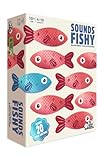
2. Big Potato Sounds Fishy Board Game: The Bluffing Family Game for Kids 10+ - Best New Family Quiz Games, Trivia Games for Groups of People
Overview:
Sounds Fishy flips trivia on its head: players invent fake answers to real questions, then bet on which response is genuine. Designed for 4+ players aged 10+, it prioritizes creativity over knowledge, making it ideal for casual family or adult gatherings.
What Makes It Stand Out:
The twist? You’re given the correct answer and must craft convincing lies (e.g., for “What country has the most islands?”, invent “Sweden” while the truth is “Canada”). This “fake it to make it” mechanic eliminates trivia anxiety and fuels hilarious, imaginative bluffs.
Value for Money:
Rich content (200+ questions) and high-quality components justify its price. Unlike knowledge-heavy trivia games, it’s endlessly replayable since answers are player-generated—no need for expansion packs. Beats similar games in sheer creative flexibility.
Strengths and Weaknesses:
Strengths: Zero trivia knowledge required; encourages quick wit and humor; scales perfectly for large groups; minimal rules for instant play.
Weaknesses: Can devolve into chaos with overly competitive players; less structured than deduction-focused games; younger kids (10–12) may struggle with abstract thinking.
Bottom Line:
A standout for lighthearted, creative group fun. Choose it for stress-free parties where laughter matters more than facts—skip if your group prefers strategic depth over silliness.
3. Coup Card Game by Indie Boards & Cards | Fast Bluffing and Social Deduction Strategy | Hidden Roles, Deception, and Player Interaction | Quick 15-Minute Game for 2–6 Players | Adults, Teens, Families

Overview:
Coup is a lean, cutthroat card game where players use hidden roles (like Duke or Assassin) to manipulate, bluff, and challenge opponents in a battle for influence. Its 15-minute runtime and 2–6 player range make it a versatile social deduction staple.
What Makes It Stand Out:
Pure player-driven tension: every action (stealing coins, blocking attacks) can be challenged if opponents suspect lies. The minimalist design—just role cards and coins—creates intense mind games where reading opponents matters more than luck.
Value for Money:
An exceptional deal for a pocket-sized game delivering heavyweight strategy. Its durability and infinite replayability (thanks to shifting alliances) outclass pricier games. Ideal as a gateway to deeper deduction games without overwhelming newcomers.
Strengths and Weaknesses:
Strengths: Incredibly portable; fast-paced with constant interaction; easy rules hide deep strategic layers; works flawlessly for 2 players.
Weaknesses: Highly confrontational (may alienate casual players); random role distribution can feel punishing; limited theme immersion.
Bottom Line:
Essential for fans of high-stakes bluffing. Buy it for quick, brain-burning sessions—avoid if your group dislikes aggressive competition or prefers cooperative play.
4. Gullible: The Hilarious Team Game of Creativity, Bluffing and Astonishing Facts. Will You Fool Your Family and Friends or Believe The Unbelievable? (Gullible - Same Game, Smaller Box) (New Edition)

Overview:
Gullible pits two teams against each other as they invent absurd fake facts (e.g., “A baby platypus is called a Puggle”) to trick opponents into betting chips on falsehoods. The eco-conscious reissue packs this team-based bluffing fun into a compact box for 2–10 players.
What Makes It Stand Out:
Team dynamics elevate it: groups collaborate to craft believable lies, then wager chips on whether answers are real. The “astonishing facts” theme (e.g., bizarre animal trivia) sparks genuine curiosity, while the smaller-box redesign maintains full content without waste.
Value for Money:
The reduced packaging lowers cost without sacrificing play value—retaining all 200+ questions. Its charitable ethos (10% profits donated, eco-materials) adds moral appeal. Beats solo-centric bluffing games for large, team-oriented groups.
Strengths and Weaknesses:
Strengths: Encourages teamwork and creativity; family-friendly trivia; strong replayability; ethical production.
Weaknesses: Team play may slow pace for some; trivia quality varies (some facts feel obscure); smaller box slightly crowds components.
Bottom Line:
A joyful, conscience-friendly party game. Opt for it with big, collaborative groups—but choose The Chameleon or Coup for faster, competitive play.
5. Bamboozled - A Hilariously Fun Bluffing Dice & Card Game. Family-Friendly Party Game for Kids, Teens & Adults. Fast and Easy to Learn

Overview:
Bamboozled combines dice rolls and card-based bluffing: players wager on whether opponents accurately reported their dice results (e.g., “I rolled three 4s!”). Its 15-second setup and travel tin cater to spontaneous fun for 2–6 players of all ages.
What Makes It Stand Out:
Physical dice add tactile excitement rare in pure card games. The “call bluff” mechanic—where players challenge dice claims using strategy cards—creates chaotic, laugh-out-loud moments. Rounded dice and vibrant artwork enhance its family-friendly appeal.
Value for Money:
The durable tin, quality components, and all-ages versatility offer solid value. It undercuts pricier strategy games while delivering broader demographic appeal (kids to adults), though content depth lags behind dedicated deduction games.
Strengths and Weaknesses:
Strengths: Ultra-portable; intuitive for young players; quick setup; engaging physical elements.
Weaknesses: Light strategy; replay value hinges on group chemistry; card interactions lack depth compared to Coup.
Bottom Line:
A superb travel game for casual, mixed-age fun. Grab it for picnics or quick laughs—but seek Coup or The Chameleon for richer strategic gameplay.
6. Little Secret | Bluffing Board Game for Family and Friends | an Exploding Kittens Card Game Collaboration | Award-Winning Board Game for 4-8 Players

Overview:
Little Secret is a fast-paced bluffing game from Exploding Kittens, designed for 4-8 players aged 10+. Players receive hidden passwords and must deduce who holds different ones through clever questioning and deception, all while avoiding being exposed as the “liar” themselves.
What Makes It Stand Out:
The collaboration with Exploding Kittens infuses dark humor into the bluffing mechanic, while 700+ unique words ensure high replayability. Its intuitive “password unmasking” system—where players subtly probe others without revealing their own secret—creates constant tension and spontaneous laughter, perfectly blending strategy with social chaos.
Value for Money:
Priced competitively for a premium card game, it delivers exceptional value through durable components and endless variability. Compared to similar party games, its niche focus on word-based deception (rather than pure social deduction) offers a fresher, less repetitive experience, justifying the cost for frequent game nights.
Strengths and Weaknesses:
Strengths: Effortless setup; hilarious, dynamic interactions; scales perfectly for medium groups; Exploding Kittens’ signature wit elevates gameplay. Weaknesses: Limited strategic depth for hardcore gamers; younger players (10–12) may struggle with nuanced bluffing; requires active participation to avoid disengagement.
Bottom Line:
An outstanding choice for lighthearted, laughter-filled gatherings. Its simplicity, replay value, and clever twist on bluffing make it a must-have for casual gamers—just don’t trust your closest friends.
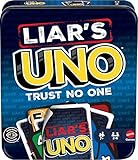
7. Mattel Games Liar’s UNO Card Game in Travel & Storage Tin for Adults, Kids, Families, Parties & Game Nights, Outwit Other Players with Bluffing & Trickery (Amazon Exclusive)
Overview:
Liar’s UNO reimagines the classic card game by adding bluffing mechanics, where players lie about cards played face-down. Packaged in a portable tin, it supports 2–10 players (ages 7+) and retains UNO’s core color/number-matching rules while introducing high-stakes deception.
What Makes It Stand Out:
The genius twist—lying about “Liar’s Cards” and risking penalty draws if challenged—transforms familiar UNO into a nerve-wracking social experiment. Colorblind-friendly symbols ensure inclusivity, and the travel tin makes it ideal for on-the-go play, distinguishing it from standard UNO variants.
Value for Money:
The Amazon-exclusive tin edition offers excellent value, combining UNO’s affordability with innovative mechanics. While slightly pricier than basic UNO, the added replayability through bluffing justifies the cost, outperforming niche bluffing games that lack universal recognition.
Strengths and Weaknesses:
Strengths: Instantly accessible to UNO veterans; clever integration of bluffing; compact travel case; inclusive design for colorblind players. Weaknesses: Bluffing element feels gimmicky in shorter games; limited depth for strategic players; “UNO!” yell requirement disrupts tension.
Bottom Line:
A fun, accessible upgrade for UNO fans seeking fresh excitement. Best for casual groups—it won’t replace dedicated bluffing games but delivers quick, inclusive fun at a smart price.
8. SAVANA Traitors Aboard - Award Winning Secret Identity Party Game - Fun, Bluffing and Betrayal | Easy to Learn, 15-Minute Round | Popular Games for 3-8 Players - Ages 10+

Overview:
Traitors Aboard casts players as pirates racing to fill a gold chest while secret “Mutineers” sabotage the mission. This 15–30 minute game for 3–8 players (ages 10+) emphasizes deduction, teamwork, and betrayal in a compact, travel-friendly package.
What Makes It Stand Out:
Its pirate-themed objective—balancing cooperative gold collection with hidden traitor mechanics—creates unique emergent storytelling. Unlike pure deduction games, the dual goals (cooperate vs. sabotage) force dynamic alliances and dramatic reveals, amplified by quick rounds and intuitive role cards.
Value for Money:
The travel-sized box packs high replayability with variable player roles and simple rules, offering better value than bulkier strategy games. At its price point, it outshines competitors like The Resistance with faster setup and broader family appeal, though component quality is modest.
Strengths and Weaknesses:
Strengths: Effortless to learn; thrilling role-switching tension; ideal for mixed-age groups; portable design. Weaknesses: Shallow strategy for veteran gamers; outcomes can feel luck-dependent; limited player count flexibility below 5.
Bottom Line:
A stellar pick for accessible, bite-sized betrayal. Perfect for family nights or parties where quick setup and maximum fun trump deep strategy—just watch your back!
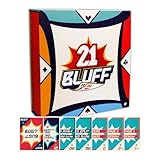
9. PLAYVIEW 21 Bluff – The Ultimate Bluffing & Strategy Card Game for Family Game Night–Fast-Paced & Hilarious Party Game – Outsmart & Outbluff to Win – Includes 4 Custom Decks & Gift Box
Overview:
21 Bluff merges blackjack’s number chase with high-stakes deception. Players aim for 21 using custom decks, bluffing about their total while using Power Cards to disrupt opponents. Designed for 2–4 players, it promises fast rounds packed with strategic twists.
What Makes It Stand Out:
The dual focus on numerical strategy (approaching 21) and social bluffing creates a uniquely layered experience. Four included decks and Power Cards (e.g., forcing reveals or stealing points) add chaotic variety, while the gift box presentation elevates it as a premium party-game staple.
Value for Money:
The bundled decks and storage box provide exceptional value, reducing long-term costs versus single-deck games. Though pricier upfront, its versatility for 2–4 players and high replayability surpass cheaper alternatives like BS!, making it ideal for frequent use.
Strengths and Weaknesses:
Strengths: Engaging blend of math and psychology; Power Cards prevent predictability; excellent gift potential; scales well for couples or small groups. Weaknesses: Too narrow for >4 players; Power Cards can unbalance games; setup fiddlier than pure card games.
Bottom Line:
A must-try for strategy-bluff hybrids. Its depth, presentation, and replayability justify the investment—especially for duos or tight-knit groups craving fresh competition.
10. Asmodee Skull Party Game - Bluffing and Strategy Game, Family Fun for Kids & Adults, Ages 13+, 3-6 Players, 30 Minute Playtime

Overview:
Skull strips bluffing to its essence: players place rose or skull tokens face-down, then bet on how many roses they can flip consecutively without hitting a skull. This minimalist game for 3–6 players (ages 13+) emphasizes psychological warfare over components.
What Makes It Stand Out:
Its stunning simplicity—just 4 tokens per player—creates profound strategic depth. The updated edition features elegant artwork and refined rules, transforming a cult classic into a tactile, suspenseful duel where reading opponents is key. No setup or luck: pure skill and nerve.
Value for Money:
As a niche strategy game, its price reflects premium components and timeless design. While costlier per minute than mass-market games, its infinite replayability and zero learning curve offer superior long-term value versus disposable bluffing titles.
Strengths and Weaknesses:
Strengths: Incredibly deep despite simple rules; intense player engagement; beautiful, durable components; perfect for competitive groups. Weaknesses: Age rating (13+) feels high given simplicity; struggles with >6 players; minimal physical “game” beyond tokens.
Bottom Line:
A masterpiece for serious bluffing enthusiasts. Not for casual crowds, but indispensable for those who cherish strategic depth and psychological tension in a sleek, enduring package.
Core Mechanics That Drive the Fun
Understanding the Bluff-Call Dynamic
The heart of any great bluffing game lies in the delicate dance between deception and detection. Games thrive when the risk of calling a bluff feels equally thrilling whether you’re right or wrong. Look for mechanics where incorrect calls carry meaningful consequences—not just point penalties, but shifts in social dynamics or narrative tension. This balance keeps players engaged, as every decision carries emotional weight beyond the scoreboard.
Hidden Information Systems Explained
Effective bluffing hinges on how information is obscured and revealed. Whether through private cards, secret roles, or concealed objectives, the best systems create layered uncertainty. Players should never feel completely in the dark but must constantly weigh probabilities. Games that use physical components like screens or app integration (without replacing human interaction) excel here, making uncertainty feel intentional rather than frustrating.
Narrative Integration Beyond Card Play
Modern bluffing games increasingly weave storytelling into mechanics. Instead of dry “I have three aces,” players craft mini-narratives that justify their moves. This transforms logical deduction into theatrical performance, where a convincing backstory matters as much as the cards themselves. Look for games where fabricating context isn’t optional—it’s the primary path to victory, ensuring even non-strategic players contribute to the hilarity.
The Psychology of Risk Assessment
Players subconsciously calculate “bluff tax”—the mental cost of deception versus potential gain. Games that dynamically adjust this calculus based on group size, player history, or in-game events prevent predictable patterns. For instance, mechanics that reward successful bluffs more heavily in larger groups or penalize consecutive deceptions keep risk assessment fresh. This psychological layer ensures no two games play identically, even with the same group.
Social Dynamics Amplifiers
Reading the Room: Non-Verbal Cues Matter
The most memorable moments often stem from physical tells—shifty eyes, nervous laughter, or overly confident posturing. Games that intentionally spotlight body language (like requiring players to maintain eye contact during challenges) amplify organic comedy. Avoid designs that bury interaction behind apps or excessive components; the magic happens when players can’t hide behind screens.
Group Size Flexibility Secrets
Not all bluffing games scale gracefully. The ideal 2026 title adapts seamlessly from intimate duos to rowdy parties of eight. Watch for modular rules: perhaps smaller groups use faster-paced deduction, while larger crowds trigger chaotic social deduction phases. Games that collapse into “talking circles” with big groups frustrate players—seek those with built-in crowd-control mechanics like timed debates or rotating speaker roles.
Inclusivity Through Accessible Deception
Great bluffing games welcome non-competitive players by emphasizing creativity over cutthroat tactics. Mechanics where “bad” bluffs still earn bonus points for entertainment value (e.g., silliest lie of the round) ensure nobody feels penalized for playing loosely. This inclusivity transforms potential tension into shared joy, making newcomers feel safe to experiment with deception.
Managing Ego and Escalating Tension
The difference between fun chaos and hurt feelings lies in how games handle failed bluffs. Designs that frame losses as collaborative storytelling opportunities (“Your bluff failed—now explain why to the group!”) redirect frustration into humor. Look for systems where even outed deceivers gain narrative control in subsequent rounds, ensuring no one sits out emotionally.
Choosing the Right Game for Your Crowd
Matching Energy Levels to Game Pacing
High-energy groups thrive on rapid-fire bluffing with short rounds, while relaxed gatherings prefer slower, narrative-driven sessions. Games with adjustable timers or optional “chill modes” (like skipping complex scoring) offer versatility. Avoid rigid structures that force a pace mismatch—your game night’s vibe should dictate the rules, not vice versa.
Time Commitment Realities for Modern Schedules
With attention spans shrinking, 2026’s top picks prioritize “laugh density per minute.” Seek games where the first bluff happens within five minutes of setup, minimizing rule explanations. Session-friendly designs include natural pause points or “quick play” variants that deliver full fun in under 30 minutes—critical for fitting game nights into packed lives.
Physical Setup and Space Constraints
Cluttered tables kill momentum. Games requiring minimal components (a single deck, small tokens) or clever storage solutions win in small apartments or café settings. Bonus points for travel-friendly designs where the box doubles as a card holder or score tracker. Remember: if setup takes longer than the first round, you’ve lost momentum before bluffing even begins.
Replayability Through Variable Setup
Avoid games where the optimal bluffing strategy becomes obvious after three plays. Seek titles with randomized roles, modular boards, or evolving objectives that reset group dynamics each session. The best 2026 designs include “legacy-lite” elements—small narrative changes based on past games—without permanent alterations, keeping groups invested long-term.
Maximizing Laughter and Longevity
Encouraging Creative Bluffing Styles
Games that reward diverse approaches—logical misdirection, absurd storytelling, or emotional manipulation—prevent repetitive play. Mechanics like “theme cards” that assign bluffing constraints (“lie using only questions”) spark innovation. This variety ensures quiet strategists and loud performers both shine, broadening your game’s appeal.
Integrating Physical Comedy Safely
The sweet spot for physical humor lies in optional, low-stakes actions—like miming a bluff’s “evidence” or wearing a silly prop when challenged. Avoid mandatory dares that might embarrass introverts. Games excelling here let players opt into physicality, turning self-conscious gestures into shared punchlines rather than cringe moments.
Post-Game Storytelling Rituals
The fun shouldn’t end when the winner is declared. Build-in features like “Bluff of the Night” voting or collaborative recap sessions (where players reconstruct the most outrageous lie) extend laughter beyond gameplay. These rituals transform individual moments into group folklore, making your next game night something everyone anticipates.
Future-Proofing Your Collection
Tech-Enhanced, Not Tech-Dependent
Apps that track hidden roles or play ambient sound can deepen immersion—but only if they’re optional. 2026’s standout games use tech as a spice, not the main ingredient. Avoid anything requiring constant screen checks; the focus must remain on human interaction. Bonus: designs with QR codes for quick rule refreshers, not mandatory play.
Sustainability in Game Design
Eco-conscious players now prioritize games with recycled components, minimal plastic, and repairable parts. Look for publishers using vegetable-based inks or offering replacement token services. A 2026 essential isn’t just fun—it’s built to last through years of enthusiastic play without harming the planet.
Frequently Asked Questions
What if I’m terrible at lying? Can I still enjoy bluffing games?
Absolutely. Many modern designs reward creative storytelling over polished deception. Some even give points for “most entertaining failure,” turning shaky bluffs into crowd favorites. You’ll often find non-verbal bluffing options (like card manipulation) where confidence matters more than verbal skill.
How do I prevent arguments when someone feels a bluff was unfair?
Choose games with clear, objective resolution mechanics—like hidden verification tokens or app-based checks—rather than pure majority vote. Establish “house rules” for disputes upfront (e.g., “the accused explains first before voting”). Most importantly, prioritize games where failed calls intentionally create funny moments, not frustration.
Are bluffing games suitable for mixed-age groups?
Yes, with careful selection. Look for family-friendly versions that replace high-stakes deception with lighthearted challenges (e.g., “convince others you’ve visited Mars”). Avoid games with complex scoring or adult themes. The best cross-generational picks use physical humor and simple premises that resonate with kids and adults alike.
Can these games work over video calls?
Some adapt surprisingly well! Prioritize titles with minimal components (single deck of cards) and clear visual cues. Use screen-sharing for central boards and encourage camera-on play to read expressions. Avoid games relying on passing physical items or whispered conversations. Test with a small group first to troubleshoot tech hiccups.
How many players is ideal for maximum fun?
Most bluffing games peak between 4-6 players—enough for diverse dynamics but not so many that turns drag. Below four, seek two-player duels with layered mechanics; above six, choose party-style games with simultaneous actions to maintain energy. Always check a game’s “sweet spot” player count before buying.
What’s the biggest mistake new players make?
Overcomplicating bluffs. Beginners often weave elaborate lies that collapse under scrutiny. Start simple: “I have two red cards” is harder to disprove than “I stole the crown from the dragon.” Remember, confidence in delivery often trumps the story itself—nervous energy sells truthfulness!
How do I keep the same group engaged long-term?
Rotate game types to prevent fatigue—alternate between deduction-heavy, storytelling-focused, and rapid-fire bluffing sessions. Many games offer free downloadable expansions or community-created variants. Most importantly, encourage players to invent house rules; a group that co-creates the experience stays invested.
Are there bluffing games without cards or tokens?
Definitely. Some rely solely on verbal challenges (“Name three lies about your job”) or physical actions (miming an object while denying its identity). These “pure” social games thrive in spontaneous settings but require strong group chemistry. Start with structured card-based games before graduating to freeform versions.
How important is theme versus mechanics?
For pure laughter, mechanics trump theme every time. A weak theme with brilliant bluffing systems (like negotiating as space cats) still delivers fun, but a strong theme with clunky mechanics feels like homework. Prioritize how the game plays—the silliest themes often shine brightest when mechanics get out of the way.
What should I look for in a 2026-era bluffing game?
Focus on adaptability: modular rules for different group sizes, eco-friendly components, and optional tech that enhances (not replaces) interaction. The best new designs also prioritize emotional safety—built-in tools to pause tension if someone feels targeted—ensuring laughter stays inclusive and joyful.
See Also
- 10 Must-Have Bluffing Games for Epic Trivia Nights in 2026
- 10 Must-Have Word Building Games for Language Lovers in 2026
- 10 Must-Have Kids Trivia Games for Learning and Laughter in 2026
- 10 Must-Have Word Building Games for Homeschooling Parents in 2026
- 10 Must-Have Adult Party Games for Wild Gatherings in 2026