Table of Contents
Tile placement games offer a uniquely satisfying blend of spatial reasoning, strategic foresight, and tactile pleasure. For two players, this genre transforms into an intimate duel of wits, where every tile laid feels like a direct challenge or countermove against your opponent. Unlike larger group games that can sometimes devolve into kingmaking or downtime, two-player tile games strip away the noise, focusing purely on the evolving puzzle you’re building together – or against each other. It’s chess-like in its directness but with the vibrant, ever-changing landscape of a mosaic coming to life between you. Finding the right one, however, requires understanding the subtle nuances that make a tile game truly shine with just two participants.
Many enthusiasts assume tile placement mechanics are inherently multiplayer-friendly, only to discover frustration when the game feels hollow, overly luck-dependent, or simply too slow with only two people. The magic lies not just in the core mechanic of placing tiles to claim territory or create patterns, but in how the rules facilitate meaningful interaction, maintain tension throughout, and offer genuine strategic depth within the constraints of a head-to-head format. As the board game landscape evolves, new designs are increasingly mindful of the two-player experience, but discerning which mechanics and structures deliver consistent, engaging duels requires specific knowledge. This guide cuts through the noise, focusing on the essential criteria for identifying tile placement games that deliver exceptional, replayable experiences for exactly two minds locked in quiet competition.
Top 10 Tile Placement Games for Two Players
Detailed Product Reviews
1. Azul Asmodee Azul Board Game - Award-Winning Tile-Placement Strategy Game, Beautiful Mosaic Art, Family Fun for Kids & Adults, Ages 8+, 2-4 Players, 30-45 Minute Playtime
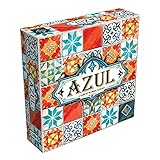
Overview: Azul is a critically acclaimed abstract strategy game where players draft vibrant, lacquered tiles to construct intricate mosaics on their personal boards, blending accessible rules with profound tactical depth for a satisfying 30-45 minute session. What Makes It Stand Out: Its stunning, tactile components inspired by Portuguese azulejos transform tile placement into an artistic experience. The elegant mechanism of drafting from shared pools creates constant player interaction and tough choices, while the simple “fill your wall” objective belies significant strategic planning for maximizing points and avoiding penalties. Value for Money: Priced competitively for its high-quality components and replayability, Azul offers exceptional value. It surpasses many family games in strategic depth without complexity, justifying its cost compared to simpler or less durable alternatives that lack its lasting appeal. Strengths and Weaknesses: Strengths: Gorgeous, durable tiles; incredibly easy to learn yet deeply strategic; highly replayable due to variable starting setups; perfect length for family or casual gaming. Weaknesses: Limited player interaction beyond indirect blocking; the luck of tile draws can occasionally frustrate; scoring can feel opaque to absolute beginners initially. Bottom Line: Azul is a near-perfect family strategy game that delivers beauty, brains, and broad appeal. Its seamless blend of accessibility and depth makes it a must-own for casual gamers and a strong contender for game night favorite.
2. Tile Lock Scrabble by Winning Moves Games USA, Innovative Gameboard Locks Tiles in Place, for 2 to 4 Players, Ages 8 and Up

Overview: Tile Lock Scrabble revitalizes the classic word game with a cleverly engineered board designed to eliminate the perennial frustration of accidentally knocked-over tiles, maintaining all the beloved word-building competition of traditional Scrabble. What Makes It Stand Out: The innovative board features small posts that securely lock each plastic tile into place, allowing players to confidently move or even lift the entire board without disturbing gameplay—solving a decades-old Scrabble pain point while preserving the core rules and scoring. Value for Money: While slightly pricier than standard Scrabble sets due to the specialized board, the premium is justified by the immense practical benefit. It offers superior durability and peace of mind compared to cardboard-based versions, making it a worthwhile investment for frequent players or families tired of tile chaos. Strengths and Weaknesses: Strengths: Revolutionary board prevents tile spills; durable plastic components; retains authentic Scrabble rules and challenge; rubber feet protect surfaces. Weaknesses: Plastic tiles and racks feel less substantial than wooden alternatives; the locking mechanism can make tile placement/removal slightly slower; purists may prefer classic aesthetics. Bottom Line: Tile Lock Scrabble is a brilliantly practical upgrade that fixes Scrabble’s biggest flaw without altering its essential charm. Highly recommended for anyone who values uninterrupted, frustration-free wordplay during game night.
3. Letter Drop! 2-Player Tile Strategy Board Game, Ages 13+. Build Letter Combinations Horizontally, Vertically, or Diagonally – Includes Game Grid, Stands, Bag, and Tiles

Overview: Letter Drop! is a fast-paced, head-to-head word strategy game where two players race to drop letter tiles into a vertical grid, aiming to be the first to spell a four-letter (or longer) word in any direction—horizontal, vertical, or diagonal. What Makes It Stand Out: Its unique “drop-and-build” mechanic creates dynamic, spatial tension as players simultaneously construct words and block opponents. The vertical grid and diagonal word possibilities add novel strategic layers absent in traditional crossword games, fostering quick, engaging duels. Value for Money: Priced accessibly, it delivers concentrated, replayable fun specifically for two players. It offers distinct gameplay compared to Scrabble or Bananagrams, justifying its cost for couples or competitive duos seeking a fresh, vocabulary-based challenge under 15 minutes. Strengths and Weaknesses: Strengths: Incredibly fast setup and playtime; innovative vertical gameplay adds spatial strategy; easy to learn but encourages deep tactical planning; compact travel-friendly design. Weaknesses: Limited to two players only; word length requirement (4+) can feel restrictive early on; relies heavily on vocabulary knowledge, potentially excluding younger players despite the 13+ age claim. Bottom Line: Letter Drop! excels as a quick, brainy two-player duel that cleverly merges word skills with spatial strategy. It’s a standout gift for word game enthusiasts craving a fresh, competitive twist.
4. A Gentle Rain – Calming Tile-Laying Puzzle Game – Mindful Solo, 2-Player, or Cooperative Play in 15 Minutes – Soft-Touch Tiles & Wooden Blossoms – Compact, Giftable, Family-Friendly Board Game
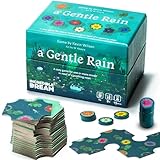
Overview: A Gentle Rain is a serene, non-competitive tile-laying puzzle game focused on mindfulness, where players collaboratively or individually arrange soft-touch tiles on a tranquil lake board, watching wooden blossoms “bloom” as they complete gentle patterns. What Makes It Stand Out: It uniquely prioritizes calm and sensory engagement over competition or scoring. The absence of points or pressure, combined with tactile components (soft tiles, wooden blossoms) and a 15-minute playtime, creates a true meditative reset—unlike almost any other game on the market. Value for Money: Its modest price reflects its niche purpose: a high-quality, screen-free mindfulness tool. While not a traditional “game,” its exceptional craftsmanship and unique stress-relieving function offer distinct value compared to standard puzzle games, especially as a thoughtful gift. Strengths and Weaknesses: Strengths: Profoundly calming and stress-relieving; beautiful, sensory-rich components; effortless to learn; perfect for solo rejuvenation or quiet connection; highly portable. Weaknesses: Lacks strategic depth or replayability for hobby gamers; too passive for those seeking challenge; very short play experience might feel insubstantial to some. Bottom Line: A Gentle Rain is a beautifully crafted antidote to high-stress gaming, ideal for mindfulness seekers or as a unique gift. It’s not for everyone, but perfect for those needing a moment of peaceful presence.
5. Asmodee Azul Duel Board Game - Competitive Head-to-Head Tile-Placement Strategy Game, Stunning Mosaic Art and Quick Gameplay for Kids & Adults, Ages 8+, 2 Players, 30-45 Minute Playtime

Overview: Azul Duel distills the acclaimed Azul experience into a tightly focused, head-to-head battle where two players compete to craft the most elegant mosaic using streamlined mechanics inspired by Chinese shadow theatre, delivering strategic intensity in 30-45 minutes. What Makes It Stand Out: It masterfully adapts Azul’s core tile-drafting for intense two-player combat, introducing asymmetric player boards and unique scoring tiles that create dynamic, high-stakes decisions. The stunning artwork and thematic depth elevate it beyond a simple port. Value for Money: Positioned as a premium two-player strategy game, its price reflects the high-quality components and exceptional design. It offers superior depth and engagement compared to many dedicated two-player games, making it a strong investment for couples or dueling strategists. Strengths and Weaknesses: Strengths: Deep, interactive head-to-head strategy; breathtaking thematic art and components; highly replayable with variable setups; maintains Azul’s accessibility while adding dueling tension; perfect playtime. Weaknesses: Asymmetry can create steep learning curves; intense focus might overwhelm casual players; limited player count excludes larger groups. Bottom Line: Azul Duel is a near-flawless two-player strategy experience that captures Azul’s magic while adding competitive fire. It’s an essential pick for fans of head-to-head tactical games seeking beauty and brains.
6. Pressman Rummikub - The Original Rummy Tile Game | Exciting Family Game of Strategy and Luck | Promotes STEM Skills | For Kids, Teens, Adults | 2-4 Players, Ages 8+
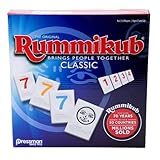
Overview: Rummikub is a timeless tile-based game where players create sets (groups or runs) of numbered tiles, aiming to be the first to play all their tiles. With over 55 million units sold, it bridges generations through accessible, strategic gameplay suitable for ages 8+. What Makes It Stand Out: Its universal appeal across ages is unmatched, fostering direct interaction without complex rules. The tactile tiles and real-time adaptability—where players continuously rework the table layout—make it highly engaging. Crucially, it subtly reinforces STEM skills like sequencing and spatial reasoning through pure play. Value for Money: At a mid-range price point, Rummikub offers exceptional longevity. The durable components and rule simplicity ensure decades of replayability, outperforming many modern board games that require frequent replacements or expansions. It’s a one-time investment for family bonding. Strengths and Weaknesses: Strengths: Incredibly easy to learn, promotes critical thinking, accommodates mixed-age groups seamlessly, and boasts near-perfect replayability. Weaknesses: Tile storage can be cumbersome, and luck plays a noticeable role early on, potentially frustrating strategic players. Bottom Line: An essential, budget-friendly family staple that delivers genuine educational value and endless fun. Highly recommended for households seeking an inclusive, screen-free activity that truly stands the test of time.
7. The Architects of Amytis | 2 Player Tile Placement Strategy Board Game | Compete to Build The Best City of Babylon for Queen Amytis | Takes Only 5 Minutes to Learn | Ages 10+ | 2 Players | 30 Min

Overview: A sleek, two-player strategy game where architects draft building tiles to construct the most impressive city for Queen Amytis. Players place tiles to form rows/columns, triggering scoring based on building types and worker placements, all within 30 minutes. What Makes It Stand Out: It masterfully blends tile drafting with tactical worker placement, enhanced by a unique “King’s Favor” mechanic (aligning three workers) that adds Tic-Tac-Toe-like tension. Variable scoring cards ensure no two games play identically, offering surprising depth for its short learning curve. Value for Money: Priced competitively for a niche two-player strategy experience, it outshines many heavier euro-games in replay value. The components are high-quality, and the strategic richness justifies the cost, especially for couples or duos seeking meaningful head-to-head competition without complexity overload. Strengths and Weaknesses: Strengths: Exceptional replayability, elegant rules, deep strategic decisions, and beautiful thematic integration. Weaknesses: Limited to two players (excluding larger groups), and the scoring can feel opaque to newcomers until mid-game. Bottom Line: A near-perfect two-player duel that’s quick to teach yet endlessly engaging. Ideal for strategy enthusiasts wanting depth without downtime—highly recommended for its innovative mechanics and lasting appeal.
8. Azul Mini Board Game - Portable Tile-Placement Fun, Strategy Game for Kids and Adults, Ages 8+, 2-4 Players, 30-45 Minute Playtime, Made by Next Move Games

Overview: Azul Mini condenses the award-winning tile-placement strategy of Azul into a compact, travel-ready box. Players draft colorful mini-tiles from a central market to fill their boards, scoring points for patterns and sets while blocking opponents—all without sacrificing core gameplay. What Makes It Stand Out: Its portability is revolutionary; the indented trays and slider-score tracker prevent tiles from shifting during transit or play. Despite smaller components, it retains Azul’s tactile satisfaction and strategic tension, making deep gameplay accessible anywhere, from airplanes to picnics. Value for Money: Slightly pricier than the standard edition due to miniaturization, but the travel convenience justifies the premium. For frequent travelers or families on the go, it’s a steal compared to bulky alternatives, offering identical strategic depth in a pocket-friendly format. Strengths and Weaknesses: Strengths: Unmatched portability, retains full Azul strategy, clever space-saving design, and quick setup. Weaknesses: Mini-tiles may frustrate those with dexterity issues, and the smaller boards feel slightly cramped during intense games. Bottom Line: The definitive travel strategy game—perfect for preserving Azul’s brilliance on the move. Highly recommended for jet-setters and families needing engaging, portable fun without compromising gameplay quality.
9. Calliope Tsuro - The Game of The Path - A Family Strategy Board Game For Adults and Kids 2-8 Players Ages 8 & Up

Overview: Tsuro is a light strategy game where players lay path tiles to guide their dragon pawns along a constantly evolving board. The goal is simple: stay on the board longer than others by extending your path while avoiding collisions or edges, accommodating up to eight players. What Makes It Stand Out: Its magic lies in near-infinite replayability—every tile placement reshapes the entire board, creating unique mazes each game. The simultaneous path-building fosters constant engagement, and scaling from 2 to 8 players makes it ideal for large gatherings without added complexity. Value for Money: An outstanding investment for group play. Few games support eight players with such simplicity and consistent fun. The durable components and quick playtime (20 mins) maximize value per session, especially for game nights or parties where inclusivity matters. Strengths and Weaknesses: Strengths: Effortlessly scales for crowds, impossible to master (always fresh), zero downtime, and visually appealing. Weaknesses: Strategy depth is lighter than euros, and elimination can feel abrupt for competitive players. Bottom Line: A must-have crowd-pleaser that transforms any space into a dynamic game night. Highly recommended for families, educators, or hosts seeking inclusive, endlessly variable fun with minimal rules.
10. Asmodee Azul Crystal Mosaic Board Game EXPANSION - Tile-Placement Strategy, Family Fun for Kids & Adults, Ages 8+, 2-4 Players, 30-45 Minute Playtime

Overview: Crystal Mosaic is an expansion for the base Azul game, introducing double-sided player boards with new scoring mechanics and plastic overlays. It enhances the core tile-placement experience without altering fundamental rules, adding strategic layers for returning players. What Makes It Stand Out: The double-sided boards offer radically different scoring—some reward mid-game actions, others emphasize end-game patterns—dramatically shifting tactics. The plastic overlays eliminate tile-sliding issues, improving gameplay flow while elevating the aesthetic with crystalline visuals. Value for Money: A modestly priced expansion that significantly refreshes Azul. For fans seeking novelty, it’s exceptional value, extending replayability for years. However, it’s useless without the base game, so newcomers should prioritize purchasing Azul first. Strengths and Weaknesses: Strengths: Deepens strategy meaningfully, solves tile-movement frustrations, stunning components, and seamless integration. Weaknesses: Not standalone (requires base game), and scoring variations may overwhelm casual players initially. Bottom Line: An essential upgrade for Azul devotees, transforming familiarity into fresh challenges. Highly recommended to revitalize your collection—just ensure you own the original game first.
Understanding Core Tile Placement Mechanics for Two Players
The Significance of Direct Interaction
In two-player tile games, passive competition often falls flat. Look for mechanics where tile placement directly impacts your opponent’s options immediately – blocking key areas, denying scoring opportunities, or forcing them into suboptimal moves. Games where you simply build your own separate tableau with minimal interference can lead to disengagement. The best two-player experiences create a constant dialogue through the board state, where every action provokes a reaction, fostering a dynamic back-and-forth that feels like a true contest rather than parallel solitaire.
Balancing Luck and Skill
While some randomness in tile draws is common, excessive luck can undermine strategic depth in head-to-head play. Evaluate how the game mitigates luck: Do drafting mechanics allow you to choose from multiple options? Is there a robust hand management system? Can you effectively plan several moves ahead despite unknown tiles? Games that offer significant player agency in navigating uncertainty – through flexible placement rules, mitigating actions, or strategic adaptation – ensure skill remains the dominant factor in determining the winner over multiple plays.
Spatial Puzzle Complexity
The physical layout of the board and tile shapes fundamentally shapes the two-player experience. Simple grids might feel too restrictive or predictable, while overly complex shapes or asymmetric boards can create confusing or unbalanced situations. Ideal two-player tile games strike a balance: the spatial puzzle should be deep enough to offer varied strategic approaches and require forward planning, yet intuitive enough that both players can quickly assess the evolving board state and potential threats. Consider whether the geometry encourages creative problem-solving without causing analysis paralysis during your turn.
Evaluating Player Interaction and Tension
Types of Conflict: Blocking vs. Scoring Focus
Tile games generate tension through different forms of conflict. Some emphasize direct blocking – physically preventing your opponent from placing tiles or scoring in key zones. Others focus on competitive scoring – where both players vie for the same high-value areas or patterns. A third category might involve indirect conflict through resource competition (like limited tile availability). For two players, a healthy mix is often ideal: enough blocking potential to create immediate tactical decisions, combined with overlapping scoring goals to maintain long-term strategic engagement throughout the entire game.
Turn Dynamics and Pacing
The rhythm of play is crucial. Games with extremely long turns where one player deliberates while the other waits can kill momentum. Conversely, overly simplistic “place and score” mechanics might feel shallow. Seek games with turn structures that keep both players mentally engaged even on their opponent’s turn – perhaps by requiring constant assessment of the board for potential threats or opportunities. Look for mechanisms like simultaneous action selection or phases where players react to each other’s placements within a round, minimizing downtime and sustaining the competitive spark.
Endgame Triggers and Climax
How a game concludes significantly impacts the two-player experience. Abrupt endings triggered by board filling can feel unsatisfying if one player has an insurmountable lead early. Games with clear, player-influenced endgame triggers (like placing a final specific tile or completing a certain objective) allow for dramatic comebacks or tense final maneuvers. The best two-player tile games build tension steadily, offering meaningful decisions right up to the last tile placement, ensuring the finale feels earned and exciting for both participants.
Assessing Replayability and Long-Term Appeal
Variable Setup and Scenarios
Replayability is paramount for any game you intend to play repeatedly with a single partner. Static starting positions quickly become memorized and predictable. Prioritize games offering significant variability: randomized initial boards, different objective cards or scoring conditions each game, modular board sections, or asymmetric player powers. This ensures that strategies must constantly adapt, preventing the game from becoming a rote exercise of memorized optimal paths and keeping each session feeling fresh and challenging.
Depth of Strategy and Learning Curve
A great two-player tile game should reveal new layers over multiple plays. Initially, the focus might be on basic placement and immediate scoring. As you master the fundamentals, deeper strategic considerations should emerge: long-term board control, anticipating opponent moves several turns ahead, manipulating the tile draw, or optimizing for endgame bonuses. Avoid games that feel “solved” after just a few plays; look for designs with sufficient complexity and interconnected systems that reward continued exploration and mastery between two dedicated players.
Scalability Within the Mechanism
While focused on two players, consider how the core tile placement system might subtly shift with repeated plays between the same opponents. Do you develop unique meta-strategies or “house rules” based on your partner’s tendencies? Does the game allow for self-handicapping or adjustable difficulty to maintain challenge as skills improve? The strongest contenders offer not just random variation, but opportunities for the relationship between the two players to influence how the game is approached over time, deepening the connection through the mechanics themselves.
Analyzing Components and Physical Experience
Tile Quality and Handling
The tactile feel matters immensely in tile placement games. Thicker, well-cut cardboard tiles that slide smoothly and sit flush on the board enhance the physical satisfaction of play. Flimsy tiles that warp, chips that feel insubstantial, or boards with weak grids that don’t hold tiles securely can distract from the mental engagement. Consider the size and weight – tiles should be easy to manipulate without feeling toy-like, and the board should be substantial enough not to shift during play, especially during intense moments of concentration.
Visual Clarity and Accessibility
With only two players intensely focused on the board, visual design is critical. Icons and scoring elements must be instantly recognizable from both sides without constant reference to a legend. Color contrast should be high enough to distinguish areas clearly, even under varied lighting. Overly busy artwork or tiny symbols can cause confusion and slow down play, breaking the strategic flow. Prioritize clean, functional aesthetics that serve the gameplay, ensuring the state of the board is always unambiguous for both participants.
Table Presence and Space Requirements
Two-player games often live on coffee tables or smaller surfaces. Assess the footprint realistically. A sprawling board requiring massive table space might be impractical for regular play. Conversely, a game that feels cramped or where tiles are constantly bumped can be frustrating. The ideal balance offers a satisfying table presence that feels substantial without being unwieldy, fitting comfortably within common two-player play environments. Consider storage solutions too – a game that’s a chore to set up or put away loses appeal quickly for frequent play.
Considering Practical Play Factors
Setup and Cleanup Time
For a game intended for regular two-player sessions, efficiency matters. Games requiring intricate setup – placing numerous tokens, shuffling multiple decks, or constructing complex initial boards – create a barrier to just “playing now.” Similarly, tedious cleanup discourages repeated plays. Favor designs with minimal, intuitive setup (often just shuffling tiles and placing the board) and cleanup that involves simply returning tiles to a bag or box. The lower the friction to start and finish, the more likely the game becomes a go-to choice.
Playtime Consistency
Be wary of advertised playtimes that don’t account for two-player dynamics. Some games scale poorly, becoming significantly longer or shorter with two people compared to the standard player count. Seek out games with playtime ranges (e.g., 25-40 minutes) that feel consistent and predictable for two players. Unpredictable runtimes, especially games that can drag on due to analysis paralysis in head-to-head mode, can make scheduling sessions difficult and lead to frustration if one game overruns expectations repeatedly.
Rules Simplicity vs. Strategic Depth
The ideal two-player tile game presents rules that are easy to grasp initially but reveal significant depth upon repeated plays. Avoid games requiring extensive rulebook consultation for basic actions or laden with numerous exceptions right from the start. A smooth learning curve allows you to focus on the strategic duel immediately, rather than deciphering mechanics. The rules should facilitate the interaction, not obscure it. Complexity should emerge from the interplay of simple rules on the dynamic board, not from convoluted procedural steps.
Future-Proofing Your Choice for 2026 and Beyond
Design Philosophy and Innovation Trends
Look beyond the current hype. Consider the underlying design philosophy. Games built on robust, timeless spatial reasoning mechanics (like pattern building, area control, or connection puzzles) tend to age better than those overly reliant on fleeting pop-culture themes or gimmicks. Observe emerging trends in the genre: increased focus on player agency to mitigate luck, more elegant two-player modes designed from the ground up (not just tacked on), and cleaner rule sets. Prioritize titles demonstrating thoughtful evolution of core tile concepts rather than novelty for novelty’s sake.
Community Longevity and Support
While avoiding specific titles, consider the strength of the type of game you’re choosing. Genres with active communities often indicate longevity – through player-created variants, online discussion of strategies, or sustained interest in tournaments (even casual ones). Games that spark deep strategic discussion and theorycrafting between players are more likely to remain engaging years later. Check if the publisher has a track record of supporting their games with clarifications or minor expansions that enhance (not overhaul) the core two-player experience.
Personal Resonance and Shared Experience
Ultimately, the “best” game is the one you and your regular partner will actually play and enjoy together. Reflect on your shared preferences: Do you crave intense, cutthroat competition or a more relaxed, cooperative puzzle-solving vibe? Do you prefer abstract purity or a light thematic veneer? Does your partner enjoy high analysis or prefer faster, more intuitive play? The most technically perfect game won’t succeed if it doesn’t align with the dynamic and enjoyment goals of your specific two-player partnership. Choose for shared fun, not just critical acclaim.
Frequently Asked Questions
Frequently Asked Questions
What makes a tile game specifically good for two players compared to more? Games excel with two players when mechanics foster direct interaction, minimize downtime, maintain consistent tension, and offer strategic depth without relying on multi-player dynamics like kingmaking or complex alliances. The board state should feel dynamic and responsive to each player’s moves.
How important is the physical quality of the tiles for the gameplay experience? Very important. High-quality, well-cut tiles that are easy to handle and sit securely on the board enhance tactile satisfaction and prevent frustration. Poor quality can distract from strategic thinking and make setup/cleanup a chore, reducing replayability.
Can tile placement games avoid being too luck-dependent for serious two-player competition? Yes. Look for games incorporating strong player agency through mechanisms like tile drafting (choosing from a selection), hand management, or flexible placement rules that allow mitigation of random draws. Skill should consistently outweigh luck over multiple plays.
What’s the biggest red flag for a two-player tile game that might seem good at first glance? A common pitfall is “multiplayer solitaire” – where players build mostly independently with minimal meaningful interaction. If your opponent’s moves rarely force you to change your strategy, the game lacks the essential competitive dialogue needed for engaging two-player play.
How can I tell if a tile game has good replayability before buying it? Examine the components: Does it include variable setup options, different scoring objectives, modular boards, or numerous unique tiles enabling diverse configurations? Read rule summaries to see if core strategies shift significantly based on starting conditions or random elements.
Is a longer playtime always better for strategic depth in two-player tile games? Not necessarily. Some of the deepest strategic duels are remarkably concise (20-40 minutes). Focus on whether the game maintains meaningful decisions throughout its duration without dragging. Long playtimes often stem from downtime or analysis paralysis, not inherent depth.
Should I prioritize abstract tile games or those with a strong theme for two players? This is purely personal preference. Abstracts often emphasize pure spatial strategy, while thematic games can enhance immersion. Ensure the theme supports the mechanics rather than complicating them. For two players, clarity of rules and board state usually trumps heavy theme.
How do I handle significant skill differences between two players in competitive tile games? Look for games offering built-in balancing: adjustable starting conditions, optional handicaps, or variable player powers. Some games naturally allow stronger players to “give” advantages (like extra points or tiles). Avoid games where a single early mistake is utterly crippling.
Why do some popular tile games feel flat or uninteresting with only two people? Many tile games are designed primarily for 3-4 players, where mechanics like tile scarcity or indirect competition work well. With two players, these can lead to excessive tile availability (reducing tension), lack of board pressure, or pacing issues that weren’t apparent in the intended player count.
What single feature should I prioritize above all else when choosing a two-player tile game? Meaningful player interaction. Every tile placement should feel like it impacts the opponent’s options or strategy in a tangible way, creating that essential back-and-forth dialogue that defines a compelling head-to-head contest. Without this, even beautiful components and clever mechanics fall flat.
See Also
- How to Choose the 10 Best Tile Placement Games for Long Play Sessions in 2026
- How to Choose the 10 Best Tile Placement Games for Kids in 2026
- The 10 Ultimate Best Tile Placement Games for Competitive Players in 2026
- 10 Top-Rated Tile Placement Games According to Experts in 2026
- 10 Must-Have Abstract Board Games for Tile Placement Masters in 2026