Table of Contents
Choosing the perfect two-player board game feels like searching for a needle in a haystack, especially when you crave something that won’t end up buried in the closet after three plays. We’ve all been there: lured by stunning artwork or a clever theme, only to discover the gameplay loop grows stale faster than yesterday’s bread. For couples, partners, or dedicated gaming duos, this isn’t just frustrating—it’s a waste of precious time and money. The real magic lies not in the initial spark of novelty, but in the enduring flame of replayability, the quality that transforms a simple game night into a cherished, evolving ritual you return to year after year. As we move into 2026, the market is flooded with options, making it harder than ever to distinguish fleeting gimmicks from genuine long-term companions.
True replayability in two-player games is an art form, demanding a delicate balance of strategy, variability, and engagement that keeps both players consistently challenged and delighted. Unlike larger group games where player dynamics naturally shift, two-player contests rely entirely on the game’s internal mechanics to prevent predictability and boredom. It’s about depth that unfolds over dozens of plays, not just a shiny surface. This guide cuts through the noise, focusing on the essential, timeless principles that signal a game will stand the test of time in your collection. Forget fleeting trends or hyped releases; we’re diving deep into the structural elements that guarantee your investment delivers countless satisfying evenings, ensuring your gaming table remains a vibrant hub of connection and competition for years to come.
Top 10 Two-Player Board Games for Replayability
Detailed Product Reviews
1. Everdell Duo – 2-Player Standalone Board Game with Competitive, Co-Op & Campaign Modes – Strategy Game with Woodland Theme, Ages 10+, Fast 30-Minute Gameplay

Overview: Everdell Duo delivers a streamlined, standalone experience for 1–2 players, capturing the charm of the acclaimed Everdell universe within a compact 30-minute session. It eliminates the need for the base game while retaining thematic depth through its woodland setting.
What Makes It Stand Out: Its versatility shines with three distinct modes: competitive, full co-op, and a 15-chapter campaign. Innovative mechanics like sun/moon tokens and shifting meadow rules inject fresh strategic layers into the familiar worker-placement framework, ensuring dynamic decisions every round.
Value for Money: Priced competitively for a niche 2-player strategy game, it offers exceptional replayability through its multiple modes and rich components (130+ pieces). It surpasses pricier base games by focusing exclusively on intimate, high-quality duels without bloat.
Strengths and Weaknesses: Strengths: Remarkable mode variety; intuitive yet deep strategy; lush, thematic components. Weaknesses: Campaign mode requires meticulous tracking; co-op rules feel slightly tacked-on compared to competitive depth.
Bottom Line: A near-perfect package for dueling strategists, Everdell Duo justifies its cost with versatility, elegance, and consistent engagement—essential for 2-player board game libraries.
2. Splendor Duel Board Game - Two-Player Strategy Game for Intense Gem Collecting Battles - Fun Family Game for Kids and Adults, Ages 10+, 2 Players, 30 Minute Playtime, Made by Space Cowboys
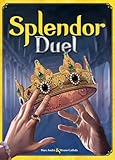
Overview: Splendor Duel distills the beloved gem-collecting franchise into a razor-sharp 2-player battle, where rivals race to amass prestige points through strategic card acquisition and tactical resource management in 30 minutes.
What Makes It Stand Out: The duel-exclusive mechanics heighten tension: players block opponents’ gem access while racing for nobles, creating direct, satisfying conflict absent in the original. Its compact design belies high-quality gem tokens and cards that enhance tactile immersion.
Value for Money: Offers significant value as a dedicated 2-player experience, avoiding the wasted components of the 4-player base game. At its price point, it’s more focused and replayable than alternatives like The Fox in the Forest, though component depth is modest.
Strengths and Weaknesses: Strengths: Tight, interactive gameplay; accessible rules with strategic depth; portable and travel-friendly. Weaknesses: Limited long-term variability; nobles can feel overly decisive in close matches.
Bottom Line: An ideal gateway for competitive 2-player strategy—sleek, engaging, and universally appealing. Highly recommended for couples or families seeking quick, brain-burning clashes.
3. Scorpion Masqué Sky Team | Voted Game of The Year 2024 | Best 2 Player Game | Work Together to Land The Plane | Ages 14+ | 20 Minutes

Overview: Sky Team transforms 2-player collaboration into a pulse-pounding cooperative challenge where partners jointly pilot a plane through critical landing sequences, blending dice-driven decisions with intense communication under pressure.
What Makes It Stand Out: Unique real-time tension arises from asymmetric roles: one player manages speed/altitude via dice, while the other handles systems like brakes and flaps. Optional modules (e.g., kerosene leaks) and 20 global airport scenarios add staggering replayability to its 20-minute runtime.
Value for Money: Justifies its cost through sheer innovation and components (custom dice, cockpit board, coffee mug). It outvalues pricier co-ops by delivering a consistently fresh, cinematic experience with near-infinite scenario combinations.
Strengths and Weaknesses: Strengths: Unmatched cooperative synergy; brilliant tension management; modules deepen complexity elegantly. Weaknesses: High difficulty curve may frustrate new players; dice luck occasionally overshadows strategy.
Bottom Line: A masterpiece of cooperative design—thrilling, inventive, and deserving of its Game of the Year title. A must-buy for duos craving shared triumphs.
4. CGE Codenames: Duet Board Game (2nd Edition) The Top Secret Cooperative Word Association Game for Two Players & Couples Game Nights
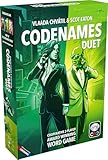
Overview: Codenames: Duet reimagines the party classic as a tightly woven cooperative word-association duel where partners jointly navigate a 5x5 grid to uncover 15 agents while avoiding deadly assassins through clever, shared clue-giving.
What Makes It Stand Out: Its genius lies in asymmetric information: each player sees only half the key card, demanding precise communication and trust. The 400 new words (compatible with original Codenames) and instant-assassin mechanic amplify risk and replayability within 15-minute sessions.
Value for Money: An exceptional investment for couples or word-game fans—doubling as a couples’ night staple and a Codenames expansion. It surpasses solo apps with physical components that foster genuine connection at a fraction of comparable co-op prices.
Strengths and Weaknesses: Strengths: Deepens partnership communication; lightning-fast setup; high replay value with varied word sets. Weaknesses: Can feel repetitive after 20+ games; clue ambiguity sometimes frustrates.
Bottom Line: The definitive 2-player word game—intellectually stimulating and emotionally rewarding. Perfect for date nights or quick mental workouts.
5. Onitama Board Game, 2 players

Overview: Onitama presents a distilled abstract duel for two, where players maneuver master and student pawns across a 5x5 board using a shared deck of movement cards, blending perfect information with dynamic tactical shifts in under 20 minutes.
What Makes It Stand Out: Its shared card system creates constant strategic pivots: after using a card, you pass it to your opponent, reshaping both players’ options. Dual victory conditions (capture or temple entry) encourage creative feints and long-term planning reminiscent of chess.
Value for Money: Offers immense depth for its modest price, with premium wooden pieces and a durable board. It outperforms bulkier abstracts like Hive in elegance and portability, making it ideal for travel or casual study.
Strengths and Weaknesses: Strengths: Exquisite simplicity; profound replayability via card combos; visually intuitive. Weaknesses: Limited thematic engagement; steep learning curve for non-strategy fans.
Bottom Line: A timeless, travel-sized gem for abstract strategy lovers—a cerebral, endlessly replayable duel that’s easy to learn but master for life. Highly recommended.
6. Asmodee Ticket to Ride Board Game (2025 Refresh) - A Cross-Country Train Adventure for Friends and Family, Strategy Game for Kids & Adults, Ages 8+, 2-5 Players, 30-60 Minute Playtime

Overview: The 2025 refresh of Asmodee’s Ticket to Ride delivers a timeless cross-country train adventure where players collect cards to claim railway routes across North America. Designed for ages 8+, it seamlessly bridges family and strategy gaming with intuitive mechanics.
What Makes It Stand Out: Its genius lies in effortless accessibility—rules digestible in minutes—paired with strategic depth through ticket completion and route blocking. The refreshed components, including vibrant miniature trains and a detailed map, enhance immersion without complicating gameplay. Multiple victory paths (longest route, ticket fulfillment) ensure dynamic, replayable sessions.
Value for Money: Priced competitively against family games, it outshines alternatives with exceptional longevity. While expansions exist, the base game offers 30-60 minutes of robust fun for 2-5 players, making it a smarter investment than niche strategy titles requiring larger groups.
Strengths and Weaknesses: Strengths: Universally appealing rules, stunning visual presentation, and near-perfect balance for mixed-age groups. Weaknesses: Route competition can feel punitive for young children, and the North American map limits geographical variety compared to expansion packs.
Bottom Line: An essential, brilliantly executed gateway game that earns its classic status—ideal for family nights and newcomers seeking engaging, non-confrontational strategy.
7. PARTNERS Duo | 1st USA Edition | A 1vs1 Strategy Game | Perfect 2 Player Board Game for Game Night with Friends, Family, Adults, Significant Others, Teens, All Ages

Overview: PARTNERS Duo is a fast-paced 1v1 strategy race where players maneuver pawns around a board using cards, aiming to slot all pieces into their finish zone while sabotaging opponents. Tailored for two players, it thrives on direct confrontation.
What Makes It Stand Out: The mandatory card swap at each round’s start injects brilliant psychological tension—forcing players to anticipate and counter opponents’ moves. Blocking, swapping, and pawn-knocking mechanics create constant twists, transforming simple movement into a high-stakes battle of wits within its 30-45 minute runtime.
Value for Money: At its price point, it delivers exceptional 2-player focus rarely matched by duel-specific games. While lacking components for solo play, the included boards, pawns, and cards justify cost for couples or competitive pairs seeking accessible head-to-head action.
Strengths and Weaknesses: Strengths: Lightning-fast setup, deeply interactive sabotage, and universal age appeal. Weaknesses: High luck dependency on card draws can overshadow strategy, and replayability wanes after mastering core tactics.
Bottom Line: A thrilling, easy-to-learn duel perfect for date nights or competitive siblings—though strategy purists may crave more depth.
8. Asmodee Azul Duel Board Game - Competitive Head-to-Head Tile-Placement Strategy Game, Stunning Mosaic Art and Quick Gameplay for Kids & Adults, Ages 8+, 2 Players, 30-45 Minute Playtime

Overview: Azul Duel distills the acclaimed Azul series into a razor-sharp two-player tile-placement battle, where opponents craft mosaics to outscore each other. Its streamlined rules and cultural artistry make it a standout for strategic duos.
What Makes It Stand Out: The Chinese shadow theatre-inspired artwork transforms tiles into visual poetry, while variable setups and three distinct scoring tracks (mosaic, display, reserve) ensure no two matches feel identical. Tense, simultaneous decision-making keeps both players engaged throughout its brisk 30-45 minute duration.
Value for Money: Premium components (thick tiles, elegant board) validate its cost, especially compared to bulkier strategy games. Though pricier than card-only duels, its heirloom-quality build and infinite replayability offer superior long-term value.
Strengths and Weaknesses: Strengths: Exquisite aesthetics, perfectly balanced mechanics, and educational spatial reasoning practice. Weaknesses: Minimal theme integration and potential analysis paralysis for new players during late-game turns.
Bottom Line: A masterclass in minimalist design—a must-own for couples or strategists craving beautiful, brain-burning head-to-head competition.
9. Gamewright - Forbidden Island - Cooperative Strategy Survival Board Game, 2-4 Players
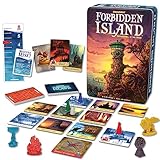
Overview: In this cooperative adventure by Matt Leacock, players team up as explorers racing to retrieve sacred treasures from a sinking island before it vanishes. Designed for ages 10+, it emphasizes teamwork over competition.
What Makes It Stand Out: Its brilliant cooperative tension—where players share information but must strategize under time pressure—fosters genuine collaboration. The modular island board and adjustable difficulty create varied challenges, while vibrant art immerses players in a race against rising tides.
Value for Money: Exceptional for its niche; few family co-ops deliver such polished teamwork dynamics at this price. Outshines luck-heavy alternatives by prioritizing communication and planning, making it a cornerstone for game nights focused on unity.
Strengths and Weaknesses: Strengths: Builds critical thinking and empathy, scalable difficulty, and inclusive play for 2-4. Weaknesses: Can become predictable after repeated plays, and the “sinking” mechanic occasionally feels punishing for younger kids.
Bottom Line: A foundational cooperative experience that transforms game night into a shared victory—highly recommended for families valuing collaboration over competition.
10. Asmodee 7 Wonders Duel Board Game BASE GAME - Intense Two-Player Battles in the Ancient World, Strategy Game for Kids and Adults, Ages 10+, 2 Players, 30 Minute Playtime

Overview: 7 Wonders Duel condenses civilization-building into a fierce 30-minute head-to-head contest where players draft cards to develop scientific, military, or cultural supremacy across seven wonders.
What Makes It Stand Out: Three distinct victory paths (military conquest, scientific dominance, or point accumulation) create layered strategy, while the clever card-drafting “wonder wheel” ensures constant tactical pivots. Its speed belies remarkable depth, with expansions adding further longevity.
Value for Money: A premium investment for dedicated 2-player strategy fans. Though costlier than light card games, its replayability—fueled by multiple win conditions and expansions—surpasses most duel-focused titles, offering immense strategic variety per session.
Strengths and Weaknesses: Strengths: Deep yet accessible decision-making, rapid setup, and satisfying strategic diversity. Weaknesses: Steeper learning curve than entry-level duels, and military victories can feel abrupt or luck-influenced.
Bottom Line: An elite duel experience where every minute counts—a non-negotiable addition for strategy enthusiasts seeking compact, cerebral competition.
Understanding the Core of Replayability
Replayability isn’t just a buzzword; it’s the fundamental measure of a game’s longevity and value, especially in the two-player arena where external variables are minimal. It signifies the game’s ability to offer fresh, engaging, and strategically distinct experiences every single time you set it up. This goes far beyond simply having different components; it’s about the interplay of mechanics creating emergent scenarios that demand new approaches and keep both players mentally invested. Recognizing what truly drives this quality is the first step toward making a purchase you won’t regret.
Defining Meaningful Replay Value
Meaningful replay value transcends cosmetic changes. It occurs when the core gameplay loop generates significantly different strategic landscapes and decision trees with each playthrough. This means the choices you make feel impactful, the path to victory is rarely identical, and mastering the game requires adapting to novel situations, not just memorizing optimal moves. A game with high replay value invites analysis and discussion long after the board is cleared, fostering a deeper understanding over time.
Why Two-Player Games Face Unique Challenges
Two-player games operate in a constrained environment. With only two minds shaping the game state, patterns can emerge quickly, and dominant strategies might become apparent after just a few plays. There’s no third or fourth player to introduce unpredictable chaos or shift alliances. Therefore, the game’s internal systems must be exceptionally robust, incorporating strong elements of variability, asymmetry, or hidden information to counteract the inherent predictability of a fixed player count. The burden of generating novelty falls entirely on the game’s design.
The Pitfall of Superficial Variety
Many games offer superficial variety through random setups or modular boards, but this alone isn’t enough for true long-term replayability. If the underlying strategic puzzle remains fundamentally solvable or repetitive once the initial randomness is understood, the game will stagnate. Deep replayability requires that the variability meaningfully alters the strategic calculus, forcing players to reassess priorities and develop entirely new tactics, not just navigate a slightly different map layout.
Essential Gameplay Mechanics for Endurance
The heart of long-lasting replayability lies in the game’s mechanical structure. Certain types of mechanics inherently foster deeper strategic exploration and resistance to solvability, making them crucial indicators when evaluating a two-player game for your collection. These mechanics create the framework within which countless unique contests can unfold.
Asymmetry: Driving Divergent Strategies
Asymmetrical player powers, starting positions, or objectives are powerful engines for replayability. When each player has fundamentally different capabilities, resources, or paths to victory, every match becomes a unique puzzle. Learning how to leverage your unique strengths against your opponent’s equally distinct toolkit requires constant adaptation. This dynamic prevents stalemates based on mirrored strategies and ensures no two games play out identically, as the core interaction hinges on the specific asymmetry in play.
Variable Player Powers and Objectives
Beyond initial asymmetry, games that introduce variable player powers or hidden/public objectives that change with each session add immense depth. Drawing different powers or pursuing shifting goals means players must constantly reassess their strategy based on what they have this time and what they suspect their opponent might be aiming for. This layer of uncertainty and adaptation keeps the strategic landscape fluid and prevents the game from settling into predictable patterns.
Hidden Information and Bluffing Elements
Incorporating hidden information—such as secret objectives, concealed hands of cards, or hidden movement—introduces vital psychological depth. Players must make decisions based on incomplete knowledge, interpreting clues, managing risk, and potentially bluffing or misdirecting their opponent. This element combats solvability by making perfect information impossible, ensuring that skill involves deduction and reading your opponent as much as pure tactical execution, leading to vastly different experiences based on the information players reveal (or conceal).
Dynamic Board States and Modular Components
Games featuring modular boards, tile-laying mechanisms, or setups that significantly alter the physical play area create inherent variety. However, for this to drive true replayability, the changing layout must meaningfully impact strategy and tactics—not just provide a new visual. The best implementations ensure that different configurations create distinct strategic challenges (e.g., chokepoints, resource distributions, connection opportunities) that require players to fundamentally rethink their approach each time.
Depth Over Complexity: The Solvability Threshold
Crucially, replayability stems from depth, not just complexity. A game can be rules-heavy but shallow if optimal strategies become obvious after limited plays (low solvability threshold). True depth means the game presents a vast array of meaningful decisions with non-obvious solutions, where mastery is a long-term journey. Look for games where even experienced players discover new nuances and strategies after dozens of plays, indicating a high solvability threshold and strong long-term potential.
Evaluating Components and Physical Design
While mechanics are king, the physical components and how they facilitate gameplay significantly impact the longevity and enjoyment of a two-player experience. Well-designed components aren’t just about aesthetics; they directly influence setup time, ease of play, and the tactile satisfaction that keeps you wanting to return to the table.
Component Quality and Longevity
Durable components are non-negotiable for replayability. Flimsy cards that warp, thin cardboard tokens that bend, or miniatures that break easily will frustrate you after just a few plays. High-quality, thick cardstock, sturdy board materials, and resilient tokens ensure the game withstands repeated use without degrading. This physical resilience is essential for a game you intend to play hundreds of times—it shouldn’t fall apart before it gets boring.
Setup and Takedown Efficiency
A game burdened by a lengthy, fiddly setup process becomes a chore to play regularly. For two-player games aiming for frequent sessions, quick and intuitive setup is a major factor in replayability. Look for games with organized component trays, clear setup diagrams, and minimal fiddly placement. Similarly, efficient takedown—where components nest neatly or have logical storage—removes a significant barrier to just “playing one more game” spontaneously.
Visual Clarity and Information Accessibility
The game state must be instantly comprehensible. Clear iconography, intuitive spatial organization on the board, and well-designed player aids prevent constant rulebook referencing and reduce cognitive load. When you can glance at the board and immediately grasp the critical information (resources, positions, threats), you spend more time engaged in strategic thinking and less time deciphering the setup. This clarity reduces fatigue and makes repeated plays more enjoyable.
Assessing Player Experience and Interaction
Replayability isn’t just about the game’s structure; it’s deeply tied to how it feels to play. The nature of player interaction, the emotional journey of a session, and the balance of luck versus skill all contribute to whether you’ll eagerly reset the board or feel drained after a single match.
Balanced Interaction: Conflict Without Frustration
Two-player games often involve direct conflict, but the quality of that interaction is paramount. Look for mechanics that foster meaningful competition—blocking, resource competition, tactical maneuvering—without creating excessive “take-that” moments that feel punishing or lead to runaway leaders. Games where setbacks feel like a consequence of strategic choices (yours or your opponent’s) rather than arbitrary spite are far more satisfying to replay. The interaction should feel engaging and challenging, not demoralizing.
Managing Luck and Variance
While some randomness (like card draws or dice rolls) can enhance variety, excessive luck can undermine replayability by making skill feel irrelevant. Games where the outcome is heavily dictated by a single unlucky roll or bad draw become frustrating to master and replay. Seek games where luck introduces interesting challenges or variability but where player skill in mitigation, adaptation, and probability management ultimately determines victory more consistently over multiple plays.
Emotional Arc and Session Satisfaction
Consider the emotional journey of a typical game. Does it build tension effectively? Does it offer moments of triumph and near-misses? Does the conclusion feel earned and satisfying, regardless of who wins? Games that provide a consistently positive emotional experience—a sense of accomplishment, exciting comebacks, or clever plays—create a powerful pull to return. A game that leaves players consistently feeling frustrated, bored, or cheated will be abandoned quickly, no matter how “deep” the mechanics seem on paper.
Ideal Playtime for Repeated Engagement
Playtime significantly impacts replayability potential. Extremely long games (90+ minutes) are harder to fit into regular schedules, limiting how often you can play. Conversely, ultra-short games (under 20 minutes) might lack the strategic depth needed for long-term engagement. For sustained replayability in a two-player context, games in the 30-60 minute range often hit the sweet spot—long enough for meaningful strategy to develop, short enough to play multiple times in an evening or fit into a busy schedule, making frequent play feasible.
Future-Proofing Your Choice for 2026 and Beyond
The board game landscape evolves, but certain principles of enduring design remain constant. Choosing a game with genuine replayability means looking beyond 2026 hype cycles to focus on timeless design elements that have proven their staying power across decades of gaming.
Timeless Design Over Trendy Mechanics
While new mechanics emerge, games built on strong, fundamental principles of strategy, asymmetry, and variable setup tend to age far better than those reliant solely on the latest fad. A well-executed classic mechanic like area control or set collection, implemented with deep interaction and variability, often offers more lasting appeal than a novel but shallow gimmick. Prioritize solid, proven design frameworks executed exceptionally well.
Community Support and Potential for Expansions
While avoiding specific products, consider the type of game that often garners strong community support. Games with active player bases frequently spawn fan-made variants, online analysis, and discussion that breathe new life into the core experience long after release. Similarly, games designed with logical expansion paths (though evaluate the base game first!) can extend longevity, but only if the core is exceptionally strong on its own. Don’t rely on future expansions to fix a weak base game.
Your Personal Playstyle Alignment
Ultimately, replayability is subjective. A game perfectly designed for competitive, cutthroat strategy might feel joyless to players who prefer cooperative tension or lighthearted negotiation. Honestly assess your and your partner’s preferred playstyle: Do you enjoy intense conflict or collaborative problem-solving within the competition? Do you prefer quick decisions or deep, thinky turns? Choosing a game that resonates with your core enjoyment drivers is the single biggest factor in ensuring you will want to play it repeatedly, regardless of its objective design merits.
Frequently Asked Questions
Frequently Asked Questions
How can I tell if a game has enough depth before buying it? Look for detailed strategy discussions in experienced player reviews, not just first impressions. Games with high replay value spark ongoing analysis about different approaches, counter-strategies, and edge cases, indicating a deep decision space that takes time to master.
Does a higher player count range (like 1-4 players) hurt two-player replayability? It can, as games designed primarily for larger groups often feel thin or unbalanced when scaled down to two. Prioritize games explicitly designed for two players or with a dedicated, well-reviewed two-player mode, as their mechanics are optimized for that specific dynamic.
Are cooperative two-player games less replayable than competitive ones? Not inherently. Cooperative games with variable setups, modular scenarios, and hidden traitor mechanics (or asymmetric roles) can offer immense replayability. The key is meaningful variability and challenging decisions, regardless of competitive structure.
How important is theme to replayability in two-player games? Theme primarily enhances immersion; it rarely creates replayability. A weak theme won’t save shallow mechanics, but a strong theme can make engaging mechanics even more enjoyable. Focus first on the mechanical depth and variability—the core drivers of replay value.
What’s the biggest red flag for poor replayability in two-player games? Predictable outcomes after 3-5 plays, where the same strategy consistently wins or the game feels “solved.” Also, excessive reliance on luck without skill-based mitigation, or a lack of meaningful player interaction leading to parallel play.
Can a game with perfect information (no hidden cards/dice) still have high replayability? Absolutely. Abstract strategy games like Chess or Go are the ultimate proof. Deep tactical and strategic possibilities emerging from simple rules and perfect information create near-infinite replay value through the complexity of player decisions alone.
Should I prioritize newer 2026 releases for the best replayability? Not necessarily. Many newer games haven’t stood the test of time. Look for newer titles with proven mechanics executed exceptionally well, or consider highly-regarded classics known for enduring appeal. Novelty doesn’t guarantee longevity.
How does player skill disparity affect replayability? Significant skill gaps can hinder enjoyment. Look for games with catch-up mechanics, scalable difficulty, or asymmetric powers that allow less experienced players to compete meaningfully. A game where one player consistently wins due to skill difference loses appeal quickly.
Is a solo mode relevant for evaluating two-player replayability? Generally, no. A strong solo mode is a bonus feature, but it doesn’t impact the core two-player experience. Focus solely on how the two-player mechanics foster variety and depth when played head-to-head.
What’s the ideal number of plays to determine if a game has true replayability? Give it at least 5-10 plays with the same partner. Initial novelty can mask shallowness. If you’re still discovering new strategies, feeling challenged, and wanting to play more after this point, it’s a strong sign of genuine replay value.
See Also
- How to Choose the 10 Best Two-Player Board Games for Long Haul Flights in 2026
- 10 Tips for Finding the Perfect Two-Player Board Games in 2026
- How to Master Two-Player Board Games and Elevate Your Date Night in 2026
- The 10 Ultimate Best Two-Player Board Games for Game Enthusiasts in 2026
- 10 Two-Player Board Games That Solve ‘What Should We Play?’ in 2026