Table of Contents
Picture this: the room buzzes with laughter, cards flutter through the air, and someone just dramatically flipped the entire deck in mock outrage. It’s not about winning or losing—it’s about the shared chaos, the inside jokes born from ridiculous moments, and the pure, unscripted joy of connecting face-to-face. In our hyper-digital world, party card games are having a renaissance, offering a refreshingly analog escape that screens simply can’t replicate. They’re the ultimate social glue, turning strangers into friends and quiet gatherings into unforgettable memories with nothing more than a deck (or two) in hand.
But let’s be real—navigating the ever-expanding universe of card games in 2026 can feel overwhelming. What worked for your college game nights might flop with your book club, and that viral hit from three years ago? It might feel stale next to newer mechanics designed for today’s diverse groups. Choosing the right game isn’t just about grabbing the shiniest box; it’s about understanding your crowd, the vibe you want to create, and the subtle art of matching a game’s rhythm to your party’s unique energy. Forget outdated lists—this guide cuts through the noise to give you the timeless, adaptable framework you need to pick a winner, every single time.
Top 10 Card Games
Detailed Product Reviews
1. USAOPOLY Flip 7, The Ultimate Blend of Press Your Luck & Strategy, Fast-Paced Addictive Card Game,Quick to Learn & Easy to Teach,Perfect for Game Nights, 3+ Players, Ages 8 & Up, 20 Minutes Play Time

Overview: Flip 7 is a dynamic press-your-luck card game where players strategically reveal numbered cards without duplicating values, aiming to hit 200 points first. Its unique deck structure and quick 20-minute playtime make it ideal for lively game nights with 3+ players aged 8 and up.
What Makes It Stand Out: The ingeniously designed deck—featuring decreasing multiples (twelve 12s, eleven 11s, etc.)—creates inherent tension as high-value cards become rarer. Action cards like Flip Three, Freeze, and Second Chance introduce thrilling strategic pivots, transforming simple card reveals into high-stakes decisions that balance risk and reward exceptionally well.
Value for Money: Priced competitively for its replayability, Flip 7 surpasses generic card games by offering deep strategic layers without complexity. The durable components and 200-point scoring system provide far more engagement than similar-priced luck-based games, making it a standout investment for frequent game nights.
Strengths and Weaknesses: Strengths: Exceptionally fast setup; intuitive rules; brilliant deck mechanics that prevent predictability; action cards keep all players invested. Weaknesses: High randomness in card draws may frustrate strategy-focused players; limited player interaction beyond indirect competition.
Bottom Line: Flip 7 delivers addictive, high-energy fun with clever mechanics that elevate press-your-luck gameplay. Its perfect blend of simplicity and tension makes it a must-buy for families and casual gamers seeking a fresh, replayable game night staple. Highly recommended.
2. Play Nine The Card Game of Golf

Overview: Play Nine reimagines golf as a swift card game where players aim for the lowest score, mirroring real golf’s scoring. Dealt eight cards, participants draw, discard, or trade to minimize their hand’s value across nine “holes,” targeting family-friendly fun for ages 8+ in short sessions.
What Makes It Stand Out: The golf-inspired scoring twist—where low totals win—is refreshingly unique among card games. Simple turn structure (draw/discard/swap) ensures effortless learning, while the nine-round format creates natural pacing. Its clever adaptation of golf strategy to cards makes it accessible yet subtly tactical.
Value for Money: An affordable, compact option that outperforms generic card decks for family entertainment. While lacking complex strategy, it justifies its price through pure accessibility and universal appeal—especially compared to pricier board games that require lengthy setups.
Strengths and Weaknesses: Strengths: Incredibly easy to teach; perfect for mixed-age groups; portable; golf theme adds novelty. Weaknesses: Minimal strategic depth; repetitive after extended play; limited player interaction reduces engagement.
Bottom Line: Play Nine excels as a lightweight, inclusive game for casual gatherings or teaching kids basic strategy. Though not for hardcore gamers, its simplicity and golf hook make it a worthwhile addition to family game rotations. Recommended for stress-free fun.
3. Bicycle Rider Back Playing Cards, Standard Poker Size Deck of Cards, Red & Blue (2 Pack), Classic Cards for Poker, Blackjack, Family Game Night & Card Games, Fun for All Ages

Overview: This trusted 2-pack of Bicycle Rider Back cards delivers professional-grade quality for poker, blackjack, or family games. Featuring the iconic red and blue decks with Air Cushion Finish, it’s engineered for durability and smooth handling across countless shuffles.
What Makes It Stand Out: Over 140 years of refinement shine through in the premium stock and consistent shuffleability. The Rider Back design isn’t just nostalgic—it ensures card integrity during high-speed play. Dual-color decks prevent confusion in multi-game settings, while the finish resists wear better than budget alternatives.
Value for Money: Slightly pricier than generic cards, but the longevity justifies cost. One pack outlasts multiple cheap decks, making it economical long-term. Essential for serious players and ideal as gifts—superior to single-deck sets at similar prices.
Strengths and Weaknesses: Strengths: Unmatched durability; smooth handling; timeless design; color-blind accessible symbols; versatile for all games. Weaknesses: Premium cost may deter casual users; no unique features beyond reliability.
Bottom Line: Bicycle cards are the gold standard for a reason: flawless performance and resilience. This 2-pack is a non-negotiable upgrade for anyone who plays cards regularly. An essential purchase—highly recommended.
4. Regal Games Card Games for Kids - Go Fish, Crazy 8’s, Old Maid, Slap Jack, Garbage Monster, War - Simple & Fun Classic Family Table Games - Games May Vary (6 Set)

Overview: This vibrant 6-game set bundles kid-friendly classics like Go Fish and Slap Jack with oversized cards designed for ages 4+. Focusing on accessibility, it transforms traditional games into engaging, skill-building activities perfect for 2-6 young players.
What Makes It Stand Out: The extra-large card size (ideal for small hands) and bold, colorful artwork captivate children instantly. Each game subtly reinforces cognitive skills—matching, counting, and memory—without feeling educational. Portability makes it a go-to for travel or impromptu play.
Value for Money: Exceptional value with six distinct games in one purchase. Though individual decks are thinner than adult cards, the educational benefits and reusability across ages 4+ far exceed the cost, outperforming single-game kids’ decks.
Strengths and Weaknesses: Strengths: Develops early math/memory skills; durable for child use; easy storage; huge appeal for toddlers through early elementary. Weaknesses: Card stock less sturdy than premium adult decks; limited replayability for older kids/adults.
Bottom Line: A brilliantly executed starter set that makes learning feel like play. Perfect for gifting or family game nights with young children. Highly recommended for parents seeking screen-free, skill-building fun.
5. Mattel Games Phase 10 Card Game with 108 Cards, Great Game for Kids, Family or Adult Game Night, Ages 7 Years and Older
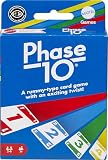
Overview: Phase 10 challenges players to complete 10 sequential card phases (sets, runs, or color combinations) before opponents. This rummy-style game, for 2-6 players aged 7+, combines strategy with accessible rules and a 45-minute playtime ideal for competitive family nights.
What Makes It Stand Out: The progressive phase system—where players advance only after completing their current objective—creates compelling momentum. Wild and Skip cards inject chaos, while color-blind accessibility (via symbol-coded cards) ensures inclusivity, a rare and commendable feature.
Value for Money: Priced modestly for its replay depth, it offers more strategic variety than Uno or traditional rummy. The 108-card deck withstands frequent use, providing better longevity than cheaper alternatives with similar player counts.
Strengths and Weaknesses: Strengths: Engaging progression system; highly inclusive design; scalable difficulty; excellent for mixed-age groups. Weaknesses: Luck-heavy draws can override strategy; setup slightly complex for very young kids.
Bottom Line: Phase 10 masterfully balances simplicity and tactical depth, with inclusivity as a major plus. A versatile, crowd-pleasing choice for game nights—strongly recommended for families and casual gamers.
6. Five Crowns – Card Game for Kids and Adults, Travel and Family Game Night Favorite, The Game isn’t Over Until the Kings Go Wild, 5 Suited Rummy Style Card Game, 1-7 Players, Ages 8+

Overview:
Five Crowns offers a clever twist on traditional rummy, introducing a fifth star suit and rotating wild cards that shift each round. Designed for 1–7 players aged 8+, it delivers adaptable family game night fun with easy-to-grasp core mechanics centered around forming books and runs.
What Makes It Stand Out:
The rotating wild card mechanic (e.g., 3s wild in round one, 4s in round two) creates dynamic, unpredictable gameplay where strategies must evolve constantly. The unique fifth suit adds complexity without overwhelming beginners, and its compact design makes it exceptionally portable for travel—perfect for keeping kids engaged on road trips.
Value for Money:
Priced competitively against standard card games, Five Crowns justifies its cost with exceptional replayability across ages and group sizes. While dedicated rummy sets exist, its integrated fifth suit and structured round system eliminate the need for multiple decks or rule modifications, offering better long-term value than basic alternatives.
Strengths and Weaknesses:
Strengths: Highly adaptable for small or large groups; intuitive rules for ages 8+; durable cards; excellent travel size; encourages strategic thinking. Weaknesses: Rotating wilds can frustrate very young children; setup requires dealing varying card counts per round, which may confuse absolute beginners.
Bottom Line:
Five Crowns is a standout family card game that revitalizes rummy with inventive mechanics. Its blend of accessibility, replayability, and portability makes it a worthy investment for game nights or travel—highly recommended for households seeking engaging, screen-free fun.
7. Taco Cat Goat Cheese Pizza Wildly Entertaining Card Game for Family and Group Game Night | Easy to Learn and Play with 10-15 Minute Rounds | Fun for Kids, Teens, Adults, and Families | 2-8 Players

Overview:
Taco Cat Goat Cheese Pizza is a lightning-fast reaction game where players chant phrases while flipping cards, racing to slap the pile when a spoken word matches the card. Designed for 2–8 players aged 7+, it delivers non-stop laughter in compact 10–15 minute rounds ideal for parties or quick breaks.
What Makes It Stand Out:
The game’s brilliance lies in its effortless learnability combined with chaotic physical engagement—players must balance chanting, card-flipping, and slap reflexes. Surprise action cards (like “Nopes” forcing retries) amplify unpredictability, while its tiny footprint and lack of setup make it instantly playable anywhere, from classrooms to camping trips.
Value for Money:
At a budget-friendly price, it outperforms flashier games by maximizing entertainment per minute. Unlike lengthy strategy games, its rapid rounds ensure high replay value without commitment, justifying cost for families seeking affordable, screen-free social interaction. Comparable slap games lack its polished rhythm and cognitive depth.
Strengths and Weaknesses:
Strengths: Extremely easy setup/rules; inclusive for mixed ages; sharpens reflexes and focus; highly portable; sparks genuine laughter. Weaknesses: Physical slapping may escalate accidentally with rowdy groups; limited strategic depth; card durability could weaken with intense use.
Bottom Line:
A near-perfect party game that transforms any gathering into a laughter-filled frenzy. Its simplicity, speed, and universal appeal make it an essential addition to family game collections—especially for those prioritizing quick, engaging fun over complex strategy.
8. Bicycle Jumbo Index Playing Cards , 2 Pack Large Print Poker Size Deck of Cards for Easy Reading, Family Card Games, and Casino Play
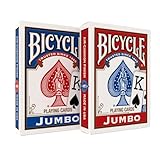
Overview:
Bicycle’s Jumbo Index 2-Pack delivers oversized, easy-to-read playing cards in a double-deck set. Featuring extra-large numbers and suit symbols, these poker-sized cards cater to players needing visual clarity, from seniors to kids, without sacrificing Bicycle’s renowned quality.
What Makes It Stand Out:
The jumbo index (nearly double standard size) eliminates squinting during games like rummy or poker, a game-changer for low-vision players. Paired with Bicycle’s signature Air-Cushion Finish for smooth shuffling, and backed by Made-in-USA craftsmanship, it merges accessibility with professional-grade durability in a practical 2-deck bundle.
Value for Money:
Though pricier than single standard decks, the two-pack offers exceptional value: one deck for play, one as backup or for multi-game setups. For households with aging players or frequent game nights, the accessibility features justify the cost far better than generic large-print alternatives with inferior handling.
Strengths and Weaknesses:
Strengths: Unbeatable readability; premium shuffle/fan experience; durable for repeated use; ideal for casinos or family games; trusted Bicycle reliability. Weaknesses: Larger cards may feel bulky for intricate cardistry; not designed for magic tricks requiring standard sizing.
Bottom Line:
An indispensable upgrade for anyone valuing comfort and clarity in card play. Bicycle’s Jumbo Index set is a thoughtful, high-quality solution that enhances enjoyment across generations—making it a smart buy for inclusive, frustration-free gaming.
9. Mattel Card Game Set (Skip Bo, Uno & Phase 10)

Overview:
This Mattel trio bundles three iconic card games—Skip-Bo, UNO, and Phase 10—into one value-packed set. Each game offers distinct mechanics: Skip-Bo focuses on sequencing, UNO on color/number matching, and Phase 10 on completing card sets, catering to varied playstyles for 2–6 players.
What Makes It Stand Out:
Owning three Mattel classics in one box eliminates the need for separate purchases while providing diverse gameplay. Skip-Bo’s strategic depth contrasts with UNO’s chaotic fun and Phase 10’s set-collection challenge, ensuring fresh experiences. The unified branding guarantees consistent quality and rule clarity across all titles.
Value for Money:
Priced lower than buying each game individually, this set delivers unbeatable versatility. Families gain access to decades-tested games suitable for ages 7+ without commitment to a single style. For households new to card games, it’s a risk-free way to discover preferences—far outperforming single-game alternatives at similar price points.
Strengths and Weaknesses:
Strengths: Huge replay variety; trusted Mattel rules/components; compact storage; ideal for mixed-age groups; encourages strategy (Skip-Bo/Phase 10) and luck (UNO). Weaknesses: No unique features beyond standard editions; UNO’s randomness may frustrate strategy-focused players.
Bottom Line:
A brilliantly economical introduction to modern card gaming. This set’s diversity and reliability make it a no-brainer for families seeking evergreen entertainment—effectively replacing three separate purchases with one crowd-pleasing package.
10. Mattel Games UNO Card Game in Travel & Storage Tin for Kid, Adult & Family Nights & Parties, Color Blind Accessible & Customizable Deck (Amazon Exclusive)

Overview:
This Amazon-exclusive UNO edition packs the classic matching game into a portable tin, featuring color-blind accessibility and customizable wild cards. Designed for 2–10 players, it retains UNO’s signature fast-paced fun while addressing inclusivity and personalization.
What Makes It Stand Out:
The standout innovation is color identification via distinct suit-like symbols (e.g., diamonds for red), enabling full participation for color-blind players—a rarity in mass-market card games. The included blank wild cards let families invent house rules, while the sturdy tin ensures cards stay organized during travel, elevating it beyond standard UNO.
Value for Money:
Priced comparably to regular UNO decks, the accessibility features and tin storage justify a slight premium. For families with color vision deficiencies, it’s indispensable. The customizable element extends replay value significantly, outperforming basic editions that lack adaptability or portability.
Strengths and Weaknesses:
Strengths: Truly inclusive design; durable travel tin; creative customization via blank cards; high-quality finish; universally appealing. Weaknesses: Tin slightly increases bulk; symbols may feel unnecessary to players without color blindness.
Bottom Line:
A thoughtful evolution of a timeless game. This UNO edition sets a new standard for accessibility and convenience, making it the definitive choice for modern families—especially those valuing inclusivity and on-the-go play.
Understanding Your Party Dynamics First
Before even glancing at a rulebook, you need to decode the human element. The perfect game for a rowdy group of twenty-somethings could bomb with a quiet dinner party of retirees—and vice versa. Success hinges on honest assessment.
Assessing Group Size and Composition
How many people are actually playing? Games designed for 4-6 might collapse with 10+ players, while intimate 2-player duels often fizzle in large groups. Consider age ranges too—kids, adults, and mixed generations have vastly different attention spans and comfort levels with complex rules. A game requiring quick reflexes might exclude elderly guests, while one relying on pop-culture trivia could lose younger players. Honestly evaluate who’s in the room to avoid frustration before the first card is drawn.
Gauging Energy Levels and Social Comfort
Is your party a high-energy dance party winding down, or a quiet gathering of colleagues who barely know each other? High-energy groups thrive on fast-paced, loud games with physical antics, while quieter crowds often prefer cooperative or strategic games that encourage thoughtful interaction. Crucially, consider social anxiety—games forcing players to perform solo (like charades-style prompts) can alienate shy guests. Opt for mechanics where everyone participates simultaneously or in small, low-pressure bursts.
Defining Your Desired Atmosphere
What’s the goal? Pure, uncontrollable laughter? Deep conversation starters? Lighthearted competition without tears? Or maybe collaborative problem-solving? Be intentional. If you want relaxed mingling, avoid cutthroat games that create “winners” and “losers.” Seeking icebreakers? Prioritize games requiring players to share stories or guess about each other. Matching the game’s emotional output to your desired vibe is non-negotiable for a successful night.
Decoding Modern Game Mechanics for 2026
The card game landscape has evolved dramatically. It’s not just about suits and ranks anymore. Understanding contemporary design trends helps you spot games that feel fresh and engaging for today’s players.
Beyond Traditional Trick-Taking
While classics have their place, modern party games often ditch rigid turn structures. Look for simultaneous play (everyone acts at once, minimizing downtime), real-time elements (racing against a clock), or “free-for-all” mechanics where alliances shift constantly. Games where you build evolving hands or modify rules on the fly create dynamic, unpredictable experiences far removed from predictable rounds of old-school rummy.
The Rise of Narrative and Creative Expression
2026 sees a surge in games where the cards are prompts, not just points. Players craft stories, invent ridiculous scenarios, or interpret abstract images, turning the deck into a collaborative storytelling engine. These mechanics spark imagination and personal connection, making each playthrough unique. If your group loves sharing anecdotes or has a creative streak, prioritize games where the fun comes from what you create with the cards, not just how you play them.
Integrating Technology Thoughtfully (When It Helps)
Don’t assume “analog only.” Some modern card games cleverly incorporate companion apps for scoring, generating randomized challenges, or adding subtle sound effects—without requiring constant screen focus. The key? Tech should enhance, not dominate. If it pulls eyes away from the group for more than 10 seconds, it’s probably detracting from the party magic. Evaluate if the digital layer feels seamless or like a distraction.
Critical Practical Considerations
Even the most brilliant game fails if it’s impractical for your space and time. Overlook these, and your party hits a snag before the fun begins.
Setup and Cleanup Speed is Non-Negotiable
In 2026, attention spans are shorter than ever. If explaining rules takes longer than pouring the first round of drinks, you’ve lost momentum. Prioritize games with “teach-in-under-2-minutes” simplicity. Similarly, cleanup should be a 15-second shuffle-and-box affair. Games with tiny tokens, multiple decks, or elaborate boards often create frustrating friction mid-party. Streamlined = sustainable fun.
Durability for the Party Environment
Let’s face it—cards get spilled on, dropped, and handled by enthusiastic (or slightly clumsy) players. Thin, flimsy cards that warp after one splash of soda are a party hazard. Look for games using thicker stock, linen finishes, or even water-resistant coatings. Consider if the cards are large enough to read easily in dim lighting or from across a crowded table. Durability isn’t just about longevity; it’s about maintaining the flow when accidents happen.
Portability for On-the-Go Fun
Will this game live in your closet, or travel to picnics, potlucks, or friend’s houses? Compact boxes that fit in a tote bag are gold. Bulky tuck boxes or games requiring external components (dice, scorepads, apps) add friction to spontaneous play. If portability matters, weigh the box size against how often you’ll actually grab it for impromptu gatherings.
Navigating Complexity and Learning Curves
The sweet spot for party games sits between “mind-numbingly simple” and “requires a PhD.” Finding that balance ensures inclusion and sustained engagement.
The Goldilocks Zone of Rules Complexity
Too simple (like War), and players get bored after two rounds. Too complex (multi-layered strategy), and you lose half the group during setup. Aim for games with one core, intuitive mechanic that’s easy to grasp immediately, but offers subtle depth that reveals itself over multiple plays. Think “simple to learn, tricky to master”—this keeps novices engaged while giving experienced players room to strategize.
Onboarding New Players Mid-Game
Parties are fluid. Guests arrive late, or someone steps away and returns. Can the game absorb new players without restarting or a lengthy recap? Games with rotating roles, free-for-all interaction, or no persistent player state (like hands resetting each round) excel here. Avoid games where missing even one turn drastically alters your position or requires catching up on complex history.
Scaling Gracefully Across Player Counts
A game that only works perfectly for exactly 5 players is a liability. Check the manufacturer’s range, but trust community feedback more—some games stretch beautifully from 3 to 8, while others have “sweet spots” (e.g., best at 6-7, awkward at 4). Look for flexible rules adjustments mentioned in reviews for different group sizes. Consistency across counts is key for repeat play.
Evaluating Replay Value and Longevity
The best party games aren’t one-and-done novelties. They earn their place on your shelf by delivering fresh fun, night after night.
Built-In Variability for Endless Rounds
How many unique combinations does the deck offer? Games relying on fixed cards or predictable patterns get stale fast. Prioritize decks with high card counts, modular elements (mix-and-match cards), or mechanics that generate near-infinite scenarios (like phrase-building or image association). Randomization isn’t just fun—it’s essential for longevity.
Encouraging Player Creativity and House Rules
The most enduring games invite customization. Do players naturally start making up silly variations? Can you easily tweak a rule to suit your group’s mood? Games that act as a flexible framework, rather than a rigid script, foster ownership and evolve with your crew. This organic adaptability is a hallmark of true party classics.
Seasonality and Thematic Versatility
Avoid hyper-seasonal themes (e.g., exclusively Halloween) unless that’s your niche. Games with neutral, universal themes or adaptable aesthetics (cards that work for birthdays, holidays, or Tuesday nights) get played more often. Similarly, mechanics that feel fresh in summer BBQs and cozy winter gatherings maximize your investment.
Future-Proofing Your Choice for 2026 and Beyond
The market shifts fast. Choosing a game with staying power means looking past this year’s hype.
Community and Developer Support
Is there an active player community creating fan variants or sharing tips? Does the publisher consistently release balanced expansions or free printable content? Games with strong community engagement often have longer lifespans and receive updates addressing early flaws. Check forums and social media before buying—silence can signal a dead-end game.
Ethical Production and Inclusivity
2026 consumers care deeply about values. Research the publisher: Do they prioritize sustainable materials? Are rules written clearly for neurodiverse players? Does artwork feature diverse representation? Supporting ethical creators isn’t just good karma—it often correlates with higher-quality, more thoughtfully designed games that resonate with broader audiences.
Avoiding the “Fad” Trap
That viral TikTok game might dominate now, but does it have depth beyond the meme? Fads fade when the novelty wears off. Assess if the core gameplay loop remains compelling after the initial buzz dies. If the fun relies solely on a gimmick (like a single absurd card), it likely won’t endure. Prioritize substance over fleeting trends.
Frequently Asked Questions
How important is the exact player count listed on the box?
It’s a guideline, not a rule. Many games work slightly outside their range, but significant deviations often break the experience. Check community reviews for real-world testing at your specific count—some games stretch well, others don’t.
Can I modify the rules to fit my group?
Absolutely—and it’s encouraged! Most party games thrive on house rules. Start with the official rules to understand the core, then tweak pacing, scoring, or restrictions to match your group’s energy. Just ensure changes are simple and agreed upon by all.
What if someone in my group hates losing?
Avoid high-stakes competitive games. Prioritize cooperative mechanics, games with silly non-punitive penalties, or those where “winning” is subjective or shared. The goal is collective fun, not individual triumph.
Are card games with apps worth considering for parties?
Only if the app is truly optional or enhances without dominating. If you need the app to play at all, it’s likely a party hazard. Seamless integration (like optional sound effects) can work, but mandatory screen time kills the social vibe.
How do I know if a game is appropriate for mixed ages?
Check complexity ratings beyond just age labels. A “family” game might have rules too complex for young kids. Look for reviews mentioning actual play with kids present. Games with visual prompts or physical dexterity often bridge age gaps better than text-heavy trivia.
What’s the biggest mistake people make when choosing a party card game?
Picking based solely on box art or hype without considering their specific group’s dynamics. The “best” game for your friends might be obscure, while the #1 bestseller could flop in your living room. Context is everything.
How many different card games should I own for parties?
Start with 2-3 versatile staples covering different vibes (e.g., one laugh-out-loud silly, one light strategy, one cooperative). Depth beats breadth—you’ll play these more than a shelf of one-offs. Expand only when you notice a clear gap in your current options.
Can party card games work for virtual gatherings?
Some adapt well! Games with simultaneous play, quick rounds, and visual prompts translate best to video calls. Avoid those requiring physical card handling or secret information. Use screen-sharing for central decks and chat for private actions.
How long should a typical party card game round last?
Aim for 15-30 minutes per session. Games dragging past 45 minutes often lose momentum in social settings. Short, replayable rounds let groups play multiple times or switch games easily as energy shifts.
What’s the best way to learn a new game before bringing it to a party?
Watch a 5-minute “how to play” video while shuffling the cards. Then, set up and do a ultra-quick practice round alone. Knowing the flow lets you teach confidently and troubleshoot on the fly when friends ask questions.
See Also
- How to Choose the 10 Best Portable Card Games for Travel in 2026
- How to Choose the 10 Best Kids Card Games for Learning and Laughter in 2026
- How to Choose the Best Family Card Games for Game Night in 2026
- How to Choose the 10 Best Card Sleeves for Kids’ Games in 2026
- How to Choose the 10 Best Collectible Card Games for Kids in 2026