Table of Contents
Word games have always been the secret weapon of language lovers, transforming quiet evenings into battlegrounds of wit and vocabulary. But even the most beloved base games can start feeling repetitive after dozens of playthroughs, their word combinations exhausted and strategies mastered. That’s where expansions breathe new life into your collection, introducing fresh mechanics, challenging new linguistic territories, and often transforming the entire gameplay experience without requiring you to learn an entirely new system.
As we move through 2026, the landscape of word game expansions has evolved dramatically, with designers pushing creative boundaries far beyond simple card packs or tile sets. Modern expansions now offer sophisticated linguistic challenges, digital integration, and educational components that appeal to everyone from casual Scrabble enthusiasts to polyglots seeking their next cerebral fix. Whether you’re looking to deepen your mastery of English etymology or explore multilingual gameplay, understanding what makes an expansion truly valuable will save you money and maximize your tabletop enjoyment.
Top 10 Word Game Expansions
Detailed Product Reviews
1. Ransom Notes Expansion Pack One - The Ridiculous Word Magnet Party Game, 3+ Players

Overview: This expansion pack significantly broadens the Ransom Notes base game with 198 fresh prompt cards and 180 carefully curated word magnets. Designed for groups of 3-6 players (expandable to 10 with included trays), it delivers 30-90 minutes of creative mayhem as players craft absurd sentences from limited word pools. The expansion integrates seamlessly with the original game, maintaining the same quick learning curve and laugh-out-loud gameplay that made the base version popular.
What Makes It Stand Out: The four additional magnet trays are a game-changer, scaling gameplay from intimate gatherings to party-sized groups of ten. The prompt cards cover brilliantly bizarre scenarios—from explaining medical procedures to writing chess team cheers—pushing creativity in unexpected directions. The new word selection deliberately includes awkward, specific terms that force hilariously constrained communication.
Value for Money: With nearly 200 prompts and 180 words, this pack offers substantial content that can refresh the base game dozens of times. Compared to purchasing an entirely new party game, the expansion model provides fresh experiences at a fraction of the cost, effectively tripling your playable content.
Strengths and Weaknesses: Strengths include massive content injection, excellent scalability, and maintained simplicity. The primary weakness is appropriateness inconsistency—15-30% of cards contain mature content requiring removal for family play, which means manual curation is necessary.
Bottom Line: An essential purchase for Ransom Notes owners who regularly host game nights. The volume of content and player scalability make it worthwhile, though families should be prepared to filter some cards.
2. Ransom Notes Expansion Pack, Not Safe for Work (NSFW) Edition - The Ridiculous Word Magnet Party Game, 3+ Players
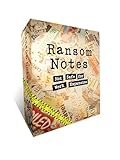
Overview: This adults-only expansion transforms Ransom Notes into a boundary-pushing party experience for mature audiences. Requiring the base game, it injects 180 provocative word tiles and 100 scandalous prompt cards designed specifically for players 17 and older. The 30-90 minute gameplay retains the original’s simplicity while exploring decidedly adult themes through constrained magnetic poetry.
What Makes It Stand Out: The unapologetically vulgar word selection and blush-inducing prompts create scenarios impossible with the family-friendly versions. This expansion doesn’t just dip into adult humor—it dives headfirst into raunchiness that would “make a sailor’s mouth seem clean,” as the description promises. It’s engineered for maximum shock value and uninhibited laughter.
Value for Money: For adult party hosts, this delivers targeted content that justifies its existence as a separate expansion. The 100 adult-oriented prompts provide enough material for multiple game nights without repetition, making it a cost-effective way to repurpose your base game for mature audiences.
Strengths and Weaknesses: Strengths include perfectly calibrated adult humor and seamless integration with the base game’s mechanics. The major weakness is extreme niche appeal—this is genuinely inappropriate for mixed company and has zero crossover value for family gatherings. The content may also become repetitive if overused.
Bottom Line: A must-have for Ransom Notes owners who regularly host adult-only game nights. It’s exactly what it claims to be—hilariously inappropriate—and delivers on that promise consistently. Just keep it far away from children and workplace settings.
3. Word Game Family Board Games for Kids & Adults with 2 Modes,220 Topic Categories 24 Letters Pressing Games,Fun Fast-Paced Learning Game with English Pronunciation for Boys Girls Age 3+,35 Cards,Blue
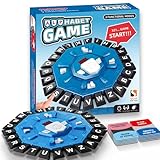
Overview: This versatile word game combines education with frantic fun through two distinct modes: Category Quick Answer and Step On Thunder. Supporting 2-8 players ages 3 and up, it features a 24-letter pressing board, 35 double-sided category cards (140 total categories), and an integrated LCD countdown timer. Game sessions run 15-20 minutes, making it ideal for short attention spans and travel entertainment.
What Makes It Stand Out: The ten-second digital timer creates genuine urgency that elevates simple word association into edge-of-your-seat gameplay. With 220 built-in voice topics and customizable rules, it adapts to different skill levels seamlessly. The sturdy, portable design withstands energetic play while the pronunciation feature supports early learners.
Value for Money: As a standalone game serving ages 3 through adult, it eliminates the need for multiple age-specific word games. The dual-mode functionality and extensive category library provide exceptional replay value, particularly for families with children at different developmental stages.
Strengths and Weaknesses: Strengths include broad age appeal, educational value (vocabulary, spelling, quick thinking), and excellent portability. The timer function is brilliantly implemented. Weaknesses include potentially simplistic gameplay for advanced adult players and the possibility that the electronic components could fail with heavy use over time.
Bottom Line: An outstanding choice for families seeking an educational game that genuinely engages multiple generations. The timer mechanic and dual modes keep it fresh, though word-game veterans may find it less challenging.
4. Ransom Notes Expansion Pack, Family Edition - The Ridiculous Word Magnet Party Game, 3+ Players

Overview: This family-friendly expansion bridges generational divides by adding 100 kid-appropriate prompt cards and 180 contemporary word magnets—including modern slang like “sus,” “bruh,” and “bussin”—to the Ransom Notes base game. Designed for 3-6+ players with 30-90 minute sessions, it maintains the core mechanic of constrained magnetic sentence creation while ensuring content suitable for all ages.
What Makes It Stand Out: The inclusion of current youth slang creates authentic intergenerational comedy, allowing parents and kids to laugh at the same material from different perspectives. The prompts are specifically crafted to “give you a peek into the minds & innocence of kids,” resulting in genuinely sweet and unexpectedly clever responses that differ tonally from the original’s cynicism.
Value for Money: For families who already own the base game, this is the most cost-effective way to adapt it for household play. Rather than manually filtering adult content from other expansions, this provides 100 ready-to-use, child-safe prompts and vocabulary that resonates with younger players.
Strengths and Weaknesses: Strengths include thoughtful age-appropriate curation and cultural relevance through modern slang. The content feels fresh rather than watered-down. The primary weakness is its dependency on the base game—it’s useless as a standalone product. Some families might find the slang dating quickly.
Bottom Line: Essential for Ransom Notes owners with children. It successfully adapts the game’s core appeal for family settings without sacrificing humor, making it a smart investment for household entertainment.
5. Think Fun Zingo! Sight Words Boost - Engaging Brain Game | Expansive Vocabulary Builder | Stimulates Memory & Concentration | for Kids Aged 4 and Up | Expansion Pack (76472)

Overview: This expansion pack for the popular Zingo! game system introduces 24 essential sight words to help children aged 4+ build reading fluency. As an add-on to any Zingo! Zinger device, it includes new tiles and cards that integrate seamlessly with existing gameplay. The educational focus targets vocabulary development, memory enhancement, and concentration skills through ThinkFun’s trusted game mechanics.
What Makes It Stand Out: ThinkFun’s expertise in educational game design shines through in the careful selection of high-frequency sight words critical for early reading success. The expansion leverages the proven Zingo! delivery system—where players match words to their game boards—making repetitive practice feel like play rather than rote learning. The brand’s reputation, backed by 50 million games sold, ensures quality and developmental appropriateness.
Value for Money: At expansion-pack pricing, this provides targeted educational content that extends an existing game’s lifespan. For parents already invested in the Zingo! ecosystem, it’s an economical way to progressively increase reading difficulty. However, as a standalone purchase, it requires the base game to function.
Strengths and Weaknesses: Strengths include expert-curated sight words, seamless integration, and ThinkFun’s educational credibility. The clear instructions make implementation effortless. The main weakness is limited scope—only 24 words may not justify the purchase for some families, and it lacks the variety of a full new game.
Bottom Line: A worthwhile investment for Zingo! owners seeking to reinforce early reading skills. It’s educationally sound and mechanically polished, though families should assess whether the limited word count meets their child’s needs before purchasing.
6. WHAT DO YOU MEME? Incohearent Expansion Pack NSFW Edition by Relatable, Designed to Add On to Incohearent Core Game, Funny Card Game for Adults, Good for Party Games, Includes 180 Cards
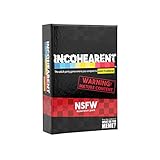
Overview: This NSFW expansion pack builds upon the viral Incohearent core game, delivering 180 new cards packed with mature, tongue-twisting phrases designed specifically for adult audiences. Players compete to decode seemingly nonsensical gibberish into hilariously inappropriate hidden phrases before the timer expires. The expansion requires the base Incohearent game to function and targets party environments where adult humor is welcome.
What Makes It Stand Out: The expansion transforms family-friendly gameplay into raunchy entertainment while maintaining the original’s addictive mechanics. The content feels fresh and timely, leveraging internet culture and adult-oriented humor that resonates with 17+ crowds. It’s particularly effective for bachelorette parties, college gatherings, and adult game nights where traditional party games fall flat. The sheer volume of 180 cards significantly extends replayability.
Value for Money: Priced competitively against other expansion packs, this offers substantial content at roughly $0.15-0.20 per card. However, the mandatory base game purchase represents a hidden cost. Compared to buying an entirely new adult party game, this expansion economically refreshes existing gameplay. The quality printing and durable card stock justify the investment for frequent entertainers.
Strengths and Weaknesses: Strengths include hilarious adult-themed content, seamless integration with the core game, and broad player support (2-20+). The 20-40 minute runtime perfectly suits party schedules. Weaknesses are its absolute requirement of the base game, limited appeal for conservative players, and potential for content to feel repetitive after extensive play. Some phrases may be too obscure for certain groups.
Bottom Line: Essential purchase for Incohearent owners who regularly host adult gatherings. It successfully revitalizes the base game with appropriately risqué content that hits more than it misses. Skip if you don’t own the original or prefer family-friendly entertainment.
7. Winning Moves Yahtzee Words Games USA, Family Word Game Version for 2 or More Players, Ages 8+

Overview: This 1980s revival reimagines the classic dice-rolling game with letter dice instead of numbers, challenging players to form words and special combinations. Using seven lettered dice and a familiar scoresheet divided into Upper and Lower sections, participants create 2-6 letter words while pursuing unique patterns like All Vowels or the elusive 7-letter Yahtzee. The game accommodates two or more players ages eight and up.
What Makes It Stand Out: Yahtzee Words brilliantly preserves the beloved Yahtzee framework while introducing linguistic strategy. The scoring system rewards both consistent performance and risky attempts at rare combinations, creating engaging risk-reward decisions. It serves as an accessible gateway to word games for children familiar with Yahtzee’s structure while offering enough depth to engage adults. The nostalgia factor appeals to those who remember the original release.
Value for Money: Positioned similarly to standard Yahtzee, this offers excellent value for families seeking educational entertainment. It eliminates the need for separate vocabulary-building tools while providing genuine gaming enjoyment. Compared to premium word games like Scrabble, it’s more affordable and faster-paced. The durable dice and reusable scoresheets ensure long-term utility.
Strengths and Weaknesses: Strengths include familiar mechanics that reduce learning time, genuine educational benefits for vocabulary and pattern recognition, and balanced luck-skill dynamics. The game’s compact size makes it highly portable. Weaknesses involve limited strategic depth for serious word game enthusiasts and potential frustration when dice simply won’t cooperate. The scoresheet design, while familiar, feels dated compared to modern game components.
Bottom Line: Perfect for families wanting to bridge classic dice games with word-building skills. It successfully teaches while entertaining, making it ideal for intergenerational play. Word game purists may find it too simplistic, but it’s a solid choice for casual family game nights and educational settings.
8. ThinkFun Zingo! Booster Pack #1 - Exciting Expansion Pack for Zingo! Game | Engages Kids in Learning | Enhances Memory & Word Recognition Skills | Trusted by Families Worldwide

Overview: This expansion pack injects fresh content into the popular Zingo! game, adding 24 new vocabulary words across six double-sided cards and 72 corresponding tiles. Designed to enhance the educational experience of the base game, it focuses on building memory and word recognition skills for young learners. The pack includes clear instructions for seamless integration with existing Zingo! sets.
What Makes It Stand Out: ThinkFun leverages its reputation as a leading educational game manufacturer to deliver quality expansion content that genuinely extends learning opportunities. The carefully selected vocabulary targets early readers ready for new challenges beyond the base game’s words. The booster format allows parents to refresh engagement without purchasing an entirely new system, making it environmentally and economically conscious.
Value for Money: While reasonably priced for an expansion, the value hinges entirely on base game ownership. The cost per new word is higher than the base game’s initial offering, but still economical compared to buying supplemental educational materials. For families playing Zingo! regularly, it prevents content fatigue at a fraction of a new game’s cost. The high-quality tiles match the original’s durability.
Strengths and Weaknesses: Strengths include perfect compatibility with existing Zingo! games, educational value from a trusted brand, and easy setup. The new words appropriately challenge progressing readers. Weaknesses are the absolute requirement of the base game, limited content (only 24 words), and potential disappointment for families expecting more substantial expansion. The narrow age range means kids may outgrow it quickly.
Bottom Line: Worthwhile investment for families who’ve worn out their Zingo! base game and need fresh vocabulary challenges. It delivers exactly what it promises without unnecessary frills. Skip if you don’t own the original or if your child has already advanced beyond early reader level.
9. Word Game Family Board Games for Kids & Adults with 2 Modes,220 Topic Categories 24 Letters Pressing Games,Fun Fast-Paced Learning Game,35 Cards,LCD Display Timer,Christmas & Birthday Gifts,Red
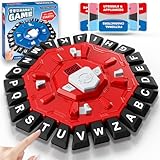
Overview: This electronic word game combines a physical 24-letter pressing board with an integrated LCD countdown timer and 35 double-sided category cards containing 220 topics. Two distinct modes offer varied gameplay: a classic quick-answer category challenge and a “Step On Thunder” letter-based variant. Designed for 2-8 players ages 3+, it creates a fast-paced, interactive experience that builds vocabulary and quick-thinking skills.
What Makes It Stand Out: The LCD timer adds genuine tension missing from traditional word games, while the pressure-sensitive letter board creates a tactile, engaging interface. With 220 categories, content variety exceeds most competitors. The dual-mode design extends replayability significantly, and the portable format suits travel, classrooms, and outdoor gatherings. The ten-second countdown forces rapid recall, making it uniquely exhilarating.
Value for Money: Competitively priced against electronic games, it offers substantial content and durable components. The battery-powered timer and robust letter board suggest reasonable manufacturing quality. Compared to purchasing separate vocabulary games and timers, it’s economically efficient. However, the stated age range of 3+ seems unrealistic given the cognitive demands, potentially limiting its target audience.
Strengths and Weaknesses: Strengths include the innovative timer mechanism, extensive category variety, strong player count flexibility, and genuine educational benefits for spelling and categorization. The compact design enhances portability. Weaknesses involve questionable age appropriateness (truly suitable for ages 8+), potential mechanical failure of electronic components, and the possibility of letter buttons wearing out with aggressive play. Setup is more complex than traditional card games.
Bottom Line: Excellent choice for families seeking active, time-pressured wordplay that engages multiple age groups effectively. The timer elevates excitement beyond static word games. Ensure your players can handle the cognitive speed required, and verify build quality upon purchase for long-term satisfaction.
10. Exploding Kittens Poetry for Neanderthals 2+ Players - Ages 7+ - 15 Minutes to Play - Competitive Word Guessing Game - Party Game, Family Game Night, Kid and Adult Card Game

Overview: From the creators of Exploding Kittens, this party game challenges teams to guess words and phrases using only single-syllable words. The catch involves a 2-foot inflatable “No!” Stick that bonks players who accidentally use multi-syllable words. With 200 double-sided cards, two game boards, and support for 2-6 players ages 7+, it delivers 15-minute rounds of prehistoric-themed hilarity.
What Makes It Stand Out: The single-syllable restriction creates genuinely funny linguistic gymnastics that level the playing field between ages and vocabulary levels. The inflatable club adds physical comedy that distinguishes it from purely verbal party games. Its connection to The Oatmeal’s distinctive art style and Exploding Kittens’ proven track record ensures quality and humor. The game scales brilliantly from family gatherings to raucous adult parties.
Value for Money: Priced in the mid-range for party games, it includes substantial content and the memorable inflatable prop. The 200 cards provide excellent replayability, and the repair patch extends the club’s lifespan. Compared to disposable party games, its durable components and continued entertainment value justify the cost. The Kickstarter pedigree suggests thoughtful design over mass-market rush.
Strengths and Weaknesses: Strengths include immediately understandable rules, genuine cross-generational appeal, and the perfect balance of mental challenge and physical humor. The 15-minute playtime suits modern attention spans. Weaknesses involve the inflatable club’s potential for puncture or wear, limited strategic depth for serious gamers, and possible repetition after extensive play sessions. Some groups may find the bonking mechanic too silly or disruptive.
Bottom Line: Outstanding party game that succeeds through simplicity and universal humor. It transforms vocabulary limitations into creative comedy, making it accessible for kids while entertaining adults. Perfect for family game nights, parties, and icebreaker situations. Highly recommended for fans of Exploding Kittens seeking a more verbal, interactive experience.
Understanding Word Game Expansions
What Makes an Expansion Worth Your Investment
A truly worthwhile expansion doesn’t just add more content—it fundamentally enhances the strategic depth and replayability of your base game. Look for expansions that introduce new decision points rather than simply increasing randomness. The best linguistic expansions create moments where players must weigh multiple compelling options, forcing them to stretch their vocabulary in unexpected directions. Consider whether the expansion adds meaningful variety or just volume; a smaller, thoughtfully-designed addition often outperforms a bulk pack of generic content.
Core Game vs. Expansion: Key Differences
Base games establish the foundational mechanics and core loop that make a word game engaging. Expansions, by contrast, should serve as surgical enhancements that target specific aspects of the experience. They might introduce asymmetric player powers that reward different linguistic specialties, or add modular rule sets that can be toggled on and off depending on your group’s mood. The distinction matters because a weak expansion can dilute what made the original game special, while a strong one amplifies its best qualities.
The Evolution of Word Game Expansions Through 2026
The modern expansion market looks nothing like it did five years ago. Today’s releases often include app integration that provides dynamic content updates, pronunciation guides, and even AI-powered difficulty scaling. We’re seeing expansions that incorporate regional dialects, historical linguistic periods, and constructed languages from popular fiction. The trend toward “legacy-style” expansions—where gameplay permanently changes components over multiple sessions—has also reached the word game genre, creating campaign-like experiences for language enthusiasts.
Key Features to Evaluate in Modern Expansions
Vocabulary Depth and Complexity Scaling
The hallmark of a premium expansion is its ability to accommodate different proficiency levels within the same gaming session. Seek out expansions that include tiered word lists or difficulty cards that allow novices and lexicographers to compete meaningfully together. The best designs incorporate morphological challenges—prefixes, suffixes, and root words—that teach linguistic principles while remaining strategically relevant. Pay attention to whether the expansion includes archaic or specialized terminology; while these can enrich gameplay, they shouldn’t dominate to the point of alienating casual players.
Linguistic Diversity and Multilingual Support
For language lovers, expansions that cross linguistic boundaries offer the deepest satisfaction. Modern expansions increasingly support bilingual or multilingual gameplay, allowing players to form words across language families or translate between tongues for bonus points. Some advanced modules incorporate phonetic transcription systems like IPA (International Phonetic Alphabet), challenging players to think about sound patterns rather than just orthography. This feature particularly appeals to polyglots and language learners seeking immersive practice.
Player Count Flexibility
Your favorite word game might shine at two players but falter at five. Quality expansions address this by rebalancing mechanisms for different group sizes. Look for additions that include team-based variants, which transform competitive games into collaborative linguistic challenges. The most versatile expansions offer “filler” modes for quick sessions and “epic” modes for marathon word-building battles, ensuring your purchase delivers value regardless of how many friends show up for game night.
Replayability Mechanics
Randomization elements like variable setup decks, rotating goal tiles, or dynamic scoring conditions prevent expansions from becoming stale. The most innovative designs use procedural generation concepts—think algorithmic card combinations that create unique puzzle-like constraints each round. Some expansions now include “daily challenge” cards with codes you can enter into companion apps to compare scores with a global community of word game enthusiasts, creating infinite replay value.
Digital Integration and App Companion Features
Physical-digital hybrid expansions represent the cutting edge of the genre. These might include QR codes on tiles that unlock pronunciation audio, or app-driven timers that introduce real-time collaborative challenges. The best integrations use technology to handle tedious scoring calculations for complex linguistic rules, letting players focus on word creation. However, be wary of expansions that require constant app dependency—optimal designs remain fully playable offline while offering digital enhancements as optional upgrades.
Physical Component Quality
Language games demand components that can withstand constant handling as players search for letters, tiles, or cards. Premium expansions feature linen-finished cards, etched wooden tiles, or custom-shaped tokens that enhance tactile satisfaction. Consider storage solutions too: does the expansion include an organizer that integrates seamlessly with your base game box? Poor component quality can undermine the premium experience, especially when you’re paying expansion-level prices.
Educational Value and Skill Development
The finest expansions for language lovers double as stealth learning tools. They might include etymology guides that explain word origins, grammar challenge cards that require proper part-of-speech usage, or morphological puzzles that teach Latin and Greek roots. Look for expansions designed with input from linguists or educators—these often include supplementary materials that extend the learning beyond the game table, making them valuable resources for teachers, writers, and lifelong learners.
Popular Expansion Categories for Language Enthusiasts
Thematic Word Packs and Genre Extensions
These expansions inject narrative flavor into abstract word games by organizing vocabulary around specific themes like science fiction, culinary arts, or classical literature. They often include thematic scoring bonuses for words related to the genre, encouraging players to explore specialized lexicons. The best thematic packs maintain mechanical balance while immersing you in a particular subject area, making them perfect for gamers who want to combine their love of words with other interests like history or pop culture.
Advanced Linguistic Challenge Modules
For players who’ve mastered the base game, these modules introduce sophisticated constraints like palindrome requirements, anagram chains, or pangram bonuses. They might incorporate linguistic phenomena such as homophones, heteronyms, or contronyms as core mechanics. These expansions appeal to serious language enthusiasts who find standard word formation too simplistic, offering challenges that mirror advanced word puzzles found in linguistic competitions or cryptography exercises.
Cooperative and Team-Based Additions
Transforming competitive word games into collaborative experiences, these expansions pit players against the game itself. They often include shared letter pools, collective goal cards, and timed challenges that require communication and strategic division of linguistic labor. This category has exploded in popularity as families and educators seek less confrontational gaming options that still deliver cognitive benefits. Look for expansions that include “beat your own score” legacy elements, creating campaign-like progression.
Solo Play Enhancement Kits
The solitary wordsmith market has grown substantially, with expansions that add AI opponents, puzzle books, or challenge scenarios designed for single players. Premium solo expansions include graduated difficulty tracks and achievement systems that track your linguistic growth over time. They often feature “automa” decks that simulate human opponent strategies, providing a satisfying challenge without the randomness of simple dice-based AI. For language lovers who enjoy quiet contemplation, these kits transform social games into rich solo hobbies.
Cross-Platform Compatibility Expansions
Innovative publishers now design expansions that work across multiple base games in their product line. These modular systems allow you to mix and match components, creating custom word game hybrids. For example, a tile set might be compatible with both your crossword-style game and your word-drafting game, essentially giving you two expansions for one price. This approach maximizes value and encourages creative gameplay experiments, though it requires careful reading of compatibility specifications before purchase.
Making Your Final Selection
Assessing Your Current Collection Gaps
Before purchasing any expansion, audit your existing word games honestly. Do you lack options for large groups? Are your games too similar in complexity? Do you crave more thematic variety? The most common mistake language lovers make is buying expansions that duplicate experiences they already own. Create a simple matrix of your collection: plot games on axes of player count, complexity, and linguistic focus. The empty spaces reveal what you actually need, preventing impulse buys that gather dust on your shelf.
Budget Considerations for Expansion Hobbies
Expansions can quickly become more expensive than the base games themselves. Establish a monthly or quarterly budget for your linguistic gaming hobby, and prioritize expansions that offer the highest replay-to-cost ratio. Consider “expansion bundles” that publishers release during major conventions—these often include exclusive components at discounted rates. Remember that some expansions require additional accessories like specialized card sleeves or storage solutions, so factor hidden costs into your decision-making process.
Community and Tournament Support
The longevity of an expansion often depends on its community ecosystem. Investigate whether an expansion has active online forums, fan-created content, or official tournament support. Expansions with robust communities typically receive unofficial errata, variant rules, and digital companions that extend their lifespan. Language lovers particularly benefit from communities where players share etymological insights, strategic analyses, and custom word lists, transforming a simple purchase into an ongoing intellectual pursuit.
Frequently Asked Questions
How do I know if an expansion will work with my edition of the base game?
Check the publisher’s website for SKU compatibility lists, as many games have multiple printings with slight component differences. Look for the “version compatibility” section in expansion rulebooks, which typically outlines which base game editions are supported. When in doubt, contact the publisher directly with your base game’s copyright year and component photos.
Can expansions be played standalone if I haven’t opened the base game?
Most word game expansions require core components from the base game and cannot function independently. However, some “deluxe” expansions include enough standalone content for simplified play. Always read the “requires” section on the box—if it lists only the base game’s rulebook but not its components, you might be able to jury-rig a playable set with generic letter tiles.
What’s the typical price range for quality word game expansions in 2026?
Expect to pay between $15 and $35 for card-based expansions, $25 to $50 for tile or token-heavy additions, and $40 to $70 for deluxe boxes with significant component upgrades. Digital companion expansions typically cost $5 to $15 as one-time purchases or subscription models. Limited edition linguistic expansions with specialty components can exceed $100 but rarely offer proportional gameplay value.
How long does it take to learn a typical word game expansion?
Most well-designed expansions add 5-10 minutes of explanation time to your base game’s teach. Look for rulebooks with “expansion-only” sections that you can read independently without relearning core rules. The best expansions use iconography that integrates seamlessly with base game symbols, minimizing cognitive load. If an expansion requires more than 15 minutes to explain, it may be overly complex for its own good.
Will playing expansions improve my actual vocabulary and language skills?
Research shows that active engagement with challenging word games correlates with improved lexical retrieval and morphological awareness. Expansions focusing on etymology and word roots provide the greatest educational benefit. However, passive play without reflection yields minimal gains. To maximize learning, keep a notebook of new words encountered and review their meanings after gameplay sessions.
How do I store expansions with my base game to avoid losing pieces?
Invest in adjustable board game inserts or use small plastic baggies labeled with expansion names. Many enthusiasts use binder sheets for card expansions and craft store organizers for tiles. Photograph the organized setup before first play so you have a reference for repacking. Some publishers sell official storage solutions, but third-party options from companies like Broken Token or Game Trayz often provide better value.
Are digital-only expansions worth it for physical board games?
Digital expansions offer unparalleled content volume and dynamic updates but sacrifice tactile satisfaction. They’re ideal for solo players and those with limited storage space. The best implementations provide printable components for hybrid play. Consider your gaming context: digital expansions shine for remote play with friends but may feel disconnected during intimate family game nights.
How often do publishers release new expansions for popular word games?
Major word game titles typically see one expansion annually, with smaller promo packs released throughout the year at conventions. Crowdfunded games may have irregular release schedules tied to campaign fulfillment. Subscribe to publisher newsletters and follow their social media for release announcements. Some companies have moved to “living game” models with quarterly content drops via subscription services.
Can I create my own custom expansion content for personal use?
Most publishers allow fan-created variants for non-commercial, personal use. Create custom word cards using online templates, but avoid distributing copyrighted artwork or exact duplicates of official components. Many gaming communities share print-and-play expansions that have been vetted for balance. Always respect intellectual property—if your custom content gains traction, consider pitching it to the publisher as official content.
What should I do if an expansion makes the base game less enjoyable?
First, verify you’re using the expansion correctly—many “broken” experiences stem from rules misunderstandings. Try playing with only selected modules rather than the full expansion. If issues persist, the expansion may simply not suit your group’s playstyle. Sell or trade it through board game marketplaces, or repurpose its components for other creative projects. Not every expansion will click, and that’s a normal part of hobby exploration.
See Also
- 10 Premium Word Game Expansions for Language Lovers (Worth the Investment)
- 10 Best Word Game Expansions for Language Lovers This Year
- 10 Expert-Recommended Word Game Expansions for Sharper Minds in 2026
- 10 Expert-Recommended Strategy Game Expansions for Tactical Depth in 2026
- The 10 Ultimate Best Economic Game Expansions for Resource Management Lovers in 2026