Table of Contents
The wargaming landscape has evolved dramatically heading into 2026, with expansions no longer serving as simple add-ons but as transformative experiences that redefine how we engage with our favorite strategic simulations. Whether you’re commanding vast armies across historical battlefields or managing intricate political maneuvers in alternate timelines, the right expansion can breathe new life into a familiar system, introducing layers of complexity that challenge even veteran commanders. These carefully crafted modules have become essential tools for strategy enthusiasts who crave deeper narratives, more nuanced tactical options, and communities that thrive on evolving metas.
Understanding what makes an expansion truly “essential” requires looking beyond flashy components or marketing hype. The most valuable expansions in 2026 share common DNA: they respect the core design philosophy of their base games while courageously pushing boundaries in meaningful ways. This guide explores the critical categories and features that define must-have wargame expansions for the modern strategist, helping you make informed decisions about where to invest your time and resources without getting lost in the endless barrage of new releases.
Top 10 Wargame Expansions
Detailed Product Reviews
1. A War of Whispers: Expansion of Influence – 5-Player Support & New Factions, Strategic Board Game Expansion, Ages 14+, Dark Fantasy Wargame
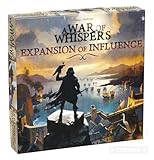
Overview: A War of Whispers: Expansion of Influence transforms the four-player dark fantasy manipulation game into a five-player experience while introducing two compelling new factions. This expansion requires the base game and adds the seafaring Orca Raiders and shadowy Sparrow underground network, fundamentally altering the political landscape. The double-sided board and new agent tokens provide fresh strategic vectors for veteran players seeking to deepen their table’s meta.
What Makes It Stand Out: The asymmetric design shines through the Orca Raiders’ naval dominance and the Sparrows’ subversive infiltration mechanics. The double-sided board isn’t merely cosmetic—it enables customized scenarios that prevent meta-gaming and dramatically extends replayability. New agent placement rules create emergent strategies where controlling coastal regions versus underground networks demands completely different tactical mindsets.
Value for Money: Compared to standalone games, expansions live or die by their integration quality. At typical expansion pricing, the double-sided board alone justifies the cost, essentially providing two distinct game experiences. The fifth player support eliminates the common “one friend left out” problem without diluting the core tension.
Strengths and Weaknesses: Strengths include seamless faction integration, enhanced replayability, and thoughtful 5-player scaling that maintains tension. The double-sided board offers genuine variety. Weaknesses: requires base game knowledge, increases playtime by 20-30 minutes, and the Sparrow faction’s complexity may overwhelm newcomers. The shadow mechanics demand more table space for tracking.
Bottom Line: Essential for War of Whispers enthusiasts who regularly play with five or crave strategic variety. The new factions feel distinct rather than reskinned, and the board options keep the game fresh. Casual players should master the base game first.
2. Free League: Mutant Year Zero: Zone Wars - Robots & Psionics Expansion - Boxed Miniatures Wargame, 2 New Factions, Tabletop RPG Skirmish Mayhem

Overview: Zone Wars expands Free League’s Mutant: Year Zero skirmish system with two new factions: the mechanical Mechatron Hive and the psionic Nova Cult. This boxed set includes ten 32mm sundrop-coated miniatures and five scenarios, bringing the post-apocalyptic wasteland to life for up to four players. The expansion integrates seamlessly with the base game’s fast-paced combat.
What Makes It Stand Out: The sundrop-coated miniatures arrive tabletop-ready with a distinctive weathered aesthetic that captures the setting’s grim atmosphere. The factions offer mechanical diversity—the Hive’s networked robots versus the Cult’s psychic abilities—creating asymmetric gameplay. The five scenarios provide narrative context beyond simple skirmishes.
Value for Money: Ten miniatures with factory-applied sundrop coating represent solid value, comparable to premium pre-painted sets. The inclusion of dedicated scenario booklets adds campaign potential. Individual Mechatron or Nova Cult miniatures would cost significantly more purchased separately.
Strengths and Weaknesses: Strengths include high-quality sculpts, ready-to-play miniatures saving painting time, and rich faction theming that deepens the MYZ universe. The scenarios offer good variety. Weaknesses: sundrop coating, while attractive, limits customization for painters. The expansion requires the base Zone Wars set, and five scenarios may feel limited for long-term play. Some miniatures have delicate components.
Bottom Line: An excellent addition for MYZ fans wanting quick tabletop action without painting obligations. The factions play distinctly, and the miniatures’ quality justifies the price. Competitive players may want more scenarios, but narrative gamers will appreciate the wasteland flavor.
3. Battles of the American Civil War August 1862 - April 1865: A Solitaire Wargame Expansion (Mike Lambo Solitaire Book Games)

Overview: This solitaire expansion from designer Mike Lambo covers critical Civil War battles from August 1862 to April 1865, offering a deep historical wargaming experience for solo players. As part of the solitaire book game series, it delivers complex tactical decisions through streamlined rules designed specifically for single-player engagement with historical accuracy.
What Makes It Stand Out: The chronological scope captures the war’s evolution, from Second Bull Run through Appomattox, providing narrative continuity across scenarios. Lambo’s AI-driven opponent system creates authentic Confederate decision-making patterns without requiring another player. The book format makes it highly portable compared to traditional boxed wargames.
Value for Money: Book-format wargames typically cost less than boxed equivalents while delivering comparable strategic depth. The extensive campaign period offers dozens of potential engagements, effectively providing multiple games in one volume. For solo gamers, this represents hours of content without needing opponents.
Strengths and Weaknesses: Strengths include meticulous historical research, intelligent solo AI mechanics, and space-efficient storage. The rules accommodate both quick skirmishes and full campaigns. Weaknesses: no physical components included—players must provide maps, counters, or digital implementations. The dense historical focus may intimidate casual gamers. Setup can be time-intensive without custom components.
Bottom Line: Indispensable for dedicated Civil War solo wargamers seeking historical authenticity. The AI system works brilliantly, and the campaign scope is impressive. However, component requirements mean it’s best for experienced players with existing wargaming supplies.
4. BattleTech House Davion Cavalry Lance by Catalyst Game Labs | Hellspawn Legionnaire Gunsmith and Enforcer FS Miniatures | Pilot Cards and Alpha Strike Rules | Tabletop Wargame Expansion

Overview: Catalyst Game Labs’ House Davion Cavalry Lance introduces four plastic BattleMechs—Hellspawn, Legionnaire, Gunsmith, and a new Enforcer FS variant—pre-assembled for the Federated Suns faction. This expansion serves both classic BattleTech and Alpha Strike systems, complete with pilot cards and streamlined unit cards for immediate deployment.
What Makes It Stand Out: The Enforcer FS variant is exclusive to this set, giving collectors a unique chassis. Pilot cards inject personality-driven bonuses, transforming generic MechWarriors into distinct characters with tactical specializations. The inclusion of both classic and Alpha Strike cards provides system flexibility unmatched by single-format releases.
Value for Money: Four premium plastic miniatures with faction-specific pilot cards typically retail at $15-20 each when purchased separately. This lance box offers them at a bundled discount while adding exclusive content. For Alpha Strike players, the ready-to-use unit cards eliminate conversion time.
Strengths and Weaknesses: Strengths include high-detail sculpts, pre-assembly saving build time, dual-system compatibility, and pilot customization options. The Enforcer FS variant is a genuine collectible. Weaknesses: pre-assembled miniatures limit posing customization for hobbyists. Some mold lines require cleanup. The set focuses narrowly on House Davion, offering less value for other faction players.
Bottom Line: A must-have for Federated Suns commanders and collectors seeking the exclusive Enforcer FS. The dual-format support maximizes utility, though serious painters may lament the pre-assembly. Competitive Alpha Strike players get immediate fieldable units with character depth.
5. Daimyo: A Mass Battle Samurai Wargame (Osprey Wargames)

Overview: Daimyo from Osprey Wargames delivers mass-battle samurai warfare in an accessible rulebook format. Designed for large-scale conflicts featuring hundreds of miniatures, it captures Sengoku-period tactics without the complexity of traditional big-battle rules. The system emphasizes command control, morale, and historical flavor over individual combat resolution.
What Makes It Stand Out: Osprey’s signature concise rulebook presents mass battle mechanics in under 64 pages, making it approachable for newcomers to the genre. The command activation system reflects feudal Japanese hierarchy, where daimyo loyalty directly impacts battlefield coordination. Unlike skirmish games, Daimyo handles 200+ miniatures smoothly.
Value for Money: Osprey rulebooks typically price competitively against larger hardcover wargames, offering professional layout and historical research. For players owning existing samurai miniatures, this provides a complete system without requiring proprietary models. The mass-battle focus fills a niche between skirmish and ultra-complex systems.
Strengths and Weaknesses: Strengths include streamlined large-scale mechanics, historical authenticity in command structure, and compatibility with any 28mm samurai miniatures. The concise rulebook teaches quickly. Weaknesses: requires substantial miniature collections to realize its mass-battle vision. The abstracted combat may disappoint players wanting detailed individual duels. Limited scenario support means players must create their own campaigns.
Bottom Line: Perfect for wargamers seeking to field large samurai armies without cumbersome rules. The command system elegantly reflects the period, though skirmish enthusiasts should look elsewhere. Best value for those with existing miniature collections ready for big battles.
6. Wargames Atlantic Baron’s War 2nd Edition Starter Set

Overview: The Baron’s War 2nd Edition Starter Set from Wargames Atlantic delivers a complete entry point into medieval tabletop wargaming. This comprehensive box includes 54 highly detailed multipart plastic miniatures scaled at 28mm, accompanied by 56 25mm round bases. The kit provides sufficient units to field either two balanced 500-point retinues for introductory battles or combine them into a single 1000-point force for more complex engagements.
What Makes It Stand Out: The true distinction lies in the multipart design that allows unprecedented customization for historical accuracy. Each figure can be assembled with varied weapons, poses, and equipment reflecting the 13th century Barons’ War period. The sculpt quality captures chainmail, surcoats, and period helmets with remarkable fidelity, enabling wargamers to create truly unique retinues that reflect their strategic preferences.
Value for Money: At approximately $1-1.50 per miniature, this set significantly undercuts competitors like Warlord Games’ historical lines while offering comparable detail. The inclusion of 56 bases and the flexibility to create two full forces eliminates the need for immediate additional purchases. For newcomers to historical wargaming, this represents an economical foundation compared to buying separate unit boxes.
Strengths and Weaknesses: Strengths include exceptional value, historically accurate sculpts, and versatile army-building options. The multipart nature enables dynamic poses and weapon variations. Weaknesses center on the mandatory assembly and painting time investment, which may deter casual gamers. The niche historical period also lacks the mainstream appeal of fantasy or sci-fi alternatives, limiting its audience.
Bottom Line: Ideal for dedicated historical wargamers seeking authentic 13th-century warfare representation. The set rewards hobbyists who enjoy customization and painting, offering substantial content at an aggressive price point. However, newcomers should be prepared for the significant crafting commitment required before fielding these troops on the battlefield.
7. Archon Studio Masters of The Universe Wave 8 Snake Men Faction Expansion Set for Motu Battleground RPG Board Game with 6 Character Miniatures and Terrain Pieces - for 14 Years +

Overview: Archon Studio’s Snake Men Faction Expansion brings the iconic villains from Masters of the Universe to your Battleground tabletop RPG. This Wave 8 release introduces six unique character miniatures including King Hisss, Lady Slither, and Rattlor, plus eight terrain pieces, six tokens, and 34 play cards. The 49-piece set integrates seamlessly with the base game, offering new tactical dimensions for players aged 14 and up.
What Makes It Stand Out: The official Mattel licensing ensures authentic character designs that capture the vintage toy aesthetic while incorporating modern sculpting techniques. Each Snake Men figure features dynamic poses and intricate scale texturing. The expansion’s comprehensive approach—combining miniatures, terrain, and gameplay cards—provides a complete faction experience rather than just additional units, fundamentally altering campaign possibilities.
Value for Money: Retailing around $50-60, the expansion delivers roughly $8-10 per highly-detailed miniature, competitive with premium board game expansions. The inclusion of terrain pieces and extensive card deck adds tangible value beyond the figures themselves. Compared to purchasing individual booster packs, this bundled approach saves approximately 30% while ensuring cohesive faction mechanics.
Strengths and Weaknesses: Strengths include durable HIPS plastic construction, faithful character representation, and substantial content variety. The EU manufacturing ensures quality control. Weaknesses include the mandatory base game requirement and 14+ age restriction that limits younger fans. Some miniatures may require careful assembly due to serpentine details, and painting demands patience to capture the reptilian aesthetic properly.
Bottom Line: Essential for Masters of the Universe Battleground owners wanting to expand their narrative scope. The Snake Men faction delivers exceptional thematic content that justifies its price, though the investment only makes sense if you’re already committed to the core system. Perfect for nostalgic fans seeking to recreate Eternia’s most sinister storylines.
8. Marvel Multiverse Role-Playing Game: X-Men Expansion

Overview: The X-Men Expansion for Marvel Multiverse Role-Playing Game opens the Xavier Institute’s doors to tabletop adventurers. This supplement focuses on Marvel’s mutant heroes and villains, providing game masters and players with expanded character creation options, new archetypes, and storyline frameworks centered around mutantkind’s struggle for acceptance. The content integrates seamlessly with the core rulebook’s mechanics while introducing psionic powers and X-gene abilities.
What Makes It Stand Out: The expansion captures the X-Men’s essence through narrative-driven mechanics that emphasize team dynamics and moral complexity. It likely includes profiles for iconic characters like Wolverine, Storm, and Magneto, plus guidelines for creating original mutants. The book probably features mission templates based on classic storylines such as the Phoenix Saga or Days of Future Past, offering rich campaign potential.
Value for Money: Typical RPG expansions retail for $35-45, representing solid value if delivering 150+ pages of content. Compared to creating homebrew mutant rules, this official supplement saves countless hours while ensuring mechanical balance. The value multiplier increases for groups specifically wanting X-Men campaigns versus generic superhero play, as the specialized content justifies the investment over generic supplements.
Strengths and Weaknesses: Strengths include official Marvel canon integration, balanced mutant power systems, and pre-built adventure seeds. The expansion deepens the core game’s scope meaningfully. Weaknesses involve dependency on the base rulebook—useless without it—and potential niche focus that may not appeal to groups preferring Avengers or street-level heroes. Limited utility for non-mutant campaigns reduces flexibility.
Bottom Line: A must-have for groups eager to explore mutant-centric narratives within the Marvel Multiverse system. The expansion delivers targeted content that enhances the core experience, though its specialized nature means casual players should prioritize the base game first. Invest only if X-Men stories are central to your campaign vision.
9. Marvel Multiverse Role-Playing Game: Secret Wars Expansion

Overview: The Secret Wars Expansion catapults Marvel Multiverse Role-Playing Game into Battleworld’s cosmic crucible. This supplement transforms the tabletop experience by introducing multiverse-shattering events, allowing players to encounter variant versions of beloved characters across different realities. The expansion provides frameworks for running epic crossover events, incorporating god-tier powers and reality-warping abilities that exceed standard power levels.
What Makes It Stand Out: The sourcebook’s scope is unprecedented, likely including rules for the Beyonder’s challenges, Battleworld zones with unique physics, and mechanics for character incursions from alternate timelines. This isn’t mere content addition—it’s a paradigm shift enabling GMs to run universe-spanning campaigns. The inclusion of key Secret Wars characters and artifacts provides immediate adventure hooks for this ambitious storytelling framework.
Value for Money: Positioned at $40-50, the expansion offers exceptional ROI for GMs planning long-term campaigns. The content’s replayability through multiple Battleworld scenarios and infinite reality combinations extends value far beyond single-use modules. Compared to homebrewing complex multiverse mechanics, this professionally-balanced supplement prevents power creep while delivering iconic Marvel moments, saving preparation time and potential rules headaches.
Strengths and Weaknesses: Strengths include ambitious scope, mechanically sound multiverse rules, and high-concept adventure potential. The expansion elevates the core system to cosmic scales elegantly. Weaknesses include steep narrative complexity that may overwhelm novice GMs and players. The high-power focus could disrupt balance in standard campaigns, making it less versatile for street-level stories. Requires masterful GM stewardship.
Bottom Line: Essential purchase for experienced GMs ready to helm universe-shaking narratives. The Secret Wars Expansion unlocks the Marvel Multiverse system’s full potential, though its complexity demands confident storytelling skills. New players should master core rules first, but veteran groups will find this transforms their game into something truly spectacular.
10. EnderToys Connecting Barricade Wall Expansion Pack, 3D Printed Tabletop RPG Scenery and Wargame Terrain for 28mm Miniatures
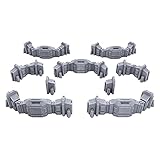
Overview: EnderToys’ Connecting Barricade Wall Expansion Pack delivers modular 3D-printed terrain for 28mm miniature wargames and RPGs. Manufactured in Las Vegas using eco-friendly PLA plastic, this set includes various interconnecting wall segments that create immersive urban battlefields. The unpainted terrain requires primer and paint for optimal results, with potential minor assembly needed to maximize customization options.
What Makes It Stand Out: The innovative connector system allows infinite configuration possibilities, from simple barricades to complex fortified positions. Unlike static resin terrain, these lightweight pieces snap together securely while remaining easy to reconfigure mid-campaign. The USA-based 3D printing ensures rapid production and design iteration, while PLA’s eco-friendly composition appeals to environmentally conscious gamers seeking sustainable hobby options.
Value for Money: Priced competitively at $25-35 per set, these walls cost significantly less than equivalent handcrafted resin terrain. The modular nature effectively provides multiple terrain pieces for the price of one static kit. While requiring painting effort, the savings versus pre-painted options are substantial. For budget-conscious GMs wanting versatile battlefield options, this represents exceptional value compared to single-use terrain solutions.
Strengths and Weaknesses: Strengths include lightweight durability, infinite modularity, eco-friendly materials, and American manufacturing quality. The pieces store compactly and transport easily. Weaknesses involve mandatory painting, potential color variation between batches, and occasional layer lines inherent to 3D printing that require sanding. Some configurations may need glue for permanent stability, reducing quick-change flexibility.
Bottom Line: An outstanding value for GMs building dynamic battlefields on budgets. The connecting system provides unmatched versatility, though hobbyists must invest painting time. Minor print quality quirks are acceptable at this price point. Highly recommended for 28mm scale games like Warhammer 40,000, Kill Team, or modern RPG combat scenarios where terrain flexibility matters.
The Modern Expansion Landscape
Wargame expansions have matured from simple unit packs into sophisticated systems that can fundamentally alter how a game plays, feels, and survives on your table over time. The industry has shifted toward modular design philosophies that let you customize your experience while maintaining balance and accessibility.
The Rise of Modular Expansion Design
Modern expansions increasingly embrace modular components that slot into base games without requiring a complete rules overhaul. These designs let you add specific elements—like advanced weather systems or supply line mechanics—while keeping the core experience intact for newer players. This approach respects your investment by ensuring expansions enhance rather than replace your base game knowledge.
Digital-Physical Hybrid Components
2026 has seen unprecedented integration between physical components and digital companions. QR codes on unit cards link to updated scenarios, while companion apps track campaign progression across multiple sessions. This hybrid approach reduces table clutter while enabling complex tracking that would be cumbersome with physical components alone.
Community-Driven Content Evolution
Publishers now actively incorporate community feedback into expansion development, with open beta testing and scenario design contests becoming standard practice. This collaborative approach means expansions often address real player needs rather than perceived market gaps, resulting in content that feels immediately relevant to your gaming group.
Tactical Depth Enhancers
The heart of any wargame lies in its tactical engine, and the best expansions inject fresh complexity without creating analysis paralysis. These modules reward careful planning while introducing new variables that keep veteran players engaged.
Advanced Rule Systems and Mechanics
Look for expansions that introduce optional advanced rules deepening specific phases of play. These might include refined combat resolution tables, morale systems with cascading effects, or command-and-control limitations that force realistic strategic trade-offs. The key is that these rules should feel additive rather than corrective, building upon solid foundations rather than fixing fundamental issues.
Dynamic Terrain and Environmental Effects
Static maps become living battlefields when expansions introduce dynamic terrain features. Seasonal changes that affect movement, destructible buildings that alter line-of-sight, and weather patterns that evolve mid-scenario create emergent narratives no script could replicate. These systems force you to adapt strategies on the fly, mirroring the challenges real commanders face.
Unit Specialization Trees
Rather than simply adding more units, essential expansions provide specialization pathways for existing forces. Your standard infantry might evolve into airborne, mountain, or mechanized variants through campaign progression or scenario-specific upgrades. This approach maximizes component utility while giving you meaningful decisions about force development.
Strategic Layer Transformations
Beyond individual battles, the most impactful expansions reshape the strategic meta-layer, connecting skirmishes into coherent campaigns where decisions ripple across time and space.
Campaign and Legacy Elements
Progressive campaigns where outcomes permanently alter future scenarios have become gold standards in 2026. These systems might feature persistent damage to units, territory control that affects resource availability, or political consequences that unlock or lock out future options. The best implementations balance continuity with accessibility, allowing new players to join mid-campaign without overwhelming them.
Diplomacy and Political Systems
Military might alone rarely wins wars, and expansions that model complex political landscapes add rich dimensions to gameplay. Look for modules introducing neutral factions whose allegiance can be swayed, internal political pressure that limits military options, or coalition-building mechanics that force uncomfortable alliances. These systems remind you that every battle exists within a larger context.
Economic and Resource Overhauls
Essential expansions often transform abstracted resource systems into tangible economic engines. This might involve production chains that require securing specific locations, trade route management vulnerable to interdiction, or research and development trees that demand long-term investment. Such depth rewards strategic foresight beyond immediate tactical concerns.
Faction and Unit Diversity Expansions
While adding new factions is a traditional expansion approach, 2026’s best implementations focus on meaningful asymmetry rather than mere quantity.
Asymmetric Faction Abilities
Truly essential faction expansions provide dramatically different play experiences rather than just reskinning existing mechanics. One faction might excel through economic warfare and sabotage, another through overwhelming firepower, and a third through mobility and hit-and-run tactics. This diversity ensures your group can replay scenarios with fresh strategic puzzles simply by switching sides.
Mercenary and Neutral Units
Expansions introducing hireable mercenary forces or manipulatable neutral units create dynamic, unpredictable board states. These elements introduce bidding systems, temporary alliances, and wildcard factors that prevent optimal strategies from becoming rote. The key is that these units should feel distinct from core faction forces while integrating seamlessly into existing rules.
Historical “What If” Scenarios
The most engaging expansions explore plausible alternate histories rather than purely fictional content. These modules might introduce prototype weapons that nearly saw service, explore diplomatic breakdowns that almost happened, or model commanders who historically missed key battles. This approach grounds gameplay in reality while exploring fascinating hypotheticals.
Narrative and Scenario Content
Compelling narratives transform mechanical exercises into memorable stories, and essential expansions deliver rich scenario design that respects player agency.
Branching Campaign Structures
Linear campaigns feel restrictive in 2026; instead, seek expansions offering branching paths where your decisions meaningfully alter the narrative trajectory. Multiple victory conditions, side missions that affect future resources, and moral dilemmas with genuine consequences create personal stories that resonate long after the game ends.
Single-Battle Scenario Packs
Not every session demands a campaign commitment. High-quality scenario packs providing balanced, historically-grounded single battles with unique setup conditions and special rules offer perfect bite-sized experiences. The best packs include designer notes explaining historical context and strategic considerations, functioning as both games and educational tools.
Solo and Cooperative Narratives
With solo gaming continuing its meteoric rise, essential expansions now include robust AI opponents and cooperative scenarios where players team against automated threats. Look for systems using simple decision trees or card-driven AI that creates believable opposition without requiring another human player.
Component and Quality-of-Life Upgrades
Sometimes the most essential expansions aren’t about new rules but about elevating the physical experience of play.
Premium Token and Miniature Replacements
Deluxe component upgrades that replace cardboard tokens with weighted miniatures, engraved markers, or custom dice enhance tactile satisfaction and clarity. These expansions particularly benefit games with complex stacking or status effects, reducing ambiguity and table space while increasing immersion.
Enhanced Storage Solutions
As your collection grows, storage becomes critical. Essential organizer expansions custom-designed for base games and their modules save setup time, protect components, and make transportation practical. The best solutions accommodate future expansions, demonstrating publisher commitment to long-term support.
Digital Companion Apps
While not physical expansions, companion apps have become indispensable for tracking complex campaign states, randomizing scenarios, or managing hidden information. Essential apps offer offline functionality, regular updates, and intuitive interfaces that reduce administrative burden without replacing the physical game’s charm.
Evaluating Expansion Value
With countless options competing for your budget, developing a framework for assessing expansion value prevents buyer’s remorse and ensures your collection grows strategically.
Replayability Multipliers
Calculate an expansion’s value by estimating how many new sessions it enables. A faction pack that adds five scenarios might seem valuable, but a dynamic terrain system that transforms every existing scenario could offer exponentially more replayability. Essential expansions should multiply rather than simply add to your base game’s lifespan.
Compatibility and Integration
The best expansions integrate so smoothly that new players can’t distinguish base from expanded content. Look for modules that don’t require extensive rules exceptions or create power creep that invalidates base game strategies. Seamless integration indicates thoughtful design that respects your existing investment.
Cost-Per-Play Analysis
While expensive expansions can feel daunting, breaking down cost per anticipated session often reveals better value than cheaper, less substantial add-ons. A $50 campaign expansion you’ll play twenty times costs less per session than a $15 scenario pack you’ll use twice. Essential expansions earn their price through sustained engagement.
Future-Proofing Your Collection
Smart expansion purchasing in 2026 means considering not just current enjoyment but long-term collection health and compatibility.
Cross-Title Compatibility
Forward-thinking publishers design expansion components usable across multiple titles in their catalog. Universal terrain tiles, faction ability decks that work with several games, or campaign systems that connect different battles create ecosystem value. Investing in these systems builds a toolkit rather than isolated game modules.
Expansion Lifecycle Considerations
Understanding where a game is in its development cycle helps time purchases wisely. Early expansions often establish core variants, while later ones might refine or complicate. Essential expansions typically appear mid-cycle, after the base game has proven itself but while community momentum remains strong.
Community Support Indicators
Vibrant communities create fan scenarios, strategy guides, and official errata that extend expansion value. Before purchasing, investigate whether a game’s community actively engages with its expansions through forums, tournaments, or content creation. A passionate community transforms good expansions into essential ones through shared exploration.
Frequently Asked Questions
How do I know if an expansion is worth buying before it releases?
Research the publisher’s track record with previous expansions—do they address community feedback and deliver substantial content? Follow designer interviews and preview articles focusing on specific mechanics rather than hype. Join community discussions where playtesters often share impressions under non-disclosure agreements. Pre-ordering rarely offers discounts in wargaming, so waiting for post-release reviews from trusted sources is usually wise.
What’s the difference between a “deluxe” upgrade and an “essential” gameplay expansion?
Deluxe upgrades enhance physical components and presentation without changing rules—think replacement miniatures or premium tokens. Essential gameplay expansions introduce new mechanics, factions, or scenarios that fundamentally alter how you play. While deluxe items improve tactile experience, essential expansions extend strategic depth and replayability. Your priorities should dictate which type deserves your budget.
Will expansions released in 2024-2025 remain compatible with 2026 base game updates?
Most publishers maintain backward compatibility, but 2026 has seen increased modular design that sometimes isolates older expansions. Check official compatibility charts on publisher websites before purchasing legacy expansions. Community forums often develop “conversion guides” for popular titles, but new players should prioritize expansions specifically marked as compatible with current rulebook versions.
How much of my wargaming budget should I allocate to expansions versus new base games?
Experienced players often follow a 60/40 rule—60% toward base games that offer entirely new systems, 40% toward expansions that deepen existing favorites. However, if you’ve found a system your group loves, shifting to 70% expansions can be justified. Track your actual plays; if a base game sees the table monthly, its expansions offer better value than a new game that might sit unplayed.
Can tournament or competitive play use expansions, or do they typically stick to base games?
Competitive scenes vary dramatically by title. Some embrace expansions after extensive playtesting and balance verification, while others maintain “core only” formats for accessibility. Check your game’s tournament regulations—many maintain separate “expanded” and “classic” divisions. Expansions with random elements or asymmetric powers often see limited competitive use, while those adding pure options without luck frequently gain acceptance.
What’s the most space-efficient way to store multiple expansions for the same game?
Custom insert systems designed for the entire product line offer the best space efficiency, often condensing base game plus five expansions into the original box. For larger collections, modular storage using standardized containers with detailed labeling prevents loss. Digital component tracking via apps or spreadsheets helps you quickly locate specific scenario pieces without unpacking everything.
How do I introduce new players to a game when my group regularly uses expansions?
Start with the base game for at least two full sessions to establish core mechanics. Then introduce expansions one at a time, explaining how each adds to the foundation. Create “teaching scenarios” that use simplified expansion rules. Some groups maintain a “new player” setup with expansions that add variety without complexity, such as additional maps or units without new rules overhead.
Are digital companion apps replacing physical expansions in 2026?
Apps complement rather than replace physical expansions for most wargamers. They excel at tracking hidden information, complex calculations, and campaign progression but can’t replicate the tactile satisfaction of moving physical pieces. The trend is toward hybrid designs where apps handle administrative tasks while the physical game remains the primary experience. Purely digital expansions remain rare in the wargaming space.
How many expansions are too many before a game becomes unwieldy?
The tipping point arrives when setup time exceeds playtime or when rules exceptions become too numerous to track without constant reference. Most well-designed games support 3-5 major expansions before requiring selective use. Smart groups rotate expansions—using campaign elements for long-term play, but stripping back to tactical modules for casual sessions. If you need a flowchart to determine which rules are active, you’ve likely crossed the line.
What solo wargame expansion trends should I watch for in late 2026?
Expect increased sophistication in AI opponents using deck-based decision systems that create unpredictable yet logical behaviors. Narrative solo campaigns with legacy elements—where your decisions permanently alter a personal map—are gaining traction. Cooperative solo experiences where you manage multiple factions against automated threats are also emerging, offering fresh challenges for isolated strategists seeking complex puzzles without adversarial pressure.
See Also
- 10 Essential Party Game Expansions Every Game Night Host Needs in 2026
- 10 Expert-Recommended Strategy Game Expansions for Tactical Depth in 2026
- 10 Best Value Strategy Game Expansions for Long-Term Play in 2026
- 10 Game-Changing Wargame Expansions for Tactical Players in 2026
- The 10 Best Strategy Game Expansions for Competitive Players in 2026