Table of Contents
There’s something profoundly satisfying about the tactile click of tiles snapping into place, forming patterns that existed only in your imagination moments before. For abstract board game enthusiasts, tile placement games represent the purest intersection of spatial reasoning, strategic foresight, and creative expression—where every decision permanently alters the landscape of possibility. As we look toward 2026, this genre continues to evolve, offering increasingly sophisticated mechanisms that reward both analytical thinking and artistic vision.
The beauty of tile placement lies in its deceptive simplicity. While the core action—placing one tile adjacent to another—appears straightforward, the strategic depth unfolds in layers. Modern designs have transformed this mechanic from a simple spatial puzzle into a rich ecosystem of scoring opportunities, resource management, and player interaction. Whether you’re drawn to the meditative solo challenge of building harmonious patterns or the cutthroat competition of blocking opponents’ plans, understanding what makes these games essential will transform how you approach your next acquisition.
Top 10 Tile Placement Games for Abstract Board Games
Detailed Product Reviews
1. Azul Asmodee Azul Board Game - Award-Winning Tile-Placement Strategy Game, Beautiful Mosaic Art, Family Fun for Kids & Adults, Ages 8+, 2-4 Players, 30-45 Minute Playtime
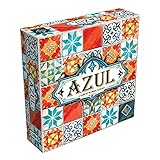
Overview: Azul is an award-winning tile-placement strategy game where players craft beautiful mosaic patterns using colorful resin tiles. Inspired by Portuguese azulejos, it accommodates 2-4 players ages 8+ in 30-45 minutes. The game combines visual appeal with strategic depth, making it accessible to newcomers while offering rich tactical choices for seasoned gamers.
What Makes It Stand Out: The tactile satisfaction of drafting and placing heavy, gem-like tiles onto personal player boards creates an unparalleled sensory experience. Its unique market mechanic forces players to balance immediate gains against potential penalties, creating delicious tension. The game scales brilliantly across player counts, maintaining engagement whether played as a thoughtful two-player duel or a chaotic four-player affair.
Value for Money: Priced in the premium tier, Azul justifies every penny through exceptional component quality and endless replayability. The substantial tiles and elegant boards withstand countless plays. Compared to similarly priced strategy games, its production values and accessibility give it a significant edge, making it a better investment than many heavier games that see less table time.
Strengths and Weaknesses: Strengths include stunning artwork, intuitive rules, deep strategic layers, and high replay value. The physical quality is outstanding. Weaknesses involve potentially cutthroat player interaction that may frustrate some, slightly lengthy setup for its weight, and a theme that, while beautiful, remains abstract and may not immerse players seeking narrative.
Bottom Line: Azul belongs in every board game collection. It masterfully bridges the gap between family entertainment and serious strategy, offering a complete package of beauty, depth, and accessibility that few games achieve.
2. ECO CORAL REEF | Strategic Tile-Laying Board Game | Colorful Tile Placement Tabletop Game | 2-4 Players | Playtime 30-60 min | by Unique Board Games (Standard Edition)

Overview: ECO: Coral Reef casts players as marine biologists collaboratively building a vibrant coral reef through strategic tile placement. This 2-4 player game runs 30-60 minutes, combining pattern matching with hidden objective mechanics. Players advance sea turtle meeples toward victory while balancing shared board development with personal goals, creating an interactive puzzle with shifting priorities.
What Makes It Stand Out: The marine conservation theme stands out in a crowded market, offering genuine educational value alongside gameplay. Its hidden interest mechanism creates interesting player dynamics where helping others might inadvertently advance your own position. The dominoes-meets-chess description hints at spatial reasoning challenges that feel fresh and accessible to younger players, while still engaging adults.
Value for Money: Positioned as a budget-friendly option, the standard edition’s cardboard tiles and basic components reflect its lower price point. While affordable, the flimsy materials detract from the experience. Compared to entry-level games like Carcassonne, it offers less polish and clarity, making it harder to recommend despite its noble theme and good intentions.
Strengths and Weaknesses: Strengths include an engaging ecological theme, family-friendly rules, and educational merit about marine ecosystems. The turtle meeples add charm and personality. Weaknesses center on subpar component quality, reportedly unclear rulebook editing, and gameplay that can feel derivative without the tactical satisfaction of better tile-laying games. The cardboard tiles lack durability and tactile appeal.
Bottom Line: ECO: Coral Reef Standard Edition suits families specifically interested in marine biology, but casual gamers should opt for more polished alternatives. It’s a noble concept hampered by execution issues.
3. ECO CORAL REEF Deluxe Edition | Strategic Tile-Laying Board Game | Tile Placement Tabletop Game

Overview: The Deluxe Edition of ECO: Coral Reef elevates the base game with premium components while retaining the core marine biology tile-laying experience. Players still build collaborative coral reefs as competing scientists, balancing shared objectives with hidden personal goals across 30-60 minute sessions for 2-4 participants who must adapt to changing board conditions.
What Makes It Stand Out: This edition transforms the experience through substantial upgrades: a sturdy tin box, neoprene playmat map, silicone turtle meeples, and hefty UREA tiles reminiscent of quality dominoes. Two additional gameplay variants extend replayability beyond the base experience. The improved rulebook editing addresses previous clarity issues, making this the definitive version for enthusiasts and collectors alike.
Value for Money: The price jump is significant but justified for fans of the original. The UREA tiles and silicone pieces provide satisfying tactile feedback that cardboard simply cannot match. Compared to deluxe editions of other games, the component improvements are meaningful rather than superficial. For those who enjoyed the base game concept, this upgrade is worthwhile and enhances every aspect of play.
Strengths and Weaknesses: Strengths include exceptional component quality, better rulebook clarity, and added gameplay variants that increase strategic depth. The presentation rivals premium publishers. Weaknesses remain in the core gameplay, which still may not satisfy players seeking heavy strategy. The theme, while improved visually, remains mechanically abstract. The investment only makes sense if you appreciate the base game’s puzzle.
Bottom Line: The Deluxe Edition is essential for fans of ECO: Coral Reef but won’t convert critics of the original. It delivers a premium experience that matches its ecological theme’s beauty.
4. Abstract Strategy Board Game for Kids, Teens and Family, Party Tabletop Game for Game Night, Strategic 2 Players Ages 6 to Adults, Linkx by Blue Orange Games

Overview: Linkx by Blue Orange Games reimagines abstract strategy through a vertical board where two players race to connect opposite edges using tetromino tiles. Ages 6 to adult can enjoy this 15-20 minute duel that combines spatial reasoning with tactical blocking. Players slide durable plastic pieces into a grid, creating paths that can twist and turn across the board’s surface in surprising ways.
What Makes It Stand Out: The vertical board orientation creates a unique playing experience that encourages players to think in three dimensions. The satisfying tactile sensation of sliding tiles into place, accompanied by distinctive clicks, enhances engagement. Unlike traditional flat abstract games, Linkx demands players visualize connections from multiple angles, developing spatial awareness and forward planning skills.
Value for Money: Positioned in the mid-range, Linkx offers excellent value through durable components and timeless gameplay. The vertical board design justifies the cost compared to flat abstract games. It serves as both an educational tool for children developing fine motor skills and a competitive filler for adult gamers, maximizing its utility per dollar spent across different audiences.
Strengths and Weaknesses: Strengths include innovative vertical design, quick setup and playtime, genuine educational benefits, and high component durability. The rules are elegantly simple. Weaknesses include limitation to exactly two players, potential for repetitive strategies, and a somewhat dry abstract theme that may not engage narrative-driven players. The grid size could feel restrictive after extensive play.
Bottom Line: Linkx excels as a two-player filler that grows with its audience. It’s an ideal choice for families seeking developmental games and gamers wanting quick, thoughtful duels.
5. Funforge: Donuts - The Tasty & Tactical Clash for 2 Players, Placement Board Game, Abstract Adult & Family Game, Ages 8+, 10-15 Min

Overview: Funforge’s Donuts delivers a lightning-fast tactical duel where two players race to align four donuts while preventing opponent interference. This 10-15 minute abstract game features simple rules but surprising strategic depth. Players place wooden donut pieces across four randomized boards, creating lines while blocking adversaries from completing their own winning connections.
What Makes It Stand Out: The game boasts infinite replayability through its modular board randomization, ensuring no two games play identically. The high-quality wooden donut pieces provide exceptional tactile satisfaction and visual appeal. Its blend of accessibility and tactical richness creates a perfect gateway into abstract strategy, where a single insertion can reverse fortunes dramatically and matches stay tense until the end.
Value for Money: Donuts represents exceptional value, offering premium wooden components at an affordable price point. The thirty solid wood pieces feel substantial and will endure decades of play. For budget-conscious gamers seeking quality, it outperforms many card-based fillers. The infinite board configurations provide limitless content without expansions, making it one of the best returns on investment in the two-player market today.
Strengths and Weaknesses: Strengths include ultra-fast playtime, high-quality wooden components, genuinely tactical gameplay, and perfect portability. The rules are teachable in under a minute. Weaknesses include very abstract theme, limited to two players only, and potential for analysis paralysis despite short playtime. The small board pieces could be easily lost without careful storage and organization between plays.
Bottom Line: Donuts is a must-have pocket-sized duel for abstract strategy enthusiasts. Its quality, depth, and speed make it an ideal travel game and coffee-table staple.
6. Funforge Tapas - Engaging Tile Laying Board Game for Strategic Family Fun | 2 Players | Ages 8+ | Abstract Strategy Puzzle with Croquetas & Jalapenos Theme
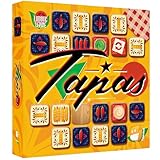
Overview: Funforge Tapas delivers a delightful two-player abstract strategy experience wrapped in a quirky Spanish appetizer theme. Players command factions of Croquetas and Jalapenos, vying for board dominance through clever tile placement and displacement mechanics. With a lightning-fast 15-minute playtime and rules teachable in under five minutes, this game hits the sweet spot for casual gaming sessions and serves as an excellent filler between heavier titles.
What Makes It Stand Out: The game’s unique push mechanic sets it apart from traditional abstract games like chess or checkers. You must position tiles behind opponents’ pieces, then slide entire rows based on tile values, creating cascading strategic implications. The vibrant tapas theme, while lighthearted, provides memorable flavor without overwhelming the solid underlying mechanics. Its accessibility for ages 8+ makes it genuinely family-friendly while retaining enough depth to engage adult gamers.
Value for Money: Positioned competitively against other two-player abstracts like Hive or Onitama, Tapas offers exceptional value. The components are typically sturdy, and the replay value remains high due to emergent strategies that reveal themselves over multiple sessions. For under $25, you’re getting a focused, well-designed experience that rewards repeated plays and travels easily in a small box.
Strengths and Weaknesses: Strengths include rapid setup, intuitive rules, genuine strategic depth, and perfect portability for travel. The 2-player exclusivity creates intense head-to-head battles. Weaknesses: the niche theme may not resonate with everyone, and hardcore strategists might find depth limited compared to heavy abstracts like Tash-Kalar. The small board can feel restrictive after many plays.
Bottom Line: Funforge Tapas is an excellent choice for couples, families with older children, or anyone seeking a quick, thinky duel. It distills abstract strategy into a digestible, flavorful package that delivers consistent engagement without overstaying its welcome.
7. Color Field: Create Beautiful Abstract Paintings, Strategy Board Game for 2 to 4 Players - 25th Century Games

Overview: Color Field transforms players into abstract artists competing to create three masterpieces through elegant tile placement. This 2-4 player game combines spatial puzzle-solving with set collection, delivering a satisfying 30-minute creative challenge. Players draw and place hexagonal tiles on personal canvases, scoring by matching colored edges in a way that feels like painting with purpose while outmaneuvering rival artists.
What Makes It Stand Out: The artistic theme integrates seamlessly with gameplay rather than merely decorating it. The Tool system provides asymmetric abilities that evolve each session, preventing mechanical stagnation. Its dual-layered strategy—balancing immediate tile placement with long-term canvas composition—creates engaging decisions without overwhelming complexity. The game scales elegantly, maintaining tension whether played head-to-head or with a full group.
Value for Money: Competing in the same weight class as games like Azul and Sagrada, Color Field offers comparable value. The production quality typically includes chunky tiles and clear iconography. Priced around $30-35, it provides substantial replayability through variable Tool combinations and canvas layouts, making it a sound investment for families and casual gaming groups seeking a puzzling experience.
Strengths and Weaknesses: Strengths include gorgeous table presence, scalable complexity across player counts, minimal downtime, and rewarding player progression. The ruleset is crisp and teachable in minutes. Weaknesses: the abstract theme may fail to hook action-oriented players, and some Tools can create subtle balance issues. Player interaction is indirect, which might disappoint those seeking direct confrontation.
Bottom Line: Color Field succeeds as a meditative yet competitive puzzle perfect for family game nights or as a palate cleanser between heavier titles. It rewards thoughtful play without demanding exhaustive analysis.
8. Modern Art Abstract Board Game

Overview: Modern Art stands as Reiner Knizia’s masterclass in economic strategy, plunging 3-5 players into the cutthroat world of fine art auctions. Over four intense rounds, players manipulate a volatile market where an artist’s value fluctuates based on collective bidding behavior. This is a pure auction game where psychological warfare meets mathematical precision, creating a uniquely tense experience.
What Makes It Stand Out: Five distinct auction mechanisms—open, fixed price, sealed bid, double, and once-around—create dramatically different tactical landscapes each round. The player-driven market means you’re not just bidding on pieces; you’re actively shaping their worth. This dynamic transforms every sale into a mind game of valuation, bluffing, and timing that evolves based on groupthink and meta-gaming.
Value for Money: As a modern classic frequently compared to games like Ra and Medici, Modern Art delivers exceptional long-term value. The 45-minute playtime belies its strategic depth, and the experience evolves dramatically with player skill. Typically retailing around $40-50, it offers infinite replayability through human psychology rather than component variety, making it a staple for serious collections.
Strengths and Weaknesses: Strengths include unparalleled player interaction, zero luck after the initial deal, brilliant economic modeling, and high replayability. The artwork is genuinely beautiful. Weaknesses: it demands exactly 3-5 players, requires mature strategic thinking (making the 14+ rating accurate), and can suffer from analysis paralysis. Newcomers may find the market manipulation opaque initially.
Bottom Line: Modern Art is essential for strategy gamers and auction aficionados. It distills complex economic theory into an accessible, viciously competitive experience that rewards cunning and punishes timidity.
9. Promithi 65 Tiles 30mm Seaside Game Blocks, Tiles Escape Game for Kids in ABS Plastic Material Set with 4 DIY Stickers Plastic Mahjong Style, Simple Packaging

Overview: Promithi’s 65 Tiles package provides a DIY foundation for the viral “seaside escape” sliding puzzle game trending across social media. The set includes 65 lightweight ABS plastic tiles (30mm squares) and four sheets of stickers for customization. Designed as a build-your-own experience, it replicates the mechanics of traditional Mahjong-style block puzzles where players push tiles to extract specific patterns, creating a tactile puzzle experience.
What Makes It Stand Out: The true appeal lies in its customizable nature and social media pedigree. Players can personalize their tile sets, creating unique visual themes beyond the included seaside stickers. The ABS plastic construction ensures durability for repeated play, while the compact size makes it genuinely portable for travel or camping, adding game potential anywhere.
Value for Money: At roughly $15-20, this offers fair value for crafty gamers seeking a customizable component set. However, it’s not a complete game—it requires rule interpretation and DIY assembly. Compared to pre-made versions, you’re trading convenience for personalization potential and cost savings, which appeals to budget-conscious hobbyists.
Strengths and Weaknesses: Strengths include affordability, durability, creative freedom, and connection to a popular online trend. The lightweight design enhances portability. Weaknesses: instructions are poorly translated and vague, requiring external rule research. DIY assembly demands time and precision. Component quality is functional but not premium, and the game itself lacks strategic depth beyond the initial puzzle.
Bottom Line: This set suits DIY enthusiasts and social media gamers specifically seeking the trending experience. For others, pre-manufactured alternatives offer better immediate playability. It’s a craft project first, game second.
10. Renegade Game Studios Lanterns: The Harvest Festival, Fast Paced Card Game Set, 2-4 Players, 30 Min Playing Time, Place Tiles to Adorn The Palace Lake with Floating Lanterns, Earn The Most Honor Before The Festival Begins

Overview: Lanterns: The Harvest Festival captures serene beauty in a deceptively strategic tile-laying game for 2-4 players. Players place colorful lake tiles adorned with lanterns, creating patterns that yield dedication tokens representing honor. What appears as a peaceful artistic exercise reveals layers of tactical depth as each placement affects all players’ scoring opportunities, making every move a calculated balance of self-benefit and opponent consideration.
What Makes It Stand Out: The central mechanism where tile orientation grants cards to all players creates constant engagement and zero downtime. This brilliant twist ensures you’re invested in opponents’ turns, transforming passive waiting into active opportunity assessment. The components—particularly the translucent lantern cards—create stunning table presence that elevates the entire experience beyond typical abstract games.
Value for Money: Competing with tile-placement classics like Carcassonne, Lanterns offers superior component quality at a similar $30-35 price point. The high replay value, driven by tactical variety and player dynamics, justifies the investment. It scales elegantly across all player counts, providing consistent experiences whether dueling or in a full group.
Strengths and Weaknesses: Strengths include breathtaking production, accessible rules with emergent depth, perfect 30-minute playtime, and exceptional scaling. The game rewards spatial awareness and planning. Weaknesses: the abstract strategy may disappoint those seeking thematic integration, and the “helping opponents” mechanism can frustrate competitive purists. Some setups can create runaway leaders.
Bottom Line: Lanterns delivers a masterclass in elegant design, combining beauty with brains. It’s essential for families and strategy fans seeking a perfect blend of accessibility and depth in a digestible timeframe.
Understanding the Tile Placement Genre
What Makes Tile Placement Mechanically Unique
Tile placement games distinguish themselves through permanent board state changes that create both immediate tactical decisions and long-term strategic consequences. Unlike card games where hands cycle or board games with movable pieces, placed tiles typically remain fixed, transforming every choice into a commitment. This permanence demands players visualize not just the current move but how it enables or restricts future possibilities across the entire play surface.
The mechanic shines through its versatility—tiles might feature varying terrains, symbols, colors, or connectivity requirements that interact with neighbors in complex ways. Some designs emphasize building coherent personal areas, while others create shared spaces where every placement ripples across all players’ strategies. This mechanical flexibility explains why the genre appeals to abstract gamers seeking pure systems where rules create emergent depth rather than thematic overlay.
The Evolution from Classic to Modern Designs
Early tile placement games established foundational principles of matching edges and building contiguous areas, but contemporary designs have pushed these boundaries dramatically. Modern iterations introduce layered scoring triggers, variable player powers tied to tile configurations, and dynamic end-game conditions that shift based on collective board development. These innovations transform simple placement into multi-dimensional puzzles where spatial, tactical, and strategic thinking converge.
The evolution also reflects changing preferences for game length and player interaction. Where traditional designs often rewarded solitary optimization, current trends favor interactive tension through shared resources, placement restrictions, and directly competitive spatial battles. This shift resonates with abstract gamers who appreciate when player decisions create the primary complexity rather than scripted puzzle elements.
Why Abstract Gamers Gravitate Toward Spatial Puzzles
Abstract strategy enthusiasts seek games where skill determines outcomes and systems remain transparent. Tile placement delivers this through visible information and deterministic results—what you see is what you get, with victory emerging from superior planning rather than hidden information or luck. The spatial component adds a satisfying cognitive dimension that activates different mental muscles than purely logical or numerical puzzles.
Furthermore, tile placement games offer aesthetic pleasure that pure abstract games sometimes lack. Watching a board evolve from empty space to intricate mosaic provides visual feedback for strategic success, creating a rewarding gameplay loop that extends beyond final scoring. This combination of intellectual rigor and tangible beauty explains why the genre has become indispensable for serious abstract gaming collections.
Key Features That Define Exceptional Tile Placement Games
Component Quality and Tactile Satisfaction
The physical experience of handling tiles significantly impacts enjoyment and should influence purchasing decisions. Premium games feature thick, weighted tiles with satisfying heft and precise manufacturing tolerances that ensure consistent placement. Edge clarity matters tremendously—symbols and colors must remain distinguishable across the table, while finish quality affects both durability and the pleasure of manipulation.
Consider tile size relative to the playing area; oversized tiles in cramped spaces create frustration, while tiny tiles on vast boards become difficult to parse. The best designs balance these dimensions thoughtfully, often including player aids directly on tiles to reduce rulebook dependency. When evaluating potential purchases, prioritize games where component quality enhances rather than detracts from the intellectual experience.
Scoring Systems That Reward Creative Thinking
Abstract gamers should scrutinize scoring mechanisms before committing to a tile placement game. Superior designs offer multiple viable paths to victory, where creative pattern-building competes with efficient area control or clever blocking strategies. Look for scoring systems that reward both incremental progress and ambitious long-term plans, creating tension between safe, consistent scoring and risky, high-reward opportunities.
The finest examples feature scoring triggers that feel intuitive yet enable surprising combinations. Avoid games where scoring becomes purely mathematical drudgery; instead, seek those where evaluating board state feels like solving an elegant puzzle. Variable scoring conditions across different sessions also dramatically enhance replayability, preventing optimal strategies from becoming rote.
Replayability Through Variable Setups
A tile placement game’s longevity depends heavily on its setup variability. Games offering modular boards, randomized tile distributions, or asymmetric starting conditions provide fresh challenges that prevent strategic stagnation. For abstract enthusiasts who value mastery through repeated play, this variety ensures the learning curve remains engaging rather than degenerating into memorized openings.
Consider how setup variability affects strategic depth. The best designs randomize initial conditions while preserving balanced starting positions, forcing players to adapt general principles to specific situations rather than executing pre-planned sequences. This variability should extend beyond mere tile shuffling to include different scoring objectives, board configurations, or player capabilities that fundamentally reshape each session’s strategic landscape.
Categories of Tile Placement Games for Different Play Styles
Competitive Head-to-Head Battles
For those who thrive on direct confrontation, certain tile placement games emphasize aggressive interaction where placements actively diminish opponents’ options. These designs typically feature shared boards where territory becomes contested real estate, and blocking represents a primary strategic tool. Players must balance expanding their own scoring opportunities with restricting rivals’ growth, creating constant tension between offense and defense.
These games reward players who can anticipate multiple moves ahead while reading opponents’ intentions through their placement patterns. The competitive intensity suits abstract gamers who enjoy psychological warfare and spatial dominance. When evaluating such games, assess whether blocking feels meaningful or merely punitive—the best designs make defensive play as strategically interesting as building personal engines.
Solo Puzzle Challenges
Solo-focused tile placement games emphasize optimization over interaction, challenging players to maximize scores against the system’s constraints. These designs often feature puzzle-like objectives where efficiency and pattern perfection determine success. For abstract enthusiasts who prefer contemplative gameplay or lack regular opponents, solo modes provide rigorous mental exercise without social scheduling complications.
Quality solo implementations offer graduated difficulty levels or scoring thresholds that measure improvement over time. Look for games where solo play doesn’t feel like a multiplayer variant with dummy players but instead delivers a pure puzzle experience tailored for individual play. The best examples create compelling optimization problems where each decision chain affects final outcomes in measurable ways.
Cooperative World-Building Experiences
Cooperative tile placement games unite players against shared objectives, requiring collaborative spatial planning and collective resource management. These designs challenge groups to build coherent boards where individual placements serve communal goals. For abstract gamers seeking social experiences without adversarial tension, cooperative titles offer strategic depth through negotiation and joint problem-solving.
Effective cooperative designs prevent alpha-player syndrome by distributing information or limiting communication, ensuring all participants contribute meaningfully. Evaluate whether the game creates genuine collaboration or merely parallel play—superior designs require players to integrate their plans, creating emergent strategies that no single player could orchestrate alone. This category particularly suits gaming groups prioritizing shared experiences over competitive intensity.
Essential Mechanics to Master
Tile Drafting and Selection Strategies
Understanding tile acquisition mechanics proves crucial for strategic success. Drafting systems—whether from shared pools, personal hands, or random draws—fundamentally shape decision-making rhythms. Games with drafting require players to balance immediate needs against denying opponents key pieces, adding a layer of resource competition beyond placement itself.
Master these systems by recognizing drafting’s tempo implications. Some designs reward aggressive early drafting of high-value tiles, while others favor flexible selection that preserves options. Pay attention to whether drafting occurs before or after placement, as this timing dramatically affects strategic priorities. The most engaging drafting mechanics create meaningful tension between taking the best tile for yourself and the worst tile for opponents.
Pattern Recognition and Future Planning
Tile placement excellence demands developing pattern recognition skills that extend beyond obvious matches. Advanced players identify emergent shapes and potential scoring clusters several placements before they materialize. This foresight separates casual participants from serious competitors, transforming reactive placement into proactive board manipulation.
Cultivate this skill by practicing board visualization—mentally rotating tiles, projecting placement consequences, and tracking multiple scoring vectors simultaneously. The best abstract gamers maintain awareness of both their developing patterns and opponents’ potential completions, ready to capitalize on opportunities or disrupt threats. This mental flexibility represents the hallmark of tile placement mastery.
How to Evaluate Game Quality Before Buying
Reading Between the Lines of Game Descriptions
Game descriptions often emphasize theme and component lists while obscuring mechanical substance. For abstract gamers, focus on action descriptions: Does the text emphasize “strategic placement” and “spatial puzzles” or “narrative campaigns” and “thematic immersion”? Look for specific mentions of scoring triggers, placement restrictions, and player interaction types—these details reveal true gameplay character.
Beware vague superlatives like “innovative mechanics” without concrete examples. Quality descriptions explain how systems interconnect rather than merely listing features. Seek out information about decision density per turn, typical game length, and strategic depth indicators like “multiple paths to victory” or “emergent complexity.” These signals help distinguish genuinely engaging abstracts from superficially attractive titles.
Understanding Weight and Complexity Ratings
Weight ratings on gaming platforms provide crucial insight for abstract enthusiasts, but require nuanced interpretation. A “heavy” tile placement game often features intricate scoring interactions and long-term planning demands, while “light” games emphasize accessibility and quick pattern matching. However, weight doesn’t directly correlate with strategic depth—some medium-weight games offer richer decisions than heavier counterparts burdened with unnecessary complexity.
Evaluate complexity relative to your preferences and typical gaming context. Solo players might embrace heavier rules overhead for deeper puzzles, while social gaming groups benefit from elegant simplicity that enables conversation. Consider learning curve steepness versus mastery depth—the best abstract games offer simple core rules with profound strategic implications, making them accessible without sacrificing long-term engagement.
Building Your Collection Strategically
Balancing Depth and Accessibility
A well-curated tile placement collection includes games occupying different complexity niches. Reserve heavyweight titles for dedicated gaming sessions where players arrive prepared for mental exertion. Complement these with medium-weight games offering substantial decisions without rules overhead that intimidates newcomers. Include at least one genuinely light option for introducing the mechanic to casual players or ending game nights when mental fatigue sets in.
This balance ensures your collection remains functional across varied social contexts while preserving strategic satisfaction. Abstract gamers often over-index on heavy games, creating collection gaps when time, energy, or player availability doesn’t accommodate their preferences. Strategic curation anticipates these constraints, providing appropriate options without compromising on quality.
Planning for Different Player Counts
Tile placement games vary dramatically in player count suitability. Many designs optimize for specific numbers, with two-player experiences emphasizing direct conflict while four-player games introduce chaotic competition for shared resources. Evaluate your typical gaming group size before acquiring new titles, and consider how scaling mechanisms affect gameplay quality.
Some games include official solo modes or variants that dramatically increase utility for individual play. For abstract enthusiasts who primarily game with one consistent opponent, prioritize two-player excellence over broader scalability. Conversely, if your group regularly hosts four or more players, seek games where higher player counts don’t induce excessive downtime or dilute strategic control.
Setting Up the Perfect Play Environment
Table Space Requirements and Layout Considerations
Tile placement games demand careful table management. Before purchasing, realistically assess your available playing area against typical board dimensions plus player zones for tiles, reference materials, and personal components. Oversized boards create frustration in cramped spaces, while inadequate player areas lead to disorganization that slows gameplay.
Consider verticality as a space-saving solution. Some tile placement games benefit from raised platforms or tiered trays that keep personal supplies accessible without sprawling across the table. Investigate whether the game includes individual player boards that consolidate components—this feature significantly reduces spatial demands while improving gameplay flow. The ideal setup minimizes reach distance and maintains clear sightlines to the central board.
Lighting and Component Organization
Proper lighting proves essential for distinguishing subtle tile details and maintaining visual parseability across complex boards. Position light sources to minimize glare on glossy tiles while ensuring even illumination. For games with small symbols or similar color shades, adjustable task lighting prevents eye strain during extended sessions.
Component organization directly impacts gameplay smoothness. Use small bowls, baggies, or custom inserts to separate tiles by type, player, or game phase. Pre-sorting components before teaching rules maintains momentum and reduces setup tedium. For games with extensive tile pools, consider implementing a “market” system where upcoming options remain visible but organized, enabling strategic planning without component chaos.
Advanced Strategies for Abstract Game Enthusiasts
Thinking Several Moves Ahead
Elite tile placement players develop board vision that projects multiple placements forward. This skill involves tracking not just your available tiles but predicting opponents’ likely acquisitions and placements based on visible information. Practice by playing “what-if” scenarios during opponents’ turns, mentally rehearsing your responses to their probable moves.
The key lies in maintaining flexibility while pursuing long-term plans. Overcommitting to specific patterns creates vulnerability to blocking, while excessive flexibility leads to unfocused scoring. Master players identify pivotal placement opportunities that serve multiple strategic purposes—extending personal patterns while restricting opponents or creating future scoring options. This efficiency separates good placement from game-winning strategy.
Adapting to Opponents’ Board States
In interactive tile placement games, monitoring rivals’ boards proves as crucial as managing your own space. Develop the habit of scanning opponents’ positions each turn, identifying their scoring opportunities and potential vulnerabilities. This awareness enables proactive blocking—placing tiles that disrupt their patterns without sacrificing your own progress.
Advanced adaptation involves recognizing when to shift strategies based on opponents’ trajectories. If an opponent commits heavily to a specific scoring method, consider whether competing directly or pivoting to alternative scoring paths offers better expected value. Sometimes the optimal play involves accelerating the game end to limit opponents’ development rather than maximizing personal growth. This dynamic responsiveness transforms static placement into fluid strategic competition.
The Social Dimension of Tile Placement Gaming
Teaching New Players Complex Rules
Introducing abstract tile placement games to newcomers requires careful pedagogical sequencing. Begin with the physical action—placing a tile—before explaining scoring intricacies. Let players experience the core loop through simple examples that demonstrate basic placement rules and immediate consequences. Only after they grasp spatial fundamentals introduce secondary scoring mechanisms and long-term strategic concepts.
Use visual demonstrations rather than abstract explanations. Place example tiles while narrating your reasoning, then ask new players to replicate similar placements. This hands-on approach builds intuition that rulebook study cannot provide. Emphasize that initial games serve learning purposes, encouraging experimentation without fear of suboptimal plays. Patient teaching converts potential frustration into appreciation for the genre’s elegance.
Tournament Play and Competitive Scenes
Serious abstract gamers often seek competitive communities where tile placement skills face rigorous testing. Many tile placement games support tournament structures through consistent rulesets and minimal luck factors. Investigate whether your preferred titles have organized play scenes, online platforms for asynchronous competition, or local gaming groups hosting regular events.
Competitive play reveals depth that casual sessions obscure. Watching expert players exposes strategic nuances and placement priorities that accelerate skill development. Tournament formats also introduce time controls that add pressure management to the skill set. Even if you don’t compete personally, studying high-level play through recorded matches or live streams provides invaluable strategic insights that elevate home game experiences.
Caring for Your Tile-Based Games
Proper Storage Solutions
Tile components face unique storage challenges due to their bulk and susceptibility to edge damage. Original game boxes often lack adequate organization, leading to component wear and setup frustration. Invest in plastic baggies for individual tile sets, separating by type or player color to prevent mixing and simplify setup. For games with numerous tiles, consider compartmentalized storage containers that protect edges while enabling quick component retrieval.
Humidity poses particular risks to cardboard tiles, causing warping that ruins placement precision. Store games in climate-controlled environments and consider silica gel packets for long-term storage in humid regions. For premium wooden tiles, occasional conditioning with appropriate wood care products prevents cracking. Proper storage preserves both component integrity and gameplay experience, protecting your investment in quality abstract games.
Maintenance and Longevity Tips
Regular maintenance extends tile game lifespan significantly. Clean tiles periodically with dry microfiber cloths to remove oils and debris that accumulate through handling. Avoid liquid cleaners that seep into cardboard edges or damage printed surfaces. For games with wooden tiles, inspect for splintering or cracking that could affect placement precision or cause injury.
Monitor tile count after each session—missing pieces fundamentally compromise gameplay. Establish a routine of counting components during cleanup to identify losses immediately. For games with stickered tiles, check adhesion periodically; a dab of suitable adhesive early prevents complete detachment. These simple maintenance habits ensure your tile placement collection remains playable for decades, preserving both functional and monetary value.
Frequently Asked Questions
What distinguishes tile placement from other board game mechanics?
Tile placement games feature permanent board modification where placed pieces typically remain fixed for the duration, creating spatial puzzles with lasting consequences. Unlike movable pieces in worker placement or area control games, tiles build persistent patterns that constrain future options, emphasizing forward planning and spatial reasoning over tactical repositioning.
How many tile placement games should a dedicated abstract gamer own?
A curated collection of 4-6 titles across different weight classes and player counts provides variety without redundancy. Include one heavy strategic game, two medium-weight options for regular play, a light introductory game, and at least one with strong solo implementation. This range covers diverse gaming contexts while maintaining focus on quality over quantity.
Are expensive tile placement games worth the investment?
Premium pricing often reflects superior component quality, innovative mechanics, and extensive playtesting that justify costs for serious enthusiasts. However, price doesn’t always correlate with enjoyment—many moderately priced games offer exceptional strategic depth. Evaluate based on replayability, component durability, and alignment with your preferred complexity rather than price alone.
What’s the ideal player count for learning tile placement strategy?
Two-player games provide the clearest feedback loop for learning core strategic principles, as every placement directly affects one opponent. This focused interaction accelerates pattern recognition and blocking technique development. Once comfortable with basics, expand to three or four players to experience multi-directional competition and resource scarcity dynamics.
How long does it take to become proficient at tile placement games?
Basic competence typically emerges after 3-5 plays as internalizing scoring triggers and placement restrictions becomes automatic. Strategic mastery, however, requires dozens of sessions to develop board vision and opponent reading skills. The learning curve remains engaging because each game presents unique spatial puzzles, preventing practice from becoming repetitive.
Can tile placement games work well for family game nights?
Absolutely, provided you select appropriate complexity levels. Many modern tile placement games offer family-friendly rules while preserving strategic satisfaction for adults. Look for titles with intuitive visual matching, short playtimes (30-45 minutes), and minimal text dependency. The tactile nature and visible board progression particularly engage younger players.
What should I look for in a tile placement game’s rulebook?
Quality rulebooks feature extensive visual examples showing tile placement and scoring calculations, organized reference sections for mid-game clarification, and clear diagrams of edge-case situations. The best include a “first game” setup that simplifies initial learning while preserving core strategic elements. Avoid rulebooks with dense text paragraphs lacking visual reinforcement.
How do I know if a tile placement game has too much luck?
Evaluate the ratio of random elements to strategic mitigation. Quality abstract designs limit luck to initial tile distributions or random draws that players can strategically navigate through drafting or hand management. Be wary of games where random tile draws late in the game can single-handedly determine outcomes, undermining earlier strategic decisions.
What’s the best way to store tile games with expansions?
Consolidate base game and expansion tiles using plano boxes or custom inserts within the largest game box. Separate components by type using baggies or dividers, and create a master component manifest listing total tile counts. This approach preserves expansions’ content while maintaining setup efficiency and protecting against piece loss across multiple boxes.
Will digital implementations help improve my physical tile placement skills?
Digital versions accelerate learning by handling setup, scoring, and rules enforcement, allowing pure focus on strategic development. They enable rapid iteration and exposure to varied opponent strategies. However, supplement digital play with physical sessions to maintain tactile pattern recognition and spatial reasoning skills that screen-based play doesn’t fully develop.
See Also
- 10 Essential Tile Placement Games Every Board Game Enthusiast Needs in 2026
- 10 Essential Tile Placement Games Every Board Game Collector Needs in 2026
- 10 Essential Tile Placement Games Every Board Games Enthusiast Needs in 2026
- 10 Essential Cooperative Board Games Featuring Tile Placement Every Gamer Needs in 2026
- 10 Must-Have Abstract Board Games for Tile Placement Masters in 2026