Table of Contents
Tile-based games have cemented themselves as the cornerstone of modern tabletop entertainment, offering that perfect blend of tactical depth and visual satisfaction as you build worlds, one piece at a time. As we navigate through 2026, the expansion market has exploded with unprecedented creativity, transforming beloved base games into ever-evolving experiences that keep your collection fresh for hundreds of plays. The tactile joy of placing a perfectly-shaped tile to complete your strategy or block an opponent remains unmatched, and today’s expansions are pushing these boundaries further than ever before.
But here’s the challenge: not all tile-based expansions are created equal. The difference between an essential addition and a forgettable box of extra pieces often lies in subtle design choices that aren’t obvious from the marketing copy. This comprehensive guide cuts through the noise to help you identify which expansion features truly matter, how to evaluate their long-term value for your specific gaming group, and what 2026’s design innovations mean for your collection strategy. Whether you’re a seasoned strategist or building your first tile-laying arsenal, understanding these core principles will save you money and maximize your table time.
Top 10 Tile-Based Game Expansions
Detailed Product Reviews
1. CATAN 5-6 Player Board Game Expansion (6th Edition) Add More Players to Your Adventure, Ages 10+, 3-6 Players, 60-90 Minute Playtime

Overview: The CATAN 5-6 Player Expansion solves the classic board game’s most limiting constraint: player count. This essential add-on transforms your four-player base game into a six-player experience, ensuring no one sits out during family gatherings or game nights. The expansion includes additional roads, settlements, cities, and resource cards that integrate seamlessly with the 6th Edition base game, maintaining the delicate economic balance that makes CATAN compelling.
What Makes It Stand Out: Unlike many expansions that complicate core mechanics, this one preserves CATAN’s elegant simplicity while introducing an enhanced turn-taking system. The “special building phase” keeps all players engaged during others’ turns, preventing the downtime that typically plagues six-player games. This clever mechanism allows trading and building opportunities between regular turns, maintaining strategic momentum and social interaction throughout the extended 60-90 minute playtime.
Value for Money: Retailing around $25-30, this expansion delivers exceptional value compared to purchasing an entirely new six-player game. For groups that regularly have five or six participants, it’s far more economical than buying multiple games or rotating players out. The component quality matches the base game perfectly, and the cost per additional player is reasonable for the replayability gained.
Strengths and Weaknesses: Strengths include seamless 6th Edition integration, smart engagement mechanics, affordable price point, and preserved game balance. Weaknesses: not backward compatible with earlier CATAN editions, extends playtime which may challenge younger players, increased competition can create board congestion, and the extra components require more table space. The heightened player interaction might also intensify negative dynamics like the “robber” penalty.
Bottom Line: If you own CATAN 6th Edition and frequently host five or six players, this expansion is non-negotiable. It solves the player count problem without sacrificing what makes CATAN special, making it one of the most practical and essential board game add-ons.
2. Hans Im Gluck Carcassonne Big Box Board Game (2025 Edition) - Complete Tile Placement Strategy Game with 11 Expansions & Base, Family Fun for Kids & Adults, Ages 7+, 2-6 Players, 30 Min Playtime

Overview: The Carcassonne Big Box (2025 Edition) represents the definitive collection for modern board gaming’s most accessible strategy title. This comprehensive package bundles the Spiel des Jahres-winning base game with eleven carefully curated expansions, offering an astonishing variety of gameplay combinations in a single, cost-effective box designed for families and strategy enthusiasts alike.
What Makes It Stand Out: Unlike purchasing expansions piecemeal, this Big Box provides immediate access to strategic depth ranging from simple additions like The River to complex modules such as The Tower and The Abbey. The 2025 edition features updated artwork and component quality that harmonizes with modern production standards. Most impressively, you can mix expansions modularly, creating hundreds of unique gameplay experiences that scale from family-friendly to hobbyist-level depth without overwhelming new players.
Value for Money: Priced at $60-80, the Big Box offers tremendous savings compared to separate purchases (which would exceed $150). For newcomers, it’s an all-in-one gateway to endless replayability. Veterans gain value from updated components and consolidated storage. The per-expansion cost is under $7, making it one of board gaming’s best bundle deals for a title with proven longevity.
Strengths and Weaknesses: Strengths include incredible variety, exceptional cost savings, scalable complexity, and gateway accessibility. The primary weakness is potential overwhelm for absolute beginners—eleven expansions can be intimidating. Some longtime fans may already own several expansions, reducing value. The substantial box demands significant shelf space, and the sheer content volume may paradoxically cause analysis paralysis when selecting which expansions to use.
Bottom Line: This is the ultimate Carcassonne purchase, whether you’re discovering the game or upgrading your collection. The strategic depth, family-friendly rules, and exceptional value make it a cornerstone for any board game library, provided you have the storage space and patience to explore its wealth of content systematically.
3. Asmodee Azul Crystal Mosaic Board Game EXPANSION - Tile-Placement Strategy, Family Fun for Kids & Adults, Ages 8+, 2-4 Players, 30-45 Minute Playtime

Overview: Azul: Crystal Mosaic refines the award-winning tile-drafting game with practical and strategic enhancements that elevate the player experience without adding rules complexity. This compact expansion focuses on component upgrades and board variety, making it an elegant addition for fans seeking freshness while preserving the base game’s minimalist design philosophy.
What Makes It Stand Out: The four double-sided player boards introduce distinct scoring pathways that significantly alter strategic priorities. However, the true innovation is the plastic overlays with precision ridges that lock tiles in place. This solves Azul’s most common frustration—accidentally shifting tiles during gameplay—protecting your mosaic from disruption and eliminating disputes. The expansion respects Azul’s tactile beauty while adding meaningful depth through varied board configurations.
Value for Money: At $15-20, Crystal Mosaic offers solid value for dedicated Azul players. The overlays alone justify the cost for frequent players, improving gameplay flow and protecting original boards from wear. While casual players may find limited appeal, enthusiasts gain substantial replayability through new scoring combinations that extend the game’s strategic lifespan without requiring a complete rules overhaul.
Strengths and Weaknesses: Strengths include transformative non-slip overlays, double-sided boards for strategic variety, maintained base game elegance, and affordable price point. Weaknesses: limited content compared to larger expansions, no new tiles or dramatic gameplay changes, minimal value for players who rarely use advanced board sides. The plastic overlays, while functional, slightly alter the game’s premium tactile aesthetic. Additionally, the expansion doesn’t address the base game’s potential for score disparity between experienced and new players.
Bottom Line: For Azul enthusiasts who play regularly, Crystal Mosaic is a worthwhile upgrade that enhances both organization and strategic options. Casual players can skip it, but if you’ve mastered the base game and want refined variety without rules bloat, this expansion delivers exactly what you need with thoughtful precision.
4. Akropolis: Athena | Expansion for Mensa Select Strategy Game for Kids, Teens & Adults | Build an Ancient City to Gain Athena’s Favor | Tile Placement Family Board Game | Ages 8+ | 2-4 Players | 25 Min

Overview: Athena expands the Mensa Select-winning Akropolis with deity-themed objectives that elevate the city-building experience. This addition introduces Athena’s statue as a central scoring mechanism, offering new tactical layers while preserving the base game’s brisk 25-minute playtime and accessible ruleset that made it a family favorite.
What Makes It Stand Out: The expansion’s brilliance lies in its modular objective cards, which create hundreds of unique scoring combinations without complicating the core tile-placement mechanism. Building Athena’s statue becomes a race that dynamically shifts strategies mid-game, forcing players to balance immediate neighborhood scoring against long-term monument construction. The new hex tiles integrate flawlessly, feeling like natural extensions rather than bolted-on mechanics, while the objective variety ensures no two games feel identical.
Value for Money: At roughly $15-20, Athena provides substantial replayability for a modest investment. The objective card variety alone requires dozens of plays to fully explore, making it ideal for groups that have exhausted the base game’s possibilities. Compared to purchasing new standalone games, this expansion economically extends Akropolis’s lifespan and maintains its quick-play appeal, delivering ongoing value.
Strengths and Weaknesses: Strengths include seamless integration, massive replayability boost, maintained quick playtime, and adds strategic depth without complexity. Weaknesses: requires base game familiarity to fully appreciate, new objectives may overwhelm first-time players alongside base rules, and the Athena statue can dominate strategies in ways that may not suit all play styles. Some objective combinations can create runaway leader scenarios if not carefully selected for balance.
Bottom Line: Athena is essential for Akropolis fans seeking fresh challenges. It respects what made the base game special while injecting welcome variety, making it one of the most thoughtfully designed expansions in the tile-placement genre. For under $20, it transforms a good game into a perennial favorite.
5. Solstis: Firefly - Expansion to The Two-Player Tile Placement Board Game | Main Game Required | Encounter New Mystical Spirits on a Magical Mountain Hike | Ages 8+ | 2 Players | 15 Min

Overview: Firefly illuminates the two-player tile-placement game Solstis with whimsical new spirits and a magical firefly-catching mechanism. This expansion maintains the base game’s 15-minute runtime while introducing surprising tactical depth, making each hike up the mountain feel fresh and unpredictable for couples and dedicated gaming pairs.
What Makes It Stand Out: The four new spirits fundamentally alter route-building strategies, while firefly tokens introduce an instant-win condition that keeps both players on edge until the final tile placement. This creates delicious tension—you must balance mountain construction with firefly collection, adding a layer of risk-reward calculation absent from the base game. The enchanting artwork enhances the mystical atmosphere without cluttering the clean visual design, while the new spirits’ abilities create emergent strategies that reward adaptability.
Value for Money: Typically priced under $15, Firefly offers excellent value for two-player gaming enthusiasts. The expansion essentially doubles the strategic possibilities of a $20-25 base game for a fraction of the cost, making it a no-brainer for fans. For those who’ve played Solstis extensively, this breathes new life into the experience, preventing strategy stagnation and extending the game’s longevity significantly.
Strengths and Weaknesses: Strengths include affordable price, maintains quick playtime, adds strategic variety, and beautiful component integration. Weaknesses: base game requirement limits audience, instant-win condition may feel swingy for strategy purists, and limited content (no new tile types) might disappoint those expecting a larger expansion. The two-player exclusivity narrows its appeal, and the firefly mechanism can occasionally end games abruptly before strategies fully develop.
Bottom Line: If you own Solstis and enjoy it, Firefly is an essential purchase that enhances every aspect of the base game. For two-player gaming enthusiasts, this expansion transforms a good game into a great one, delivering surprising depth in a tiny package that punches well above its weight class.
6. Ra: Traders Expansion – Expansion for Reiner Knizia’s Classic Auction Board Game by 25th Century Games | Ages 12+ | 2–5 Players

Overview: This expansion injects fresh economic depth into Reiner Knizia’s beloved auction classic, Ra. By introducing trade routes, merchant mechanics, and commodity management, it transforms the base game’s elegant bidding system into a more complex strategic landscape. Players now negotiate with docks, deploy trader tiles, and accumulate goods crates to generate alternative scoring paths beyond the traditional set collection. The integration feels organic, adding layers without disrupting the core auction tension that defines Ra.
What Makes It Stand Out: The trade system creates compelling player interaction beyond simple bidding wars. Docks serve as strategic investments that pay dividends throughout epochs, while goods crates introduce a satisfying physical component to economic engine-building. The 20 trader tiles offer diverse abilities that combo with existing Ra mechanics, creating emergent strategies that reward repeat plays. The production quality matches the base game perfectly, with sturdy boards and crisp iconography.
Value for Money: At its price point, this expansion delivers substantial content for dedicated Ra enthusiasts. The 75+ components significantly extend replayability, making it more cost-effective than purchasing additional base sets. Compared to modern board game expansions, it offers comparable value, though casual players may find the investment steep for occasional use.
Strengths and Weaknesses: Strengths include seamless integration, enhanced strategic depth, and premium component quality. The trade mechanics add satisfying player agency. Weaknesses involve increased complexity that may alienate newcomers, slightly longer playtime, and absolute dependency on the base game. The learning curve can be abrupt for those accustomed to Ra’s simplicity.
Bottom Line: This expansion is essential for Ra fans seeking to revitalize their collection. It rewards strategic thinking and transforms familiar gameplay into a richer economic contest. However, casual players should master the base game thoroughly before adding these mercantile layers.
7. Hans Im Gluck Carcassonne Dragon & Fairy Board Game Expansion - Add Magical Creatures, Portals & Strategy, Family Fun for Kids & Adults, Ages 8+, 2-5 Players, 45 Minute Playtime
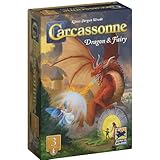
Overview: This whimsical expansion introduces chaotic magical elements to the pastoral world of Carcassonne. The dragon becomes a roaming menace that devours followers, while the fairy offers protection and bonus points. Portals enable creative tile placement, fundamentally altering the game’s spatial puzzle. With 26 new tiles and these dynamic creatures, every turn carries heightened tension and unpredictable outcomes that force constant tactical adaptation.
What Makes It Stand Out: The dragon mechanic creates unprecedented player interaction, turning Carcassonne into a tense game of cat-and-mouse. Players must carefully position their meeples while anticipating the dragon’s destructive path. The fairy provides a clever risk-reward balance—protecting followers while generating end-of-turn points. Portals solve frustrating tile-drawing moments by allowing strategic placement anywhere on the board, reducing luck and increasing satisfaction.
Value for Money: This expansion offers excellent entertainment value, particularly for families. The components justify the price, with charming artwork and durable tiles. While not as strategically deep as some Carcassonne expansions, the fun factor and accessibility make it worthwhile for casual gaming groups seeking variety without overwhelming complexity.
Strengths and Weaknesses: Strengths include high player engagement, family-friendly theme, and reduced downtime through interactive elements. The dragon adds memorable moments and table talk. Weaknesses involve increased randomness that may frustrate purists, potential for kingmaking scenarios, and the dragon’s aggression potentially discouraging newer players. Some tiles feel overpowered when combined with the fairy.
Bottom Line: Perfect for families and casual gamers wanting to spice up Carcassonne with light-hearted chaos. The magical theme and interactive mechanics create memorable sessions, though strategic purists may prefer more calculable expansions. It’s an entertaining detour from the base game’s quiet contemplation.
8. Hans Im Gluck Carcassonne Inns & Cathedrals Board Game Expansion - Add Strategic Depth with New Land Tiles, Large Meeples & Pink Follower Set, Kids & Adults, Ages 8+, 2-6 Players, 45 Minute Playtime
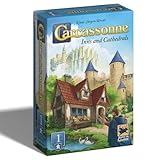
Overview: Widely considered the essential Carcassonne expansion, Inns & Cathedrals perfectly balances accessibility with strategic depth. It introduces risk-reward elements through inn-enhanced roads and cathedral-boosted cities, while the large meeple provides powerful area-control options. Supporting up to six players with included pink followers, this expansion maintains the base game’s elegance while adding meaningful decisions that resonate with veterans and newcomers alike.
What Makes It Stand Out: The large meeple’s double-strength mechanic revolutionizes feature contention, creating deliciously tense standoffs. Inns and cathedrals amplify scoring potential while introducing devastating penalties for incomplete features, forcing players to commit fully or abandon projects. The sixth-player inclusion makes this expansion functionally mandatory for larger groups. The abbot mini-expansion adds a clever monastery-scoring variant that provides flexibility without complexity.
Value for Money: This expansion offers exceptional value, effectively serving as Carcassonne 1.5. The component quality is superb, with distinctive artwork and durable tiles. For groups regularly playing with five or six players, it’s practically essential. Compared to purchasing a second base game, it’s far more economical and strategically rewarding.
Strengths and Weaknesses: Strengths include perfect integration with base rules, increased player interaction, and scalable complexity. The risk-reward mechanics create compelling narratives. Weaknesses are minimal: slightly elevated complexity may challenge absolute beginners, and the large meeple can feel dominant in two-player games. Some scoring combinations require careful rulebook consultation initially.
Bottom Line: This is the first expansion any Carcassonne owner should purchase. It enhances every aspect of the base game without diluting its charm. For families and strategy gamers alike, it transforms a pleasant pastime into a genuinely competitive experience while preserving accessibility.
9. Asmodee Carcassonne Board Game - Classic Tile-Laying Strategy Game, Family Fun Medieval Adventure for Kids & Adults, Ages 7+, 2-5 Players, 35 Minute Playtime
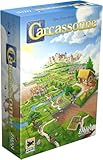
Overview: Carcassonne remains the quintessential gateway to modern board gaming, offering an elegant tile-laying experience that rewards spatial reasoning and tactical planning. Players build a medieval landscape by placing tiles and deploying followers to claim roads, cities, fields, and monasteries. This edition features a completely redesigned rulebook and includes The Abbot mini-expansion and a new River variant, providing immediate variety for first-time players.
What Makes It Stand Out: Its brilliance lies in deceptive simplicity—rules take minutes to learn, but strategic depth emerges through clever follower placement and area control. The tile-drawing mechanism creates engaging uncertainty, while the scoring system rewards both short-term gains and long-term planning. The included mini-expansions add flavor without overwhelming newcomers, making this edition particularly welcoming. The artwork remains charming and functional, clearly depicting terrain features.
Value for Money: As an entry-level strategy game, Carcassonne delivers exceptional value. High component quality, near-infinite replayability, and expandability ensure years of entertainment. The included mini-expansions effectively provide three games in one box. Compared to similarly priced family games, its strategic longevity makes it a smarter investment.
Strengths and Weaknesses: Strengths include accessibility, quick setup, scalable player count, and a robust expansion ecosystem. The game plays well across all skill levels. Weaknesses involve potential for analysis paralysis, luck-dependent tile draws that can frustrate competitive players, and limited direct interaction that some may find passive. The base game can feel lightweight after repeated plays.
Bottom Line: An indispensable addition to any game collection. Perfect for families, casual gamers, and as a teaching tool for modern board gaming concepts. While dedicated strategists will quickly seek expansions, Carcassonne’s core experience remains timeless and universally enjoyable.
10. CATAN Seafarers Board Game Expansion (6th Edition) Strategy Game for Kids and Adults, Ages 12+, 3-4 Players, 60 Minute Playtime, Made by Catan Studio

Overview: Seafarers expands the Catanian world beyond the single island, introducing maritime exploration and naval warfare. Players build ships to reach distant islands, discover gold fields, and navigate pirate-infested waters. This 6th Edition maintains perfect compatibility with the updated base game, adding modular scenarios that progressively increase complexity. The expansion transforms Catan’s resource management into a broader exploration puzzle while preserving the core trading and building mechanics.
What Makes It Stand Out: The ship-building mechanism creates compelling route-planning decisions, while the fog-of-war exploration tiles generate genuine discovery moments. Gold fields provide wild resources, elegantly solving scarce-resource frustrations. The pirate ship introduces direct conflict without overwhelming the game’s trading spirit. The modular scenario system allows groups to tailor difficulty and playtime, from simple “Four Islands” to complex “Through the Desert.”
Value for Money: Seafarers delivers substantial content with high replayability through varied scenarios. The component quality matches the 6th Edition base game, with thick hexes and detailed ship pieces. For groups who’ve exhausted the base game, it provides a fresh experience at a fraction of the cost of a new game. However, the 3-4 player limit feels restrictive compared to base Catan’s expansions.
Strengths and Weaknesses: Strengths include thematic immersion, reduced player elimination through expanded board space, and strategic variety. The exploration element adds excitement. Weaknesses involve longer setup and playtime, increased complexity that may deter casual players, and the pirate mechanic can feel punishing. Some scenarios require careful balancing to prevent runaway leaders.
Bottom Line: An excellent first expansion for CATAN enthusiasts craving exploration and variety. It breathes new life into familiar gameplay while maintaining the trading dynamics that make CATAN beloved. Best suited for groups ready to invest additional time and complexity.
Understanding Tile-Based Game Expansion Mechanics
Before diving into specific features, it’s crucial to grasp how modern expansions fundamentally alter base game experiences. The mechanics behind tile-based additions have evolved significantly, moving beyond simple “more content” approaches to sophisticated systems that can completely reshape how you interact with the core game.
Core Gameplay Enhancements
The most valuable expansions don’t just add tiles—they introduce new decision points that integrate seamlessly with existing rules. Look for modules that create meaningful branching paths rather than linear additions. Quality expansions will offer you alternative strategies that feel natural, not bolted-on. Consider how new tile types might create combo opportunities with base game mechanics or introduce timing elements that force you to reconsider every placement. The best designs make you feel like you’re rediscovering the base game while maintaining its essential identity.
Modular Tile Systems
2026’s standout expansions feature increasingly sophisticated modularity, allowing you to mix and match components based on player count, desired complexity, or session length. This “cafeteria-style” approach means you’re getting multiple games in one box. Pay attention to whether expansion tiles have clear markings or color-coding that makes separation and setup intuitive. The physical design should support easy integration and removal—because nothing kills enthusiasm like spending 20 minutes sorting tiles before you can even start playing.
Integration with Base Games
Seamless integration separates premium expansions from cash grabs. Examine whether the expansion includes updated reference materials that consolidate base game and expansion rules into a single, coherent document. The best packages provide organizer systems or storage solutions that accommodate both base game and expansion components together. This attention to integration detail signals that the designer respects your time and table space, treating the expansion as a true evolution rather than an afterthought.
Key Features to Evaluate in 2026 Expansions
This year’s market introduces several non-negotiable features that define expansion quality. Your evaluation checklist should go beyond “does it add new tiles?” to scrutinize how those tiles enhance the complete experience.
Replayability Factors
Calculate the expansion’s replayability quotient by analyzing its variability mechanisms. Does it introduce randomization elements that create genuinely different game states? Look for tile drafting systems, variable setup configurations, or dynamic scoring conditions that ensure no two sessions feel identical. The sweet spot lies in expansions that offer dozens of unique plays before patterns emerge, without requiring extensive rule memorization that creates a barrier to entry for casual players.
Component Quality and Durability
Tile-based games suffer unique wear patterns—constant handling, table friction, and accidental spills. 2026’s essential expansions use advanced manufacturing techniques like linen-finished card stock, precision-cut chipboard with beveled edges, and UV-resistant inks that prevent fading. Weight matters too; tiles should feel substantial enough to stay put on slightly uneven surfaces but not so heavy they damage tables. Check component thickness specifications and whether the publisher offers replacement programs for damaged pieces.
Storage Solutions
The bane of every tile-game enthusiast is the chaotic box of mixed components. Premium expansions now include molded inserts designed for combined storage with the base game, or innovative solutions like magnetic tile trays and labeled bagging systems. Some even provide digital apps for component inventory management. Consider whether the expansion’s footprint justifies its storage demands—an expansion that doubles your storage needs without doubling your gameplay value creates long-term collection headaches.
Rule Complexity Scaling
The best 2026 expansions feature graduated complexity levels that accommodate different player skill sets within the same gaming group. Look for “beginner,” “standard,” and “expert” modes that use the same tiles but modify setup or scoring rules. This scalability ensures your expansion remains relevant as your group gains experience, preventing the common problem where advanced modules become too easy or beginner content becomes obsolete after a few plays.
Expansion Types and Their Strategic Value
Understanding the taxonomy of tile-based expansions helps you identify which categories align with your gaming preferences and collection gaps. Each type serves different strategic purposes.
Map Expansion Modules
These geographically-focused additions extend the playable area, often introducing new terrain types or region-specific rules. Their value depends entirely on whether they solve base game spatial constraints or create more interesting positioning dilemmas. Evaluate whether the new map sections use edge-matching systems that prevent layout errors and if they include scenario books that suggest balanced configurations for different player counts. The best map expansions feel like natural extensions of the original design space rather than tacked-on territories.
Variant Game Modes
Transformational expansions introduce entirely new ways to play using the same tile set. Think cooperative modes for competitive games, team play variants, or solo challenges that use AI-driven tile placement rules. These represent the highest value category because they effectively give you a new game without requiring new core components. Assess whether variant modes require extensive rule relearning or if they build intuitively on your existing knowledge base.
Player Count Flexibility
Many base games struggle with scaling, particularly at extreme ends of the player count spectrum. Essential expansions in 2026 address this with dedicated two-player dueling modes or epic six-plus player variants that maintain reasonable downtime. The key indicator of quality is whether these scaling mechanisms feel thoughtfully designed rather than hastily adapted—watch for player-specific tile sets or turn structure modifications that keep everyone engaged regardless of group size.
Narrative Campaign Additions
Story-driven expansions transform tile-laying into a legacy-style experience, where placements carry consequences across multiple sessions. These modules typically include narrative booklets, sticker sheets for permanent tile modifications, and branching decision trees. Before investing, honestly assess your group’s commitment to campaign play—these expansions lose value if you can’t maintain consistent attendance. Also verify whether the campaign has a satisfying conclusion or if it simply peters out after a set number of sessions.
Strategic Value Assessment
Beyond features and types, applying analytical frameworks to potential purchases protects your wallet and ensures long-term satisfaction. The board gaming hobby’s hidden cost isn’t just money—it’s shelf space and learning time.
Cost Per Play Calculation
Develop a realistic cost-per-play metric by estimating how many times you’ll actually use the expansion in the next two years. A $50 expansion played 25 times costs $2 per session—excellent value. The same expansion played twice costs $25 per play, making it a poor investment. Factor in your group’s preferences and meeting frequency. Expansions that enable solo play typically offer better cost-per-play ratios since you don’t need to coordinate schedules.
Community Compatibility
Consider whether your regular gaming group shares your enthusiasm for expanded complexity. The most mechanically brilliant expansion becomes shelf clutter if it intimidates your usual opponents. Gauge interest by introducing one new mechanic at a time using proxy components before committing to a purchase. Also research whether the expansion has active online communities for rules questions, strategy discussions, and user-generated content—this ecosystem support significantly extends an expansion’s lifespan.
Long-term Engagement Potential
Analyze whether the expansion addresses weaknesses you’ve actually experienced in the base game versus solving hypothetical problems. The best additions target specific pain points: repetitive mid-game phases, limited comeback mechanisms, or stale meta-strategies. Read between the lines of promotional materials to identify whether new content creates meaningful choices or just decorative variety. Expansions that deepen existing strategies generally outlast those that simply broaden content variety.
Common Pitfalls to Avoid
Even seasoned collectors fall prey to recurring expansion traps. Recognizing these red flags before purchasing saves frustration and maintains collection cohesion.
Over-Expansion Syndrome
The temptation to own every module for a favorite game often leads to rules bloat and analysis paralysis. Set a personal limit—perhaps three expansions per game maximum—to maintain focus. More expansions don’t automatically equal more fun; they can dilute the elegant simplicity that made the base game appealing. Be particularly wary of expansions that add tiles without corresponding strategic depth, as they often exist solely to capitalize on brand loyalty.
Compatibility Issues
Not all tiles are created equal, and manufacturing variations between print runs can cause maddening mismatches in tile thickness, color saturation, or cut precision. When possible, verify that expansion tiles come from the same production batch as your base game. Some publishers maintain compatibility databases—check these resources before ordering. This issue becomes critical for games where hidden information matters; noticeably different tile backs ruin the experience.
Rules Bloat Management
Each expansion adds rules overhead, and the cumulative effect can transform a streamlined 30-minute game into a two-hour rules-reference slog. Prioritize expansions that consolidate or streamline existing rules rather than purely additive ones. Look for publishers who provide integrated rulebooks or mobile apps with searchable rule databases. The healthiest expansion ecosystems periodically release “revised editions” that incorporate the best expansion mechanics back into a refined base game.
Future-Proofing Your Collection
Smart collectors in 2026 think beyond immediate gratification, considering how expansions fit into broader gaming trends and collection evolution. Forward-looking purchases retain value longer.
Digital Integration Trends
Hybrid physical-digital games are no longer novelties—they’re becoming standard. Essential expansions now include QR codes linking to setup tutorials, augmented reality tile placement guides, or companion apps that track campaign progress. Evaluate whether these digital components enhance or complicate the experience. The most robust integrations work offline and don’t require constant device use, preserving the tactile joy that makes tile games special while leveraging technology for tedious tracking tasks.
Cross-Game Compatibility
Progressive publishers are designing tile systems that work across multiple game titles, creating a “tile ecosystem” where components from different games can mix. This approach dramatically increases component value and storage efficiency. Investigate whether an expansion’s tile design follows standardized dimensions or iconography that might appear in future releases. While still rare, this trend represents the future of sustainable board game expansion design.
Legacy and Campaign Considerations
If you’re eyeing a campaign expansion, consider its replayability after completion. The best legacy-style expansions include “reset kits” or reversible modifications that allow you to return to a vanilla state. Others provide post-campaign content that uses the modified components in new ways. Avoid expansions that permanently alter tiles unless you’re certain the experience justifies the sacrifice—irreversible changes can significantly reduce resale or trade value if your tastes evolve.
Frequently Asked Questions
How many tile-based expansions should I own for a single game?
Most games hit their sweet spot with one to three expansions that address different aspects—typically a player count module, a strategic depth addition, and perhaps a variant mode. Beyond this, you risk diluting the core experience unless you’re dedicated to a specific epic campaign.
What’s the best way to store combined base game and expansion tiles?
Invest in adjustable insert systems or magnetic storage boxes that keep tiles sorted by type and easily accessible. Many enthusiasts use 3D-printed organizers or repurposed craft storage containers. The key is maintaining separation while allowing quick setup—avoid mixing all tiles together unless the game specifically calls for it.
How can I test an expansion before buying?
Check if your local game café or board game group owns the expansion for a trial play. Many publishers now offer print-and-play demo modules on their websites. Alternatively, watch full playthrough videos focusing on how the new tiles change decision-making, not just component unboxing.
Do tile-based expansions generally increase game time?
Most add 10-20 minutes due to increased setup and more placement options to analyze. However, some include timing mechanisms or streamlined scoring that can offset this. Always check playtime estimates from independent reviewers rather than publisher claims.
Should I buy expansions as they release or wait for bundles?
Patient collectors often benefit from “big box” compilations released 2-3 years after initial expansion waves. These typically include refined rules integration and better storage. However, waiting means missing out on community discovery and discussion—balance your FOMO against potential savings and improvements.
How do I handle mismatched tile sizes or colors from different print runs?
Contact the publisher immediately—most reputable companies will replace mismatched components. As a last resort, use opaque card sleeves for tile backs or implement house rules that make slight variations irrelevant. Never attempt DIY trimming or painting, as this voids replacement policies.
Are digital companion apps necessary for modern tile expansions?
Rarely. The best apps are optional conveniences for scoring or campaign tracking. If an expansion requires app use for core mechanics, consider whether that dependency aligns with your gaming values. Physical games should remain playable if servers shut down or devices fail.
What’s the difference between an expansion and a “big box” upgrade?
Expansions add to your existing game, while big boxes typically include the base game plus multiple expansions in one package, often with improved components. If you don’t own the base game, big boxes offer better value. If you do, expansions are more economical unless the big box includes exclusive content.
How do I introduce expansions to new players effectively?
Always play the base game first, even if just a learning round. Then add expansions one at a time, explaining how each new tile type builds on concepts they’ve already learned. Avoid mixing multiple complex expansions for someone’s first few plays—this prevents overwhelming them and helps them appreciate each addition’s value.
Will tile-based expansions hold their resale value?
Generally, yes—expansions for popular games often retain 60-80% of retail value if kept in good condition. However, legacy-style expansions with permanent modifications lose significant value. Limited print runs and out-of-production expansions can actually appreciate, but buy for enjoyment, not investment.
See Also
- 10 Essential Tile Placement Games Every Board Game Enthusiast Needs in 2026
- 10 Essential Tile Placement Games Every Abstract Board Game Lover Needs in 2026
- 10 Best Tile-Based Game Expansions for Dynamic Board States in 2026
- 10 Essential Cooperative Board Games Featuring Tile Placement Every Gamer Needs in 2026
- 10 Best Tile-Based Game Expansions for Dynamic Board Layouts in 2026