Table of Contents
There’s something uniquely magical about sharing a quiet evening with just one other person, completely absorbed in a shared challenge or narrative. Two-player board games have evolved far beyond simple filler activities—they’re intimate experiences that build connection, spark conversation, and create lasting memories without the complexity of larger groups. In today’s fast-paced world, carving out dedicated time for meaningful interaction is a luxury, and a well-designed head-to-head game transforms that limited window into an engaging escape. Forget crowded tables and scheduling nightmares; the beauty of two-player dynamics lies in its immediacy and depth, offering strategic richness that rivals even the most elaborate group games.
But here’s the real question every savvy gamer faces: how do you invest in a game that won’t gather dust after three plays? With countless options flooding the market, “value” isn’t just about the price tag—it’s about longevity. A truly worthwhile two-player game must invite you back to the table week after week, month after month, revealing new layers and strategies each time. This guide cuts through the noise to focus on the essential qualities that fuel enduring replayability, helping you identify titles that deliver genuine long-term satisfaction. We’ll explore the design philosophies and mechanics that keep matches fresh, ensuring your purchase becomes a cherished staple rather than a one-and-done experiment.
Top 10 Two-Player Board Games for Replayability
Detailed Product Reviews
1. Everdell Duo – 2-Player Standalone Board Game with Competitive, Co-Op & Campaign Modes – Strategy Game with Woodland Theme, Ages 10+, Fast 30-Minute Gameplay

Overview: Everdell Duo is a streamlined, standalone adaptation of the popular Everdell board game, meticulously crafted for 1-2 players. It retains the original’s charming woodland aesthetic and strategic depth while significantly reducing playtime to around 30 minutes per session. Players build settlements using critter cards and resources across a beautifully illustrated double-sided board. What Makes It Stand Out: Its exceptional versatility defines Everdell Duo. It seamlessly offers competitive head-to-head, fully cooperative, and a substantial 15-chapter story campaign mode within one box. Innovations like sun/moon tokens and shifting meadow rules introduce fresh, dynamic strategic layers absent in the base game, ensuring high replayability without complexity overload. Value for Money: Priced competitively against full-sized games, Duo delivers remarkable value. The inclusion of three distinct play modes, over 130 high-quality components (including unique meeples and event tiles), and fast gameplay justifies its cost, offering more varied experiences than most dedicated 2-player games at this price point. Strengths and Weaknesses: Strengths: Unbeatable mode variety; accessible 30-minute strategic depth; gorgeous components; excellent replay value. Weaknesses: The campaign’s narrative depth is lighter than dedicated legacy games; some core Everdell fans might miss the larger map and more card variety of the base game. Bottom Line: Everdell Duo is an essential purchase for 2-player strategy fans, brilliantly condensing Everdell’s magic into a fast, versatile, and beautifully crafted package that excels in all its modes, offering outstanding replayability and value.
2. Splendor Duel Board Game - Two-Player Strategy Game for Intense Gem Collecting Battles - Fun Family Game for Kids and Adults, Ages 10+, 2 Players, 30 Minute Playtime, Made by Space Cowboys

Overview: Splendor Duel reimagines the classic engine-building game Splendor exclusively for intense two-player confrontations. Players compete to amass prestige points by collecting gem tokens, purchasing development cards, and attracting noble tiles, all within a tight 30-minute timeframe ideal for quick, strategic clashes. What Makes It Stand Out: Duel sharpens Splendor’s core into a direct, head-to-head battle. Key innovations include a central shared nobles track that players actively compete for and a “prestige point” race where blocking your opponent’s access to key cards or nobles is as crucial as building your own engine, adding significant tactical depth absent in the original. Value for Money: It offers excellent value as a dedicated 2-player strategy game. The high-quality gem tokens, compact yet robust box, and consistently engaging gameplay provide significant replayability. While the component count is lower than the 4-player Splendor, the focused, competitive experience justifies its price for dueling enthusiasts. Strengths and Weaknesses: Strengths: Streamlined, fast-paced, deeply tactical 2-player focus; high-quality components; easy to learn, hard to master; exceptional replayability through varied card draws. Weaknesses: Less engine-building “wow” factor than the original 4-player game; some may find the blocking mechanics overly aggressive. Bottom Line: Splendor Duel is a near-perfect distillation of Splendor for head-to-head play, delivering intense, strategic gem-collecting duels that are easy to grasp but rich in tactics, making it a highly recommended and valuable addition to any 2-player game collection.
3. Scorpion Masqué Sky Team | Voted Game of The Year 2024 | Best 2 Player Game | Work Together to Land The Plane | Ages 14+ | 20 Minutes

Overview: Sky Team is a unique, real-time cooperative dice game where two players work as pilot and co-pilot under intense pressure to land a commercial airliner safely within 20 minutes. Players simultaneously roll and assign custom dice to critical systems like speed, altitude, and flaps, communicating only during brief strategy breaks. What Makes It Stand Out: Its real-time tension and asymmetric roles create an unparalleled cooperative experience. The physical cockpit board with sliders for systems and the strict communication limitations foster incredible teamwork and shared panic. Adding modules like fuel leaks or icy runways via the 20 global airport scenarios drastically alters challenges, boosting replayability immensely. Value for Money: As a premium, award-winning 20-minute game, its price reflects the innovative design and high-quality, immersive components (dice, cockpit board, scenario tiles). While the core box is compact, the sheer depth of the cooperative challenge and vast scenario variety offer exceptional value for the intense, repeatable experience it delivers. Strengths and Weaknesses: Strengths: Unmatched real-time cooperative tension; brilliant asymmetric roles; highly replayable with scenarios/modules; stunning physical components enhance immersion. Weaknesses: Real-time pressure can frustrate some players; steep learning curve for new co-op gamers; very niche appeal outside dedicated partners. Bottom Line: Sky Team is a groundbreaking, award-deserving cooperative masterpiece that delivers an incredibly tense, unique, and replayable 20-minute partnership challenge, making it an essential, high-value purchase for couples or dedicated co-op duos seeking intense shared experiences.
4. Gamewright - Forbidden Island - Cooperative Strategy Survival Board Game, 2-4 Players
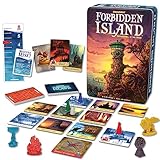
Overview: Forbidden Island is a classic introductory cooperative board game where 2-4 players work as a team of adventurers racing to collect four sacred treasures from a sinking island before it vanishes beneath the waves. Players take on unique roles with special abilities, moving across tiles that progressively submerge. What Makes It Stand Out: Its perfect balance of accessibility and strategic depth makes it a gateway co-op legend. The simple “hand management + tile movement” mechanics are easy to grasp, while the ever-present threat of the island sinking creates genuine tension. The need for constant teamwork and planning under pressure is central to its enduring appeal. Value for Money: Priced affordably, Forbidden Island offers tremendous value as a family-friendly co-op staple. The vibrant artwork, durable components, and high replayability (due to variable island layouts and role combinations) ensure countless engaging game nights, far exceeding expectations for its cost bracket. Strengths and Weaknesses: Strengths: Exceptional teachability and family accessibility; fosters genuine teamwork; tense, engaging 30-minute gameplay; durable components; high replay value. Weaknesses: Can suffer from “alpha player” syndrome where one dominates decisions; difficulty scaling isn’t perfectly balanced for all player counts; less strategic depth for hardcore gamers. Bottom Line: Forbidden Island remains a must-have cooperative gateway game, delivering accessible, tense, and rewarding teamwork in a compact, affordable package, making it an outstanding value and perfect starting point for families and new co-op players.
5. PARTNERS Duo | 1st USA Edition | A 1vs1 Strategy Game | Perfect 2 Player Board Game for Game Night with Friends, Family, Adults, Significant Others, Teens, All Ages

Overview: Partners Duo is a fast-paced, competitive 1-vs-1 strategy board game where two players race their pawns around a shared track to be the first to get all pieces into their finishing zone. Unique card-driven movement and direct player interaction through blocking, swapping, and knocking pawns back define its head-to-head clashes. What Makes It Stand Out: Its core “sabotage” mechanic – the mandatory card swap at the start of each round – creates constant, dynamic tension. This forces players to anticipate opponents’ moves and strategically cripple their plans while advancing their own, blending race mechanics with deep tactical foresight and bluffing in a way few pure 2-player race games achieve. Value for Money: Offering quick setup, sub-7-minute rule explanation, and 30-45 minute games, Partners Duo provides solid entertainment for its price. The included components (board, pawns, cards) are functional, though not premium. Value lies squarely in the consistently engaging, interactive gameplay loop perfect for casual game nights. Strengths and Weaknesses: Strengths: Extremely easy and quick to learn; highly interactive and engaging head-to-head play; clever sabotage via card swapping; fast-paced with constant comebacks; great for wide age ranges. Weaknesses: Components feel basic; strategic depth is moderate compared to heavier euros; luck with card draws can occasionally overshadow tactics. Bottom Line: Partners Duo is a highly accessible, fun, and strategically interactive 2-player race game that excels as a quick, replayable game night staple, offering excellent value for casual players seeking direct, sabotage-filled competition without complex rules.
6. Smirk and Dagger BOOP | Adorable 2 Player Cat and Kitten Strategy Game with 32 Wooden Pieces | Fast Tactical Puzzle Gameplay for Families Couples Kids and Adults | Ages 10 Plus

Overview: Smirk and Dagger BOOP is a charming, fast-paced abstract strategy game for two players, centered around adorable wooden cat and kitten pieces. Designed for ages 10+, it combines whimsical aesthetics with surprisingly deep tactical gameplay on a soft quilted “bed” board, where lining up three pieces wins.
What Makes It Stand Out: The innovative “boop” mechanic drives BOOP’s uniqueness: placing a kitten pushes adjacent pieces one space, creating chain reactions that shift the board state dramatically. This transforms simple placements into dynamic, unpredictable moments of disruption and opportunity. The high-quality, cute wooden components enhance accessibility without sacrificing strategic depth, appealing equally to families and seasoned gamers.
Value for Money: Priced competitively for a niche abstract game, BOOP delivers exceptional value. Its durable wooden pieces, quilted board, and 30-minute playtime justify the cost, especially compared to simpler kids’ games or pricier strategy titles. The blend of approachability and replayability makes it a standout for casual and competitive duos.
Strengths and Weaknesses:
Strengths: Highly engaging boop mechanic; quick to learn yet strategically rich; superb component quality; strong family/kids appeal; fast setup and play.
Weaknesses: Limited strategic depth for hardcore gamers; quilted board may attract lint; replayability hinges on mastering the same core mechanic.
Bottom Line: BOOP is a delightful, cleverly designed duel that turns cute aesthetics into genuinely tense tactical play. Highly recommended for families, couples, or anyone seeking a quick, engaging abstract game with universal charm.
7. Res Arcana Duo Board Game - Strategic Two-Player Duel! Expandable Game System, Fantasy Adventure Game for Kids & Adults, Ages 14+, 2 Players, 20 Min Playtime, Made by Sand Castle Games

Overview: Res Arcana Duo is a tightly crafted, expandable two-player strategy game set in a rich fantasy world. Designed exclusively for duels, it tasks players with gathering relics, monuments, and artifacts within a swift 20-minute session, targeting teens and adults aged 14+.
What Makes It Stand Out: Its exclusivity to two players ensures perfectly balanced, intense competition without scaling issues. The expandable system allows integration with other Res Arcana sets, adding significant replay depth. Stunning Julien Delval artwork immerses players in a thematic battle of magical wits, while the concise playtime delivers strategic density without bloat.
Value for Money: As a dedicated 2-player game, its price reflects focused design and high-quality components. The expandability extends its lifespan considerably, offering better long-term value than standalone duels. It’s ideal for enthusiasts seeking depth without time commitment, outperforming many single-mechanic pocket games.
Strengths and Weaknesses:
Strengths: Exceptional two-player balance; beautiful thematic art; expandable for endless variety; quick yet deep strategy; high replayability via randomized elements.
Weaknesses: Niche appeal (only 2 players); limited physical components; requires additional sets for maximum value; steep learning curve for new players.
Bottom Line: Res Arcana Duo excels as a streamlined, thematic duel with impressive strategic weight. Best for fantasy fans and experienced gamers wanting a compact, expandable system—highly recommended despite its narrow player count.
8. Onitama Board Game, 2 players

Overview: Onitama is a refined abstract strategy duel for two, played on a compact 5x5 grid. Players maneuver master and student pawns using a shared deck of movement cards, aiming to capture the opponent’s master or occupy their temple arch in under 15 minutes.
What Makes It Stand Out: The shared card system creates brilliant tension: each turn, players choose one of two open cards, move a pawn per its pattern, then swap it for a new card. This forces constant adaptation, as your choices directly shape your opponent’s options. The elegant “perfect information” design ensures every move is a meaningful tactical puzzle.
Value for Money: Onitama offers exceptional value for its price. Its durable board, distinct wooden pawns, and endless card combinations provide near-infinite replayability. It’s far more strategic than most travel games and cheaper than complex strategy titles, making it a superb entry point into deep abstracts.
Strengths and Weaknesses:
Strengths: Incredibly deep strategy in minimal rules; perfect information gameplay; travel-friendly size; high replayability; beautiful, functional components.
Weaknesses: Minimal theme; limited physical components; can feel too deterministic for some; steep initial learning curve for casual players.
Bottom Line: Onitama is a masterpiece of minimalist design, delivering chess-like depth with swift, engaging duels. An essential purchase for strategy fans seeking a portable, endlessly replayable brain teaser.
9. Asmodee Azul Duel Board Game - Competitive Head-to-Head Tile-Placement Strategy Game, Stunning Mosaic Art and Quick Gameplay for Kids & Adults, Ages 8+, 2 Players, 30-45 Minute Playtime

Overview: Azul Duel adapts the award-winning Azul experience into a streamlined head-to-head battle. Players compete to craft mosaics using vibrant tiles on a shared board, leveraging simplified mechanics optimized for two, with playtime capped at 45 minutes for ages 8+.
What Makes It Stand Out: The duel-specific design intensifies competition by removing multiplayer dynamics, focusing purely on tactical tile drafting and board efficiency. Its unique Chinese shadow theatre-inspired artwork distinguishes it from the original Azul, while variable setups ensure no two games play alike. The tension of blocking opponents while advancing your own mosaic is consistently gripping.
Value for Money: At a slightly premium price, Duel justifies cost through refined two-player focus and high-quality tiles. It’s more strategic than most family games and avoids the downtime of the 4-player version, offering better value for couples or duos than buying the base game solely for two players.
Strengths and Weaknesses:
Strengths: Perfectly tuned for 2 players; stunning visual theme; quick, tense gameplay; excellent replayability; accessible yet strategic.
Weaknesses: Less “filler” than 4-player Azul; niche appeal for non-duo players; tile storage could be improved; limited educational depth for young kids.
Bottom Line: Azul Duel is the definitive way to experience Azul with one opponent—elegant, beautiful, and fiercely competitive. A top recommendation for couples or strategic duos seeking accessible depth.
10. Azul Asmodee Azul Board Game - Award-Winning Tile-Placement Strategy Game, Beautiful Mosaic Art, Family Fun for Kids & Adults, Ages 8+, 2-4 Players, 30-45 Minute Playtime
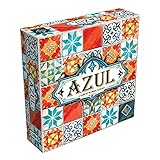
Overview: Azul is the original award-winning tile-drafting game where 2-4 players compete to decorate a royal palace with vibrant Portuguese-inspired azulejo tiles. Its simple rules and stunning components make it a staple for family game nights, suitable for ages 8 and up.
What Makes It Stand Out: Azul’s genius lies in its effortless accessibility masking deep strategy—draft tiles from factories, place them on your board to score points, but penalty rows punish poor planning. The tactile, colorful tiles and mosaic-building theme create immediate visual appeal, while the push-your-luck scoring system generates constant, family-friendly tension.
Value for Money: As a gateway strategy game, Azul offers outstanding value. Its durable tiles, replayable mechanics, and broad age appeal (8-108) make it a versatile investment. It outperforms cheaper games in depth and longevity, and cheaper than many complex Euros, justifying its price as a must-have for group play.
Strengths and Weaknesses:
Strengths: Incredibly easy to learn; beautiful, high-quality components; perfect for families/groups; highly replayable; elegant scoring system.
Weaknesses: Can suffer from “multiplayer downtime”; less intense for 2 players than Duel; penalty system frustrates some new players; storage trays are flimsy.
Bottom Line: Azul remains a near-perfect family strategy game—visually captivating, deeply engaging, and universally appealing. An essential addition to any game collection, especially for groups of 3-4 players.
Understanding Replayability in Two-Player Games
Replayability isn’t accidental—it’s engineered through intentional design choices that prevent stagnation. For two-player experiences, where the same opponent faces off repeatedly, this becomes even more critical to avoid predictability.
The Role of Asymmetric Design
Games where players assume distinct roles, abilities, or objectives inherently reset the strategic landscape with every match. When each side plays by different rules or pursues unique victory conditions, mastering one perspective doesn’t guarantee dominance over the other. This asymmetry forces constant adaptation, turning familiar scenarios into novel puzzles. It also deepens the psychological dimension, as you learn to anticipate not just moves, but the mindset of your opponent’s chosen role.
Variable Setup and Modular Boards
Static boards lead to memorized openings and repetitive play. Titles incorporating modular tiles, shuffled scenario cards, or randomized starting conditions ensure no two games unfold identically. This randomness isn’t about luck—it’s about creating dynamic problem-solving environments. A river might reroute, a castle could appear in a new location, or resource distributions shift, demanding fresh tactical responses rather than rote memorization.
Evolving Game States and Player Influence
True replayability emerges when players actively reshape the game world through their decisions. Mechanics where actions permanently alter the board, unlock new paths, or change available resources create branching narratives. Your choices in early rounds should visibly impact mid-game options and endgame strategies, making each session feel like a unique story co-authored by both players.
Beyond Price: Defining True Value
Value transcends the initial cost—it’s measured in hours of engagement, emotional payoff, and how seamlessly the game integrates into your life.
Component Quality and Longevity
Durable boards, thick cards, and sturdy miniatures withstand repeated plays without fraying or fading. But value also lies in thoughtful organization: trays that prevent mix-ups, clear iconography that speeds setup, and storage solutions that encourage quick returns to the table. A game that’s a chore to unpack loses appeal fast, no matter how brilliant its mechanics.
Playtime Efficiency and Pacing
Long doesn’t always mean better. High-value games optimize every minute—whether delivering intense 20-minute skirmishes or immersive 90-minute epics—without dragging. Look for tight turns, minimal downtime, and escalating tension that keeps both players invested from start to finish. Games that overstay their welcome, even with great mechanics, sabotage their own replay potential.
Emotional Resonance and Shared Narrative
The most replayable games spark stories you’ll recount long after cleanup. Did you pull off an impossible comeback? Did a random event trigger hilarious chaos? Games fostering memorable moments—through emergent storytelling, dramatic swings, or shared discovery—create emotional hooks that pull you back repeatedly.
Matching Mechanics to Your Playstyle
Not all replayability is created equal; the right fit depends on how you and your partner enjoy engaging with games.
Competitive vs. Cooperative Dynamics
Pure competition thrives on head-to-head tension, but repeated losses can sour replay value. Look for systems with built-in balancing (like variable player powers) or “catch-up” mechanics that keep matches close. Conversely, cooperative two-player games build camaraderie through shared challenges, with replayability driven by escalating difficulty levels or modular scenarios that test new strategies.
Depth vs. Accessibility Balance
A game too shallow feels unsatisfying after a few plays, while excessive complexity can overwhelm and limit play frequency. Ideal titles offer “easy to learn, hard to master” progression—simple initial rules that gradually reveal deeper strategic layers. This allows immediate enjoyment while providing long-term mastery goals.
Thematic Integration and Immersion
Strong themes aren’t just window dressing; they reinforce mechanics in ways that enhance replayability. When actions feel meaningful within the narrative (e.g., negotiating trade routes as merchants, not just moving tokens), each session becomes a distinct chapter. Weak thematic integration makes repetitive mechanics feel tedious.
Hidden Factors That Sustain Interest
Some replayability drivers aren’t obvious at first glance but prove crucial over time.
The “Just One More Game” Phenomenon
Certain designs trigger compulsive replayability through quick resolution times combined with unresolved tension. Short games with clear outcomes (win/loss/draw) and immediate setup for a rematch exploit our psychological preference for closure, making it effortless to dive into another round.
Scalable Complexity Through Expansions or Variants
While base games should stand strong alone, the potential for optional depth matters. Look for titles with modular expansion systems that add new mechanics without overhauling core rules. Solo variants or official “house rule” suggestions from designers also extend life by offering fresh angles without cost.
Community-Driven Content and Tournaments
An active player community signals longevity. Games with organized two-player tournaments, online leaderboards, or robust fan-created scenarios (like custom maps or challenges) tap into collective creativity. Designer support through free printable content or rule tweaks also breathes new life into familiar systems.
Avoiding Replayability Killers
Be wary of subtle design flaws that undermine long-term engagement despite initial excitement.
Solvability and Meta-Gaming
If a dominant strategy emerges quickly—where one opening move or tactic wins 90% of the time—the game becomes a chore. Truly replayable titles resist solvability through hidden information, player interaction that disrupts plans, or evolving objectives that shift the “optimal” path.
Analysis Paralysis and Slow Turns
Deep strategy is great, but if turns require 10 minutes of calculation, momentum dies. Replayability suffers when players dread their opponent’s turn. Games mitigating this with time limits, clear action phases, or intuitive decision trees maintain energy and frequency of play.
Component Overload and Setup Fatigue
Games demanding 15 minutes of setup for 30 minutes of play train you to avoid them. Similarly, tiny components that get lost or rules requiring constant reference to manuals create friction. Streamlined preparation is replayability’s silent partner.
Future-Proofing Your Purchase
Consider how a game will age alongside your evolving tastes and lifestyle.
Designer Track Record and Philosophy
Research the creator’s history. Do their past titles show consistent innovation in replayability? Designers who prioritize emergent storytelling, player agency, and modular design over static experiences often deliver longer-lasting value.
Physical Footprint and Portability
Will it fit in your living space? Bulky boxes or fragile components limit where and when you can play. Compact games that travel easily (e.g., to cafes or vacations) naturally see more plays. Consider storage-friendly designs that don’t sacrifice quality.
Age and Skill Range Flexibility
Games accommodating skill gaps—through adjustable difficulty, optional rules, or asymmetric roles—remain relevant as one player advances faster. Similarly, titles enjoyable across wider age ranges (e.g., teens to adults) ensure longevity as your social circle changes.
Frequently Asked Questions
How can I test replayability before buying a game?
Seek out 20-30 minute gameplay videos focused on different matches, not scripted demos. Notice if strategies vary significantly between plays. Rule explanations alone won’t reveal if the game avoids repetition.
Does higher complexity guarantee better replayability?
Not necessarily. Some streamlined games with clever interaction mechanics (like push-your-luck elements) offer deeper replay value than complex euros with predictable paths. Focus on dynamic player decisions over rule density.
Are legacy-style games good for long-term two-player replayability?
They can be, but with caveats. Legacy games often provide incredible narrative arcs, but once the campaign ends, replay value drops sharply. Prioritize those with “reset” rules or companion apps enabling new campaigns.
How important is artwork in sustaining replay interest?
Significantly. Visually engaging components and boards make setup enjoyable and enhance immersion. Drab or confusing art leads to disengagement, especially during repeated plays where aesthetics become familiar.
Can digital implementations boost physical game replayability?
Yes, if they offer robust AI opponents or online play against real people. This lets you practice strategies solo or play remotely, extending the physical game’s relevance. Avoid titles with poor digital ports that frustrate rather than assist.
What’s the biggest replayability red flag in game descriptions?
Phrases like “fixed setup,” “deterministic strategy,” or “winner decided by early moves.” These suggest minimal variability. Look instead for “modular,” “player-driven scenarios,” or “emergent narratives.”
Do two-player games need a solo mode for good replay value?
Not required, but highly beneficial. A strong solo variant allows practice during solo downtime, keeping mechanics fresh for two-player sessions. Ensure it’s not a tacked-on afterthought but a fully integrated experience.
How many plays indicate a game has true replayability?
If you’re still excited to play after 8-10 sessions with the same partner without house rules, it’s a strong sign. Truly exceptional titles feel fresh beyond 20 plays through emergent moments and strategic depth.
Are abstract strategy games inherently more replayable?
Often, due to pure mechanics and no theme constraints. However, without asymmetry or variable setups, even classics can become stale. Modern abstracts frequently incorporate modular elements to combat this.
How do I keep a game feeling fresh with the same opponent long-term?
Agree to periodically introduce advanced rules, try blind bidding variants, or impose self-challenges (e.g., “no using this action for a week”). Documenting your own “house rule” experiments can reignite passion in established systems.
See Also
- How to Choose the 10 Best Two-Player Board Games for Long-Term Replayability in 2026
- 10 Best Value Two-Player Board Games for Game Night in 2026
- 10 Best Value Two-Player Board Games for Game Night Variety in 2026
- 10 Best Two-Player Board Games for Travel After 6 Months of Testing in 2026
- 10 Affordable Two-Player Board Games That Don’t Sacrifice Quality in 2026