Table of Contents
Gathering around the table for a family game night creates memories that outlast any flashy video game or solitary screen time. Tile placement games have emerged as champions of this space, offering that perfect sweet spot where strategic thinking meets tactile satisfaction. These games transform simple square or hexagonal pieces into landscapes, cities, or patterns that tell a unique story every time you play. For families watching their budget in 2026, the genre delivers exceptional value through endless replayability and engaging mechanics that grow with your children’s developing minds.
What makes tile placement particularly brilliant for family entertainment is how naturally it scales between casual fun and deeper strategy. Younger kids delight in the physical act of laying pieces and watching patterns emerge, while teenagers and adults can dive into the nuanced scoring systems and long-term planning. Unlike games that rely on reading extensive text or complex character abilities, tiles speak a universal visual language. This accessibility, combined with typically modest price points and incredible durability, positions tile placement games as cornerstone investments for households looking to build a collection that truly lasts.
Top 10 Tile Placement Games for Family Board Games
Detailed Product Reviews
1. Azul Asmodee Azul Board Game - Award-Winning Tile-Placement Strategy Game, Beautiful Mosaic Art, Family Fun for Kids & Adults, Ages 8+, 2-4 Players, 30-45 Minute Playtime
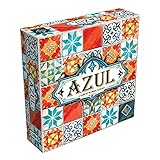
Overview: Azul transforms the art of Portuguese azulejos into a compelling board game experience. Players draft vibrant tiles to construct intricate mosaics on personal player boards, competing for pattern completion bonuses and strategic placement advantages. With a 30-45 minute playtime and support for 2-4 players, it perfectly balances accessibility for families with enough depth to satisfy serious gamers.
What Makes It Stand Out: The tactile satisfaction of handling substantial, beautifully crafted resin tiles sets Azul apart from cardboard-heavy competitors. Its drafting mechanism creates constant player interaction without direct conflict, while the elegant scoring system rewards both short-term tactics and long-term planning. The visual payoff of completed mosaics delivers immediate aesthetic gratification rarely matched in strategy games.
Value for Money: Priced in the $40-50 range, Azul represents excellent value for an award-winning title. The premium components justify the cost compared to entry-level games, while its near-infinite replayability ensures it won’t sit on your shelf. It outperforms similarly priced Eurogames in component quality and accessibility.
Strengths and Weaknesses: Strengths include gorgeous components, intuitive rules with strategic depth, strong player interaction, and high replay value. Weaknesses involve potential for analysis paralysis, limited player count (2-4), and scoring can feel punitive for beginners. The game can become cutthroat, which may deter ultra-casual players.
Bottom Line: Azul is a must-have modern classic that belongs in every collection. It bridges the gap between gateway games and strategic depth with unmatched production quality and universal appeal.
2. Tile Lock Scrabble by Winning Moves Games USA, Innovative Gameboard Locks Tiles in Place, for 2 to 4 Players, Ages 8 and Up

Overview: Tile Lock Scrabble solves the eternal frustration of traditional Scrabble: accidental board bumps scattering tiles across the table. This innovative version features a plastic board with small posts that secure each tile firmly in place, allowing you to tilt, move, or even transport the board mid-game without disruption. It preserves the classic 2-4 player word-building experience that has made Scrabble America’s favorite vocabulary game for generations, maintaining the same 100 tiles and standard rules.
What Makes It Stand Out: The locking mechanism is genuinely transformative for anyone who’s experienced game-night disasters. The board’s four rubber feet protect surfaces while the elevated design improves visibility. This edition maintains 100 letter tiles, racks, and standard scoring, ensuring zero learning curve for established fans while adding modern convenience and true portability to the classic formula.
Value for Money: At roughly $25-30, it commands a $10 premium over standard Scrabble. For frequent players or families with children, this premium pays for itself in preserved games and reduced frustration. However, plastic components feel less premium than wooden classics, which may disappoint purists.
Strengths and Weaknesses: Strengths include solving the fundamental stability problem, portability, and maintaining authentic gameplay without rule changes. Weaknesses involve plastic construction that lacks traditional heft, posts can be slightly fiddly for large fingers, and the premium price for what amounts to a single mechanical change.
Bottom Line: Tile Lock Scrabble is essential for serious Scrabble enthusiasts and families. The convenience outweighs the plastic feel, making it the practical choice over the classic edition.
3. AEG & Flatout Games | Cascadia - Award-Winning Board Game Set in the Pacific Northwest | Easy to Learn | Quick to Play | Ages 10+

Overview: Cascadia earned the prestigious 2022 Spiel des Jahres by distilling tile-laying into pure elegance. Players simultaneously select habitat tiles and wildlife tokens, building interconnected ecosystems across the Pacific Northwest. Supporting 1-4 players with 15-30 minute playtime, it delivers a satisfying puzzle that respects your schedule while offering surprising strategic depth beneath its serene, nature-inspired surface.
What Makes It Stand Out: The dual-layer selection mechanism creates constant meaningful decisions without downtime. Its solo mode is robustly designed, not tacked on. Variable scoring cards ensure each session demands different strategies, while the minimalist teach time (under 2 minutes) makes it the perfect gateway game that still engages hobbyists looking for genuine substance.
Value for Money: Typically $35-40, Cascadia offers exceptional value for an award-winner. Its replayability rivals games twice its price, and the quality components match premium titles. It essentially replaces several lighter games in your collection while delivering more strategic depth than its simple appearance suggests, making it a smart long-term purchase.
Strengths and Weaknesses: Strengths include lightning-fast setup/teach, gorgeous nature artwork, genuine solo experience, and scalable complexity for different audiences. Weaknesses: hardcore gamers may find it too light, the puzzle can feel repetitive after dozens of plays, and the scoring cards require careful reading to avoid calculation errors.
Bottom Line: Cascadia is the definitive modern family strategy game. It deserves every award and belongs in any collection needing a brilliant, approachable puzzle that grows with your skills.
4. Alpine Trails | Strategic Tile Placement Board Game for Families

Overview: Alpine Trails carves its niche in the tile-laying genre by emphasizing personal objectives and multi-layered scoring. Players build unique trail maps using 132 tiles of various terrain types, competing to fulfill variable goals while managing several interconnected scoring systems that require careful planning. Supporting up to 5 players, it offers more seating than many competitors while maintaining a reasonable playtime for family gatherings and gaming groups of all experience levels.
What Makes It Stand Out: The 57 painted wooden tokens—including tents, signs, and wildlife—provide tactile satisfaction rare in modern games. Personal objective cards dramatically shift strategies between plays, preventing cookie-cutter solutions. Unlike games with fixed boards, the open-ended map creation allows genuinely unique tableaus every session, ensuring high replayability and visual variety.
Value for Money: Positioned around $35-45, Alpine Trails competes directly with established titles from larger publishers. The wooden components justify the price point, though the lesser-known publisher may give buyers pause compared to Asmodee or AEG stalwarts with bigger marketing budgets and brand recognition.
Strengths and Weaknesses: Strengths include quality wooden pieces, flexible player count, variable objectives, and strategic depth that reveals itself over time. Weaknesses involve less brand recognition, potentially confusing scoring interactions, and the need for multiple plays to appreciate its nuances. The rulebook could be more concise for new players learning the game.
Bottom Line: Alpine Trails is a hidden gem for strategy fans seeking fresh tile-laying challenges. Its wooden components and truly clever objective system reward repeated plays, making it a very worthy addition beyond mainstream options for discerning board gamers.
5. Wild Flowers Family Fun Strategy Game, Grow & Claim Flowers by Placing Tiles & Bumble Bees to Secure Your Blooms Before Others, Complete Garden Cards to Score Big! Solo Play & 1 to 4 Players Aged 8+

Overview: Wild Flowers cultivates a charming garden-building experience where players collaboratively construct a shared meadow while competing to claim flowers with bumblebee tokens. This 20-45 minute game for 1-4 players combines tile placement with area control, creating accessible strategy perfect for family nights. The game concludes when any player places all five bees, triggering final scoring and determining the winner through garden card objectives.
What Makes It Stand Out: The bee-claiming mechanism introduces delightful tension—you must complete flowers before opponents swoop in. Solo mode provides a satisfying puzzle variant. The collaboratively-built board ensures constant interaction, while garden cards offer secret scoring objectives that keep everyone guessing until the final moments of play.
Value for Money: Retailing around $30-35, Wild Flowers offers solid value for a mid-weight family game. The components are colorful and functional, though not as premium as resin or wood. It fills a unique niche between pure competition and cooperative play, offering something refreshingly different for game nights.
Strengths and Weaknesses: Strengths include unique bee-claiming mechanic, true solo mode, vibrant artwork, and accessible rules for all ages. Weaknesses involve potential player elimination if someone claims flowers aggressively, luck of tile draws can frustrate strategic planners, and the shared board may cause AP in analysis-prone players who overthink.
Bottom Line: Wild Flowers is a delightful family strategy game with a fresh twist. Its bee-placement mechanic and solo mode make it a versatile addition to casual collections seeking light-to-medium weight gameplay with charming presentation.
6. Asmodee Azul Crystal Mosaic Board Game EXPANSION - Tile-Placement Strategy, Family Fun for Kids & Adults, Ages 8+, 2-4 Players, 30-45 Minute Playtime

Overview: The Crystal Mosaic expansion elevates the award-winning Azul experience with refined components and strategic depth. This isn’t a standalone game—it requires the base Azul to play—but transforms the tactile tile-drafting experience through innovative board designs and organizational overlays that serious fans will appreciate.
What Makes It Stand Out: Four double-sided player boards introduce fresh scoring pathways, offering both mid-game bonuses and alternative end-game conditions that dramatically shift strategies. The injection-molded plastic overlays feature precise ridges that snap tiles securely into place, eliminating the frustration of accidental bumps during heated sessions. This combination of functional elegance and strategic variety creates a premium feel that justifies its existence beyond mere aesthetic enhancement.
Value for Money: Priced modestly for an expansion, Crystal Mosaic delivers substantial replay value compared to purchasing another full game. The overlays alone solve a genuine gameplay issue, while the dual-sided boards effectively provide eight distinct player experiences. For families who play Azul regularly, this represents better value than many standalone titles that might gather dust after fewer sessions.
Strengths and Weaknesses:
- Strengths: Solves tile-sliding problems elegantly; doubles strategic options without rules bloat; premium component quality matches base game; quick setup integration.
- Weaknesses: Requires base Azul (significant additional cost); new boards may overwhelm casual players; limited appeal if you don’t already love Azul.
Bottom Line: Crystal Mosaic is essential for Azul enthusiasts but a hard pass for everyone else. If your base game sees weekly play, this expansion belongs in your collection.
7. Forever Home – Family Board Game About Rescuing and Training Dogs | Tile Placement & Pattern Building Strategy Game by Birdwood Games | Ages 8+ | 1–5 Players | 20–45 Min

Overview: Forever Home combines heartfelt dog rescue theming with solid tile-placement mechanics, casting players as shelter workers building reputation through strategic adoption and training. The game balances accessibility with meaningful decisions, supporting solo to five-player counts in compact sessions that respect family schedules while delivering thematic satisfaction.
What Makes It Stand Out: The dedication to theme shines through illustrated dog cards and wooden canine markers that create genuine emotional investment. Its dual-layered player boards and advanced variants provide surprising depth, while the robust solo mode with AI deck offers genuine challenge. The pattern-building core feels familiar yet fresh, rewarding both tactical tile drafting and long-term goal planning in ways that resonate with animal lovers.
Value for Money: Positioned competitively against gateway games like Cascadia or Wingspan, Forever Home punches above its weight with higher component quality and included solo functionality. The replayability through randomized goals and dog combinations means it won’t exhaust its content quickly, making it a smarter investment than many similarly-priced family games with fixed scenarios.
Strengths and Weaknesses:
- Strengths: Heartwarming theme executed thoughtfully; excellent scaling from 1-5 players; high-quality wooden components; meaningful strategic choices within simple rules.
- Weaknesses: Theme may not appeal to non-dog lovers; advanced boards significantly increase complexity; limited player interaction beyond drafting.
Bottom Line: Forever Home is a must-have for families who love dogs and tile-laying games, offering surprising strategic depth beneath its charming exterior.
8. Asmodee Carcassonne Board Game - Classic Tile-Laying Strategy Game, Family Fun Medieval Adventure for Kids & Adults, Ages 7+, 2-5 Players, 35 Minute Playtime
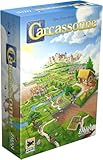
Overview: Carcassonne remains the definitive gateway to modern strategy gaming, offering medieval landscape building through deceptively simple tile placement and meeple deployment. This edition refreshes the timeless formula with clarified rules and included mini-expansions, maintaining its position as the perfect introduction for newcomers while retaining depth for veterans seeking quick, engaging sessions.
What Makes It Stand Out: The redesigned rulebook eliminates the learning curve that previously intimidated new players, while the included Abbot mini-expansion and River variant add immediate variety. Its genius lies in the emergent complexity—basic rules create intricate territorial battles and clever meeple management decisions that reveal themselves organically across plays, making each session uniquely satisfying.
Value for Money: As one of gaming’s best values, Carcassonne delivers infinite replayability at a budget-friendly price point. The included expansions alone would cost half the game’s price separately, and its durability means families will play this for decades. Compared to similarly-priced gateway games, none match Carcassonne’s proven longevity and universal appeal.
Strengths and Weaknesses:
- Strengths: Universally intuitive rules; exceptional scaling across player counts; infinite strategic depth despite simplicity; proven durability over decades; expandable ecosystem.
- Weaknesses: Base game can feel luck-dependent; direct conflict may frustrate younger players; requires spatial thinking that some find challenging.
Bottom Line: Every board game collection needs Carcassonne. It’s the perfect family gateway game that grows with your group’s skill level.
9. A Gentle Rain – Calming Tile-Laying Puzzle Game – Mindful Solo, 2-Player, or Cooperative Play in 15 Minutes – Soft-Touch Tiles & Wooden Blossoms – Compact, Giftable, Family-Friendly Board Game
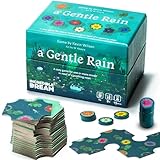
Overview: A Gentle Rain carves a unique niche as a meditative tile-laying puzzle, prioritizing tranquility over competition. Players collaboratively place 28 soft-touch tiles to bloom wooden flowers across a serene lake, creating a tactile, screen-free mindfulness exercise that completes in just 15 minutes. It’s less a traditional game than a shared ritual of quiet focus.
What Makes It Stand Out: The sensory experience distinguishes this title—velvet-touch tiles and glossy wooden blossoms engage tactile senses while hand-drawn artwork creates visual calm. The absence of scoring removes competitive pressure entirely, making it revolutionary for players seeking respite from high-stakes gaming. Its cooperative nature fosters genuine connection without verbal negotiation, operating on intuitive spatial harmony.
Value for Money: While premium-priced for its component count, the value lies in its specialized purpose. Comparable mindfulness products cost more while offering less engagement. For those specifically seeking calming activities, it outperforms generic puzzles or meditation apps by providing tangible, repeatable satisfaction. It’s an investment in mental wellbeing rather than entertainment.
Strengths and Weaknesses:
- Strengths: Exceptionally calming gameplay; premium tactile components; true cooperative experience; portable and giftable; fills unique wellness niche.
- Weaknesses: Limited appeal for competitive gamers; shallow with only 28 tiles; two-player mode lacks tension; price point high for content volume.
Bottom Line: A Gentle Rain is perfect for mindful gamers or as a therapeutic gift, but competitive players should look elsewhere for their tile-laying fix.
10. My Shelfie Board Game - Organize Your Shelf and Show Off Your Treasures! Strategy Game, Fun Family Game for Kids and Adults, Ages 8+, 2-4 Players, 30 Minute Playtime, Made by Lucky Duck Games

Overview: My Shelfie transforms the mundane act of organizing into a delightful spatial puzzle where players draft item tiles to fill 3D bookshelves. Competing to satisfy personal and shared objective cards, participants strategically select 1-3 tiles per turn, balancing immediate placement needs against long-term pattern completion in this visually charming 30-minute filler game.
What Makes It Stand Out: The three-dimensional bookshelf boards create tangible satisfaction as players physically build their displays, with books, games, and knickknacks forming recognizable patterns. The line-drafting mechanism from a central living room board introduces interactive tension, forcing players to balance taking needed tiles versus denying opponents. Dual-layered scoring through personal and common goals ensures every decision carries weight.
Value for Money: My Shelfie competes directly with games like Azul and Sagrada at a similar price point, offering comparable component quality and strategic depth. The 3D boards provide visual novelty that justifies its cost, while varied goal combinations extend replayability beyond many tile-placement games in this category. It’s a solid mid-tier value that won’t disappoint.
Strengths and Weaknesses:
- Strengths: Satisfying 3D spatial puzzle; strong player interaction through drafting; excellent component artwork; meaningful strategic choices in 30 minutes.
- Weaknesses: Setup involves many small pieces; player boards could be sturdier; limited to four players; advanced goals may confuse younger children.
Bottom Line: My Shelfie is an excellent choice for families who enjoy spatial puzzles and light strategy, offering tangible satisfaction through its 3D bookshelf building.
Understanding Tile Placement Mechanics
What Makes Tile Placement Mechanics Engaging?
Tile placement games revolve around a beautifully simple concept: players select and position tiles to build something greater than the sum of its parts. The tactile satisfaction of connecting pieces triggers a primal building instinct that resonates across age groups. Each decision carries weight as you consider not just the immediate benefit of a tile, but how it sets up future opportunities or potentially blocks opponents. This creates a constant tension between short-term gains and long-term strategy that keeps every player invested from start to finish.
The visual progression on the table becomes a shared story. Unlike card games where hands remain hidden, tile games typically build a public landscape that everyone contributes to and watches evolve. This transparency makes it easier for new players to learn by observation and for experienced players to help guide younger family members without compromising competitive integrity. The physical permanence of placed tiles also introduces a delicious sense of consequence—once you commit to a spot, there’s no taking it back.
Why Families Love Tile-Based Gameplay
Families gravitate toward tile placement because it naturally accommodates different skill levels within the same game. A seven-year-old might focus on matching colors or creating simple connections, while a parent calculates optimal scoring positions. Both approaches remain valid and rewarding, which eliminates the frustration that often drives younger players away from more punishing strategy games. The genre also minimizes direct conflict, replacing aggressive “take-that” mechanics with subtle positional blocking that feels less personal.
The learning curve tends to be gentle but deep. Most tile games can be explained in under ten minutes, yet mastering the scoring nuances takes multiple plays. This means your family won’t outgrow the game after a few sessions. Instead, you’ll discover new strategies and appreciate different aspects as everyone’s skills develop. The physical durability of tiles themselves also means these games survive spills, sticky fingers, and the general chaos of family life far better than cardboard cards or intricate miniatures.
Key Features to Evaluate for Family Fun
Age Appropriateness and Complexity Scaling
When selecting a tile placement game for mixed-age households, look for titles that offer official or community-created variants for simplified play. Many games include a “family” or “junior” mode in the rulebook that streamlines scoring or reduces decision paralysis. Check the recommended age rating as a starting point, but dig deeper into reviews to understand whether the complexity stems from reading requirements, spatial reasoning, or mathematical calculations. A game rated 8+ might still work for a sharp six-year-old if the barrier is simply recognizing patterns rather than complex arithmetic.
Consider how the game handles player assistance. Some tile placement games allow for table talk and collaborative advice, which helps bridge age gaps. Others enforce strict silence that can frustrate younger players who need guidance. The sweet spot for families often lies in games where experienced players can offer subtle hints without breaking the rules. Also examine whether the game includes player aids or reference sheets that summarize scoring—these tools empower kids to play independently rather than constantly asking parents for rule clarifications.
Player Count Flexibility
Family gatherings rarely have consistent player numbers, so versatility becomes a key value factor. Investigate how well a game performs at different counts through community feedback. A game that shines with four players but drags with two might not suit your household’s typical configuration. Some tile placement games include official two-player variants that adjust the tile pool or board size, while others rely on the community to develop balanced adaptations.
The downtime between turns deserves special attention at higher player counts. Games where everyone builds their own tableau simultaneously eliminate waiting frustration, but may sacrifice interactive tension. Conversely, shared-board games where each tile placement affects everyone create constant engagement but can lead to analysis paralysis. For families, the ideal often involves quick individual turns that still impact a central shared space, keeping all players mentally involved even when it’s not their turn.
Game Duration and Attention Span
The best family games respect everyone’s time and attention limitations. Look for tile placement titles that advertise playtimes between 30-45 minutes for a full family session. This window typically captures the sweet spot where the game reaches satisfying conclusions without younger players losing focus. Many modern tile games include variable end-game triggers—like running out of specific tiles or reaching a certain score threshold—that let you customize session length based on the evening’s energy levels.
Setup and teardown time directly impacts how often a game hits the table. Games with dozens of individual tiles that require sorting or bagging become shelf-dwellers despite great gameplay. Prioritize titles that store neatly in the box, possibly with included organizers or bags that make pre-game prep a two-minute affair rather than a ten-minute chore. Quick setup means you can squeeze in a game on a school night without turning it into a production.
Theme and Visual Appeal
Never underestimate how much theme drives engagement for younger players. While adults might appreciate abstract elegance, kids connect with visual narratives. Tile games that build recognizable landscapes, complete quests, or create colorful mosaics immediately capture imagination. The artwork quality matters too—vibrant, clear iconography helps non-readers participate fully, while muddy or overly detailed illustrations can obscure important gameplay information.
Consider the story the tiles tell as they hit the table. Games where you’re constructing a castle, exploring an island, or cultivating a garden provide natural talking points that extend beyond pure mechanics. This narrative framework gives parents hooks for explaining rules (“We’re building roads to connect our cities”) and gives kids context for their decisions. The theme should enhance rather than complicate the gameplay—avoid games where flavor text overwhelms the actual tile-laying action.
Value Factors That Matter
Replayability Through Variability
A game’s true cost per play determines its value more than the sticker price. Evaluate how tile placement games create different experiences each session. Randomized setup decks, variable scoring conditions, or modular board configurations ensure you’re not solving the same puzzle every time. Some games achieve this through simple tile draw luck, while others employ sophisticated card-driven objectives that dramatically shift strategic priorities from game to game.
The depth of viable strategies also impacts longevity. If one optimal approach dominates, the game becomes stale after a few plays. Look for titles where community discussions reveal multiple competing strategies—this indicates a rich decision space that rewards continued exploration. For families, this means the game grows with you; what works against a six-year-old won’t suffice when they’re ten and thinking three moves ahead.
Component Quality vs. Price Point
Tile placement games live and die by their physical pieces. Thick, linen-finished tiles with crisp printing feel substantial and withstand years of handling. Thin, flimsy tiles with faded edges signal a game that won’t survive heavy family use. When assessing value, read user reviews specifically mentioning component durability. A $30 game with excellent tiles outperforms a $20 game that needs replacing after six months.
Consider the component-to-price ratio. Some budget-friendly games include hundreds of tiles and still retail under $25, offering tremendous tactile variety. Others charge premium prices for fancy components that don’t enhance the core experience. For families, prioritize games where the components directly serve gameplay rather than ornamental extravagance. Weighty tiles that feel good to handle encourage repeated plays, maximizing your investment.
Expansion Potential and Longevity
Many tile placement games offer expansions that refresh the experience without requiring a completely new purchase. When evaluating base games, research whether the publisher supports the title with add-ons that introduce new tiles, mechanics, or modules. This ecosystem approach provides a cost-effective way to extend a game’s lifespan—rather than buying a new $40 game, a $15 expansion might reinvigorate a family favorite.
However, be wary of games that feel incomplete without expansions. The base game should provide a full, satisfying experience on its own. Expansions should enhance rather than fix fundamental issues. Check community sentiment: do players consider expansions essential or merely optional spice? For budget-conscious families, a game with two or three well-regarded expansions offers better long-term value than a game requiring constant purchases to stay interesting.
Storage and Organization
The practical reality of family gaming includes limited shelf space and chaotic storage situations. Games with efficient box inserts that keep tiles sorted and protected see far more table time than those where pieces end up jumbled in baggies. Some publishers include molded trays or clever tuck boxes that make setup instantaneous. Others leave organization as an exercise for the player, which often results in damaged components and lost tiles.
Consider the box footprint relative to the gameplay experience. A game that delivers deep strategy from a compact box offers better value than one that consumes half a shelf for similar depth. For families with limited space, look for tile games that stack neatly and store vertically without components shifting. The ability to grab the game, open it, and start playing within minutes directly correlates with how often it gets played—and thus, its overall value.
Game Mechanics That Enhance Family Engagement
Competitive vs. Cooperative Modes
Some tile placement games offer both competitive and cooperative variants in the same box, providing incredible versatility for family dynamics. Cooperative modes let parents and kids work together against the game, reducing the emotional sting of losing and fostering collaborative problem-solving. This approach works wonderfully when younger players are still learning, as everyone shares the victory or defeat together.
Even in competitive games, look for mechanics that soften direct confrontation. Indirect competition—where you’re racing to achieve personal goals rather than attacking each other—maintains tension without hurt feelings. Games that reward you for completing your own beautiful creation while lightly interfering with others create a positive competitive atmosphere. This design philosophy keeps game nights friendly while still delivering satisfying strategic depth for older players.
Spatial Reasoning Benefits
Tile placement games naturally develop spatial intelligence as players mentally rotate pieces, plan layouts, and visualize future placements. This cognitive workout happens organically through play rather than feeling like educational homework. Kids strengthen geometry skills by fitting shapes together and understanding adjacency rules. Parents can subtly reinforce concepts like symmetry, pattern recognition, and efficient arrangement without turning game night into a math lesson.
The tactile nature of tiles adds a kinesthetic dimension that reinforces learning. Physically handling and positioning pieces creates stronger neural connections than abstract visualization alone. For families, this means screen-free time that builds real-world skills. Many educators specifically recommend tile placement games for developing executive function—the ability to plan, organize, and execute strategies—which translates directly to academic and life success.
Luck vs. Strategy Balance
The ideal family game balances random elements with meaningful decisions. Pure luck frustrates strategic players, while pure strategy overwhelms younger kids. Tile placement games naturally straddle this line through random tile draws combined with placement choices. Evaluate how much control players retain even when luck runs against them. Can skillful play overcome a bad draw? Does the game provide ways to mitigate randomness through strategic reserves or multiple options?
Look for games where the luck element creates variety rather than determining winners. Randomized setup or tile availability should force adaptive thinking rather than delivering victory to whoever draws the best pieces. For mixed-age play, a touch more luck helps level the playing field, giving younger players legitimate chances to win while still rewarding good decisions. The sweet spot emerges when everyone feels their choices mattered, regardless of the final outcome.
Interaction and Downtime Management
Family games thrive on keeping everyone engaged throughout the session. Some tile placement games achieve this through simultaneous play, where everyone builds their own area at the same time. This eliminates downtime entirely but can reduce social interaction as players focus on their own puzzles. Other games use a central shared board where each placement matters to everyone, creating constant discussion and reaction.
Consider how the game handles player turns. Quick, snappy decisions keep the energy high, while lengthy analysis grinds the pace to a halt. For families, look for games with built-in timers or natural turn-length limits imposed by the mechanics. Some games use a “draft and pass” system where you select a tile from a hand and pass the rest, keeping everyone involved even between formal turns. This hybrid approach often delivers the best family experience.
Shopping Smart for Tile Games
Reading Between the Reviews
When researching games online, focus on reviews from verified purchasers who mention family play specifically. Professional reviewers often evaluate games from a hardcore gamer perspective, prioritizing depth over accessibility. Parents describing how their eight-year-old grasped the rules after one play provide more relevant insights for your situation. Look for patterns in complaints—if multiple reviews mention confusing scoring or fragile components, those issues likely persist.
Pay attention to review timestamps. Games released several years ago with sustained positive feedback have proven their longevity. A new game with only hype-filled launch reviews might not stand the test of time. For budget-conscious families, older titles that remain popular often hit discount prices while delivering refined, well-tested gameplay. The board game community is vocal about both gems and duds; trust collective wisdom over individual enthusiasm.
Understanding Publisher Reputations
Certain publishers specialize in family-friendly tile placement games and have built trust through consistent quality and rule clarity. Research which companies prioritize accessibility in their design philosophy. These publishers typically offer better rulebooks with visual examples, extensive player aids, and responsive customer service for missing or damaged components. A publisher’s reputation for durability matters enormously when kids are involved.
Conversely, some publishers cater to the hobbyist market with complex titles that overwhelm casual players. Their games might be brilliant but require a learning investment that family schedules don’t accommodate. Check a publisher’s catalog—if they produce many family-weight games with simple rules but engaging gameplay, they’ve likely honed their craft for your exact use case. This research helps you pre-filter options before diving into specific titles.
Where to Find the Best Deals
Board game pricing fluctuates dramatically across different retailers. Online marketplaces often undercut specialty stores, but local game shops frequently host demo events where you can try before buying. For families, attending these events provides invaluable hands-on experience that prevents costly mistakes. Many stores also run loyalty programs or holiday sales that make premium titles more affordable.
Consider secondary markets for gently used games. Tile placement games hold up particularly well to resale because their components are durable and complete sets are easy to verify. Online board game trading communities exist where families outgrow titles and sell them at significant discounts. Just ensure you’re buying from reputable sellers who confirm component completeness. For new games, wait for major sales events like Black Friday or publisher clearance sales when older editions make way for new releases.
Trying Before Buying
Nothing substitutes for actual play experience. Many local libraries now maintain board game collections you can borrow, providing risk-free trial runs. Some community centers and cafes offer game libraries where you pay a small fee to access hundreds of titles. This approach lets your family evaluate whether a game clicks with your specific dynamics before committing money and shelf space.
Digital adaptations on tablets or computers offer another low-cost trial method. While the tactile joy of physical tiles is irreplaceable, digital versions teach rules and demonstrate gameplay flow efficiently. If your family enjoys the digital implementation, the physical version likely succeeds too. Conversely, if the digital version feels flat or confusing, it’s a red flag. This strategy works especially well for understanding complex scoring systems before teaching them to kids.
Setting Up for Family Success
Teaching Strategies for Younger Players
When introducing a new tile placement game, start with a simplified teaching game where everyone plays openly, discussing their reasoning. Remove optional rules or advanced scoring for the first session, focusing purely on the core loop of drawing and placing tiles. Let younger kids handle the physical act of tile drawing and placement even if you guide their decisions—ownership of the tactile elements builds engagement faster than abstract advice.
Use visual demonstrations rather than verbal explanations whenever possible. Lay out example placements and show how scoring works with actual tiles rather than pointing at rulebook diagrams. Create a “practice board” where kids can experiment with tile arrangements without consequence before the real game begins. This low-pressure exploration builds confidence and helps them internalize the spatial relationships that drive strategy.
Creating House Rules for Mixed Ages
Don’t hesitate to modify rules to suit your family’s needs. Many families successfully adjust tile placement games by giving younger players extra tiles, simplified scoring goals, or the ability to redraw undesirable pieces. The key is ensuring these modifications feel fair to everyone rather than patronizing. Frame them as “training wheels” that come off as skills improve, creating a progression system that motivates learning.
Consider team play where parents partner with younger kids, making joint decisions. This collaborative approach teaches strategy through discussion while preventing the child from feeling overwhelmed. As they grow more confident, transition them to independent play. Document your house rules on a notecard kept in the box—this prevents rule confusion in future sessions and helps visiting friends or relatives understand your family’s version.
Building a Game Night Tradition
Consistency transforms occasional gameplay into cherished ritual. Designate a specific night for tile placement games, perhaps with a rotating selection system where each family member gets to choose the week’s game. This ownership encourages investment and helps kids feel their preferences matter. Keep a simple win/loss tally not to emphasize competition, but to track which games see the most play and generate the most excitement.
Create pre-game and post-game rituals that extend the experience. Maybe the chooser explains the rules, or everyone shares their favorite move after the final score. Some families photograph the completed tile layouts as a visual scrapbook of their gaming journey. These traditions embed the games deeper into family culture, making the initial purchase more valuable through repeated, meaningful use.
Frequently Asked Questions
What age should children be to start playing tile placement games?
Most families successfully introduce simple tile placement games around age five or six, focusing on pattern matching and basic spatial reasoning. The key is selecting titles with minimal reading requirements and straightforward scoring. Many games offer simplified variants that work for preschoolers while still engaging adults.
How do I know if a tile placement game is good value for money?
Calculate cost per play by considering replayability, component durability, and player count flexibility. A $30 game played twenty times with four family members costs less than 40 cents per person per session. Prioritize games with randomized setups and multiple strategies to maximize replay value.
Can tile placement games work for just two players?
Many tile placement games include official two-player variants or scale naturally down to duels. Check reviews specifically mentioning two-player experience, as some games become too open or too cutthroat with only two participants. Games where each player builds their own board often work better at two than shared-board titles.
What’s the difference between tile placement and tile-laying games?
The terms are often used interchangeably, but “tile placement” sometimes refers to games where tiles affect a shared board, while “tile-laying” can emphasize building personal patterns. For family purposes, the distinction matters less than whether the game creates engaging spatial puzzles with clear rules.
How can I prevent tile placement games from becoming repetitive?
Introduce expansions that add new tiles or scoring mechanisms, implement house rules that change objectives, or rotate between different games in the genre. Many families also create personal challenges like “beat your previous score” or “try a new strategy” to refresh familiar titles.
Are digital versions of tile placement games worth it?
Digital adaptations excel at teaching rules, handling complex scoring automatically, and enabling solo play against AI opponents. They’re excellent for learning games before buying physical copies or for playing when travel limits your component box. However, they sacrifice the tactile satisfaction and social bonding of physical tile handling.
How do I store tile placement games to prevent piece loss?
Keep tiles in resealable bags within the box, sorted by type if the game includes many varieties. Store boxes flat rather than vertically to prevent tiles from shifting and damaging edges. Some families use small plastic containers or custom foam inserts for premium organization that speeds up setup.
What should I look for in rulebooks for family play?
Seek rulebooks with visual examples for every major concept, reference cards for players, and a dedicated family or simplified mode section. Good rulebooks include a “setup” diagram and a “first game” walkthrough. Digital rulebooks with searchable text or tutorial videos also help families learn efficiently.
How much luck should a family tile placement game have?
Aim for games where luck determines available options but skill determines optimal choices. Complete randomness frustrates strategic players, while pure calculation bores kids. The sweet spot involves drawing tiles randomly but placing them thoughtfully, perhaps with mechanisms to mitigate bad luck through planning or special abilities.
Can tile placement games help with my child’s development?
These games naturally develop spatial reasoning, pattern recognition, forward planning, and fine motor skills. They also teach probability as children learn to anticipate which tiles might appear next, and resource management as they decide which pieces to use immediately versus saving for later. The social aspects reinforce turn-taking, graceful winning, and resilient losing.
See Also
- 10 Best Value Tile Placement Games for Educational Game Nights in 2026
- The 10 Best Tile Placement Games for Family Strategy Lovers in 2026
- 10 Best Value Tile Placement Games for Smart Tacticians in 2026
- Top 10 Best Tile Placement Games for Family Game Night in 2026
- The 10 Best Tile Placement Games for Family Game Nights in 2026