Table of Contents
There’s something truly magical about gathering the family around a table for game night. In our screen-saturated world, those moments of shared laughter, friendly competition, and genuine connection feel increasingly precious. Rummy, with its elegant blend of skill, strategy, and accessible rules, has endured for generations precisely because it fosters this kind of interaction. It’s not just about laying down sets and runs; it’s about the conversations sparked, the gentle teasing over a near-win, and the quiet satisfaction of outmaneuvering your opponent with a well-timed discard. Finding the right rummy game, especially one that delivers outstanding value for your family, can transform an ordinary evening into a cherished tradition.
But let’s be honest: not all rummy sets are created equal, especially when you’re investing your hard-earned money and precious family time. You want a game that withstands the enthusiastic handling of younger players, offers clear and engaging gameplay that keeps everyone involved, and provides enough depth to stay interesting night after night. Value here isn’t just about the lowest price tag; it’s about longevity, replayability, ease of learning, and how well it bridges the gap between generations. This guide cuts through the noise, focusing squarely on the features and considerations that truly define a valuable rummy experience for families looking to maximize fun without breaking the bank in 2026.
Top 10 Rummy Games
Detailed Product Reviews
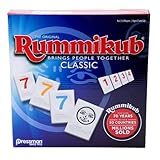
1. Pressman Rummikub - The Original Rummy Tile Game | Exciting Family Game of Strategy and Luck | Promotes STEM Skills | For Kids, Teens, Adults | 2-4 Players, Ages 8+
Overview:
Pressman’s Rummikub is a globally renowned tile-based game with over 55 million units sold. It challenges players to create runs (consecutive numbers) and groups (same number, different colors) using numbered tiles, aiming to be the first to empty their rack. Designed for 2-4 players aged 8+, it bridges generations with accessible yet strategic gameplay.
What Makes It Stand Out:
Its massive popularity stems from seamless integration of luck and strategy, making it ideal for mixed-age groups. The game uniquely reinforces STEM skills—sequencing, pattern recognition, and spatial reasoning—without feeling educational. The fast-paced turns and simple rules (learn in minutes) ensure constant engagement, distinguishing it from slower board games.
Value for Money:
Priced competitively for a durable, high-replay-value game, it outshines cheaper alternatives that lack its polished tiles and racks. While budget sets exist, Rummikub’s quality components and decades-long reputation justify its cost as a family heirloom-worthy investment.
Strengths and Weaknesses:
Strengths: Exceptional replayability; promotes critical thinking; inclusive for varied skill levels; sturdy tiles. Weaknesses: Limited to 4 players; racks can feel flimsy over time; initial setup confusion for absolute beginners.
Bottom Line:
A near-perfect family game that educates subtly while delivering intense fun. Highly recommended for households seeking an engaging, screen-free activity that grows with players’ strategic skills.
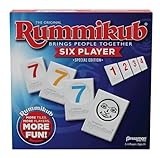
2. Rummikub Six Player Edition - The Classic Rummy Tile Game - More Tiles and More Players for More Fun! by Pressman , Blue
Overview:
Pressman expands its iconic Rummikub franchise with this six-player edition, scaling the classic tile-matching gameplay for larger groups. It retains the core mechanics—forming runs and groups—but adds extra tiles, racks, and numbers to accommodate 2-6 players aged 8+, ideal for parties or family gatherings.
What Makes It Stand Out:
The standout feature is seamless scalability: it solves the original’s player limit while preserving strategic depth. The additional tiles and racks maintain gameplay fluidity without dilution, a rarity in expanded editions. Its “more players, same fun” promise makes it a social hub for game nights.
Value for Money:
Slightly pricier than the 4-player version, but the added components justify the cost for those needing larger capacity. It’s more economical than buying two standard sets, offering genuine utility over novelty. Budget alternatives often skimp on tile quality, making this a smarter long-term buy.
Strengths and Weaknesses:
Strengths: Effortless expansion to 6 players; identical high-quality components; retains original’s strategic charm. Weaknesses: Gameplay can slow with max players; storage case less compact; minor rule adjustments needed for larger groups.
Bottom Line:
An essential upgrade for frequent hosts or big families. If you regularly play with 5+ people, this edition delivers unmatched value and fun, preserving everything that makes Rummikub great.
3. Rummy Cube 6 Player Edition with 6 Wooden Racks/Trays, 160 Large Numbers Rummy Tiles Set with Zippered Case, Rummy Travel Game Set with 6 Tiles Holders - Classic Board Games for Family Adults Kids

Overview:
This Rummy Cube set offers a premium 6-player rummy experience with 160 vibrant tiles, six wooden racks, and travel-ready storage. Designed for ages 8+, it emphasizes accessibility through large-numbered tiles and portable design, targeting families seeking durability and convenience.
What Makes It Stand Out:
The wooden racks with soft-felt bases prevent slips and table damage—uncommon in competitors. Bold, enlarged numbers enhance visibility for all ages, while the spacious zippered case neatly stores every component, including racks, making it ideal for travel. The vibrant tile colors also stand out visually.
Value for Money:
Competitively priced against Pressman’s editions, it excels in premium touches (wood racks, travel case) often sold separately. Though not a “name-brand” game, its component quality offers excellent value, especially for travelers or gift-givers prioritizing presentation.
Strengths and Weaknesses:
Strengths: Superior wooden racks; excellent portability; highly visible tiles; comprehensive set (dice, storage bag included). Weaknesses: Rules less refined than Rummikub; wooden racks add bulk; brand recognition lower than Pressman.
Bottom Line:
A top choice for travelers and gift-givers valuing aesthetics and convenience. While lacking Rummikub’s strategic polish, its thoughtful design makes it a compelling, budget-friendly alternative for casual play.
4. Michigan Rummy - The Perfect Blend of Rummy and Poker for an Entirely New Game Experience (Amazon Exclusive) by Goliath

Overview:
Goliath’s Michigan Rummy innovates by fusing rummy’s tile-matching with poker’s hand-ranking strategy. Designed for 3-8 players (ages 8+), it uses cards instead of tiles, challenging players to build melds while incorporating poker hands like straights and flushes for scoring.
What Makes It Stand Out:
Its unique hybrid mechanic creates fresh strategic layers absent in traditional rummy games. The high player count (up to 8) and card-based format enable faster, more dynamic rounds. As an Amazon Exclusive, it fills a niche for large-group card games beyond classics like Uno.
Value for Money:
Priced accessibly for a specialty card game, it offers high replayability with its dual-rule system. While not replacing dedicated poker or rummy sets, it provides exceptional novelty value for under $15, outperforming generic card decks in strategic depth.
Strengths and Weaknesses:
Strengths: Innovative poker-rummy fusion; accommodates very large groups; quick setup; quality cards. Weaknesses: Steeper learning curve; less tactile than tile games; strategy depth may overwhelm young players.
Bottom Line:
A refreshing twist for game enthusiasts seeking something new. Recommended for large families or parties wanting strategic variety, though traditionalists may prefer classic tile sets for simplicity.
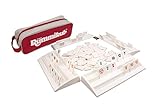
5. Rummikub - The Complete Original Game With Full-Size Racks and Tiles in a Durable Canvas Storage/Travel Case by Pressman - Amazon Exclusive
Overview:
This Amazon Exclusive version delivers Pressman’s authentic Rummikub experience in a premium canvas travel case. It includes full-size tiles and racks for 2-4 players (ages 8+), focusing on portability without sacrificing the original’s strategic tile-matching gameplay.
What Makes It Stand Out:
The durable canvas case elevates it from standard editions, offering superior protection and style for travel. All components match the classic game’s quality, but the case’s sturdiness and compact design make it the definitive on-the-go option, especially for frequent travelers.
Value for Money:
Priced marginally higher than the standard edition, the canvas case adds tangible value for its longevity and convenience. Cheaper sets often use flimsy bags; this justifies its cost as a long-term investment. For travelers, it’s more economical than buying a separate case.
Strengths and Weaknesses:
Strengths: Premium canvas travel case; identical gameplay to original; racks and tiles perfectly sized; ideal for vacations. Weaknesses: Slightly bulkier than plastic cases; no gameplay enhancements over standard edition.
Bottom Line:
The best choice for jet-setting families. If you already own Rummikub, skip it—but for first-time buyers prioritizing portability, this exclusive edition is worth the slight premium for its unrivaled travel readiness.
6. 2-6 Players Rummy Game Gifts, Easter Gifts/Easter Basket Stuffers for Adults, Rummy Game W/ 6 Wooden Racks, 160 Melamine Tiles, Drawstring Bag, Portable Case, Family Games for Adults & Kids Age 8+

Overview:
This comprehensive tile-based rummy set delivers a premium physical gaming experience for 2-6 players. It includes 160 durable melamine tiles, six substantial wooden racks (9.85" x 2.76"), a drawstring bag, a portable zippered case, and instructions, designed for ages 8+ and suitable for travel or home use.
What Makes It Stand Out:
The standout feature is the inclusion of six high-quality wooden racks with felt bottoms—uncommon in budget sets that typically use plastic. These prevent slipping and protect surfaces. The complete, travel-ready packaging (all components fit neatly in the zippered case) and the focus on durable, tactile components elevate it above basic rummy kits, making it ideal for vacations or gifts.
Value for Money:
Priced competitively for a complete set with wooden accessories, it offers excellent value. Cheaper alternatives often skimp on rack quality or omit the portable case. The inclusion of 160 tiles and a drawstring bag adds utility, justifying its cost as a durable, giftable item for family game nights or travel.
Strengths and Weaknesses:
Strengths: Premium wooden racks with non-slip felt; highly portable with sturdy case; durable melamine tiles; promotes STEM skills and family bonding; complete out-of-the-box. Weaknesses: Wooden racks, while premium, add bulk compared to folding plastic; limited tile color variety might challenge color-blind players; case zipper quality can vary.
Bottom Line:
Highly recommended for families seeking a durable, travel-friendly rummy set. The wooden racks and thoughtful packaging make it a superior gift or staple for game nights, outweighing minor bulkiness for most users.
7. Five Crowns – Card Game for Kids and Adults, Travel and Family Game Night Favorite, The Game isn’t Over Until the Kings Go Wild, 5 Suited Rummy Style Card Game, 1-7 Players, Ages 8+

Overview:
Five Crowns offers a dynamic twist on classic rummy, featuring a unique fifth suit of stars and rotating wild cards. Designed for 1-7 players aged 8+, this portable card game emphasizes strategy and adaptability, making it a staple for family game nights or travel.
What Makes It Stand Out:
The innovative fifth suit (stars) and rotating wild cards—where the “wild” rank increases each round (3s, then 4s, etc.)—create constant strategic shifts. Unlike traditional rummy, this mechanic ensures unpredictability and high engagement. Its compact size (just cards) and ease of learning (in under 5 minutes) further distinguish it as a versatile travel companion.
Value for Money:
As a high-quality, durable card deck with immense replayability, it delivers strong value. Priced modestly, it outperforms generic rummy decks by offering unique mechanics that sustain interest over countless plays. Its suitability for solitaire or up to 7 players maximizes versatility per dollar spent.
Strengths and Weaknesses:
Strengths: Unique fifth suit and rotating wilds for fresh strategy; extremely portable and travel-ready; quick setup/learning; accommodates 1-7 players; award-winning design. Weaknesses: Pure card format lacks tactile tile/rack appeal; rotating wilds can frustrate beginners; limited physical components beyond cards.
Bottom Line:
An exceptional choice for adaptable, engaging gameplay. Its innovative mechanics and portability make it a top recommendation for families and travelers seeking a modern rummy experience without complex setup.
8. Tripoley Deluxe Board Game, Family Favorite Game, Combination of Michigan Rummy, Hearts and Poker, Perfect for Family Game Night, For Ages 8 and up

Overview:
Tripoley Deluxe is a legacy board game blending Michigan Rummy, Hearts, and Poker into one 2-9 player experience. This 75-year favorite includes a double-sided 24x24" felt mat, 100 chips, a card deck, and bilingual instructions, targeting ages 8+ for family gatherings.
What Makes It Stand Out:
Its triple-game hybrid design is unparalleled—players sequentially play Poker, Hearts, and Michigan Rummy on a single mat, accumulating chips throughout. The large, durable felt mat with clear betting zones and the inclusion of 100 chips create a casino-like atmosphere uncommon in family games, fostering multi-stage strategic engagement.
Value for Money:
The all-inclusive kit (mat, chips, deck) justifies its price for group play. While the mat requires storage space, its quality and the game’s decades-long popularity offer longevity. It’s cost-effective versus buying three separate games, especially for large families (up to 9 players).
Strengths and Weaknesses:
Strengths: Unique fusion of three classic games; high player capacity (2-9); premium felt mat enhances immersion; strong replayability; bilingual instructions. Weaknesses: Complex rules may overwhelm young children; mat storage is cumbersome; slower pace than pure card games; chip quality is average.
Bottom Line:
Ideal for large families or groups wanting immersive, multi-phase gameplay. Despite a steeper learning curve, its nostalgic charm and versatility make it a worthwhile investment for dedicated game nights.
9. Mattel Games Phase 10 Tiles Game, Quick Family Rummy-Type Play with 32 Cards Featuring Unique Phases and Two Ways to Play, for 2-6 Players

Overview:
Phase 10 Tiles modernizes the classic card game by incorporating physical tiles and dual gameplay modes. For 2-6 players, it challenges participants to complete sequential “Phases” (e.g., “Two Sets of 3”) using tiles, with options for Classic or Quick Play scoring.
What Makes It Stand Out:
The integration of tactile tiles with Phase 10’s signature phase-building mechanic creates satisfying hands-on play. The two distinct modes—Classic (10 progressive phases) and Quick Play (3 random phases per round)—cater to both traditionalists and those seeking faster rounds. The 32 unique Phase Cards ensure variable objectives, preventing predictability.
Value for Money:
Mattel’s execution justifies the price with durable tiles and versatile gameplay. It offers more replay diversity than standard rummy sets, and the dual modes effectively double its utility. Compared to the card-only version, the tile format enhances engagement, especially for younger players.
Strengths and Weaknesses:
Strengths: Tactile tile gameplay enhances immersion; two distinct, replayable modes; clear, variable phase objectives; accommodates 2-6 players smoothly; compact storage. Weaknesses: Tile setup is slower than cards; Quick Play mode may feel too brief for purists; limited to 6 players (vs. card version’s 10).
Bottom Line:
A polished evolution of Phase 10 that’s perfect for families wanting hands-on strategy. The dual modes and tile mechanics provide excellent value, recommended for those prioritizing interactive play over pure speed.
10. MindWare Qwirkle Rummy Card Game - Strategy Games for Adults and Family - Fun Family Games & Party Games for Adults - Match Shapes & Colors, Score Qwirkles to Win - Ages 8 and Up

Overview:
Qwirkle Rummy distills the spatial strategy of Qwirkle into a compact card game for 2-4 players. Players match shapes and colors to form sets, scoring points by creating “Qwirkles” (full sets of six), with a 20-minute playtime ideal for quick sessions.
What Makes It Stand Out:
It masterfully adapts Qwirkle’s core color/shape-matching mechanic into a faster, card-based format. The focus on set-building with strict matching rules (no duplicates in a set) creates deep tactical decisions within a short playtime. Its accessibility for ages 8+ and party-friendly duration set it apart from heavier strategy games.
Value for Money:
As a streamlined, high-quality card game emphasizing replayability over components, it offers solid value. The strategic depth per playtime minute surpasses many similarly priced games, though its 2-4 player limit narrows group appeal compared to larger-party titles.
Strengths and Weaknesses:
Strengths: Brilliant adaptation of Qwirkle’s strategy; quick 20-minute gameplay; easy to learn but challenging to master; excellent for casual and serious players; portable. Weaknesses: Max 4 players limits group use; minimal components (only cards); less tactile than tile-based Qwirkle; can feel repetitive after many plays.
Bottom Line:
A superb choice for quick, brain-teasing fun. Its elegant design and strategic depth make it highly recommended for small groups seeking accessible yet engaging gameplay, despite the player count restriction.
Understanding Rummy Fundamentals for Family Play
Before diving into value metrics, it’s crucial to grasp what makes rummy work, especially in a family context. Knowing the core mechanics helps you assess how well a particular set facilitates the game.
The Core Gameplay Loop Explained Simply
Rummy revolves around drawing and discarding cards to form specific combinations: sets (three or four cards of the same rank) and runs (three or more consecutive cards of the same suit). Players aim to be the first to “go out” by melding all their cards, potentially adding to existing melds on the table. This loop of draw-discard-meld creates constant engagement and strategic decision-making, perfect for keeping family members of varying ages actively involved.
Why Rummy Resonates Across Generations
Rummy’s enduring appeal lies in its perfect balance. It’s simple enough for a bright 8-year-old to grasp the basics after a few rounds (with minor rule adjustments), yet offers enough strategic depth to challenge seasoned adult players. Unlike pure luck-based games, rummy rewards observation, memory, and planning, making victories feel earned. This balance ensures grandparents, parents, and kids can compete on a relatively level playing field, fostering inclusivity and shared accomplishment.
Essential Components Every Rummy Set Must Have
At its heart, a rummy game requires standard playing cards. However, dedicated rummy sets often include specialized decks (like 52-card packs plus jokers) or even custom tiles. Regardless of the medium, the core components are identical: a sufficient number of cards/tiles for the intended player count, clear markings, and a method for tracking scores if playing multiple hands. Ensuring these basics are well-executed is the foundation of any good set.
Defining “Value” in Family Rummy Games
Value transcends the initial purchase price. For a family game, true value is measured by how effectively it serves its purpose over time and across diverse players.
Beyond the Price Tag: Longevity and Durability
A flimsy box and thin cards might be cheap upfront, but they won’t survive repeated family game nights, especially with younger children involved. True value comes from sturdy cardstock that resists bending and fading, a robust storage box that keeps components secure, and potentially water-resistant coatings. Investing a little more in durability often means the game lasts for years, making the cost per play incredibly low.
Replayability: Keeping the Fun Fresh Night After Night
The best family rummy games offer mechanisms to prevent staleness. This could be clear instructions for multiple rummy variants (like Gin Rummy, Oklahoma, or Liverpool), adjustable rules for different skill levels, or even integrated scorekeeping that encourages multi-game tournaments. Games that spark conversations about how to play next time inherently boost their long-term value.
The Learning Curve Factor for Mixed-Age Groups
Value plummets if half the family is confused or bored. Consider how easily the rules can be adapted. Can younger players start with simplified melding requirements? Are the instructions exceptionally clear, perhaps with visual examples? Sets that include “junior rules” or offer natural scaffolding (starting with basic Rummy 500 before moving to Gin) provide immense value by ensuring everyone can participate meaningfully, regardless of age or experience.
Key Features That Boost Family-Friendly Value
Certain features directly address the unique dynamics and needs of family gameplay, significantly enhancing the overall value proposition.
Material Matters: Cards vs. Tiles vs. Digital Aids
Traditional cards are familiar, but larger, thicker cards with oversized indices are easier for small hands and aging eyes. Rummy tiles (like those used in some Rummy-O variants) offer a satisfying tactile experience, are harder to bend, and lay flat on the table – great for crowded spaces. While dedicated digital apps exist, the shared physical experience of handling cards or tiles is often more valuable for family bonding than individual screens. Consider which format best suits your family’s style.
Clarity is King: Rulebooks and Visual Aids
A poorly written, ambiguous rulebook is the fastest way to derail a game night. High-value sets feature rulebooks with step-by-step instructions, clear examples of valid and invalid melds, common pitfalls explained, and perhaps even QR codes linking to short instructional videos. Diagrams showing card layouts or scoring examples are invaluable, especially when teaching new players or resolving disputes amicably.
Storage Solutions That Survive the Chaos
How often does a game get abandoned because pieces are lost? Value is heavily impacted by smart storage. Look for sets with compartments that securely hold cards/tiles and scorepads, a box sturdy enough to withstand being knocked over, and potentially even a dedicated spot for pencils. A well-organized box means setup and cleanup are quick, reducing friction and making spontaneous game nights more likely.
Optimizing for Different Family Dynamics
Not all families are the same. Tailoring your choice to your specific household composition maximizes the value you get from your rummy game.
Accommodating Younger Players (Ages 6-10)
For families with elementary school kids, value hinges on accessibility. Seek sets that explicitly mention junior variants, perhaps using color-coded cards or simplified scoring. Larger cards with bold numbers are essential. Games that incorporate optional “help” rules, like allowing an extra draw or discarding onto any existing meld (not just your own), can keep younger players engaged without frustrating the more experienced ones.
Engaging Teenagers and Adults Equally
Teens often crave a bit more challenge. Value here comes from sets that support deeper strategy. Look for instructions covering advanced variants (like 500 Rummy with wildcards or complex scoring) or even tournament-style play. Games that incorporate subtle bluffing elements (more common in Gin Rummy) or require calculating discard risks can keep older players invested. The ability to adjust rules on the fly based on the group’s mood is a huge plus.
Multi-Generational Gameplay Essentials
When grandparents join in, clarity and physical comfort become paramount. Extra-large print on cards, rules written in plain language without jargon, and potentially even magnifying scorecards add significant value. Ensure the game mechanics aren’t overly reliant on speed (which can disadvantage older players) – classic Rummy 500 often works better here than fast-paced Gin. The focus should be on shared enjoyment, not reflexes.
Maximizing Educational Value Through Play
Rummy isn’t just fun; it’s a powerful, stealthy learning tool. Recognizing this dimension significantly enhances its perceived and actual value for families.
Sharpening Cognitive Skills Subtly
Every hand of rummy is a workout for the brain. Players constantly practice pattern recognition (spotting potential sets/runs), strategic planning (deciding which card to discard to avoid helping opponents), probability assessment (gauging the likelihood of drawing needed cards), and mental arithmetic (especially during scoring). This happens organically within the fun, making it far more effective than overt drills.
Fostering Social and Emotional Intelligence
Game nights are microcosms of social interaction. Rummy teaches turn-taking, patience while waiting for others to play, graceful winning and losing, and respectful communication (especially when clarifying rules). Handling the disappointment of a near-win or the excitement of a big meld in a controlled way builds emotional resilience. These soft skills, nurtured through play, are invaluable long-term assets.
Adapting Rules for Targeted Learning
The real educational value boost comes from intentional adaptation. For early math learners, simplify scoring to just counting melded cards. Focus rule discussions on why certain discards are safe or risky to build logical reasoning. For language development, encourage players to verbalize their thought process (“I discarded the 7 of hearts because I already have the 8 and 9”). This flexibility inherent in rummy makes it an adaptable educational platform.
Avoiding Common Value Pitfalls
Even well-intentioned purchases can miss the mark. Knowing these pitfalls helps you steer clear of games that seem like bargains but deliver poor long-term value.
The “Too Cheap” Trap: Sacrificing Quality
Extremely low-priced sets often use paper-thin cards that warp after one humid evening, tiny indices impossible to read across the table, or flimsy boxes that disintegrate. The frustration of replacing a ruined game quickly erases any initial savings. A moderately higher investment in quality materials almost always pays off in extended playtime and repeated enjoyment.
Over-Complexity for Family Settings
While complex strategy games have their place, rummy’s family value lies in its relative simplicity. Sets burdened with excessive house rules, intricate scoring systems requiring constant reference, or unnecessary gimmicks (like electronic scorekeepers that need batteries) create barriers to entry. If setting up the rules takes longer than playing the game, the value plummets, especially with mixed ages.
Ignoring Physical Space and Setup Time
Consider your typical game night environment. Does the set require a huge table space that you don’t have? Is setup fiddly (e.g., arranging numerous small tiles)? Games that are quick to set up and play in a modest space lower the barrier to spontaneous play, dramatically increasing how often the game gets used – a core component of value. Simplicity in setup often trumps fancy components.
Building Lasting Traditions with Rummy
The highest form of value a family game can offer is becoming a cherished ritual. Rummy is uniquely positioned to foster this.
Creating Consistent Rituals Around Gameplay
Value compounds when the game becomes a reliable anchor point. Whether it’s “Friday Night Rummy” or post-dinner quick rounds on weekends, consistency turns play into tradition. The game itself becomes a symbol of connection. Sets that are easy to store and retrieve, quick to start, and universally appealing make maintaining this ritual effortless.
Customizing Your Family’s Unique Rummy Experience
The most valuable family games evolve. Encourage your household to develop its own minor house rules or scoring quirks – maybe a special “lucky discard” penalty or a bonus for the youngest player who goes out. Documenting these unique traditions (even just mentally) makes the game distinctly yours, deepening its emotional value far beyond the physical components.
Passing Down the Love of the Game
True legacy value comes when children grow up associating rummy with warm family memories and then teach it to their kids. Sets made with durable materials become genuine heirlooms. The simple act of a grandparent patiently explaining the rules to a grandchild, using the same deck they played with decades ago, embodies the ultimate long-term value – continuity and connection across generations.
Frequently Asked Questions
Frequently Asked Questions
What’s the minimum age recommended for children to start learning rummy? How can I simplify rummy rules for my 7-year-old? Are larger cards worth the extra cost for family play? What’s the most durable material for rummy components with kids? Can rummy genuinely help my child’s math skills? How do I handle disagreements about the rules during play? What’s a good number of players for family rummy sessions? How can I keep teenagers interested in a “classic” card game? Is investing in a dedicated rummy set better than using a standard deck? How often should I replace a family rummy game set?
See Also
- 10 Game-Changing Family Board Games for Screen-Free Weekend Fun in 2026
- 10 Best Value Family Board Games for Long-Lasting Play in 2026
- 10 Best Value Family Party Games for Holiday Gatherings in 2026
- 10 Best Budget Board Games for Kids Under $20 for Family Fun in 2026
- 10 Best Value Family Board Games for Large Families in 2026