Table of Contents
The tabletop gaming landscape continues to evolve, and print-and-play roll-and-write games have carved out a particularly sweet spot for enthusiasts who want maximum gaming value without the premium price tag. These ingenious creations transform simple materials—paper, dice, and pens—into rich strategic experiences that can be replayed dozens of times without losing their charm. For frequent players in 2026, the economics are undeniable: a single well-chosen PDF purchase can yield hundreds of gaming sessions for less than the cost of a single coffee, making it one of the most cost-effective entertainment investments available.
What makes this category especially compelling is how designers have mastered the art of compressing meaningful decisions into compact, reproducible formats. Unlike traditional board games that require expensive components and storage space, roll-and-write games offer infinite replayability through clever sheet design and variable dice outcomes. But not all print-and-play games deliver equal value for frequent play—some shine brightly for a few sessions before becoming predictable, while others reveal deeper layers the more you engage with them. Understanding what separates the fleeting diversion from the lasting addiction is key to building a collection that will serve you well throughout 2026 and beyond.
Top 10 Print and Play Roll and Write Games
Detailed Product Reviews
1. Stonemaier Games: Rolling Realms Redux by Jamey Stegmaier & Karel Titeca | A Light, Strategic Roll-and-Write Game for Families and Adults | Compete in a Series of Minigames | 1-6 Players, 30 Mins

Overview: Rolling Realms Redux is a standalone sequel to the acclaimed roll-and-write game, offering 1-6 players a 30-minute competition across three rounds of dice-driven minigames. Each turn, two dice are rolled and all players simultaneously use the results to generate resources and earn stars on their realm cards. The familiar Yahtzee-style mechanism gains strategic depth through unique realm interactions, making it accessible yet engaging for families and gamers alike.
What Makes It Stand Out: The twelve brand-new realms—drawing from modern classics like Planet Unknown, Flamecraft, and Wonderland’s War—are exclusive to this box and provide unprecedented variety. Full compatibility with the original Rolling Realms, a printed living rulebook covering all realms, and a box designed to store every expansion creates a modular ecosystem. The enhanced solo mode and three-minute setup time demonstrate exceptional production foresight.
Value for Money: Redux delivers multiple games in one box, with realm combinations offering near-limitless replayability. Compared to standalone roll-and-writes like Railroad Ink, the premium components, storage solution, and ongoing rule support justify a higher price point. For owners of the original, it’s an essential expansion; for newcomers, it’s a complete, future-proofed system.
Strengths and Weaknesses: Strengths include incredible variety, seamless original-game integration, quick teach, and scalable round count. The solo mode is genuinely robust. Weaknesses: some realms may feel imbalanced, and the core experience doesn’t radically depart from its predecessor. Maximum value requires both games.
Bottom Line: Rolling Realms Redux perfects its formula with fresh content and thoughtful design. It’s a must-own for roll-and-write enthusiasts and families seeking strategic variety without complexity.
2. Horticulture | Strategic flip and Write Game for Families
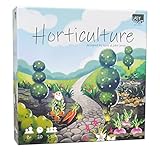
Overview: Horticulture transforms garden planning into an elegant flip-and-write puzzle for unlimited players. Each turn, you reveal two plant cards, choose one, and draw the corresponding shapes on your personal garden sheet. The game shines through its dual-layer scoring: plants score when grouped in specific sizes, while personal garden plans award bonus points for meeting unique criteria. This creates accessible depth perfect for family gatherings.
What Makes It Stand Out: The infinite player scaling means anyone with a pencil can join, making it ideal for holidays or large groups. A QR code links to video tutorials, while the included solo mode offers high-score challenges. Most impressively, the publisher provides free online sheet printing, eliminating component anxiety forever. This combination of scalability and sustainability is rare in the genre.
Value for Money: Horticulture competes with games like Cartographers but offers superior value through unlimited players and free component replacement. The base box includes hundreds of sheets, and the printable option ensures perpetual replayability. For families, one purchase serves any group size, delivering exceptional long-term value unmatched by player-limited alternatives.
Strengths and Weaknesses: Strengths include effortless teach, elegant scoring, infinite scalability, and zero component shortage. The solo mode adds replayability. Weaknesses: seasoned gamers may find it too light, and card flip luck can frustrate strategic planners. Personal garden plan draws can feel swingy.
Bottom Line: Horticulture balances accessibility with meaningful decisions, making it perfect for casual gaming groups and family events. It’s a no-brainer for those wanting a scalable, worry-free experience.
3. Mnkymnd Games: Slingshot - Dice Rolling Board Game, Space Pilot Race, Character Abilities, Galactic Navigation, Party & Family, Ages 8+, 1-4 Players

Overview: Slingshot is a lightning-fast space race for 1-4 players, delivering 10-20 minutes of dice-rolling excitement. Players navigate rockets through nine planets by matching orbital patterns, spending crystals for boosts, and activating unique character abilities. The first pilot to slingshot past the final planet wins. Its compact design and simple rules make it an ideal gateway game for families and filler for gamers.
What Makes It Stand Out: This pocket-sized box contains premium components rarely seen at this price point: screen-printed wooden rockets, custom dice, acrylic crystals, and stunning internal box art. Character abilities add asymmetry without complexity, while the orbital matching mechanism creates tense push-your-luck decisions. Its true portability means you can play anywhere, transforming waiting rooms and cafes into gaming venues.
Value for Money: As a filler, Slingshot exceeds expectations. Comparable quick dice games typically use generic components, but the tactile quality here rivals titles twice the price. The durable, travel-friendly design ensures countless plays, maximizing return on investment. For under 20 minutes of gameplay, the production value is remarkable.
Strengths and Weaknesses: Pros: lightning-fast play, exceptional component quality, true portability, and easy learning curve. Character powers differentiate each session. Cons: limited strategic depth may disappoint heavy gamers, and the brief runtime can feel fleeting. Player interaction is minimal beyond the race itself.
Bottom Line: Slingshot is the perfect filler for family game nights or between heavier titles. Its production quality and pace make it an essential travel companion for gamers of all levels.
4. My City Roll & Write

Overview: My City Roll & Write distills the legacy game experience into a compact, accessible format for 1-6 players. Across four chapters, you’ll use dice and pens to construct a unique city, with persistent elements that evolve between sessions. Simple rules and short playtimes deliver a campaign feel without the massive time commitment of traditional legacy titles, making it approachable for ages 10 and up.
What Makes It Stand Out: The chapter-based progression brings narrative weight to the roll-and-write genre rarely seen at this scale. Each session’s outcomes influence the next, creating genuine continuity and investment. The broad 1-6 player range accommodates various groups, while the straightforward rules ensure immediate accessibility. It’s a legacy-lite experience that doesn’t overwhelm.
Value for Money: Compared to full legacy games like Pandemic Legacy, My City Roll & Write provides campaign gaming at a fraction of cost and time. While lighter, it delivers a complete arc in just four sessions, ideal for groups wanting episodic play without year-long commitment. The replayability after completing the campaign is limited, but the journey offers solid value.
Strengths and Weaknesses: Strengths include the clever legacy-lite structure, broad player count, quick setup, and evolving gameplay. It’s an excellent gateway to campaign games. Weaknesses: four chapters may feel too brief, the roll-and-write mechanism limits strategic complexity, and post-campaign replayability is questionable. Component details are sparse.
Bottom Line: My City Roll & Write is perfect for families and casual groups seeking a brief, engaging campaign experience. It’s a charming introduction to legacy-style gaming without the usual overhead.
5. A Wayfarer’s Tale: The Journey Begins – Strategic Board Game for 1–4 Players, Ages 10+, 45–60 Minutes, with Narrative Solo Mode | A Map-Based Game of Exploration and Discovery for Friends and Family

Overview: A Wayfarer’s Tale: The Journey Begins transforms an award-nominated print-and-play into a premium map-based exploration game for 1-4 players. Over 45-60 minutes, you’ll navigate five beautifully illustrated landscapes, making strategic choices that shape your journey. Simultaneous turns eliminate downtime while encounters and discoveries create emergent narratives, making every session unique.
What Makes It Stand Out: Five diverse maps offer distinct challenges and objectives, ensuring exceptional replayability. The simultaneous turn structure keeps all players constantly engaged with zero downtime. The deeply satisfying solo mode features narrative elements that make single-player sessions feel purposeful. Hand-drawn artwork and super-premium components elevate the tactile experience beyond typical exploration games.
Value for Money: This reimagining delivers significant value compared to exploration games like Lost Ruins of Arnak. The five maps provide varied scenarios, and the simultaneous play means no wasted time. Premium components justify the price point, and the award-nominated design pedigree ensures quality gameplay that holds up across repeated plays.
Strengths and Weaknesses: Pros: no player downtime, excellent solo mode, high replayability, beautiful artwork, and meaningful strategic choices. The simultaneous turns are brilliantly efficient. Cons: limited direct player interaction may disappoint competitive gamers, encounter luck can swing outcomes, and strategic depth might not satisfy heavy Euro fans.
Bottom Line: A Wayfarer’s Tale excels as a family-friendly exploration game with surprising strategic bite. It’s equally compelling for solo adventurers and group game nights seeking memorable, low-conflict experiences.
6. Mnkymnd Games: Skate Park - Trick Playing Card Game, Create Obstacles, Roll to Land Your Tricks, Party & Family Play, Ages 8+, 1-3 Players, 10-20 Min
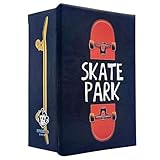
Overview:
Mnkymnd’s Skate Park delivers a fast-paced trick-taking experience wrapped in skateboarding culture. This compact card and dice game challenges 1-3 players to execute tricks over obstacles through clever hand management and dice rolling. With 10-20 minute playtimes and quality wooden components, it captures the rebellious spirit of street skating in a family-friendly package that fits in a pocket-sized flip-top box.
What Makes It Stand Out:
The game brilliantly merges traditional trick-taking with push-your-luck dice mechanics, creating tense decisions about which tricks to attempt. Screen-printed wooden skater tokens and custom dice elevate the tactile experience beyond typical card games. Its portable design makes it an ideal travel companion for spontaneous sessions anywhere, while the authentic skateboarding terminology and scoring system appeal to both skaters and gamers.
Value for Money:
Positioned in the light filler game category, Skate Park offers excellent value through its premium components and dual gameplay modes. While pricier than basic card games, the wooden tokens and custom die justify the cost. Comparable to games like Star Realms in price point but with superior physical production, it provides replayability through varied obstacle configurations and risk-reward trick selection.
Strengths and Weaknesses:
Strengths include rapid setup, accessible rules for ages 8+, and genuine strategic depth despite short playtime. The skateboarding theme feels authentic rather than pasted-on, and solo mode adds versatility. Weaknesses center on limited player count (max 3), high luck factor from dice rolls that may frustrate strategy purists, and niche theme that may not resonate with all families.
Bottom Line:
A solid choice for families seeking quick, engaging gameplay with personality. Best for households with skateboarding enthusiasts or those wanting a unique filler game. The quality components and clever mechanics overcome minor limitations in player count. Recommended for casual gaming collections.
7. Reges in Aeternum: Reglamento del juego de mesa print & play (Spanish Edition)

Overview:
Reges in Aeternum provides the Spanish-language rulebook for a print-and-play board game experience. This digital product offers tabletop enthusiasts the framework to craft their own components for what appears to be a historically-themed strategy game. As a print-and-play regulation set, it requires players to invest significant time in creating physical pieces, cards, and boards before gameplay can begin.
What Makes It Stand Out:
Its primary distinction is accessibility for Spanish-speaking gamers, filling a niche in the predominantly English-language PnP market. The print-and-play format allows for extensive customization and immediate digital delivery. For hobbyists who enjoy crafting game components, this represents creative freedom rather than a limitation, enabling personalized production quality and artistic interpretation of the game materials.
Value for Money:
Typically priced significantly lower than manufactured games, PnP rulebooks offer exceptional theoretical value. However, the hidden costs of printing, cardstock, and time must be factored in. Compared to purchasing a fully-produced game, the savings are substantial, but the effort investment is considerable and not ideal for everyone. The value hinges entirely on one’s willingness to craft components.
Strengths and Weaknesses:
Strengths include language accessibility, low price point, and customization potential. Spanish-speaking communities gain access to unique gaming experiences otherwise unavailable. Weaknesses are the substantial crafting requirement, lack of ready-to-play components, minimal marketing information making gameplay assessment difficult before purchase, and no community reviews or gameplay videos readily available.
Bottom Line:
Recommended exclusively for Spanish-speaking tabletop enthusiasts comfortable with print-and-play projects. Casual gamers or those seeking immediate gameplay should look elsewhere. The product serves its niche effectively but requires commitment to component creation that limits its broader appeal. Verify you have the resources and patience for PnP before purchasing.
8. Jekyll & Hyde vs. Scotland Yard by 25th Century Games – Cooperative Trick Taking Board & Card Game for Two Players – Story Based Gameplay – for Ages 10+ & 20 Min Playtime

Overview:
Jekyll & Hyde vs. Scotland Yard reimagines trick-taking as a tense two-player cooperative experience. Players control both personalities of the classic character, working together to outsmart detectives through story-driven chapters. With 20-minute sessions and narrative progression, it transforms traditional competitive mechanics into a shared strategic puzzle that demands implicit communication and careful resource management.
What Makes It Stand Out:
The cooperative trick-taking mechanic is genuinely innovative, forcing partners to communicate implicitly through card play. Dual personality management creates fascinating tension, as players must balance Jekyll’s restraint against Hyde’s aggression. The chapter-based story structure provides campaign-like depth rarely seen in short card games, with each scenario presenting unique objectives and constraints.
Value for Money:
As a standalone spin-off priced comparably to premium card games, it delivers strong value for dedicated two-player gaming pairs. The narrative content and unique mechanics differentiate it from standard trick-takers. While limited to two players, the replayability through different strategies and story paths justifies the investment, especially for couples seeking engaging shared activities.
Strengths and Weaknesses:
Strengths include brilliant two-player optimization, fresh cooperative gameplay, and immersive storytelling that evolves across sessions. The 20-minute playtime enables multiple chapters in one sitting. Weaknesses are the strict player count limitation, potential for quarterbacking where one player dominates decisions, and that familiarity with the Jekyll & Hyde universe significantly enhances thematic appreciation and understanding.
Bottom Line:
Essential for couples or two-player gaming partners seeking narrative depth in a card game. The innovative cooperative twist on trick-taking succeeds brilliantly, though its niche appeal limits broader table use. A must-have for fans of story-driven two-player experiences who appreciate literary themes integrated with solid mechanics.
9. Fantasy Ranch Board Game

Overview:
Fantasy Ranch delivers a comprehensive horse ranching experience for 1-4 players, uniquely packaging two distinct games in one box. The main game offers strategic depth for ages 13+ in 30-60 minute sessions, while The Trail Ride bonus game simplifies gameplay for younger riders aged 5-12. This dual-design approach serves broad family needs with scalable complexity and authentic equestrian theming.
What Makes It Stand Out:
The two-in-one design is exceptional value, essentially providing a gateway game and strategic game simultaneously. Six difficulty levels ensure scalable complexity as children grow. The horse theme is beautifully integrated with varied ranch-building strategies, creating authentic equestrian management rather than superficial theming. Each session features different horse combinations that dramatically alter strategic priorities.
Value for Money:
Outstanding value proposition—purchasing two separate games of this quality would cost significantly more. The endless replayability through different horse combinations and ranch configurations extends longevity. For families, it’s an investment that entertains across age 5 through adult, eliminating the need for multiple game purchases and growing with children over years of play.
Strengths and Weaknesses:
Strengths include remarkable versatility, genuine scalability, and strong thematic immersion that appeals to horse enthusiasts. The production quality matches the ambitious design. Weaknesses involve a steeper learning curve for the full game, potential component storage confusion with two games sharing one box, and theme specificity that may not appeal to families without interest in horses or ranch management.
Bottom Line:
A phenomenal family gaming investment that grows with your children. Perfect for horse-loving households and versatile enough for any family seeking long-term value. The dual-game design and scalable complexity make it one of the best family board game packages available. Highly recommended for parents wanting a game that remains relevant through multiple developmental stages.
10. School Zone Learn To Print Workbook: 32 Pages, Kindergarten, 1st Grade, 2nd Grade, Printing Letters, Numbers, Letter Recognition, Ages 5 to 7 (I Know It! Book Series)

Overview:
The School Zone Learn To Print Workbook provides targeted handwriting practice for kindergarten through second grade students. Spanning 32 pages, this consumable workbook focuses on letter recognition, proper letter formation, and number printing. As part of the established “I Know It!” series, it offers structured practice aligned with early elementary curriculum standards and developmental milestones for ages 5-7.
What Makes It Stand Out:
Its focused approach distinguishes it from comprehensive workbooks that dilute attention across multiple subjects. The grade-spanning design allows for differentiated practice within single households, accommodating siblings at different levels. School Zone’s reputation for curriculum-aligned materials ensures exercises match classroom expectations, making it ideal for reinforcement, summer practice, or homeschooling supplementation.
Value for Money:
As a used book in good condition, it represents exceptional affordability compared to new educational materials. However, the 32-page length limits total practice volume, potentially requiring supplementary resources. Digital alternatives offer more content, but physical workbooks provide the tactile writing experience essential for motor skill development. The price point makes it a low-risk supplement rather than a comprehensive solution.
Strengths and Weaknesses:
Strengths include trusted brand recognition, age-appropriate progression, and focused skill development without distractions. The used condition offers budget-friendly access to quality materials. Weaknesses are the limited page count, variability in used book quality despite “good condition” guarantee, and lack of interactive elements or colorful engagement found in modern educational apps and newer workbook designs.
Bottom Line:
An effective supplementary tool for targeted handwriting practice. Best used alongside other learning materials rather than as a standalone solution. The affordable price and focused approach make it worthwhile for parents seeking extra practice, though the limited scope requires realistic expectations. Recommended for families wanting traditional, no-frills printing practice that directly supports school curriculum.
Understanding Value in Print and Play Roll and Write Games
Replayability Factors That Drive Long-Term Engagement
The core metric for value isn’t just low cost—it’s cost-per-play over time. Games that generate genuinely different experiences each session through modular setups, branching strategies, or emergent patterns reward frequent play. Look for designs that incorporate variable scoring goals, shifting board configurations, or dice combinations that create new puzzles rather than simple probability exercises. The most valuable games feel like fresh challenges even after your twentieth session because the decision space expands rather than contracts with familiarity.
Component Efficiency and Minimal Waste
Exceptional print-and-play games respect both your wallet and your resources. They optimize page layouts to maximize plays-per-sheet, often through clever double-sided designs or multiple game boards on a single page. The best designs require minimal color ink—relying on line art, symbols, and strategic use of grayscale rather than full-color backgrounds that drain cartridges. Some even offer “ink-saver” versions that strip away decorative elements while preserving full functionality, a feature that becomes increasingly valuable as ink costs continue to rise in 2026.
Setup Time Versus Play Time Ratios
For frequent play, the ratio of setup to gameplay dramatically affects real-world value. Games that require three minutes of preparation for a ten-minute experience feel cumbersome compared to those ready in thirty seconds for a forty-minute deep dive. The most valuable designs include pre-filled reference sheets, intuitive iconography that eliminates constant rulebook consultation, and dice requirements that don’t force you to hunt through your collection for obscure components. When you can print, grab dice, and start playing within two minutes, the barrier to entry disappears and the game naturally becomes part of your regular rotation.
Key Mechanical Features for Sustainable Enjoyment
Scoring System Variety and Strategic Depth
Shallow scoring mechanisms reveal their limits quickly during frequent play. Seek games where points flow from multiple interconnected systems—network building, resource conversion, set collection, and risk management all interacting on the same sheet. This creates rich decision trees where early choices ripple through later turns. The most enduring designs avoid dominant strategies by making each path to victory situational, forcing you to read the dice and adapt rather than executing the same plan every session. This adaptability keeps your brain engaged month after month.
Dice Manipulation and Mitigation Options
Pure randomness frustrates frequent players, while complete predictability bores them. The sweet spot lies in games offering meaningful ways to interact with dice results without completely controlling them. Look for mechanics that let you modify, reroute, or combine dice values at a cost—spending resources, locking future options, or accepting penalties elsewhere. These tension-filled decisions transform luck into a puzzle element, where you’re constantly evaluating probability versus certainty. Games that strike this balance reward skill development over time, making each play an opportunity to refine your risk assessment abilities.
Player Interaction Without Direct Conflict
Solo-friendly games often dominate the print-and-play space, but those that incorporate clever indirect competition multiply their value for couples or small groups. The best designs achieve this through shared dice pools where one player’s choice affects another’s options, racing mechanisms where you compete for milestones, or shared resource markets that shift based on collective actions. This creates social engagement without the “take-that” elements that can sour repeated plays with the same people, making the game equally valuable for quiet solo evenings and competitive game nights.
Material and Production Economics for 2026
Paper Quality and Durability Decisions
Your paper choice directly impacts long-term value. Standard printer paper works for disposable play, but frequent gaming demands more robust solutions. Cardstock (110 lb or higher) provides excellent durability for sheets reused multiple times with dry-erase markers, while heavier game board stock can be laminated for permanent use. Consider the game’s session length and erasure frequency—quick 15-minute games justify disposable sheets, but hour-long epics benefit from reusable boards. Some designers now offer “tablet-friendly” PDFs optimized for digital annotation, eliminating paper costs entirely for tech-savvy players.
Lamination Versus Sheet Protection Methods
For games you play weekly, lamination transforms a consumable into a permanent asset. Thermal lamination pouches cost pennies per sheet and create waterproof, erasable surfaces that last hundreds of plays. Alternatively, sheet protectors with dry-erase markers offer a flexible middle ground—swap games in and out without committing to lamination. In 2026, eco-conscious players might explore reusable sticker paper or specialized gaming notebooks with removable pages, balancing environmental concerns with practical durability needs.
Ink Conservation Strategies
Smart printing practices dramatically reduce per-play costs. Set your printer to draft mode for functional elements like grids and numbers—quality loss rarely affects gameplay. Use grayscale for everything except color-critical components like player aids or reference charts. Many designers now include “low-ink” versions that replace solid backgrounds with patterns and use bold line weights that print cleanly even on economy settings. Track your ink usage: a typical roll-and-write sheet costs less than $0.03 to print in draft grayscale, but full-color decorative versions can exceed $0.25 per sheet—an eightfold difference that adds up across frequent play.
Design Characteristics That Maximize Table Time
Solo Mode Authenticity and Challenge
The most valuable print-and-play roll-and-write games treat solo play as a primary design goal, not a tacked-on variant. They include AI opponents with simple decision trees, target score challenges that scale with skill, or campaign modes where successive plays build narrative or mechanical progression. Games that offer genuine solo depth—where you’re competing against your own best strategies rather than just beating a score threshold—provide exponentially more value. Look for “beat your own score” systems that encourage optimization and reflection, turning each session into a personal improvement exercise.
Campaign and Legacy Elements for Extended Play
Games that evolve across sessions create compelling reasons to return daily. Some designs feature persistent elements where completed sheets unlock new abilities, modify future setups, or track overarching narratives. Others include seasonal content or community challenges that refresh the experience quarterly. These structures transform isolated plays into ongoing sagas, dramatically increasing the game’s lifespan. Even simple unlock systems—new scoring cards earned through milestones—can make a $5 PDF feel like a $50 campaign game, delivering exceptional value for players who enjoy long-term progression.
Expansion Compatibility and Community Content
Forward-thinking designers build their base games with expansion hooks—extra spaces on sheets, modular rule sections, or downloadable content packs. This extends value beyond the initial purchase. Additionally, vibrant player communities often create custom scenarios, alternative scoring modes, and fan-made challenges that breathe new life into established games. When evaluating a game, check if the designer actively supports community creation or offers official add-ons. A game that grows with its player base remains fresh far longer than static designs, making your initial investment more valuable over time.
Accessibility and Learning Infrastructure
Rulebook Clarity and Quick Reference Design
Frequent play demands rules you can internalize quickly. The best print-and-play games include single-page reference sheets with visual examples, flowchart turn summaries, and clear icon legends. Avoid games requiring constant rulebook flipping—this friction reduces actual play time and discourages spontaneous sessions. Look for designs where the sheet itself teaches the game through intuitive layout and embedded reminders. A clean, well-organized rulebook with a “quick start” section gets you playing faster and returning more often.
Digital Integration and Tutorial Availability
In 2026, value increasingly includes digital support. Games with brief video tutorials (under five minutes) reduce learning curves dramatically. Some designers offer companion apps for score tracking, random setup generation, or digital dice rolling—useful for travel or when physical dice go missing. Check for active online communities where players share strategy tips, rules clarifications, and custom content. This ecosystem support multiplies a game’s value by ensuring you can resolve questions quickly and connect with other enthusiasts, transforming a solitary print-and-play experience into a shared hobby.
Language Independence and Symbolic Design
Games relying on text-heavy components create barriers for international players and increase printing costs (more ink for text). Universal symbol-based designs offer broader accessibility and cleaner visuals. Icon-driven games also reduce localization issues—one PDF serves global audiences. For frequent play, this means easier teaching to new players regardless of language background and the psychological benefit of cleaner, less cluttered sheets that reduce cognitive load during decision-making.
Space, Portability, and Lifestyle Fit
Table Footprint and Play-Anywhere Potential
The most valuable games for frequent play adapt to your available space. Compact designs fitting on airline tray tables or cramped café counters integrate seamlessly into daily life. Consider whether the game requires extensive dice rolling space (problematic in tight quarters) or can accommodate controlled rolls in small boxes. Some designs cleverly use dice as both randomizers and place markers, minimizing scattered components. For apartment dwellers or frequent travelers, games with minimal spatial demands become part of your routine rather than special occasions.
Storage Solutions for Active Collections
Managing dozens of printed games requires organization systems that protect your investment. Binder systems with sheet protectors allow you to flip through options like a recipe book. File boxes with labeled dividers work for larger collections. Some players use digital-only storage, keeping PDFs on tablets and printing only when needed. The most valuable games include printing guidelines (“print pages 1-2 for base game, page 3 optional”) that help you make smart storage decisions. Games designed with standard paper sizes (A4 or US Letter) stack neatly, while odd sizes create filing headaches that reduce their practical value.
Digital-First and Hybrid Play Modes
Forward-looking designers now create games equally playable on paper or tablets using PDF annotation apps. This hybrid approach lets you choose the format based on context—print for tactile satisfaction, digital for travel convenience. Some games include fillable form fields in their PDFs, allowing dice rolls and scoring directly in the file. This flexibility multiplies value by ensuring the game fits any situation, from phone gaming during commutes to printed sessions at game nights. As stylus technology improves in 2026, the line between physical and digital play continues to blur, offering unprecedented versatility.
Community and Competitive Dimensions
Online Score Tracking and Leaderboards
Games with active online communities often maintain global leaderboards or monthly challenges that add competitive spice to solo play. Submitting scores to shared spreadsheets or dedicated websites creates accountability and motivation for improvement. This social layer transforms personal hobby time into participation in a larger movement. The most valuable games in 2026 include QR codes on sheets linking directly to submission forms or community hubs, reducing friction and encouraging engagement. Even simple hashtag campaigns on social media can create camaraderie and discovery opportunities.
Sharing Custom Content and Variants
Print-and-play culture thrives on user modification. Games designed with blank spaces for custom rules or modular components encourage creative expression. When designers explicitly permit and celebrate fan variants—offering template files for custom sheets or featuring community content in newsletters—they create ecosystems where your investment appreciates over time. You might purchase one game but gain access to dozens of player-created scenarios, effectively getting a lifetime of content for a single purchase. This open approach dramatically increases value compared to closed, static designs.
Tournament and Event Potential
Some roll-and-write games support structured competition through standardized setups and timed play modes. These designs work for organized events at conventions, local game stores, or online gatherings. Games with clear anti-cheating measures (unique dice combinations each round, verifiable score tracking) and balanced difficulty across skill levels offer tournament viability. Even if you never compete formally, knowing your game supports serious play indicates robust, well-tested design that will withstand frequent personal play without breaking down or revealing imbalances.
Future-Proofing Your Print and Play Investment
Designer Support and Update Policies
The digital nature of print-and-play games means they can evolve. Invest in games from designers who issue balance patches, typo corrections, and improved layouts post-release. Check their update history—frequent, meaningful revisions show commitment to quality. Some creators offer lifetime updates or “season passes” for annual content drops. This ongoing support ensures your purchase improves over time rather than becoming obsolete. In 2026, look for designers using version control systems where you can see exactly what’s changed between updates, demonstrating transparency and professionalism.
Archival Quality and Long-Term Accessibility
Consider whether the game’s files will remain accessible years later. Designers who provide DRM-free PDFs in standard formats (not cloud-locked or subscription-based) give you true ownership. Store files in multiple locations—cloud storage, external drives, and physical backups—to protect against data loss. The most valuable games use open licensing that ensures community preservation even if the original designer stops selling. This archival mindset treats your purchase as a permanent addition to your collection rather than a temporary license, maximizing long-term value.
Reimplementation and Cross-Game Compatibility
Clever designers create mechanical systems that work across multiple themes or settings. A core dice mechanism might power a space exploration game, a farming simulation, and a city-building variant. Investing in these flexible systems means learning one ruleset unlocks multiple experiences. Some games even include “crossover” elements where sheets from different titles interact, creating meta-games and expanded universes. This modular approach stretches your gaming dollar further while building deep familiarity with elegant systems that reveal new nuances across different contexts.
Frequently Asked Questions
What makes a roll-and-write game “print-and-play” versus a commercial product?
Print-and-play games are distributed as digital files (typically PDFs) that you print and assemble yourself, while commercial products come as pre-manufactured components. The key difference is that print-and-play puts you in control of production quality, cost, and quantity—you can print unlimited copies for personal use, choose your preferred paper stock, and reprint sheets as needed. This model typically costs 80-90% less than boxed equivalents while offering greater flexibility for frequent play.
How much should I expect to spend on a quality print-and-play roll-and-write game in 2026?
Most professionally designed print-and-play roll-and-write games range from $3 to $8 for the base PDF. Premium titles with extensive content, campaign modes, or multiple game variants might reach $12-15. Factor in printing costs: using draft mode and economy paper, each play session costs roughly $0.05-0.10 in materials. Even playing daily, a $5 game might total $20-30 for an entire year of entertainment—compared to $40-60 for a commercial board game you might play a dozen times.
What dice do I need for most print-and-play roll-and-write games?
The vast majority require standard six-sided dice (d6). Having 5-10 d6 in your collection covers most designs. Some games use polyhedral dice (d4, d8, d10, d12)—check the requirements before purchasing. Many games now include “dice deck” variants where you can print cards to simulate dice rolls, useful for travel or for players with dexterity issues. A few innovative designs use custom dice faces, but these typically provide printable stickers to convert standard dice.
Can I legally share printed copies of games I purchase with friends?
Generally, no. When you buy a print-and-play PDF, you’re purchasing a license for personal use. Making copies for others violates copyright. However, most designers encourage you to print copies for your household or immediate family. The ethical approach is to share the designer’s store link with friends rather than the files themselves. Many games offer group licensing or “play-with-a-friend” bundles at discounted rates, supporting both the creator and your gaming circle.
How do I protect my printed sheets for repeated use?
Thermal lamination (using a home laminator and pouches) creates permanent, erasable surfaces for $0.20-0.40 per sheet. For less frequent games, heavy-duty sheet protectors with fine-tip dry-erase markers work well and allow sheet swapping. Some players use clear contact paper or packing tape for a budget laminate. For disposable play, simple cardstock printing works fine. The key is matching protection level to play frequency—laminate your weekly games, use sheet protectors for monthly titles, and print fresh for one-time trials.
Are print-and-play roll-and-write games suitable for children?
Many excel as family games due to simple rules and tangible learning benefits (math, probability, spatial reasoning). Look for age ratings in descriptions—most family-friendly designs work for ages 8+. Younger children benefit from games with visual scoring (coloring, drawing) rather than pure number crunching. The print-and-play format is ideal for kids because you can reprint sheets they mark up messily, and low cost means you can try multiple titles to find what engages them.
What’s the best way to store a large collection of printed games?
Three-ring binders with sheet protectors offer the best balance of protection and accessibility—organize by genre, player count, or play time. For laminated sheets, magazine files or desktop organizers work well. Digital-first players can store PDFs in cloud folders with descriptive naming conventions. Some enthusiasts use app-based PDF readers with tagging systems. The key is a system where you can quickly browse and select games without unfolding or damaging sheets, encouraging spontaneous play decisions.
How do I know if a game has enough depth for frequent play before buying?
Read reviews focusing on “longevity” or “replayability” rather than initial impressions. Check if the game includes variable setup modules, multiple scoring paths, or difficulty levels. Watch playthrough videos to see if decisions feel meaningful or automatic. Games with “beat your own score” mechanics and online leaderboards indicate depth. Community forums discussing strategy after dozens of plays signal lasting appeal. Avoid games described as “light filler” if you want something for daily engagement—those excel as palate cleansers but rarely sustain frequent play.
Can I play print-and-play roll-and-write games digitally without printing?
Absolutely. Most PDFs work with annotation apps on tablets (like GoodNotes, Notability, or Xodo). Use a stylus to mark sheets directly, or import into drawing apps with layer support. Some designers now create fillable PDF forms that work with free PDF readers. Digital play eliminates printing costs and makes games ultra-portable. The tactile difference is minimal once adapted, and many players hybridize—printing favorites while keeping others digital for travel. Just ensure the designer permits digital use (most do, but check the license).
What should I look for in 2026 to ensure I’m buying from a reputable designer?
Check for clear communication channels (active social media, email support, Discord communities), transparent update policies, and sample pages or free demos. Reputable designers respond to rules questions within days and issue corrections promptly. Look for games with multiple reviews from established board gaming content creators. Professional presentation in preview images and rulebook layout indicates attention to detail. Many respected designers now offer “starter kits” or free light versions, letting you test their design style before purchasing full games. This try-before-you-buy approach builds trust and ensures compatibility with your preferences.
See Also
- 10 Must-Have Print and Play Board Games for Roll and Write Enthusiasts in 2026
- 10 Best Roll and Write Games for Solitary Play in 2026
- 10 Best Value Dice Games for Roll and Write Lovers in 2026
- 10 Competitive Board Games That Master the Roll and Write Format in 2026
- How to Solve Boring Game Nights with the 10 Best Roll and Write Games in 2026