Table of Contents
There’s something undeniably satisfying about placing that perfect tile and watching your personal game board transform before your eyes. For newcomers to the board gaming hobby, tile placement games offer an ideal entry point—combining tactile gameplay with visual strategy in ways that are immediately graspable yet offer surprising depth. Unlike games heavy on complex rules or abstract economic systems, these titles let you physically build something tangible, whether it’s a landscape, a city, or a pattern, making every move feel meaningful and rewarding.
What makes this genre particularly special for new gamers is how it bridges the gap between casual and strategic play. You’ll experience that “aha!” moment when you discover how tile positioning affects your score, while still enjoying the social, low-pressure atmosphere that makes game nights memorable. This year, the market offers an incredible variety of tile placement experiences catering to different interests, player counts, and complexity levels. Understanding what to look for will help you find the perfect match for your gaming group without feeling overwhelmed by choices.
Top 10 Tile Placement Games for New Players
Detailed Product Reviews
1. Azul Asmodee Azul Board Game - Award-Winning Tile-Placement Strategy Game, Beautiful Mosaic Art, Family Fun for Kids & Adults, Ages 8+, 2-4 Players, 30-45 Minute Playtime
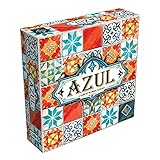
Overview: Azul is an award-winning tile-placement strategy game where players draft colorful tiles to create stunning mosaic patterns on their personal boards. Inspired by Portuguese azulejos, this modern classic accommodates 2-4 players in 30-45 minute sessions, making it perfect for family gatherings or game nights with friends who enjoy tactile, strategic puzzles.
What Makes It Stand Out: The game’s tactile pleasure is undeniable—smooth, resin tiles feel substantial in hand, while the simple draft-and-place mechanic belies surprising strategic depth. Each decision ripples through future turns, creating a satisfying puzzle that rewards planning without overwhelming newcomers. The visual payoff of completed mosaics provides immediate gratification that keeps players engaged across all skill levels.
Value for Money: Positioned in the premium board game category ($40-50), Azul delivers exceptional value through impeccable component quality and virtually limitless replayability. Unlike disposable entertainment, this game matures with your group, revealing new tactical layers over hundreds of plays—far exceeding the value of comparably priced video games or dinner outings, making it a long-term investment in quality time.
Strengths and Weaknesses: Strengths include gorgeous components, scalable complexity, and quick setup. The rulebook is remarkably clear, enabling new players to start within minutes. However, the game can feel cutthroat at higher player counts, and careless opponents can accidentally sabotage your plans. The scoring system requires careful tracking, which may challenge younger players despite the 8+ age rating.
Bottom Line: Azul belongs on every family’s shelf. It bridges casual and serious gaming beautifully, offering enough depth for enthusiasts while remaining welcoming to newcomers. An essential purchase that justifies its accolades and continues to reward play after play.
2. Promithi 65 Tiles 30mm Seaside Game Blocks, Tiles Escape Game for Kids in ABS Plastic Material Set with 4 DIY Stickers Plastic Mahjong Style, Simple Packaging

Overview: This Promithi set includes 65 plastic 30mm tiles and DIY stickers for creating a custom “seaside escape” game. Marketed as a social media trend, it provides basic components for a push-and-slide puzzle game that can be played anywhere, promising screen-free entertainment for families on the go.
What Makes It Stand Out: The DIY element allows personalization, while ABS plastic construction ensures durability for travel. At roughly $15-20, it’s an inexpensive entry into tactile gaming. The ambiguous rule structure encourages house rules and creative adaptation, making it a blank canvas for inventive players who enjoy designing their own variants.
Value for Money: For budget-conscious buyers, this offers decent value as a versatile component set rather than a complete game. The tiles work for prototyping, teaching game design, or creating custom puzzles. However, dedicated board games offer more polished experiences at similar price points, making this a niche purchase best suited for specific use cases rather than general consumers.
Strengths and Weaknesses: Strengths include portability, durability, and creative potential. The tiles are lightweight yet sturdy enough for repeated use. Major weaknesses stem from vague, poorly translated rules and lack of a cohesive game system. The DIY stickers feel cheap, and the gameplay described is confusing without video tutorials. This is fundamentally a component set, not a ready-to-play game.
Bottom Line: Purchase only if you understand this is essentially a craft kit masquerading as a complete game. For a satisfying gaming experience, invest elsewhere. Best suited for educators, aspiring game designers, or those seeking ultra-portable game components for travel who don’t mind making their own fun.
3. Solstis: Firefly - Expansion to The Two-Player Tile Placement Board Game | Main Game Required | Encounter New Mystical Spirits on a Magical Mountain Hike | Ages 8+ | 2 Players | 15 Min

Overview: Firefly is an expansion for the two-player tile-laying game Solstis, introducing four new Spirits and a firefly collection mechanism. Requiring the base game to play, it adds fresh tactical options to the 15-minute mountain-building duel for ages 8 and up, maintaining the quick-playing nature of the original.
What Makes It Stand Out: The instant-win condition through firefly collection creates thrilling tension, while the new Spirit powers dramatically shift optimal strategies. The expansion maintains the base game’s elegant simplicity while adding meaningful complexity. Glowing firefly tokens and whimsical artwork enhance the already charming visual presentation, creating a more magical table presence that distinguishes it from the original.
Value for Money: At approximately $15-20, this expansion offers solid value for dedicated Solstis players. The new cards and tokens inject considerable replayability into a game that might otherwise grow stale after repeated plays. However, its value is zero without the base game, making it a targeted purchase only for existing fans rather than newcomers to the series.
Strengths and Weaknesses: Strengths include seamless integration, enhanced strategic depth, and beautiful new artwork. The firefly mechanism adds exciting variability without rules bloat. Weaknesses are its dependency on the base game and potential to overwhelm younger players with additional rules overhead. The expansion also slightly increases setup time and component management complexity, which may deter those who loved the original’s simplicity.
Bottom Line: For Solstis owners, this is a near-essential upgrade that revitalizes the base game with minimal fuss. If you haven’t played Solstis, purchase that first and return here only if you love it. A worthy expansion that respects its foundation while meaningfully expanding gameplay for devoted fans.
4. Forever Home – Family Board Game About Rescuing and Training Dogs | Tile Placement & Pattern Building Strategy Game by Birdwood Games | Ages 8+ | 1–5 Players | 20–45 Min

Overview: Forever Home is a heartwarming tile-placement game about managing a dog rescue shelter. Players draft tiles representing dogs, training facilities, and adoption events to build their reputation across personal boards. Supporting 1-5 players in 20-45 minutes, it combines set collection with spatial puzzle elements in an accessible package for ages 8 and up.
What Makes It Stand Out: The emotionally resonant theme stands apart in a crowded market, while the included solo mode offers genuine solo gameplay—not just a tacked-on variant. Wooden dog meeples and colorful artwork create strong table appeal. The advanced player boards provide scalable complexity for experienced gamers seeking deeper challenges beyond the family-friendly base game.
Value for Money: Priced around $35-45, Forever Home competes directly with family-weight Eurogames. The production quality rivals premium titles, with sturdy components and thoughtful graphic design. The solo mode effectively doubles its utility, making it more versatile than many competitors at this price point and justifying the investment for varied gaming groups who want multiple play options.
Strengths and Weaknesses: Strengths include unique theme, genuine solo mode, accessible rules, and high replayability through randomized setups. The game teaches empathy and strategy simultaneously. Weaknesses include potential for analysis paralysis with optimal tile placement and a theme that may not appeal to all players. The rulebook has minor ambiguities regarding special ability timing that require house rule clarifications.
Bottom Line: A must-have for dog lovers and families seeking wholesome competition. The solo mode makes it equally viable for solo gamers. While lighter than heavy strategy games, its charm and accessibility make it a standout family title that rewards repeated plays and creates memorable moments around the table.
5. Asmodee Azul Crystal Mosaic Board Game EXPANSION - Tile-Placement Strategy, Family Fun for Kids & Adults, Ages 8+, 2-4 Players, 30-45 Minute Playtime

Overview: Crystal Mosaic is an expansion for the acclaimed Azul board game, adding four double-sided player boards and plastic overlays to enhance gameplay. It refreshes the base experience without altering core mechanics, targeting dedicated Azul enthusiasts seeking variety and improved component management during their 30-45 minute sessions.
What Makes It Stand Out: The plastic overlays solve the common problem of bumped tiles, keeping mosaics pristine during intense play sessions. The double-sided boards offer varied scoring paths—one side standard, the other providing specialized mid-game and end-game bonuses that reward different strategic approaches. This simple addition creates substantial strategic diversity while maintaining the elegant simplicity that made Azul famous.
Value for Money: At $20-25, this is a moderately priced expansion that delivers quality-of-life improvements alongside meaningful gameplay variety. For frequent Azul players, the overlays alone justify the cost by preventing frustration and table disruptions. Casual players may find less value, as the base game remains complete and satisfying without this enhancement for occasional play.
Strengths and Weaknesses: Strengths include excellent component quality, genuine strategic innovation, and frustration-reducing overlays. The boards feel substantial and fit perfectly within the base game box for easy storage. Weaknesses include limited appeal to casual players and the fact that it doesn’t fundamentally change Azul’s core loop. Some may find the new scoring patterns overly complex for younger players or unnecessary for infrequent play.
Bottom Line: Essential for Azul superfans and regular players, but optional for casual groups. If you play Azul monthly or more, this expansion pays dividends in variety and table stability. For occasional players, the base game remains perfectly satisfying without this addition, making it a targeted upgrade rather than a must-buy for everyone.
6. Rummikub Six Player Edition - The Classic Rummy Tile Game - More Tiles and More Players for More Fun! by Pressman , Blue
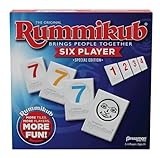
Overview:
Rummikub Six Player Edition expands the beloved rummy tile game to accommodate larger gatherings, transforming a typically intimate experience into a lively party game. This Pressman release maintains the core mechanics that have made Rummikub a household name for decades—players arrange numbered tiles into runs and groups while strategically manipulating the board.
What Makes It Stand Out:
The expanded player count is the headline feature, adding two additional racks and enough tiles to keep six participants engaged simultaneously. This transforms the game’s social dynamic, creating more complex board states and unpredictable outcomes. The strategic depth remains intact despite the larger crowd, with the added challenge of tracking more opponents’ potential moves.
Value for Money:
Priced modestly above the standard edition, the six-player version offers genuine utility for families or gaming groups who regularly host larger numbers. The cost-per-player ratio actually improves, making it a smart investment for those who’ve previously needed to split into separate games.
Strengths and Weaknesses:
Strengths include genuine scalability, preserved gameplay quality, and excellent accessibility for ages eight and up. The game still plays well with fewer participants, offering versatility. However, weaknesses emerge in downtime between turns, which can stretch significantly with six players. The larger tile pool also increases setup time and the chances of analysis paralysis.
Bottom Line:
This edition brilliantly solves the “too many players” problem without compromising what makes Rummikub special. It’s an essential upgrade for extended families or regular game nights with fluctuating attendance.
7. Tile Lock Scrabble by Winning Moves Games USA, Innovative Gameboard Locks Tiles in Place, for 2 to 4 Players, Ages 8 and Up

Overview:
Tile Lock Scrabble by Winning Moves Games USA addresses the most persistent frustration of word game enthusiasts: accidentally disrupting the board. This innovative edition features a plastic gameboard with small posts that secure each tile firmly in place, eliminating the catastrophic scattering that has ended many family game nights prematurely.
What Makes It Stand Out:
The tile-locking mechanism is a game-changer for households with children, pets, or clumsy adults. Players can confidently pivot the board for better viewing or even transport it mid-game without disaster. The four rubber feet provide stability while protecting tabletops, and the all-plastic construction makes it surprisingly lightweight and durable.
Value for Money:
While priced slightly higher than standard Scrabble editions, the premium is justified for anyone who has experienced tile-related trauma. The frustration it prevents alone warrants the extra cost, and its durability suggests a longer lifespan than cardboard boards.
Strengths and Weaknesses:
Strengths include absolute tile security, improved portability, and maintained classic gameplay. The plastic tiles and racks are actually more resilient than traditional wood. However, weaknesses include a less premium aesthetic—the plastic feels cheaper than classic wood sets, and the posts can be slightly fiddly when placing tiles. Some purists may miss the tactile satisfaction of wooden tiles.
Bottom Line:
Tile Lock Scrabble is a practical, problem-solving iteration that sacrifices some aesthetic charm for functional superiority. It’s the definitive version for active households and travel, though traditionalists may prefer the original’s classic feel.
8. Asmodee Carcassonne Board Game - Classic Tile-Laying Strategy Game, Family Fun Medieval Adventure for Kids & Adults, Ages 7+, 2-5 Players, 35 Minute Playtime
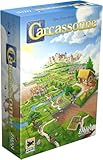
Overview:
Asmodee’s Carcassonne remains the gold standard for gateway strategy games, introducing players to modern board gaming through elegant tile-laying mechanics. Players build a medieval landscape by placing tiles depicting cities, roads, and monasteries, then deploy their limited supply of meeples to claim features and score points.
What Makes It Stand Out:
The game’s genius lies in its perfect balance of accessibility and strategic depth. Rules can be explained in five minutes, yet mastery requires careful tile counting, opponent reading, and risk management. The beautifully illustrated tiles create a unique landscape every session, while the redesigned rulebook eliminates the learning curve that burdened earlier editions.
Value for Money:
Carcassonne offers exceptional value with nearly unlimited replayability. The base game provides dozens of plays before feeling repetitive, and its expandability through numerous official expansions extends its lifespan indefinitely. For under $30, it’s one of the best cost-per-hour entertainment values in board gaming.
Strengths and Weaknesses:
Strengths include intuitive gameplay, quick 35-minute sessions, and scalability from 2-5 players. The Abbot mini-expansion and River variant add welcome variety. However, weaknesses include potential for “kingmaking” in larger groups and a luck element in tile draws that can frustrate pure strategists. Some find the base game eventually needs expansions to maintain freshness.
Bottom Line:
Carcassonne is an essential addition to any game collection. Its universal appeal, manageable complexity, and proven longevity make it perfect for families, casual gamers, and serious hobbyists alike.
9. My Shelfie Board Game - Organize Your Shelf and Show Off Your Treasures! Strategy Game, Fun Family Game for Kids and Adults, Ages 8+, 2-4 Players, 30 Minute Playtime, Made by Lucky Duck Games

Overview:
My Shelfie by Lucky Duck Games transforms the mundane act of organizing into a delightful strategic puzzle. Players compete to arrange item tiles—books, games, plants—on a 3D bookshelf, fulfilling personal and common objectives while creating aesthetically pleasing patterns.
What Makes It Stand Out:
The three-dimensional bookshelf component is a brilliant tactile innovation that elevates this beyond typical tile-placement games. Players physically stack tiles in columns, creating a satisfying visual payoff. The dual-layer scoring system, combining personal goal cards with shared objectives, generates surprising strategic depth and variability.
Value for Money:
Positioned in the mid-range price bracket, My Shelfie justifies its cost through premium components and unique gameplay. The 3D shelves and beautiful tile artwork feel substantial, though the game lacks the expandability of heavier titles. For families seeking something different from standard fare, it delivers solid value.
Strengths and Weaknesses:
Strengths include the novel 3D spatial element, quick 30-minute playtime, and accessible rules that still reward strategic thinking. The theme resonates with book and game lovers. However, weaknesses include limited player interaction—it’s largely multiplayer solitaire—and the theme may not appeal to all demographics. The two-player experience feels less dynamic than with three or four participants.
Bottom Line:
My Shelfie is a charming, innovative filler game that shines as a family activity or palate cleanser between heavier games. Its unique presentation and satisfying gameplay loop make it a worthwhile acquisition, particularly for those who appreciate tactile puzzles and cozy themes.
10. ECO CORAL REEF | Strategic Tile-Laying Board Game | Colorful Tile Placement Tabletop Game | 2-4 Players | Playtime 30-60 min | by Unique Board Games (Standard Edition)

Overview:
ECO CORAL REEF positions players as marine biologists collaboratively yet competitively building a vibrant coral reef ecosystem. This tile-laying game combines pattern-matching with hidden objective fulfillment, creating an abstract strategic experience reminiscent of dominoes and chess.
What Makes It Stand Out:
The environmental theme is authentically integrated, not merely cosmetic. Players balance shared reef construction with secret personal goals representing different marine species, creating delicious tension between cooperation and competition. The sea turtle meeples tracking progress add thematic charm, while the hidden interest mechanism ensures every game develops differently.
Value for Money:
As a niche offering from a smaller publisher, it’s priced competitively with mainstream titles. The 60 cardboard tiles and accessories provide adequate components, though the production values don’t match Asmodee or Ravensburger standards. For eco-conscious gamers or those seeking unique themes, it offers fair value.
Strengths and Weaknesses:
Strengths include a refreshingly unique theme, meaningful player interaction through shared board manipulation, and genuine strategic depth requiring forward planning. The 30-60 minute playtime is flexible. However, weaknesses include abstract gameplay that may alienate casual players, and component quality that feels merely adequate. The rulebook could be clearer, and the visual design, while colorful, sometimes hinders quick pattern recognition.
Bottom Line:
ECO CORAL REEF is a thoughtful, strategically satisfying game for environmentally aware gamers who enjoy abstract tile-laying. It won’t dethrone Carcassonne, but it carves its own niche as a meaningful alternative with a conscience.
What Makes Tile Placement Games Perfect for New Gamers?
Tangible, Visual Gameplay
The physical act of drawing and placing tiles creates a hands-on experience that digital games simply can’t replicate. New gamers appreciate how they can see their progress materialize in real-time, with colorful tiles forming patterns or structures that make scoring intuitive. This visual feedback loop helps players understand cause-and-effect relationships naturally, without constantly referencing rulebooks.
Easy to Learn, Hard to Master
Most tile placement games share a common core mechanic: take a tile, place it according to basic rules, and score points. This simplicity gets everyone playing within minutes. Yet beneath this accessible surface lies strategic depth—experienced players will spot opportunities for clever placements that maximize points while blocking opponents, creating a satisfying learning curve that keeps you engaged for dozens of plays.
Satisfying Physical Interaction
There’s a psychological pleasure in handling quality game components. The weight of tiles, the sound they make when placed on the board, and the visual appeal of a well-organized table presence all contribute to the hobby’s enjoyment. For new gamers, this tactile element makes the experience more memorable and encourages repeat play.
Key Mechanics to Understand in Tile Placement Games
Scoring Systems and Objectives
Different games reward different placement strategies. Some score immediate points when tiles touch matching features, while others calculate complex patterns at game’s end. Understanding whether a game emphasizes short-term gains or long-term planning helps you choose one that matches your preferred thinking style. Look for games where scoring triggers are clear and easy to track during play.
Tile Drafting vs. Random Draw
The way you obtain tiles dramatically changes the game feel. Drafting systems let you choose from several visible options, adding player interaction and strategic denial. Random draw mechanics create suspense and force adaptive thinking. For new gamers, drafting often feels more controlled and less frustrating, while randomness can level the playing field between experienced and novice players.
Spatial Reasoning Requirements
Some games demand precise geometric thinking, where tile orientation and exact placement matter critically. Others are more forgiving, focusing on general adjacency or color matching. Consider your comfort with puzzles—if spatial tasks stress you out, opt for games with flexible placement rules rather than strict positioning requirements.
Interaction Levels Between Players
Tile placement exists on a spectrum from multiplayer solitaire to highly interactive. Some games have you building your own board with minimal interference, perfect for friendly, low-conflict gatherings. Others feature shared boards where every placement affects everyone else, creating competitive tension. New gamers often appreciate starting with lower-interaction games to learn mechanics before graduating to more cutthroat experiences.
Types of Tile Placement Games by Complexity
Gateway Games: Simple and Accessible
These titles typically play in under 45 minutes, feature straightforward scoring, and include helpful player aids. They often limit the number of decisions per turn to prevent analysis paralysis. The best gateway games teach fundamental concepts like pattern recognition, resource management, and basic risk assessment without overwhelming players with exceptions and special cases.
Intermediate Games: Added Strategy Layers
Once comfortable with basics, you might enjoy games that introduce variable player powers, hidden objectives, or multi-step scoring chains. These titles usually run 60-90 minutes and reward repeated plays as you discover synergies between different tile types and strategies. They maintain accessible rules but add enough depth to keep experienced gamers engaged.
Advanced Games: Deep Strategic Depth
For those ready to dive deep, complex tile placement games feature interconnected systems, long-term planning requirements, and significant player interaction. These often include expansion modules, asymmetric factions, and multiple paths to victory. While not ideal for absolute beginners, they represent where the genre can take you after mastering fundamentals.
Essential Features to Consider When Choosing Your First Game
Rulebook Clarity and Learning Resources
A well-written rulebook makes or breaks the first experience. Look for games with logical rule organization, plenty of illustrated examples, and a separate reference sheet for turn structure. Many modern games include QR codes linking to video tutorials—an invaluable resource for visual learners who prefer watching over reading.
Game Length and Setup Time
New gamers often prefer games that set up in under 5 minutes and play in 30-45 minutes. Quick setup means more time playing, and reasonable game length prevents fatigue. Check if the game includes pre-organized storage solutions or if you’ll need to invest in additional organizers to keep tiles sorted between sessions.
Component Quality and Durability
Tiles should be thick enough to handle frequent shuffling and placement without chipping or showing wear. Look for linen-finished tiles that resist fingerprints and provide a pleasant tactile experience. Consider whether the game uses standard tile sizes—this matters if you plan to sleeve or protect your components for longevity.
Replayability Factors
The best starter games offer variety through random setups, multiple scoring strategies, or variable objectives. Games that play identically every time quickly lose their appeal. Check if the box includes different modules or scenarios you can add as you become more comfortable with base mechanics.
Player Count Considerations
Best Games for Solo Play
Solo modes in tile placement games often feature beat-your-own-score systems or AI opponents with automated rules. When evaluating solo suitability, look for games where the solo experience mirrors multiplayer mechanics rather than feeling like a separate puzzle. Good solo modes include adjustable difficulty levels to match your improving skills.
Two-Player Dynamics
At two players, tile placement games become intimate strategic duels. Some games include special rules or board sizes for two players to maintain tension and prevent runaway leaders. Consider whether the game feels balanced at this count—some titles designed for higher player counts feel flat or too open with just two participants.
Group Games for 4+ Players
Larger groups need games with simultaneous play or quick turns to prevent downtime. Look for titles where player interaction creates engaging table talk and where the social element enhances rather than detracts from strategic play. Games that scale well maintain similar playtime and strategic depth regardless of player count.
Flexible Player Counts
The most versatile games play well across their entire stated range, from two to five or six players. These often include scaling mechanisms that adjust board size, tile availability, or scoring conditions based on player count. For new gamers, investing in one flexible game provides better value than buying multiple titles for different group sizes.
Theme and Aesthetics in Tile Placement Games
Abstract vs. Thematic Experiences
Abstract games focus purely on mechanics, often using simple colors or symbols. These appeal to puzzle enthusiasts and those who prefer elegant, themeless systems. Thematic games tie tile placement to narrative concepts like building civilizations, exploring islands, or cultivating landscapes. New gamers frequently connect more easily with thematic games that provide context for their actions.
Art Style and Table Presence
Consider how the game looks when fully set up—vibrant, appealing artwork enhances the experience and draws non-gamers to the table. Some games feature minimalist, modern aesthetics while others showcase detailed illustrations. Think about your gaming environment and what visual style will appeal to your regular players.
Budget and Value Considerations
Price Ranges and What to Expect
Entry-level tile placement games typically range from $25-$40 and offer excellent value for casual play. Mid-tier games ($45-$60) often include higher component quality and more content. Premium titles ($70+) usually feature deluxe components, extensive content, or licensed themes. For your first purchase, the $30-$50 range typically provides the best balance of quality and affordability.
Expansion Content and Longevity
Many popular tile placement games offer expansions that add new tiles, mechanics, or modules. Before buying, research whether the base game feels complete on its own or if expansions are necessary for optimal replayability. Some games are designed as platforms for expansions, while others provide a full experience in the box.
Where to Learn and Try Before You Buy
Digital Platforms and Tutorials
Several websites and apps offer free digital implementations of popular tile placement games. These provide risk-free ways to learn rules and test whether you enjoy the core mechanics. Watch full playthrough videos from reputable content creators to see how games flow in real time and how long they actually take to play.
Local Gaming Communities
Game stores often host demo nights where you can try before buying. Board game cafes provide extensive libraries for a small cover fee, letting you experience multiple titles in one session. Joining local gaming groups connects you with experienced players who can teach games properly and offer personalized recommendations based on your preferences.
Building Your Collection Over Time
Starting with One Versatile Game
Rather than buying multiple games initially, invest time mastering one flexible title that plays well with different groups. This deepens your appreciation for subtle strategies and helps you articulate what you enjoy, making future purchases more intentional. A single game played twenty times often provides more value than five games played twice each.
When to Add Variety
Once you’ve played your first game 10-15 times and can explain its strategies to newcomers, you’re ready to add a second title that offers contrasting mechanics. If your first game was competitive, try a cooperative one. If it was highly interactive, explore something more solitary. This contrast keeps your collection fresh and develops your gaming palate.
Frequently Asked Questions
What exactly defines a tile placement game?
Tile placement games center around players taking tiles and positioning them on a personal or shared board according to specific rules. The core mechanic involves spatial reasoning and pattern building, with scoring typically based on how tiles connect or form groups. While many games include tile placement as one element, true tile placement games make it the primary driver of gameplay and scoring.
How many tile placement games should a new gamer own?
Start with just one well-chosen game that matches your group size and complexity preference. Play it extensively before considering a second purchase. Most hobbyists find that 2-3 tile placement games with different themes and interaction levels provide plenty of variety without redundancy. Quality and familiarity with fewer games beats owning many you rarely play.
Are tile placement games good for families with children?
Absolutely. Many tile placement games feature simple rules, short playtimes, and visual scoring that kids grasp easily. Look for games with age ratings matching your children’s developmental level and themes that interest them. Cooperative tile placement games work particularly well for families, as parents can guide younger players without competitive pressure.
Can tile placement games be played solo?
Many modern tile placement games include official solo modes that use automated opponents or challenge you to beat target scores. Solo play lets you learn rules thoroughly and experiment with strategies. When evaluating a game for solo suitability, check if the solo experience captures the multiplayer game’s essence or feels like a separate activity.
How do I teach tile placement games to complete beginners?
Start with a 5-minute overview of the theme and objective, then jump into a practice round where you play openly, explaining your decisions. Focus on the core placement rules first, adding scoring details as tiles hit the table. Use the “learn while playing” approach rather than reading all rules upfront. Most beginners prefer making mistakes in a learning game over lengthy rule explanations.
What’s the difference between tile placement and worker placement games?
These are distinct genres that often get confused. Tile placement involves physically positioning tiles to build patterns or boards. Worker placement involves assigning meeples or markers to action spaces to claim resources or abilities. While some games combine both mechanics, they represent separate strategic challenges—spatial reasoning versus action economy management.
How much should I expect to spend on my first tile placement game?
Quality entry-level tile placement games typically cost between $30-$50. This price range usually includes durable components, clear rulebooks, and enough content for extensive replayability. Avoid budget games under $20, as they often use flimsy components that degrade quickly. Premium editions above $60 are better purchases after you know you love the genre.
Do tile placement games require a lot of table space?
Space requirements vary significantly. Some games use small personal boards that fit anywhere, while others spread across large shared boards needing substantial table real estate. Check box dimensions and board sizes in product descriptions. For apartment dwellers or small tables, look for games with compact setups or vertical board elements that save space.
How long does it take to learn most tile placement games?
Gateway-level tile placement games typically take 10-15 minutes to learn and 30 minutes to play your first game. More complex titles might require 30-45 minutes of rule study and a practice game to internalize mechanics. The best games for new gamers include reference cards summarizing turn actions and scoring, reducing the need to revisit the rulebook constantly.
Will I get bored of tile placement games after playing the same one multiple times?
The best tile placement games in the gateway category are designed for 20+ plays before feeling repetitive. They achieve this through random setups, multiple viable strategies, and subtle interactions that reveal themselves over time. If you find yourself bored after a few plays, you may have chosen a game that’s too simple for your taste, or you might be ready to explore a more complex title in the genre.
See Also
- 10 Essential Cooperative Board Games Featuring Tile Placement Every Gamer Needs in 2026
- 10 Essential Tile Placement Games Every Board Games Enthusiast Needs in 2026
- 10 Essential Tile Placement Games Every Board Game Enthusiast Needs in 2026
- 10 Essential Tile Placement Games Every Abstract Board Game Lover Needs in 2026
- Stop Wasting Time on Complicated Rules with the 10 Best Beginner Board Games Featuring Tile Placement This Year