Table of Contents
Gather ‘round the table, unplug the devices, and let the satisfying clack of tiles fill the room. Tile placement games have quietly become the unsung heroes of family game nights, offering a perfect blend of accessible strategy, tactile engagement, and shared creativity that screens simply can’t replicate. Forget the frantic button-mashing or the passive scrolling; these games invite everyone, from the youngest rule-follower to the most seasoned strategist in the household, to physically build something together, one piece at a time. There’s a unique magic in watching a shared landscape emerge from individual choices, sparking conversation, laughter, and that delightful “aha!” moment when a clever move pays off.
Why do these seemingly simple games resonate so deeply with families? They strip away overwhelming complexity, focusing on intuitive actions – draw, place, score – while layering in just enough strategic depth to keep adults intrigued and kids feeling accomplished. They foster spatial reasoning, planning ahead, and gracious winning (or losing!), all wrapped in colorful, easy-to-grasp mechanics. As we navigate increasingly digital lives, the physicality of handling tiles and building a shared board creates a tangible connection, turning game night into a cherished ritual of collaboration and quiet focus. Let’s explore what truly makes a tile placement game shine for your family gathering.
Top 10 Tile Placement Games
Detailed Product Reviews
1. Fireside Games Zoomies – Fast-Paced Dog Walking Family Card Board Game Fun for All Ages Quick Play 2 to 4 Players Ages 10+

Overview:
Zoomies is a dynamic tile-placement card game where players manage unruly dogs on walks. Taking turns, you place dog tiles to form packs and strategically deploy double-sided scoring tokens, creating a lively, accessible experience perfect for family game nights.
What Makes It Stand Out:
Its brilliance lies in blending simplicity with surprising depth. The double-sided scoring tokens force constant tactical choices—do you maximize your points now or deny opponents opportunities? Every tile placement reshapes scoring potential, ensuring evolving strategies and high replayability without complex rules.
Value for Money:
Priced competitively for a strategy-focused family game, Zoomies delivers exceptional value. It outshines entry-level games with its meaningful decisions while avoiding the complexity (and cost) of heavier strategy titles, making it ideal for casual and budding strategic gamers.
Strengths and Weaknesses:
Strengths: Intuitive rules (learn in 5 minutes), rapid 20-minute playtime, clever risk/reward mechanics, and strong player interaction. Weaknesses: Limited theme integration beyond surface-level dog-walking, and the scoring chaos may frustrate players seeking predictable point control.
Bottom Line:
A standout family game that masterfully balances quick setup with strategic richness. Highly recommended for ages 10+ seeking engaging, replayable fun without overwhelming rules—just pure, tail-wagging decision-making.
2. Beacon Patrol Board Game - Cooperative Coast Guard Adventure! Tile Placement Strategy Game, Fun Family Game for Kids and Adults, Ages 8+, 1-4 Players, 30 Minute Playtime, Made by Pandasaurus Games

Overview:
Beacon Patrol casts players as Coast Guard captains collaboratively mapping a treacherous coastline through tile placement. Working together, you navigate waters, activate lighthouses, and race to secure honors before waves overwhelm the shore—a serene yet tense cooperative challenge.
What Makes It Stand Out:
The seamless integration of solo and cooperative play is exceptional. Two included mini-expansions add nuanced challenges, while the nautical theme shines through intuitive mechanics: placing sea tiles to extend your patrol route creates palpable urgency as the “storm track” advances.
Value for Money:
Offering both solo and group modes with expansions included, Beacon Patrol provides remarkable versatility at its price point. It’s more affordable than many dedicated solo strategy games yet delivers comparable depth, especially for families wanting adaptable gameplay.
Strengths and Weaknesses:
Strengths: Elegant cooperative mechanics, beautiful coastal artwork, meaningful 30-minute sessions, and expansions that enhance replayability. Weaknesses: Limited strategic variety in base-game objectives, and the storm mechanic can feel punishingly random with inexperienced teams.
Bottom Line:
An accessible, beautifully crafted cooperative gem that excels for quiet solo sessions or family teamwork. Highly recommended for ages 8+ seeking stress-free strategy with genuine thematic immersion and replay value.
3. Shallow Sea Board Game – Strategy Tile-Placement Game for Adults & Families | 1–4 Players, 30–45 Min Play | Build Coral Reef Ecosystem, Ocean Puzzle Game, Nature-Inspired (Nesting Season Expansion)

Overview:
Shallow Sea invites players to construct vibrant coral reefs by placing interconnected tiles, fostering a thriving ecosystem. This serene strategy game combines puzzle-like tile placement with environmental storytelling, enhanced by the substantial Nesting Season expansion included in the box.
What Makes It Stand Out:
The premium marine components—76 coral tiles, 88 sealife tiles, and detailed artwork—create stunning visual tableaus. Nesting Season adds significant depth with turtle conservation mechanics, while the core gameplay’s strategic layer (balancing fish patterns and ecosystem cards) rewards careful planning.
Value for Money:
The base game plus expansion offers extraordinary content density for its cost. With over 250 components designed for durability, it surpasses competitors in material quality and replayability, justifying a higher price point for eco-conscious gamers.
Strengths and Weaknesses:
Strengths: Breathtaking oceanic artwork, deeply satisfying ecosystem-building puzzle, seamless solo/co-op integration, and expansion that meaningfully extends gameplay. Weaknesses: Setup time increases with expansion, and the abstract scoring may confuse younger players despite the age 10+ label.
Bottom Line:
A visually stunning, strategically rich experience that transforms tile placement into an immersive oceanic journey. Essential for nature-themed game collectors and families seeking beautiful, thoughtful gameplay—highly recommended.
4. Bonsai by DV Games – Cultivate Your Perfect Bonsai Tile Placement Strategy Board Game, 40 Minutes of Playtme for Solo or Multiplayer, Up to 4 Players and Ages 10+

Overview:
Bonsai challenges players to sculpt miniature trees through precise tile placement, mirroring real horticultural techniques. Each turn involves arranging branches, trunks, and foliage to fulfill cultivation objectives, resulting in uniquely shaped bonsai that visually evolve throughout the game.
What Makes It Stand Out:
Its unparalleled thematic authenticity sets it apart: every objective (like “wounds” or “deadwood”) reflects actual bonsai practices. The solo mode is exceptionally robust, offering puzzle-like challenges that rival multiplayer depth—a rarity in tile-placement games.
Value for Money:
While modestly priced, Bonsai delivers premium value through its innovative mechanics and solo focus. It outperforms similarly priced abstracts by offering tangible artistic satisfaction, though component count is leaner than larger strategy games.
Strengths and Weaknesses:
Strengths: Deeply thematic mechanics, beautiful endgame bonsai creations, challenging yet accessible solo play, and quick 40-minute sessions. Weaknesses: Limited player count (max 4), minimal direct interaction in multiplayer, and niche appeal for non-strategy fans.
Bottom Line:
A meditative masterpiece for puzzle and solo gamers, perfectly capturing bonsai cultivation’s artistry. Recommended for ages 10+ seeking a serene, visually rewarding strategy experience—especially valuable for solo enthusiasts.
5. Spectacular Board Game - Build & Manage an Animal Park, Dice Drafting & Tile Placement Strategy Game for Kids & Adults, Ages 10+, 1-6 Players, 30 Minute Playtime, Made by Surfin’ Meeple

Overview:
Spectacular tasks players with drafting animal tiles and food dice to populate unique park habitats. This vibrant game merges color-matching puzzles with park management, supporting up to six players in simultaneous, fast-paced turns that eliminate downtime.
What Makes It Stand Out:
Simultaneous play and asymmetric player boards create frenetic energy—everyone drafts dice and places tiles at once. Three difficulty levels via mission tiles ensure scalability, while the animal park theme shines through charming artwork and diverse scoring paths.
Value for Money:
Its capacity for six players at a sub-30-minute runtime offers exceptional group value. Compared to drafting games with similar player counts, Spectacular’s streamlined mechanics and replayability (via asymmetric boards) justify its price for large families or game groups.
Strengths and Weaknesses:
Strengths: Zero downtime with simultaneous actions, high replayability from unique boards, intuitive color-matching, and flexible difficulty. Weaknesses: Dice reliance can feel luck-driven, and the animal theme lacks deeper narrative integration.
Bottom Line:
A brilliantly efficient party-strategy hybrid that excels with groups. Highly recommended for ages 10+ seeking quick, engaging gameplay with meaningful choices—perfect for game nights where everyone stays involved.
6. Goliath Alice’s Garden - Strategy Game with Easy-to-Learn Tile Placement - 1-4 Players, Ages 8 and Up

Overview: Goliath Alice’s Garden is a charming tile-placement strategy game where players design elaborate gardens to fulfill the Queen’s requests. Targeted at ages 8+, it supports 1-4 players with simple rules focused on spatial arrangement using vibrantly illustrated tiles representing flora, paths, and features. The goal is to score points by meeting specific garden layouts while strategically blocking opponents.
What Makes It Stand Out: Its standout feature is the accessible light strategy combined with a solo-play option—a rarity in this genre. The beautifully illustrated tiles and thematic garden-building mechanics (planting trees, laying paths) create an engaging, non-confrontational experience. The inclusion of 95 unique tiles and player boards ensures varied setups without overwhelming complexity.
Value for Money: Priced moderately, it offers excellent value for families seeking a quick-to-learn strategy game. The component quality (sturdy tiles, bags) justifies the cost, especially compared to heavier games requiring significant investment. Its replayability through variable objectives and solo mode enhances longevity beyond typical children’s games.
Strengths and Weaknesses:
Strengths: Intuitive rules ideal for beginners; strong solo variant; vibrant artwork; minimal downtime.
Weaknesses: Limited strategic depth for experienced gamers; tile luck can occasionally overshadow planning; storage bags may feel flimsy.
Bottom Line: A delightful, approachable garden-themed strategy game perfect for family nights or introducing younger players to tile placement. Its solo mode and ease of learning make it a worthwhile pick for casual gamers, though veterans may crave more complexity.
7. Azul Asmodee Azul Board Game - Award-Winning Tile-Placement Strategy Game, Beautiful Mosaic Art, Family Fun for Kids & Adults, Ages 8+, 2-4 Players, 30-45 Minute Playtime
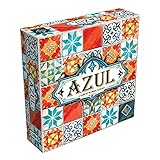
Overview: Azul is a multi-award-winning strategy game where players draft colorful tiles to create mosaics on their personal boards. Inspired by Portuguese azulejos, it challenges 2-4 players (ages 8+) to balance tactical tile selection with long-term pattern-building in 30-45 minutes. Scoring rewards strategic foresight and efficient placement.
What Makes It Stand Out: Azul’s tactile, high-quality resin tiles and stunning visual design create an immersive experience. Its genius lies in elegantly simple rules that mask deep strategic layers—every tile draft impacts opponents, fostering constant engagement. The blend of accessibility and replayability sets it apart in the tile-placement genre.
Value for Money: A premium price is justified by durable components and near-limitless replayability. Unlike cheaper alternatives, Azul’s strategic richness ensures it remains engaging after dozens of plays, making it a superior investment for families and game nights compared to fleeting party games.
Strengths and Weaknesses:
Strengths: Exquisite components; perfect rules-to-depth ratio; minimal luck; highly replayable; visually captivating.
Weaknesses: Player interaction is indirect (can feel solitary); endgame scoring may confuse new players initially; limited thematic depth.
Bottom Line: An essential modern classic that masterfully balances simplicity and strategy. Highly recommended for families and seasoned gamers alike—it’s a near-perfect gateway to strategic gaming with enduring appeal.
8. Azul Mini Board Game - Portable Tile-Placement Fun, Strategy Game for Kids and Adults, Ages 8+, 2-4 Players, 30-45 Minute Playtime, Made by Next Move Games

Overview: Azul Mini condenses the acclaimed Azul experience into a compact, travel-ready package. Retaining the core tile-drafting and mosaic-building mechanics, this portable edition fits 2-4 players (ages 8+) into 30-45 minute sessions. It features miniaturized tiles and boards designed for on-the-go play without sacrificing strategic integrity.
What Makes It Stand Out: The ingenious portability is its hallmark—indented plastic trays prevent tile shifting during travel, while the built-in score tracker with slider clips eliminates paper tracking. Despite smaller components, the tactile tile-drafting tension and vibrant colors remain intact, making strategy accessible anywhere.
Value for Money: Slightly pricier than some travel games, but justified by Azul’s proven gameplay in a durable, purpose-built case. It’s a smarter investment than dedicated travel games with weaker mechanics, offering the full Azul experience minus bulk. Ideal for commuters or vacationers.
Strengths and Weaknesses:
Strengths: Exceptional portability; secure tile storage; retains core strategy; quick setup; durable case.
Weaknesses: Tiny tiles may frustrate those with dexterity issues; no storage for score sheets; less satisfying tactile feel than full-size Azul.
Bottom Line: A brilliantly executed travel adaptation that preserves Azul’s strategic heart. Essential for fans on the move and a fantastic entry point for newcomers seeking portable strategy—worth the premium for its convenience.
9. Akropolis: Athena | Expansion for Mensa Select Strategy Game for Kids, Teens & Adults | Build an Ancient City to Gain Athena’s Favor | Tile Placement Family Board Game | Ages 8+ | 2-4 Players | 25 Min

Overview: Athena expands the Mensa-winning Akropolis base game with new objectives centered on constructing Athena’s statue. Designed for 2-4 players (ages 8+), this 25-minute expansion integrates seamlessly, adding hex tiles and scoring layers to the city-building tile-placement core. Players pursue fresh tactical goals while maintaining the original’s swift pace.
What Makes It Stand Out: Its brilliance lies in deepening strategy without complicating rules—new objective cards and the statue-building mechanic introduce hundreds of variants. The focus on Athena’s statue creates compelling new victory paths, while thematic integration ensures it feels like a natural evolution rather than a tacked-on add-on.
Value for Money: An affordable expansion that significantly boosts replayability. For Akropolis owners, it’s a no-brainer, transforming the base game with minimal cost. New players should skip it without the core set, but existing fans get exceptional value through novel challenges and extended longevity.
Strengths and Weaknesses:
Strengths: Effortless integration with base game; meaningful strategic depth; high replayability; simple rules expansion; thematic cohesion.
Weaknesses: Useless without Akropolis base game; statue mechanics may overshadow original objectives for some; limited physical components.
Bottom Line: A masterclass in expansion design—elevating Akropolis with fresh, engaging layers while preserving its accessible charm. Mandatory for base-game owners; newcomers should start with the core experience first.
10. Tile Lock Scrabble by Winning Moves Games USA, Innovative Gameboard Locks Tiles in Place, for 2 to 4 Players, Ages 8 and Up

Overview: Tile Lock Scrabble reinvents the classic word game with a board featuring small posts that secure letter tiles during play. Targeted at ages 8+, this version maintains standard Scrabble rules but solves the perennial problem of accidental tile displacement, allowing players to lift or tilt the board safely.
What Makes It Stand Out: The patented “Tile Lock” mechanism is revolutionary—rubber feet stabilize the board while posts keep tiles fixed, enabling play on uneven surfaces or in transit. The all-plastic construction (tiles, racks, board) enhances durability, making it ideal for families with active environments.
Value for Money: Priced slightly above standard editions, the innovation justifies the cost for households frustrated by traditional Scrabble’s fragility. While purists may prefer wooden tiles, the practicality for families, travelers, or casual players offers tangible ROI through reduced game disruptions.
Strengths and Weaknesses:
Strengths: Eliminates tile-spill frustration; portable and stable; durable plastic components; identical scoring/rules to classic Scrabble.
Weaknesses: Plastic tiles lack premium feel; posts may snag clothing; not suitable for tournament play; minor visual obstruction of tile letters.
Bottom Line: A clever, practical upgrade that preserves Scrabble’s brilliance while solving a real-world pain point. Highly recommended for families, travelers, or anyone tired of chaotic tile spills—it’s the definitive casual-play edition.
Understanding the Core Appeal of Tile Placement Games
The Fundamental Mechanics Demystified
At their heart, tile placement games revolve around a deceptively simple loop: players take turns selecting tiles from a pool (often face-down or from a shared draw) and placing them onto a central, evolving game board according to specific spatial rules. The core challenge lies in matching edges, completing patterns, claiming territory, or triggering scoring conditions based on how your tile interacts with those already played. This immediate cause-and-effect – your action directly shapes the shared space – provides instant feedback and clear objectives, making the rules easy to grasp but offering room for clever tactics.
Why Physical Interaction Matters for Families
The tactile nature of handling physical tiles is crucial for family engagement, especially with younger players. Picking up a tile, feeling its weight, and carefully positioning it provides sensory input that digital interfaces lack, aiding focus and motor skill development. This physical interaction also naturally draws players into the shared space around the board, encouraging eye contact, discussion about potential moves (“Where should I put this?”), and a sense of collective ownership over the emerging play area. It transforms the game from a solitary screen experience into a communal, embodied activity.
The Shared Canvas Effect
Unlike games with individual player boards where you might focus inward, tile placement typically builds a single, central landscape visible to everyone. This shared canvas fosters a unique dynamic. Players observe each other’s strategies unfolding in real-time, leading to organic commentary, friendly rivalry (“Oh no, you blocked my river!”), and collaborative problem-solving when tiles create unexpected opportunities or challenges for the group. It creates a common topic of conversation and investment, strengthening the family bond through a jointly created experience.
Key Features to Prioritize for Family Game Nights
Age Appropriateness and Cognitive Load
Carefully consider the cognitive demands. Look for games where the core placement rule is extremely simple (e.g., “match colors” or “connect roads”) but where scoring or secondary objectives offer gentle layers of strategy for older kids or adults. Avoid games requiring complex resource management alongside placement or intricate multi-step turn sequences. The sweet spot is a game where an 8-year-old can grasp the basic action immediately, while a 12-year-old or adult can start thinking one or two moves ahead without feeling stifled.
Playtime Realities for Busy Families
Respect the finite window of family game night energy! Prioritize games with a total playtime comfortably under 45 minutes for a standard family group (3-5 players). This includes setup and teardown. Games that scale well with player count are essential – a game that balloons to 90 minutes with four players is likely a non-starter. Look for mechanisms like simultaneous tile selection or very quick turns that keep downtime minimal, ensuring everyone stays engaged from start to finish without restless fidgeting or waning attention spans.
Setup and Cleanup Simplicity
The barrier to actually playing is often setup friction. Ideal family tile games should have minimal components to organize: a small stack of tiles, maybe a few scoring markers, and perhaps a simple starting tile. Avoid games requiring intricate board assembly, complex initial setups, or numerous tiny components that are easy for small hands to lose or knock over. Similarly, cleanup should be effortless – tiles should nest neatly back into a box or bag. If getting the game ready takes longer than the first few rounds, it won’t get played often.
Evaluating Educational and Developmental Benefits
Building Foundational Spatial Reasoning
Tile placement is a powerhouse for developing spatial intelligence. Players constantly visualize how a tile fits rotationally and positionally within the existing landscape, predicting connections and potential conflicts. This strengthens mental rotation skills, understanding of adjacency and proximity, and the ability to think in two dimensions – foundational skills crucial for mathematics, engineering, art, and even everyday navigation. It’s learning disguised as playful puzzle-solving.
Fostering Strategic Thinking and Planning
While often light, these games introduce core strategic concepts in an accessible way. Players learn to evaluate immediate scoring opportunities versus setting up larger future gains (“Should I complete this small farm now or wait to connect it to a bigger one?”). They begin to anticipate how their move affects the available options for others and how the board’s evolution might open or close avenues. This nurtures forward thinking, consequence evaluation, and adaptive planning – valuable life skills presented through tangible, low-stakes decisions.
Encouraging Positive Social Interaction
The shared board and turn-based nature inherently promote social skills. Players must take turns patiently, observe others’ actions, and articulate their own moves (“I’m placing this here to connect my forest”). Natural negotiation or discussion often arises (“Can I put my castle next to your village?”). Crucially, the focus is on the board, not direct player conflict, reducing potential frustration. Winning and losing are often tied to collective board development, fostering a sense of shared accomplishment even in competitive variants, teaching grace and sportsmanship organically.
Design Elements That Enhance Family Enjoyment
Visual Clarity and Thematic Resonance
Clear, uncluttered tile art is non-negotiable. Symbols and colors should be distinct and easily readable from across the table, even by younger children or those with mild visual challenges. A light, appealing theme (building a kingdom, creating a garden, mapping islands) that aligns intuitively with the mechanics (e.g., forests connect to forests) aids understanding and immersion without requiring complex backstory knowledge. Avoid overly abstract symbols or dense thematic elements that obscure the gameplay.
Balancing Luck and Skill Appropriately
A healthy dose of luck (from the tile draw) keeps the game exciting and accessible for younger or less experienced players, preventing it from becoming predictable or dominated solely by the most strategic adult. However, too much randomness can frustrate those seeking meaningful choices. The best family games offer players meaningful agency despite the luck – multiple potential placements for most tiles, or mechanisms to mitigate bad draws (like limited tile drafting or swapping options). The feeling should be “I made the best possible move with what I had,” not “I lost because I drew bad tiles.”
Replayability Through Variation
To avoid the game gathering dust after a few plays, look for built-in variability. This could come from randomized starting setups, different scoring objectives shuffled each game, or variable player powers that change how tiles interact. Games where the board layout is fundamentally different every time (due to the tile draw and placement order) inherently offer high replay value. This ensures that strategies evolve, keeping the experience fresh and encouraging families to return to the game week after week.
Navigating Complexity Levels for Mixed-Age Groups
Identifying the “Sweet Spot” Difficulty
The ideal family game sits in the “gateway” complexity range. It should have a single, crystal-clear core rule that takes 30 seconds to explain (“Tiles must match edge colors”), with perhaps one or two simple secondary rules introduced after the first round. Avoid games marketed as “light strategy” that still involve multiple action choices, complex resource conversion, or intricate scoring chains. The goal is for everyone to understand what they can do on their turn within the first few minutes of playing.
Mechanisms for Leveling the Playing Field
Look for built-in catch-up mechanics or ways to subtly handicap experienced players without disrupting the flow. Some games naturally do this through the tile draw – a lucky connection for a trailing player can close the gap quickly. Others might have scoring that rewards completing smaller, easier areas as well as large ones, giving younger players achievable goals. Avoid games where early mistakes are punishingly irreversible or where the leader pulls too far ahead too quickly, as this discourages continued participation from those behind.
Adapting Rules for Younger Players
Many excellent tile games offer official or community-suggested “family variants” that simplify scoring or remove minor complexities. Be prepared to house-rule! For very young children (under 6), consider cooperative play where the whole family works together to achieve a common goal using the tiles, or let them focus solely on the placement matching rule while an adult handles scoring. The key is ensuring everyone feels successful and engaged, even if their role is simplified.
Practical Considerations for Home Play
Space Requirements and Table Real Estate
Be realistic about your family’s play space. Some tile games expand significantly as they’re played, requiring a large central area. Measure your typical game table and prioritize games known for a compact footprint or that offer modular board sizes. Consider games where tiles are placed tightly together versus those requiring space for future expansion markers. A game that constantly gets bumped because the table is too small will quickly lose its appeal.
Durability of Components for Active Households
Tiles get handled, dropped, and occasionally “tested” by enthusiastic young players. Prioritize games with tiles made from thicker, rigid cardboard that won’t easily bend or crease. A smooth finish helps tiles slide easily into place. Avoid games with tiny, fragile pieces or tiles that have intricate cut-outs requiring precise alignment – these are prone to damage and frustration in a family setting. Durability directly impacts how often the game can withstand the rigors of regular family use.
Storage Solutions Within the Game Box
A well-designed box insert is worth its weight in gold. Look for games where all tiles nest securely together, often in a custom tray, preventing them from sliding around and getting damaged in transit or during storage. An insert that holds the rulebook and any small markers keeps everything organized. Games where tiles are just dumped loosely into the box often lead to bent corners and lost pieces, significantly shortening the game’s lifespan in a busy household.
Cultivating the Right Game Night Atmosphere
Setting Realistic Expectations for First Plays
Acknowledge that the first game might feel a bit slow as everyone learns the flow. Emphasize exploration over winning: “Let’s just figure out how the tiles connect together this time; we’ll worry about scoring next round.” Keep initial explanations focused solely on the core placement rule. Avoid overwhelming new players with every scoring nuance upfront. Patience and a focus on the shared building experience reduce pressure and make the learning process enjoyable.
Encouraging Positive Communication and Support
Model and encourage helpful, non-competitive commentary. Instead of “That’s a bad move,” try “Ooh, look how that connects to the blue river!” or “What could you do with that tile?” Frame observations neutrally. Celebrate clever placements by any player. For younger kids, gently guide their thinking with questions (“Where do you think this forest piece might fit best?”) rather than taking over their turn. This fosters a supportive environment where everyone feels safe to try and learn.
Knowing When to Call It Quits
Read the room. If attention spans are waning, frustration is rising, or the game has clearly outlasted its welcome (even if the full playtime hasn’t elapsed), it’s perfectly okay to stop early. End on a positive note while everyone is still engaged. You can always finish the game another night. Forcing the conclusion when energy is low creates negative associations. A short, joyful game is far more likely to be repeated than a long, drawn-out slog.
Frequently Asked Questions
Frequently Asked Questions
What is the absolute minimum age for kids to enjoy tile placement games? Most well-designed family tile games are accessible to children as young as 6 or 7, especially if they focus on simple matching. Look for games where the core rule is purely visual (matching colors/shapes) with minimal reading. Younger children (4-5) can often participate with heavy simplification or cooperative play.
How long should I realistically expect a family tile game to take from start to finish? Aim for games advertised at 20-40 minutes for 2-4 players. Always add 5-10 minutes for the first few plays while learning. If the box says “30-45 minutes,” assume 40-60 minutes with a family, especially with kids. Prioritize games listed under 30 minutes for true “quick family game night” suitability.
Do these games require a lot of table space compared to card games? Generally, yes, they need more central space than card games as the board expands. However, many modern designs are very space-efficient. Look for games specifying a small playing area (e.g., “fits on a standard coffee table”) or those where the board stays relatively compact (like domino-style layouts).
Can tile placement games be played cooperatively, or are they always competitive? While many are competitive, cooperative and semi-cooperative variants exist! Some games have official solo/co-op modes, and others can be easily adapted by having the family work together to achieve a shared scoring goal or beat a simple timer, removing direct player conflict.
Are the tiles hard for small hands to manipulate? Quality games use tiles of a manageable size (typically 1.5x1.5 inches or larger) made from sturdy cardboard. Very young children might need help initially with precise placement, but the physical act is generally easier than handling small cards or tokens. Avoid games with tiny tiles or intricate cut-outs.
How do I handle it when a young child makes a move that breaks the game or blocks others unfairly? Gently explain the spatial rule they might have missed (“Remember, the roads need to connect here?”). Frame it as correcting the board state, not blaming the child: “Let’s fix this tile so the roads flow properly.” Focus on the rule, not the player. For persistent issues, simplify the rules further for them initially.
Will my kids get bored if the game seems “too easy” for me as an adult? The best family tile games offer “depth through simplicity.” While the core is easy for kids, adults can often find deeper strategic layers in tile selection, long-term planning, and optimizing scoring opportunities. If it feels too light, look for games with variable scoring goals that change each play, adding significant replay depth.
What if we accidentally place a tile incorrectly? Do we have to start over? No need to panic! Most tile placement games are quite forgiving of minor early errors. If caught quickly, simply correct the placement. If it’s discovered much later, discuss as a group – often, the impact is minimal, or you can agree on a fair way to adjust without restarting. Flexibility is key in family play.
Are tile placement games good for developing math skills? Absolutely, but subtly! They enhance spatial reasoning (critical for geometry), pattern recognition, basic addition (during scoring), and understanding of area/perimeter concepts as players claim and measure territories. It’s concrete, applied math disguised as play.
Can these games work well with a larger family group, say 5 or 6 players? Yes, but carefully check player count suitability. Some tile games scale perfectly to 5-6 players, often by increasing the tile pool or adjusting scoring. Others become too slow or chaotic. Look for games explicitly stating 5-6 players as ideal, not just maximum. Turn length and downtime become critical factors at higher player counts.
See Also
- 10 Best Value Tile Placement Games for Educational Game Nights in 2026
- Top 10 Best Tile Placement Games for Family Game Night in 2026
- The 10 Best Tile Placement Games for Family Game Night in 2026
- How to Solve Boring Game Nights with the 10 Best Tile Placement Games in 2026
- The 10 Ultimate Best Tile Placement Games for Competitive Game Nights in 2026