Table of Contents
Cooperative gaming has evolved dramatically over the past decade, and tile placement mechanics have emerged as one of the most satisfying ways to build something beautiful with friends. Rather than competing for the best spots on the board, players work together to construct intricate landscapes, solve spatial puzzles, and overcome shared challenges. This collaborative approach transforms what was traditionally a competitive genre into an experience where every piece placed feels like a small victory for the entire team.
As we look toward 2026, the market for cooperative tile-laying games continues to expand with innovative designs that blend traditional spatial reasoning with modern narrative elements, app integration, and dynamic difficulty scaling. Whether you’re planning family game nights, seeking team-building activities, or building a collection with your gaming group, understanding what makes these games tick will help you choose titles that deliver lasting enjoyment. This guide explores the essential features, trends, and considerations that define exceptional cooperative tile placement experiences.
Top 10 Cooperative Board Games
Detailed Product Reviews
1. Gamewright - Forbidden Island - Cooperative Strategy Survival Board Game, 2-4 Players
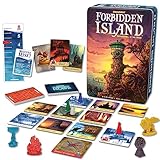
Overview: Forbidden Island, designed by Matt Leacock (creator of Pandemic), drops players onto a sinking island where they must retrieve four sacred treasures and escape by helicopter. This cooperative survival game accommodates 2-4 players aged 10+ and delivers a tense 30-minute experience where the board literally disappears beneath you.
What Makes It Stand Out: The game’s innovative sinking tile mechanic creates genuine tension as flood cards progressively destroy the island. Unlike competitive games, players must coordinate roles (Pilot, Engineer, Explorer, etc.) with unique abilities to shore up sinking tiles, trade cards, and plan escape routes. The rich artwork transforms cardboard into a perilous paradise, while the escalating difficulty system ensures no two games feel identical.
Value for Money: Retailing around $18-20, Forbidden Island offers exceptional value. It serves as both a perfect gateway cooperative game and a legitimate strategic experience. While Pandemic ($40+) offers deeper complexity, Forbidden Island provides 90% of the cooperative thrill at half the price, with high-quality components and near-infinite replayability through variable setup.
Strengths and Weaknesses: Pros: Easy to learn yet strategically deep; creates genuine tension; excellent component quality; perfect introduction to cooperative gaming; scalable difficulty. Cons: Can feel similar to Pandemic (if you own both, redundancy); some luck dependence on card draws; limited player count (max 4) may exclude larger groups.
Bottom Line: Forbidden Island remains the gold standard for entry-level cooperative games. It delivers heart-pounding decisions, teaches teamwork, and fits any collection. Buy it if you want accessible strategy; skip only if you already own Pandemic and play exclusively with 5+ players.
2. Pandasaurus Cooperative Strategy Card Game - Fun Interactive Family Game for Ages 8+, 1-5 Players, 20 Minute Playtime
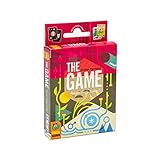
Overview: “The Game” strips away elaborate themes to deliver pure cooperative card-playing tension. Players must collaboratively discard all 98 cards (numbered 1-98) onto four piles—two ascending, two descending—without communicating specific card values. Supporting 1-5 players ages 8+ in just 20 minutes, it’s a masterclass in minimalist design.
What Makes It Stand Out: The brilliance lies in its communication restrictions. You can say “I have a great card for this pile” but not “I have a 73.” This creates hilarious miscommunication and psychological warfare where you must read teammates’ intentions. With over 1.3 million copies sold and a Spiel des Jahres nomination, its global success stems from this addictive, brain-burning simplicity.
Value for Money: At $10-12, The Game is essentially pocket money. It offers unlimited replayability, travels in a deckbox, and scales from solo to five players effortlessly. Unlike bulky board games, this provides the same strategic depth as $40+ titles at a fraction of cost and storage space.
Strengths and Weaknesses: Pros: Lightning-fast setup; incredibly portable; scales perfectly; teaches non-verbal communication; addictive “just one more round” quality. Cons: Abstract theme may not engage narrative-driven players; high frustration potential when teammates misread signals; luck of card draw influences outcomes; can feel repetitive after extensive play.
Bottom Line: The Game belongs in every collection as the perfect filler. It’s ideal for waiting rooms, travel, or ending game nights. Buy it for its accessibility and genius design; avoid only if you absolutely require thematic immersion or hate abstract puzzles.
3. Flow: The Official Cooperative Board Game | Strategy Game for 1–4 Players Ages 8+ | Based on The Award-Winning Animated Film | Family & Solo Play | Survive The Flood, Rescue Allies
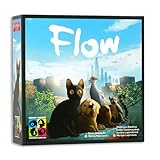
Overview: Adapted from the acclaimed animated film, Flow transforms the movie’s flood survival narrative into a tense cooperative board game. Players control anthropomorphic animals fleeing rising waters, working to rescue allies and survive. Designed for 1-4 players ages 8+, it captures the film’s emotional depth through real-time decision-making and modular board construction.
What Makes It Stand Out: The real-time gameplay with a dynamic, flooding board creates unparalleled urgency. Unlike turn-based games, players simultaneously roll dice, move pieces, and watch the water level rise literally across the tiles. The 11 scenario cards provide distinct objectives, while the modular map ensures no two floods play identically. Solo mode is seamlessly integrated, not tacked on.
Value for Money: Priced around $35-40, Flow sits in the premium family game tier. The components justify the cost—thick cardboard tiles, custom dice, detailed miniatures, and artwork faithful to the film. Compared to licensed games that often feel cash-grabs, Flow offers genuine mechanical innovation that honors its source material.
Strengths and Weaknesses: Pros: Immersive real-time tension; beautiful production values; excellent solo implementation; genuine film connection; high replayability through scenarios. Cons: Real-time pressure may stress some players; requires familiarity with film for full appreciation; setup is lengthy; rules have learning curve; limited to 4 players despite box saying 1-6 (5-6 requires expansion).
Bottom Line: Flow is essential for fans of the film and real-time co-op enthusiasts. It delivers a unique, emotionally resonant experience. Purchase if you enjoy time pressure and beautiful design; skip if you prefer relaxed, turn-based strategy or haven’t seen the movie.
4. Pressman The Oregon Trail Card Game - Cooperative Gameplay Based on The Classic Computer Game, Ages 12 and Up, 2-6 Players

Overview: This card game adaptation of the 1970s computer classic resurrects the nostalgic joy of dying from dysentery in 8-bit style. Players form a wagon party, navigating the treacherous 2,000-mile journey westward through card-driven events. For 2-6 players ages 12+, it blends cooperative survival with the original’s signature morbid humor.
What Makes It Stand Out: The 8-bit artwork and cheeky humor perfectly capture the source material’s charm. The “Press Your Luck” mechanic—where you can hunt for extra resources but risk calamity—mirrors the computer game’s risk-reward balance. The “Trail” card system creates a linear narrative progression, while the supply management requires genuine teamwork. Player elimination, rare in modern co-ops, feels thematically appropriate here.
Value for Money: At $15-18, it’s a nostalgia-fueled bargain. You’re paying for the license and humor more than complex mechanics, but the components are solid and the experience delivers exactly what fans expect. Compared to premium board games, it’s a light, affordable tribute rather than a deep strategic investment.
Strengths and Weaknesses: Pros: Pitch-perfect nostalgia; genuinely funny; accessible rules; accommodates up to 6 players; quick playtime (30 minutes). Cons: Heavy luck dependence can frustrate strategists; player elimination creates downtime; limited depth for repeated plays; event cards can feel repetitive; theme is purely retro (may not resonate with younger players).
Bottom Line: Buy this if you have fond memories of the computer game or want a light, humorous co-op. It’s perfect for casual gatherings and retro gaming nights. Skip if you prefer skill-driven games or lack nostalgia for the source material—it relies heavily on that connection.
5. Ravensburger Horrified Games - Greek Monsters - Strategy Board Game - Boost Critical Thinking & Teamwork - Cooperative Gameplay - Unique Monster Challenges - 1 to 5 Players - Adults & Kids 10+

Overview: Horrified: Greek Monsters adapts the acclaimed Horrified system to mythological terrors. Players become Greek heroes defending Elysium against six unique monsters—Medusa, Cerberus, Chimera, and more. This cooperative strategy game for 1-5 players ages 10+ tasks you with completing distinct objectives for each creature while managing a constantly threatening board.
What Makes It Stand Out: Each monster features entirely unique mechanics, essentially providing six different games in one box. Medusa petrifies heroes, Cerberus guards the Underworld door, and the Chimera spreads plague—requiring completely different strategies. The variable difficulty system lets you face 1-3 monsters simultaneously, scaling complexity perfectly. Ravensburger’s production quality shines with detailed figures and atmospheric artwork.
Value for Money: At $35-40, Horrified offers tremendous replayability. Six monsters with distinct behaviors equals dozens of combinations, providing more variety than many $60+ campaign games. The component quality and licensed theme execution justify the premium pricing compared to generic fantasy titles.
Strengths and Weaknesses: Pros: Incredible monster variety; scalable difficulty; excellent solo mode; high-quality miniatures and art; teaches critical thinking. Cons: Setup can be lengthy; some monsters feel harder than others; rulebook requires careful study; board space can get cluttered; random events may overwhelm new players.
Bottom Line: Horrified: Greek Monsters is a must-own for mythology fans and anyone seeking variable cooperative challenges. It grows with your skill level and rewards repeated plays. Purchase for its depth and quality; avoid only if you dislike learning multiple complex systems or prefer lighter party games.
6. Happy Camper - The Four Doors | Cooperative Game by Pandemic and Forbidden Island Creator | Super Portable | Great for Solo Play, Two Players, and Groups
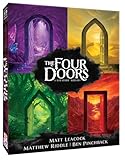
Overview: From the mind behind Pandemic comes a compact cooperative adventure where 1-5 players race against time to retrieve four sacred treasures from a mystical light tower before shadows seal the doors forever. This 30-minute game distills Leacock’s signature tension into a travel-friendly package perfect for camping trips or casual game nights. The streamlined rules make it instantly teachable while maintaining strategic depth.
What Makes It Stand Out: The shadow mechanic creates escalating urgency as players balance exploration with survival. Its super-portable design features minimal components while delivering the same strategic depth that made Leacock famous. The solo mode shines, offering a satisfying puzzle for single players seeking quick but meaningful gameplay sessions without rule modifications.
Value for Money: At its price point, you’re getting premium design pedigree rarely found in travel games. Comparable quick co-ops lack this designer reputation, making it a smart investment for families who want quality over quantity. The replay value from variable door configurations and multiple difficulty levels justifies the cost for regular players seeking variety.
Strengths and Weaknesses: Strengths include exceptional portability, acclaimed designer credentials, and accessible 10+ age rating. The 30-minute runtime ensures it never overstays its welcome. Weaknesses: hardcore gamers may find it too light compared to Pandemic’s complexity, and the small card deck could feel repetitive after extensive play sessions.
Bottom Line: An ideal gateway game for new players and a reliable travel companion for veterans. Best for families and casual gamers who value elegance over complexity.
7. Spin Master Games, SolidRoots Escaping Extinction, Cooperative Strategy Board Game from The Makers of Mind The Gap, Easter Gift, 1-4 Players, for Ages 12 & Up

Overview: This prehistoric cooperative adventure casts players as ingenious dinosaurs scrambling to build a 3D rocket and escape before a meteor strikes. Designed for 1-4 players ages 12 and up, the game features a tile-based board that ensures unique layouts every session, combining strategic planning with time pressure in an engaging 45-minute experience.
What Makes It Stand Out: The 3D rocket assembly provides a tangible progression system rarely seen in co-op games. Earthquake cards dynamically alter the board mid-game, forcing adaptive strategies and preventing scripted plays. The prehistoric theme offers refreshing novelty compared to typical fantasy or sci-fi settings, appealing to dinosaur enthusiasts and strategy gamers alike.
Value for Money: Positioned competitively against other mid-weight co-ops, the variable board and 3D components deliver strong replay value. While not budget-tier, the quality components and unique mechanics justify the investment for families seeking something beyond standard gateway games. It fills a niche between children’s games and heavy strategy titles.
Strengths and Weaknesses: Strengths include the dynamic board system, engaging 3D build mechanic, and thematic coherence. The 12+ rating ensures appropriate complexity for teens and adults. Weaknesses: younger siblings may feel excluded, and the earthquake randomness can frustrate players preferring pure strategy. Setup time is slightly longer than comparable titles.
Bottom Line: A solid choice for families with older children who enjoy tactical cooperation with a unique theme. The 3D rocket building creates memorable gaming moments worth the premium price point.
8. Peaceable Kingdom Gnomes at Night A Cooperative Maze Game for 2 to 4 Kids Ages 6+
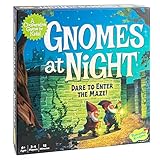
Overview: Gnomes at Night transforms young players into treasure-hunting gnomes navigating a dual-sided magnetic maze. Designed for 2-4 children ages 6+, this 20-minute cooperative game emphasizes communication over competition as teammates guide each other through walls to recover the Queen’s stolen treasures before time runs out.
What Makes It Stand Out: The asymmetric maze design is brilliant—each player sees only their side, requiring descriptive language and teamwork to succeed. Magnetic movers that pass through walls for teammates create magical “aha” moments. This communication-first approach builds real-world skills while maintaining pure fun, a rare achievement in children’s games.
Value for Money: As an educational toy disguised as entertainment, it delivers exceptional value. Comparable children’s co-ops often lack this dual-purpose design. The four included difficulty levels extend its lifespan as children grow, preventing the rapid obsolescence common in kids’ games. It’s priced appropriately for its developmental benefits.
Strengths and Weaknesses: Strengths include age-appropriate complexity, genuine skill-building, and high-quality magnetic components. The sand timer adds excitement without overwhelming young players. Weaknesses: limited appeal for children over 10, and the communication requirement may frustrate less verbal kids. Adults will find it too simple for repeated play.
Bottom Line: An outstanding introduction to cooperative gaming that teaches communication skills organically. Essential for families with children aged 6-9 seeking screen-free developmental play.
9. Castle Panic 2nd Edition | Cooperative Board Game for Adults and Family | Ages 8+ | for 1 to 6 Players | Average Playtime 45 Minutes | Made by Fireside Games

Overview: Castle Panic 2nd Edition defends its place as the quintessential tower defense board game, tasking 1-6 players with protecting Castle Bravehold from relentless monster hordes. This 45-minute cooperative experience features trading, strategic coordination, and four distinct play modes that scale from family-friendly to cutthroat competitive.
What Makes It Stand Out: Four modes—including cooperative, solo, competitive Master Slayer, and one-versus-all Overlord—deliver unprecedented versatility in one box. The 3D towers and vibrant monster tokens create tactile satisfaction, while plague and boulder mechanics introduce disruptive elements that force meaningful decisions beyond simple monster-bashing.
Value for Money: Few games offer this much variability at the price point. The four-in-one design essentially provides multiple games, making it cheaper than buying separate titles for different play styles. Component quality exceeds expectations, with sturdy 3D castles and detailed tokens that withstand repeated family play.
Strengths and Weaknesses: Strengths include exceptional accessibility for ages 8+, true scalability across player counts, and high replay value through multiple modes. The Overlord mode specifically shines for experienced groups. Weaknesses: base cooperative mode can feel too easy for seasoned gamers, and the fantasy theme is generic compared to newer alternatives.
Bottom Line: The ultimate swiss-army knife of cooperative gaming. Perfect for families seeking one game that grows with their players’ skills and accommodates any group dynamic.
10. The Lord of The Rings: Adventure to Mount Doom | Family Game | Cooperative Game | Strategy Game

Overview: This officially licensed LOTR cooperative game translates Frodo’s perilous journey into an accessible dice-and-card driven adventure for 1-4 players. Over approximately 50 minutes, participants work together to navigate Middle Earth, evade Ringwraiths, and destroy the One Ring through push-your-luck mechanics and strategic card management.
What Makes It Stand Out: The genuine Tolkien immersion sets it apart—artwork and narrative elements feel authentic rather than licensed afterthoughts. The solo mode works seamlessly without awkward rule adjustments, making it ideal for solo hobbyists. Push-your-luck dice rolling captures the tension of Frodo’s quest without overwhelming complexity.
Value for Money: For LOTR fans, the thematic fidelity alone justifies the cost. Compared to heavier LOTR board games, this provides accessible entry at a family-friendly price point. While not the deepest strategy game, its broad appeal across ages and player counts delivers solid entertainment-per-dollar for franchise enthusiasts.
Strengths and Weaknesses: Strengths include authentic theme integration, smooth solo play, and manageable complexity for ages 8+. The 50-minute runtime respects busy schedules. Weaknesses: dice randomness may frustrate strategy purists, and experienced gamers might exhaust strategic depth quickly. Limited player count (4 max) restricts larger groups.
Bottom Line: A faithful, family-weight LOTR experience that prioritizes accessibility over complexity. Ideal for fans seeking thematic immersion without a rules encyclopedia.
Understanding Cooperative Tile Placement Games
What Defines This Hybrid Genre
Cooperative tile placement games merge two distinct gaming philosophies: the tactile satisfaction of building physical landscapes piece by piece, and the shared emotional journey of working toward a common goal. Unlike competitive titles where players claim territory or block opponents, these games task everyone with constructing a functional system together. The tension comes not from player conflict, but from escalating challenges, random elements, and the race against time or failure conditions. Players must collectively optimize spatial arrangements while managing limited resources and information.
Core Mechanics That Drive Collaboration
The most engaging cooperative tile-layers use mechanics that force meaningful discussion without allowing one dominant player to control the table. Hidden information systems, where each player holds tiles they can’t show directly, create natural opportunities for descriptive communication and interpretation. Simultaneous selection phases prevent quarterbacking by giving everyone equal input during critical decisions. Rotating leadership roles or specialized player abilities ensure that different group members shine at different moments, fostering true interdependence rather than simple parallel play.
Key Features to Evaluate in 2026 Releases
Scalability Across Player Counts
Modern cooperative games must flex gracefully between intimate two-player sessions and lively five-player gatherings. Look for designs that adjust the tile pool, challenge intensity, or available actions based on participant numbers. The best implementations maintain the same core experience whether you’re playing with a partner or a full group, avoiding the common pitfall where games feel too easy with few players or chaotic with many. Check if the rulebook includes specific scaling guidelines or modular components that get added or removed to balance the experience.
Communication Mechanics and Restrictions
How much can players discuss their options? Some games enforce strict communication limits, allowing only vague descriptions of held tiles or prohibiting specific numerical values. Others embrace open table talk but introduce time pressure or simultaneous action selection to prevent analysis paralysis. Consider your group’s preferences: do they enjoy the tension of incomplete information and interpretation, or do they prefer collaborative strategy sessions where every option gets debated? The communication framework fundamentally shapes the social dynamic and should match your collective play style.
Replayability Through Modular Design
The longevity of any tile placement game depends on its ability to present fresh challenges. Modular boards with randomized setups, variable scenario goals, and diverse tile distributions prevent the experience from becoming static after a few plays. Some designs incorporate legacy-style elements where earlier sessions permanently alter components, while others use deck-building mechanisms to change which tiles become available during gameplay. Evaluate whether the game offers enough variability to stay engaging after you’ve mastered the basic spatial puzzle.
Difficulty Scaling and Accessibility
Great cooperative games include multiple difficulty levels that genuinely change the experience rather than just adjusting a point threshold. Look for options that modify the challenge through rule variants, additional obstacles, or altered win conditions. This flexibility allows the same game to serve as a gentle introduction for newcomers and a brutal test for veteran strategists. Consider how the learning curve progresses: does the game teach its systems gradually, or does it frontload complexity that might intimidate casual players?
Component Quality and Table Presence
Tile placement games live and die by their physical components. Thick, satisfying tiles with clear iconography and pleasant tactile qualities enhance every play. Evaluate whether the artwork supports functional gameplay—can you easily distinguish terrain types, recognize special spaces, and parse the board state at a glance? The best designs balance aesthetic beauty with practical readability. Also consider storage solutions: does the box include organized inserts that make setup and teardown efficient, or will you need third-party organizers?
Strategic Depth vs. Approachability
Gateway Games for New Players
Entry-level cooperative tile-layers should introduce core concepts without overwhelming newcomers. These games typically feature limited tile types, straightforward placement rules, and obvious cause-and-effect relationships. The best gateway designs include helpful player aids and intuitive iconography that reduces rulebook dependency. They create “aha!” moments where new players can contribute meaningfully to strategic discussions while learning from more experienced teammates. The sweet spot combines simple turn structure with emergent complexity that reveals itself gradually across multiple sessions.
Complex Puzzles for Veterans
For seasoned gaming groups, depth comes from interlocking systems where tile placement triggers cascading effects across multiple game states. Advanced designs might incorporate resource management, action point allocation, or long-term planning constraints that force difficult trade-offs. These games reward repeated plays as groups develop sophisticated strategies and optimize their collaborative efficiency. Look for titles that offer different strategic paths to explore, creating metagame discussions between sessions about what approaches to try next time.
Teaching and Learning Curve Considerations
The best cooperative games include structured tutorial scenarios or progressive rule introductions that let players learn while playing. Consider whether the rulebook organizes information logically for first-time setup versus reference during gameplay. Some modern designs use QR codes linking to video tutorials or digital teach aids. Think about who in your group will typically explain the rules—does the game support a “learn as you go” approach, or does it require a dedicated teaching session before the first real play?
2026 Trends in Game Design
Digital Integration and Companion Apps
Many upcoming releases blend physical tiles with smartphone apps that manage hidden information, time events, or narrative content. This hybrid approach can streamline setup, reduce bookkeeping, and deliver dynamic scenarios that evolve based on your group’s performance. However, consider your table’s relationship with technology: does the app enhance the tactile experience or distract from it? Look for implementations where the digital component feels essential rather than tacked on, and check whether offline play remains viable if you prefer pure analog experiences.
Environmental and Sustainability Themes
Tile placement mechanics naturally lend themselves to themes about building ecosystems, restoring habitats, or managing natural resources. 2026 continues the trend toward games with environmental messaging where collaborative play reinforces themes of collective responsibility. These designs often incorporate educational elements about ecology or conservation without feeling preachy. The tile-laying becomes metaphorical—each piece represents a choice that impacts a shared world, creating meaningful connections between mechanics and theme.
Narrative-Driven Campaign Elements
Modern cooperative games increasingly structure themselves around ongoing campaigns where each session builds on previous outcomes. Legacy-style components, persistent character progression, and branching storylines transform individual plays into episodes of a larger saga. For tile placement specifically, this might mean permanently adding new tile types to your pool, unlocking map regions, or altering placement rules based on narrative choices. Consider whether your group prefers self-contained experiences or the commitment of a multi-session campaign.
Solo Mode Implementation
The demand for robust solo play continues growing, and cooperative tile-layers adapt naturally to single-player experiences. Evaluate whether games include dedicated solo rules that capture the collaborative feel rather than simply playing multiple hands. The best solo modes introduce unique challenges or AI opponents that create meaningful decisions while maintaining the core spatial puzzle. Some designs use automa decks or flowcharts to simulate the unpredictability of human teammates, creating a different but equally engaging experience.
Building Your Collection
Starting Your Cooperative Journey
If you’re new to this genre, begin with one versatile title that covers different player counts and difficulty levels. This foundational game should have broad appeal and relatively quick setup to encourage frequent play. Focus on learning the unique dynamics of cooperative spatial planning before expanding into more specialized designs. Pay attention to which aspects your group enjoys most—do they prefer tactical puzzle-solving or strategic long-term planning? This insight will guide future purchases.
When to Add Depth and Complexity
Once your group has mastered entry-level games, introduce titles that explore specific mechanical niches. If they loved the communication restrictions of one game, find another that pushes that concept further. If they enjoyed building large interconnected structures, seek designs with more elaborate scoring chains. Build your collection to offer variety rather than redundancy. Consider complementary games that share some DNA but emphasize different skills—one might focus on efficiency while another prioritizes risk management.
Storage and Organization Solutions
Tile placement games often contain hundreds of components that can become jumbled without proper organization. Invest in either games with excellent built-in inserts or third-party solutions that speed up setup. Quick setup is crucial for cooperative games—if it takes 20 minutes to organize tiles before playing, the game will hit the table less frequently. Some groups create custom player aids or tile reference sheets that streamline decision-making during play. Consider how much table space the game requires when fully expanded, especially for titles with sprawling maps.
Frequently Asked Questions
What makes tile placement games particularly suited for cooperative play?
The visual, tactile nature of building a shared board creates natural opportunities for collaboration. Players can literally point at the table and discuss spatial relationships, making the game state transparent and easy to analyze together. The incremental progression of adding tiles provides constant small victories that feel communal, while the physical permanence of placed pieces creates satisfying moments of collective creation.
How do I prevent one experienced player from dominating decisions?
Choose games with hidden information mechanics, simultaneous action selection, or specialized player roles that limit any single person’s control. Establish table norms about encouraging quieter players to share ideas. Some groups implement a “no suggesting until everyone has reviewed their options” rule. The game design itself should include safeguards, but group dynamics matter equally.
Are cooperative tile placement games good for families with children?
Many excel as family games because they eliminate direct conflict and allow parents to guide without overt competition. Look for titles with age-appropriate themes, simple iconography, and rules that let adults make strategic decisions while kids handle tile placement. The collaborative nature means children can contribute meaningfully without needing to master every system, and parents can subtly coach without diminishing the child’s agency.
How long should a typical session last?
Most cooperative tile-layers run 30-90 minutes, though campaign-based games may extend longer. Gateway games often hit the 30-45 minute sweet spot, while complex strategic titles can run two hours. Consider your group’s attention span and available time when selecting games. Many designs include adjustable length through scenario selection or difficulty settings that modify the number of tiles or rounds.
Can these games be played truly solo, or do they lose something without human teammates?
The best implementations capture the cooperative spirit through clever automa systems or by turning the puzzle into a personal optimization challenge. While you lose the social negotiation aspect, solo play often provides a more focused, puzzle-like experience. Some players prefer the ability to think through every decision without compromise, while others miss the dynamic unpredictability of human collaborators.
What should I look for in a game’s rulebook before purchasing?
Check if the rulebook includes a quick setup guide, visual examples of key concepts, and a reference section for edge cases. Preview copies online often show the table of contents and sample pages. Look for clear turn structure diagrams and examples of play that illustrate common situations. A well-organized rulebook suggests a thoughtfully designed game that respects your time.
How important is table space for these games?
More important than you might think. While some games stay compact, many cooperative tile-layers create sprawling maps that consume significant table real estate. Consider your typical playing surface and whether you need space for player aids, reference materials, and component storage. Games with vertical board elements or tile stacks require even more room. Check review photos showing full game setups to gauge spatial requirements.
Do tile placement games have high replay value compared to other genres?
Their replayability stems from randomized setups, variable scenarios, and the emergent complexity of spatial interactions. Unlike narrative-driven games where surprises diminish after one play, tile-layers remain fresh because the puzzle changes based on tile draws and group decisions. However, some titles can feel similar after many sessions if they lack sufficient variability mechanisms—prioritize games with modular content if replayability is crucial.
How do I introduce these games to competitive players who typically dislike cooperation?
Frame the experience as a team challenge against the game system rather than a “soft” collaborative activity. Emphasize the optimization puzzle and efficiency metrics that appeal to competitive instincts. Many competitive gamers enjoy the intellectual challenge of solving complex systems cooperatively, especially when the game provides clear performance benchmarks or scoring systems that let them measure improvement across sessions.
What trends should I watch for in upcoming releases?
Beyond digital integration and environmental themes, look for asynchronous play modes where players can take turns over time, increased representation in artwork and themes, and designs that blend tile placement with other mechanics like deck-building or worker placement. The genre continues evolving toward more personalized experiences where groups can tailor difficulty, narrative, and complexity to their preferences.
See Also
- 10 Game-Changing Tile Placement Games for Competitive Play in 2026
- How to Choose the 10 Best Tile Placement Games for Long Play Sessions in 2026
- 10 Essential Cooperative Board Games Featuring Tile Placement Every Gamer Needs in 2026
- 10 Best Value Tile Placement Games for Educational Play in 2026
- 10 Top-Rated Tile Placement Games According to Experts in 2026