Table of Contents
Tile-based board games have captured the hearts of strategy enthusiasts for decades, offering that satisfying tactile experience of building worlds piece by piece. When you’ve mastered the base game and explored every corner of its static board, expansions become the natural next step in your gaming journey. These clever additions don’t just tack on extra content—they fundamentally transform how the game plays, breathes, and evolves at your table.
The most compelling expansions are those that create truly dynamic board states, where every session tells a different story and no two playthroughs ever feel quite the same. Whether you’re a seasoned collector looking to revitalize a favorite title or a newcomer navigating the vast landscape of board game add-ons, understanding what makes tile-based expansions genuinely game-changing is essential. This guide explores the key features, mechanics, and considerations that separate exceptional expansions from forgettable ones, helping you build a collection that keeps your games fresh for years to come.
Top 10 Tile-Based Game Expansions
Detailed Product Reviews
1. CATAN 5-6 Player Board Game Expansion (6th Edition) Add More Players to Your Adventure, Ages 10+, 3-6 Players, 60-90 Minute Playtime

Overview: The CATAN 5-6 Player Expansion extends the classic settlement-building experience to accommodate larger groups. This official add-on includes additional roads, settlements, cities, and resource cards, allowing up to six players to compete for dominance on the island. Designed specifically for the 6th Edition base game, it maintains the core trading and building mechanics while introducing modifications to keep gameplay balanced with more participants.
What Makes It Stand Out: The expansion’s enhanced turn-taking mechanism ensures everyone stays engaged throughout each round, preventing the downtime that often plagues larger player counts. As an official CATAN product, it integrates seamlessly with the base game, preserving the beloved strategic depth while adding social dynamics. The component quality matches the original perfectly, creating a cohesive experience that feels intentional rather than tacked-on.
Value for Money: For groups regularly playing with five or six people, this expansion is essentially mandatory. Purchasing it separately from the base game is far more economical than buying a second copy of CATAN. While the price point is reasonable for official components, its value is entirely dependent on your need for additional player capacity—if you never exceed four players, it’s unnecessary.
Strengths and Weaknesses: Strengths include official compatibility, high-quality components, straightforward rules integration, and the ability to host larger game nights. Weaknesses involve increased game length and downtime between turns, requirement of the 6th Edition base game specifically, and potential table space constraints with the larger layout.
Bottom Line: This expansion is indispensable for CATAN enthusiasts who frequently gather in larger groups. It delivers exactly what it promises—more CATAN for more people—without compromising the game’s essence, though be prepared for longer sessions.
2. Hans Im Gluck Carcassonne Big Box Board Game (2025 Edition) - Complete Tile Placement Strategy Game with 11 Expansions & Base, Family Fun for Kids & Adults, Ages 7+, 2-6 Players, 30 Min Playtime

Overview: The Carcassonne Big Box (2025 Edition) delivers the acclaimed tile-placement classic plus eleven expansions in one comprehensive package. This collection includes the 2001 Spiel des Jahres-winning base game and nearly every major expansion, offering hundreds of gameplay variations. Players draw and place tiles featuring cities, roads, and monasteries, deploying meeples to score points in this endlessly strategic gateway game.
What Makes It Stand Out: This is the definitive Carcassonne experience—every essential expansion in a single box. The 2025 Edition ensures updated artwork and component quality, while the variety of expansions allows customized complexity. From “Inns & Cathedrals” to “Traders & Builders,” each addition introduces new tiles and mechanics that can be mixed and matched, creating infinite replayability for both casual and dedicated fans.
Value for Money: Purchasing expansions individually would cost three to four times this bundle’s price. For newcomers, it’s an unparalleled entry point into modern board gaming. Veterans gain immediate access to the complete Carcassonne ecosystem without hunting down out-of-print expansions. The value proposition is exceptional, essentially providing a lifetime of content.
Strengths and Weaknesses: Strengths include incredible variety, family-friendly rules, award-winning gameplay, and cost savings. Weaknesses involve potential overwhelm for complete beginners, significant storage space requirements, and some expansions may see limited use. The sheer volume can be intimidating if you’re new to tile-placement games.
Bottom Line: This Big Box is a masterpiece collection and arguably the best value in board gaming. Whether you’re discovering Carcassonne or completing your collection, it’s an essential purchase that guarantees years of engaging gameplay.
3. Asmodee Azul Crystal Mosaic Board Game EXPANSION - Tile-Placement Strategy, Family Fun for Kids & Adults, Ages 8+, 2-4 Players, 30-45 Minute Playtime

Overview: Azul: Crystal Mosaic enhances the award-winning tile-drafting game with four double-sided player boards and plastic overlays. This expansion adds strategic depth through varied scoring opportunities while solving the original game’s component organization issues. Players continue drafting colorful tiles to complete patterns, but now with fresh board layouts that encourage different tactical approaches in this 30-45 minute experience.
What Makes It Stand Out: The double-sided boards offer multiple unique scoring paths, dramatically increasing replayability for a game that already excelled in that area. The plastic overlays with raised ridges are a game-changer—tiles stay perfectly aligned, preventing accidental disruptions during intense gameplay. This simple addition transforms the physical experience, making sessions smoother and more satisfying.
Value for Money: As a modestly priced expansion, Crystal Mosaic delivers excellent value for dedicated Azul players. The overlays alone justify the purchase, eliminating the frustration of jostled tiles. While not essential for casual enjoyment, it significantly enhances the premium feel and strategic variety. Compared to other expansions, it offers both functional and gameplay improvements.
Strengths and Weaknesses: Strengths include improved component organization, expanded strategic options, enhanced table presence, and seamless integration. Weaknesses are that it requires the base game, offers incremental rather than revolutionary changes, and may not appeal to players satisfied with the original boards. The overlays could feel unnecessary to some.
Bottom Line: Crystal Mosaic is a must-have for Azul enthusiasts who play regularly. It refines the physical experience while adding welcome strategic variety, though casual players may find the base game sufficient. It’s an elegant upgrade that respects the original’s brilliance.
4. Akropolis: Athena | Expansion for Mensa Select Strategy Game for Kids, Teens & Adults | Build an Ancient City to Gain Athena’s Favor | Tile Placement Family Board Game | Ages 8+ | 2-4 Players | 25 Min

Overview: Akropolis: Athena expands the Mensa Select-winning city-building game with new hex tiles, objective cards, and the centerpiece Athena statue mechanic. This 25-minute expansion layers additional scoring opportunities onto the base game’s clever three-dimensional stacking system. Players now compete to fulfill specific objectives while constructing Athena’s monument, adding tactical depth without sacrificing the original’s accessibility.
What Makes It Stand Out: The Athena statue objective provides a compelling new focal point, offering powerful endgame scoring that can swing outcomes dramatically. With multiple new objective cards creating hundreds of combinations, each session feels distinct. The expansion integrates so seamlessly that it feels like a natural evolution rather than an add-on, maintaining the base game’s quick pace while deepening strategic possibilities.
Value for Money: Athena delivers substantial content at a standard expansion price point. The replayability multiplier from new objectives alone offers tremendous long-term value. For fans of Akropolis, it’s an affordable way to refresh and extend the game’s lifespan. Compared to standalone games, expansions like this provide focused enhancements at a fraction of the cost.
Strengths and Weaknesses: Strengths include seamless integration, increased variety, maintained playtime, and enhanced strategic depth. Weaknesses involve requiring the base game, potentially diluting the core experience for purists, and adding complexity that might slightly increase analysis paralysis. The new objectives could overwhelm first-time expansion users.
Bottom Line: Athena is an essential acquisition for Akropolis owners. It perfectly balances added depth with accessibility, breathing new life into an already excellent game. If you enjoy the base game, this expansion is a no-brainer that enhances without complicating.
5. Solstis: Firefly - Expansion to The Two-Player Tile Placement Board Game | Main Game Required | Encounter New Mystical Spirits on a Magical Mountain Hike | Ages 8+ | 2 Players | 15 Min

Overview: Solstis: Firefly expands the enchanting two-player tile-placement game with four new Spirits and a firefly collection mechanic. This 15-minute expansion adds fresh strategic layers to the base game’s mountain-building journey. Players now chase glowing fireflies for instant victory opportunities while navigating new spirit abilities, enhancing the mystical theme without extending playtime significantly.
What Makes It Stand Out: The firefly chase introduces an exciting alternative win condition that creates tense, dramatic moments. Four new Spirits with unique powers dramatically increase the strategic variety for a game designed specifically for two players. The expansion’s beautiful new artwork and glowing token components elevate the already stunning table presence, making each session feel more magical and immersive.
Value for Money: For a two-player focused expansion, Firefly offers solid content at a reasonable price. The new Spirits and firefly mechanic provide meaningful variety that prevents the base game from becoming stale. While limited to two players, it maximizes replayability for its niche. Owners of Solstis will find it extends their enjoyment considerably.
Strengths and Weaknesses: Strengths include enhanced theme, new strategic dimensions, maintained quick playtime, and gorgeous components. Weaknesses are the requirement of the base game, limitation to exactly two players, and niche appeal. The instant-win firefly mechanic may feel swingy to some strategic purists seeking deterministic outcomes.
Bottom Line: Firefly is a delightful expansion that Solstis owners should strongly consider. It preserves the base game’s charm while adding meaningful variety, though its two-player exclusivity limits its audience. Perfect for couples or dedicated duos seeking fresh challenges.
6. Ra: Traders Expansion – Expansion for Reiner Knizia’s Classic Auction Board Game by 25th Century Games | Ages 12+ | 2–5 Players

Overview: The Ra: Traders Expansion breathes new life into Reiner Knizia’s beloved auction classic by introducing commerce and negotiation mechanics. This module integrates seamlessly with the base game, adding docks, trader tiles, and goods crates that transform your civilization-building experience into a more dynamic economic simulation.
What Makes It Stand Out: Unlike typical expansions that merely add content, Traders fundamentally shifts Ra’s strategic landscape. The dock boards create personal trading posts where players can exchange goods crates for strategic advantages, while trader tiles introduce fresh scoring opportunities. The 30 small and 10 large goods crates provide tactile satisfaction and visual table presence, making each auction feel more consequential as you’re not just bidding for tiles, but for trade leverage.
Value for Money: For a modestly priced expansion, Traders delivers substantial depth. Comparable auction game expansions often cost more while adding less meaningful content. The 65 premium components represent excellent production value, and the replayability boost justifies the investment for anyone who plays Ra regularly. Casual players may find less value, but enthusiasts will appreciate the strategic layers.
Strengths and Weaknesses: Strengths include enhanced player interaction through trade mechanics, increased strategic options without sacrificing elegance, and high-quality wooden components. Weaknesses are the additional setup time, slightly longer playtime, and the fact that it only appeals to established Ra fans. The expansion also requires table space for the dock boards.
Bottom Line: If you already love Ra and want to explore its strategic depths further, Traders is an essential addition that respects the original’s brilliance while offering fresh tactical dimensions. For occasional players, stick with the base game.
7. Hans Im Gluck Carcassonne Dragon & Fairy Board Game Expansion - Add Magical Creatures, Portals & Strategy, Family Fun for Kids & Adults, Ages 8+, 2-5 Players, 45 Minute Playtime
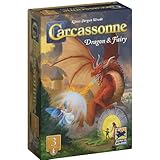
Overview: The Dragon & Fairy expansion injects whimsical chaos into Carcassonne’s pastoral landscape. This magical module introduces three disruptive elements that force players to rethink their territorial strategies. The expansion includes 26 new land tiles plus special Source and Lake tiles that serve as portals for the mythical creatures.
What Makes It Stand Out: The roaming dragon mechanic is genuinely innovative—rather than simply adding scoring opportunities, it actively threatens your placed meeples, creating palpable tension. The fairy offers a clever risk-reward balance, providing both protection and bonus points. The portal system via Source and Lake tiles adds spatial complexity, making tile placement decisions more consequential as you consider both immediate scoring and creature movement.
Value for Money: Priced similarly to other Carcassonne expansions, Dragon & Fairy offers unique content that fundamentally alters gameplay dynamics. While some expansions add incremental depth, this one provides dramatic, memorable moments that justify its cost. The 30+ tiles and creature tokens deliver adequate component value, though the real worth lies in the gameplay transformation.
Strengths and Weaknesses: Strengths include high player engagement, thematic integration, and the ability to upset leader advantages. The dragon creates exciting table moments, and the fairy encourages strategic positioning. Weaknesses involve increased randomness that may frustrate purists, potential for kingmaking scenarios, and longer turns due to creature movement considerations. Some groups may find the chaos undermines the base game’s elegant simplicity.
Bottom Line: Perfect for Carcassonne fans seeking unpredictable, narrative-rich gameplay. Avoid if you prefer pure strategic optimization, but embrace if you enjoy controlled chaos and memorable gaming stories.
8. Hans Im Gluck Carcassonne Inns & Cathedrals Board Game Expansion - Add Strategic Depth with New Land Tiles, Large Meeples & Pink Follower Set, Kids & Adults, Ages 8+, 2-6 Players, 45 Minute Playtime
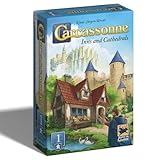
Overview: Considered by many the essential first expansion, Inns & Cathedrals enriches Carcassonne’s strategic foundation without diluting its elegant simplicity. This module adds risk-reward mechanics through enhanced roads and cities, while introducing the game-changing large meeple that revolutionizes area control.
What Makes It Stand Out: The large meeple’s double-strength power creates tense standoffs and daring bluffs, adding psychological warfare to tile placement. Inns double road value but penalize incomplete ones, while Cathedrals boost cities at the risk of zero points if unfinished—perfect risk-reward levers. The inclusion of pink meeples and an abbot for a sixth player makes this expansion uniquely valuable for larger groups.
Value for Money: As Carcassonne’s most recommended expansion, it offers unmatched return on investment. The 24 tiles, 8 pink meeples, large meeples, and abbot provide substantial content at a standard expansion price point. For groups wanting deeper strategy without complexity bloat, this is the definitive choice.
Strengths and Weaknesses: Strengths include perfect integration with base game rules, enhanced strategic depth, and the ability to accommodate more players. The risk-reward elements create meaningful decisions, and the large meeple adds tactical variety. Weaknesses are minimal: slightly increased playtime and the potential for analysis paralysis with the new options. The expansion also makes leader tracking more complex.
Bottom Line: If you own Carcassonne, you need Inns & Cathedrals. It’s the gold standard of expansions—respecting the original while adding meaningful depth. An absolute must-have that belongs in every Carcassonne collection.
9. Asmodee Carcassonne Board Game - Classic Tile-Laying Strategy Game, Family Fun Medieval Adventure for Kids & Adults, Ages 7+, 2-5 Players, 35 Minute Playtime
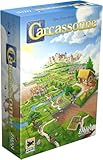
Overview: Carcassonne remains the quintessential gateway game that introduced countless players to modern board gaming. This tile-laying masterpiece tasks you with building a medieval landscape by placing tiles and deploying meeples to control cities, roads, monasteries, and fields. The redesigned rulebook makes learning effortless for ages 7 and up.
What Makes It Stand Out: Its genius lies in elegant simplicity—three basic actions (place tile, place meeple, score) create infinite strategic possibilities. The tactile pleasure of drawing tiles and the visual satisfaction of watching the map grow remain unmatched. This edition includes The Abbot mini-expansion and a new River variant, adding variety without complexity. The beautifully illustrated tiles create an ever-changing puzzle that rewards both tactical thinking and adaptability.
Value for Money: As one of gaming’s best values, Carcassonne delivers hundreds of plays across decades. Comparable gateway games cost more while offering less replayability. The component quality, timeless design, and expandability make it a cornerstone purchase. For families and new gamers, no better entry point exists at this price.
Strengths and Weaknesses: Strengths include immediate accessibility, perfect scaling from 2-5 players, and endless expansion potential. The luck-of-tile-draw keeps games fresh, while the scoring system rewards long-term planning. Weaknesses involve potential for cutthroat play that may sour casual gamers, and the base game can feel repetitive after extensive play without expansions. Some find the farmer scoring initially confusing.
Bottom Line: An essential addition to any collection. Whether you’re new to hobby gaming or seeking a reliable family classic, Carcassonne’s blend of simplicity and depth makes it perpetually relevant. Start here before exploring expansions.
10. CATAN Seafarers Board Game Expansion (6th Edition) Strategy Game for Kids and Adults, Ages 12+, 3-4 Players, 60 Minute Playtime, Made by Catan Studio

Overview: Seafarers transforms the iconic island of CATAN into an archipelago waiting to be discovered. This expansion maintains the beloved resource management and trading core while introducing ship routes, exploration, and modular scenarios that dramatically expand strategic horizons. Players now navigate treacherous waters to colonize distant islands.
What Makes It Stand Out: The ship mechanism brilliantly extends CATAN’s road-building concept across water, creating new competition for maritime routes. Exploration tiles reveal hidden islands, adding discovery excitement. The inclusion of pirates, fog, and scenario variants like “The Four Islands” provides remarkable replayability. The modular board setup ensures no two games share the same geography.
Value for Money: As CATAN’s first and most essential expansion, Seafarers offers tremendous value. The numerous scenarios, plastic ships, and exploration mechanics effectively triple the base game’s content. While requiring the base game, its $40-50 price point feels justified given the hundreds of hours of extended gameplay. Cheaper than buying a new game while refreshing your existing investment.
Strengths and Weaknesses: Strengths include seamless integration with base rules, enhanced strategic variety, and the thrill of exploration. The ship routes create new interaction points, while scenarios provide escalating challenges. Weaknesses are longer setup and playtime (approaching 90 minutes), increased component management, and the necessity of owning 6th Edition specifically. Some scenarios can favor early explorers.
Bottom Line: For CATAN enthusiasts ready to evolve beyond the base island, Seafarers is indispensable. It preserves what works while adding meaningful maritime strategy. Newcomers should master the base game first, but veterans will find this expansion transforms CATAN into a richer, more dynamic experience.
Understanding Tile-Based Game Expansions
What Defines a Tile-Based Expansion?
Tile-based expansions introduce physical map pieces that players place, manipulate, or interact with during gameplay. Unlike card-only expansions that work within existing frameworks, these modules literally reshape the playing field. You’ll find they range from simple additional terrain types to complex systems where the board itself becomes a living, breathing character in your game narrative. The best examples integrate seamlessly with base mechanics while adding layers of strategic depth that feel both natural and essential.
Why Dynamic Board States Matter
Static boards, while often beautifully designed, eventually reveal their secrets. Experienced players memorize optimal routes, ideal settlement locations, and predictable resource patterns. Dynamic board states shatter this familiarity by ensuring each setup creates unique challenges and opportunities. This variability extends a game’s lifespan exponentially, forcing you to adapt strategies rather than replay memorized openings. The board becomes a puzzle you must solve anew every time you play, keeping even veteran players engaged and on their toes.
Core Mechanics That Transform Gameplay
The most impactful tile expansions introduce mechanics that ripple through every decision you make. Look for systems that allow tile stacking, where new pieces cover or modify existing ones, creating temporal depth. Tile rotation mechanisms can change connectivity and access mid-game. Some expansions feature dual-sided tiles with different functions, forcing tough choices about which face to reveal. These mechanical innovations ensure the board state remains fluid, not just varied in layout but in its fundamental properties throughout the session.
Key Features to Look for in Expansions
Modular Tile Systems
Prioritize expansions offering true modularity—where individual tiles serve multiple functions across different game modes. You’ll want pieces that can be arranged randomly, drafted, or constructed through player choices rather than following a fixed scenario book. The gold standard here is when tiles from multiple expansions can combine organically, creating hybrid setups that the designers might never have anticipated. This cross-compatibility multiplies your investment’s value exponentially.
Variable Setup Configurations
The setup phase should feel like part of the game, not a chore. Exceptional expansions provide multiple setup variants: random draws for quick play, draft-based selection for competitive groups, and scenario-specific arrangements for narrative-driven sessions. Some include “fog of war” setups where tiles remain face-down until explored, creating genuine discovery moments. The key is that variability shouldn’t sacrifice playability—every configuration should produce a viable, interesting board.
Interactive Tile Placement Rules
Watch for expansions where placing tiles triggers cascading effects. Perhaps your tile placement activates adjacent tiles, modifies neighboring terrain, or creates chain reactions across the map. This interactivity transforms tile-laying from a simple board-building exercise into a strategic weapon. You’re not just expanding the map; you’re shaping the battlefield, creating opportunities for yourself while potentially disrupting opponents’ plans. The best systems reward foresight and punish careless placement.
Layered Scoring Mechanisms
Dynamic boards demand dynamic scoring. Quality expansions introduce scoring opportunities that emerge from tile interactions rather than simple placement bonuses. You might score for creating specific patterns, connecting distant regions through clever tile chains, or controlling areas that shift in value as the board evolves. These layered systems ensure the “best” move isn’t always obvious, creating delicious tension between immediate gains and long-term board state manipulation.
How Expansions Create Dynamic Board States
Terrain Transformation Effects
The most memorable expansions let you fundamentally alter the map’s nature during play. Imagine placing a tile that floods a region, changes its resource type, or makes it impassable. These transformations force everyone to abandon carefully laid plans and improvise. Look for expansions where terrain changes aren’t just possible but inevitable—where the game’s arc includes a board that evolves from fertile plains to volcanic wasteland, or from connected continents to isolated islands.
Player-Driven Map Evolution
Superior expansions put board control directly in players’ hands through voting, bidding, or direct manipulation mechanics. You might spend resources to remove tiles, rotate them, or swap their positions. This player agency creates meta-strategies where controlling the board’s evolution becomes as important as controlling territory. The dynamic state emerges from player conflict and cooperation, making each game’s story uniquely yours rather than following a scripted transformation timeline.
Randomization vs. Strategy Balance
The sweet spot lies in expansions that randomize setup but allow strategic mastery of the emergent board. Complete randomness feels chaotic and unsatisfying; complete predictability feels stale. The best systems use controlled randomization—perhaps you draw from a prepared pool of tiles, or randomize within defined zones that ensure basic game functions remain intact. This balance lets you practice adaptability rather than memorization, rewarding flexible thinking over rote learning.
Scalability for Different Player Counts
A truly dynamic board must work equally well whether you’re playing head-to-head or with a full table. Quality expansions include scaling rules that adjust tile counts, map size, or interaction frequency based on player number. Some achieve this through double-sided tiles with different configurations for different counts, or modular frames that constrain the playable area. This scalability ensures the board always feels tight and interactive, never too sparse or overcrowded.
Evaluating Compatibility and Integration
Base Game Synergy Considerations
Before purchasing, analyze how the expansion’s tiles interact with your base game’s core loop. Do they enhance existing mechanisms or create distracting side systems? The best expansions feel like missing pieces you didn’t know were absent, seamlessly slotting into the game’s rhythm. Watch for preview videos showing how setup time changes, whether new rules require constant reference, and if the expansion’s components physically fit with your base game’s storage solution.
Rule Complexity Additions
Every expansion adds rules, but the增量 matters. A twenty-page rulebook for a fifty-page base game might signal excessive complexity. Conversely, a two-page leaflet might indicate superficial additions. Aim for expansions that add depth without adding friction—where new rules are intuitive enough to remember after a play or two, but rich enough to create new strategic vistas. The complexity should feel emergent from tile interactions, not buried in exception cases and footnotes.
Component Quality and Storage
Tile-based expansions add substantial physical components. Evaluate whether the tiles match your base game’s thickness, finish, and art style. Mismatched components break immersion and can reveal hidden information. Storage is equally crucial—does the expansion include an insert, or will you need to devise your own organization system? Some expansions cleverly design tiles to store within the original box; others require separate storage solutions. Factor this into your decision and budget.
Learning Curve Implications
Consider how the expansion affects teaching the game. Some tile expansions are “expert mode” additions that complicate teaching newcomers. Others include beginner-friendly tiles that simplify the base game while adding variety. The best expansions offer modular complexity—you can introduce basic tiles first, then layer in advanced mechanics as players become comfortable. This approachability ensures your expansion remains playable across different gaming groups and experience levels.
Advanced Dynamic Elements
Hidden Tile Mechanisms
Some expansions introduce face-down tiles that players reveal through exploration, creating genuine map discovery. This mechanic excels in creating dynamic states because no player possesses complete information. You’ll make decisions based on probabilities and partial knowledge, and the revealed tiles can dramatically shift the strategic landscape. Look for systems where hidden information remains relevant throughout the game, not just during an initial exploration phase.
Tile Drafting Strategies
Drafting tiles before placement adds a crucial decision layer—you’re not just choosing where to play, but what board you’ll have to work with. This creates dynamic states through player-driven tile selection rather than random draws. You must balance taking tiles that benefit your strategy against denying key pieces to opponents. The draft itself becomes a mini-game that shapes the entire session’s arc, ensuring no two games feel alike even with identical tile sets.
Time-Sensitive Board Changes
The most dynamic expansions introduce temporal elements—tiles that change function based on round number, season tracks, or game phase. A tile might be valuable early but become dangerous later, or vice versa. Some expansions include “decay” mechanics where tiles are removed or flipped as the game progresses, ensuring the board state constantly evolves. This time pressure creates urgency and prevents players from executing static, predetermined strategies.
Asymmetric Player Powers Through Tiles
Innovative expansions assign players unique tile sets or placement abilities, creating inherent asymmetry that drives dynamic interaction. You might have the power to place water tiles while your opponent manipulates mountains, making each player’s impact on the board distinct. This asymmetry ensures the board evolves differently depending on who’s playing which power, multiplying variability while giving each player a unique strategic identity and puzzle to solve.
Building Your Expansion Collection
Starting with Foundation Expansions
When beginning your collection, prioritize expansions that serve as “toolkits” rather than narrow scenarios. Foundation expansions provide versatile tile sets and modular rules that work across multiple play styles. You’ll want pieces that feel essential—adding player counts, fixing base game issues, or introducing core mechanics that future expansions can build upon. Think of these as your base game’s missing half, not just optional bonus content.
Adding Thematic Depth
Once you have foundation pieces, consider expansions that inject narrative richness through themed tile sets. These might introduce specific biomes, civilizations, or events that tell stories through board configuration. Thematic expansions excel at creating memorable moments—a volcano tile erupting at a critical moment, or a trade route tile connecting distant players unexpectedly. While less versatile than foundation expansions, they provide the flavor that transforms good sessions into legendary gaming stories.
Incorporating Competitive Elements
For groups that thrive on player interaction, seek expansions with aggressive tile mechanics—pieces that let you disrupt opponents’ boards, steal territory, or block key routes. These additions create dynamic states through direct conflict, ensuring the board reflects the shifting balance of power. Competitive tiles often include “take-that” elements that can dramatically alter the map, forcing reactive play and preventing anyone from executing a static, isolated strategy.
Mixing and Matching Expansion Types
The real magic happens when you learn to combine different expansion types. A foundation expansion’s modular tiles pair beautifully with a thematic set’s specialized pieces, while competitive elements keep the emerging board state tense and interactive. Experiment with “expansion recipes”—specific combinations that create particular gaming experiences. Some groups maintain a “rotation” where different expansion sets are used each session, ensuring the game never stagnates.
Common Pitfalls to Avoid
Overcomplicating the Experience
It’s tempting to use every expansion you own simultaneously, but this often leads to analysis paralysis and diluted strategic focus. The dynamic board state becomes chaotic noise rather than elegant complexity. Start with one expansion at a time, mastering its additions before layering in another. Many experienced players create “expansion caps”—self-imposed limits on how many modules to use based on player experience and available playtime.
Component Overload Issues
Accumulating expansions can lead to component bloat, where setup takes longer than gameplay and storage becomes a logistical nightmare. Before purchasing, honestly assess how often you’ll use the expansion. Does it solve a problem you actually have? Does it add variety you’ll appreciate after ten plays, or just novelties that fade quickly? Quality expansions justify their physical footprint by becoming essential parts of your regular rotation, not shelf decorations.
Imbalance and Power Creep
Some expansions inadvertently break base game balance by introducing tiles that are strictly better than original options. This power creep forces players to buy expansions to remain competitive, creating a pay-to-win dynamic. Research whether expansions maintain the base game’s carefully tuned ecosystem or if they create must-have optimal strategies. The best expansions expand the strategic palette without invalidating original tactics.
Storage and Organization Challenges
Tiles require significant storage space, and mismatched expansion boxes create clutter. Many enthusiasts eventually purchase custom inserts or storage solutions, adding hidden costs to their expansion hobby. Before buying, check if the expansion includes thoughtful storage or if the community has created effective DIY solutions. Some gamers prefer expansions that consolidate into the base game box, maintaining a single, organized package rather than a sprawling collection.
Frequently Asked Questions
What makes a tile-based expansion “dynamic” rather than just adding more content?
A dynamic expansion fundamentally changes how the board evolves during play, not just its starting layout. It introduces mechanisms where tiles interact, transform, or trigger chain reactions, making the board state fluid and unpredictable throughout the session rather than static after initial setup.
How many expansions should I add before the game becomes too complex?
Most base games handle one to two major expansions gracefully. Add expansions incrementally, playing each at least three times before introducing another. If setup takes over 15 minutes or players need constant rulebook consultation, you’ve likely crossed the complexity threshold.
Can tile expansions work with player counts outside the base game’s range?
Many expansions specifically add support for additional players, but verify this before purchasing. Adding players often requires more tiles to maintain board density and resource availability. Conversely, some expansions include variants that improve the two-player experience by adjusting tile counts or map size.
Do tile expansions typically increase game length?
Most add 15-30 minutes due to increased decision complexity and setup time. Expansions with transformation mechanics or mid-game tile changes can extend play further. Look for those that include “streamlined” variants if your group prefers shorter sessions.
How do I store multiple expansions efficiently?
Many gamers remove expansion boxes and consolidate tiles into the base game box using baggies or custom inserts. Some create “master sets” with selected tiles from each expansion, storing unused pieces separately. Label everything clearly to avoid setup confusion.
Will expansions make my game harder to teach new players?
They can, but many expansions include “beginner tiles” that simplify the base game. Start newcomers with the base game alone, then introduce expansion elements in subsequent plays. Some groups keep a “teaching set” of basic tiles separate from their advanced collection.
How can I tell if an expansion is compatible with future releases?
Check if the publisher uses a modular design philosophy across their product line. Expansions designed as “systems” rather than scenarios often maintain compatibility. Community forums and reviews typically highlight compatibility issues within weeks of release.
Are digital implementations good indicators of expansion quality?
Digital versions can reveal balance issues and strategic depth quickly since they facilitate hundreds of automated plays. However, they sometimes simplify tile interactions for computational efficiency. Use digital implementations to test concepts, but physical play reveals the true tactile and social dynamics.
What’s the average price point for quality tile expansions?
Most range from $25-50, with larger box expansions reaching $60-80. Price doesn’t always correlate with quality—some $30 expansions provide more replay value than $60 ones. Consider cost-per-play; an expansion you use weekly justifies a higher price than one used annually.
Can I create my own custom tiles for dynamic effects?
Many gaming communities embrace custom content, but balance is challenging. Start by modifying existing tiles rather than creating new mechanics from scratch. Playtest extensively, and consider that custom tiles may affect resale value. Some publishers actively support fan-created content through official templates and guidelines.
See Also
- 10 Best Tile-Based Game Expansions for Dynamic Board Layouts in 2026
- 10 Essential Tile-Based Game Expansions Every Board Gamer Needs in 2026
- 10 Best Tile-Based Game Expansions for Dynamic Gameplay in 2026
- 10 Affordable Tile-Based Game Expansions That Don’t Sacrifice Quality in 2026
- 10 Most Durable Tile-Based Game Expansions Based on Real User Reviews in 2026