Table of Contents
There’s something deeply satisfying about placing a perfectly shaped tile into just the right spot on a board. That tactile click, the visual harmony of patterns coming together, and the strategic triumph of outmaneuvering opponents through spatial reasoning create an experience unlike any other in tabletop gaming. Tile placement games have evolved from simple puzzles into sophisticated strategic battlegrounds where every decision ripples across the entire play area, rewarding both careful planning and adaptive thinking.
As the genre continues to mature in 2026, enthusiasts face an embarrassment of riches—and a potential overwhelm of choices. Rather than presenting another static list that becomes outdated the moment new releases hit shelves, this guide equips you with the critical framework to evaluate any tile placement game you encounter. Whether you’re building your first collection or refining a curated shelf of spatial strategy masterpieces, understanding these key elements will transform how you discover and appreciate the games that truly resonate with your play style.
Top 10 Strategy Board Games
Detailed Product Reviews
1. CATAN Board Game (6th Edition) Trade, Build & Settle in The Classic Strategy Game for Family, Kids & Adults, Ages 10+, 3-4 Players, 60-90 Min Playtime

Overview: CATAN revolutionized modern board gaming by blending resource management, trading, and strategic placement into an accessible package. Players compete to settle the modular island by gathering brick, wood, wheat, ore, and sheep to build roads, settlements, and cities. The first to reach 10 victory points wins, navigating both dice-driven resource generation and player interaction in a dynamic, ever-changing landscape.
What Makes It Stand Out: The hexagonal tile board ensures limitless replayability, as each game creates a unique island geography. The trading mechanic transforms competition into tense negotiation, while the robber piece adds a deliciously spiteful interaction layer. This sixth edition maintains the classic formula that has sold over 35 million copies, refining components while preserving the addictive gameplay loop that converts casual players into hobbyists.
Value for Money: Priced around $50, CATAN sits at the sweet spot for gateway strategy games. The endless strategic permutations and social dynamics provide hundreds of hours of entertainment, making it far more economical than comparable digital entertainment. While expansions (sold separately) are needed for 5-6 players, the base game offers complete satisfaction for its target player count.
Strengths and Weaknesses: Strengths: Exceptional replayability; perfect blend of luck and strategy; promotes social interaction; accessible rules with surprising depth; proven longevity in the marketplace.
Weaknesses: Player elimination isn’t possible, but kingmaking can occur; dice randomness frustrates pure strategists; requires aggressive trading to optimize gameplay; can run longer than advertised with analysis paralysis.
Bottom Line: CATAN remains essential for any family or gaming collection. Its perfect balance of accessibility and strategy creates memorable game nights that reward both clever planning and persuasive negotiation. A timeless classic that earns its reputation.
2. Gamewright - Forbidden Island - Cooperative Strategy Survival Board Game, 2-4 Players
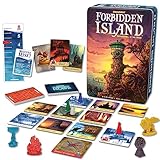
Overview: Forbidden Island challenges players to work together retrieving four sacred treasures before the island sinks beneath their feet. Designed by Matt Leacock (Pandemic creator), this cooperative survival game has players strategically moving across a modular board, shoring up flooded tiles, and collecting matching cards to claim artifacts. When the water level rises too high or both treasure tiles sink, everyone loses together.
What Makes It Stand Out: Pure cooperation eliminates cutthroat competition, making it ideal for families tired of conflict-driven games. The innovative “Flood Deck” creates escalating tension as tiles disappear permanently, forcing constant strategic recalculation. Each player receives a unique role (Pilot, Engineer, Explorer, etc.) with special abilities, ensuring varied gameplay experiences and preventing quarterbacking through distributed responsibility.
Value for Money: At approximately $18-20, Forbidden Island delivers exceptional value. The thick cardboard tiles, detailed treasure figurines, and compact metal tin suggest a premium product at a budget price point. Considering the replayability through role combinations and difficulty scaling, it outperforms many games twice its price.
Strengths and Weaknesses: Strengths: Fosters genuine teamwork; accessible difficulty curve; beautiful artwork; prevents alpha-player dominance; quick setup and playtime (30 minutes); portable tin packaging.
Weaknesses: Less strategic depth than Leacock’s Pandemic; can feel repetitive after 15-20 plays; luck of treasure card draws creates occasional frustration; experienced gamers may find it too forgiving.
Bottom Line: Forbidden Island shines as the perfect introduction to cooperative gaming. Its elegant design teaches teamwork while delivering palpable tension, making it a must-have for families seeking shared victories rather than competitive rivalries.
3. SEQUENCE- Original SEQUENCE Game with Folding Board, Cards and Chips by Jax ( Packaging may Vary ) White, 10.3" x 8.1" x 2.31"
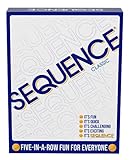
Overview: SEQUENCE combines cards and board game mechanics into a deceptively simple contest of pattern recognition and blocking. Players draw from a standard deck and place chips on the board’s corresponding spaces, aiming to create five-in-a-row sequences. Supporting 2-12 players through individual or team play, it scales remarkably well across age groups and player counts, making it a versatile family staple.
What Makes It Stand Out: The hybrid card-board mechanic creates unique strategic layers—knowing when to play offensively versus defensively while managing the luck of the draw. The folding board and durable chips provide a tactile satisfaction, while team play (4-6-8-10-12 players) transforms it into a party game. The “dead card” rule, where jacks remove opponents’ chips, adds a crucial interaction element that prevents stalemates.
Value for Money: Priced around $25, SEQUENCE offers tremendous longevity. The heavy folding board and substantial plastic chips withstand decades of play, while the dual-deck system ensures mathematical variety. Considering it replaces both card games and board games in many collections, the cost-per-play ratio is outstanding.
Strengths and Weaknesses: Strengths: Scales perfectly from 2-12 players; bridges generational gaps; develops pattern recognition and planning; durable components; team variant excellent for large groups; quick to teach.
Weaknesses: Can drag with maximum players; pure luck of card draws occasionally dominates; board artwork is functional but dated; requires table space for full setup.
Bottom Line: SEQUENCE deserves its place in every household. Its perfect balance of accessibility, strategy, and scalability makes it the ultimate utility player for family gatherings, from quiet two-player evenings to boisterous multi-generational reunions.
4. Quoridor - Over 1 Million Sold! Mensa Select Winner | Wooden Abstract Strategy Game for Adults and Families | Ages 8+ | 2 to 4 Players | 1 Minute to Learn, 15 Minutes to Play

Overview: Quoridor is a pure abstract strategy game where players race pawns across a 9x9 grid to reach the opposite side. Each turn, you either move your pawn one space or place a wooden fence to obstruct opponents. With only these two actions, the game generates remarkable strategic depth as you balance your own advancement against blocking others. The Mensa Select award validates its intellectual pedigree.
What Makes It Stand Out: The elegant simplicity of “move or block” belies profound strategic complexity. Each fence placement permanently alters the board’s topology, creating a living maze. The solid wooden pieces (stained, not painted) provide satisfying tactile feedback and coffee-table aesthetic appeal. Gameplay evolves dramatically between 2, 3, and 4 players, offering distinct strategic challenges without rule changes.
Value for Money: At $30-35, the premium wooden components justify the price. The solid construction ensures decades of durability, while the abstract nature means theme won’t become dated. For strategy purists, it offers chess-like depth in 15-minute sessions, delivering exceptional mental ROI compared to longer, more expensive games.
Strengths and Weaknesses: Strengths: Instant teachability; scales brilliantly 2-4 players; no luck elements; gorgeous wooden components; quick playtime encourages repeated matches; develops spatial reasoning and forward planning.
Weaknesses: Abstract theme lacks narrative appeal; analysis paralysis can extend playtime; board size limits ultimate complexity; intimidating for non-strategy gamers; minimal player interaction beyond blocking.
Bottom Line: Quoridor is the thinking person’s quick game. Its perfect information gameplay and elegant design make it ideal for competitive families and strategy enthusiasts who want meaningful decisions without lengthy time commitments. A modern classic that rewards repeated play.
5. Hasbro Gaming Connect 4 Classic Grid,4 in a Row Game,Strategy Board Games for Kids,2 Player .for Family and Kids,Ages 6 and Up
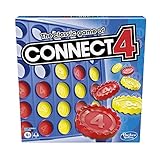
Overview: Connect 4 endures as the quintessential vertical strategy game for two players. Players drop colored discs into a 7x6 grid, attempting to connect four vertically, horizontally, or diagonally while blocking opponents. This modern refresh maintains the original’s perfection while adding subtle design updates. The satisfying “click” of discs and immediate visual feedback make it accessible to children while retaining enough depth for quick adult matches.
What Makes It Stand Out: The game’s genius lies in its perfect information and forced move complexity—every drop matters, and mistakes cascade immediately. The new edition includes three variants: classic play, “Frenzy” simultaneous drops, and a pop-out feature allowing bottom disc removal for advanced tactical play. This evolution transforms a solved game into one with renewed strategic interest, extending its lifespan beyond childhood.
Value for Money: At $10-15, Connect 4 represents unbeatable value. The industrial-strength plastic grid withstands decades of abuse, and the game requires zero setup time. For families with young children, the cost-per-hour of engagement approaches pennies, making it one of the most economical entertainment purchases available.
Strengths and Weaknesses: Strengths: Instant setup and learning; perfect for ages 6-10; develops pattern recognition and basic strategy; virtually indestructible; nostalgic appeal; new variants add replayability.
Weaknesses: Mathematically solvable (perfect play leads to draw); limited strategic depth for adults; two-player only; can feel repetitive after extended sessions; pop-out variant feels gimmicky to purists.
Bottom Line: Connect 4 remains non-negotiable for families with children under 10. Its timeless design, durability, and accessibility create countless teaching moments about forward thinking. While serious gamers will outgrow it, every household needs this foundational strategy experience.
6. Renegade Game Studios Axis & Allies: 1941 - A WWII Strategy Board Game, Renegade Game Studios, Epic War Game Set in 1941, Struggle for Supremacy, Ages 12+, 2-5 Players, 1-3 Hour Playing Time

Overview:
Axis & Allies: 1941 serves as the perfect entry point into the legendary WWII strategy franchise. Renegade Game Studios has streamlined the classic gameplay into a more accessible 1-3 hour experience for 2-5 players. Command the Allied nations or Axis powers in this pivotal year of the war, using 160 detailed plastic miniatures to battle across a global theater. The updated rulebook incorporates years of FAQs and errata, while improved packaging ensures components store neatly.
What Makes It Stand Out:
This edition distills decades of wargaming heritage into a digestible format without losing the epic scope. The 160 miniatures provide tangible, visual flair rarely seen at this price point and complexity level. Unlike heavier Axis & Allies versions that can consume entire days, the 1941 variant respects your time while maintaining strategic depth. The included resealable storage bags demonstrate thoughtful component management.
Value for Money:
Positioned as a budget-friendly gateway, this offers tremendous value compared to pricier Axis & Allies editions costing twice as much. You’re getting authentic franchise gameplay, quality miniatures, and refined rules at an entry-level price that undercuts most war games with this production value.
Strengths and Weaknesses:
Strengths include accessible rules, impressive component quality, storied franchise pedigree, and reasonable playtime. Weaknesses involve simplified mechanics that may disappoint veteran wargamers, significant luck factors with dice combat, and potential for analysis paralysis despite streamlined design.
Bottom Line:
Ideal for newcomers to strategic war games or families seeking a historical gaming experience. Veterans should consider heavier Axis & Allies versions, but this serves as an excellent ambassador to the series.
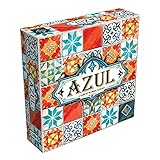
7. Azul Asmodee Azul Board Game - Award-Winning Tile-Placement Strategy Game, Beautiful Mosaic Art, Family Fun for Kids & Adults, Ages 8+, 2-4 Players, 30-45 Minute Playtime
Overview:
Azul transforms players into artisans creating stunning mosaic patterns for the Portuguese royal palace. This award-winning tile-placement game combines visual beauty with cutthroat strategy for 2-4 players in 30-45 minutes. Players draft colorful tiles from shared factories, carefully placing them on personal boards to score points while avoiding wasted materials. The game balances simple rules with surprisingly deep tactical decisions that evolve with each play.
What Makes It Stand Out:
The tactile satisfaction of handling hefty, beautifully crafted tiles sets Azul apart. Its genius lies in the drafting mechanism—every choice affects opponents directly, creating delicious tension. The game scales brilliantly across player counts and offers multiple paths to victory through set collection, pattern completion, and careful resource management. Inspiration from traditional azulejos tiles gives it cultural authenticity that enhances the thematic experience.
Value for Money:
Exceptional value. The component quality rivals games at double the price, with substantial tiles and vibrant artwork. High replayability comes from variable setup and player-driven dynamics. Compared to abstract strategy games, Azul delivers premium production and enduring appeal that justifies every penny through frequent table time.
Strengths and Weaknesses:
Strengths include gorgeous components, intuitive rules, perfect playtime, and strategic depth. Weaknesses involve potential for “hate drafting” that may frustrate sensitive players, occasional tile manufacturing inconsistencies, and limited player interaction beyond the draft itself.
Bottom Line:
An essential modern classic that belongs in every collection. Perfect for families, gamers, and anyone who appreciates beautiful design merged with engaging strategy.
8. Risk Board Game, Strategy Games for 2-5 Players, Strategy Board Games for Teens, Adults, and Family, War Games, Ages 10 and Up

Overview:
The timeless game of global domination returns with modern enhancements. This classic Risk edition tasks 2-5 players, ages 10+, with conquering territories through strategic troop deployment and dice-driven combat. The familiar gameplay remains intact—expand your empire, eliminate opponents, and control the world. New additions include an optional Alexa skill for voice-guided play and a dragon token that introduces a wildcard threat to disrupt strategies.
What Makes It Stand Out:
The Alexa integration offers a novel twist, providing audio commentary and sound effects that enhance immersion without replacing the core experience. The dragon token adds a fun, unpredictable element that can break stalemates and force tactical pivots. These updates breathe minor fresh life into the 60-year-old formula while preserving its accessible, family-friendly appeal that has endured for generations.
Value for Money:
Moderate value. While priced competitively for a branded classic, modern strategy games offer more refined mechanics at similar costs. You’re paying partly for nostalgia and brand recognition. The components are functional but basic compared to contemporary standards, though the included accessories are complete.
Strengths and Weaknesses:
Strengths include immediate familiarity, broad age appeal, and the novel Alexa/dragon variants. Weaknesses feature lengthy playtime with player elimination, heavy luck dependence that can override strategy, and dated design that feels simplistic beside modern alternatives with more elegant systems.
Bottom Line:
Best for families seeking nostalgic fun or Risk loyalists. Strategy gamers should explore newer titles like Small World or Blood Rage for more sophisticated territory control.
9. AEG & Flatout Games | Cascadia - Award-Winning Board Game Set in the Pacific Northwest | Easy to Learn | Quick to Play | Ages 10+

Overview:
Cascadia transports players to the Pacific Northwest, where they craft habitats and attract wildlife across a personal landscape. This Spiel des Jahres 2022 winner combines tile drafting with pattern building for 1-4 players in just 15-30 minutes. Players select habitat tiles paired with wildlife tokens, strategically placing them to create corridors that satisfy animal-specific scoring conditions. The result is a relaxing yet engaging puzzle that balances multiple objectives with elegant simplicity.
What Makes It Stand Out:
Its elegance is unmatched—teachable in two minutes yet offering genuine strategic depth. The solo mode provides a satisfying solo experience rarely seen in light games. Family mode simplifies scoring for newcomers while preserving the core puzzle. The nature theme is universally appealing and executed with stunning artwork that captures the region’s beauty, making it approachable for all demographics.
Value for Money:
Outstanding value. Multiple award wins, high replayability through variable scoring cards, and quality components justify the price. The quick playtime and solo capability mean it will hit the table frequently, offering excellent cost-per-play ratio that few games can match.
Strengths and Weaknesses:
Strengths include lightning-fast setup and teach time, solo mode, family variant, relaxing gameplay, and genuine strategic depth. Weaknesses involve lightness that may not satisfy heavy gamers, theme that might not resonate with everyone, and some randomness in tile draws that can occasionally frustrate optimal planning.
Bottom Line:
A perfect gateway game and family title that deserves every award. Highly recommended for all skill levels and an essential addition to any collection, especially for those seeking quick, thoughtful gameplay.
10. Unstable Games Twisted Cryptids Board Game - Strategy Card Game for Adults and Kids - Family Board Games for 2-4 Players, Ages 12 and Up - from The Creators of Unstable Unicorns and Here to Slay

Overview:
From the creators of Unstable Unicorns comes Twisted Cryptids, a light strategy card game where players collect cryptid creatures and deploy take-that tactics. Designed for 2-4 players ages 12+, this 60-minute game features tarot-sized cards, cryptid meeples, and hidden trait mechanisms. Players build their collections while using action cards to disrupt opponents, blending set collection with interactive, sometimes chaotic gameplay that adapts to your group’s style and preferred intensity level.
What Makes It Stand Out:
The cryptid theme offers fresh flavor beyond typical fantasy tropes, featuring creatures like Mothman and Nessie. The take-that mechanics create dynamic, interactive sessions where players must adapt to constant threats. Lenticular box art adds visual appeal, and multiple expansions allow customization. The game scales its intensity based on group preferences, from casual family fun to cutthroat competition.
Value for Money:
Fair value. Pricing aligns with other Unstable Games titles, but worth depends entirely on enjoying take-that gameplay. Components are quality, and expansions extend lifespan, yet similar card games offer comparable content for less. The brand premium is evident but justified for fans of their design style.
Strengths and Weaknesses:
Strengths include unique theme, expandable content, quality components, and interactive gameplay. Weaknesses involve take-that mechanics that can frustrate some players, potential for luck swings, and requirement for the right group dynamic to shine. The game falls flat with passive or conflict-averse groups.
Bottom Line:
Great for fans of Unstable Games or groups seeking light, interactive card play. Avoid if you dislike direct conflict or prefer strategic depth over chaotic fun. Choose your playgroup carefully.
Understanding Tile Placement Mechanics
Core Gameplay Loop Fundamentals
At its heart, tile placement revolves around selecting and positioning geometric pieces to achieve specific objectives. The most engaging titles balance immediate tactical satisfaction with long-term strategic consequences. Look for games where early placements create interesting constraints rather than obvious optimal paths. The best designs make you feel clever for working within self-created limitations rather than simply following a predetermined strategy.
Interaction Through Shared Spaces
Consider how your tiles affect opponents’ options. Some games create fierce competition for prime real estate, where claiming a space denies it to others. Others feature indirect interaction through market manipulation or shared scoring conditions. Your preference for head-to-head blocking versus parallel competition should heavily influence which mechanics you prioritize. Think about whether you enjoy directly disrupting plans or prefer racing toward different victory conditions on the same board.
Scoring System Variety
Scoring mechanisms dramatically alter how tile placement feels in practice. Area majority systems reward clustering, while connection-based scoring encourages sprawling networks. Pattern completion offers puzzle-like satisfaction, whereas resource generation creates engine-building layers. The most robust games often combine multiple scoring vectors, forcing you to balance competing priorities with every placement decision.
Key Features to Consider
Complexity and Learning Curve Assessment
A game’s rule density doesn’t always correlate with strategic depth. Some mechanically simple games hide profound complexity in their spatial interactions, while rule-heavy titles can feel surprisingly straightforward after a few turns. Evaluate how the game teaches its systems—does it scaffold complexity across multiple plays, or front-load every mechanic from the start? For regular gaming groups, consider how quickly new players can become competitive without extensive experience.
Player Count Flexibility
Many tile placement games advertise a wide player range but truly shine at specific counts. Two-player experiences often emphasize direct conflict and tight spatial battles, while higher player counts introduce chaotic competition for limited tiles. Investigate whether the game includes scaling mechanisms that meaningfully change the experience—variable board sizes, adjusted tile pools, or modified drafting rules. The most versatile titles feel intentionally designed rather than awkwardly stretched across player counts.
Game Duration and Pacing
Tile placement games can range from 15-minute fillers to multi-hour epics. Pay attention to how the game’s arc develops—does tension build steadily, or does it plateau after the opening moves? Some games maintain engagement through escalating complexity, while others risk analysis paralysis as boards become crowded. Consider your gaming context: weeknight sessions demand different pacing than lazy Sunday afternoon marathons. The best matches respect your time while delivering a complete strategic journey.
Replayability Through Variability
A game’s longevity depends on how effectively it avoids repetitive solutions. Randomized setup, variable player powers, and modular components create fresh strategic landscapes. However, true replayability emerges when variability forces you to adapt core strategies rather than simply rotating through predetermined openings. Look for games where the tile distribution or board configuration fundamentally changes which approaches are viable, rewarding flexible thinking over rote memorization.
Advanced Mechanics in Modern Tile Placement
Modular Board Design
Static boards offer consistency but can become solved puzzles over time. Modular systems—whether tile-based landscapes, hexagonal configurations, or expandable frameworks—ensure each session presents unique spatial challenges. Evaluate how the modularity integrates with the core gameplay. Does the board-building phase feel like meaningful strategy or mere setup? The most elegant designs make board construction itself a strategic act with lasting consequences.
Tile Drafting Systems
How you acquire tiles profoundly impacts the strategic texture. Blind drawing introduces luck management, while marketplace drafting creates shared information and denial opportunities. Some games feature personal pools or conveyor belts that let you plan several moves ahead. Consider whether you prefer the tactical improvisation of random draws or the strategic foresight of visible selection. The drafting mechanism should feel integrated rather than tacked on, directly influencing placement decisions.
Hidden Information Elements
Uncertainty transforms tile placement from a pure optimization puzzle into a psychological game. Hidden objectives, face-down tiles, or secret scoring conditions force you to interpret opponents’ moves while disguising your own intentions. This layer adds tension but can frustrate players seeking perfect information. Balance is key—hidden elements should create interesting deductions, not random guessing that undermines strategic planning.
Engine Building Integration
Many modern titles layer tile placement with engine-building mechanics where placements generate resources, unlock abilities, or trigger cascading effects. This synthesis creates satisfying combo potential but risks overwhelming the spatial core. Assess whether the engine elements enhance or obscure the tile placement satisfaction. The strongest integrations make spatial decisions more meaningful because of their engine consequences, not despite them.
Theme and Aesthetics
Visual Clarity and Table Presence
A game’s visual design impacts both enjoyment and functionality. Stunning artwork can elevate simple mechanics, but overly busy illustrations may obscure important gameplay information. Consider iconography clarity—can you parse board state at a glance? Table presence matters too; some games create impressive landscapes that tell a story, while others prioritize functional abstraction. Your preference for artistic spectacle versus clean design should guide your selection.
Theme-Mechanism Integration
The best tile placement games embed their themes into spatial decisions. City-building titles might emphasize adjacency and district planning, while exploration games use tile reveals to simulate discovery. Weak theming feels like abstract shapes with wallpaper illustrations. Strong integration makes you feel like you’re genuinely constructing something meaningful, where the theme explains why certain placements work or fail. This cohesion transforms mechanical satisfaction into narrative resonance.
Social Dynamics
Competitive vs. Cooperative Modes
While most tile placement games are competitive, some offer cooperative or solo variants where players build together against the game system. These modes fundamentally change the decision space from adversarial blocking to collaborative optimization. If you regularly play with mixed skill levels or prefer avoiding direct conflict, investigate whether a game supports positive-sum experiences. The most thoughtful implementations preserve strategic depth without requiring player elimination or harsh penalties.
Player Interaction Styles
Beyond direct competition, consider how the game facilitates social engagement. Some titles create constant negotiation over shared spaces, while others foster quiet parallel play punctuated by dramatic reveals. Think about your group’s dynamic—do they thrive on table talk and deal-making, or prefer focused strategic contemplation? The right level of interaction keeps everyone engaged without creating downtime or kingmaking scenarios.
Practical Considerations
Component Quality and Durability
Tile placement games live and die by their physical components. Thick, satisfying tiles with precise cuts enhance the experience, while flimsy pieces that slide or warp ruin spatial precision. Investigate material quality—does the publisher use linen-finished cardboard, wooden tiles, or plastic pieces? Consider wear patterns: games with frequent shuffling or hidden-face tiles require durable printing that won’t fade. Component quality directly impacts long-term enjoyment.
Storage Solutions and Table Footprint
Tile games often involve numerous pieces and sprawling boards. Efficient storage that protects tiles and speeds setup is invaluable. Some games include molded inserts or magnetic closures that preserve organization. Table footprint matters too—does the game stay compact or sprawl across your entire surface? For apartment dwellers or those with limited gaming space, scalable size can be as important as mechanical elegance.
Expansions and Legacy Content
A game’s ecosystem can dramatically extend its lifespan. Expansions might add new tiles, mechanics, or player counts, but quality varies wildly. Some feel essential, fixing base game issues, while others bloat elegant systems. Legacy or campaign modes offer narrative progression but commit you to permanent changes. Consider whether you prefer a complete experience out of the box or enjoy evolving a game over time. The best-supported titles offer optional modular additions rather than requiring purchases to fix core issues.
Building Your Collection Strategically
Gateway Games for Newcomers
If you’re introducing friends to tile placement, seek games with intuitive spatial logic and low rules overhead. The ideal gateway teaches core concepts through play rather than lengthy explanations. Look for titles where mistakes are recoverable and early placements don’t doom later turns. These games should demonstrate the genre’s appeal without demanding mastery, creating positive first experiences that build enthusiasm for deeper titles.
Heavyweight Experiences for Veterans
Experienced players often crave games where mastery remains elusive. Complex scoring interactions, emergent strategies, and subtle positional advantages define these titles. They reward repeated plays and deep analysis, often revealing new strategic layers after dozens of sessions. However, ensure the complexity serves the experience rather than existing for its own sake. The best heavyweight games feel inevitable in their design, where every rule serves a clear purpose.
Budget-Conscious Options
Price doesn’t always correlate with quality. Some affordable tile placement games deliver exceptional value through clever design and solid production. Consider what you’re paying for—elaborate miniatures and deluxe components versus mechanical refinement. Many modestly priced titles focus resources on replayability and strategic depth rather than spectacle. These games often make excellent travel options or casual weeknight choices when you want engaging gameplay without a premium investment.
Frequently Asked Questions
What makes tile placement different from other board game mechanics?
Tile placement uniquely combines spatial reasoning with strategic planning, creating tactile satisfaction as you physically build the game board during play. Unlike static boards, the landscape evolves based on player decisions, making each session’s geometry distinct. This mechanic emphasizes both immediate tactical positioning and long-term area control in ways that card drafting or worker placement cannot replicate.
How many tile placement games should I own?
Most enthusiasts find that 3-5 distinct titles cover different niches without redundancy. Aim for variety in complexity, player count, and interaction style—perhaps one quick filler, a mid-weight strategic game, and a heavier epic experience. This range prevents overlap while ensuring you have appropriate options for different gaming contexts and group preferences.
Can tile placement games work well for families with children?
Absolutely, though selecting age-appropriate titles is crucial. Look for games with simple rules, visual pattern recognition, and forgiving scoring. Many family-friendly options emphasize creativity over cutthroat competition, allowing younger players to enjoy spatial puzzles without feeling targeted. The tactile nature also appeals to kids who benefit from hands-on learning.
Do tile placement games require strong math skills?
While most involve basic arithmetic for scoring, the core challenge is spatial rather than computational. Pattern recognition and strategic foresight matter more than advanced mathematics. Some heavier titles feature more complex scoring multipliers, but these are usually clearly explained on player aids. The visual nature of tiles often makes scoring intuitive even for those uncomfortable with mental math.
How do I prevent analysis paralysis in tile placement games?
Choose games with turn timers, simultaneous selection phases, or limited tile options to maintain pacing. Setting group expectations for reasonable turn lengths helps too. Some titles naturally discourage overthinking through hidden information or rapid tile cycling. For teaching new players, start with simpler variants and gradually introduce advanced scoring to build decision-making confidence.
What’s the difference between tile placement and tile-laying?
While often used interchangeably, “tile placement” typically refers to positioning tiles on a personal board or shared space to build patterns or engines. “Tile-laying” more specifically describes games where tiles form the board itself as you play, like creating a map. The distinction matters for understanding whether the focus is on personal optimization or shared spatial competition.
Are digital versions of tile placement games worth trying?
Digital implementations excel at enforcing rules, handling complex scoring, and enabling solo play against AI opponents. They remove setup time and make it easier to play with distant friends. However, they lose the tactile satisfaction of physical tiles and can obscure spatial relationships through screen limitations. Many enthusiasts enjoy both, using digital for practice and physical for social gatherings.
How important is theme in tile placement games?
Theme ranges from purely abstract to deeply integrated. For some players, the spatial puzzle itself is sufficiently engaging. Others find that strong theming helps explain rules and creates emotional investment. The key is whether the theme makes spatial decisions feel meaningful. A well-integrated theme transforms abstract optimization into purposeful creation, enhancing engagement without complicating mechanics.
What should I look for in a tile placement game for two players?
Seek titles with tight, interactive boards where every placement matters. Two-player games should emphasize direct competition or elegant race mechanisms without requiring artificial “dummy players.” The best options create intimate strategic duels where you can anticipate and counter your opponent’s plans. Variable setup or asymmetric powers help maintain freshness across repeated head-to-head matches.
Can tile placement mechanics combine well with other game systems?
Modern design frequently blends tile placement with deck-building, worker placement, or resource management. These hybrids can create rich, multi-layered experiences but risk diluting the core spatial satisfaction. Successful combinations make tile decisions more meaningful because of their interaction with other systems, rather than feeling like disconnected mini-games. Evaluate whether the synthesis creates emergent strategies or merely adds complexity.
See Also
- 10 Best Strategy Board Games for Mastering Tile Placement in 2026
- 10 Must-Have Abstract Board Games for Tile Placement Masters in 2026
- 10 Essential Tile Placement Games Every Board Games Enthusiast Needs in 2026
- 10 Essential Tile Placement Games Every Board Game Enthusiast Needs in 2026
- 10 Essential Tile Placement Games Every Abstract Board Game Lover Needs in 2026