Table of Contents
Finding the perfect strategy board game for a family where ages span from early elementary to high school can feel like navigating a minefield. Picture this: your enthusiastic eight-year-old is ready for pirates and treasure maps, while your twelve-year-old craves meaningful decisions that feel genuinely strategic, not “dumbed down.” Meanwhile, adults want something engaging beyond pure luck, but nobody has three hours to spare for setup and rules explanations. It’s a delicate balancing act where one wrong move—like choosing a game too complex for the youngest or too simplistic for the oldest—can turn game night into groans and disengagement. The frustration is real, and it’s why so many families stick to the same tired classics, missing out on the rich cognitive and bonding benefits that well-chosen strategy games offer.
The key isn’t searching for a mythical “best” game that magically fits every age group. Instead, it’s about understanding the specific dynamics of mixed-age play and identifying features that create a truly inclusive experience. Strategy games, when selected thoughtfully, become powerful tools for developing critical thinking, patience, and communication across generations. They allow younger players to build foundational skills like spatial reasoning and basic resource management, while older kids and adults engage with deeper layers of planning and adaptation. By focusing on universal design principles—scalable rules, intuitive themes, and flexible playtimes—you can transform game night from a chore into a cherished ritual where everyone feels challenged, valued, and genuinely excited to play together. Let’s explore how to make that happen.
Top 10 Strategy Board Games
Detailed Product Reviews
1. CATAN Board Game (6th Edition) Trade, Build & Settle in The Classic Strategy Game for Family, Kids & Adults, Ages 10+, 3-4 Players, 60-90 Min Playtime

Overview: CATAN 6th Edition remains the definitive gateway into modern Euro-style strategy gaming. Players compete to settle a modular island by gathering resources like wood and wheat, building roads and settlements, and strategically trading to reach 10 victory points before opponents. Its elegant core loop has defined family strategy gaming for decades. What Makes It Stand Out: The game’s brilliance lies in its endlessly variable modular board—hexagonal terrain tiles are rearranged each playthrough, ensuring no two games feel identical. The dynamic trading system, where players negotiate resources directly, fosters intense social interaction and tactical depth rarely seen in family-oriented titles. Value for Money: Priced competitively against modern strategy games, CATAN offers exceptional longevity. The high-quality components and near-infinite replayability justify its cost, especially compared to shorter-lived party games. It’s an investment that pays dividends through countless game nights. Strengths and Weaknesses: Strengths: Unmatched replayability, intuitive resource management, and compelling player interaction. Weaknesses: Luck-dependent dice rolls can frustrate, and the “robber” mechanic sometimes feels punitive. Setup time slightly exceeds newer streamlined titles. Bottom Line: An essential cornerstone for any game library. CATAN masterfully balances accessibility for ages 10+ with strategic depth, making it a timeless recommendation for families and strategy enthusiasts seeking engaging, replayable competition.
2. Azul Asmodee Azul Board Game - Award-Winning Tile-Placement Strategy Game, Beautiful Mosaic Art, Family Fun for Kids & Adults, Ages 8+, 2-4 Players, 30-45 Minute Playtime
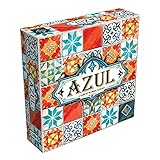
Overview: Azul captivates with its stunning Portuguese azulejo-inspired tiles and deceptively simple tile-drafting mechanics. Players compete to craft the most elegant mosaic on their personal board by strategically selecting colorful tiles from a central factory, aiming for optimal patterns and minimal waste. What Makes It Stand Out: The game’s visual artistry is unparalleled—thick, glossy tiles feel luxurious and transform gameplay into a tactile art experience. Its genius is in the razor-thin balance between accessibility (rules teach in 5 minutes) and strategic depth, where every tile choice carries significant weight. Value for Money: While the component quality commands a premium price, Azul delivers remarkable value through sheer replayability and cross-generational appeal. It outshines cheaper alternatives with its heirloom-quality pieces and consistently engaging 45-minute sessions. Strengths and Weaknesses: Strengths: Breathtaking components, effortless to learn yet deeply strategic, perfect for quick game nights. Weaknesses: Limited player interaction beyond indirect competition for tiles; the scoring system can feel opaque to newcomers initially. Bottom Line: A near-perfect blend of beauty and brains. Azul earns its awards with mesmerizing gameplay that resonates with kids and seasoned gamers alike, making it a must-own for anyone seeking a visually stunning, quick-to-play strategy gem.
3. Gamewright - Forbidden Island - Cooperative Strategy Survival Board Game, 2-4 Players
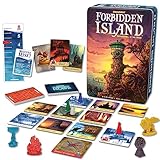
Overview: Forbidden Island flips the script by having players work together to retrieve sacred treasures from a sinking island before it vanishes. Designed by Matt Leacock, this cooperative adventure tasks teams with strategic movement, resource sharing, and urgent decision-making under escalating pressure. Overview: Forbidden Island flips the script by having players work together to retrieve sacred treasures from a sinking island before it vanishes. Designed by Matt Leacock, this cooperative adventure tasks teams with strategic movement, resource sharing, and urgent decision-making under escalating pressure. What Makes It Stand Out: Unlike competitive games, victory or defeat is shared, fostering genuine teamwork and collective problem-solving. The island physically shrinks as tiles are removed, creating palpable tension and a uniquely immersive narrative where players must balance treasure collection with survival. Value for Money: Priced accessibly, it offers exceptional educational value by honing communication and strategic planning skills. It’s a cost-effective tool for family bonding compared to screen-based alternatives, with replayability boosted by adjustable difficulty levels. Strengths and Weaknesses: Strengths: Brilliant cooperative mechanics, strong educational benefits, and high tension. Weaknesses: Can suffer from “alpha gamer” syndrome where one player dominates decisions; artwork, while functional, lacks the polish of premium titles. Bottom Line: A foundational cooperative experience that excels at teaching teamwork under pressure. Forbidden Island remains a top pick for families seeking an engaging, non-competitive game that builds critical thinking skills and shared triumphs.
4. AEG & Flatout Games | Cascadia - Award-Winning Board Game Set in the Pacific Northwest | Easy to Learn | Quick to Play | Ages 10+

Overview: Cascadia challenges players to build serene Pacific Northwest habitats by drafting habitat tiles and wildlife tokens. This award-winning spatial puzzle has you creating connected ecosystems where animal placement and corridor formations score points across multiple flexible scoring criteria. What Makes It Stand Out: Winning 2022’s prestigious Spiel des Jahres award, Cascadia shines with its elegant “pick-and-pass” drafting and satisfying spatial puzzle. The dual-layer scoring—balancing habitat expansion with wildlife placement—creates constant meaningful decisions within remarkably quick 30-minute sessions. Value for Money: Its compact size and low component count keep costs reasonable, yet the strategic depth rivals heavier games. The inclusion of a family mode and solo rules maximizes versatility, offering more replay value per dollar than many longer, more complex strategy games. Strengths and Weaknesses: Strengths: Incredibly fast setup and playtime, beautiful nature-themed art, and deeply engaging spatial strategy. Weaknesses: Limited player interaction may disappoint those seeking direct competition; scoring nuances require a few plays to master fully. Bottom Line: A masterclass in streamlined design. Cascadia delivers award-winning strategic satisfaction in bite-sized sessions, making it an effortless recommendation for families and casual gamers craving thoughtful, beautiful, and refreshingly quick gameplay.
5. SEQUENCE- Original SEQUENCE Game with Folding Board, Cards and Chips by Jax ( Packaging may Vary ) White, 10.3" x 8.1" x 2.31"
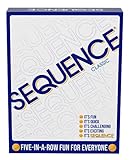
Overview: SEQUENCE combines classic card play with a board-game twist. Players match cards from their hand to the board, placing chips to create five-in-a-row lines (sequences). It’s a straightforward race where the first to complete the required sequences wins, blending luck and light strategy. What Makes It Stand Out: Its genius is universal accessibility—simple enough for young children to grasp yet layered with tactical choices like blocking opponents. The physical act of placing chips creates satisfying tactile engagement, and the folding board ensures portability for game nights anywhere. Value for Money: An exceptionally affordable entry point into strategy gaming. The durable components (135 chips, dual card decks) provide immense play value for the price, outlasting cheaper mass-market games and justifying its cost through sheer replay frequency. Strengths and Weaknesses: Strengths: Effortless to learn, highly portable, and fosters basic strategic thinking. Weaknesses: Heavy reliance on card luck can overshadow tactics; limited depth may bore experienced gamers seeking complex challenges. Bottom Line: A brilliant first strategy game for families. SEQUENCE’s perfect blend of simplicity, portability, and light competition makes it an enduring, budget-friendly staple for introducing kids to strategic gameplay without overwhelming them.
6. Stonemaier Games: Wingspan (Base Game) by Elizabeth Hargrave | A Relaxing, Award-Winning Strategy Board Game About Collecting Birds for Adults and Family | 1-5 Players, 70 Mins

Overview:
Wingspan invites players to become bird enthusiasts building wildlife preserves across forest, grassland, and wetland habitats. This acclaimed strategy game tasks you with drafting 170+ unique bird cards, collecting food, laying eggs, and triggering powerful ability chains to score points over four rounds.
What Makes It Stand Out:
Its serene theme blends seamlessly with deep engine-building mechanics. The custom dice tower feeder, vibrant bird illustrations, and tactile wooden eggs create unparalleled immersion. High replayability shines through diverse bird combos and variable bonus goals, while the swift-start guide lowers entry barriers for new players—unusual for a strategy game of this depth.
Value for Money:
Priced mid-range for strategy games, Wingspan delivers exceptional value. The sheer volume of unique cards, robust components, and solo-play compatibility justify the cost, outperforming lighter family games. It’s a worthy investment over cheaper alternatives that lack its strategic richness or longevity.
Strengths and Weaknesses:
Strengths: Gorgeous artwork, intuitive rules despite complexity, exceptional solo mode, and stress-free competitive pacing. Weaknesses: Setup takes longer than advertised (10+ mins), and the box organization frustrates some players. The theme may not resonate with non-nature fans, though mechanics stand strong alone.
Bottom Line:
An essential purchase for strategy enthusiasts and families seeking thoughtful, beautiful gameplay. Its awards are well-earned—Wingspan balances accessibility and depth masterfully, making it a timeless addition to any collection.
7. Unstable Games Twisted Cryptids Board Game - Strategy Card Game for Adults and Kids - Family Board Games for 2-4 Players, Ages 12 and Up - from The Creators of Unstable Unicorns and Here to Slay

Overview:
Twisted Cryptids is a lighthearted “take-that” card game where players compete to prove their cryptid (e.g., Bigfoot, Chupacabra) is the most feared. Using action cards and hidden trait tiles, you sabotage opponents while racing to complete secret objectives in under 60 minutes.
What Makes It Stand Out:
Its chaotic, interactive gameplay shines with unpredictable player-driven moments. The spooky-lenticular box and thematic cryptid meeples enhance immersion, while expansions like Ness is More extend replayability. Unlike heavier strategy games, it prioritizes laughter and quick pivots over complex planning.
Value for Money:
Affordable for its component quality (tarot-sized cards, durable meeples), though premium packaging inflates cost slightly. It’s pricier than basic card games but justifies it through high re-play value and expansion support—ideal for groups craving accessible competition without Wingspan-level commitment.
Strengths and Weaknesses:
Strengths: Hilarious player interactions, stunning visual design, easy to learn (5-min teach time), and perfect for casual game nights. Weaknesses: High luck dependency frustrates strategy purists; “take-that” mechanics can feel punishing. Limited depth reduces longevity for hardcore gamers.
Bottom Line:
Highly recommended for social groups and families wanting fast-paced, laugh-out-loud fun. Skip if you prefer thoughtful strategy, but embrace it for lively gatherings where chaos is the goal.
8. Gamewright - Shifting Stones – A Visual, Decision-Making Family Strategy Game of Tiles, Cards, and Tactics, 8 years +

Overview:
Shifting Stones is a compact abstract strategy game where 2–5 players manipulate nine double-sided tiles to match scoring patterns on cards. By rotating, flipping, or relocating tiles, you compete to complete objectives faster than opponents in quick 20-minute sessions.
What Makes It Stand Out:
Its brilliance lies in minimalism: nine tiles and a small card deck create surprising strategic depth. The orientation-based matching mechanic demands spatial reasoning, while the solo mode offers a clever puzzle variant. Portability and near-instant setup make it ideal for travel or coffee-table play.
Value for Money:
Excellent for its price point. The durable components and clever design outperform many bulkier games. While lacking Wingspan’s spectacle, it delivers focused, replayable brain-teasing at a fraction of the cost—perfect for families seeking accessible strategy without complexity.
Strengths and Weaknesses:
Strengths: Incredibly portable, teaches spatial logic, scales smoothly for 2–5 players, and rules take under 2 minutes to explain. Weaknesses: Thin tile material feels less premium; scoring can seem arbitrary to new players. Limited theme may not engage younger kids despite the age rating.
Bottom Line:
A stellar choice for quick, brain-engaging play. Its elegance and portability make it a must-have for casual gamers and families wanting substantive yet simple strategy on the go.
9. Hasbro Gaming Connect 4 Classic Grid,4 in a Row Game,Strategy Board Games for Kids,2 Player .for Family and Kids,Ages 6 and Up
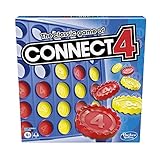
Overview:
This modernized Connect 4 reimagines the timeless “4-in-a-row” classic with sleek metallic grid and vibrant discs. Two players drop or pop discs to form horizontal, vertical, or diagonal lines of four while blocking opponents—a perfect introductory strategy game for young children.
What Makes It Stand Out:
The updated aesthetic (cool gradient discs, sturdy grid) revitalizes nostalgia without altering core gameplay. The “pop-out” feature adds tactical depth beyond basic stacking, while three included variants (Frenzy, Pop-Out, Classic) extend replayability far beyond the original’s scope.
Value for Money:
Exceptional for casual play. At an entry-level price, it offers durable construction and multiple game modes unmatched by cheaper knockoffs. Though simpler than strategy-heavy titles here, it excels as a gateway game—ideal for developing kids’ spatial reasoning affordably.
Strengths and Weaknesses:
Strengths: Effortless to learn, durable build, quick 5–10 minute matches, and genuinely strategic for its simplicity. Weaknesses: Pure abstract strategy lacks theme; advanced players may tire of repetition. The grid’s modern style, while attractive, offers no functional upgrade over vintage versions.
Bottom Line:
An unbeatable starter game for families with young children. Its enduring design and added variants make it the definitive Connect 4 edition—buy it for quick, skill-building fun.
10. Asmodee Sid Meier’s Civilization: A New Dawn Board Game - Rewrite History Your Way! Strategy Game for Kids & Adults , Ages 14+, 2-4 Players, 1-2 Hour Playtime

Overview:
A streamlined take on the legendary 4X franchise, Civilization: A New Dawn has players guiding civilizations from antiquity to industry through territorial expansion, technological advancement, and cultural influence. Achieve victory via science, culture, or domination in 60–90 minutes.
What Makes It Stand Out:
It masterfully condenses epic Civ gameplay into approachable turns using a unique “action rondel” system. Multiple victory paths encourage diverse strategies, while beautifully illustrated leader boards and era-defining wonders evoke the franchise’s grandeur without overwhelming rules.
Value for Money:
Justifies its premium price with high-quality minis, artwork, and strategic depth. Though costlier than Wingspan, it targets experienced gamers seeking a “medium+” experience. Expansions deepen replayability, making it a worthy alternative to denser Civ board games like Gathering Storm.
Strengths and Weaknesses:
Strengths: Elegant mechanics for complex themes, stunning components, strong player agency, and balanced multi-path scoring. Weaknesses: Setup is lengthy (15+ mins); scaling poorly beyond 3 players. The 14+ rating is apt—newcomers may struggle initially despite streamlined rules.
Bottom Line:
Highly recommended for strategy veterans craving thematic depth without excessive complexity. A triumphant adaptation that captures Civilization’s spirit, though better suited for dedicated game groups than casual families.
Understanding Mixed-Age Family Dynamics in Strategy Games
The Cognitive Development Spectrum
Children and teens process strategic concepts at wildly different paces. A seven-year-old might grasp turn-taking and simple cause-effect (“If I move here, I get a point”), while a fourteen-year-old seeks nuanced risk assessment and long-term planning. Games that succeed across ages offer tiered cognitive challenges—basic actions for younger players with optional advanced rules that older participants can opt into, creating parallel paths to engagement without segregating the group.
Emotional Resilience and Competitive Balance
Mixed-age play intensifies emotional stakes. Younger kids may become easily frustrated by losses, while older players might feel bored if they dominate too easily. The ideal strategy game incorporates mechanics that naturally balance competition, such as hidden information that gives younger players tactical advantages or cooperative elements where the family works against the game itself, reducing direct sibling rivalry.
Attention Span Variability
Game length is non-negotiable. A ninety-minute epic will lose a ten-year-old long before the final scoring. Look for games with modular timers—like a fixed number of rounds or a dynamic end condition triggered by player actions—that keep sessions tight (20-45 minutes) while still allowing meaningful strategic depth. Shorter turns also prevent younger players from zoning out during others’ downtime.
Essential Strategy Mechanics for Age Flexibility
Scalable Rule Layers
The hallmark of a mixed-age winner is a core ruleset simple enough for an eight-year-old to grasp in under ten minutes, with one or two “expert” variants that add complexity for older players. This isn’t about dumbing down; it’s about progressive disclosure. Imagine a game where the basic version uses visible resources, while the advanced layer introduces hidden bidding—same framework, deeper engagement.
Asymmetric Player Roles
Giving each family member a unique role with different abilities or goals prevents the “copycat” problem where younger players mimic older siblings’ moves. When a ten-year-old manages resource production while a thirteen-year-old focuses on tactical movement, both contribute meaningfully to the team’s success without direct comparison of skill levels.
Luck Mitigation Through Choice
Pure luck (like dice rolls deciding everything) frustrates older players, but zero randomness overwhelms younger ones. The sweet spot? Controlled randomness where players make meaningful choices despite uncertainty. Drawing random tiles but choosing where to place them, or having multiple viable responses to an event, empowers all ages to feel their decisions matter.
Visual and Tactile Cues
Abstract symbols or dense text on cards exclude early readers. Games with strong visual storytelling—icons that intuitively represent actions, color-coded resources, or 3D components like miniatures—allow younger players to participate strategically without relying on literacy. A physical “action token” that players move around a board makes turn structure obvious at a glance.
Design Elements That Bridge the Age Gap
Theme Resonance Across Generations
The theme isn’t just window dressing—it’s cognitive scaffolding. A space exploration theme might captivate a six-year-old with rocket ships while offering teens strategic depth through planetary resource management. Avoid overly childish or mature themes (e.g., cartoonish slapstick or cutthroat corporate takeovers); aim for universally appealing concepts like nature conservation or city building that spark imagination at any age.
Component Durability and Accessibility
Fiddly pieces that require precise motor skills will frustrate younger kids and slow the game. Chunky, easy-to-handle tokens, double-sided boards that adjust complexity, and clearly separated player areas prevent accidental disruptions. Storage solutions matter too—a game that tucks neatly into labeled compartments gets played more often than one requiring twenty minutes of setup.
Inclusive Turn Structure
Games where players act simultaneously or in quick, defined phases (e.g., “Everyone draws a card, then everyone places a worker”) keep engagement high. Avoid lengthy individual turns where others disengage. Look for “interrupt” mechanics where younger players can make small contributions during others’ turns, like claiming a bonus when an opponent completes an action.
Clear Pathways to Mastery
Younger players need visible, short-term goals (“Collect three blue tokens to build a bridge”) to feel accomplishment, while older players seek long-term strategic arcs. Games that layer objectives—immediate tasks feeding into larger achievements—allow each age group to focus on what excites them most without feeling lost in the bigger picture.
Social and Educational Benefits Worth Prioritizing
Collaborative Problem-Solving Opportunities
Strategy games shine when they foster teamwork. Mechanics like shared resources, collective victory conditions, or negotiation phases teach communication and perspective-taking. Watch a nine-year-old explain their simple plan to a teen, who then adapts it with advanced tactics—this is where real family bonding happens through shared intellectual effort.
Safe Spaces for Failure
Losing is part of strategy, but it stings more with age gaps. Games with incremental scoring (points earned throughout, not just at the end) or narrative consequences (“Our village survived, but the bridge is damaged!”) soften the blow of not winning. This builds resilience, especially when adults model gracious losing and genuine praise for clever moves by younger players.
Real-World Skill Translation
The best family strategy games subtly teach transferable skills: managing limited resources (budgeting), anticipating others’ moves (empathy), and adapting to change (flexibility). A game requiring players to trade goods can spark dinner-table discussions about economics, while spatial puzzle elements might ignite interest in engineering concepts—all without feeling “educational.”
Practical Implementation Tips for Families
The Pre-Game “Rules Negotiation”
Before starting, briefly tailor the experience: “Today, let’s play with the basic rules, but anyone can try the advanced card action if they want.” This gives older players autonomy while keeping the foundation accessible. For very young kids, assign an “apprentice” role where they assist an older player with one specific task, like managing the timer.
Mid-Game Strategy Scaffolding
Don’t just explain rules—ask guiding questions: “What happens if you place your piece here?” or “Which move helps the team most right now?” This draws out quieter players and helps younger kids articulate their thinking. Avoid solving problems for them; instead, highlight cause-and-effect they might have missed.
Post-Game Reflection Rituals
Spend five minutes discussing what worked: “What was your favorite move tonight?” or “How did we work together when the storm card hit?” This reinforces learning, validates all contributions, and builds anticipation for next time. Keep it positive—focus on effort and clever tactics, not just who won.
Avoiding Common Mixed-Age Pitfalls
Overestimating Younger Players’ Patience
Starting with a game that requires 15 minutes of setup and explanation guarantees disengagement. Always prioritize “learn-as-you-go” mechanics where core actions become clear through early turns. If the youngest player is fidgeting by turn three, switch to a simpler game—forcing it breeds resentment.
Underestimating Older Players’ Need for Depth
Teens will disengage if they perceive a game as “babyish.” Ensure there’s genuine strategic tension—meaningful choices with real consequences—that challenges their planning skills. A game where every move feels equally viable lacks the depth to hold their interest beyond one play.
Ignoring Physical Setup Realities
A game requiring a large, uninterrupted table surface is impractical in most homes. Prioritize compact footprints or modular boards that fit on standard dining tables. Also, consider storage—games that live in a closet because assembly is tedious won’t get played, no matter how good they are.
Frequently Asked Questions
How do I explain complex strategy concepts to a six-year-old without overwhelming them?
Use concrete analogies they understand: “Think of these wood tokens like building blocks for your treehouse.” Focus on one immediate goal per turn (“Your job this round is to find two food pieces”) and avoid jargon. Let them observe a round or two before jumping in.
What’s the ideal maximum playtime for a mixed-age strategy game?
Aim for 20-40 minutes. Younger kids lose focus after 30 minutes of seated play, while older players accept slightly longer sessions if the game has clear pacing (e.g., 8 quick rounds). Always set expectations upfront: “We’ll play until the sun marker reaches the mountain.”
Can cooperative strategy games work better than competitive ones for mixed ages?
Often, yes—especially early on. Cooperative games eliminate the frustration of being “beaten” by an older sibling. Start with fully collaborative games, then gradually introduce light competition (like shared scoring with individual bonuses) as trust and skills develop.
How do I handle it when an older child dominates the game for younger siblings?
Assign specific roles: “You’re the rule-reader this game,” or “Only the youngest player can decide when to use the magic token.” Rotate who takes the lead in negotiations. Praise strategic generosity: “Great job helping your sister see that move!”
Are there strategy games suitable for families with children under age six?
Yes, but focus on tactile, visual games with minimal rules. Look for magnetic pieces, large cards with clear icons, and cooperative goals like “Can we build the rainbow bridge before the clouds cover the sun?” Avoid counting beyond five or reading requirements.
What if my teen refuses to play “kid games”?
Involve them in the selection process—emphasize games with authentic strategic depth marketed as “family” titles, not “children’s” games. Frame it as a challenge: “This one has a hidden traitor mechanic; can you spot it before the endgame?” Let them teach the rules to feel invested.
How important is theme versus mechanics for mixed-age appeal?
Theme is the hook; mechanics are the engine. A compelling theme (dinosaurs! space explorers!) gets everyone to the table, but robust, scalable mechanics keep them playing. Prioritize games where the theme visually reinforces the rules—like moving explorer meeples across a jungle path.
Should I modify rules to balance play between ages?
Temporarily, yes—but focus on empowerment, not handicaps. Instead of giving younger players extra points, grant them special abilities (e.g., “You can move any one piece back to reset a bad move once per game”). Avoid constant adult intervention; let natural game dynamics create balance.
What’s the biggest mistake families make when choosing strategy games?
Assuming “strategy” means complex eurogames designed for adult hobbyists. True family strategy lies in accessible decision-making—not convoluted systems. Start with games where every player makes 3-5 meaningful choices per turn, not twenty.
Where can I try games before buying for mixed-age suitability?
Visit local game stores with demo libraries or family game nights. Look for stores hosting “family playtest” events. Many publishers offer digital demos via apps like Tabletop Simulator—test the core mechanics with your crew before investing.
See Also
- 10 Best Board Games for Families Who Love Strategy and Fun in 2026
- 10 Game-Changing Strategy Board Games for Families Who Love a Challenge in 2026
- 10 Best Strategy Board Games for Families Who Love a Challenge in 2026
- How to Solve Boring Game Nights with the 10 Best Strategy Board Games in 2026
- 10 War Board Games That Solve the Problem of Shallow Strategy in 2026