Table of Contents
Remember that tense moment when your child stared down a chessboard, brow furrowed, silently weighing three possible moves ahead? That quiet intensity isn’t just about winning a game—it’s the unmistakable sound of young neural pathways firing, connecting, and building the cognitive architecture for lifelong problem-solving. In an era saturated with instant digital gratification, nurturing that kind of deep, strategic thought in kids feels more vital—and more challenging—than ever. Parents and educators are increasingly seeking tangible ways to move beyond screens and cultivate critical thinking skills that textbooks often overlook. Strategy board games, surprisingly, have emerged as a powerhouse tool sitting right under our noses, often disguised as simple family fun.
Forget the outdated notion that board games are mere time-fillers. The right strategic challenge can transform living room floor into a dynamic classroom where kids learn to analyze patterns, anticipate consequences, manage resources, and adapt to unexpected setbacks—all while laughing, competing, and bonding. For children aged 10 and beyond, whose cognitive abilities are rapidly maturing to handle abstraction and multi-step planning, well-chosen strategy games provide the perfect sandbox. They offer structured complexity that’s engaging without being overwhelming, fostering resilience and intellectual curiosity in a way few other activities can match. It’s not about raising chess champions; it’s about equipping the next generation with the mental toolkit they’ll need to navigate an increasingly complex world.
Top 10 Strategy Board Games for Kids
Detailed Product Reviews
1. Asmodee Ticket to Ride First Journey Board Game - Fun and Easy for Young Explorers! Train Strategy Game, Family Game for Kids & Adults, Ages 6+, 2-4 Players, 15-30 Min Playtime

Overview:
Asmodee’s Ticket to Ride: First Journey distills the beloved train-route strategy into a streamlined experience perfect for young explorers. Designed explicitly for ages 6+, it simplifies the original’s mechanics while retaining the core thrill of cross-country travel. Players collect train cards to claim routes connecting U.S. cities, aiming to complete six destination tickets to seize the Golden Ticket and win.
What Makes It Stand Out:
Its standout feature is the brilliantly simplified map and ruleset, making complex strategy accessible to early readers. The Golden Ticket victory condition replaces point-counting, eliminating math barriers. Vibrant artwork and a 15–30 minute playtime ensure it holds children’s attention while teaching planning and spatial reasoning without frustration.
Value for Money:
Priced competitively for entry-level strategy games, it offers exceptional value. Compared to bulkier family games, its compact size and laser focus on kid-friendly play mean every component serves a purpose. It’s a gateway that often leads families to the full Ticket to Ride series, maximizing long-term enjoyment.
Strengths and Weaknesses:
Strengths: Effortless setup; intuitive for ages 6+; fosters gentle competition; durable cards; ideal first strategy game. Weaknesses: Limited depth for older players or seasoned gamers; map lacks the geographical richness of the standard edition; maxes out at 4 players, potentially excluding larger families.
Bottom Line:
An essential starter strategy game that makes board gaming joyful for young children. Its clever simplification ensures no player feels overwhelmed, earning its place as a must-have for families seeking screen-free fun. Highly recommended for ages 6–10.
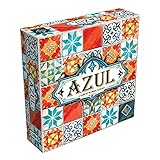
2. Azul Asmodee Azul Board Game - Award-Winning Tile-Placement Strategy Game, Beautiful Mosaic Art, Family Fun for Kids & Adults, Ages 8+, 2-4 Players, 30-45 Minute Playtime
Overview:
Azul redefines abstract strategy with its stunning Portuguese azulejo-inspired tile art. Players draft vibrantly colored resin tiles to build mosaic patterns on their boards, scoring points through careful placement and tactical foresight. This award-winning game blends accessibility with surprising depth for ages 8+.
What Makes It Stand Out:
The tactile, high-quality tiles and visually arresting board create an immersive experience unmatched in its price range. Its genius lies in ultra-simple rules—draft tiles, place them strategically—that unfold into profound spatial puzzles. Each 30–45 minute session feels fresh, rewarding both novice intuition and expert calculation.
Value for Money:
Azul justifies its premium feel with heirloom-quality components and near-limitless replayability. While pricier than basic card games, its durability and universal appeal (teens to adults) make it a superior investment over disposable party games. It outshines alternatives like Blokus with deeper strategy and aesthetic splendor.
Strengths and Weaknesses:
Strengths: Breathtaking components; rules learned in 5 minutes; scales perfectly for 2–4 players; endlessly replayable; silent planning reduces downtime. Weaknesses: Abstract theme may not engage story-driven players; tile drafting can feel punishing with aggressive opponents; limited player count.
Bottom Line:
A masterpiece of modern board gaming that marries artistry with razor-sharp strategy. Its elegance and accessibility make it a cornerstone of any game library. An unequivocal buy for families and strategy enthusiasts seeking beauty and brains.
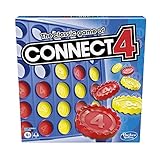
3. Hasbro Gaming Connect 4 Classic Grid,4 in a Row Game,Strategy Board Games for Kids,2 Player .for Family and Kids,Ages 6 and Up
Overview:
Hasbro’s Connect 4 Classic Grid revitalizes the timeless 4-in-a-row battle with sleek modern aesthetics. This two-player strategy duel tasks opponents with dropping colored discs into a vertical grid, aiming to line up four while blocking their rival. Its enduring appeal lies in simplicity and instant accessibility.
What Makes It Stand Out:
Beyond the classic mode, it innovates with three play styles: standard, frenetic Frenzy variation, and the strategic Pop-Out feature allowing disc ejection. The updated grid’s vibrant colors and smooth disc mechanics enhance tactile engagement, transforming a retro icon into a visually contemporary experience.
Value for Money:
As an affordable staple, it delivers robust value. Priced lower than complex strategy games, its durability (plastic grid withstands years of play) and multi-mode versatility outperform single-mechanic competitors. It’s a smarter investment than flimsy budget games with identical core gameplay.
Strengths and Weaknesses:
Strengths: Instant setup; zero learning curve; Pop-Out mode adds strategic depth; compact travel size; ideal for quick play sessions. Weaknesses: Primarily appeals to casual players; limited longevity for strategy veterans; only supports two players; discs can jam if not aligned perfectly.
Bottom Line:
A brilliantly refreshed take on a classic that remains unmatched for fast, engaging two-player fun. The added variations breathe new life into the formula, making it perfect for family game nights or on-the-go entertainment. A definitive recommendation for ages 6+.
4. Taco vs Burrito - The Wildly Popular Surprisingly Strategic Card Game Created by a 7 Year Old - 5 Ways to Play - a Family-Friendly Party Game for Kids, Teens & Adults

Overview:
Taco vs Burrito delivers chaotic, strategic fun born from a 7-year-old’s imagination. This card-drafting game challenges 2–4 players to build the most absurd taco or burrito meal while sabotaging opponents with wild action cards. Games conclude in 15 minutes, blending luck and tactics for all ages.
What Makes It Stand Out:
Its origin story—created by child prodigy Alex—infuses genuine whimsy into the gameplay. Five distinct modes (including team play and speed variants) offer remarkable variety within a single deck. Unexpected action cards like “Nacho Cheese” flips and “Guacamole” steals create constant, laugh-out-loud momentum shifts.
Value for Money:
With 56 cards, custom meal holders, and multiple rule sets, it punches above its weight class. Compared to single-mode card games, its replayability justifies the price. The universal age range (6–106+) makes it a versatile gift that outperforms niche party games costing twice as much.
Strengths and Weaknesses:
Strengths: Hilarious theme; quick to learn; exceptional replayability; fosters light strategy; inclusive for mixed-age groups. Weaknesses: Over-reliance on luck may frustrate hardcore strategists; cardboard meal holders feel flimsy; rule variations require reference cards during first plays.
Bottom Line:
A joyful, inventive game that proves simplicity breeds brilliance. Its infectious energy and family-friendly chaos make it an ideal icebreaker or gift. Highly recommended for gatherings seeking laughter and lightning-fast fun.
5. Hasbro Gaming Battleship with Planes Strategy Board Game for Ages 7 and Up (Amazon Exclusive)

Overview:
Hasbro’s Amazon-exclusive Battleship with Planes upgrades the naval combat classic by adding aerial warfare. Players hide ships and planes on grids, then call coordinates to sink fleets or crash aircraft. This 2-player showdown retains the tension of the original while expanding tactical possibilities.
What Makes It Stand Out:
The integration of planes transforms static grid warfare into dynamic 3D strategy—aircraft move diagonally, adding layers of prediction and bluffing. Portable battle cases with integrated storage make it ideal for travel, while the modernized peg design (distinct shapes for ships/planes) reduces setup errors.
Value for Money:
Priced comparably to standard Battleship, the added plane mechanics offer significant novelty without complexity. It outvalues digital versions by providing screen-free, hands-on play. For nostalgic adults introducing kids to strategy, it’s a superior choice over bare-bones reissues.
Strengths and Weaknesses:
Strengths: Fresh twist on a classic; enhances spatial reasoning; compact and travel-ready; intuitive for ages 7+; sturdy cases prevent lost pieces. Weaknesses: Planes slightly overcomplicate for very young players; two-player limit excludes larger groups; digital apps now offer similar innovation free.
Bottom Line:
A clever evolution of a timeless game that reignites interest for new generations. While not essential for Battleship veterans, its strategic depth and portability make it a worthwhile upgrade for families. Recommended for travel or nostalgic game nights.
6. lartoys Rope Untangling Puzzle Game, Educational Strategy Board Game for Kids & Adults, Family Travel Party Games with Multi-Level Challenges, Gifts for All Ages(Manual on Box)

Overview:
This portable puzzle game challenges players to untangle vibrant plastic-tipped ropes on a perforated board, fostering screen-free family interaction. Designed for all ages, it uses spatial reasoning and strategic thinking across adjustable difficulty levels, from simple 3-rope setups for young children to complex 10-rope mazes for adults.
What Makes It Stand Out:
Its patented (U.S. D1101871) multi-level design uniquely scales from toddler-friendly to adult-challenging puzzles. The tactile, hands-on gameplay actively replaces screen time while developing problem-solving and focus. The travel-ready case and “designer vs. solver” dynamic encourage collaborative play, differentiating it from static puzzles.
Value for Money:
Priced accessibly for an educational tool, it offers exceptional longevity through adaptable challenges. Unlike single-use toys or digital apps, its reusable physical components provide endless replayability. It outperforms cheaper puzzles by growing with the child, justifying its cost as a durable gift for birthdays or travel.
Strengths and Weaknesses:
Strengths: Builds spatial awareness and critical thinking; patent-protected innovative design; compact and travel-friendly; inclusive for mixed-age groups. Weaknesses: Requires initial video tutorial for full understanding; plastic tips may feel flimsy over time; limited solo-play appeal without a partner.
Bottom Line:
An outstanding investment for families seeking screen-free bonding and cognitive development. Its scalability, portability, and educational depth make it a top-tier puzzle game worth purchasing for homes, classrooms, or as gifts.
7. CATAN Junior Board Game - Swashbuckling Adventure for Young Pirates! Strategy Game, Fun Family Game for Kids and Adults, Ages 6+, 2-4 Players, 30 Minute Playtime, Made by CATAN Studio

Overview:
CATAN Junior simplifies the acclaimed CATAN franchise into a pirate-themed adventure for ages 6+, where players build ship networks across tropical islands to collect resources like wood and gold. This 30-minute game introduces strategic trading and expansion mechanics in a family-friendly Caribbean setting.
What Makes It Stand Out:
The whimsical “Spooky Island” and Ghost Captain theme captivate young players while retaining CATAN’s core strategic depth. Simplified rules (e.g., Coco the Parrot aiding trades) make it an ideal gateway to complex strategy games. Its short playtime and vibrant components hold children’s attention better than traditional board games.
Value for Money:
As an entry point to the CATAN universe, it delivers remarkable value. The durable board and resource tokens outlast cheaper kids’ games, and its replayability justifies the price. Families investing in future CATAN expansions will appreciate this foundational experience.
Strengths and Weaknesses:
Strengths: Perfectly scaled-down CATAN mechanics; engaging pirate narrative; quick setup and play; fosters resource management skills. Weaknesses: Less strategic depth than adult CATAN; limited player interaction compared to original; theme may not appeal to non-pirate enthusiasts.
Bottom Line:
A must-have for families with young strategy-game newcomers. It successfully distills CATAN’s magic into an accessible, fun experience that builds critical thinking without overwhelming younger players. Highly recommended.
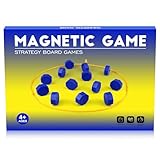
8. Bameca Magnetic Chess Game with Full-Size Stones, Magnet Game with String, for Family & Party & Travel & Camping, Puzzle Strategy Games, 2 Player Games for Kids & Adults
Overview:
Despite its name, this isn’t chess but a magnetic dexterity game where players place magnetized stones inside a tensioned rope circle. Stones attract unpredictably, forcing players to strategize placements to avoid collecting attracted pieces—ideal for travel or outdoor settings.
What Makes It Stand Out:
The thrilling magnetic tension creates unique, suspenseful moments as the circle fills. Its physical interactivity surpasses digital games, and the compact kit (rope, 20 stones, storage bag) fits anywhere. The blend of luck and strategy engages both kids (4+) and adults during camping trips or family gatherings.
Value for Money:
Affordably priced for a durable, screen-free activity. The full-size stones and sturdy rope offer better longevity than similar travel games. At under $20, it’s a cost-effective alternative to apps or disposable toys for road trips.
Strengths and Weaknesses:
Strengths: Portable and lightweight; magnetic unpredictability sparks excitement; develops spatial reasoning; inclusive for all ages. Weaknesses: Misleading “chess” title confuses expectations; magnets weaken over time; limited strategic depth compared to true strategy games.
Bottom Line:
A fun, budget-friendly travel game that delivers quick, tactile fun. While not a chess substitute, it excels as a casual party or camping game for families seeking unplugged entertainment. Worth buying for impromptu play.
9. Asmodee Ticket to Ride Board Game (2025 Refresh) - A Cross-Country Train Adventure for Friends and Family, Strategy Game for Kids & Adults, Ages 8+, 2-5 Players, 30-60 Minute Playtime

Overview:
The 2025 refresh of this classic strategy game has players claiming North American railway routes with colorful train cards to fulfill destination tickets. With a revised map and components, it retains the beloved route-building mechanics while enhancing visual appeal for modern gamers.
What Makes It Stand Out:
Its elegant “easy to learn, hard to master” design accommodates beginners and veterans alike. The refreshed artwork and durable miniature trains elevate immersion, while multiple victory paths (longest route, ticket completion) ensure no two games play alike. The 30-60 minute runtime fits busy schedules perfectly.
Value for Money:
Priced competitively for high-quality components and proven replayability. Outperforms cheaper strategy games with deeper mechanics and longevity—it’s a gateway game that remains engaging after dozens of plays. The refresh adds value without inflating cost.
Strengths and Weaknesses:
Strengths: Intuitive rules with strategic depth; stunning refreshed components; scales seamlessly from 2–5 players; excellent replayability. Weaknesses: Route blocking can frustrate new players; destination ticket risk/reward may feel punishing; box storage could be optimized.
Bottom Line:
A timeless family strategy game elevated by thoughtful updates. The 2025 refresh cements its status as a must-own for game nights, offering accessible yet rewarding gameplay for all ages. An essential purchase.
10. Ravensburger Labyrinth Board Game - A Strategic Maze Challenge for Family Nights - Find Treasures & Block Opponents - MESH Accredited - Great Birthday Gift - 2-4 Players - Kids Ages 7-10 and Older

Overview:
Labyrinth challenges players to navigate a shifting maze by sliding tiles to create paths toward hidden treasures. This MESH-accredited game combines luck and strategy as players outmaneuver opponents to collect 24 treasure cards, with the board reconfiguring every turn.
What Makes It Stand Out:
The dynamic, ever-changing maze creates unparalleled replayability—no two games are identical. Its MESH accreditation validates its educational value in developing planning and spatial reasoning skills. Simple rules (slide a row/column, move your piece) make it instantly accessible while retaining tactical depth.
Value for Money:
Ravensburger’s premium build quality justifies its price point. The durable tiles and compact design outlast budget alternatives, and the 20-30 minute playtime ensures consistent engagement. As a skill-building tool and family game, it offers exceptional long-term value.
Strengths and Weaknesses:
Strengths: MESH-accredited educational benefits; highly replayable shifting maze; easy setup; fosters critical thinking. Weaknesses: Tile sliding can feel luck-dependent; limited appeal for teens/adults seeking complex strategy; storage tray missing in some editions.
Bottom Line:
A superb family game that balances fun and cognitive development. Its clever design and accreditation make it a standout gift for kids 7+, delivering strategic challenges that grow with players. Highly recommended for game nights.
Why Strategy Games Are Essential Learning Tools for Pre-Teens
Developing Executive Function Skills Through Play
Strategy games act as a practical gym for the brain’s executive functions. Kids learn crucial skills like working memory (remembering rules and past moves), cognitive flexibility (adapting strategy when plans change), and inhibitory control (resisting impulsive moves). These aren’t just game skills; they’re foundational for academic success, managing homework, and navigating social situations. Each turn requires evaluating options, predicting outcomes, and making deliberate choices under mild pressure, building neural pathways that support real-world decision-making.
Fostering Logical Reasoning and Pattern Recognition
The core of strategy lies in identifying cause-and-effect relationships and recognizing recurring patterns. Whether it’s spotting spatial arrangements on a board, understanding resource flow mechanics, or anticipating an opponent’s likely response, kids engage in constant logical deduction. This repeated practice strengthens their ability to break down complex problems into manageable parts, identify relevant information, and draw reasoned conclusions—skills directly transferable to math, science, and critical reading comprehension.
Building Resilience and Learning from Failure
Losing a well-thought-out game stings, but it’s within that sting that profound learning occurs. Strategy games provide a safe, low-stakes environment to experience setbacks, analyze mistakes (“Where did my plan go wrong?”), and immediately apply lessons in the next round. This cultivates grit and a growth mindset, teaching kids that failure isn’t an endpoint but a necessary step toward improvement. They learn to separate self-worth from winning, focusing instead on the process of strategic thinking itself.
Key Features to Prioritize When Choosing Strategy Games
Age-Appropriate Complexity Balance
Avoid games that are overly simplistic (leading to boredom) or excessively complex (causing frustration). For ages 10+, look for mechanics with clear, teachable rules but layered depth. The “sweet spot” involves 2-3 core mechanics that interact meaningfully, allowing kids to grasp basics quickly while discovering new strategic nuances over multiple plays. Rulebooks should be concise and well-illustrated, avoiding dense paragraphs of text that overwhelm young readers.
Clear Cause-and-Effect Relationships
The best learning happens when actions have visible, understandable consequences. Choose games where a player’s choice directly and logically impacts the game state. If a child moves a piece or spends a resource, the outcome should be immediate and traceable. This transparency helps kids connect their decisions to results, reinforcing analytical thinking. Avoid games relying heavily on luck or obscure hidden information that obscures the link between choice and outcome.
Manageable Game Duration and Pacing
Attention spans, even for engaged pre-teens, have limits. Prioritize games with playtimes ideally between 20-45 minutes for this age group. Games that drag on lose their educational punch and frustrate learners. Look for mechanics that maintain engagement throughout, such as incremental progress, visible player turns, or built-in pacing elements (like a round timer or escalating challenges) that prevent stagnation and keep the strategic focus sharp.
Understanding Core Strategic Mechanics for Young Players
Resource Management Fundamentals
Games teaching resource allocation (like gathering materials, energy, or currency) are goldmines for strategic thinking. Watch for mechanics where kids must constantly evaluate scarcity, prioritize needs versus wants, plan for future turns, and make trade-offs. Simple resource conversion systems (e.g., trading two wood for one stone) introduce basic economic principles and opportunity cost in an intuitive, visual way, building foundational financial literacy concepts.
Spatial Reasoning and Area Control
Many strategy games revolve around controlling spaces on a board—claiming territories, positioning pieces for advantage, or blocking opponents. These mechanics powerfully develop spatial intelligence. Kids learn to visualize potential board states several moves ahead, understand adjacency and influence, and grasp concepts like efficiency of movement and strategic positioning. This directly supports geometry, engineering thinking, and even navigation skills.
Set Collection and Pattern Building
The satisfying act of collecting specific combinations of cards, tokens, or sets teaches categorization, sequencing, and predictive planning. Players must assess which sets are most valuable, anticipate what opponents might be collecting, and adapt their collection strategy based on available options. This mechanic sharpens pattern recognition, logical sequencing, and probabilistic thinking as players weigh the likelihood of obtaining needed pieces.
Tactical Movement and Positioning
Games requiring careful movement of pieces (beyond simple roll-and-move) develop foresight and planning. Kids must consider not just where a piece goes now, but how its position enables future actions, creates threats, or secures defenses. This involves calculating potential paths, understanding movement costs, and anticipating how opponents’ moves might disrupt plans, fostering dynamic, adaptive thinking crucial for complex problem-solving.
Risk Assessment and Probabilistic Thinking
While minimizing pure luck is ideal, incorporating calculated risk elements is valuable. Games where players occasionally weigh odds (e.g., “Should I attempt this action with a 70% success chance?”) introduce foundational probability concepts. The key is ensuring the risk has clear, understandable parameters and that decisions feel meaningful, helping kids move beyond gut feelings to data-informed choices.
Navigating Age and Developmental Considerations
Cognitive Readiness for Abstract Concepts
Around age 10, many children develop the capacity for more abstract thought. Look for games that gently introduce concepts like indirect influence (affecting opponents without direct conflict), long-term investment (sacrificing short-term gain for future payoff), or hidden information deduction. Avoid mechanics relying heavily on highly abstract metaphors or complex narrative elements that obscure the core strategic puzzle for this age group.
Handling Social Dynamics and Competition
Strategy inherently involves interaction, which can be challenging. Prioritize games with mechanisms that minimize direct player elimination (keeping everyone engaged) and foster positive interaction—like negotiation, limited cooperation, or indirect competition (racing for objectives rather than attacking directly). Clear rules for interaction help kids learn sportsmanship, graceful winning/losing, and constructive communication within a competitive framework.
Supporting Diverse Learning Styles
Consider how the game presents information. Visual learners benefit from strong iconography and clear board layouts. Kinesthetic learners engage with physical components like tiles or meeples. Auditory learners might appreciate clear rule explanations and discussion during play. Games offering multiple paths to victory cater to different strategic preferences (e.g., aggressive vs. economic strategies), ensuring all players find an approach that resonates with their thinking style.
Maximizing the Educational Impact Beyond the Game Box
Facilitating Guided Reflection After Play
Don’t let the learning end when the game does. Ask open-ended questions: “What was your biggest challenge this round?” “How did your strategy change after [specific event]?” “What would you do differently next time?” This metacognitive reflection helps kids articulate their thought processes, solidify lessons, and transfer strategies to other contexts. Avoid judgmental questions; focus on understanding their reasoning.
Connecting Game Concepts to Real-World Scenarios
Bridge the gap between the board and everyday life. If a game involves resource scarcity, discuss real-world examples like budgeting allowance or managing time for homework and hobbies. If it features planning multiple moves ahead, relate it to studying for a big test or preparing for a sports event. These connections make the abstract thinking skills concrete and demonstrate their practical value.
Encouraging Rule Interpretation and Adaptation
As kids master a game, encourage them to discuss potential rule ambiguities or even brainstorm simple, balanced house rules. This deepens their understanding of game systems, fosters critical analysis (“Why does this rule exist?”), and develops negotiation and systems-thinking skills. It transforms them from passive rule-followers into active participants in the game’s ecosystem.
Frequently Asked Questions
How long should a strategy game session last for a 10-year-old?
Aim for sessions between 20-45 minutes. Games significantly longer often lead to fatigue and reduced strategic engagement, while very short games may not allow complex planning to develop. Look for games with built-in pacing mechanisms to maintain focus.
My child gets frustrated when they lose. How can strategy games help?
Start with games emphasizing indirect competition or multiple victory paths where “losing” feels less personal. Focus discussions on specific decisions (“What part of your plan worked well?”) rather than winning/losing. Short games allow quick “do-overs,” turning setbacks into immediate learning opportunities.
Are cooperative strategy games better for learning than competitive ones?
Both offer valuable lessons. Competitive games teach direct strategic foresight and adapting to opponents. Cooperative games excel at fostering communication, shared problem-solving, and collective risk assessment. A mix of both is often ideal for well-rounded development.
How can I tell if a game is too complex for my pre-teen?
If explaining the core rules takes longer than 10-15 minutes, or if the child consistently makes moves contradicting basic mechanics after several plays, it’s likely too complex. Look for games where the core loop (turn structure) is graspable within the first game, even if advanced tactics emerge later.
Do strategy games really improve school performance?
Research links strategic play to enhanced executive function skills—working memory, cognitive flexibility, and self-control—which are strongly correlated with academic achievement, particularly in math and reading comprehension. The transfer isn’t automatic but reinforced through guided reflection on the thinking skills used.
What’s the biggest mistake parents make when choosing strategy games?
Prioritizing perceived “educational value” over fun. If the game isn’t genuinely engaging, the learning stops. Look for games with strong thematic elements or satisfying physical components that hook kids first; the cognitive benefits follow naturally through repeated, enjoyable play.
How often should we play to see cognitive benefits?
Consistency matters more than duration. Playing one game deeply for 30 minutes once a week, with reflection, is more valuable than infrequent marathon sessions. Regular, low-pressure engagement allows skills to build gradually and be reinforced.
Can digital strategy games provide the same benefits as physical board games?
While some digital games offer strategic depth, physical board games provide unique tactile feedback, shared spatial awareness, and face-to-face social dynamics crucial for holistic development. The physical manipulation of components and reading real-time social cues add significant dimensions absent in digital play.
My child prefers video games. How do I encourage board game play?
Find strategy board games with strong themes or mechanics reminiscent of their favorite video games (e.g., tile-laying for exploration, area control for territory battles). Start with very short, highly visual games. Most importantly, play with them enthusiastically—your engagement is the biggest motivator.
Are there strategy games suitable for mixed-age groups (e.g., 8-year-olds playing with 12-year-olds)?
Yes, but choose carefully. Look for games with adjustable difficulty (like optional advanced rules) or asymmetric player powers where older kids can take on more complex roles. Games with simple core actions but deep strategy (like certain tile-layers) often work well, allowing younger players to grasp basics while older ones explore nuances.
See Also
- 10 Best Abstract Strategy Games for Kids to Boost Critical Thinking in 2026
- We Tested 50 Strategy Board Games - Here are the 10 Best for Critical Thinking in 2026
- 10 Best Strategy Board Games for Brain Training and Critical Thinking in 2026
- 2026’s Top 10 Kids Strategy Board Games for Building Critical Thinking
- Top 10 Best Abstract Strategy Board Games for Critical Thinking in 2026