Table of Contents
Gathering around the table for a family game night isn’t just about passing the time—it’s where laughter mingles with light-hearted competition, critical thinking sparks curiosity, and shared victories (or hilarious defeats) become cherished memories. For families who crave more than just luck-of-the-draw moments, strategy-based board games offer a uniquely rewarding experience. These aren’t passive activities; they invite everyone to engage their minds, plan ahead, negotiate, and adapt, turning game night into a dynamic playground for developing real-world skills like problem-solving, resource management, and collaborative thinking, all wrapped in pure, unadulterated fun.
Choosing the right strategic game, however, can feel overwhelming amidst the sea of options. What works for a family of teens might frustrate younger children, and a game deemed “simple” by enthusiasts could still baffle parents new to the hobby. The sweet spot lies in finding titles that balance meaningful decisions with accessible rules, ensuring engagement without exhaustion. This guide cuts through the noise, focusing not on fleeting “top 10” lists, but on the essential, timeless features families should prioritize when seeking strategic depth that genuinely resonates with their unique group, fostering connection and repeated play for years to come.
Top 10 Strategy Board Games
Detailed Product Reviews
1. CATAN Board Game (6th Edition) Trade, Build & Settle in The Classic Strategy Game for Family, Kids & Adults, Ages 10+, 3-4 Players, 60-90 Min Playtime

Overview:
CATAN 6th Edition remains the gold standard for modern strategy board games, inviting 3-4 players (ages 10+) to colonize a dynamic island through resource management, trading, and tactical expansion. Its modular board ensures every session feels fresh.
What Makes It Stand Out:
The game’s brilliance lies in its elegant blend of luck and strategy. Resource gathering (wood, brick, wheat, ore, sheep) fuels settlement building, but shrewd trading with opponents—and navigating the disruptive “robber”—creates intense social negotiation. The ever-changing board layout guarantees unparalleled replayability, making each 60-90 minute game uniquely challenging.
Value for Money:
Priced competitively against complex strategy games, CATAN delivers exceptional longevity. Its family-friendly depth justifies the cost, though expansions add value for dedicated players. Cheaper alternatives lack its strategic richness and social dynamism.
Strengths and Weaknesses:
Strengths: Highly replayable modular setup; fosters engaging player interaction; accessible rules with deep strategic layers; timeless appeal for teens and adults.
Weaknesses: Luck-dependent resource rolls can frustrate; player elimination possible in tight games; setup slightly fiddly for younger kids.
Bottom Line:
An essential cornerstone for any board game collection. CATAN’s perfect balance of strategy, negotiation, and variability makes it a must-buy for families and strategy fans seeking enduring, high-quality gameplay.
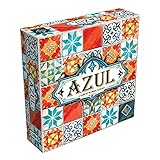
2. Azul Asmodee Azul Board Game - Award-Winning Tile-Placement Strategy Game, Beautiful Mosaic Art, Family Fun for Kids & Adults, Ages 8+, 2-4 Players, 30-45 Minute Playtime
Overview:
Azul reimagines tile-drafting into a vibrant, strategic contest where 2-4 players (ages 8+) compete to craft the most elegant mosaic using gorgeously crafted porcelain tiles, completing rounds in 30-45 minutes.
What Makes It Stand Out:
Its stunning, tactile tiles and minimalist Portuguese azulejo-inspired design create instant visual appeal. The “draft-and-place” mechanic is deceptively simple—grab tiles from factories—but mastering scoring combinations (avoiding penalties) demands sharp spatial foresight. Quick to learn yet richly strategic, it bridges casual and serious gamers.
Value for Money:
The premium components justify its mid-range price. Unlike cheaper abstracts, Azul offers consistent replayability through ever-shifting tile availability and player strategies. It surpasses similar-priced games in aesthetic quality and mechanical depth.
Strengths and Weaknesses:
Strengths: Exquisite, high-quality components; intuitive rules with satisfying strategic depth; short playtime ideal for families; visually captivating.
Weaknesses: Limited player interaction beyond indirect blocking; scoring nuances can confuse absolute beginners; box storage for tiles feels cramped.
Bottom Line:
A near-perfect blend of beauty and brains. Azul earns its awards with accessible, replayable gameplay and stunning artistry, making it a superb investment for game nights of all ages.
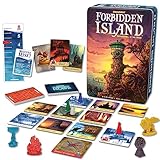
3. Gamewright - Forbidden Island - Cooperative Strategy Survival Board Game, 2-4 Players
Overview:
In this tense 2-4 player cooperative adventure (ages 10+), teams race against sinking tiles to retrieve four sacred treasures from a crumbling island before it vanishes. Created by Matt Leacock, it emphasizes teamwork over competition.
What Makes It Stand Out:
Forbidden Island’s cooperative nature fosters genuine collaboration—players share strategies openly to outwit the game itself. Unique character roles with special abilities (e.g., Navigator, Diver) add asymmetric depth, while the ever-flooding board creates escalating, cinematic tension. Its family-friendly difficulty curve is ideal for introducing strategy concepts.
Value for Money:
An excellent entry-point cooperative game at its price point. Cheaper than complex co-ops like Pandemic (by the same designer), it delivers comparable tension and teamwork in shorter sessions (30 mins), making it ideal for growing gaming libraries.
Strengths and Weaknesses:
Strengths: Encourages meaningful teamwork and communication; visually striking island artwork; accessible rules with adjustable difficulty; strong replayability via variable setups.
Weaknesses: Limited strategic depth for veteran gamers; “alpha player” problem can emerge; component durability (tiles) feels slightly fragile.
Bottom Line:
A stellar gateway to cooperative gaming. Forbidden Island excels as a family-friendly, tension-filled adventure that builds problem-solving skills and shared triumphs, highly recommended for new and casual players.
4. AEG & Flatout Games | Cascadia - Award-Winning Board Game Set in the Pacific Northwest | Easy to Learn | Quick to Play | Ages 10+

Overview:
Cascadia (1-4 players, ages 10+) challenges you to build serene wildlife habitats across the Pacific Northwest. This award-winning spatial puzzle uses tile drafting and placement to create evolving ecosystems where animal tokens score based on habitat connectivity.
What Makes It Stand Out:
Winning Spiel des Jahres 2022, Cascadia shines with its tranquil yet strategic gameplay. Players draft landscape tiles to form contiguous rivers, forests, and meadows, then place animal tokens to maximize scoring conditions (e.g., bear clusters, salmon runs). The 15-30 minute playtime and 2-minute teachability mask surprising depth.
Value for Money:
Its premium components and replayability justify the price. Compared to heavier strategy games, Cascadia offers exceptional value through elegant mechanics, multiple scoring paths, and a dedicated family mode. It outperforms similar-priced abstracts in thematic cohesion.
Strengths and Weaknesses:
Strengths: Breathtaking Pacific Northwest artwork; effortless to learn with deep strategic choices; highly replayable via variable scoring goals; peaceful solo/cooperative modes included.
Weaknesses: Minimal player interaction; scoring nuances require reference cards early on; limited tactile engagement beyond tile placement.
Bottom Line:
A masterclass in accessible strategy. Cascadia’s serene beauty and clever puzzle mechanics make it a must-have for casual gamers and families seeking a quick, rewarding, and visually stunning experience.
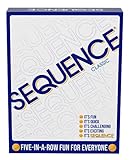
5. SEQUENCE- Original SEQUENCE Game with Folding Board, Cards and Chips by Jax ( Packaging may Vary ) White, 10.3" x 8.1" x 2.31"
Overview:
SEQUENCE blends classic card play with board strategy, where 2-12 players race to create five-in-a-row “sequences” of chips on a board matching their hand of cards. Its simple premise supports large groups in quick, competitive sessions.
What Makes It Stand Out:
The genius lies in its hybrid design: standard playing cards dictate moves on a specialized board (with two card decks printed on it). This creates intuitive gameplay where placing a card (e.g., 7♥) lets you claim a matching board space. It accommodates huge player counts—a rarity in strategy games—while remaining easy for children.
Value for Money:
An outstanding value for group entertainment. The included folding board, 135 chips, and dual card decks offer durability far exceeding cheaper party games. Its versatility (teams, solo variants) and longevity make it a budget-friendly staple for schools or large families.
Strengths and Weaknesses:
Strengths: Scales effortlessly for large groups; develops strategic thinking and pattern recognition; minimal setup; durable, travel-friendly components.
Weaknesses: Limited depth for hardcore strategy gamers; luck-heavy with card draws; chip storage can be messy during play.
Bottom Line:
A timeless, versatile classic perfect for gatherings. SEQUENCE delivers accessible, fast-paced fun that bridges generations, offering exceptional replayability and educational value at a modest price.
6. Stonemaier Games: Wingspan (Base Game) by Elizabeth Hargrave | A Relaxing, Award-Winning Strategy Board Game About Collecting Birds for Adults and Family | 1-5 Players, 70 Mins

Overview: Wingspan is an acclaimed engine-building board game where players act as bird enthusiasts attracting species to wildlife preserves across forest, grassland, and wetland habitats. Players use dice-driven food acquisition, egg-laying, and card play to create synergistic bird combinations, scoring points through end-game goals and in-round actions. Its serene theme and elegant mechanics appeal to both casual and strategic gamers.
What Makes It Stand Out: The game shines with its 170+ scientifically accurate bird cards, each featuring unique abilities that chain together organically. The custom dice tower feeder and vibrant components enhance immersion, while the swift-start guide lowers entry barriers. Its peaceful yet strategic depth—focusing on personal engine growth rather than direct conflict—sets it apart in the competitive strategy genre.
Value for Money: Priced moderately for its component quality and replayability, Wingspan justifies its cost through exceptional longevity. With 26 bonus goals and variable setups, no two games feel identical. It outperforms similar-priced games in thematic cohesion and solo-mode robustness, making it a superior investment for families and hobbyists.
Strengths and Weaknesses: Pros: Stunning artwork, intuitive rules for medium-weight strategy, high replayability, excellent solo rules, and educational value. Cons: Setup time feels lengthy for a 70-minute game, and the bird theme, while beautiful, may not resonate with all players. Limited player interaction could deter competitive gamers.
Bottom Line: Wingspan is a masterclass in thematic game design and a must-own for strategy enthusiasts. Its relaxing pace, educational charm, and deep replayability make it ideal for families and solo play, easily earning its award-winning status despite minor setup demands.
7. Unstable Games Twisted Cryptids Board Game - Strategy Card Game for Adults and Kids - Family Board Games for 2-4 Players, Ages 12 and Up - from The Creators of Unstable Unicorns and Here to Slay

Overview: Twisted Cryptids is a lighthearted “take-that” card game where players embody mythical creatures like Bigfoot or Chupacabra, sabotaging opponents while racing to collect three matching cryptid types. Using hidden trait cards, action cards, and strategic meeple placement, it blends humor with cutthroat tactics in a 60-minute session.
What Makes It Stand Out: The game excels with its dynamic player interaction—cards like “Fake Footprints” or “Alien Abduction” enable constant table talk and targeted chaos. High-quality lenticular box art and thematic card art enhance shelf appeal, while modular expansion packs (e.g., “Ness is More”) extend longevity without overwhelming new players.
Value for Money: At its price point, it offers exceptional component quality (tarot-sized cards, detailed meeples) and immediate replayability. It’s more affordable than heavier strategy games but delivers comparable entertainment for casual groups, especially when factoring in expansions that deepen gameplay economically.
Strengths and Weaknesses: Pros: Hilarious theme execution, fast setup, strong player engagement, and visually striking components. Cons: High randomness from hidden traits can frustrate competitive players; limited strategic depth for hardcore gamers. The “take-that” nature may cause friction in sensitive groups.
Bottom Line: Twisted Cryptids is a riotous party game perfect for families and casual gamers seeking laughter and light competition. While not for strategy purists, its humor, quality, and expandability make it a standout addition to any game night collection.
8. Gamewright - Shifting Stones – A Visual, Decision-Making Family Strategy Game of Tiles, Cards, and Tactics, 8 years +

Overview: Shifting Stones is a compact strategy game where 2–5 players manipulate nine double-sided hexagonal tiles to match patterns on scoring cards. Players rotate, flip, or swap tiles each turn to align symbols, testing spatial reasoning in quick 20-minute sessions ideal for all ages.
What Makes It Stand Out: Its unique tile-flipping mechanic creates dynamic puzzles where orientation is critical—turning a tile can simultaneously help and hinder opponents. The minimalist design (just tiles and cards) belies deep tactical choices, and the inclusion of a solo mode broadens accessibility beyond group play.
Value for Money: Exceptional for its price, offering robust strategy in a portable package. The durable components withstand frequent use, and the rules simplicity ensures immediate enjoyment. It outperforms similarly priced games in replayability due to countless pattern combinations and variable scoring goals.
Strengths and Weaknesses: Pros: Superb portability, quick learning curve, strong educational value for spatial skills, and seamless solo/family integration. Cons: Limited player interaction may feel too passive for some; high luck element in card draws can overshadow strategy in tight games.
Bottom Line: Shifting Stones is a brilliant, accessible gateway to strategic thinking for kids and adults. Its elegant design, portability, and educational merits make it a top-tier choice for quick, brain-teasing fun—highly recommended for families and travel.
9. Hasbro Gaming Connect 4 Classic Grid,4 in a Row Game,Strategy Board Games for Kids,2 Player .for Family and Kids,Ages 6 and Up
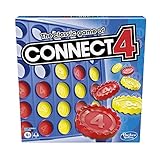
Overview: This modernized Connect 4 features a sleek vertical grid where two players drop colored discs to form horizontal, vertical, or diagonal lines of four. With updated aesthetics and three gameplay variants, it retains the classic’s simplicity while adding fresh twists for family competition.
What Makes It Stand Out: The contemporary design (cool colors, metallic grid) revitalizes the vintage concept, while the “Pop-Out” feature—allowing disc ejection from the grid’s base—adds strategic depth. The triple-mode flexibility (Classic, Frenzy, Pop-Out) caters to different skill levels, extending its lifespan beyond basic play.
Value for Money: As an entry-level strategy game, it’s extremely cost-effective. The durable plastic construction ensures longevity, and the dual-disc storage (in the grid base) minimizes loss risk. It outshines cheaper knockoffs in build quality and offers more replay variety than most $20 strategy games for kids.
Strengths and Weaknesses: Pros: Effortless to learn, perfect for young strategists, compact storage, and three engaging modes. Cons: Limited appeal for older players seeking complexity; two-player restriction excludes larger families. The modern grid, while stylish, offers no functional upgrade over classic versions.
Bottom Line: Connect 4 Classic Grid remains the gold standard for introductory strategy games. Its timeless gameplay, durability, and minor innovations make it an essential, budget-friendly pick for families with young children—ideal for fostering early critical thinking.
10. Asmodee Sid Meier’s Civilization: A New Dawn Board Game - Rewrite History Your Way! Strategy Game for Kids & Adults , Ages 14+, 2-4 Players, 1-2 Hour Playtime

Overview: Civilization: A New Dawn condenses the iconic video game series into a streamlined board game where players guide civilizations through technological, cultural, and military evolution. With asymmetric leader powers and multiple victory paths, it delivers epic historical strategy in 60–90 minutes.
What Makes It Stand Out: The game innovates with its “timeline” mechanic—advancing eras by completing era-specific objectives—and elegant action-selection system using leader boards. Vibrant miniatures and thematic leader abilities (e.g., Gandhi’s peaceful focus) create immersive, distinct playstyles without overwhelming rules complexity.
Value for Money: Priced competitively for its component richness (detailed miniatures, dual-layer boards), it offers deeper strategy than many mid-weight games. The replayability from asymmetric leaders and variable objectives justifies the cost, though expansions enhance longevity further for dedicated fans.
Strengths and Weaknesses: Pros: Beautiful production, accessible yet strategic, strong player agency, and faithful to the franchise’s spirit. Cons: Downtime can increase with four players; “runaway leader” potential in shorter games. Setup is moderately time-consuming for a 90-minute session.
Bottom Line: A New Dawn successfully captures Civilization’s grandeur in a manageable package. Despite minor pacing issues, its strategic richness and stunning design make it a compelling choice for both franchise fans and strategy newcomers aged 14+.
Understanding Family Strategy Games: Beyond Roll and Move
Defining “Strategy” in the Family Context
True family strategy games move beyond pure chance. They incorporate elements where players make meaningful choices that significantly impact the outcome. This could involve planning several moves ahead, managing limited resources wisely, adapting to opponents’ actions, or optimizing spatial arrangements. The key is that skill, foresight, and thoughtful decision-making consistently outweigh random dice rolls or card draws as the primary path to victory, making each play session a fresh mental challenge.
Why Strategy Benefits Family Game Nights
Integrating strategy elevates game nights from simple entertainment to valuable developmental experiences. Children learn to weigh options, consider consequences, and practice patience. Parents get a window into their kids’ evolving thought processes. Crucially, these games foster resilience—learning to handle setbacks gracefully and strategize for next time—while building communication skills as players explain moves, negotiate trades, or form temporary alliances, strengthening family bonds through shared intellectual engagement.
Distinguishing Complexity from Depth
A common misconception equates strategic depth with overwhelming complexity. True family-friendly strategy often lies in elegant designs: simple core rules that unlock surprising depth through clever mechanics and player interaction. A game can be deeply strategic with only 2-3 core actions per turn, as long as those choices feel impactful and replayability stems from varied approaches, not rulebook bloat. Focus on the quality of decisions, not the sheer number of rules.
Key Features to Evaluate for Your Family
Assessing Age Appropriateness Honestly
Manufacturer age ratings are a starting point, but consider your family’s specific dynamics. Look beyond reading level to cognitive readiness: Can younger members grasp concepts like set collection or spatial reasoning? Does the game allow for “catch-up” mechanics to keep less experienced players engaged? Prioritize games where adults can compete meaningfully with kids, not just against them, often through adjustable rules or asymmetric roles.
Gauging Rule Complexity and Teachability
The best family strategy games have a “learn in 5 minutes, master in a lifetime” quality. Evaluate how intuitive the core loop is. Can you explain the win condition and basic actions clearly in under 10 minutes? Are the rules visually supported by the components? A game with fewer distinct rules but high interactivity is often more accessible than one with many intricate subsystems, even if the latter has a lower official complexity rating.
Player Count Sweet Spots
Strategy dynamics shift dramatically based on player count. A brilliant two-player duel might feel chaotic with four, while a cooperative game designed for families of five could lack tension with only two players. Identify your most common player count (e.g., parents + two kids) and prioritize games that shine specifically in that range. Note if player count affects setup, rule variations, or overall balance—some games scale poorly outside their ideal group size.
Playtime Realities for Busy Families
Respect your family’s attention spans and schedules. A 90-minute epic might gather dust, while a tight 30-45 minute game gets constant rotation. Look for games where the timer starts after setup and rule explanation—not just the official “playtime.” Games with clear phases, simultaneous actions, or minimal downtime between turns often feel significantly shorter than their listed duration, making them easier to fit into hectic evenings.
Theme Integration: Fluff or Function?
A compelling theme shouldn’t just be window dressing; it should actively support the mechanics and make strategic choices intuitive. Does building a city feel logical when placing tiles? Does trading resources make sense within the game’s world? Strong theme integration aids rule retention (especially for kids) and enhances immersion, turning abstract decisions into narratively satisfying actions, making the strategy more accessible and enjoyable for all ages.
Core Strategic Mechanics to Look For
Resource Management Fundamentals
Games centered on acquiring, trading, and wisely spending limited resources (wood, gold, energy, actions) teach valuable economic thinking. Look for systems where scarcity drives interesting choices: “Do I save this token for a big play later, or spend it now for a small advantage?” Clear resource symbols and intuitive conversion paths are crucial for family accessibility, turning abstract strategy into tangible, understandable decisions.
Spatial Reasoning and Area Control
Strategically placing pieces on a board—claiming territory, building structures, or blocking opponents—develops spatial awareness and forward planning. Family-friendly versions often use colorful tiles or miniatures on clearly defined grids or maps. The best examples make the spatial puzzle immediately visible and engaging, allowing players of different ages to grasp the board state and plan their next move without complex calculations.
Set Collection and Pattern Building
Collecting specific combinations of cards, tokens, or tiles to score points is a universally accessible strategic hook. The depth comes from how sets are formed: are you racing against others for limited cards? Combining sets for bonus points? Blocking opponents’ potential sets? Look for clear iconography and scoring examples that make tracking progress and planning combinations straightforward, even for younger players.
Cooperative and Semi-Cooperative Dynamics
Strategic games where family members work together against the game system (or with shifting alliances) reduce cutthroat competition while maintaining high engagement. Success hinges on shared analysis, role specialization, and collective decision-making under pressure. These foster incredible teamwork but require mechanics where individual contributions feel vital—avoid games where one dominant player can dictate all moves (“quarterbacking”).
Variable Player Powers and Asymmetry
Giving each player unique abilities or starting positions adds tremendous replayability and strategic depth. It encourages understanding different playstyles and adapting strategies based on who you’re playing with. For families, ensure these asymmetries are clearly explained, visually distinct, and balanced so no role feels consistently weak or overly complicated for younger participants. It should feel exciting, not confusing.
Critical Considerations for Long-Term Enjoyment
Replayability: The Engine of Family Favorites
A game’s true value is measured in how often it gets requested. High replayability stems from variable setups (different maps, objectives, or card distributions each game), multiple viable winning strategies, and emergent narratives from player interaction. Avoid games where the optimal path becomes obvious after a few plays. Look for “replay hooks” like modular boards, legacy elements (used carefully), or deep strategic flexibility that keeps outcomes unpredictable.
Component Quality and Table Presence
Durable components withstand enthusiastic (and sometimes clumsy) gameplay. Thick cards, sturdy boards, and non-fragile miniatures or tokens ensure longevity. Equally important is visual appeal: bright colors, clear icons, and an inviting table setup draw players in. A game that looks exciting and is pleasant to handle significantly boosts the overall experience and likelihood of repeated plays, especially for younger family members.
Accessibility of Rules Reference
Even well-designed games need occasional rule checks. Prioritize games with excellent, concise reference cards included in the box—ideally one per player or a central board overlay. These should cover core actions, scoring, and common edge cases without needing to crack open the full manual mid-game. Clear iconography that’s explained on these references is vital for reducing rule disputes and keeping the game flowing smoothly.
Storage and Setup Efficiency
The barrier to playing is often the hassle of setup and breakdown. Games with intuitive compartmentalization, trays that fit components perfectly, and minimal fiddly sorting encourage frequent plays. Consider how quickly the game can be set up and put away. A game that takes 10 minutes to set up is far less likely to get played spontaneously than one ready in 2, especially with kids eager to start.
Balancing Luck and Skill Appropriately
While pure luck games lack strategic depth, some randomness (like dice or shuffled cards) can add excitement and accessibility for younger players. The key is ensuring luck elements create interesting decisions (“How do I mitigate this bad draw?”) rather than determining the winner outright. Look for games with “luck mitigators”—ways to reroll, discard, or strategically use random elements—so skill consistently shines through over multiple plays.
Making the Final Decision: Practical Steps
Demo Before You Commit (If Possible)
Nothing beats hands-on experience. Check if local game stores offer demo copies or host family game nights. Many publishers also provide free printable “light” versions of their games online. Playing even a partial round reveals if the pacing, rules, and interaction style truly resonate with your family’s preferences in a way descriptions never can.
Reading Reviews Through a Family Lens
Seek out reviews specifically from family-focused board game sites or channels. Look beyond “geek ratings” to comments about playtime with kids, ease of teaching, and downtime. Phrases like “my 8-year-old grasps the strategy” or “minimal rules confusion” are more valuable indicators for your needs than deep dives into advanced tournament tactics.
Considering Your Family’s Unique Dynamics
Be brutally honest about your group’s tendencies. Do you have a hyper-competitive child? Prioritize games with strong catch-up mechanics or cooperative elements. Are attention spans short? Favor games with quick turns and clear visual progress. Does someone dislike direct conflict? Lean towards cooperative or indirect competition styles. The “best” game is the one that fits your family’s personality.
Budgeting for the Long Haul
View strategic board games as long-term investments in family time, not disposable toys. While splurging on one excellent game is better than several mediocre ones, consider value: component quality, replayability, and player count range impact cost-per-play. Many publishers offer smaller “intro” versions or expansions later, allowing you to grow into more complex strategy over time.
Frequently Asked Questions
Frequently Asked Questions
What’s the biggest mistake families make when choosing a strategy game? Overestimating complexity tolerance; prioritizing impressive box art or high “geek scores” over genuine accessibility for the youngest/most novice player in the group, leading to frustration and the game being shelved.
How can I teach complex rules to young children without overwhelming them? Start with a simplified “story” of the goal and 2-3 core actions. Play the first game cooperatively against the system, focusing on one rule per round. Use physical examples on the board instead of abstract explanations.
Are cooperative games less strategic than competitive ones for families? Not necessarily! Well-designed cooperative games demand high-level strategic discussion, role optimization, and collective risk assessment, often providing a more accessible entry point to complex strategy without interpersonal conflict.
How important is “downtime” (waiting for others’ turns) in family strategy games? Crucially important. Games with simultaneous actions, quick player turns, or engaged “in-turn” decisions for others (like trading) minimize downtime, keeping younger players focused and preventing restlessness or rule-breaking.
Can a game be too simple to be truly strategic for adults? Yes, if decisions feel meaningless or the optimal path is obvious every time. Look for “elegant depth”: simple rules enabling emergent complexity through player interaction and multiple viable paths to victory, keeping adults engaged while remaining approachable for kids.
What should I do if my family gets stuck on a rules ambiguity? First, consult the game’s reference card or quick-start guide. If unresolved, make a temporary house rule that feels thematic and fair, note it, and look up the official ruling later. Prioritize keeping the game moving over perfect rule adherence in family play.
How do I know if a game has good replayability? Look for variable setups (different maps, goals, or starting conditions), multiple distinct winning strategies that feel viable, and outcomes that change significantly based on player count and interaction—ensuring no two games play exactly alike.
Are expansion packs worth it for family strategy games? Only for games your family already plays repeatedly. Expansions often add complexity; ensure the base game is a solid, frequently played favorite first. Prioritize expansions that add meaningful variety without drastically altering core rules young players have mastered.
What’s a good strategy for managing competitive feelings during family games? Establish clear, kind “game night manners” beforehand. Focus praise on clever plays (“Great thinking saving that token!”) rather than just winning. For intense competition, use team play (adult/kid pairs) or choose games with strong shared goals or indirect competition.
How can I store strategy games to keep components organized and accessible? Use the box’s original trays if well-designed. Otherwise, invest in small compartmentalized containers (like coin cases for tokens) or baggies labeled clearly. Keep rulebooks in a separate, accessible spot (like a binder) to avoid digging through game boxes during setup.
See Also
- 10 Game-Changing Strategy Board Games for Families Who Love a Challenge in 2026
- 10 Best Strategy Board Games for Families Who Love a Challenge in 2026
- 10 Best Strategy Board Games for Couples Who Love Competition in 2026
- Top 10 Best Strategy Board Games for Mixed-Age Families in 2026
- How to Solve Boring Game Nights with the 10 Best Strategy Board Games in 2026