Table of Contents
The thrill of outmaneuvering an opponent isn’t confined to digital battlefields or sports arenas; it thrives on the intimate, tactile surface of a strategy board game. For competitive players, the clack of wooden pieces, the rustle of cards, and the weight of a well-considered decision create an unparalleled intellectual duel. It’s not just about winning; it’s about the elegant execution of a plan, the satisfying counter-punch to an opponent’s move, and the relentless pursuit of mastery within a complex system. This deep engagement transforms a simple game night into a crucible for strategic thinking, demanding focus, adaptability, and a constant hunger to refine one’s approach. The right game becomes less of a pastime and more of a worthy adversary, pushing cognitive boundaries with every session.
Yet, navigating the vast landscape of modern board games to find that perfect competitive spark can feel overwhelming. Too often, generic “best of” lists prioritize accessibility or theme over the nuanced demands of serious strategic play, leaving competitive gamers frustrated with shallow mechanics or excessive luck elements. What truly matters isn’t flashy components or a popular theme, but the underlying architecture of the game: how it fosters meaningful decisions, rewards deep analysis, and creates dynamic, player-driven conflict. Understanding the core pillars that define a truly competitive strategy board game experience is essential for cutting through the noise and finding a title that will challenge you for years, not just nights. Let’s dissect what separates the strategic heavyweights from the rest.
Top 10 Strategy Board Games
Detailed Product Reviews
1. CATAN Board Game (6th Edition) Trade, Build & Settle in The Classic Strategy Game for Family, Kids & Adults, Ages 10+, 3-4 Players, 60-90 Min Playtime

Overview:
CATAN 6th Edition remains the definitive gateway to modern strategy board gaming. Players compete to settle an uncharted island by gathering resources like wood and wheat, building roads and settlements, and strategically trading with opponents or the bank. The goal is to reach 10 victory points through expansion and development, all while navigating the disruptive robber.
What Makes It Stand Out:
Its modular hexagonal board ensures every game is uniquely challenging, fostering immense replayability. The core tension between resource scarcity, strategic placement, and dynamic player-driven trading creates deeply engaging social and tactical interactions. The robber mechanic adds a layer of player conflict that sparks negotiation and memorable moments.
Value for Money:
Priced competitively for a high-quality component strategy game, CATAN offers exceptional longevity. While expansions exist, the base game provides countless hours of gameplay, justifying its cost far better than many shorter or less replayable alternatives in the family strategy genre.
Strengths and Weaknesses:
Strengths: Highly replayable, excellent social interaction, accessible rules for ages 10+, beautiful components. Weaknesses: Luck-dependent early resource gathering, the robber can feel punishing for new players, limited player count (3-4) without expansions.
Bottom Line:
CATAN 6th Edition is a near-essential purchase for families and strategy newcomers. Its blend of accessibility, depth, and social negotiation cements its status as a modern classic, despite minor luck elements. Highly recommended for regular game nights.
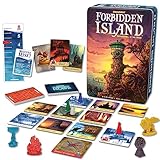
2. Gamewright - Forbidden Island - Cooperative Strategy Survival Board Game, 2-4 Players
Overview:
Forbidden Island flips traditional competition on its head, tasking 2-4 players (ages 10+) to work together as a team of adventurers. Players race against a sinking island to retrieve four ancient treasures before the island vanishes beneath the waves, requiring constant communication and shared strategy.
What Makes It Stand Out:
Designed by Matt Leacock, its pure cooperative nature eliminates player conflict, focusing entirely on teamwork against the game system. The innovative “sinking island” mechanic creates escalating tension, while varied adventurer roles encourage strategic specialization and collective problem-solving under pressure.
Value for Money:
This game delivers significant value through its unique cooperative experience and high replayability. The compact box offers rich strategic depth and emotional engagement at a modest price point, outperforming many competitive games that lack its emphasis on shared victory and family bonding.
Strengths and Weaknesses:
Strengths: Truly cooperative, fosters teamwork and communication, accessible rules, tense and thematic gameplay, high replayability. Weaknesses: Can suffer from “alpha gamer” syndrome where one player dominates decisions, relatively short playtime per session.
Bottom Line:
Forbidden Island is a superb introduction to cooperative gaming, ideal for families seeking collaborative fun. Its focus on shared strategy and manageable difficulty makes it a standout choice for building teamwork skills and creating positive group experiences. Highly recommended.
3. AEG & Flatout Games | Cascadia - Award-Winning Board Game Set in the Pacific Northwest | Easy to Learn | Quick to Play | Ages 10+

Overview:
Cascadia, the 2022 Spiel des Jahres winner, is a serene yet strategic tile-laying puzzle set in the Pacific Northwest. Players build evolving wildlife habitats by drafting landscape tiles and placing animal tokens, aiming to create optimal corridors for scoring based on specific animal patterns and habitat continuity.
What Makes It Stand Out:
Its elegant, lightning-fast gameplay (15-30 minutes) combined with deep spatial strategy is remarkable. Winning multiple major awards, it masterfully balances simplicity for beginners with satisfying depth. The dual-layer drafting (tiles and animals) creates clever puzzle-like decisions within a beautiful natural theme.
Value for Money:
Priced fairly for its award-winning status and high-quality components, Cascadia offers immense replayability through variable scoring goals and quick setup. It provides more strategic engagement per minute and per dollar than many longer, more complex Eurogames, especially for casual or family settings.
Strengths and Weaknesses:
Strengths: Extremely quick to learn and play, award-winning depth, beautiful nature theme, highly replayable, excellent for 1-4 players. Weaknesses: Limited player interaction (mostly indirect), lower player count (1-2) can feel less dynamic, scoring nuances take a play or two to grasp fully.
Bottom Line:
Cascadia is a near-perfect lightweight strategy game. Its accessibility, speed, and rewarding spatial puzzle mechanics make it an easy recommendation for families, couples, or as a gateway for new strategy gamers seeking a peaceful but engaging experience.
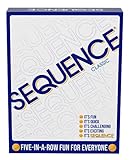
4. SEQUENCE- Original SEQUENCE Game with Folding Board, Cards and Chips by Jax ( Packaging may Vary ) White, 10.3" x 8.1" x 2.31"
Overview:
SEQUENCE is a classic blend of cards and board strategy where players match cards from their hand to spaces on the board, placing chips to form lines of five. Simple to grasp, it pits 2-12 players (in teams) against each other to complete the required number of five-in-a-row sequences first.
What Makes It Stand Out:
Its genius lies in merging familiar playing cards with a connect-five board, creating instant accessibility. The folding board and included chips make it highly portable. The game uniquely bridges generations, offering enough strategic depth for adults while remaining easy for children to engage with.
Value for Money:
An exceptional value due to its high player count capacity (up to 12) and family-wide appeal. The durable components and endless replayability provide far more entertainment per dollar than many niche strategy games, especially for large family gatherings or parties.
Strengths and Weaknesses:
Strengths: Simple rules for all ages, accommodates large groups, portable, develops basic strategy skills, durable components. Weaknesses: Can become repetitive over time, limited strategic depth for hardcore gamers, luck of the draw influences outcomes significantly.
Bottom Line:
SEQUENCE is a timeless, versatile family game that excels at bringing diverse age groups together. Its simplicity, portability, and group-friendly nature make it a worthwhile investment for households seeking reliable, multi-generational fun, despite its strategic limitations.
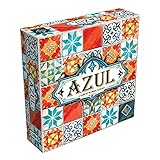
5. Azul Asmodee Azul Board Game - Award-Winning Tile-Placement Strategy Game, Beautiful Mosaic Art, Family Fun for Kids & Adults, Ages 8+, 2-4 Players, 30-45 Minute Playtime
Overview:
Azul challenges 2-4 players to craft stunning mosaic walls using vivid, high-quality acrylic tiles. Players draft tiles from factory displays, strategically placing them on their individual boards to score points while managing penalties for incorrect placements, all aiming for the highest score after five rounds.
What Makes It Stand Out:
The game’s breathtaking physical components—thick, colorful tiles reminiscent of Portuguese azulejos—are unmatched in tactile appeal. Its “easy to learn, hard to master” design offers simple turn structure (draft, place, score) masking significant spatial and tactical depth, creating genuinely satisfying “aha!” moments.
Value for Money:
Justified by its premium components, award-winning design (Spiel des Jahres nominee), and near-perfect replayability. Each game presents unique drafting puzzles, offering more strategic variety and visual satisfaction per play than many games at a similar price point, making it a standout for family collections.
Strengths and Weaknesses:
Strengths: Gorgeous, high-quality components, deeply engaging spatial puzzle, quick to teach, highly replayable, accessible yet strategic. Weaknesses: Limited player interaction (mostly indirect), potential for “analysis paralysis” with experienced players, minor luck in tile draws.
Bottom Line:
Azul is a must-have for families and casual gamers seeking beauty and brain-teasing fun. Its stunning aesthetics, perfect blend of accessibility and depth, and consistent engagement make it an easy, highly recommended purchase for memorable game nights.
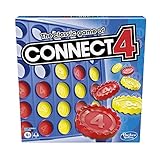
6. Hasbro Gaming Connect 4 Classic Grid,4 in a Row Game,Strategy Board Games for Kids,2 Player .for Family and Kids,Ages 6 and Up
Overview:
Hasbro’s Connect 4 Classic Grid revitalizes the timeless strategy game with modern aesthetics and added gameplay variations. Designed for two players aged 6+, it challenges kids to be the first to align four colored discs vertically, horizontally, or diagonally on a vertical grid. Its simple rules make it instantly accessible for family game nights.
What Makes It Stand Out:
The sleek metallic grid and vibrant disc colors offer a contemporary twist on the classic. Crucially, it includes three distinct modes: standard play, the chaotic Connect 4 Frenzy, and the strategic “Pop-Out” variant where players can eject discs from the bottom. This versatility extends replayability significantly beyond the traditional version.
Value for Money:
Priced accessibly, it delivers exceptional value as a durable, screen-free activity that fosters early strategic thinking. While basic versions exist, the added gameplay modes and upgraded materials justify a slight premium over budget alternatives, making it a smart long-term investment for families.
Strengths and Weaknesses:
Strengths: Extremely easy to learn; compact and portable; durable construction; multiple engaging variants prevent monotony. Weaknesses: Still limited to two players; the grid can tip if discs are dropped too forcefully; Pop-Out mode requires careful setup to avoid jams.
Bottom Line:
A brilliantly refreshed take on a beloved classic, offering modern style, extra gameplay depth, and reliable fun. Ideal for introducing young children to strategic thinking without complexity. Highly recommended for families seeking affordable, enduring entertainment.
7. Unstable Games Twisted Cryptids Board Game - Strategy Card Game for Adults and Kids - Family Board Games for 2-4 Players, Ages 12 and Up - from The Creators of Unstable Unicorns and Here to Slay

Overview:
Twisted Cryptids is a lighthearted yet strategic card game where 2-4 players compete to collect sets of cryptid trait cards while sabotaging opponents with “take-that” action cards. Themed around mythical creatures like Bigfoot and Chupacabra, it blends set collection with direct player interaction, targeting teens and adults.
What Makes It Stand Out:
Its unique “hidden trait” mechanic—where players secretly assign cryptid traits to opponents—creates constant bluffing and deduction. High-quality lenticular box art, thematic Cryptid meeples, and a robust expansion ecosystem (Cryptid Culture, Ness is More) enhance immersion and longevity beyond the base game.
Value for Money:
Competitively priced for its component quality and strategic depth, it outshines many party games in replay value. While expansions add cost, the core game provides substantial variety. It’s a better value than heavier strategy games for groups prioritizing accessible, interactive fun under 60 minutes.
Strengths and Weaknesses:
Strengths: Engaging hidden-information mechanics; excellent production; fast setup and playtime; strong expansion support. Weaknesses: “Take-that” elements may frustrate casual players; limited strategic depth for hardcore gamers; trait card management can feel random early on.
Bottom Line:
A witty, visually striking game that masterfully balances strategy and chaos. Perfect for game nights craving humor and interaction without overwhelming complexity. Recommended for fans of light strategy or Unstable Games’ previous hits.
8. The Night Cage by Smirk and Dagger | Cooperative Candlelit Horror Strategy Game | Tile Laying Labyrinth Escape Adventure for 1 to 5 Players Ages 14 Plus

Overview:
The Night Cage is an award-winning cooperative horror game where 1-5 players navigate a shifting, candlelit labyrinth to escape before Wax Eaters consume the light. Using actual candlelight to reveal paths, it creates intense atmosphere as tiles dynamically transform the board with each move.
What Makes It Stand Out:
The real candle mechanic is revolutionary—light literally shapes visibility and strategy, with darkness reclaiming explored areas. This, combined with tile-laying tension and looming Wax Eaters, generates unparalleled immersive dread. Adjustable difficulty and advanced modes ensure evolving challenges for seasoned groups.
Value for Money:
Priced moderately higher than standard board games, it justifies cost through groundbreaking gameplay and exceptional replayability. The physical candle requirement adds novelty, though replacement candles are inexpensive. It’s a premium experience that stands apart from digital or static board games.
Strengths and Weaknesses:
Strengths: Unmatched atmospheric tension; innovative candle-driven mechanics; deeply cooperative; high replay value with difficulty modes. Weaknesses: Candle smoke/scent may bother some; limited vision can cause confusion; setup is slightly fiddly for large groups.
Bottom Line:
A genre-defining cooperative experience that transforms tabletop gaming into visceral storytelling. Essential for horror enthusiasts and strategy fans seeking unforgettable, tactile immersion. Highly recommended despite minor logistical quirks.
9. Asmodee Sid Meier’s Civilization: A New Dawn Board Game - Rewrite History Your Way! Strategy Game for Kids & Adults , Ages 14+, 2-4 Players, 1-2 Hour Playtime

Overview:
Sid Meier’s Civilization: A New Dawn condenses the epic 4X video game series into a streamlined board game for 2-4 players. Compete to build the greatest civilization through exploration, science, culture, and warfare, aiming for one of six victory conditions in 60-90 minutes.
What Makes It Stand Out:
It masterfully simplifies complex 4X mechanics into accessible, dynamic turns using action cards and a unique “proposal” system where players collectively decide the round’s focus. Multiple victory paths (science, culture, domination, etc.) encourage diverse strategies, while beautifully illustrated era tiles visually track progress.
Value for Money:
Offers exceptional depth for its playtime and price point, outperforming many longer, more complex strategy games. While expansions add variety, the base game provides immense replayability. Ideal for those wanting Civilization’s richness without marathon sessions, justifying its mid-range cost.
Strengths and Weaknesses:
Strengths: Elegant ruleset; high strategic diversity; stunning miniatures and art; replayable with asymmetric civs. Weaknesses: Can feel overwhelming for true beginners; limited player count (max 4); victory conditions may lead to runaway leaders if unchecked.
Bottom Line:
A near-perfect adaptation that captures Civilization’s essence with clever efficiency. Highly recommended for strategy fans seeking thematic depth without excessive complexity, though novices may need a guided first play.
10. Ravensburger Horrified Games – Dungeons & Dragons – Strategy Board Game – Boost Critical Thinking & Teamwork – Cooperative Gameplay – Unique Monster Challenges – 1 to 5 Players – Adults & Kids 10+

Overview:
Ravensburger’s Horrified: Dungeons & Dragons is a cooperative strategy game where 1-5 players team up as heroes to save Waterdeep from four iconic D&D monsters—Beholder, Displacer Beast, Mimic, and Red Dragon—each with unique defeat conditions requiring tailored tactics.
What Makes It Stand Out:
Each monster demands distinct strategies (e.g., luring the Red Dragon away from citizens), fostering dynamic problem-solving. High-quality sculpted miniatures, a vividly illustrated board, and a custom d20 enhance immersion. Its seamless blend of D&D lore with accessible, family-friendly cooperation is exceptional.
Value for Money:
Priced accessibly for its component quality and replayability, it outshines many cooperative games in thematic cohesion. The inclusion of four unique monsters provides significant variety within one box, making it a superior value to single-scenario alternatives for family collections.
Strengths and Weaknesses:
Strengths: Engaging monster-specific mechanics; promotes teamwork and critical thinking; durable, appealing components; scalable difficulty. Weaknesses: Limited strategic depth for hardcore gamers; monster rules require reference; artwork may be too intense for very young children.
Bottom Line:
A brilliantly executed cooperative adventure that introduces D&D’s magic to families while challenging minds. Highly recommended for parents and fans seeking inclusive, thematic strategy fun with strong educational undertones.
Understanding the Competitive Strategy Mindset
Competitive players seek experiences defined by skill mastery, not chance. They thrive on games where victory is earned through superior planning, tactical execution, and the ability to read and adapt to opponents. This mindset prioritizes depth over simplicity and long-term strategic vision over short-term gains.
Prioritizing Skill Over Luck
The hallmark of a competitive strategy game is the minimal influence of random elements on the final outcome. While some randomness (like initial setup or card draws) can provide variety, truly competitive titles ensure that skilled decision-making consistently outweighs fortunate dice rolls or card pulls over multiple plays. Games heavily reliant on luck create frustrating experiences where effort feels unrewarded, undermining the core competitive drive.
The Value of Meaningful Decisions
Every turn should present players with impactful choices that carry significant consequences. Competitive games avoid “obvious best moves” at every step, instead offering multiple viable paths forward, each with distinct risks and rewards. The weight of these decisions – analyzing trade-offs, anticipating opponent responses, and committing to a course of action – is where strategic depth resides and where skill differentiates players.
Long-Term Strategic Vision
Beyond immediate tactics, competitive games demand the ability to formulate and adjust overarching strategies. Players must think several moves ahead, balancing short-term gains against long-term positioning, resource accumulation, and potential endgame triggers. Games that reward this foresight and the flexibility to pivot strategies based on evolving board states provide the sustained intellectual challenge competitive players crave.
Core Strategic Elements to Evaluate
When assessing a game for competitive potential, focus on the fundamental mechanics that create engaging, skill-based conflict. These elements form the backbone of the strategic experience and determine how deeply the game will engage analytical minds.
Decision Trees and Branching Paths
Look for games with complex, interconnected decision trees. The best competitive titles offer numerous branching paths where early choices significantly influence mid and late-game options, creating rich strategic landscapes. The absence of dominant, single-path strategies is crucial; multiple viable approaches encourage deep meta-game understanding and adaptability.
Resource Management Complexity
How resources (currency, actions, units, information) are acquired, managed, and converted into advantages is central. Competitive games often feature intricate resource systems with meaningful trade-offs (e.g., tempo vs. economy, immediate power vs. long-term development). The efficiency and timing of resource conversion become critical skill differentiators.
Player Interaction Mechanics
Meaningful interaction is non-negotiable. Competitive games foster direct or indirect conflict through mechanics like area control, direct conflict resolution (handled strategically, not chaotically), blocking, set collection interference, or auction/bidding systems. Passive, “multiplayer solitaire” experiences lack the dynamic tension essential for head-to-head competition.
Information Availability and Asymmetry
The type and flow of information heavily influence strategy. Perfect information games (like Chess) rely purely on calculation and foresight. Imperfect information games (using hidden units, hand management, or fog-of-war elements) add layers of bluffing, deduction, and risk assessment. Both can be highly competitive, but the type of information asymmetry should align with the player’s preferred strategic style.
Designing for Replayability and Depth
A game that quickly becomes predictable or solvable holds little interest for competitive players. Enduring appeal requires mechanisms that ensure no two games play identically and that the learning curve remains steep and rewarding.
Variable Setup and Scenarios
Replayability is significantly enhanced by robust variable setup options. Different starting positions, randomized maps, modular boards, or scenario-specific rules prevent players from memorizing optimal openings and force constant adaptation. This variability ensures the game remains fresh and challenges strategic flexibility.
The Absence of Solvability
A truly competitive game should resist being “solved.” While dominant strategies might emerge in the meta, the best titles maintain enough complexity and player interaction that no single, unbeatable approach exists indefinitely. The meta-game should evolve as players discover new tactics and counter-strategies, keeping the experience dynamic.
Progressive Skill Ceiling
The most compelling competitive games offer a high skill ceiling. Beginners can grasp core concepts and enjoy initial play, but mastery requires years of dedicated play. Layers of depth should be revealed gradually – understanding basic tactics, then advanced combos, meta-game trends, psychological elements, and nuanced positional play. This progression sustains long-term engagement.
Dynamic Player-Driven Evolution
The game state should evolve significantly based on player choices, not just dictated by scripted events. Competitive depth arises when the board position, resource distribution, and available options are direct results of cumulative player decisions and interactions, creating unique, emergent narratives in every session.
Component Quality and Functional Design
While theme is secondary, the physical components must serve the strategic function flawlessly. Poor design can hinder the competitive experience, introducing frustration or obscuring critical information.
Clarity of Information at a Glance
Components must facilitate rapid assessment of the game state. Clear iconography, intuitive spatial arrangements, and well-designed player mats ensure players can efficiently process information during critical decision points. Ambiguous tokens or cluttered boards create unnecessary cognitive load and potential disputes.
Durability for Intense Play
Competitive games often see heavy use. Boards should be sturdy, cards should withstand shuffling and handling, and tokens/pieces need to be robust enough to endure frequent movement and potential stacking. Flimsy components that degrade quickly undermine the game’s longevity and the serious player’s investment.
Functional Aesthetics
Artwork and component design should enhance, not obscure, gameplay. While visual appeal is nice, the primary function is clarity. Colors should be distinct for differentiation, text should be legible, and the physical design of pieces (size, shape) should intuitively convey their function or value within the system.
Choosing Based on Your Group Dynamics
The “best” competitive game depends heavily on the specific players involved. Understanding your group’s preferences and constraints is vital for a satisfying experience.
Player Count and Interaction Balance
How a game scales across different player counts is critical. Some excel strictly at 2 players, losing tension or becoming chaotic with more. Others thrive in larger groups but suffer from downtime or kingmaking issues. Ensure the game maintains meaningful interaction and balanced competition across your typical player count.
Managing Downtime and Player Engagement
Competitive players dislike excessive downtime where they feel powerless. Games with simultaneous action selection, parallel processing phases, or mechanisms that keep inactive players engaged (e.g., influencing others’ turns) are preferable. Long periods of inactivity disrupt the competitive flow and strategic focus.
Handling Analysis Paralysis
Deep strategy often invites lengthy deliberation. Consider your group’s tolerance for analysis paralysis (AP). Some games inherently encourage faster play due to time pressures or simpler turns, while others, by design, require deep thought. Discussing and potentially implementing house rules (like sand timers) can be necessary for smoother competitive sessions.
Defining Acceptable Conflict Levels
Competitive interaction ranges from indirect competition for resources to direct, aggressive conflict. Be honest about your group’s comfort level. Some relish cutthroat blocking and direct attacks, while others prefer tension through competition for shared objectives without direct interference. Mismatched expectations here can sour the competitive experience.
Frequently Asked Questions
Frequently Asked Questions
How do I know if a strategy game has enough depth for competitive play? Look for mechanics with significant branching decisions, minimal luck influence, and evidence of a developing meta-game where strategies evolve over time through community analysis and tournament play.
What’s more important: perfect information or hidden information for competition? Both can foster deep competition. Perfect information (e.g., abstracts) emphasizes pure calculation, while hidden information adds layers of bluffing and deduction. The “better” type depends entirely on your preferred strategic challenge.
How can I tell if a game is too reliant on luck? If outcomes frequently feel disconnected from player decisions – where a single dice roll or card draw consistently decides the game regardless of prior skillful play – the luck factor is likely too high for serious competition.
Is a high player count good for competitive strategy games? It depends. Higher counts (4-5+) often increase downtime and potential for kingmaking. Many deeply competitive games shine brightest at 2 players, offering the purest strategic duel. Always check how the game scales.
How do I deal with analysis paralysis in competitive games? Discuss expectations beforehand. Use sand timers for critical decisions, choose games with built-in time pressure, or opt for titles with faster-paced decision-making inherent to their design.
What makes a game unsuitable for competitive play despite complex rules? Excessive randomness, lack of meaningful player interaction (multiplayer solitaire), easily solvable strategies, or win conditions heavily dependent on factors outside player control are major red flags.
How important is component quality for the competitive experience? Crucial for longevity and smooth play. Poorly designed components that obscure information, break easily, or slow down setup/cleanup directly hinder the focused, repeatable play sessions competitive gamers require.
Can thematic games still be deeply competitive? Absolutely. Theme should enhance, not dictate, the strategy. Many top competitive games use theme effectively to contextualize mechanics, but the strategic depth must stand firm regardless of the setting.
How long should it take to truly master a competitive strategy board game? True mastery often takes dozens, if not hundreds, of plays. The best games have such high skill ceilings that players continue discovering nuances and refining strategies years after learning the rules.
What’s the biggest mistake competitive players make when choosing a new game? Focusing too much on theme or component spectacle while overlooking the core strategic architecture – the decision density, player interaction quality, and skill-to-luck ratio – which ultimately determines competitive longevity.
See Also
- 10 Best Strategy Board Games for Competitive Couples This Year
- The 10 Ultimate Best Strategy Board Games for Competitive Players in 2026
- 10 Expert-Recommended Strategy Board Games for Competitive Players in 2026
- 10 Best Light Strategy Board Games for Quick Play Sessions This Year
- We Tested 50 Area Control Board Games - Here are the 10 Best for Competitive Players