Table of Contents
There’s something uniquely electric about locking eyes across a board game table with your partner, knowing the next move could mean victory or defeat. For competitive couples, strategy board games aren’t just pastimes—they’re intimate battlegrounds where wits clash, alliances form and dissolve, and every decision carries the weight of shared history. Unlike casual games of chance, true strategy titles demand foresight, adaptation, and psychological insight, turning date night into a thrilling test of mutual respect and intellectual sparring. When done right, these games deepen connection through healthy rivalry, transforming “us versus the game” into “us versus each other” in the most constructive way possible.
Let’s be honest: not all competitive experiences strengthen a relationship. Games relying heavily on luck can feel arbitrary, while overly aggressive designs might spark genuine frustration. The magic lies in finding strategy games that balance cutthroat mechanics with shared engagement—where losing feels like a puzzle to solve together next time, not a personal slight. This guide cuts through the noise to help you identify games fostering that perfect blend of challenge, fairness, and re-playability. We’ll explore the subtle design elements that turn competitive tension into relationship fuel, ensuring your game nights leave you energized, not exhausted.
Top 10 Strategy Board Games for Competitive Couples
Detailed Product Reviews
1. Gamewright - Forbidden Island - Cooperative Strategy Survival Board Game, 2-4 Players

Overview: Forbidden Island is a cooperative strategy board game where 2-4 players aged 10+ race against time to retrieve sacred treasures from a sinking island. Designed by Matt Leacock, it emphasizes teamwork over competition, challenging players to strategize collectively while the island literally crumbles beneath them.
What Makes It Stand Out: Its cooperative nature fosters genuine collaboration, as players must combine unique roles and limited actions to succeed or fail together. Dynamic tile mechanics and rising water levels create escalating tension, while vibrant artwork immerses players in a perilous, thematic adventure that’s rare for family-friendly games.
Value for Money: Priced accessibly for its quality, it outperforms many competitive games by eliminating player elimination and fostering positive interactions. It’s a cost-effective investment for family game nights, offering richer engagement than cheaper roll-and-move alternatives.
Strengths and Weaknesses: Strengths: Exceptional teamwork focus, intuitive rules, high replayability with variable setups, and educational for strategic thinking. Weaknesses: Limited player count (max 4), and the “sink” mechanic can feel punishing for younger children despite the 10+ age recommendation.
Bottom Line: An essential cooperative game that transforms family nights into shared adventures. Highly recommended for fostering communication and strategic planning in a thrilling, accessible package.
2. Asmodee Azul Duel Board Game - Competitive Head-to-Head Tile-Placement Strategy Game, Stunning Mosaic Art and Quick Gameplay for Kids & Adults, Ages 8+, 2 Players, 30-45 Minute Playtime

Overview: Azul Duel distills the acclaimed Azul experience into a streamlined 2-player duel, where opponents compete to craft the most elegant mosaic using vibrant tiles. With a 30–45 minute runtime and age 8+ suitability, it merges strategic depth with artistic flair for couples or competitive duos.
What Makes It Stand Out: The duel-specific mechanics heighten tension through direct player interaction and tactical blocking, absent in the original. Inspired by Chinese shadow theatre, its stunning components—from tactile tiles to the quilted board—elevate gameplay into a sensory experience that’s both visually captivating and intellectually demanding.
Value for Money: Slightly pricier than entry-level games but justified by premium materials and exceptional replayability via variable scoring setups. It outshines similar-priced abstract games with its perfect balance of simplicity and cutthroat strategy.
Strengths and Weaknesses: Strengths: Gorgeous artistry, intense head-to-head competition, quick setup/learn time, and high replay value. Weaknesses: Niche appeal for non-abstract fans, and the duel focus excludes larger groups despite the compact design.
Bottom Line: A masterclass in 2-player strategy that’s beautiful, brain-burning, and endlessly replayable. Ideal for couples or strategy enthusiasts seeking a refined duel.
3. Azul Asmodee Azul Board Game - Award-Winning Tile-Placement Strategy Game, Beautiful Mosaic Art, Family Fun for Kids & Adults, Ages 8+, 2-4 Players, 30-45 Minute Playtime
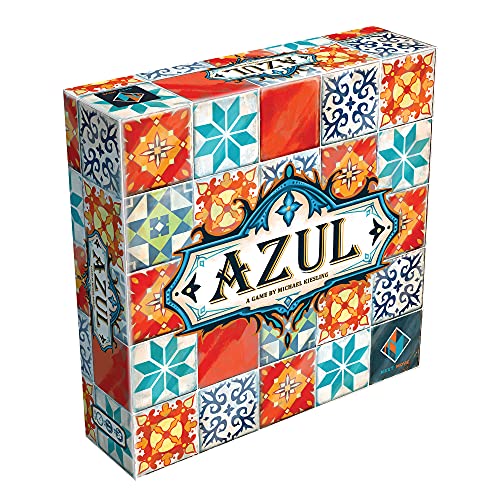
Overview: The original Azul invites 2–4 players to compete in creating dazzling mosaics using brightly colored tiles, inspired by Portuguese azulejos. Winning the Spiel des Jahres award, it blends elegant design with accessible strategy for ages 8+, perfect for family or casual game nights.
What Makes It Stand Out: Its genius lies in effortless rules—drafting tiles to fill your board—paired with profound tactical depth. The tactile, high-quality tiles and vibrant artwork transform each session into a visually satisfying puzzle, while the scoring system rewards foresight without overwhelming newcomers.
Value for Money: Exceptional for its durability and broad appeal. At mid-range pricing, it delivers more strategic richness and replayability than most family games, justifying its status as a modern classic.
Strengths and Weaknesses: Strengths: Easy to learn, stunning components, scales perfectly for 2–4 players, and fosters strategic planning. Weaknesses: Can feel luck-dependent early on, and experienced players may dominate casual groups.
Bottom Line: A must-have gateway game that balances beauty, simplicity, and depth. Universally recommended for families and hobbyists alike.
4. Smirk and Dagger BOOP | Adorable 2 Player Cat and Kitten Strategy Game with 32 Wooden Pieces | Fast Tactical Puzzle Gameplay for Families Couples Kids and Adults | Ages 10 Plus

Overview: BOOP is a fast-paced 2-player abstract strategy game where players place wooden kitten and cat pieces to create chain-reaction “boops,” shifting opponents’ pieces to secure three-in-a-row. With a 30-minute playtime and age 10+ suitability, it blends whimsy with sharp tactics.
What Makes It Stand Out: The ingenious boop mechanic—where placing a kitten pushes adjacent pieces—creates unpredictable, dynamic puzzles. Adorable quilted “bed” board and charming wooden components mask surprising strategic depth, appealing equally to cat lovers and hardcore gamers.
Value for Money: Priced competitively for its unique mechanics and heirloom-quality pieces. It outperforms similar abstract games (like Connect 4 variants) with deeper decision-making and higher component value.
Strengths and Weaknesses: Strengths: Innovative movement system, rapid gameplay, universally appealing aesthetics, and perfect for quick sessions. Weaknesses: Limited to 2 players, and the luck of piece draws can occasionally overshadow strategy.
Bottom Line: A delightful, clever duel that turns simple rules into endlessly engaging cat-themed chaos. Highly recommended for couples or strategy fans seeking quick, meaningful fun.
5. Adultopoly Board Game, Couple Adultopoly Board Game, Adults Board Games for Couple Relationship Conversation Game Card Board

Overview: Adultopoly is a couples’ conversation game designed to deepen relationships through guided prompts and playful challenges. Packaged with a board and cards, it targets adult partners seeking to spark intimacy via structured, lighthearted dialogue during dedicated quality time.
What Makes It Stand Out: Unlike traditional board games, it prioritizes emotional connection over competition, using thoughtfully curated questions to uncover new dimensions in relationships. Its portable, durable design and focus on creating “unscripted moments” make it a unique tool for modern couples.
Value for Money: Reasonable for its niche purpose, though less replayable than strategy games. It justifies cost as a relationship-building aid versus generic date-night kits, but lacks the longevity of hobbyist board games.
Strengths and Weaknesses: Strengths: Fosters vulnerability and communication, high-quality materials, discreet and travel-friendly. Weaknesses: Superficial without genuine engagement, repetitive after few plays, and not a “game” in traditional strategic sense.
Bottom Line: A useful conversation catalyst for couples needing fresh connection tools, but best paired with deeper relationship work. Recommended for新人 seeking playful intimacy starters.
6. CGE Codenames Board Game (2nd Edition) The Top Secret Word Association Party Game for Friends & Family Game Nights, 4+ Players

Overview:
CGE’s Codenames (2nd Edition) is a fast-paced word association party game where two teams compete to identify their secret agents on a 5x5 grid. Guided by spymasters who give cryptic one-word clues, players race to uncover their team’s cards while avoiding the assassin, which ends the game instantly.
What Makes It Stand Out:
Its brilliance lies in the spymaster role, demanding creative, concise clues that link multiple words without misleading teammates. The assassin mechanic injects high-stakes tension, while the “plus one” guess rule allows strategic risk-taking. Simple rules enable explosive social deduction and laughter, making it ideal for large groups.
Value for Money:
Priced accessibly, it delivers exceptional replayability with countless word combinations and player dynamics. It outshines similar party games by requiring no app or complex setup, offering pure, scalable fun for under $25—far exceeding alternatives in longevity per dollar.
Strengths and Weaknesses:
Strengths: Incredibly easy to learn; scales perfectly from 4–8+ players; fosters teamwork and creativity; compact and portable. Weaknesses: Can stall with inexperienced spymasters; limited depth for hardcore strategy gamers; word list may feel repetitive after hundreds of plays.
Bottom Line:
A near-perfect party game that sparks joy, tension, and hilarious miscommunication. Its clever design and universal appeal make it a must-own for any game shelf—highly recommended for casual and seasoned players alike.
7. Everdell Duo – 2-Player Standalone Board Game with Competitive, Co-Op & Campaign Modes – Strategy Game with Woodland Theme, Ages 10+, Fast 30-Minute Gameplay

Overview:
Everdell Duo distills the acclaimed woodland-themed strategy game into a lean, 30-minute experience crafted exclusively for 1–2 players. It retains the original’s charm while introducing streamlined mechanics like sun/moon tokens and shifting meadow rules for dynamic, bite-sized sessions.
What Makes It Stand Out:
Its versatility shines through three distinct modes: competitive, full co-op, and a 15-chapter campaign. The sun/moon token system adds elegant tension, forcing players to balance immediate actions with long-term resource management. Gorgeous critter cards and a double-sided board enhance thematic immersion without overwhelming complexity.
Value for Money:
Justifying its mid-range price, Duo includes 130+ high-quality components and offers remarkable variety. The campaign mode alone provides dozens of hours of replayability, eclipsing pricier 2-player games that lack narrative depth or co-op flexibility.
Strengths and Weaknesses:
Strengths: Exceptional replay value via multiple modes; intuitive worker placement/card drafting; stunning art; perfect runtime. Weaknesses: Campaign progression can feel light; component storage is suboptimal; limited player count excludes larger groups.
Bottom Line:
A triumph of focused design, Everdell Duo delivers strategic richness and narrative charm in a compact package. Ideal for couples or duos seeking depth without time commitment—it’s the definitive 2-player strategy gateway.
8. Asmodee Splendor Board Game - Master The Art of Wealth and Prestige! - Engaging Gem Mining Strategy Game for Kids & Adults, Ages 10+, 2-4 Players, 30 Min Playtime

Overview:
Splendor challenges players to build a Renaissance gem merchant empire by collecting gem tokens, purchasing development cards, and attracting noble patrons. This engine-building classic, refreshed for its 10th anniversary, offers brisk 30-minute sessions perfect for families and hobbyists.
What Makes It Stand Out:
Its genius is in elegant simplicity: intuitive resource conversion (gems → cards → prestige points) creates surprising strategic depth. The tactile gem tokens and streamlined turns make it instantly accessible, while multiple victory paths encourage replayability and thoughtful planning.
Value for Money:
At a budget-friendly price, Splendor punches above its weight. With zero luck-based elements, it rewards pure strategy more effectively than many heavier ($60+) euros. The anniversary edition’s enhanced art and components add lasting value for casual and competitive play.
Strengths and Weaknesses:
Strengths: Effortless to learn; high strategic depth for runtime; excellent component quality; scales well for 2–4 players. Weaknesses: Can feel luck-dependent early on; limited interaction may disappoint some; nobles sometimes disrupt careful planning unfairly.
Bottom Line:
A timeless gateway game that balances approachability with meaningful decisions. Splendor remains a gold standard for introductory strategy—essential for new collectors and a delightful refresher for veterans.
9. The Ultimate Date Night Game by Relatable, Great for Couples Games and Stay at Home Date Night Ideas, From The Makers of Let’s Get Deep Relationship Card Game, Includes 200 Cards & Spinner

Overview:
Designed for couples seeking meaningful connection, this game uses 200 themed cards and a spinner to guide romantic, playful, or introspective activities. It transforms routine evenings into structured bonding experiences focused on intimacy, nostalgia, and shared laughter.
What Makes It Stand Out:
Unlike generic trivia games, its five card categories (e.g., “Share a Memory,” “Try Something New”) foster vulnerability and active participation. The spinner-driven format eliminates decision fatigue, while win conditions (collect 25 cards) add light competition to otherwise cooperative prompts.
Value for Money:
Priced as a premium gift item, it justifies cost through curated content aimed at relationship enrichment. While material quality is standard, the thoughtfully written prompts offer far more emotional value than comparable couples’ games lacking structured progression.
Strengths and Weaknesses:
Strengths: Promotes genuine conversation; eliminates “what should we do?” stress; versatile for new or long-term couples; compact and travel-friendly. Weaknesses: Some prompts feel repetitive; requires mutual engagement (not ideal for conflict resolution); limited physical components beyond cards.
Bottom Line:
An excellent catalyst for reconnection, especially for couples in routines. Skip it if seeking pure fun; buy it to deepen intimacy—it’s a thoughtful investment in relationship health.
10. Spin Master Games, SolidRoots Escaping Extinction, Cooperative Strategy Board Game from The Makers of Mind The Gap, Easter Gift, 1-4 Players, for Ages 12 & Up

Overview:
In Escaping Extinction, players embody resourceful dinosaurs racing to build a rocket before a meteor strikes. This cooperative adventure tasks teams with exploring a modular prehistoric world, gathering rocket parts, and surviving earthquakes that dynamically reshape the board.
What Makes It Stand Out:
The tile-based, ever-changing map ensures unique layouts each session, while earthquake cards introduce thrilling mid-game disruptions. The 3D rocket assembly adds tangible satisfaction, blending strategic planning with hands-on excitement rarely seen in family co-ops.
Value for Money:
Mid-priced for its scope, it delivers robust replayability through randomized boards and variable difficulty. The physical rocket construction justifies cost better than purely card-driven co-ops, though component depth lags behind premium $50+ titles.
Strengths and Weaknesses:
Strengths: Highly replayable modular design; engaging theme for kids/adults; cooperative tension without player elimination; sturdy 3D rocket. Weaknesses: Rulebook clarity issues; luck-heavy event draws; limited strategic depth for hardcore gamers.
Bottom Line:
A vibrant, family-friendly co-op that excels at creating shared “close call” moments. Best for casual groups seeking accessible adventure—recommended for dinosaur fans and budding strategists.
Understanding Core Strategy Game Elements for Couples
What Truly Defines a Strategy Game
A genuine strategy game minimizes luck and maximizes meaningful player decisions. Look for mechanics where outcomes depend on planning, resource management, and anticipating your partner’s moves—not dice rolls or card draws. Games emphasizing “player agency” ensure both partners feel their choices directly shape the experience, making victories earned and losses instructive rather than random. This focus transforms competition into a collaborative learning journey, even when you’re technically opponents.
The Critical Role of Asymmetric Gameplay
Asymmetry—where players have different starting positions, abilities, or goals—is often key for couple dynamics. It prevents repetitive “mirror matches” and forces constant adaptation, as you can’t simply copy your partner’s successful strategy. This variety keeps games fresh over multiple sessions and reduces the sting of defeat; losing feels less like personal failure and more like encountering a novel challenge. Well-designed asymmetry also accommodates differing skill levels naturally, letting the less experienced partner leverage unique advantages.
Balancing Direct vs. Indirect Conflict
How conflict manifests in a game dramatically impacts couple dynamics. Direct conflict (like attacking each other’s pieces) can heighten tension but risks genuine friction if taken personally. Indirect conflict—competing for shared resources, territory, or objectives—maintains competitive pressure while feeling less confrontational. For most couples, games emphasizing indirect competition foster healthier rivalry, as “sabotage” feels strategic rather than personal. Recognize your shared tolerance for confrontation; some thrive on playful aggression, while others prefer subtler mind games.
Player Count and Partnership Dynamics
Why Two-Player Optimization Matters Most
Many strategy games support two players but were designed for larger groups, leading to awkward pacing or diluted interaction. Truly optimized two-player experiences feature tight mechanics where every action has immediate, visible consequences for your opponent. These games often include catch-up mechanisms preventing runaway leads and ensuring both players feel engaged until the final turns. Prioritize titles explicitly refined for head-to-head play, as they eliminate the “third-wheel” mechanics that can make couples feel like the game is fighting against its own design.
When Team Play Enhances Competition
Occasionally, switching from direct competition to cooperative or team-based strategy can refresh your dynamic. Games where you temporarily ally against a game-controlled opponent (like a “legacy” system or scenario-based AI) let you experience shared triumph before returning to rivalry. This cyclical tension—cooperating intensely then competing fiercely—mimics real relationship dynamics and can make subsequent competitive rounds feel more respectful. It’s not about avoiding competition, but framing it within a broader context of partnership.
Time Investment and Practical Playability
Managing Session Length for Real Life
The ideal strategy game for couples fits your actual schedules, not an idealized version of them. Brutally long sessions (90+ minutes) often end in fatigue-induced frustration, especially after work or parenting duties. Prioritize games with clear “phases” or adjustable timers that let you pause strategically without breaking immersion. Games where early decisions have compounding effects are particularly vulnerable to time pressure; shorter, modular games with consistent pacing ensure you finish feeling energized, not drained.
Setup and Takedown: The Hidden Time Sinks
Don’t underestimate the mental load of complex setups. Games requiring intricate board assembly, token sorting, or rulebook referencing before play begins eat into precious couple time and create subconscious resistance. Look for streamlined setups where the board evolves organically during play or uses minimal components. Similarly, quick takedown processes (like bagging components directly from the board) prevent post-game resentment. Efficiency here isn’t laziness—it’s respecting the finite energy you’ve set aside for connection.
The Learning Curve Sweet Spot
A game too simple becomes boring fast; one too complex turns learning into a chore. Ideal couple strategy games feature “onion-layered” depth: easy to grasp core rules (under 10 minutes) with strategic nuances revealed over multiple plays. Avoid games demanding memorization of dense rulebooks or obscure interactions. Instead, seek those where early games feel accessible, but later sessions unlock subtle tactics—this mirrors how relationships deepen, making mastery a shared journey rather than a frustrating hurdle.
Psychological and Relational Considerations
Navigating the Win-Set Theory in Practice
Win-set theory suggests players stay engaged when they perceive multiple viable paths to victory, even when trailing. Games implementing this well prevent “kingmaking” (where a losing player decides the winner) and reduce hopelessness during downturns. For couples, this is crucial—knowing you can claw back from behind keeps competition spirited, not sour. Observe how the game handles losing positions: Do comebacks feel earned, or do they rely on luck? Your dynamic thrives when both partners believe effort, not fate, determines outcomes.
Emotional Safety Through Game Design
The best strategy games include “emotional guardrails.” These might be humor in theme (softening the blow of defeat), simultaneous action selection (reducing analysis paralysis tension), or built-in diplomacy phases allowing verbal processing. Notice if the game encourages trash talk within agreed boundaries or forces uncomfortable confrontations. Prioritize designs where the game’s structure—not just your self-control—helps maintain psychological safety, turning heated moments into shared laughter rather than real conflict.
The Importance of Physical Board Presence
How components feel in your hands matters more than you think. High-quality boards, satisfying tokens, and tactile pieces create sensory engagement that anchors you in the moment, reducing the likelihood of taking losses personally. A flimsy board or confusing iconography breeds frustration unrelated to actual gameplay, poisoning the competitive atmosphere. Invest in games where the physicality enhances the mental challenge—smooth card shuffling, weighty resources—making the shared space feel intentional and respectful.
Theme and Immersion Factors
How Theme Affects Competitive Tension
Theme isn’t just window dressing; it reframes competition. A cutthroat economic engine game might feel harsh, but the same mechanics in a lighthearted space-exploration theme can make aggressive plays feel playful. Choose themes aligning with your shared values: historical settings might resonate if you love documentaries, while abstract games remove emotional baggage from real-world conflicts. Crucially, avoid themes glorifying destructive behavior (e.g., overt warfare) if it triggers genuine discomfort—immersion should enhance, not undermine, your bond.
Narrative Progression vs. Standalone Sessions
Some strategy games build a cumulative narrative over sessions (legacy or campaign modes), while others reset completely each time. For couples, legacy systems can deepen investment but risk “ruining” the experience with one bad loss. Standalone games offer cleaner slates, ideal if you prefer fresh starts. Consider your emotional bandwidth: Do you want the weight of past defeats hanging over new games, or clean breaks where each session is its own story? There’s no right answer—only what suits your resilience as a team.
Replayability and Long-Term Engagement
Variable Setup as a Relationship Lifesaver
Replayability hinges on variability. Games with randomized maps, shuffled objectives, or modular boards ensure no two sessions feel identical, preventing staleness. For couples, this is non-negotiable—repeating the same board state leads to memorized “optimal” plays, killing spontaneity. Seek designs where setup variability directly influences strategy, forcing constant adaptation. This mirrors real relationship growth: new challenges require new solutions, keeping your intellectual connection vibrant long-term.
Scalable Depth for Evolving Skill Levels
The perfect game grows with you. Early on, focus on basic mechanics; later, uncover advanced tactics without needing expansions. Look for “hidden depth” where rules interactions create emergent complexity organically. This scalability prevents one partner from plateauing while the other advances, a common source of imbalance. Games offering optional advanced rules let you dial up intensity together, ensuring neither feels patronized or overwhelmed as your strategic intuition develops in tandem.
Integrating Strategy Games Into Your Relationship Rhythm
Scheduling Mindfully Around Energy Levels
Timing is everything. Don’t schedule intense strategy sessions when you’re both exhausted—frustration will overshadow fun. Align game nights with natural energy peaks: weekend mornings for some, quiet weeknights after kids’ bedtimes for others. Treat it like a date: set the mood with lighting, snacks, and device-free zones. This ritual preparation signals to your brain this is quality time, helping you separate game competition from real-life dynamics.
Post-Game Debriefs That Strengthen Bonds
What you do after the final move matters most. Dedicate 5 minutes to discuss the game objectively: “I loved how you adapted when I blocked X,” or “Next time, I’ll try Y strategy.” Avoid blame-focused language (“You tricked me!”). Frame insights as shared discoveries: “We both learned how crucial timing Z is.” This practice trains you to give constructive feedback—a skill that transcends the game table—turning competition into a tool for mutual growth.
Frequently Asked Questions
What makes a strategy game “couple-friendly” compared to standard competitive games?
Couple-friendly strategy games prioritize balanced mechanics that prevent one-sided domination, incorporate emotional guardrails like humor or indirect conflict, and offer clear paths to recovery after setbacks. They minimize luck-based frustration and ensure both partners remain engaged until the end, transforming competition into shared intellectual exploration rather than personal combat.
How can we avoid arguments when playing intensely competitive games?
Establish ground rules before playing: agree on acceptable trash talk, set time limits for turns to prevent analysis paralysis, and commit to a post-game debrief focusing on strategy, not blame. Choose games with built-in conflict buffers (like simultaneous action selection) and prioritize designs where losing feels like a solvable puzzle rather than personal failure.
Are short playtime strategy games still deep enough for serious competition?
Absolutely. Many modern strategy games achieve remarkable depth in 30-45 minute sessions through elegant mechanics like card drafting or area control. Shorter games often feature tighter decision trees where every move carries weight, preventing fatigue-induced mistakes. They’re ideal for busy couples seeking meaningful competition without marathon sessions.
What if my partner consistently wins? Will this ruin our dynamic?
Consistent wins often stem from asymmetric design flaws or unbalanced starting positions—not inherent skill gaps. Choose games with strong catch-up mechanics or adjustable difficulty. Rotate who picks starting roles, and focus on collaborative learning: “Let’s analyze why that strategy worked” beats “Why can’t you beat me?” Remember, shared growth matters more than individual records.
Can strategy games actually improve our relationship?
Yes, when approached intentionally. They build communication skills through negotiation phases, teach graceful winning/losing, and provide structured problem-solving practice. The key is framing competition as collaborative exploration: “We’re figuring this system out together,” even when technically opponents. Post-game discussions translate directly to real-world conflict resolution.
How do I know if a game’s theme might cause unintended tension?
Avoid themes mirroring real-life stressors (e.g., financial collapse if money arguments are common). Test with neutral themes first—abstract or fantastical settings create psychological distance. Observe initial reactions: if aggressive mechanics in a war theme spark genuine anger, pivot to games where “conflict” involves lighthearted resource competition like gardening or city-building.
What’s the biggest mistake competitive couples make with strategy games?
Forcing marathon sessions when energy is low. Fatigue amplifies frustration, turning minor setbacks into major conflicts. Start with shorter games (under 60 minutes), schedule play during natural energy peaks, and always prioritize ending on a positive note—even if pausing mid-game. Consistency beats duration for building healthy habits.
How important is physical component quality for relationship dynamics?
Crucially underrated. Flimsy boards or confusing tokens breed subconscious resentment that spills into gameplay. High-quality components (smooth cards, substantial tokens) create sensory satisfaction that enhances focus and reduces friction. Investing in games with thoughtful physical design shows respect for your shared time—making setup and play feel like an event, not a chore.
Should we ever play cooperative strategy games instead?
Absolutely—and strategically. Alternating competitive and cooperative play resets relational dynamics. Cooperative strategy games let you experience intense teamwork against a common challenge, building trust that makes subsequent competitive rounds feel safer. Use them as palate cleansers after tough losses or to practice communication skills in lower-stakes environments.
How do we keep strategy games feeling fresh after months of play?
Prioritize games with high replayability through variable setups, modular boards, or legacy elements. Schedule “theme nights” (e.g., only space-themed games for a month) or impose fun restrictions (“no taking the red resource”). Most importantly, track your evolving strategies together—celebrating when you both master a new tactic keeps growth at the forefront.
See Also
- 10 Best Strategy Board Games for Competitive Players This Year
- 10 Best Strategy Board Games for Competitive Couples in 2026
- 10 Best Light Strategy Board Games for Quick Play Sessions This Year
- The 10 Ultimate Best Strategy Board Games for Competitive Players in 2026
- 10 Strategy Board Games Mistakes to Avoid This Year That Sabotage Your Wins

