Table of Contents
Gathering around the table for family game night creates memories that last far beyond the final score. In recent years, roll and write games have emerged as the perfect bridge between simple entertainment and engaging strategy, offering something genuinely special for families seeking quality screen-free time together. These games combine the tactile satisfaction of rolling dice with the creative expression of marking scoresheets, creating an interactive experience that keeps everyone invested from the youngest player to the grandparents.
As we look toward 2026, the roll and write genre continues to evolve with innovative mechanics, diverse themes, and designs specifically crafted for family dynamics. Unlike traditional board games that might intimidate younger players or bore adults, these gems scale beautifully across age groups while maintaining enough depth to reward strategic thinking. Whether you’re new to the hobby or looking to expand your collection, understanding what makes these games tick will help you choose options that your family will return to again and again.
Top 10 Roll and Write Games for Family
Detailed Product Reviews
1. GameHead First-Class Letters, Roll & Write Word Game for Families and Parties, Ages 8+, 1-100 Players, Fast Paced 20 Minute Play Time, Fun and Travel Friendly
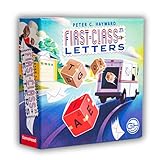
Overview: First-Class Letters reimagines word games through a roll-and-write lens, challenging players to craft alphabetical vocabulary chains across seven brisk rounds. Designed for massive groups (1-100 players) and playable in just 20 minutes, it transforms traditional word-building into a frantic, strategic sprint. The postal theme cleverly integrates risk-reward mechanics where letter selection determines scoring potential, making it accessible for ages 8+ while offering surprising depth for seasoned wordsmiths.
What Makes It Stand Out: The alphabetical constraint is a brilliant twist—your final word column must read A-Z top to bottom, forcing forward-thinking that few word games demand. The “dead letter” and “priority mail” dice introduce push-your-luck tension, elevating it beyond simple anagramming. Its staggering 100-player capacity with zero downtime makes it unparalleled for large parties, while solo mode provides satisfying puzzle-like engagement.
Value for Money: Positioned as an affordable party game, it delivers exceptional scalability. Comparable word games cap at 6-8 players, requiring multiple copies for larger gatherings. The included reusable score sheets and compact dice pouch minimize long-term costs. While not cheap, its unique mass-play capability justifies the premium over standard word games.
Strengths and Weaknesses: Pros: Massive player count; quick playtime; innovative alphabetical mechanic; portable; excellent for classrooms/events. Cons: Limited replayability once players master strategies; alphabetical constraint may frustrate younger players; requires custom dice.
Bottom Line: Perfect for educators, party hosts, or word-game enthusiasts seeking fresh challenges. Its unique mechanics and scalability make it a worthy addition, though casual players may prefer simpler options.
2. Thames & Kosmos Lost Cities: Roll & Write | A Family Friendly Game from Kosmos Games |by Reiner Knizia | for 2 to 5 Players, Ages 8 and up

Overview: Legendary designer Reiner Knizia distills his acclaimed Lost Cities card game into a sleek dice-driven experience. Players launch expeditions by rolling ascending numbers, balancing risk versus reward in a compact, travel-friendly package. Supporting 2-5 players in 15-20 minutes, it maintains the series’ core tension—pushing further for greater rewards or playing it safe—while streamlining setup and eliminating card-counting.
What Makes It Stand Out: The ascending number mechanic creates palpable tension, as each expedition demands commitment before you know if you’ll complete the sequence. Its dice pool elegantly simulates the original’s card drafting, while the “skip” mechanism adds strategic flexibility. As part of a respected franchise, it carries design pedigree that ensures balanced, nuanced gameplay despite simple rules.
Value for Money: Kosmos’ production quality shines with thick pads and engraved dice at a mid-range price point. While cheaper roll-and-writes exist, the Knizia branding and proven mechanics offer reliability. It’s more expensive than generic alternatives but cheaper than the full card game, making it an excellent entry point.
Strengths and Weaknesses: Pros: Elegant, proven mechanics; quick setup; portable; scales well; great for family play; official solo variant. Cons: Abstract theme may underwhelm; limited player interaction; experienced gamers may find it too light; requires understanding of probability.
Bottom Line: A refined, family-friendly dice game that honors its lineage. Ideal for fans of the series or families wanting quality over quantity, though hardcore gamers might crave more complexity.
3. Calliope Roll for It! Deluxe Edition – Fast Dice Rolling Game of Luck & Strategy for 2–8 Players Ages 8+ | Quick Family Board Game Night Fun in Travel Tin

Overview: Roll for It! transforms simple dice matching into a lightning-fast tactical affair. Players roll dice to complete illustrated cards, racing to claim patterns before opponents. The Deluxe Edition elevates the experience with premium components—embossed tin, quality dice, and vibrant cards—accommodating 2-8 players in frantic 15-minute sessions that keep everyone constantly engaged.
What Makes It Stand Out: The real-time competition for shared cards creates delicious tension; you’re never waiting for your turn. Its “steal” mechanism—where opponents can hijack your progress—adds surprising depth to a seemingly luck-driven game. The deluxe presentation transforms a simple concept into a gift-worthy package that feels substantial despite its portability.
Value for Money: The deluxe tin and upgraded components justify the $20-25 price tag over the basic version. While you could simulate it with standard dice, the curated experience and durability make it worthwhile. It’s cheaper than many hobby games but pricier than mass-market options, hitting a sweet spot for quality-to-cost ratio.
Strengths and Weaknesses: Pros: Zero downtime; beautiful components; easy to teach; excellent player range; great for mixed skill levels; travel-friendly. Cons: Heavy luck dependence can frustrate strategists; limited strategic depth; deluxe version may be overkill for casual play.
Bottom Line: A stellar filler game that shines as a gateway title. The Deluxe Edition is worth it for frequent players or as a gift, delivering maximum engagement with minimal rules overhead for any gathering.
4. Stronghold Games Riverside – Strategic Roll-and-Write Adventure, Explore The Arctic, Fun Family Board Game for 1-6 Players, Ages 14+

Overview: Riverside charts new territory in roll-and-write design by simulating Arctic river cruise logistics. Players draft from a shared dice pool to route tours, fill boats, and satisfy tourist groups across a modular board. Unlike simpler titles, this 1-6 player game demands spatial planning and resource optimization over 30-45 minutes, targeting ages 14+ with its richer strategic landscape and meaningful decisions each round.
What Makes It Stand Out: The shared dice pool with color-specific drafting introduces interactive competition and adaptive planning. Its modular board and multiple scoring paths—boat capacity, route length, excursion variety—create emergent strategies. The theme, while unusual, integrates seamlessly with mechanics, offering a narrative arc absent in abstract alternatives.
Value for Money: At $25-30, it competes with mid-weight strategy games. The reusable board and quality components offset the premium over disposable pad games. While pricier than entry-level roll-and-writes, its depth and replayability match full board games, making it fairly priced for hobbyists seeking substance over simplicity.
Strengths and Weaknesses: Pros: Strategic depth; high replayability; modular setup; meaningful solo mode; unique theme; interactive dice drafting. Cons: Higher complexity intimidates casual players; longer playtime may not suit all groups; rulebook could be clearer; limited player count for parties.
Bottom Line: An excellent choice for strategy gamers wanting roll-and-write depth. Its complexity rewards repeated plays, though families should consider lighter alternatives for game night.
5. Blue Orange Games Kingdomino Duel, Roll & Write Board Game - Dice Rolling Version of The Award Winning Strategy Board Game Kingdomino - 2 Players. Recommended for Ages 8 & Up

Overview: Kingdomino Duel compresses the award-winning tile-laying kingdom builder into a tense two-player dice duel. Players roll four dice, combine two into a “domino,” and draw corresponding terrain symbols on their grid. Shields with crosses score like crowns; blank shields unlock shared spellbook powers. This 15-minute battle of territory control distills Kingdomino’s essence into a pocket-sized, pad-driven format perfect for travel.
What Makes It Stand Out: The dice-to-domino translation preserves the original’s spatial puzzle while adding push-your-luck dice mitigation. The spellbook mechanism is genius—competing for shared powers creates direct conflict and forces difficult trade-offs. As a two-player exclusive, it’s finely tuned for head-to-head tension, something many roll-and-writes lack.
Value for Money: At $15-18, it’s an exceptional value for a designer-branded two-player game. The 100-sheet pad and four custom dice provide dozens of plays, costing pennies per session. While limited to two players, it’s cheaper than the base Kingdomino and offers a distinct, equally strategic experience.
Strengths and Weaknesses: Pros: Perfectly balanced for two players; quick but strategic; portable; captures Kingdomino feel; spellbook adds depth; affordable. Cons: Strictly two-player; limited sheets require eventual replacement; abstract art may disappoint; dice luck can swing outcomes.
Bottom Line: Essential for couples, roommates, or Kingdomino fans seeking a travel version. Its focused design excels within its constraints, delivering premium two-player strategy at a budget price point that is hard to beat.
6. My City Roll and Build | Board Games | Dice Game | Roll and Write | 1 to 6 Players | Kosmos | 1-6 Players | Fast-Paced Game

Overview: My City Roll and Build transforms the beloved legacy board game into an accessible roll-and-write format. Players roll dice to sketch their burgeoning metropolis, competing to create the most efficient urban layout. Designed for 1-6 participants and clocking in at roughly 30 minutes, this version distills the original’s essence into a portable, replayable experience. The game ships with 12 episodes that progressively introduce new mechanics, allowing you to play them individually or as a connected campaign, making it equally suitable for casual gamers and dedicated enthusiasts seeking depth.
What Makes It Stand Out: The episodic structure is the star here, offering a gentle learning curve that keeps gameplay fresh across multiple sessions. Unlike static roll-and-writes, each episode fundamentally alters rules and objectives, from prospecting for gold to defending against bandits. This campaign-style progression creates genuine anticipation for what’s next while maintaining the core spatial puzzle. The competitive element, where everyone uses the same dice rolls differently, ensures engaging player interaction without direct conflict, striking a perfect balance between luck and strategic planning.
Value for Money: With 12 distinct scenarios that effectively provide a dozen games in one box, My City Roll and Build delivers exceptional value. Most roll-and-writes offer a single experience that grows stale; this provides a curated journey. While slightly pricier than basic entries in the genre, the campaign structure and replayability justify the investment. It essentially replaces multiple standalone games, making it economical for regular players while offering more content than typical legacy-style games that become unusable after completion.
Strengths and Weaknesses: Strengths include the innovative episodic progression, scalable complexity, and strong solo mode. The spatial puzzle remains satisfying across all player counts, and the campaign structure encourages repeated play. However, weaknesses include heavy paper consumption requiring additional sheets, some episodes may feel unbalanced or less engaging than others, and fans of the original board game might miss the tactile tile-laying component. The theme is also fairly abstract, which may not appeal to everyone.
Bottom Line: My City Roll and Build is a must-have for roll-and-write enthusiasts and fans of the original seeking a more sustainable, replayable experience. It excels as a solo game or for groups wanting meaningful progression without a permanent legacy commitment. While it won’t completely replace the original’s charm, it stands as one of the most innovative entries in the genre.
7. Stonemaier Games: Rolling Realms Redux by Jamey Stegmaier & Karel Titeca | A Light, Strategic Roll-and-Write Game for Families and Adults | Compete in a Series of Minigames | 1-6 Players, 30 Mins

Overview: Rolling Realms Redux is the standalone expansion to the acclaimed Rolling Realms, offering 12 entirely new realm cards inspired by other popular board games. Designed by Jamey Stegmaier and Karel Titeca, this iteration maintains full compatibility with the original while introducing fresh challenges. For 1-6 players and lasting about 30 minutes, participants roll dice each turn and simultaneously mark results on their realm sheets to generate resources and earn stars across three rounds. The game scales beautifully from a quick single-round filler to a full three-round strategic experience.
What Makes It Stand Out: The 12 new realms are completely unique to this box, drawing inspiration from games like Planet Unknown, Flamecraft, and Wonderland’s War, creating a delightful meta-experience for hobby enthusiasts. The clever design allows all players to use the same dice roll differently on their individual realm cards, minimizing downtime while maximizing strategic depth. The inclusion of a living rulebook and a box designed to accommodate all existing and planned realms demonstrates exceptional long-term planning, making this a future-proof collection centerpiece.
Value for Money: As a standalone expansion with 12 fresh realms plus storage for your entire Rolling Realms collection, Redux offers tremendous value. The realms provide dozens of unique combinations, ensuring near-infinite replayability. While the MSRP is higher than basic dice games, you’re essentially purchasing a modular system that grows with your collection. For fans of the original, it’s essential; for newcomers, it’s the perfect entry point that eliminates the need to hunt down previous expansions.
Strengths and Weaknesses: Strengths include brilliant cross-game theming, zero downtime, excellent solo mode with special features, and superb component organization. The game’s modular nature means you can adjust complexity and playtime effortlessly. However, some realms feel more intuitive than others, creating a slight learning curve imbalance. The reliance on dice can frustrate players seeking pure strategy, and the abstract nature of converting dice to resources may feel dry to those wanting stronger thematic integration.
Bottom Line: Rolling Realms Redux is essential for Rolling Realms fans and one of the smartest roll-and-write purchases for newcomers. Its clever design, cross-game homage, and exceptional replayability make it a standout. If you enjoy dice manipulation puzzles and want a game that respects your time and collection, this is a top-tier choice.
8. Daydream Board Game - Cozy Roll-and-Write Puzzle with Foldable Boards & 8 Sceneries, Relaxing Strategy Game for Families & Friends, Kids & Adults, Ages 8+, 1-5 Players, 15-30 Min Playtime

Overview: Daydream offers a serene alternative to competitive dice games, positioning itself as a cozy roll-and-write puzzle experience. Players roll dice simultaneously, add their values, and carefully place numbers to fill cloud grids on foldable boards. Completing perfect lines allows you to decorate your dream space with constellations, musical notes, and photos across eight different scenery combinations. Designed for 1-5 players and lasting 15-30 minutes, it prioritizes relaxation over cutthroat competition while maintaining engaging strategic decisions.
What Makes It Stand Out: The foldable board mechanism with eight distinct scenery configurations is genuinely innovative, creating a tactile, replayable surface that reduces paper waste. Each scenery introduces unique rules and challenges, effectively providing eight games in one. The simultaneous dice rolling and placement eliminates downtime entirely, while the “break your streak” mechanic adds just enough tension without inducing stress. Its focus on creativity and calm strategy fills a rare niche in the market for genuinely relaxing tabletop experiences.
Value for Money: Daydream hits a sweet spot for budget-conscious gamers seeking quality components and replayability. The reusable boards and multiple sceneries provide exceptional longevity compared to paper-based alternatives. While not the cheapest roll-and-write available, its durable components and eight distinct gameplay modes make it more economical than purchasing multiple separate games. For families and casual gamers, it offers tremendous value per play session.
Strengths and Weaknesses: Strengths include innovative reusable boards, genuine relaxing gameplay, zero downtime, and beautiful aesthetics. The scalability of difficulty accommodates ages 8+ while offering depth for adults. However, the gentle theme may feel too passive for those craving intense competition. The scoring system can occasionally feel opaque, and some sceneries are markedly more engaging than others, potentially leaving certain configurations underplayed. The abstract nature might not resonate with players seeking strong thematic narratives.
Bottom Line: Daydream is perfect for families seeking calm gaming experiences, solo players wanting mindful relaxation, or groups tired of high-conflict games. It successfully balances accessibility with strategic depth while pioneering sustainable components. If you value tranquility and creativity over aggression in gaming, this is an exceptional choice.
9. Matagot House of Cats Board Game - Engage in a Whimsical Battle of Wits and Luck! Fun Roll and Write Strategy Game for Kids & Adults, Ages 10+, 1-6 Players, 15-20 Min Playtime, Made by Aporta Games

Overview: House of Cats is a whimsical roll-and-write designed by industry veterans William Attia and Kristian A Østby, where players draft dice to construct rooms and attract feline friends while avoiding mischievous mice. Supporting 1-6 players in just 15-20 minutes, this fast-paced game combines spatial puzzle elements with light strategy. Players group dice numbers to form rooms, unlocking special abilities from a random selection of twelve potential powers each game, ensuring no two sessions play identically across its four unique levels.
What Makes It Stand Out: The collaboration between Attia (Citadels) and Østby creates a design pedigree that shines through elegant mechanics. The twelve randomly assigned abilities each game provide tremendous variability without overwhelming complexity. Its dual-layered strategy—optimizing room placement while managing the cat-versus-mouse scoring dynamic—offers surprising depth for such a quick game. The whimsical theme is integrated thoughtfully, with each decision feeling meaningful rather than superficially pasted on.
Value for Money: House of Cats delivers solid value for its price point, offering four difficulty levels and twelve modular abilities that create substantial replayability. The 15-20 minute playtime means it will hit the table frequently, maximizing your investment. While it doesn’t include campaign content like some competitors, its variability mechanisms ensure longevity. It’s priced competitively within the roll-and-write market, making it accessible for families while offering enough strategic meat to satisfy hobbyists.
Strengths and Weaknesses: Strengths include lightning-fast gameplay, clever variable setup, strong solo mode, and pedigree of its designers. The cat theme appeals broadly without being juvenile. The four levels provide excellent scaling for different skill levels. However, the short playtime may leave some wanting more strategic depth, and the dice drafting can lead to occasional analysis paralysis despite the timer. The theme, while charming, remains fairly abstract, and the small player boards feel cramped at higher player counts.
Bottom Line: House of Cats is an excellent filler game that punches above its weight class. It combines veteran design expertise with accessible gameplay, making it ideal for family game nights and hobbyist collections alike. If you want a quick, charming dice game with genuine strategic choices, this is a strong contender.
10. Award-Winning Board Game for Families – Rolls 2 Riches | Fast-Paced Dice, Card & Strategy Game for Kids & Adults | Perfect for Parties, Travel, Camping, Game Nights & Outdoor Summer Fun
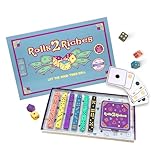
Overview: Rolls 2 Riches markets itself as an award-winning hybrid combining dice, cards, and board game elements into a fast-paced family experience. Designed for 2-6 players, the game emphasizes quick rounds filled with strategic decision-making. Its portable magnetic box makes it particularly suited for travel, camping, and parties. The gameplay blends luck and strategy, aiming to engage both children and adults across various settings, from casual family nights to competitive game gatherings.
What Makes It Stand Out: The magnetic storage box is genuinely practical for travel and outdoor use, addressing a real pain point for many gamers. Its hybrid nature—merging dice rolling, card collection, and board movement—creates a multifaceted experience that evolves as you play. The game scales well across age groups, with simple enough rules for kids 8-12 while offering strategic layers that keep adults engaged. The marketing emphasizes versatility, positioning it as a universal solution for parties, travel, and family entertainment.
Value for Money: Rolls 2 Riches positions itself as a premium all-in-one solution, and its price reflects that ambition. The durable magnetic box and multi-game hybrid design theoretically replace several separate purchases. However, without knowing the specific award credentials or seeing detailed component quality, its value proposition relies heavily on marketing claims. For families seeking one game to rule them all, it could be economical, but dedicated hobbyists might prefer specialized games that excel in single genres.
Strengths and Weaknesses: Strengths include excellent portability, broad age appeal, quick setup and playtime, and versatile gameplay. The magnetic box truly enhances travel-friendliness. However, weaknesses include vague “award-winning” claims without specifics, potentially overstated uniqueness in a crowded market, and the jack-of-all-trades concern—it may not master any single element as well as dedicated games. The abstract description makes assessing true strategic depth difficult, and the marketing-heavy copy suggests possible style over substance.
Bottom Line: Rolls 2 Riches appears ideal for families seeking a single, portable game for varied situations. Its travel-friendly design and broad appeal are compelling. However, discerning gamers should verify the “award-winning” claims and ensure the hybrid gameplay matches their preferences before purchasing. It’s best suited as a versatile family gateway game rather than a hobbyist centerpiece.
What Makes Roll and Write Games Perfect for Families?
The Simplicity of Core Mechanics
At their heart, roll and write games operate on an elegantly simple principle: roll something, write something. This fundamental loop eliminates complicated rulebooks and reduces the barrier to entry for casual gamers. Children can grasp the basic concept within minutes, while adults appreciate the emerging complexity that develops through repeated plays. The visual nature of marking progress on a personal score sheet provides immediate feedback, helping younger players understand cause and effect without requiring constant parental intervention.
Engaging Without Being Overwhelming
Family game nights often crash against the rocks of cognitive overload when games demand too much simultaneous tracking. Roll and write titles excel by focusing each player’s attention on their own sheet while maintaining shared moments of excitement during the roll phase. This structure prevents analysis paralysis and keeps the game moving at a pace that matches family energy levels. Everyone stays involved because each dice result potentially matters to every person at the table, creating collective anticipation without individual pressure.
Inclusive Gameplay for All Ages
The genre brilliantly accommodates mixed-age groups through natural handicapping systems. Older players can pursue complex strategies while younger participants focus on simpler patterns, yet both remain competitive. Many designs incorporate optional advanced scoring routes that experienced gamers can target while novices stick to more obvious choices. This scalability means the same game that entertains your eight-year-old today can challenge them in new ways as they develop mathematical and strategic thinking skills over time.
Key Features to Evaluate Before Buying
Age Appropriateness and Complexity Scaling
When selecting a roll and write game for family use, examine how the age recommendation aligns with your children’s actual developmental stage. Look for titles offering simplified variants or gradual complexity introduction. The best family games include iconography that pre-readers can interpret alongside text-based options for older kids. Consider whether the game requires advanced arithmetic, spatial reasoning, or reading comprehension that might frustrate younger participants if not properly scaffolded.
Player Count Flexibility
Modern families need games that work whether it’s just parent and child or the whole extended clan gathered for holidays. Quality roll and write titles accommodate anywhere from one to eight or more players without significant downtime increases. Investigate whether the game requires additional score sheets for larger groups and how the core mechanics scale. Solitaire modes have become increasingly important, offering entertainment when siblings have conflicting schedules or when a child wants to practice independently.
Game Duration vs Attention Spans
The sweet spot for family game night typically falls between 20 and 45 minutes—long enough to feel substantial but short enough to prevent restlessness. Examine how many rounds constitute a complete game and whether the rules support adjustable session lengths. Some games naturally divide into phases that can serve as natural stopping points, while others require completion to properly evaluate strategies. Consider your family’s typical engagement window and whether the game offers satisfying partial-play experiences.
Component Quality and Durability
Family games face rigorous testing from sticky fingers, spilled drinks, and enthusiastic dice throwing. Evaluate the physical components: Are the dice oversized and easy to read? Do score sheets use thick paper that withstands erasing? Are dry-erase boards included as reusable alternatives? The best family-oriented titles anticipate real-world conditions with laminated sheets or quality paper stock that doesn’t bleed through when using markers. Component durability directly impacts long-term value and frustration levels.
Understanding Different Game Mechanics
Dice-Driven Decision Making
While all roll and write games involve dice, the implementation varies dramatically. Some use standard six-sided dice with pips, while others employ custom dice featuring symbols, colors, or numbers. Consider whether the game uses communal dice that all players share or individual dice pools that create divergent strategies. The frequency of rolling matters too—games with multiple rolls per turn maintain engagement but may slow pacing, while single-roll rounds create snappier gameplay better suited to wiggly younger players.
Card-Based Variations
An emerging subgenre replaces or supplements dice with cards, offering more controlled probability and strategic depth. These variations allow players to anticipate upcoming options and plan several moves ahead. Card-driven systems often introduce hand management elements that appeal to older children and adults while potentially overwhelming younger players. Evaluate whether the card text requires reading and how icon-dependent the system becomes at different complexity levels.
Spatial Puzzles on Paper
Many roll and write games incorporate tetromino-style shape placement or route building on grid-based sheets. These spatial elements develop geometric thinking and forward planning skills. Consider how forgiving the system is—does one misplaced mark ruin an entire strategy, or can players adapt? For families, look for games offering some flexibility in placement rules or mitigating mechanisms that prevent early mistakes from creating negative experiences for perfectionist children.
Resource Management Elements
Advanced roll and write titles layer resource tracking atop the basic roll-and-mark system. Players might collect and spend coins, energy, or materials to unlock special abilities or mitigate bad rolls. This added dimension creates richer decisions but also increases cognitive load. For mixed-age play, assess whether resource tracking occurs on the main sheet or requires separate components, and whether the economy feels intuitive or requires constant rulebook consultation.
Theme Considerations for Family Engagement
Adventure and Exploration Themes
Journey-based narratives resonate strongly with children, transforming abstract number crunching into exciting quests. These themes often frame scoring as discovering new territories, collecting treasures, or completing missions. Thematic integration helps younger players remember rules by connecting mechanics to story elements. Look for games where the theme genuinely influences decisions rather than merely decorating the score sheet, as this creates more immersive family experiences that spark imagination beyond the game itself.
Building and Construction Concepts
Constructing cities, theme parks, or fantasy kingdoms appeals to children’s natural desire to create and customize. These themes provide visual feedback as sheets transform from blank grids into bustling metropolises or thriving ecosystems. The building process creates natural conversation starters about design choices and strategy. Consider whether the game allows for personal expression or follows rigid patterns—both have value, but creative freedom often increases engagement for artistic children.
Nature and Wildlife Motifs
Games featuring animals, plants, and natural phenomena tap into children’s inherent curiosity about the world. These themes frequently incorporate educational elements about ecosystems, conservation, or biology without feeling didactic. Nature-based games tend to use calming color palettes and gentle competition, making them ideal for families preferring less aggressive gameplay. Evaluate whether the scientific information is accurate and age-appropriate, as some titles include surprising depth that older kids can explore independently.
Abstract Strategy Approaches
Sometimes the pure puzzle itself provides sufficient engagement without narrative overlay. Abstract roll and write games focus on pattern recognition, set collection, and optimization puzzles. These titles often age gracefully as children’s analytical skills develop, revealing new strategic layers over years of play. The lack of theme removes cultural barriers and reading requirements, making them accessible to diverse families and pre-literate players. Consider whether your family enjoys pure mental challenges or prefers thematic storytelling when choosing between abstract and themed options.
Practical Buying Considerations
Replayability Factors
A game’s longevity depends on variability between sessions. Examine whether the score sheets offer multiple layouts, randomized setup conditions, or variable objectives that change each play. Some games include dozens of unique sheet configurations, while others rely on identical sheets with emergent strategic depth. For families, moderate variability often works better than extreme randomness, as children can develop and refine strategies across multiple plays without feeling like each session is completely disconnected from previous learning.
Storage and Portability
Family life involves travel, vacations, and visits to relatives. Roll and write games generally excel at portability, but specifics matter. Consider whether the box includes organized compartments for dice and markers or if components will scatter loosely. Slim boxes store more easily on crowded shelves, while magnetic closures prevent spills during transport. For families who game outside the home, look for titles where score sheets are readily available as printables or where the publisher sells replacement pads at reasonable prices.
Expansion Potential
While not essential, some roll and write games offer expansion content that refreshes interest after mastering the base system. These might include new score sheet pads with alternative layouts, additional dice with novel symbols, or modular rule variants. Evaluate whether expansions feel necessary for long-term enjoyment or merely offer optional variety. For budget-conscious families, games with robust base content that doesn’t require expansions provide better value, while enthusiasts might appreciate titles with rich expansion ecosystems.
Price Point Analysis
Family game budgets vary widely, but roll and write games typically offer excellent value compared to component-heavy board games. Price often correlates with component quality and sheet quantity rather than gameplay depth. Consider cost-per-play when evaluating—games with reusable dry-erase boards cost more upfront but eliminate ongoing sheet purchases. Watch for publishers offering digital score sheet downloads as cost-saving measures. The sweet spot for family roll and write games typically falls in the mid-range price category, balancing quality components with accessible cost.
Integrating Games into Family Routine
Teaching Strategies for Younger Players
Successfully introducing roll and write games to children requires patience and adaptation. Start by playing open-handed, where everyone explains their decisions aloud. Focus on one mechanic at a time, perhaps playing a practice round where scoring doesn’t matter. Many families find success by appointing older siblings as “game teachers,” fostering leadership skills while distributing the instructional load. Consider creating house rules that simplify complex choices for younger players while maintaining full rules for adults, gradually phasing out accommodations as confidence grows.
Balancing Competition and Cooperation
While most roll and write games feature individual scoring, many include semi-cooperative elements or shared objectives that temper cutthroat competition. Look for games where players can celebrate each other’s achievements or where personal goals don’t directly conflict. Some families implement team scoring variants or focus on beating a collective target score rather than each other. This approach maintains engagement while reducing tears and tantrums, especially important when significant age gaps create inherent skill imbalances.
Creating Lasting Traditions
The best family games become woven into household culture through repeated ritual play. Establish regular game nights where the same title appears monthly, allowing children to track their improvement over time. Create family leaderboards or achievement stickers for reaching milestones. Photograph completed score sheets to compile in a scrapbook documenting your gaming journey. These traditions transform simple games into cherished rituals that children remember and potentially pass to their own families, maximizing the emotional return on your entertainment investment.
Frequently Asked Questions
What age is appropriate to start playing roll and write games with children?
Most children can engage with simplified roll and write games around age five or six, particularly those using colors and shapes rather than numbers. The key is choosing titles with minimal reading requirements and forgiving mechanics. Start with games lasting under 15 minutes and gradually increase complexity as attention spans and number sense develop.
How do I prevent younger kids from feeling discouraged when they lose?
Focus on personal improvement rather than comparative scoring. Track each child’s highest score over time and celebrate when they beat their own record. Many families implement small non-competitive rewards for participation, like choosing the next game or snack. Emphasize the fun of playing together and highlight interesting decisions rather than final rankings.
Are reusable dry-erase boards better than paper score sheets?
Both options have merits for families. Dry-erase boards eliminate ongoing costs and reduce waste, making them economical for frequently played favorites. However, paper sheets create a satisfying permanence and allow saving memorable games. Some families prefer paper for special occasions and dry-erase for everyday practice. Consider your environmental values and storage preferences when deciding.
Can roll and write games genuinely challenge adult players?
Absolutely. Many modern designs layer multiple scoring paths, risk-reward decisions, and long-term planning that reward experienced gamers. The constraint of working with random dice results creates engaging optimization puzzles. Adults often appreciate trying different strategies across plays and competing for high scores in solo modes, finding substantial depth beneath accessible surfaces.
How many roll and write games should a family own?
Most families find that three to five distinct titles provide variety without overwhelming choice. Select games with different themes, mechanics, and play durations to suit different moods and time constraints. One quick filler, one medium-weight strategy game, and one thematic adventure covers most situations. Quality beats quantity—better to deeply know a few excellent games than superficially own many.
What’s the best way to store score sheets to prevent loss?
Designate a specific folder or binder for each game’s score sheets, stored with the game box rather than loose on a shelf. For frequently played titles, keep a clipboard nearby with a stack of sheets ready to go. Some families laminate a few sheets as backups when paper supplies run low. Digital storage of PDF score sheets on a tablet provides emergency access when physical sheets are exhausted.
Do these games offer educational benefits beyond entertainment?
Roll and write games naturally develop numeracy, probability understanding, spatial reasoning, and strategic thinking. Many incorporate pattern recognition and planning skills that transfer to academic contexts. The genre also teaches graceful losing, turn-taking, and decision-making under uncertainty. Teachers increasingly use these games as engaging math practice tools that feel like play rather than homework.
How do I choose between dice-focused and card-focused roll and write games?
Consider your family’s tolerance for randomness and planning depth. Dice games create exciting, unpredictable moments that level the playing field between ages. Card-based versions allow more strategic foresight and feel less luck-dependent, appealing to competitive older children and adults. Hybrid games offer the best of both worlds but may overwhelm younger players with complexity.
What should I do if my child becomes obsessed with one game and won’t try others?
Lean into their enthusiasm while gently introducing variety. Suggest playing their favorite game with a new strategy or variant rule. Then propose “game tasting” sessions where you try three different short games in one evening. Sometimes creating a chart where they rate each game on fun, difficulty, and artwork helps analytical children embrace exploration while honoring their preferences.
Are digital versions of roll and write games worth considering for families?
Digital implementations excel for travel and solo practice, automatically handling scoring and eliminating setup time. However, they lose the tactile satisfaction of physical dice and marking sheets that many families cherish. A hybrid approach works well—own physical copies for home game nights while using apps for car trips or waiting rooms. Ensure digital versions allow local multiplayer on one device if you plan to play together on the go.
See Also
- How to Solve Game Night Stagnation with the 10 Best Roll and Write Dice Games in 2026
- Top 10 Best Roll and Write Games for Family Game Nights in 2026
- How to Solve Boring Game Nights with the 10 Best Roll and Write Games in 2026
- Top 10 Best Dice Games for Family Game Night in 2026
- How to Solve Game Fatigue with the 10 Best Roll and Write Dice Games in 2026