Table of Contents
Ever feel like you’re constantly searching for activities that actually do something meaningful for your child beyond just passing time? In a world saturated with quick digital distractions, discovering screen-free experiences that spark genuine cognitive growth feels like uncovering hidden treasure. Strategy board games for kids aren’t just nostalgic fun; they’re powerful, engaging tools disguised as play, meticulously designed to build the very skills children need to thrive – critical thinking, problem-solving, planning, and resilient decision-making – all while they’re completely absorbed in the joy of the game. Forget passive entertainment; this is active brain-building disguised as family fun.
Choosing the right strategy game, however, isn’t as simple as grabbing the brightest box off the shelf. The “best” game depends entirely on your child’s unique developmental stage, interests, and the specific skills you hope to nurture. A game perfectly suited for a sharp 7-year-old might overwhelm a younger sibling or bore a strategic 11-year-old. This guide cuts through the noise, focusing not on fleeting trends or specific titles, but on the essential features and principles that make a strategy board game truly effective and enjoyable for children aged 6 to 12. We’ll unpack how to identify games that match your child’s cognitive abilities, foster genuine strategic thinking without frustration, and create memorable, enriching play experiences that last far beyond the final move.
Top 10 Kids Strategy Board Games
Detailed Product Reviews
1. Asmodee Ticket to Ride First Journey Board Game - Fun and Easy for Young Explorers! Train Strategy Game, Family Game for Kids & Adults, Ages 6+, 2-4 Players, 15-30 Min Playtime

Overview: Asmodee’s Ticket to Ride: First Journey simplifies the beloved train strategy franchise for younger audiences. Designed for ages 6+, this compact game retains the core route-building mechanics but streamlines playtime to 15-30 minutes for 2-4 players, making it an ideal gateway into board gaming.
What Makes It Stand Out: Its brilliantly simplified U.S. map and reduced ticket count (six required for victory) lower entry barriers significantly. The Golden Ticket win condition provides clear, achievable goals for children, while maintaining the satisfying card-collecting and route-claiming essence of the original series. The accessible ruleset is perfectly calibrated for early elementary schoolers.
Value for Money: Priced competitively below the standard Ticket to Ride, it offers exceptional value as a dedicated kids’ introduction. You avoid paying for complex mechanics irrelevant to young players. It’s far more durable and engaging than cheap kids’ games, justifying its cost as a long-term family investment.
Strengths and Weaknesses: Strengths: Intuitive learning curve, high replayability with quick games, maintains strategic thinking fundamentals, vibrant components. Weaknesses: Limited depth for experienced older players (beyond age 10), map lacks the geographical detail of mainline versions, shorter playtime might feel abrupt for some families.
Bottom Line: An outstanding, purpose-built entry point for children into strategic board gaming. It successfully captures the Ticket to Ride magic without overwhelming complexity, making it a highly recommended purchase for families with young kids seeking substantive, screen-free fun.
2. lartoys Rope Untangling Puzzle Game, Educational Strategy Board Game for Kids & Adults, Family Travel Party Games with Multi-Level Challenges, Gifts for All Ages(Manual on Box) Easter Basket Stuffers

Overview: lartoys’ Rope Untangling Puzzle is a tactile, screen-free challenge where players manipulate colorful plastic-tipped ropes on a perforated board. One designs a tangled configuration; the other solves it by moving rope ends over (never under) others to untangle them completely, suitable for ages 3+.
What Makes It Stand Out: Its unique physical interaction stands out in a digital age. The adjustable difficulty (3-10 ropes) ensures longevity, scaling from simple preschool puzzles to complex adult challenges. The patented design fosters spatial reasoning and fine motor skills through direct, hands-on problem-solving unlike abstract board games.
Value for Money: As a durable, reusable travel game with virtually infinite configurations, it surpasses the value of single-solution puzzles or disposable activities. The included travel case enhances portability, making it a cost-effective alternative to screen time or frequent toy replacements, especially for educators or families prioritizing STEM development.
Strengths and Weaknesses: Strengths: Highly adaptable for all ages, exceptional for developing logic and dexterity, promotes cooperative or competitive play, travel-friendly. Weaknesses: Plastic tips can occasionally snag on board edges, requires careful setup to avoid premature tangling, lacks structured scoring which might reduce replayability for competitive players.
Bottom Line: A brilliantly simple, screen-free tool that effectively builds cognitive skills. Its versatility across ages and portability make it a worthwhile investment for parents and educators seeking engaging, educational play that consistently pulls kids away from devices.
3. Azul Asmodee Azul Board Game - Award-Winning Tile-Placement Strategy Game, Beautiful Mosaic Art, Family Fun for Kids & Adults, Ages 8+, 2-4 Players, 30-45 Minute Playtime
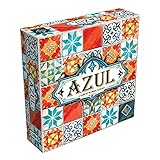
Overview: Asmodee’s Azul is an award-winning abstract strategy game where 2-4 players draft vibrant, chunky tiles to build mosaic patterns on their personal boards. Targeted at ages 8+, its blend of accessible rules and deep tactical decisions creates a captivating 30-45 minute experience perfect for family nights.
What Makes It Stand Out: The stunning, high-quality acrylic tiles and Portuguese azulejo-inspired artwork provide immediate visual appeal and tactile satisfaction. Its genius lies in the elegant “draft and place” mechanism: players must balance immediate scoring with strategic denial of tiles to opponents, creating constant meaningful tension despite simple initial rules.
Value for Money: Justified by its exceptional component quality, endless replayability through variable setups, and broad age appeal (8 to adult). It outperforms cheaper tile games in durability and strategic depth, while costing less than many complex strategy titles. The premium feel matches its price point as a centerpiece game.
Strengths and Weaknesses: Strengths: Beautiful components, rules learned in minutes but mastery takes time, highly replayable, minimal downtime, visually striking on display. Weaknesses: Limited player interaction beyond tile denial, luck of the draw can occasionally frustrate, “negative points” mechanic might confuse very young children initially.
Bottom Line: A near-perfect blend of beauty and brains. Azul delivers consistently engaging, strategic gameplay accessible to novices yet satisfying for veterans, making it an essential, highly recommended addition to any family or casual gamer’s collection.
4. Unstable Games Twisted Cryptids Board Game - Strategy Card Game for Adults and Kids - Family Board Games for 2-4 Players, Ages 12 and Up - from the Creators of Unstable Unicorns and Here to Slay

Overview: From Unstable Games (creators of Unstable Unicorns), Twisted Cryptids is a lighthearted strategy card game for 2-4 players (ages 12+). Players use cryptid-themed cards to build their “Cryptid Crew” while deploying sneaky action cards to hinder opponents in a 60-minute battle of wits and whimsy.
What Makes It Stand Out: Its unique “hidden trait” mechanic adds significant depth; each player secretly holds a win-condition trait card, forcing bluffing and deduction. The vibrant cryptid art (Bigfoot, Nessie) and humorous card text (“Nessie’s Splash Attack”) create infectious charm, while high-quality meeples and lenticular box art enhance shelf presence.
Value for Money: Offers substantial replayability through variable traits and player count flexibility. The component quality (tarot-sized cards, meeples) justifies its price against flimsier card games. Expansion packs extend longevity, but the base game provides robust standalone value for fans of light strategy or thematic humor.
Strengths and Weaknesses: Strengths: Engaging hidden trait system, high humor-to-strategy ratio, excellent components, strong thematic cohesion, scalable difficulty. Weaknesses: “Take-that” mechanics can feel overly punitive in small groups, trait reliance sometimes leads to swingy endings, theme may not appeal to non-fans of cryptozoology or Unstable Games’ style.
Bottom Line: A delightfully chaotic and strategic card game that successfully blends humor with meaningful decisions. Ideal for fans of Unstable Unicorns or light competitive games, it earns a strong recommendation for groups seeking accessible yet engaging strategic fun with personality.
5. Hasbro Gaming Clue Junior Board Game for Kids Ages 5 and Up, Case of The Broken Toy, Classic Mystery Game for 2-6 Players

Overview: Hasbro’s Clue Junior adapts the classic deduction mystery for young children (ages 5+). Players solve the “Case of the Broken Toy” by using process of elimination to determine which toy was broken, by whom, and at what time, accommodating 2-6 players in shorter, simpler rounds.
What Makes It Stand Out: It masterfully translates Clue’s core logic into child-friendly mechanics. Using colorful clocks instead of rooms, playful character names (like “Professor,” not “Plum”), and a special detective notepad with wipe-clean clues, it makes deduction tangible and unintimidating for early readers and counters.
Value for Money: As a durable, well-produced introduction to logical reasoning games, it offers better educational value than purely luck-based kids’ games. Its high player count (up to 6) and shorter playtime maximize group usability at parties or classrooms, justifying its cost as a developmental tool over simpler alternatives.
Strengths and Weaknesses: Strengths: Excellent age-appropriate deduction training, accommodates large groups, sturdy components, clear visual clues, reinforces time-telling basics. Weaknesses: Significant disconnect between title (ages 5+) and feature description (ages 8+), limited strategic depth grows stale for older kids quickly, repetitive after multiple plays.
Bottom Line: A necessary simplification of Clue that successfully introduces deductive reasoning to very young children. While best suited for ages 5-7, it’s a worthwhile purchase for parents seeking to build early logic skills, despite the confusing age labeling. Recommended with that caveat.
6. Jax SEQUENCE for Kids – The ‘No Reading Required’ Strategy Game by Jax and Goliath, Multi Color, 11 inches (2-4 players) (Packaging May Vary)

Overview:
This preschooler-friendly adaptation of the classic Sequence game eliminates reading barriers, making strategic gameplay accessible to children as young as three. Players match cards to vibrant animal characters on the board, aiming to place four chips in a row.
What Makes It Stand Out:
Its true innovation lies in the “no reading required” design, using intuitive symbols and bright illustrations to teach turn-taking and pattern recognition. The simplified rules foster early logical thinking without overwhelming young minds, setting it apart from luck-based alternatives like Candy Land.
Value for Money:
Priced moderately for a strategy-focused kids’ game, it offers exceptional replayability and developmental value compared to purely luck-driven options. The durable board and chunky chips withstand repeated use, justifying its cost as an educational tool that grows with the child.
Strengths and Weaknesses:
Strengths: Builds foundational strategy skills; inclusive for pre-readers; quick setup; vibrant, engaging artwork. Weaknesses: Limited depth for ages 5+; small chips pose a minor choking hazard for toddlers; two-player games can feel less dynamic.
Bottom Line:
An ideal first strategy game that transforms abstract thinking into playful fun. Highly recommended for ages 3–5 to nurture cognitive skills while keeping competition gentle and accessible.
7. Spin Master Games, Jumanji Stampede, 3D Adventure Cooperative Board Game, for Fans of The Jumanji Movies, Easter Gift, 2-4 Players, for Ages 8 & Up

Overview:
This immersive cooperative game transports players into the Jumanji universe, where teams collaborate to collect crystals while evading jungle perils before the villain reaches Rhino Mountain. It emphasizes teamwork over competition.
What Makes It Stand Out:
The standout feature is its dynamic 3D board with interactive elements like a towering Rhino Mountain and thematic obstacles (e.g., spinning snakes). Cooperative mechanics encourage communication and shared problem-solving, distinguishing it from traditional competitive family games.
Value for Money:
While pricier than basic board games, the high-quality 3D components and movie-themed immersion deliver solid value. It outshines cheaper alternatives by offering cinematic engagement and repeated cooperative challenges, making it a worthwhile investment for Jumanji fans.
Strengths and Weaknesses:
Strengths: Engaging cooperative play; impressive 3D scenery; strong theme integration; replayable emergencies. Weaknesses: Setup time is lengthy; rule complexity may frustrate younger players; storage for 3D pieces is cumbersome.
Bottom Line:
A thrilling, visually captivating adventure perfect for families seeking collaborative fun. Best for Jumanji enthusiasts aged 8+, though patience with setup is required for maximum enjoyment.
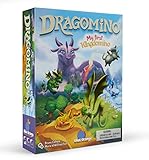
8. Tabletop Strategy Game, My First Kingdomino, Fun Kids & Adults Family Fantasy Board Game, 2-4 Players, Ages 5+, Dragomino by Blue Orange Games
Overview:
Dragomino cleverly adapts the award-winning Kingdomino for young children, replacing kingdoms with dragon habitats. Players draft domino-like tiles to build landscapes, hunting for hidden baby dragons hidden under egg tokens.
What Makes It Stand Out:
Its genius lies in merging domino mechanics with a fantasy theme, where matching terrains reveals “dragon eggs” (scoring tokens). The tactile egg-picking mechanic adds delightful suspense, making abstract strategy tangible and exciting for kindergarteners.
Value for Money:
As an entry into tile-placement strategy, it’s reasonably priced and more educational than luck-based games. The durable components and Spiel des Jahres pedigree ensure longevity, offering better developmental value per dollar than many preschool board games.
Strengths and Weaknesses:
Strengths: Introduces spatial reasoning seamlessly; charming dragon theme; quick 15-minute playtime; excellent parent-child bonding potential. Weaknesses: Small egg tokens require supervision for under-5s; limited strategic depth for older kids; rulebook could be clearer for novices.
Bottom Line:
A near-perfect gateway strategy game that turns pattern-building into magical discovery. Highly recommended for families seeking to nurture early critical thinking in ages 5–8.
9. Hasbro Gaming Battleship Classic Board Game | Strategy Games for Kids and Adults | Ages 7+ | 2 Players | Fun Kids Games | Family Games

Overview:
This timeless naval combat game challenges two players to strategically sink each other’s hidden fleets using grid coordinates. Its portable cases and classic peg system preserve the tense, deduction-focused gameplay generations love.
What Makes It Stand Out:
Battleship’s enduring appeal stems from its elegant simplicity—no reading or complex rules needed. The tactile satisfaction of placing pegs and the “salvo” advanced mode (allowing multiple shots) add layers of strategy uncommon in pure deduction games for this age group.
Value for Money:
As a budget-friendly staple, it outperforms newer electronic alternatives in durability and ease of use. The compact design justifies its low cost for travel or impromptu play, though it lacks the replayability of modern strategy games beyond basic grid variation.
Strengths and Weaknesses:
Strengths: Instant setup; portable storage; teaches grid coordinates and logic; nostalgic appeal. Weaknesses: Purely 2-player limits group play; heavy reliance on luck; minimal strategic depth compared to modern titles; pegs easily lost.
Bottom Line:
A reliable, no-frills classic ideal for quick head-to-head matches. Worth buying for its portability and simplicity, but supplement with deeper games for regular family nights.
10. CATAN Junior Board Game - Swashbuckling Adventure for Young Pirates! Strategy Game, Fun Family Game for Kids and Adults, Ages 6+, 2-4 Players, 30 Minute Playtime, Made by CATAN Studio

Overview:
CATAN Junior distills the beloved strategy of CATAN into a pirate-themed adventure where players build ship networks across tropical islands to gather resources and outmaneuver the Ghost Captain. It targets younger audiences with streamlined mechanics.
What Makes It Stand Out:
The game excels in simplifying resource management and trading for kids, using intuitive pirate lairs and ships instead of settlements. The 30-minute playtime and “Spooky Island” variable board ensure fast, engaging sessions that maintain young attention spans.
Value for Money:
Priced higher than entry-level kids’ games, it delivers exceptional educational value through resource negotiation and spatial planning. It’s a smarter long-term investment than disposable party games, potentially bridging to the full CATAN experience later.
Strengths and Weaknesses:
Strengths: Introduces economic strategy gently; vibrant pirate theme; encourages trading/social skills; compact playtime. Weaknesses: Ghost Captain mechanic feels random; limited player interaction depth; resource tokens can clutter the small board.
Bottom Line:
The best “gateway” strategy game for ages 6–10, transforming complex concepts into pirate adventures. Highly recommended for families ready to graduate from luck-based games to meaningful decision-making.
Understanding Strategy Development in Children Aged 6-12
The Cognitive Shift: From Simple Rules to Complex Planning
Between ages 6 and 12, children undergo a remarkable evolution in their strategic capabilities. Younger kids (6-8) often operate in the concrete operational stage, grasping cause-and-effect but struggling with long-term planning or holding multiple steps in mind. Games for this group should emphasize immediate consequences and simple forward thinking (“If I move here, what happens next turn?”). Older children (9-12) develop stronger abstract reasoning, allowing them to consider multiple future scenarios, weigh risks versus rewards, and formulate multi-step plans. Choosing games that align with this developmental trajectory prevents frustration and ensures genuine strategic engagement, not just luck-based outcomes.
Why Strategy Games Outperform Pure Luck or Memory
While luck-based or memory games have their place, dedicated strategy games offer unique developmental advantages. They require players to actively analyze the current state of the game, anticipate opponents’ moves, make deliberate choices based on incomplete information, and adapt plans when situations change. This constant cycle of assessment, decision, and adjustment directly strengthens executive function skills – the mental processes crucial for academic success, social interaction, and navigating life’s complexities. It’s the difference between reacting and thinking ahead.
Recognizing True Strategy vs. Simple Tactics
It’s vital to distinguish between games requiring deep strategy and those relying on short-term tactics or dexterity. True strategy involves long-term goal setting, resource management over multiple turns, and understanding interconnected systems within the game. Tactics might involve a clever move for immediate gain, but strategy encompasses the entire journey to victory. Look for games where early decisions significantly impact the endgame, fostering foresight and planning skills essential for older children.
Key Features to Evaluate for Age-Appropriate Strategy
Matching Complexity to Cognitive Readiness
Complexity isn’t just about rule length; it’s about the cognitive load required. For ages 6-8, prioritize games with 3-5 simple, concrete rules, short playtimes (15-25 minutes), and clear, immediate cause-and-effect. Games for 9-12-year-olds can handle more nuanced rules (5-8 core mechanics), longer sessions (30-60 minutes), hidden information, and resource conversion systems. Avoid games where rules explanations exceed playtime – a sure sign of mismatched complexity. The sweet spot is where the rules are mastered quickly, freeing mental energy for actual strategic play.
The Critical Role of Balanced Luck Elements
A complete absence of luck can feel overwhelming for younger strategists or lead to analysis paralysis. Conversely, excessive luck negates strategic choices. The ideal balance introduces manageable uncertainty – perhaps a single dice roll per turn or variable card draws – that forces adaptation without rendering planning irrelevant. For younger kids, luck elements should be simple and transparent (e.g., one die determining movement). Older kids can handle more sophisticated randomness (e.g., card drafting with hidden information) that becomes a strategic variable itself to manage.
Visual Design and Component Clarity
How a game looks directly impacts a child’s ability to engage strategically. Clear, intuitive iconography, distinct player colors, and uncluttered boards are non-negotiable. Components should be durable enough for small hands but also visually communicate their purpose – a resource token should look like a resource, a victory point marker should be distinct. Avoid games with tiny, fiddly pieces or boards saturated with text; visual accessibility ensures cognitive energy is spent on strategy, not deciphering the game state.
Tailoring Strategy Games to Specific Age Brackets
Strategy Essentials for the 6-8 Year Old Set
Games for this group must prioritize concrete thinking and immediate feedback. Look for mechanics like simple path-building, basic set collection (matching 2-3 items), or direct area control on a small, clear board. Turn structure should be highly predictable (e.g., always move then take an action). Themes should be instantly relatable (animals, treasure hunts, simple adventures). Crucially, the path to victory should be visible and achievable within the short play session, providing frequent small wins that reinforce strategic thinking (“I collected three apples, now I get a point!”).
Building Deeper Thinking for 9-10 Year Olds
This age group is ready to juggle more variables. Seek games introducing light resource management (converting one resource type to another), simple worker placement (choosing where to act on a board), or introductory hand management with 4-6 cards. Games should encourage thinking 2-3 moves ahead and understanding basic trade-offs (“If I use this card now for a small gain, I miss a bigger opportunity later”). Playtime can extend to 30-40 minutes, and themes can become slightly more complex (exploration, simple civilization building) as long as the mechanics remain clear.
Challenging the Emerging Strategists: 11-12 Year Olds
Pre-teens can handle significant strategic depth. Look for games featuring multiple interconnected victory paths, meaningful long-term planning (4+ turns ahead), hidden information management, and complex resource economies. Mechanics like area majority, advanced set collection with bonuses, or strategic tile placement become accessible. Games can involve moderate negotiation or indirect player interaction. The key is ensuring the rules framework supports this depth without becoming confusing; well-designed games for this age offer layers of strategy that unfold over repeated plays, keeping them engaged and challenged.
Core Strategy Mechanics to Look For
Simple Set Collection and Pattern Matching
This foundational mechanic is perfect for younger strategists. Players collect specific combinations of cards or tokens to score points. The strategic element emerges in how they collect: deciding which sets to pursue, blocking opponents by taking needed pieces, and timing their completions for maximum effect. Look for games where sets are visually clear and the scoring is immediate, turning abstract planning into tangible achievement for early learners.
Basic Area Control and Influence
Games where players place pieces to claim territory or exert influence over regions teach spatial reasoning and forward planning. Younger versions might involve simple majority on small areas, while older kids handle more complex scoring based on connections or chain reactions across the board. This mechanic visually demonstrates cause-and-effect (“If I place here, I threaten two areas at once”) and introduces concepts of efficiency and board control.
Introduction to Resource Management
Moving beyond simple collection, true resource management involves converting one resource into another or spending resources to gain actions or points. For young kids, this might be exchanging two wood for one stone to build. Older children can grasp opportunity cost (“Should I spend coins now for an advantage, or save for a bigger purchase later?”). Effective games make the conversion rates clear and the strategic choices meaningful, not arbitrary.
Turn Structure and Player Agency
How turns unfold significantly impacts strategic depth. Games with highly structured phases (e.g., Draw, Play, Score) provide security for beginners. As children mature, look for games offering meaningful player choices within their turn – selecting from multiple action types, deciding the order of actions, or having variable turn lengths based on strategy. High player agency, where choices feel impactful and personal strategy can emerge, is crucial for sustained engagement in older kids.
The Power of Hand Management
Managing a limited hand of cards introduces critical strategic concepts: evaluating options, anticipating what others might play, and planning sequences. Start with simple hand limits (3-4 cards) for younger kids, focusing on matching or straightforward effects. Older children can handle larger hands, card combos, drafting mechanics (selecting from a shared pool), and hidden information, requiring deeper analysis and memory. Good hand management games force prioritization and adaptability.
Beyond the Rules: Social and Emotional Learning
Nurturing Healthy Competition and Graceful Losing
Strategy games are prime territory for teaching sportsmanship. Choose games where setbacks feel like part of the learning process (“My plan got blocked, what’s my next move?”) rather than pure bad luck. Discuss strategies after the game, focusing on interesting decisions made by all players. Model and encourage phrases like “Good move!” and emphasize that losing is how we learn new tactics. Games with variable player powers or multiple paths to victory can soften the blow of losing by highlighting different successful approaches.
Building Communication and Negotiation Skills
Games incorporating light negotiation (trading resources, forming temporary alliances) provide a safe space to practice communication. For younger kids, focus on clear, simple trades (“I have an apple, do you have a banana?”). Older children can handle more complex bargaining and understanding mutual benefit. Emphasize clear communication, active listening, and the difference between strategic negotiation and breaking rules. These interactions build real-world social muscles.
Developing Patience and Focus Through Turn-Taking
The inherent structure of turn-based play trains essential executive functions. Waiting for a turn builds impulse control, while observing others’ moves fosters active listening and analysis. For easily distracted children, choose games with minimal downtime between turns or engaging simultaneous actions. As focus improves, games with slightly longer turns that require deeper thought become accessible, strengthening sustained attention muscles naturally through enjoyable engagement.
Making the Most of Your Strategy Game Investment
Setting the Stage for Success: Environment and Expectations
Create a dedicated play space free from major distractions. Before starting, briefly explain the goal and the core decision players will make each turn – skip exhaustive rule details initially. For younger kids, consider playing a very short “test round” just to experience one full loop of actions. Manage expectations: “This game is about making smart choices, not just winning. Let’s see what cool strategies we discover!” This reduces pressure and focuses on the learning process.
Active Facilitation: Asking the Right Questions
Your role isn’t to play for them, but to guide their strategic thinking. Instead of giving solutions, ask open-ended questions: “What are you hoping to achieve on your next turn?” “What do you think might happen if you choose this action?” “How could your friend block that plan?” For younger kids, simplify: “Do you want to move closer to the treasure or collect more keys first?” These questions shift their focus from immediate impulses to deliberate planning.
Analyzing Play: Turning Game Endings into Learning Moments
The real strategic growth often happens after the game ends. Briefly discuss: “What was the best move you made today?” “When did you have to change your plan?” “What strategy surprised you?” Avoid dissecting every mistake; focus on positive observations and “what if” scenarios. For competitive kids, highlight clever moves by all players, not just the winner. This reflection cements the strategic lessons and builds a growth mindset.
Frequently Asked Questions
Frequently Asked Questions
What’s the biggest mistake parents make when choosing a strategy game for young kids? Choosing based solely on the age range on the box without considering the specific cognitive demands of the mechanics; a game labeled “Ages 6+” might have rules too abstract for a concrete thinker, leading to frustration.
How can I tell if a game is truly strategic or just luck-based? Examine if player decisions consistently impact the outcome: Can you formulate a plan at the start? Do early choices affect late-game options? Is there meaningful adaptation required? If wins/losses feel random regardless of choices, it’s not strategic.
My child gets easily frustrated when they lose. How can strategy games help? Start with cooperative games where everyone wins or loses together, shifting focus to problem-solving. When playing competitive games, emphasize effort and interesting decisions over winning, and keep sessions very short to prevent meltdown.
Are digital strategy games as good as physical board games for development? Physical games offer irreplaceable tactile learning, direct social interaction, spatial reasoning with pieces, and reduced screen time. While some digital games have value, physical boards provide a richer, more embodied strategic experience for this age group.
How long should a strategy game session last for a 7-year-old? Aim for 15-25 minutes. If the game consistently takes longer, it’s likely too complex. Young children’s attention spans for focused strategic thinking are limited; shorter, successful sessions build confidence for tackling longer games later.
What’s the best way to introduce more complex rules to a hesitant child? Teach only the absolute core rules needed to start playing. Introduce one new rule or optional strategy after the first game, once they’re comfortable with the basic flow. Let the game itself reveal the need for deeper rules.
Can strategy games help with anxiety about making decisions? Yes! Games provide a safe, low-stakes environment to practice decision-making. The clear rules and bounded consequences (“It’s just a game”) reduce fear of failure. Start with games offering limited, clear choices to build confidence in judgment.
How do I balance fun and learning without making it feel like homework? Focus entirely on the fun and engagement during play. Let the learning happen naturally through the gameplay. Avoid quizzing or overtly pointing out “lessons.” If it feels like homework, you’ve tipped the balance – choose a different game or shorten playtime.
Is chess appropriate for all kids in the 6-12 range? Chess is excellent for many, but its steep initial learning curve and high strategic depth can overwhelm younger or less patient children. Simplified variants (like “Pawn Chess”) are better starting points for ages 6-8; full chess often clicks best for kids 9+ with strong sustained focus.
How often should we play strategy games to see developmental benefits? Consistency matters more than duration. Aiming for 2-3 short, positive sessions per week is more beneficial than one long, frustrating session. The key is maintaining enthusiasm – let their interest guide frequency, always ending on a high note.
See Also
- 10 Must-Have Kids Board Games for Developing Strategy Skills in 2026
- 10 Affordable Kids Strategy Board Games That Don’t Sacrifice Quality in 2026
- 10 Best Board Games for Kids That Teach Strategy in 2026
- 10 Best Strategy Board Games for Kids Ages 10+ to Build Critical Thinking in 2026
- How to Solve Boring Game Nights with the 10 Best Strategy Board Games in 2026