Table of Contents
Stepping behind the DM screen for the first time feels like being handed the keys to an entire universe. Your mind buzzes with epic storylines, clever NPCs, and intricate plot twists, but without a reliable system to capture those lightning bolts of inspiration, they often vanish before the next session. A dedicated game journal isn’t just a notebook—it’s the external hard drive for your imagination, transforming chaotic creative energy into organized, runnable adventures that keep players coming back week after week.
For new dungeon masters, the right journal acts as a silent mentor, guiding you through the essential elements of campaign management while leaving room for your unique storytelling voice to flourish. Unlike generic notebooks or scattered digital docs, purpose-built game journals provide structure that prevents common first-time DM pitfalls: forgotten plot hooks, inconsistent NPC voices, and that dreaded moment when players ask about a detail you totally improvised three sessions ago. As we look toward 2026, the landscape of DM tools continues evolving, blending traditional analog methods with smart digital features that serve beginners without overwhelming them.
Top 10 Game Journals for New DMs
Detailed Product Reviews
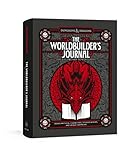
1. The Worldbuilder’s Journal of Legendary Adventures (Dungeons & Dragons): 365 Questions to Help You Create Mythical Characters, Storied Worlds, and Unique Campaigns
Overview:
This guided journal offers 365 carefully crafted questions designed to help Dungeon Masters develop richer campaigns. Each prompt targets a specific aspect of worldbuilding, from character backstories to geopolitical conflicts, encouraging daily creative practice. The format transforms abstract campaign planning into manageable, bite-sized exercises that build upon each other throughout the year, making campaign development less daunting.
What Makes It Stand Out:
Unlike traditional campaign guides that demand intensive reading sessions, this journal’s daily question format integrates seamlessly into busy schedules. The prompts are specifically tailored for D&D 5th edition mechanics while remaining flexible enough for any fantasy setting. This structured approach prevents the overwhelming feeling of starting with a blank page and cultivates a sustainable creative habit.
Value for Money:
Priced comparably to official D&D sourcebooks at approximately $25-30, this journal delivers unique value through its year-long engagement model. While free online generators exist, the curated progression and physical format justify the investment for DMs seeking consistent inspiration without digital distractions or forum-hopping.
Strengths and Weaknesses:
Pros include the habit-forming daily structure, D&D-specific framing, and comprehensive worldbuilding coverage. Cons involve potential redundancy for veteran DMs, the commitment required to maintain daily entries, and a one-size-fits-all approach that may not align with every campaign style or pacing preference.
Bottom Line:
Ideal for novice to intermediate DMs struggling with writer’s block or inconsistent preparation habits. Experienced worldbuilders might find it less essential but still useful for sparking fresh ideas during creative lulls.
2. Quests IRL: An RPG inspired quest journal for real life goals and productivity
Overview:
This innovative journal gamifies personal development by applying RPG quest mechanics to real-life goal achievement. Users frame their objectives as “quests,” break them into “missions,” and track progress through experience points and level-ups. The system transforms mundane tasks into engaging adventures, leveraging psychological principles of motivation through narrative framing and incremental rewards.
What Makes It Stand Out:
The fusion of tabletop gaming psychology with productivity science creates a uniquely engaging approach unlike traditional planners. Character sheets become personal profiles, skill trees map real competencies, and achievement badges celebrate milestones. This reframing helps users maintain momentum through the same dopamine loops that make RPGs addictive.
Value for Money:
Retailing around $20-25, it competes with premium planners while offering a novel methodology. Compared to productivity apps with subscription fees, this one-time purchase provides lasting value. However, free bullet journal templates online offer similar flexibility without the RPG theme.
Strengths and Weaknesses:
Pros include high engagement factor, creative motivation system, and excellent for gamers struggling with conventional methods. Cons involve a learning curve, potential novelty wear-off, and less suited for those uninterested in gaming culture. The system requires self-discipline to maintain the fantasy framework long-term.
Bottom Line:
Perfect for RPG enthusiasts seeking a fresh approach to personal development. Those indifferent to gaming may prefer traditional planners, but for the target demographic, it transforms goal-setting from chore to adventure.
3. Dungeon Master’s Rulebook for Beginners: The Unofficial Guide on Creating Your Best D&D Campaign - Covering Tips on Game Rules, Mechanics, Storytelling, Adventure Plots, Character Building, Balancing
Overview:
This unofficial beginner’s guide demystifies Dungeon Mastering by consolidating essential advice into a single comprehensive volume. Covering rules interpretation, narrative techniques, encounter balancing, and player management, it serves as a crash course for new DMs intimidated by the official DMG’s density. The conversational tone makes complex concepts accessible without overwhelming technical jargon.
What Makes It Stand Out:
As an unofficial supplement, it fills gaps between starter sets and advanced DMG content. The book focuses on practical table-management skills often overlooked in official materials—handling disruptive players, improvising when parties go off-track, and maintaining campaign momentum. This real-world advice complements the mechanical rules beautifully.
Value for Money:
Typically priced under $20, it offers significant savings over the official DMG ($50) while delivering targeted beginner content. Many comparable insights exist in YouTube tutorials and Reddit guides, but having curated, organized wisdom in print justifies the modest cost for those preferring structured learning.
Strengths and Weaknesses:
Pros include accessible language, comprehensive scope, and focus on practical DMing challenges. Cons involve being unofficial (lacking Wizards’ authority), potential overlap with free online resources, and occasionally dated examples. Some advice may contradict official rulings, requiring careful verification.
Bottom Line:
An excellent first purchase for aspiring DMs before investing in pricier official books. Veterans won’t need it, but newcomers gain confidence from its mentorship-style guidance and systematic approach to campaign creation.
4. SMONEX Blank Notebook - Blank Grid & Lined Journal for Game Notes, Tracking, Drawing and More - Accessories Essentials Kit for DnD - Dungeon Master Engraving

Overview:
SMONEX delivers a purpose-built notebook engineered specifically for Dungeons & Dragons sessions. Featuring alternating grid and lined sections, this hardcover journal accommodates everything from battle map sketches to character stat blocks. The birch plywood cover with laser-engraved Dungeon Master iconography signals serious dedication to the craft while providing durable protection for years of campaign notes.
What Makes It Stand Out:
The hybrid paper layout eliminates the need to choose between graph paper for maps and lined paper for lore. Removable metal rings allow dynamic page management—insert printed character sheets or extract completed adventure logs mid-session. This modular design adapts to evolving campaign needs unlike fixed notebooks.
Value for Money:
At approximately $30-35, it sits above standard notebooks but below premium leather journals. The specialized features, sturdy construction, and D&D-specific aesthetics justify the premium for dedicated players. Generic alternatives lack the thematic design and flexible ring binding, making this a worthwhile specialty purchase.
Strengths and Weaknesses:
Pros include versatile paper formats, durable materials, customizable pages, and authentic D&D styling. Cons involve higher cost than basic notebooks, limited page count (likely 100-150 sheets), and bulkier form factor due to hardcover and rings. The specialized design offers little value for non-gaming use.
Bottom Line:
A must-have accessory for DMs who prefer physical note-taking over digital tools. The quality construction and thoughtful design elevate session preparation from utilitarian to immersive, making it a worthy investment for serious tabletop gamers.
5. Jen Simpson Design Just Breathe // Anxiety Journal with prompts, Mindfulness Journal, Mediation journal, Positivity Journal, Self Care Journal, prompt journal, Deep Breathing

Overview:
This compact anxiety journal applies a structured three-step methodology to daily mental health management. Each entry guides users through deep breathing exercises, trigger identification, and cognitive reframing techniques. The undated format removes pressure, allowing usage during acute anxiety episodes or as part of regular wellness routines. With 64 double-sided pages, it provides a focused tool rather than an overwhelming year-long commitment.
What Makes It Stand Out:
The integrated approach combines multiple evidence-based techniques into one streamlined process. Unlike generic journals with blank pages, the guided prompts ensure users engage with clinically-supported methods consistently. The portable 5.5 × 8.5" size encourages keeping it accessible during high-stress situations, while premium 80 lb paper prevents bleed-through during intense writing sessions.
Value for Money:
Priced around $18-22, it offers professional-grade therapeutic tools at a fraction of counseling session costs. While free CBT apps provide similar frameworks, the tactile writing experience and thoughtful design create a more personal, focused intervention without digital distractions or subscription fees.
Strengths and Weaknesses:
Pros include clinically-informed structure, portability, high-quality materials, and flexible start date. Cons involve limited page count requiring eventual repurchase, potential superficiality for severe anxiety disorders, and lack of professional customization. The format may feel prescriptive for those preferring free-form journaling.
Bottom Line:
An excellent supplementary tool for managing mild to moderate anxiety, particularly as an adjunct to therapy. The thoughtful design and evidence-based prompts make it a worthwhile investment for anyone seeking structured emotional regulation techniques in a discreet, portable format.
Why New DMs Need Specialized Journals
The Learning Curve: Tracking What Matters
Your first campaign involves mastering a dizzying array of moving pieces: player character motivations, quest threads, combat encounters, treasure distribution, and world lore. A specialized journal pre-architects this complexity into manageable sections, teaching you through its very design what deserves permanent documentation versus what works as a quick scribble. The learning curve steepens dramatically when you’re simultaneously inventing a world and learning how to administrate it.
Building Good Habits from Session One
Consistent documentation habits separate one-shot DMs from campaign architects who sustain year-long adventures. The right journal enforces this discipline gently, with dedicated spaces for session summaries, player action consequences, and forward-looking plot hooks. These structural prompts train your brain to think in terms of continuity and consequence—the bedrock skills of memorable dungeon mastering.
Types of Game Journals Available
Pre-Filled vs. Blank Templates: Making the Right Choice
Pre-structured journals offer checkbox-style ease for nervous beginners, with labeled sections for initiative tracking, NPC stats, and loot tables. They remove the “blank page paralysis” that can stall session prep. Blank template systems, conversely, provide flexibility for DMs who’ve developed personal notation styles. For 2026, hybrid approaches dominate, offering modular pages you can mix based on session needs.
Modular Systems: The Best of Both Worlds
Emerging journal designs feature removable page packs—run a combat-heavy dungeon crawl this week, switch to political intrigue templates next session. This adaptability prevents your journal from becoming a prison of sections you never use while ensuring you always have the right tool for your current campaign style.
Key Features to Evaluate
Layout Considerations: What Works for Beginners
Look for intuitive information hierarchies: large spaces for major plot points, smaller boxes for mechanical details, and margin areas for spontaneous notes. Grid patterns should serve your mapping needs without dominating every page. The best layouts anticipate your eye movement during active sessions, placing critical reference points where your gaze naturally lands.
Paper Quality and Durability: Investing in Longevity
Cheap paper bleeds ink and tears under eraser friction, destroying your careful notes. For permanent campaign records, 100gsm or heavier paper prevents show-through and withstands constant page-flipping. Consider acid-free archival quality if you plan to treasure these journals for decades—your first campaign becomes a family heirloom, not a disposable notepad.
Size and Portability: Finding Your Comfort Zone
A5 journals balance writing space with backpack portability, while B5 offers more room for complex encounter maps. Pocket-sized options work for quick idea capture but frustrate during full prep sessions. Consider your physical table space too—cramped gaming tables demand smaller footprints, while home setups accommodate larger formats.
Binding Types: Lay-Flat vs. Traditional
Lay-flat binding transforms your journal into a functional workspace that stays open to the current page without wrestling. Spiral bindings offer ultimate lay-flatness but snag on bag contents. Sewn signatures provide durability and that satisfying book feel but may resist staying open at first. For new DMs, lay-flat designs reduce session friction dramatically.
Digital Integration for Modern Campaigns
Digital Integration Features for Modern DMs
QR codes linking to digital bestiaries, cloud backup reminders, and companion app integration define the 2026 journal landscape. Some systems include page markers that scan into searchable databases, bridging analog comfort with digital retrieval power. This matters for beginners building reusable content libraries they can reference across multiple campaigns.
Hybrid Analog-Digital Workflows
The smartest approach isn’t digital OR physical—it’s both. Use your journal for active session notes, then photograph key pages into a tagging system like Notion or Obsidian. This creates a searchable archive while preserving the cognitive benefits of handwriting. Forward-thinking journals now include metadata areas (date stamps, session numbers, tag lines) optimized for digital capture.
Customization and Growth
Customization Options: Growing With Your Campaign
Starter journals should include blank pages between structured sections for house rules, homebrew monsters, and world-specific calendars. Look for systems with expansion packs—add a naval combat module when your party suddenly becomes pirates. This scalability prevents outgrowing your journal mid-campaign, a frustrating experience that disrupts documentation continuity.
Indexing and Reference Systems
Robust indexing separates amateur notes from professional-grade campaign records. Pre-numbered pages, detachable index sheets, and color-coded tab systems help you locate that crucial NPC from session three when players unexpectedly return to town. For 2026, expect smart indexing that anticipates common lookup patterns: alphabetical NPC lists, quest chronologies, and location-based organization.
Specialized Content Pages
Encounter Tracking Pages: What to Look For
Effective encounter pages balance combat mechanics with narrative space. You need initiative order boxes, HP trackers, and condition columns, but also room to note how the environment changes during battle and what clues the party might discover. The best designs include post-encounter reflection areas: What worked? What felt clunky? This meta-analysis accelerates your DM skill growth.
NPC and Lore Management Sections
NPC pages should prompt beyond just stats—include motivation webs, voice notes, and relationship maps. Lore sections benefit from timeline structures that show cause-and-effect across your world. For new DMs, these prompts prevent creating cardboard cutout characters by reminding you to consider backstory, secrets, and dynamic relationships.
Session Notes vs. Planning Pages: The Balance
Your journal needs both retrospective and prospective space. Planning pages work weeks ahead, sketching future plot arcs. Session notes capture what actually happened—including player-driven deviations. A 60/40 split favoring session notes works for most new DMs, as over-planning often wastes time when players zig instead of zag.
Practical Considerations
Budget Tiers: What You Get at Different Price Points
Entry-level journals ($15-25) provide basic structure but thinner paper and simpler bindings. Mid-range ($30-50) offers better durability and more thoughtful design. Premium options ($60+) include archival materials, sophisticated indexing, and companion digital tools. For your first campaign, mid-range typically delivers the best value—robust enough to survive learning mistakes without breaking the bank.
Future-Proofing Your Choice for 2026 and Beyond
Consider longevity: Will this journal’s page refills remain available? Does the company have a track record of supporting older formats? Avoid trendy but obscure systems that might leave you stranded. Look for established ecosystems with active user communities sharing tips and custom templates—peer support proves invaluable when you’re stuck.
Avoiding Common Pitfalls
Common Mistakes New DMs Make with Journals
Don’t over-organize before understanding your personal DM style. Many beginners buy hyper-structured journals only to abandon half the sections. Start moderately structured, then customize. Another trap: using your journal as a novel manuscript instead of a game administration tool. Keep entries scannable and bullet-point friendly—nobody grades your prose.
Getting Started: Your First 30 Days
Commit to a simple ritual: spend 15 minutes post-session transferring scribbled notes into your journal while memory remains fresh. This weekly habit beats sporadic marathon prep sessions. In your first month, focus on tracking only three things: major NPCs, player decisions with consequences, and unresolved plot hooks. Master these before adding complexity.
Frequently Asked Questions
What size journal works best for actual gameplay at the table?
A5 (5.8" × 8.3") hits the sweet spot for most DMs—it provides ample writing space without dominating your DM screen area. Larger formats work better for home preparation, while smaller pocket notebooks serve best as idea capture tools between sessions.
Should I choose a digital or physical journal as a beginner?
Start physical. Handwriting engages memory differently, helping you internalize campaign details. The tactile experience also feels more authentic to the tabletop tradition. After three months, evaluate whether scanning pages into a digital backup system would add value for your style.
How many pages do I need for a full campaign?
A typical 200-page journal handles 6-8 months of weekly sessions for new DMs. Plan on 2-3 pages per session: one for prep, one for live notes, and occasional overflow for major encounters. Multi-year campaigns may require multiple volumes—consider numbering them as “Campaign Chronicles, Vol. 1” for continuity.
Can I use a regular notebook instead of a specialized game journal?
Technically yes, but you’ll miss built-in prompts that teach good DM habits. If budget is tight, start with a dot-grid notebook and print free DM template inserts from online communities. The key is adopting structured thinking, not necessarily buying a fancy product.
What binding type prevents pages from falling out with heavy use?
Sewn signatures with reinforced spine backing offer maximum durability. Avoid glued bindings for long-term campaigns—they deteriorate with constant opening. Lay-flat spiral bindings work well but check that the coil is crush-resistant and pages are perforated for clean removal if needed.
How do I organize multiple campaigns in one journal?
Dedicate the first 20 pages to a master index showing which page ranges belong to which campaign. Use colored page flags or edge-painting to visually separate sections. Better yet, maintain separate journals per campaign to prevent confusion and allow each story its own dedicated space.
What paper weight prevents ink bleed-through with markers?
100gsm (grams per square meter) is the minimum for heavy pen users. If you prefer gel pens or light markers, 120gsm provides insurance. Test your favorite writing instruments on a sample page before committing—your specific ink chemistry matters as much as the paper spec.
Are pre-printed stat blocks helpful or restrictive for new DMs?
They serve as excellent training wheels but can become limiting after 10-15 sessions. Look for journals with removable stat block inserts or mixed pages—some pre-filled for common monsters, others blank for homebrew. This hybrid approach builds confidence while encouraging creativity.
How do I back up my physical journal digitally?
Develop a weekly ritual: photograph key pages (NPCs, major plot decisions, maps) using a scanner app like Adobe Scan. Name files consistently: “CampaignName_SessionXX_PageYY_Date”. Upload to a cloud service with OCR capability to make handwriting searchable. This 10-minute habit protects against catastrophic loss.
What features are trending for 2026 that new DMs should consider?
QR-code linking to SRD content, companion apps that photograph and tag your pages automatically, and sustainable materials like stone paper or recycled leather. Modular magnetic page systems allowing infinite reorganization are gaining traction. Focus on features that solve your actual pain points rather than flashy tech for its own sake.
See Also
- Best Game Journals for Beginners: 10 Expert Picks for 2026
- Best Tabletop Game Lighting for New Players: 10 Expert Picks for 2026
- Best Board Game Storage Boxes for Families: 10 Expert Picks for 2026
- Best Game Organizers for Families: 10 Expert Picks for 2026
- Best Game Box Inserts for Frequent Players: 10 Expert Picks for 2026