Table of Contents
If you’ve ever wanted a hobby that combines laughter, skill-building, and immediate satisfaction, dexterity games might be your perfect match. Unlike traditional board games that rely heavily on strategy and rule memorization, these hands-on experiences reward physical skill, hand-eye coordination, and quick thinking. For beginners in 2026, the genre has never been more accessible, with designs that welcome newcomers while still offering depth for future growth.
What makes this moment special for new players is how modern dexterity games have evolved to reduce frustration and maximize fun. Manufacturers now understand that beginners need forgiving mechanics, clear visual instruction, and scalable challenges that grow with their abilities. This guide walks you through everything you should know before making your first purchase—from understanding core mechanics to spotting quality components that ensure your investment lasts.
Top 10 Dexterity Games for Beginners
Detailed Product Reviews
1. Oink Games Rafter Five Board Game | Dexterity Balance Card Game | 1–6 Players | Ages 7+ | Portable Travel Game

Overview:
Oink Games Rafter Five is a clever dexterity-based card game that challenges 1-6 players to build the most expansive raft possible without capsizing. Players stack wooden planks and treasure chests in a delicate balancing act, making it perfect for family game nights and travel entertainment.
What Makes It Stand Out:
Unlike pure dexterity games, Rafter Five introduces strategic sabotage. You deliberately place your treasure chests in precarious positions to force opponents into risky moves. The solo mode transforms it into a personal skill challenge, while the compact tin packaging exemplifies Oink Games’ portability promise.
Value for Money:
Positioned in the $20-25 range, it competes with larger-box dexterity games while offering superior portability. The component quality and replayability from strategic depth justify the premium over basic stacking games. For families seeking versatile entertainment, it delivers multiple play modes in one tiny package.
Strengths and Weaknesses:
Strengths include simple rules that engage ages 7+, true portability, and the perfect blend of skill and strategy. The components feel substantial and the tension builds satisfyingly. Weaknesses: Hardcore gamers may find it too light, and repeated plays might wear the cardboard raft base. The 3D stacking requires stable playing surfaces, limiting some travel scenarios.
Bottom Line:
An excellent addition to any family game collection, particularly for those who travel. It successfully balances accessibility with strategic depth, making it ideal for intergenerational play. Highly recommended for vacation homes, camping trips, and casual gaming groups.
2. Skillssist Dementia Montessori Memory Rings Threading Puzzle, Dexterity Games for Fine Motor Skills, Brain Therapy Activity for Elderly& Adults with Autism, Ideal Gift for Nursing Home & Travel

Overview:
The Skillssist Dementia Montessori Memory Rings Threading Puzzle is a specialized therapeutic tool designed to improve fine motor skills and cognitive function in elderly adults and individuals with autism or Parkinson’s. This wooden lace-up game combines Montessori principles with targeted rehabilitation exercises.
What Makes It Stand Out:
This isn’t a generic puzzle—it’s engineered for therapeutic outcomes. The threading motions specifically target Parkinson’s tremor reduction, while pattern recognition cards address dementia memory enhancement. With eight colored ropes and double-sided pattern cards, it offers progressive difficulty levels rarely seen in adult therapy tools.
Value for Money:
While priced higher than children’s lacing toys, it’s a professional-grade therapy device. Comparable occupational therapy equipment often costs significantly more. The inclusion of a storage bag and multiple rope colors adds practical value for caregivers managing long-term rehabilitation programs.
Strengths and Weaknesses:
Strengths include natural wood construction (odor-free, splinter-free), genuine therapeutic benefits, and portability for nursing home use. The progressive difficulty supports extended use. Weaknesses: The niche focus makes it unsuitable for general entertainment, and some users may find repetitive motions tedious. Instructions may require caregiver interpretation for optimal therapeutic application.
Bottom Line:
An invaluable tool for caregivers and occupational therapists working with specific neurological conditions. While not a toy, its evidence-based design delivers measurable benefits. Essential for nursing homes and families managing Parkinson’s or dementia care.
3. PLAYING BOUZOUKI FOR BEGINNERS: Unlock The Secrets Of Traditional And Modern Styles, Build Finger Dexterity, Chord Progressions, And More From Scratch

Overview:
“Playing Bouzouki for Beginners” is a comprehensive instructional guide promising to take novices from absolute beginner to competent player. The book covers both traditional Greek styles and modern approaches, focusing on building finger dexterity and understanding chord progressions from the ground up.
What Makes It Stand Out:
Most bouzouki methods focus exclusively on traditional repertoire. This title’s dual emphasis on classical and contemporary techniques makes it versatile for students interested in multiple genres. The explicit focus on finger dexterity development addresses a core challenge for beginners learning this demanding stringed instrument.
Value for Money:
At typical beginner method book pricing ($15-20), it offers substantial value compared to private lessons costing $40-60 hourly. While online tutorials exist, this structured approach provides progressive exercises without subscription fees. For self-motivated learners, it’s an economical foundation.
Strengths and Weaknesses:
Strengths include genre diversity, dexterity-focused exercises, and progressive chord instruction. The “from scratch” approach suits true beginners. Weaknesses: Without listed features, we cannot verify audio supplement quality or visual clarity of fingerings. Self-teaching risks developing bad habits without instructor feedback. The bouzouki’s relative obscurity may limit supplementary resources.
Bottom Line:
A promising resource for dedicated beginners, particularly those without local instructors. However, supplement with online videos or occasional lessons when possible. Verify the edition includes clear diagrams or audio before purchasing.
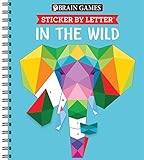
4. Brain Games - Sticker by Letter: In the Wild (Sticker Puzzles - Kids Activity Book)
Overview:
“Brain Games - Sticker by Letter: In the Wild” is an engaging children’s activity book that combines sticker play with letter and number recognition. Kids complete wild animal scenes by matching stickers to corresponding letters or numbers, creating a satisfying puzzle experience while developing fine motor skills.
What Makes It Stand Out:
The “sticker by letter” mechanic transforms simple sticker books into educational puzzles. This method reinforces alphabet and number sequencing more effectively than freeform sticker play. The “In the Wild” theme provides vibrant animal imagery that maintains engagement across multiple sessions.
Value for Money:
Priced competitively with other activity books ($8-12), it offers dual educational value—fine motor development and literacy/numeracy skills. While stickers are consumable, the completed pages create lasting artwork. Compared to single-use activity pads, the puzzle aspect extends active engagement time per page.
Strengths and Weaknesses:
Strengths include educational reinforcement, portable quiet-time entertainment, and mess-free creative play. The self-correcting nature builds confidence. Weaknesses: Stickers are non-reusable, limiting replay value. Younger children may need assistance aligning stickers precisely. The fixed difficulty may not challenge older kids within the target age range.
Bottom Line:
Excellent for travel, restaurants, or structured quiet time. Ideal for preschool through early elementary ages. Purchase for educational reinforcement rather than repeated reuse, and consider laminating completed pages as keepsakes.
5. FoxMind Games: Equilibrio Spatial Logic and Dexterity Game, Build Gravity Defying Structures, 60 Smart Puzzles to Work Through, 6 Levels of Complexity, Develops STEM Skills, 1+ Players, for Ages 5+

Overview:
FoxMind’s Equilibrio is a sophisticated spatial logic game where players construct gravity-defying 3D structures using precision geometric blocks. With 60 puzzles across six complexity levels, it challenges solo players or groups to match illustrated designs while developing STEM skills through hands-on problem-solving.
What Makes It Stand Out:
As part of the award-winning Brain Builder Series, Equilibrio excels in progressive difficulty design. The high-quality GeoBlocks possess exceptional weight and balance precision, crucial for successful construction. Its dual focus on spatial reasoning and manual dexterity creates a holistic cognitive workout rare in construction toys.
Value for Money:
In the $25-30 range, it competes with premium STEM toys while offering structured puzzle progression. The durable blocks and included challenge booklet provide lasting value. Compared to unstructured building sets, the puzzle framework ensures purposeful skill development, justifying the investment for educational contexts.
Strengths and Weaknesses:
Strengths include outstanding component quality, genuinely challenging puzzles, and effective STEM skill development. The gradual complexity escalation maintains engagement. Weaknesses: Younger children may find intermediate levels frustrating. Small blocks pose loss risks. The single-solution puzzles limit freeform creativity compared to open-ended building systems.
Bottom Line:
A superior educational tool that disguises learning as captivating play. Perfect for budding engineers and designers ages 7+. While challenging, the sense of accomplishment upon completing complex structures is unparalleled. Highly recommended for homeschoolers and STEM-focused families.
6. Steps Games Starter Pack Wooden Board Game – Unique Skill-Based Family Game, Party & Travel Game Gift Fun for Kids and Adults

Overview: The Steps Games Starter Pack brings old-school tactile fun to modern game nights with its solid wooden construction and skill-based challenges. This dexterity board game tests players’ accuracy, focus, and coordination through simple yet engaging mechanics that transcend age barriers, making it genuinely playable for kids, teens, and adults alike.
What Makes It Stand Out: Unlike flimsy plastic alternatives, the premium wooden platform and pieces deliver a satisfying heft and durability that elevates the entire experience. The “easy to learn, hard to master” design philosophy ensures immediate accessibility while rewarding practice and precision. It’s a rare game that encourages genuine skill development rather than relying on random luck.
Value for Money: While priced slightly above mass-market board games, the solid wood construction justifies every penny. Comparable dexterity games often use cheaper materials that wear quickly; this investment promises years of gameplay. For families who prioritize quality over quantity, it delivers exceptional long-term value.
Strengths and Weaknesses: Strengths include exceptional build quality, broad age appeal, and high replayability through skill progression. The tactile wooden pieces feel substantial and encourage fine motor development. However, the gameplay may feel too simple for strategy enthusiasts, and it requires a perfectly stable playing surface. The skill curve might frustrate younger children initially.
Bottom Line: The Steps Games Starter Pack is an excellent choice for families seeking active, screen-free entertainment that grows with players’ abilities. Its premium construction and timeless appeal make it a worthwhile investment for countless game nights.
7. Dodo | Kid’s Game | Family Game |Board Games | Co-op | Dexterity | Ages 6+

Overview: Dodo transforms cooperative gameplay into a thrilling race against gravity, blending memory, dexterity, and tension into sub-ten-minute sessions. This European award-winner tasks players with working together to prevent disaster, creating a uniquely collaborative experience where shared victories generate genuine excitement and squeals of delight.
What Makes It Stand Out: The cooperative nature sets it apart in a market dominated by competitive titles, fostering teamwork rather than rivalry. Its adjustable difficulty scales seamlessly from toddler-friendly to genuinely challenging adult play. The gravity-based mechanic creates palpable tension that keeps every player engaged throughout the brief runtime.
Value for Money: With rounds completing in under ten minutes, Dodo delivers exceptional replay value in short bursts. The high-quality components and award-winning design justify its mid-range price point. Families get a game that fits into busy schedules while maintaining freshness through scalable challenge levels.
Strengths and Weaknesses: Strengths include its cooperative gameplay, quick setup, and broad age accessibility. The adjustable difficulty ensures longevity, while the gravity mechanic creates memorable moments. However, the short playtime may leave some wanting more depth, and the cooperative focus won’t satisfy cutthroat competitors. The small components require careful storage.
Bottom Line: Dodo excels as a cooperative family game perfect for quick sessions and mixed-age groups. Its innovative gravity mechanic and award-winning European design make it an essential addition for families prioritizing collaboration over competition.
8. Gonggi Game,Gonggi Weighted Korean Game,5 Premium Marbles + Box, Traditional Toss & Catch Dexterity Training, Suitable for Family Gatherings and Social use(White)

Overview: This modern Gonggi set elevates the traditional Korean marble-tossing game through precision engineering and premium materials. The weighted marbles and custom-molded storage box transform a childhood pastime into a sophisticated dexterity challenge suitable for competitive play and social gatherings.
What Makes It Stand Out: The <0.1mm precision-molded marbles with internal steel weights deliver unprecedented consistency and tactile feedback. Unlike homemade or low-quality sets, each marble performs identically. The industrial-grade plastic box with custom slots showcases thoughtful design, combining portability with gift-ready presentation.
Value for Money: While commanding a premium price, the mold-injected construction and steel-weighted marbles justify the cost for enthusiasts. Cheaper alternatives suffer from inconsistent weighting and durability issues. This set’s rust-resistant, precision components ensure decades of reliable gameplay.
Strengths and Weaknesses: Strengths include exceptional precision engineering, portable design, and authentic gameplay experience. The weighted marbles provide superior control compared to traditional stones. However, the niche appeal may not resonate with those unfamiliar with the game. The premium price could deter casual buyers, and mastering techniques requires patience.
Bottom Line: For those seeking an authentic, high-quality Gonggi set, this product delivers unparalleled craftsmanship. It’s ideal for cultural enthusiasts and dexterity game aficionados who appreciate precision-engineered components and timeless gameplay.
9. Palooza Games Flippin’ Tacos Family Party Game – Fast-Paced Dexterity Flip Game for Kids & Adults | Easy to Learn, Quick Rounds, Active Fun for Game Night & Parties | Ages 8+

Overview: Flippin’ Tacos serves up chaotic, real-time flipping action where players race to flick taco cards from table edge into plastic trays. This original dexterity game transforms any surface into a frenzied competition zone, delivering energetic fun that engages both kids and adults through simple, intuitive mechanics.
What Makes It Stand Out: The simultaneous real-time gameplay eliminates downtime, keeping everyone constantly engaged. The dual difficulty modes accommodate beginners while challenging veterans. Its unique taco theme stands out in a crowded market, and the thick cards withstand repeated flipping abuse better than standard cardstock.
Value for Money: Positioned as an affordable party game, it delivers exceptional entertainment-per-dollar through quick, repeatable rounds. The durable components outlast cheaper alternatives, while the beginner/advanced modes essentially provide two games in one, maximizing replayability at a budget-friendly price point.
Strengths and Weaknesses: Strengths include zero setup time, engaging real-time action, and robust components. The theme appeals universally, and quick rounds maintain engagement. However, it requires ample table space and can get loud. Cards will eventually show wear despite thickness, and the gameplay lacks strategic depth beyond manual dexterity.
Bottom Line: Flippin’ Tacos is a must-have for energetic game nights and parties. Its chaotic flipping action and universal theme make it perfect for families seeking fast-paced, laugh-out-loud entertainment without complex rules.
10. Hasbro Gaming Connect 4 Classic Grid,4 in a Row Game,Strategy Board Games for Kids,2 Player .for Family and Kids,Ages 6 and Up
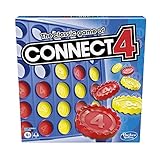
Overview: Hasbro’s refreshed Connect 4 maintains the classic four-in-a-row strategy while introducing modern styling and three distinct play modes. This two-player staple challenges competitors to outmaneuver each other through pattern recognition and tactical blocking, now with added variations that breathe new life into the timeless formula.
What Makes It Stand Out: The innovative pop-out feature introduces a strategic layer absent from traditional versions, allowing players to eject bottom discs and dramatically alter the board state. Connect 4 Frenzy mode adds frantic variation, while the sleek contemporary design enhances visual appeal. These additions transform a simple game into a versatile strategy platform.
Value for Money: As one of the most affordable strategy games from a major manufacturer, it delivers exceptional value. Three gameplay modes effectively provide multiple games at the price of one. The durable plastic grid withstands decades of use, making it a cost-effective addition to any family collection.
Strengths and Weaknesses: Strengths include timeless strategic depth, quick gameplay, and the versatile three-mode system. The modern aesthetic appeals to contemporary players. However, it’s strictly two-player, limiting group engagement. Advanced players may find classic mode predictable, and the pop-out mechanism can jam if forced.
Bottom Line: Connect 4 remains an essential family game, and this modernized version’s added modes justify its place in any collection. It’s perfect for introducing strategic thinking to children while offering enough depth for adult duels.
What Are Dexterity Games?
Defining the Genre
Dexterity games center on physical skill rather than pure mental strategy. Players might stack pieces, flick disks, catch falling objects, or perform precise movements under time pressure. The genre bridges the gap between active play and tabletop gaming, creating moments where everyone watches a single, tense movement. Success depends on practice, control, and sometimes a bit of creative problem-solving.
Why They Appeal to Beginners
New players gravitate toward these games because they offer instant gratification. You can understand the goal within seconds—stack these blocks, shoot that target, balance this piece. The learning curve feels natural because your body already knows how to perform most actions. Victory comes from improving your personal best rather than mastering complex rules, making every session feel rewarding regardless of skill level.
Key Benefits for New Players
Building Confidence Quickly
Every successful move provides tangible feedback. When you nail a difficult shot or build a towering structure, you see and feel your progress immediately. This rapid feedback loop builds muscle memory and self-assurance faster than strategy games where improvement might take dozens of plays to recognize. Beginners often surprise themselves with what they can accomplish within their first game night.
Social Connection Without Complexity
Dexterity games create natural spectacles that draw people in. Observers become cheerleaders, gasping at near-misses and celebrating improbable successes. The physical nature breaks down social barriers—everyone’s clumsy at first, which levels the playing field and encourages laughter over competition. This shared vulnerability makes them perfect icebreakers for mixed groups of veterans and newcomers.
Physical Engagement Meets Mental Strategy
While these games emphasize physical skill, the best beginner-friendly options include just enough strategic decision-making to keep your mind engaged. You might choose which piece to play, where to aim, or when to take a risk. This balance prevents the mental fatigue that comes from pure strategy games while still giving you meaningful choices that impact the outcome.
Essential Features to Look For
Simple Rule Sets
Look for games you can explain in under two minutes. The best beginner dexterity games use intuitive goals and visual cues on the components themselves. If the rulebook requires multiple readings or references complex timing windows, it’s probably not designed for newcomers. Prioritize games where the physical actions themselves teach you how to play.
Forgiving Mechanics
Quality beginner games include safety nets that prevent early frustration. This might mean pieces that are easier to balance than they look, scoring systems that reward attempts, or rules that let you recover from mistakes. Avoid games where one error eliminates you from play or sets you back so far that catching up feels impossible.
Scalable Difficulty
Your first game should offer multiple ways to increase challenge as skills improve. This could involve advanced modes, optional rules, or simply the natural progression of attempting harder shots or taller structures. Games that grow with you provide better long-term value and prevent the “outgrown it” feeling that happens with one-dimensional designs.
Quality Components
For dexterity games, component quality directly impacts the experience. Pieces should have appropriate weight, texture, and balance. Wood offers satisfying heft and durability, while certain plastics provide consistent sliding or stacking properties. Check reviews for mentions of warping, chipping, or inconsistent manufacturing—these flaws ruin the precision these games require.
Quick Setup and Playtime
Beginner-friendly games respect your time. Look for setups that take under five minutes and complete sessions that finish within 20-30 minutes. This allows multiple attempts in one sitting, which accelerates skill development. Long setup times or marathon sessions can discourage practice and make the game feel like a production rather than a quick bit of fun.
Types of Dexterity Games for Beginners
Stacking and Balancing Games
These classics ask you to build structures under constraints—perhaps using only one hand, or while the surface shakes, or with pieces of different shapes. They teach patience, fine motor control, and spatial reasoning. For beginners, seek versions with varied piece shapes that offer multiple stable configurations, giving you room to develop your own techniques.
Flicking and Shooting Games
These involve propelling pieces across a surface to hit targets or knock opponents out of the way. They reward controlled force and angle calculation. New players should look for games with adjustable board sizes or multiple aiming points, allowing practice at close range before attempting difficult long-distance shots.
Catching and Reaction Games
Speed and reflexes take center stage here. You might catch falling pieces, grab objects when a signal changes, or react to random events. These games often include timers or rhythm elements that create exciting pressure. Beginners benefit from modes that slow the pace initially, letting you build the neural pathways before cranking up the speed.
Building and Construction Challenges
Unlike pure stacking, these games give you specific architectural goals—maybe recreating a shape from a card or building within a time limit. They combine creativity with precision. Look for options that provide visual blueprints rather than text-heavy instructions, letting you see exactly what success looks like.
Precision Placement Games
These test your steady hand and careful movement. You might guide a piece through a maze, place items in tight spaces, or remove components without disturbing others. They’re excellent for developing hand stability and focus. Beginner versions should offer larger target areas and gradual narrowing of tolerances as you improve.
What to Consider When Choosing Your First Game
Player Count Flexibility
Your first purchase should work well with both small and larger groups. Games that shine at 2-4 players but can stretch to 6+ offer more opportunities for play. Solo modes are a bonus, letting you practice without pressure. Check if the game maintains its fun and challenge across these different numbers—some dexterity games become chaotic or lose tension with too many participants.
Age Appropriateness
While dexterity games often appeal to children, many include small pieces or require force control that younger kids lack. Look for age recommendations that match your primary playing group, but also consider games with “family” variants that simplify rules for mixed-age play. The sweet spot for beginners often sits in the 8+ range, where mechanics are simple but still engaging for adults.
Space Requirements
These games need room to breathe. Flicking games require long, clear surfaces. Stacking games need stable tables where bumps won’t ruin progress. Before buying, measure your typical playing area and compare it to the game’s footprint. Some modern designs cleverly minimize space needs with vertical boards or contained arenas—perfect for apartment dwellers.
Budget-Friendly Options
Quality dexterity games exist at every price point. As a beginner, you don’t need to invest in premium wood sets or elaborate contraptions. Many excellent entry-level options cost less than a typical video game. Focus on proven mechanics and solid reviews rather than fancy packaging or celebrity endorsements. Your first game is about learning what you enjoy, not making a collector’s piece.
Solo Play Potential
The ability to practice alone dramatically accelerates skill development. Games with solo challenges, score targets, or time trials let you build competence privately, reducing the performance anxiety that can come with learning in front of others. This feature also means the game stays relevant even when your gaming group isn’t available.
Setting Up for Success
Creating the Right Environment
Your playing surface matters immensely. Choose a stable, level table away from high-traffic areas. Good lighting prevents eye strain during precise movements. Consider a felt mat or smooth board depending on the game type—some need grip, others need glide. Remove distractions and give yourself enough peripheral space so you’re not bumping elbows or walls.
Warming Up and Practice Techniques
Treat dexterity gaming like any physical activity. Start with simple, low-pressure movements to loosen your hands and get a feel for the components. Practice the basic actions—flicking, stacking, balancing—without scoring before diving into competitive play. Many experienced players run through a few “throwaway” attempts to calibrate their touch for the day’s conditions.
Teaching Others to Play
When introducing friends, demonstrate rather than explain. Perform a few sample moves, let them try without consequence, and keep the first round purely instructional. Emphasize personal improvement over winning. People learn physical skills by doing, not by hearing rules, so minimize talking time and maximize hands-on attempts.
Common Mistakes Beginners Make
Overthinking the Rules
Many newcomers spend more time worrying about edge cases and technicalities than actually playing. Dexterity games thrive on intuitive play. If a situation feels unclear, make a quick house rule and move on. The physical challenge should be the focus, not legalistic interpretations. You can always look up clarifications after the session.
Ignoring the Learning Curve
Your first few attempts will likely look clumsy—that’s normal. Beginners sometimes quit too early, thinking they “just aren’t good at these games.” Skill develops through repetition. Give any new game at least three separate sessions before judging it. Your brain and hands need time to develop the specific motor patterns each game requires.
Choosing Complexity Over Fun
It’s tempting to buy the game with the most elaborate components or advanced modes, thinking you’ll “grow into it.” But if the base experience feels like work, you’ll never reach that point. Start simple. A straightforward game you play twenty times teaches you more about your preferences than a complex one you struggle through twice.
Expanding Your Collection
When to Add More Games
After mastering your first game and playing it at least ten times, you’ll understand what aspects excite you most. Maybe you love the tension of stacking, or the satisfaction of a perfect flick. Use that self-knowledge to guide your second purchase. Avoid buying multiple games with similar mechanics early on—diversify to discover your true preferences.
Recognizing Your Play Style
Pay attention to what keeps you engaged. Do you prefer solo skill challenges or direct competition? Quick bursts of play or longer sessions? High variability or consistent setups? Your answers reveal your play style, which helps you select future games that’ll actually hit the table instead of collecting dust.
Building a Versatile Library
A well-rounded dexterity collection includes different physical skills and social dynamics. Consider one stacking game, one flicking game, and one reaction-based game as a starter trio. This variety ensures you have something appropriate for different moods, group sizes, and energy levels. Quality beats quantity—three loved games outperform ten mediocre ones.
2026 Trends in Dexterity Gaming
Innovative Mechanics
This year’s designs increasingly blend digital and physical elements. Apps might generate random challenges, track scores, or introduce timing elements. However, the core physical actions remain analog, preserving the tactile satisfaction that defines the genre. Look for games that use technology to enhance rather than replace the hands-on experience.
Sustainable Materials
Eco-conscious manufacturing has reached dexterity games. Bamboo, recycled plastics, and biodegradable packaging are becoming standard. These materials often improve the playing experience—bamboo offers ideal weight and grip for stacking pieces, while certain recycled plastics provide consistent sliding properties. Sustainability now aligns with performance rather than compromising it.
Digital Integration
Beyond apps, some 2026 releases include QR codes linking to tutorial videos, community challenges, and online leaderboards. This connectivity helps beginners learn faster and stay motivated. However, the best designs remain fully playable without any digital component, ensuring the core experience stays pure and accessible.
Frequently Asked Questions
What makes a dexterity game “beginner-friendly”? Beginner-friendly games feature simple rules, forgiving mechanics, quick setup, and scalable difficulty. They allow new players to experience success early while providing room to grow. Look for games with visual instructions and minimal text, plus components that feel good to handle even when you’re still developing skill.
How much should I spend on my first dexterity game? Excellent beginner options exist between $20-40. This price range typically ensures quality components without premium costs. Avoid the cheapest options, which may have inconsistent manufacturing, but don’t feel pressured to buy deluxe editions until you know which mechanics you enjoy.
Can dexterity games be played solo? Many modern dexterity games include solo modes with specific challenges, target scores, or time trials. Solo play is excellent for building skill without pressure. When researching games, check if the solo mode is a full experience or just a practice variant—some are thoughtfully designed while others feel tacked on.
Are these games suitable for young children? It depends on the specific game and child. Many dexterity games list age recommendations of 6-8+ due to small parts or required coordination. However, some designs work well for younger kids with adult supervision. Look for family editions with larger pieces and simplified rules if playing with children under eight.
How do I improve my skills quickly? Practice the core actions in short, daily sessions of 10-15 minutes. Focus on consistency rather than difficulty. Record your attempts on your phone to analyze your technique. Most importantly, play with people slightly better than you—you’ll naturally adapt and improve by observing their approaches.
What’s the difference between dexterity games and party games? While there’s overlap, dexterity games specifically test physical skill as the primary mechanic. Party games often include trivia, creativity, or social elements alongside physical challenges. A pure dexterity game remains fun even when played silently, focusing on the physical challenge rather than entertainment value.
How much space do I really need? Most dexterity games need a stable 3x3 foot area minimum, with flicking games requiring up to 6 feet of clear space. Always check the specific requirements before buying. Some 2026 designs cleverly minimize space with vertical boards or contained arenas, making them ideal for small apartments.
Can I create my own practice versions before buying? Absolutely. Many dexterity game concepts can be approximated with household items. Use coins for flicking practice, building blocks for stacking, or cups for catching. While commercial games offer refined components and balanced rules, DIY practice helps you discover which mechanics appeal to you before spending money.
What if I’m just not naturally coordinated? Dexterity is a skill, not an innate talent. Everyone starts clumsy. The key is choosing games with forgiving learning curves and practicing privately. Many games include handicap systems or cooperative modes where you work together toward a group goal, removing competitive pressure while building your abilities.
How long does it take to become proficient? Most players see noticeable improvement within 3-5 sessions as muscle memory develops. Basic competence typically comes after 10-15 plays, while mastery can take months of regular practice. The joy of dexterity games lies in this journey—every session reveals small improvements that feel deeply satisfying.