Table of Contents
Imagine this: just you and your partner, the evening stretching ahead, no distractions beyond a shared table and the satisfying shuff-shuff of cardboard. Two-player deck building games transform this simple setup into an intimate dance of strategy, where every card draw feels personal and each decision carries weight. Unlike sprawling multiplayer battles, dueling with decks creates a unique rhythm—slower, more thoughtful, yet intensely competitive. You’re not just building a machine; you’re building it against someone who knows your tells, making every victory sweeter and every loss a lesson learned together.
Why has this niche exploded in popularity? Because modern deck builders ditch the chaotic luck of traditional card games. Here, you craft your path to victory, starting with a humble deck that evolves turn by turn. For two players, this format eliminates downtime, sharpens focus on interaction, and turns abstract strategy into a deeply personal contest. No more waiting for five others to take their turn—just pure, unbroken engagement where your choices directly shape your opponent’s options. If you’ve ever felt lost in a sea of players or craved a game that rewards careful planning over random draws, the two-player deck builder renaissance is your answer. Let’s explore what makes these duels so compelling and how to find your perfect match.
Top 10 Deck Building Games for Two Players
Detailed Product Reviews
1. Monumental Duel - Exciting Strategy Civilization Deck-Building Game, Expand or Combine, Ages 10+, 2 Players, 60-90 Minutes

Overview: Monumental Duel is a two-player deck-building game centered on guiding a civilization to dominance. It adapts the broader Monumental system into a focused duel, emphasizing strategic resource management across science, culture, and military tracks within a 60-90 minute session suitable for ages 10+.
What Makes It Stand Out: Its unique fusion of civilization building with dynamic deck enhancement sets it apart. The innovative Trading Module with Free Cities adds a crucial negotiation layer, while the modular design allows combining multiple boxes for entirely new civilizations and strategic possibilities, vastly extending replayability beyond standard deck-builders.
Value for Money: Priced competitively for a niche two-player strategy game, it offers significant long-term value. The ability to mix and match expansions (sold separately) creates near-infinite combinations, making the initial purchase a gateway to a deeply customizable experience far exceeding the cost of standalone competitors with fixed content.
Strengths and Weaknesses: Strengths: Deep strategic interplay between tracks, highly replayable modular system, engaging player interaction via trading, and accessible rules for its depth. Weaknesses: Limited to two players inherently, setup can be complex for absolute beginners, and the full strategic potential requires purchasing multiple boxes.
Bottom Line: An exceptional, replay-rich duel for civilization and deck-building enthusiasts. Its modular design and strategic depth justify the investment, especially for duos seeking a thematic alternative to Dominion, though expanding the experience requires further purchases.
2. Rio Grande Games Dominion 2nd Edition Deck Building Strategy Card Game for 2-4 Players, Ages 13 Plus

Overview: Dominion 2nd Edition is the definitive deck-building game that pioneered the genre. Players start with a small deck of basic cards and gradually acquire more powerful cards during play to build the most efficient engine, determining the winner in 20-30 minute sessions for 2-4 players aged 13+.
What Makes It Stand Out: As the original deck-builder, its elegantly simple core mechanic—building your deck as you play—is revolutionary. The near-infinite replayability stems from the vast card pool; each game uses a unique 10-card kingdom setup, ensuring no two games play alike despite the streamlined ruleset.
Value for Money: Excellent value as a genre cornerstone. The base set provides countless hours of gameplay due to its modular kingdom setup. While expansions significantly enhance longevity, the core game alone delivers immense strategic depth and replayability at a fair price point, outperforming many thematic competitors on pure longevity.
Strengths and Weaknesses: Strengths: Unmatched replayability, fast setup and playtime, accessible rules with deep strategy, award-winning elegant design. Weaknesses: Can feel abstract without theme integration for some, potential for analysis paralysis with complex kingdom setups, limited direct player interaction.
Bottom Line: An essential purchase for any board game collection. Dominion 2nd Edition remains the gold standard for deck-builders, offering unparalleled replay value and strategic depth in a compact, accessible package. Highly recommended for both newcomers and veterans.
3. Funforge Monumental Duel Civilizations Espionage Deck-Building Board Game for Ages 10+, Strategic & Engaging Play, 2 Players, 60-90 Min
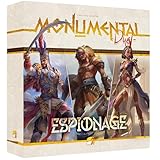
Overview: This is an expansion/module for the Monumental Duel system, introducing espionage as a core mechanic. Designed for two players aged 10+, it retains the base game’s civilization-building deck-enhancement but adds spies to disrupt opponents, fitting within the 60-90 minute playtime framework.
What Makes It Stand Out: The espionage mechanic is its defining innovation. Players deploy spies to sabotage rival cities—stealing resources, delaying projects, or crippling actions—adding a potent layer of direct interaction and hidden information not present in the base game, significantly altering strategic priorities.
Value for Money: Best value when purchased alongside the base Monumental Duel game. It transforms the core experience with fresh, asymmetric tactics, offering substantial new depth for a relatively modest investment compared to buying a completely new standalone game, effectively doubling strategic variety.
Strengths and Weaknesses: Strengths: Introduces exciting, high-impact player interaction via espionage, creates dynamic “take that” moments, integrates seamlessly with base game, enhances replayability significantly. Weaknesses: Requires the base Monumental Duel to play, espionage focus may feel too aggressive for some, adds complexity to an already intricate system.
Bottom Line: A highly recommended expansion for Monumental Duel owners. The espionage mechanic injects thrilling conflict and strategic nuance, elevating the base duel into a more interactive and unpredictable contest. Essential for fans seeking deeper player engagement.
4. Renegade Game Studios G. I. Joe Deck-Building Game, 1-4 players, Ages 14+, Fully Cooperative Game, Core Set

Overview: This cooperative deck-builder casts players as G.I. Joe commanders working together against the game system to complete missions and thwart Cobra. Designed for 1-4 players aged 14+, it features iconic heroes, vehicles, and escalating challenges in a fully collaborative experience.
What Makes It Stand Out: Its fully cooperative nature is rare in the deck-building genre, which is typically competitive. Players collectively build a shared supply and pool resources to overcome scenario-based missions, with Expert Mode adding significant difficulty. The strong G.I. Joe theme permeates card art and mission design.
Value for Money: Good value for cooperative game fans, especially G.I. Joe enthusiasts. It offers substantial solo or group play with increasing challenge via Expert Mode. While the card count might seem modest, the cooperative mission structure and theme provide focused, replayable content, though expansion potential is key for long-term value.
Strengths and Weaknesses: Strengths: Engaging cooperative play unique to the genre, strong licensed theme integration, accessible solo mode, scalable difficulty. Weaknesses: Limited player count range (max 4), potential for quarterbacking in groups, thematic depth may not resonate with non-fans, less replayability than highly modular competitive games.
Bottom Line: A solid choice for fans of G.I. Joe or cooperative card games. It successfully translates the deck-builder mechanic into a shared narrative experience, though its niche appeal means it’s best suited for genre fans or dedicated franchise followers.
5. Fantasy Flight Games Star Wars The DeckBuilding Game | Strategy Card Game | Head-to-Head Tactical Battle Game for Adults & Kids | Ages 12+ | 2 Players | Average Playtime 30 Minutes (FFGSWG01)

Overview: This head-to-head card game immerses two players (ages 12+) in the Star Wars conflict, where one commands the Galactic Empire and the other the Rebel Alliance. Lasting about 30 minutes, players build decks to destroy three of their opponent’s bases using iconic characters and locations.
What Makes It Stand Out: Its strong asymmetric design captures the essence of each faction—Empire’s brute force vs. Rebels’ agility—with unique card pools and strategies. Featuring over 50 cards depicting beloved characters, vehicles, and bases like the Death Star and Hoth, it delivers immediate thematic immersion within the streamlined deck-builder framework.
Value for Money: Excellent value for a quick, thematic two-player game. The included asymmetry and iconic Star Wars content provide high engagement per dollar. While expansions add variety, the core set delivers a complete, satisfying experience out of the box, often at a lower price point than longer, more complex deck-builders.
Strengths and Weaknesses: Strengths: Highly thematic and accessible, fast-paced gameplay, strong faction asymmetry, easy to learn, packed with recognizable Star Wars elements. Weaknesses: Limited strategic depth compared to heavier deck-builders, relatively short playtime per session, minimal interaction beyond direct conflict.
Bottom Line: A fantastic, accessible gateway into deck-building, especially for Star Wars fans. Its quick playtime, strong theme, and clear asymmetry make it a highly recommendable two-player duel for casual and family gaming sessions.
6. Gwent - Official Licensed Version | Complete Set | Competitive Deck Building Strategy Game | Fantasy Card Battler From the Popular Video Game | Tactical Playing Cards | Ages 12+ | 1-5 Players | 20 min

Overview: This official tabletop adaptation of The Witcher 3’s beloved mini-game delivers a faithful duel-based strategy experience, pitting 1–5 players in tactical card battles using 400+ cards across five factions. Designed for quick 20-minute sessions, it replicates the video game’s core mechanics of round-based scoring and resource management.
What Makes It Stand Out: Its unparalleled authenticity to the video game universe is key, with meticulously recreated card art and faction identities (Nilfgaard, Scoia’tael, etc.). The bluffing element—forcing opponents into misplaying cards through psychological tactics—adds depth beyond standard deck-builders, while the portable design (no board needed) enhances accessibility.
Value for Money: Priced mid-range for a complete set with 400+ cards, it offers exceptional value for Witcher fans seeking a tangible link to the games. While niche for non-fans, its replayability and competitive depth justify the cost compared to smaller, less thematic card games.
Strengths and Weaknesses: Strengths: High-quality components, seamless video-to-tabletop translation, quick setup, and strong 5-player scalability. Weaknesses: Steep learning curve for newcomers unfamiliar with the video game, and limited strategic variety in the base set without expansions.
Bottom Line: A must-have for Witcher enthusiasts and competitive duelists, though casual players may find it overwhelming; it masterfully bridges digital and physical gaming with clever bluffing mechanics.
7. Funforge: Monumental Duel - Exploration - Civilization Deck-Building Board Game, Strategy Game, Combine Or Standalone, Ages 10+, 2 Players, 60-90 Min
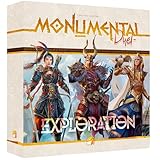
Overview: A streamlined two-player duel derived from the acclaimed Monumental series, where competitors race to develop civilizations through strategic deck-building, balancing military, culture, and science. Focused on 60–90 minute head-to-head clashes, it emphasizes efficient resource conversion and tactical foresight.
What Makes It Stand Out: The modular “Exploration” module—where scouts gather resources from uncharted wilderness—adds dynamic risk/reward decisions. Its box-expansion compatibility lets players mix civilizations and mechanics endlessly, creating a customizable experience rare in dedicated dueling games.
Value for Money: Excellent for dueling purists, offering deep civilization-building depth at a reasonable price. While pricier than lightweight card games, its replayability through combinable boxes and solo modes justifies the investment for strategy-focused duos.
Strengths and Weaknesses: Strengths: Elegant integration of deck-building and civilization progression, high modularity, and tense player interaction. Weaknesses: Limited to two players, and the exploration mechanic can feel underdeveloped without additional expansions.
Bottom Line: An essential pick for competitive 1v1 strategists seeking a modular, civilization-themed duel; its expandable design ensures longevity, though solo play lacks depth.
8. Reincardnated by Doolittle Gaming - A Turn-Based Deck Drafting Card Game - Strategy Party Game for 2-6 Players on Family Game Night

Overview: A whimsical 2–6 player drafting game where participants reincarnate as animals or plants to fulfill hidden “Life Purposes” while accumulating karma. With vibrant art and a 30-minute runtime, it blends accessible strategy with playful chaos for family or party settings.
What Makes It Stand Out: The unique “karma” take-that mechanic injects humor and tension, as players sabotage others’ progress with cheeky cards. Over 75 hand-illustrated beings—from tardigrades to eagles—create visual appeal, while variable Life Purposes ensure high replayability across short sessions.
Value for Money: Priced accessibly for a family game, its art-rich components and 10-minutes-per-player scalability deliver solid bang for buck. It outshines generic party games with genuine strategic layers, though hardcore gamers may crave deeper mechanics.
Strengths and Weaknesses: Strengths: Quick to learn, inclusive for 6 players, beautiful art, and perfect pacing. Weaknesses: Light strategy depth, and the karma mechanic can feel overly punishing in larger groups.
Bottom Line: An ideal, lighthearted gateway game for families or casual gatherings; its charm and simplicity shine, though it lacks complexity for seasoned strategists.
9. W&G Darktide Extraction Card Game by Cubicle 7 | Ages 14+ | 1-5 Players | Cooperative Deck Building Game | 260+ Cards with Player Boards and Tokens
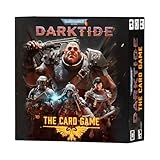
Overview: A cooperative deck-builder plunging 1–5 players into Warhammer 40,000’s Darktide universe, where “Rejects” battle Chaos hordes across narrative-driven missions in Hive Tertium. Players combine unique abilities to manage threats and make desperate survival choices.
What Makes It Stand Out: Its narrative intensity—driven by six interconnected missions—and grimdark atmosphere authentically capture the video game’s tension. Solo/co-op flexibility and “sector abandonment” mechanics force brutal strategic sacrifices, elevating it beyond typical cooperative play.
Value for Money: With 260+ cards, player boards, and tokens, it’s a premium-priced but justified investment for Warhammer fans. The mission structure and high component count offer more substance than many co-op card games in its range, though non-fans may balk at the theme.
Strengths and Weaknesses: Strengths: Immersive theme, strong replayability via missions, and excellent solo mode. Weaknesses: High difficulty curve and limited player count flexibility (optimized for 2–4, not 5).
Bottom Line: A must-play for Warhammer 40K devotees seeking narrative depth; its punishing co-op design excels, but newcomers might prefer lighter alternatives.
10. Renegade Game Studios Transformers Deck-Building Game 1-5 players ages 13+ to enjoy in 45-90 min. Play competitively or as a solo/cooperative game

Overview: A versatile deck-builder where players control Autobots battling Decepticons through dynamic mode-shifting (vehicle to robot), using card combos to attack and defend. Supporting 1–5 players competitively or cooperatively, it adapts the franchise’s core conflict into strategic card play.
What Makes It Stand Out: The transformative mechanic—swapping card orientations to change abilities—creatively mirrors the IP’s essence, while solo/co-op modes add rare flexibility. Modular scenarios keep runs fresh, distinguishing it from rigid competitive-only deck-builders.
Value for Money: Mid-priced for a fully featured deck-builder, its reconfigurable playstyles (solo/co-op/competitive) offer exceptional versatility. It outperforms similarly priced single-mode games, though Transformers license premiums slightly inflate cost.
Strengths and Weaknesses: Strengths: Clever theme integration, adaptable player count, and strong solo support. Weaknesses: Mode-shifting rules can confuse new players, and Decepticon AI lacks depth in co-op.
Bottom Line: A standout for Transformers fans and deck-building enthusiasts seeking adaptable gameplay; its transformative gimmick works, but rule complexity may deter casual players.
Core Mechanics That Shine With Two Players
Why Simultaneous Play Elevates Tension
Games incorporating simultaneous action selection prevent downtime and keep both players invested every second. Instead of waiting, you’re constantly anticipating your opponent’s move while plotting your own, creating a thrilling mental duel where hesitation feels like defeat. This mechanic transforms passive turns into active strategy sessions, ensuring neither player drifts into distraction.
The Magic of Direct Player Interaction
Forget isolated engine-building—true two-player mastery comes from systems where cards directly disrupt or counter your opponent’s strategy. Look for mechanics like forced discards, targeted resource denial, or shared action spaces that make every play feel consequential. This friction isn’t just competitive; it’s conversational, sparking playful banter and strategic mind games that define memorable sessions.
Scalable Complexity for Focused Gameplay
The best two-player experiences avoid bloated rulebooks by designing complexity that scales down elegantly. Features like modular rule sets or adjustable victory conditions let you tailor depth to your mood—whether you want a 20-minute tactical skirmish or a 90-minute epic. This flexibility ensures the game grows with your skills without overwhelming beginners.
Design Elements That Prevent Imbalance
Asymmetric Starting Conditions Done Right
Equal footing isn’t always fair. Games that offer distinct starting decks or unique abilities based on player choice create dynamic matchups where strategy matters more than luck. This asymmetry prevents mirror matches, ensures varied replayability, and lets players express their style—whether aggressive rush or methodical control.
Built-In Catch-Up Mechanics That Feel Fair
No one enjoys a snowballing defeat. Subtle balancing tools like dynamic scoring thresholds or end-game bonus triggers for trailing players keep hope alive without hand-holding winners. Crucially, these systems should reward clever recovery plays—not just hand out consolation prizes—to maintain competitive integrity.
Turn Structure for Predictable Pacing
Chaotic turn lengths ruin two-player flow. Opt for games with clear phase boundaries (draw, play, buy, clean-up) and hard limits on actions per turn. This structure creates reliable rhythm, lets players plan ahead, and prevents analysis paralysis from derailing the game’s momentum.
Theme Integration That Enhances Strategy
Narrative-Driven Card Effects
When card abilities tie directly to a cohesive story or setting—like recruiting rebels in a revolution or harvesting mystical energy—the theme stops being decoration and becomes strategic shorthand. This connection helps players intuitively grasp complex interactions and deepens emotional investment in every decision.
Thematic Resource Systems
Move beyond generic “coins” or “mana.” Resources tied to your faction’s identity—spies gathering intelligence, alchemists distilling potions—make economic choices feel meaningful. These systems turn abstract optimization into immersive storytelling, where every spent resource advances your narrative.
Replayability Through Smart Design
Modular Card Pools for Fresh Combos
Static card markets get stale fast. Games using rotating central rows, variable starting decks, or randomized card sets ensure no two games play alike. This modularity sparks discovery, encourages deck experimentation, and turns each session into a new puzzle to solve.
Scenario-Based Campaigns
Long-term engagement often comes from evolving narratives. Look for systems where choices in one game impact the next—unlocking new cards, altering rules, or changing victory conditions. These light campaign elements add emotional stakes without demanding hours of setup between sessions.
Solo Mode Integration as a Design Bonus
While focused on duels, games with robust solo modes (using AI decks or puzzle challenges) extend value significantly. Crucially, this shouldn’t feel like an afterthought—the same strategic depth and card interactions should translate seamlessly to single-player practice.
Physical Components That Elevate the Experience
Card Quality and Handling Matters
Thick, linen-finished cards shuffle smoothly and withstand repeated plays. Pay attention to corner radius (rounded corners prevent snags) and consistent card backs—nothing breaks immersion like accidentally seeing an opponent’s card.
Intuitive Player Aids
Cheat sheets shouldn’t be an afterthought. The best games include concise, visually clear reference cards showing phase order, scoring, and special rules. These tools reduce rulebook diving and keep focus on gameplay, especially during tense endgame sprints.
Space-Efficient Layouts
Two-player tables are often smaller. Games designed with compact play areas—like shared central markets that fan outward instead of sprawling grids—prevent constant card shuffling and accidental disruptions. Smart use of vertical space (stacked decks, tiered markets) also minimizes table footprint.
Psychological Nuances for Competitive Harmony
Managing Analysis Paralysis Gracefully
Turn timers aren’t just for tournaments. Built-in pacing tools like sand timers or optional “take that back” limits prevent decision fatigue from killing momentum. The goal isn’t to rush strategy but to preserve the game’s lively rhythm.
Clear Victory Conditions Without Gloat Triggers
Ambiguous win conditions lead to arguments. Games specifying exact victory triggers (e.g., “first to 50 points when the deck runs out”) prevent disputes. Even better: systems where the winner isn’t obvious until the final turn, keeping tension high until the last card is played.
Practical Considerations for Real-World Play
Setup and Cleanup Speed
If assembling the game takes longer than playing it, you won’t play it often. Prioritize systems with minimal sorting—pre-sleeved starter decks, color-coded tokens, and compartmentalized boxes transform setup from chore to ritual. Aim for sub-3-minute readiness.
Accessibility for Mixed Skill Levels
The best two-player games include adjustable difficulty sliders—like variable starting resources or optional rule tweaks—that let novices compete meaningfully against veterans. This scaffolding turns potential frustration into shared learning moments.
Frequently Asked Questions
Can two-player deck builders work for casual gamers?
Absolutely. Look for titles with streamlined turn structures and intuitive thematic cues—many modern designs prioritize approachability without sacrificing strategic depth, making them perfect for relaxed evenings.
How do I avoid one-sided stomps in competitive play?
Focus on games with dynamic balancing mechanics like variable end-game triggers or targeted disruption tools. These systems naturally pressure leaders and reward comebacks, keeping matches tense until the final turns.
Are expansions necessary for longevity?
Not always. Prioritize base games with robust modular systems (rotating card pools, scenario modes) that offer hundreds of combinations. Expansions should enhance, not rescue, the core experience.
What’s the ideal playtime for two-player sessions?
Most duels thrive between 30-60 minutes. Shorter games encourage repeated plays; longer ones suit deep strategy—but anything over 75 minutes risks fatigue without exceptional pacing tools.
Do I need card sleeves?
Highly recommended. They protect investments, ensure smooth shuffling, and prevent card wear that could reveal hidden information—critical for maintaining fair, long-term play.
How important is theme versus mechanics?
Theme should clarify mechanics, not complicate them. The strongest games use narrative to make rules intuitive (e.g., “spies” for card-draw actions), turning abstract strategy into memorable storytelling.
Can these games handle permanent partner swaps?
Yes, if they feature strong asymmetry and scenario variety. Games with distinct factions or modular rules ensure fresh dynamics regardless of who sits across the table, avoiding repetitive matchups.
What causes analysis paralysis, and how is it fixed?
Overwhelming choices early on often trigger slowdown. Games with curated starting decks and progressive complexity (unlocking advanced cards gradually) maintain smooth decision flow throughout.
Are solo modes worth considering in two-player boxes?
Only if deeply integrated. Avoid tacked-on AI systems; seek titles where solo play uses the same card interactions and strategic depth as the dueling experience.
How do I know if a game scales poorly to two players?
Beware titles relying on player-count-specific mechanics like heavy negotiation or kingmaking. True two-player gems feel intentionally designed for duels, not adapted from larger groups.
See Also
- 10 Game-Changing Two Player Card Games for Deck Building Duels in 2026
- 10 Best Budget Deck Building Games Under $30 for New Players in 2026
- The 10 Ultimate Best Two Player Card Games for Date Night Deck Building in 2026
- The 10 Ultimate Best Deck Building Games for Competitive Players in 2026
- 10 Game-Changing Two Player Card Games for Intense Deck Building Duels in 2026