Table of Contents
There’s something uniquely satisfying about the tactile shuffle of cards, the strategic pause before drawing, and the quiet thrill of watching your carefully constructed deck evolve into a powerful engine. For strategy enthusiasts, deck building games offer a perfect storm of intellectual challenge and tangible progression, transforming abstract planning into concrete cardplay. Unlike static card games, these dynamic systems demand constant adaptation – your deck isn’t just a tool, it’s a living entity you nurture, refine, and ultimately wield against opponents or challenging scenarios. It’s this blend of thoughtful foresight and emergent complexity that keeps players returning to the table, eager to test new tactics and outmaneuver the game itself.
If you’re drawn to puzzles that evolve with every turn, where every card purchase ripples through future decisions, deck building likely resonates deeply with your strategic instincts. The genre has exploded beyond its origins, branching into diverse themes and intricate mechanics that cater to a wide spectrum of thinkers – from quick, tactical skirmishes to deep, multi-layered campaigns. But with so many options flooding the market, how do you cut through the noise to find the experiences that truly match your love for calculated risk and long-term planning? Forget chasing arbitrary “best of” lists; the real key lies in understanding what makes a deck builder work for you, aligning its core systems with your personal strategic preferences and playstyle. Let’s unpack the essential elements that transform a simple card game into a truly compelling strategic journey.
Top 10 Deck Building Games
Detailed Product Reviews
1. Fantasy Flight Games Star Wars The DeckBuilding Game | Strategy Card Game | Head-to-Head Tactical Battle Game for Adults & Kids | Ages 12+ | 2 Players | Average Playtime 30 Minutes (FFGSWG01)

Overview: This head-to-head deckbuilder plunges two players into the core Star Wars conflict, pitting the Galactic Empire against the Rebel Alliance in fast-paced 30-minute battles focused on base destruction. What Makes It Stand Out: Its compelling faction asymmetry defines the experience; the Empire excels at overwhelming force and Death Star deployment, while Rebels leverage agility and Hoth’s defensive prowess. Commanding over 50 iconic character and vehicle cards creates deeply thematic, narrative-driven engagements that capture the saga’s essence remarkably well within the deckbuilding framework. Value for Money: Priced competitively for a premium, licensed two-player game, it offers exceptional replayability through distinct faction strategies and quick sessions. While lacking solo/co-op modes found in some competitors, its focused head-to-head depth justifies the cost for Star Wars fans seeking strategic duels. Strengths and Weaknesses: Strengths: Highly thematic faction design, quick setup and playtime, strong component quality, easy initial learning curve. Weaknesses: Limited player count (only 2), minimal strategic depth beyond base destruction focus, high reliance on specific card draws can frustrate. Bottom Line: An excellent, accessible entry point into deckbuilding for Star Wars enthusiasts, delivering satisfying tactical clashes. Highly recommended for dueling fans, though its narrow scope may disappoint those seeking broader modes.
2. Mistborn Deckbuilding Game by Brotherwise Games | Fantasy Card Strategy with Allomantic Powers | Build Your Deck, Burn Metals, and Battle Through Cinematic Missions | 1 to 4 Players | Ages 13+

Overview: Inspired by Brandon Sanderson’s novels, this deckbuilder immerses 1-4 players in Scadrial’s world, blending deck construction with cinematic mission-based storytelling centered around Allomantic metal burning. What Makes It Stand Out: The ingenious “burning metals” mechanic is the star, allowing players to trigger unique character abilities by spending specific metal resources. This creates dynamic turns and deep strategic interplay between card acquisition, metal management, and evolving mission objectives, offering a uniquely thematic and narrative-rich deckbuilding experience. Value for Money: Its versatility across solo, co-op, and competitive modes significantly enhances value. The high production quality, numerous characters, metals, and varied missions provide immense replayability, justifying the price point for fans of narrative-driven strategy games seeking depth beyond pure head-to-head. Strengths and Weaknesses: Strengths: Innovative metal-burning system, exceptional thematic integration, flexible play modes, strong replayability through missions, accessible core rules. Weaknesses: Setup can be fiddly with multiple trackers, mission variability sometimes leads to unbalanced scenarios, steeper learning curve than pure PvP deckbuilders. Bottom Line: A standout narrative deckbuilder that masterfully translates Sanderson’s magic system into compelling gameplay. Highly recommended for thematic gamers and Sanderson fans, though the mission complexity may deter casual players.
3. Asmodee Star Wars: The Deckbuilding Game: The Clone Wars Edition - Intense Galactic Battle, Strategy Game for Kids and Adults, Ages 12+, 2 Players, 30 Minute Playtime

Overview: A standalone expansion focusing on the Clone Wars era, this edition shifts the conflict to Republic vs. Separatists, retaining the core deckbuilding mechanics while introducing new factions, characters, and strategic dynamics for two players. What Makes It Stand Out: It brilliantly captures the Clone Wars’ unique flavor through faction asymmetry: the Republic leverages versatile clone troopers and Jedi, while the Separatists utilize overwhelming droid swarms and tactical flexibility. Iconic locations like Kamino and Geonosis provide powerful, thematic base abilities that significantly shape each player’s strategy. Value for Money: As a standalone game, it offers excellent value, especially for fans of the prequels or those who already own the base game (allowing crossover play). The focused 30-minute duels, high-quality Star Wars art, and distinct faction feel provide solid replayability at its price point. Strengths and Weaknesses: Strengths: Strong thematic representation of Clone Wars factions, seamless standalone or crossover play, engaging base mechanics, quick and strategic gameplay. Weaknesses: Very similar core mechanics to base game (potentially redundant), limited player count (2 only), minimal innovation beyond the faction theme. Bottom Line: A worthy addition for Star Wars deckbuilding fans, particularly those invested in the Clone Wars lore. Recommended as a standalone or companion to the base game, but less essential for non-fans seeking mechanical novelty.
4. Gwent - Official Licensed Version | Complete Set | Competitive Deck Building Strategy Game | Fantasy Card Battler From the Popular Video Game | Tactical Playing Cards | Ages 12+ | 1-5 Players | 20 min

Overview: This physical adaptation brings CD Projekt Red’s popular video game card battler Gwent to the tabletop, featuring all five factions across over 400 cards for competitive duels supporting 1-5 players in quick 20-minute matches. What Makes It Stand Out: Faithful recreation of the video game’s core “best of three rounds” system and unique card effects (like spies, medics, and weather) is its biggest draw. The emphasis on resource management, bluffing, and calculated card denial creates tense, head-to-head (or multi-player) mind games distinct from traditional deckbuilders. Value for Money: The comprehensive set, including all factions and playmats, offers significant value for fans craving the authentic Gwent experience offline. While the card stock is standard, the sheer completeness and portability make it a strong investment for video game enthusiasts transitioning to tabletop. Strengths and Weaknesses: Strengths: Authentic adaptation of video game mechanics, highly strategic bluffing element, portable and quick setup, supports up to 5 players. Weaknesses: Card durability concerns compared to heavier board games, steep initial learning curve for non-fans, limited strategic depth compared to complex Eurogames. Bottom Line: The definitive physical Gwent experience, perfectly capturing the video game’s addictive tactical duels. Highly recommended for existing fans; newcomers should be prepared for its unique, sometimes opaque, strategic demands.
5. Unstable Games Command of Nature Card Game - Nature-Themed Strategy Game for 2-6 Players, Ages 8 and Up - Family Game Night Card Game from The Creators of Unstable Unicorns and Here to Slay

Overview: From the creators of Unstable Unicorns, this accessible card game tasks 2-6 players (ages 8+) with building nature-themed decks featuring elemental powers, aiming for quick, chaotic family game nights centered around strategy and playful interaction. What Makes It Stand Out: Its standout feature is high player count flexibility (2-6) combined with Unstable Games’ signature blend of simple rules and strategic depth. Commanding elemental powers like Sandstorms or Forests creates dynamic table talk and targeted interactions, fostering a lively, social atmosphere perfect for casual gatherings. Value for Money: Priced accessibly for family games, it delivers excellent replayability through variable player counts, straightforward expansion compatibility (Sand and Wind), and quick 20-30 minute sessions. It’s a cost-effective gateway for families wanting strategic depth without overwhelming complexity. Strengths and Weaknesses: Strengths: Excellent player count range, very easy to learn, promotes social interaction and laughter, family-friendly theme, strong expansion potential. Weaknesses: Strategy can feel shallow for hardcore gamers, high luck factor with card draws, limited long-term depth compared to complex strategy games. Bottom Line: A fantastic, accessible choice for family game nights seeking light strategy and high engagement. Highly recommended for casual groups and younger players, though seasoned strategists may crave more depth.
6. Avatar: The Last Airbender: Aang’s Destiny, Cooperative Deck Building Strategy Board Game, Play as Aang, Katara, Appa & More, Fun for Family Game Night, Ages 10+, 2-4 Players, 60 Minutes

Overview: This officially licensed cooperative deck-builder plunges players into the world of Avatar: The Last Airbender. As Aang, Katara, Sokka, or Toph, teams must work together across the Four Nations, using bending abilities and recruiting allies to complete missions and defeat threats like Azula or Combustion Man within a 60-minute session.
What Makes It Stand Out: Its core strength is the progressive unlockable content—seven distinct boxes offering escalating challenges that mirror the show’s narrative arc. The cooperative mechanics are deeply integrated; players share a central deck and must strategize bending combos while managing individual character decks, fostering genuine teamwork essential to the Avatar spirit. Traveling between nations adds thematic depth.
Value for Money: Priced competitively against similar cooperative experiences, the seven-box progression offers significant replayability, effectively delivering multiple games in one. While components are solid, the true value lies in the extended campaign structure, justifying the cost for fans seeking a narrative-driven adventure beyond a single-night play.
Strengths and Weaknesses: Strengths: Excellent theme integration, accessible rules for ages 10+, strong replayability via unlockables, meaningful cooperation. Weaknesses: Setup can be fiddly with multiple boxes, some mission objectives may feel repetitive after multiple plays, component storage isn’t optimized.
Bottom Line: A must-play for Avatar fans and families seeking cooperative fun; its campaign structure and teamwork focus make it a standout thematic deck-builder that captures the show’s essence effectively. Highly recommended for group game nights.
7. USAOPOLY Harry Potter Hogwarts Battle Cooperative Deck Building Card Game | Official Licensed Merchandise Board Great Gift for Fans Movie artwork For 132 months to 1188 months

Overview: This cooperative deck-builder casts 2-4 players as Harry, Hermione, Ron, or Neville, defending Hogwarts across seven progressively challenging games. Using spell cards, allies, and items, players must defeat villains like Quirrell or Dementors by gaining influence and managing health before dark forces overwhelm the school.
What Makes It Stand Out: The seven-game campaign is exceptional, unlocking new mechanics, villains, and cards as players advance, creating a true narrative journey. Direct use of iconic movie artwork and faithful adaptation of characters/spells provide deep immersion. The cooperative tension—balancing individual character growth against collective threats—is masterfully executed.
Value for Money: With 252 cards, multiple boards, and chips, it offers substantial content. The seven distinct adventures provide hours of evolving gameplay, making it cost-effective versus purchasing separate games. While the age range phrasing (“132-1188 months”) is odd, its actual suitability for ages 10+ aligns well with the price point for dedicated Harry Potter fans.
Strengths and Weaknesses: Strengths: Unmatched narrative progression, high thematic authenticity, scalable difficulty, strong replay value across games. Weaknesses: Later games can become overly complex for younger players, setup time increases with expansions, luck-dependent card draws occasionally frustrate strategy.
Bottom Line: An essential, deeply engaging experience for Harry Potter enthusiasts; its clever campaign structure and cooperative depth make it a top-tier licensed game and a superb value-driven gift. Highly recommended.
8. Asmodee Star Wars: The Deckbuilding Game: Mandalorian Faction Pack - Play as The Mandalorian, Bounty Hunters & Troopers, Strategy Game for Kids & Adults, Ages 12+, 2 Players, 30 Minute Playtime

Overview: This expansion for Star Wars: The Deckbuilding Game adds the Mandalorian faction, requiring the base game. Players command bounty hunters, troopers, and icons like Din Djarin or Grogu in 2-player (or new 3-player) matches, leveraging unique Force neutrality mechanics for tactical advantages during fast-paced 30-minute duels.
What Makes It Stand Out: The innovative “Force Neutrality” mechanic grants powerful bonuses when the Force marker is balanced, adding a fresh strategic layer absent in other factions. The included 3-player free-for-all mode, with dual galaxy rows and 15 exclusive neutral cards, significantly expands the base game’s versatility. Deep integration of Mandalorian lore via cards like Razor Crest enhances thematic appeal.
Value for Money: As an expansion, its value hinges on owning the base game. With 50+ high-quality cards, a faction-specific Force track, and transformative new modes, it delivers exceptional depth for its cost. It revitalizes replayability, offering competitive players novel combos and strategies that justify the investment.
Strengths and Weaknesses: Strengths: Brilliant Force neutrality mechanic, excellent 3-player support, lore-rich components, enhances base game significantly. Weaknesses: Useless without base game, niche appeal for non-Mandalorian fans, 3-player mode setup adds complexity.
Bottom Line: A superb expansion that innovates beyond simple card additions; essential for base game owners seeking fresh tactics and Mandalorian-themed depth. Highly recommended for Star Wars strategy enthusiasts.
9. Ascension Deckbuilding Game: Ascension Eternal

Overview: Ascension Eternal is a streamlined, fast-paced deck-builder from Magic: The Gathering Pro Tour legends Justin Gary, Rob Dougherty, and Brian Kibler. Designed for two players, it condenses the acclaimed Ascension series into a tight 20-minute duel where players recruit heroes, attack monsters, and gain Runes to build the most powerful deck.
What Makes It Stand Out: Its blistering 20-minute playtime is revolutionary for competitive deck-builders, achieved through intuitive mechanics and a shared, constantly evolving card pool (“Center Row”). The focus on direct player conflict—via monster attacks and spell-based interference—creates intense, interactive matches rarely seen in the genre at this speed.
Value for Money: While lacking the campaign depth of cooperative titles, its razor-sharp design offers immense replayability in short sessions. Priced accessibly, it’s ideal for competitive gamers wanting strategic depth without time commitment. The pedigree of its creators guarantees polished, tournament-viable mechanics.
Strengths and Weaknesses: Strengths: Unmatched speed, highly replayable, deeply strategic yet easy to learn, minimal downtime. Weaknesses: Limited to 2 players, lacks thematic narrative, minimal component variety compared to licensed games.
Bottom Line: A masterclass in efficient design; perfect for duelists seeking a quick, brain-burning strategy fix. An excellent standalone purchase for competitive deck-builder fans, though not for those preferring cooperative or thematic experiences.
10. USAOPOLY Harry Potter: Hogwarts Battle - The Charms and Potions Expansion/Second Expansion to Harry Potter Deckbuilding Game/Featuring New Abilities & Cards/Officially Licensed
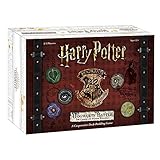
Overview: This expansion enhances Harry Potter: Hogwarts Battle with new mechanics, playable character Ginny Weasley, and “Charm” abilities. Requiring the core game, it introduces 158 cards and components for 2-5 players, adding complexity through potion-making, charm boards, and fresh villains like Dolores Umbridge for 60+ minute cooperative sessions.
What Makes It Stand Out: The Charm mechanic is transformative—expanding player boards to unlock persistent magical effects that synergize with existing spells, adding significant strategic depth. Ginny Weasley’s unique abilities and the integration of potion cards (requiring resource management) refresh the core gameplay, while new villains introduce unpredictable challenges.
Value for Money: As a second expansion, it’s pricier but justifies cost with substantial new systems and 158 high-quality cards. It dramatically extends the core game’s lifespan, especially for fans who’ve mastered the base seven adventures. However, value diminishes if you don’t own the core game or first expansion.
Strengths and Weaknesses: Strengths: Innovative Charm/potion mechanics, meaningful character additions, greatly enhances replayability. Weaknesses: Steeper learning curve, requires core game + first expansion for full impact, charm board setup adds physical clutter.
Bottom Line: A vital upgrade for dedicated Hogwarts Battle veterans; the Charm system elevates strategy to new heights. Only recommended for those deeply invested in the base game seeking richer, more nuanced cooperative play.
Understanding the Deck Building Foundation
Before diving into complex strategies, grasping the fundamental loop of deck building is crucial. It’s the engine driving the entire experience.
The Core Acquisition Cycle
The heart of any deck builder lies in its acquisition loop: starting with a basic deck, you use in-game resources generated by your current cards to purchase more powerful or specialized cards from a central market. These new cards then enter your deck, reshuffled for future draws, gradually replacing weaker starter cards and enhancing your capabilities. This cycle creates a natural progression arc, transforming your initial, often clunky deck into a finely tuned machine. The elegance is in the feedback loop – better cards lead to more efficient resource generation, enabling even stronger acquisitions.
Resource Generation Mechanics
How resources (coins, mana, influence, etc.) are generated varies significantly and heavily impacts strategy. Some games tie resources directly to specific card types you play each turn, rewarding focused deck construction. Others use abstract resource pools that scale with cards played, encouraging versatility. The timing and reliability of resource generation dictate your ability to execute plans. Games with volatile or delayed resource systems demand more cautious, adaptive strategies, while consistent generators support aggressive, high-risk plays. Understanding this flow is key to anticipating your turn capabilities.
The Critical Role of Card Triggers
Cards don’t just sit in your hand; they activate effects based on specific triggers. Common triggers include “when played,” “when drawn,” or persistent “ongoing” effects. The interplay between these triggers defines synergistic potential. A card that provides a massive bonus when drawn might be useless in a deck built around playing many cards per turn, while a “when played” effect could chain powerfully with card-draw engines. Recognizing how triggers interact with your deck’s rhythm is fundamental to unlocking powerful combinations and avoiding dead draws.
Evaluating Strategic Depth and Complexity
Not all deck builders offer the same level of strategic engagement. Assessing depth helps match the game to your desired mental workout.
Decision Density Per Turn
Strategic depth often correlates with the number of meaningful choices presented each turn. High-density games force you to constantly weigh card plays, resource allocation, acquisition targets, and potential opponent actions within tight constraints. Lower-density games might focus on executing a single strong strategy with fewer branching paths. Consider your preference: do you crave the constant puzzle-solving of high-density turns, or do you prefer a clearer, more focused strategic path where each decision feels impactful but less overwhelming?
Long-Term Planning vs. Tactical Flexibility
Some deck builders reward meticulous long-term planning – setting up powerful engine combos several turns in advance. Others emphasize tactical flexibility, where adapting to the ever-changing market row or opponent actions is paramount, and rigid long-term plans often crumble. Games leaning towards engine-building demand patience and foresight, while those favoring tactical play offer immediate, reactive satisfaction. Reflect on whether you enjoy the slow build towards explosive turns or thrive on the dynamic back-and-forth of adapting on the fly.
Interaction and Player Agency
True strategic depth often involves meaningful interaction. Does the game allow you to directly disrupt opponents’ plans through attack cards, market manipulation, or shared resources? Or is it primarily a “multiplayer solitaire” experience where players optimize independently? High interaction adds a layer of psychological strategy and adaptability, forcing you to anticipate and counter others’ moves. Low interaction focuses purely on internal engine optimization. Both have merits, but understanding your preference for direct conflict versus pure puzzle-solving is vital.
Assessing Player Experience and Accessibility
A game’s strategic richness means little if the experience isn’t enjoyable or accessible for your group.
Learning Curve and Onboarding
The initial hurdle can make or break adoption. Some deck builders feature intuitive core loops that newcomers grasp within a few turns, with complexity layering in gradually. Others present a steeper initial climb with numerous icons, special rules, and nuanced interactions right from the start. Consider your typical playgroup: are they seasoned strategists eager for complexity, or do you need a smoother entry point that hooks players quickly? A well-designed onboarding process significantly impacts long-term engagement.
Playtime and Pacing
Strategic depth shouldn’t equate to excessive downtime. Evaluate the game’s pacing: do turns move briskly, maintaining engagement, or do analysis paralysis set in as players optimize complex engines? Also, consider total session length. Are you seeking tight 20-30 minute strategic snacks, or are you prepared for 60-90 minute deep dives? Mismatched expectations on playtime are a common source of frustration, so align the game’s rhythm with your group’s attention span and schedule.
Theme Integration and Immersion
While mechanics reign supreme for pure strategists, a well-integrated theme can significantly enhance the experience and aid memory. Does the theme (fantasy, sci-fi, economic, historical) resonate with you? More importantly, do the card effects and game systems feel like they logically connect to the theme? Strong thematic integration makes rules easier to remember and decisions feel more meaningful, transforming abstract mechanics into a cohesive narrative of your strategic choices.
Key Features for Strategy-Centric Players
Focusing on elements that directly feed your love for deep, thoughtful play.
Engine Building Potential
The pinnacle for many strategists is constructing a synergistic engine – a combination of cards that generates exponential value or powerful effects through efficient loops. Look for games that facilitate non-linear progression, where specific card combinations create emergent power spikes beyond simple additive strength. Games offering multiple viable engine archetypes (e.g., combo-focused, tempo-based, denial-focused) provide immense replayability as you explore different strategic paths to victory.
Meaningful Asymmetry and Player Differentiation
Starting with identical decks can feel limiting. Games offering asymmetric factions, unique player powers, or divergent victory paths from the outset foster distinct strategic identities. This asymmetry forces adaptation, as players must develop strategies tailored to their specific strengths and weaknesses, and react to the unique threats posed by opponents’ builds. It transforms the game from a pure optimization puzzle into a dynamic strategic dialogue between different playstyles.
High Replayability Through Variable Setup
Randomized setups are crucial for longevity. This includes shuffled central markets, variable player powers, modular boards, scenario-driven objectives, or randomized event decks. True replayability means that no two games play out the same way, constantly presenting new strategic puzzles to solve. Look beyond simple card shuffling; deep replayability comes from systems that generate genuinely different strategic landscapes and viable paths to victory each time.
Navigating the Selection Process
Armed with knowledge, how do you find your next strategic gem?
Identifying Your Strategic Preferences
Be brutally honest with yourself. Do you crave cutthroat interaction or peaceful optimization? Do you prefer quick tactical decisions or slow-burn engine construction? Do you want absolute clarity of rules or enjoy deciphering subtle nuances? Documenting your preferences creates a filter for evaluating new games. Remember, the “best” game is the one that aligns perfectly with your definition of a satisfying strategic challenge, not someone else’s.
Deciphering Component Quality
While not the core strategic element, component quality impacts the experience. Thinner cards shuffle poorly and wear out fast, hindering the tactile flow essential to deck building. Clear iconography and readable text prevent constant rulebook referencing, keeping you focused on strategy. A well-organized tray minimizes setup time and card sorting frustration. Don’t overlook these practical aspects; they directly influence how often you’ll want to bring the game to the table.
Understanding Scaling for Player Count
How a game handles different player counts drastically alters the strategy. Some shine at 2 players with direct conflict but become unfocused at 4. Others rely on market competition that only intensifies with more players. Always check how core mechanics (like turn order, market availability, and interaction) scale. A game touted as “great for 2-4” might offer two completely different strategic experiences at opposite ends of that range – ensure it works for your typical group size.
Ensuring Long-Term Engagement
Strategic depth is pointless if the game gathers dust after a few plays.
Campaign and Legacy Elements
For players seeking extended narratives, campaign or legacy systems offer unparalleled long-term engagement. These features introduce persistent changes, unlocked content, and evolving storylines based on your strategic successes and failures across multiple sessions. They transform the game from a standalone puzzle into an ongoing strategic saga, where decisions have lasting consequences and the meta-strategy of resource management across sessions becomes paramount.
Solo Mode Sophistication
Robust solo modes are no longer a luxury but a necessity for many strategists. A good solo opponent shouldn’t just be a passive points target; it needs an AI with believable strategic agency, adapting its tactics and presenting a dynamic challenge that mirrors the unpredictability of human opponents. Look for systems with variable difficulty, distinct AI personalities, or scenario-specific behaviors that keep solo play feeling fresh and strategically demanding.
Community and Expansions
A vibrant player community often signals enduring appeal. Active forums, strategy blogs, and fan-created content indicate a game with deep strategic layers still being explored years after release. Similarly, well-designed expansions shouldn’t just add cards; they should introduce meaningful new mechanics, factions, or strategic dimensions that revitalize the core experience, offering fresh puzzles without breaking the original game’s balance.
Frequently Asked Questions
Frequently Asked Questions
What exactly defines a deck building game versus other card games? Deck building is defined by the core loop of starting with a small, identical deck and using in-game resources generated during play to acquire new cards that are immediately added to your personal deck, which is then shuffled and drawn from in subsequent turns. This dynamic deck construction differentiates it from fixed-deck games like traditional CCGs or hand-management games.
How important is player interaction in a strategic deck builder? Importance is highly subjective. Some strategists thrive on direct interaction (attacking, blocking, manipulating shared resources), adding a crucial layer of prediction and counter-play. Others prefer deep engine optimization in a low-interaction (“multiplayer solitaire”) environment, focusing purely on internal efficiency. Neither is inherently “better”; it depends entirely on your preferred strategic challenge.
Can deck building games be too complex for casual strategy fans? Absolutely. While many offer accessible entry points, some delve into significant complexity with layered interactions, numerous icons, and intricate timing rules. Look for terms like “streamlined,” “accessible,” or “easy to learn” in descriptions if you prefer quicker onboarding, or “deep,” “complex,” and “high interplay” if you seek a substantial challenge.
Do I need to be good at math to enjoy strategic deck building? Not necessarily arithmetic, but comfort with probability and resource estimation is beneficial. You’ll constantly weigh odds (e.g., chances of drawing a key card), calculate expected value of plays, and manage resource curves. Strong spatial or pattern recognition skills can be equally valuable for identifying card synergies and engine potential.
How long does it typically take to learn a new strategic deck builder? Learning time varies widely. Simple games might take 15-20 minutes to grasp core rules for a playtest, needing 1-2 games to feel comfortable. Highly complex games can require multiple sessions just to understand all interactions and viable strategies. Always factor in this learning curve when choosing a game for your group.
Are deck building games suitable for two players? Many excel at two players, often offering more direct conflict and clearer strategic lines than multi-player versions. Some are designed primarily for two, with mechanics that shine in head-to-head competition. Always check player count recommendations and scaling specifics, as some games lose critical market competition dynamics with fewer players.
What’s the biggest mistake new strategic players make in deck building? Over-purchasing too early or focusing solely on high-cost “win condition” cards without establishing a reliable resource engine. Patience is key; investing in efficient mid-tier cards that generate consistent resources or card draw often leads to a stronger late game than grabbing the shiniest card available immediately.
How do I know if a deck builder has good replayability? Look for significant variable setup: randomized markets, multiple asymmetric factions with distinct strategies, modular boards, different victory conditions, or scenario decks. If the core strategic puzzle changes meaningfully each time you play – offering new paths to explore and different challenges – replayability is high.
Can deck building teach real strategic thinking skills? Yes. These games foster forward planning, resource management, risk assessment, opportunity cost evaluation, and adaptive thinking. Analyzing card synergies, predicting opponent moves, and adjusting strategies based on evolving game states directly translate to improved problem-solving and decision-making skills in other contexts.
Is physical component quality really that important for strategy? It significantly impacts the experience. Poor shuffling due to flimsy cards disrupts the game’s flow. Unclear iconography leads to constant rulebook checks, breaking strategic focus. A disorganized tray creates setup frustration. While not the core strategy, quality components ensure the mechanics can be engaged with smoothly, allowing the strategic depth to shine through without unnecessary friction.
See Also
- The Ultimate Guide to Deck Building Games in 2026: Craft the Perfect Strategy
- The 10 Best Deck Building Games for Solo and Multiplayer Strategy Fans in 2026
- The 10 Best Deck Building Games Every Solo Player Needs This Year
- Stop Wasting Money on Boring Decks with the 10 Best Deck Building Games This Year
- 10 Premium Thematic Board Games for Deck Building Lovers (Worth the Investment)