Table of Contents
Deck-building games have evolved from competitive multiplayer showdowns into rich, solitary experiences that can captivate solo players for hours. The right expansion doesn’t just add more cards—it fundamentally transforms your core game into a personalized adventure that responds to your play style, skill level, and appetite for challenge. As the solo board gaming community continues to grow, publishers are increasingly designing expansions with dedicated single-player modes that rival the depth of their multiplayer counterparts.
Understanding what makes an expansion truly shine for solo play requires looking beyond flashy components and marketing promises. This comprehensive guide will walk you through the essential elements that separate must-have expansions from forgettable add-ons. You’ll learn how to evaluate solo modes, recognize compatibility issues before you buy, and build a collection that grows with your gaming journey rather than cluttering your shelf.
Top 10 Deck Building Game Expansions
Detailed Product Reviews
1. DC Deck-Building Game Multiverse Box

Overview: The Multiverse Box solves the DC DBG collector’s dilemma by offering massive storage capacity plus an exclusive Crossover Pack. This hybrid product accommodates your entire collection with room for future expansions while introducing the Convergence storyline through 60 new cards. The included foam inserts and dividers keep everything organized, making it a functional centerpiece for serious players who’ve accumulated multiple sets.
What Makes It Stand Out: The innovative Events mechanic creates dynamic secondary line-ups from your entire card pool without shuffling hundreds of cards. Randomizer cards pull from different sets, generating fresh combinations each game. The oversized Multiverse Location cards let you champion entire worlds, fundamentally changing victory conditions. This is the only way to obtain the Convergence content, making it essential for completionists.
Value for Money: Priced around $40-50, you’re paying premium for storage innovation. Comparable storage solutions cost $20-30 without gameplay content. The exclusive Crossover Pack and organizational system justify the cost for dedicated fans, though casual players may find it steep. It replaces the need for multiple smaller storage boxes, saving long-term.
Strengths and Weaknesses:
- Pros: Massive storage capacity, exclusive Convergence cards, innovative Events mechanic, excellent organization, future-proofs collection
- Cons: Not standalone (requires base game), foam inserts may not accommodate premium sleeves, high entry cost for budget-conscious players, unnecessary for those with few expansions
Bottom Line: Essential purchase for serious DC DBG collectors who need storage and crave the exclusive content. Casual players should prioritize standalone expansions first, but completists will find the Events mechanic and organization invaluable for refreshing their entire collection’s playability.
2. Legendary® 007™ Thunderball: A James Bond Deck Building Game Expansion
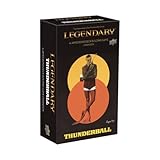
Overview: The fourth film-specific expansion for Legendary 007 delivers 120 cards capturing Thunderball’s aquatic espionage. Bond battles SPECTRE’s nuclear blackmail scheme through Caribbean missions, joined by new allies and Q Branch gadgets. This expansion continues the series’ faithful film-by-film adaptation, adding thematic depth to the cooperative deck-building experience while requiring the base game to play.
What Makes It Stand Out: Thunderball’s underwater theme introduces unique mission structures and aquatic-based villain encounters not seen in previous expansions. The card art faithfully reproduces film stills, immersing players in 1965’s classic Bond aesthetic. New gadget cards specifically reference the film’s iconic jetpack and rebreather, creating thematic combos that reward fans who recognize these signature elements.
Value for Money: At standard expansion pricing ($20-25), you get substantial content: new heroes, villains, schemes, and missions. The 120 cards match previous expansions’ value proposition. For Bond completists, it’s non-negotiable. Casual players might find individual film expansions less versatile than broader-themed sets, but the quality and theme execution justify the cost.
Strengths and Weaknesses:
- Pros: Excellent film fidelity, unique aquatic mechanics, high-quality artwork, expands mission variety, maintains series consistency
- Cons: Requires base game, niche theme may not appeal to all, limited replayability without other expansions, formulaic if you own previous sets
Bottom Line: A must-have for Bond collectors building a comprehensive Legendary 007 library. The aquatic theme offers fresh mechanics, but players seeking universal content should start with broader expansions. For Thunderball fans, it’s perfectly executed fan service that enhances the base game’s spy-thriller foundation.
3. Legendary: Midnight Sons: a Marvel Deck Building Game Expansion

Overview: The 32nd expansion introduces Marvel’s supernatural defenders to Legendary, featuring Morbius, Blade, Werewolf by Night, and other dark heroes. This 100-card set includes five heroes, two masterminds, two villain groups, and four schemes, requiring the Marvel Legendary Core Set. It injects gothic horror elements into the superhero deck-building formula, appealing to fans of Marvel’s darker comic storylines.
What Makes It Stand Out: The supernatural theme fundamentally shifts gameplay with curse mechanics and transformation abilities. Heroes like Blade gain power from defeating specific villain types, while Werewolf by Night’s dual forms create strategic timing decisions. The comic-accurate art embraces the horror aesthetic, distinguishing it visually from mainstream Marvel sets. New schemes involve mystical artifacts and vampire invasions.
Value for Money: Priced competitively at $15-20, you receive substantial variety for the cost. Five complete hero decks with unique mechanics offer significant replay value. The two masterminds and villain groups diversify your rogues’ gallery effectively. Compared to buying individual hero packs, this expansion bundle delivers excellent per-card value, especially for collectors seeking thematic depth.
Strengths and Weaknesses:
- Pros: Unique horror theme, mechanically distinct heroes, comic-accurate artwork, expands villain diversity, excellent value
- Cons: Requires core set, dark theme may not suit all players, some heroes have steep learning curves, synergy limited without other expansions
Bottom Line: Essential for fans of Marvel’s supernatural side and Legendary veterans seeking mechanical variety. The horror theme provides refreshing gameplay, but newcomers should start with core heroes. Completionists will appreciate the thematic diversity, while casual players might prefer more mainstream Marvel content before diving into this gothic addition.
4. Renegade Game Studios G.I. Joe Deck-Building Game: Shadow of The Serpent Expansion - Ages 13+, 1-4 Players 30-70 Mins, Deck Building Game Expansion

Overview: This expansion adds two missions and an Expert Mode challenge card to the G.I. Joe Deck-Building Game, plus new Joes, weapons, and utility items. Players face enhanced Cobra Officers and Troopers in 30-70 minute sessions for 1-4 players. As a modest expansion, it deepens the tactical options without overhauling the core experience, requiring the base game to function.
What Makes It Stand Out: The Expert Mode card scales difficulty for veteran players seeking greater challenge beyond standard missions. New Cobra Officers introduce unique tactical complications, forcing players to adapt strategies. The mission variety focuses on stealth and extraction objectives, complementing the base game’s combat-heavy scenarios. Utility items like tactical gear create new deck-building synergies.
Value for Money: At $15-18, it’s a budget-friendly content injection. The two missions and Expert Mode provide immediate replayability, while new cards freshen the main deck. Compared to full-sized expansions, the content-per-dollar ratio is modest but fair. It’s an efficient upgrade for dedicated G.I. Joe fans who’ve mastered base strategies and crave incremental variety.
Strengths and Weaknesses:
- Pros: Affordable price point, Expert Mode adds replayability, thematic mission variety, expands Cobra threats, easy integration
- Cons: Requires base game, limited card quantity, may feel insubstantial for some, niche appeal
Bottom Line: Recommended for G.I. Joe enthusiasts who’ve exhausted base content. The Expert Mode and new missions justify the purchase, but casual players should prioritize the core game first. It’s a solid, focused expansion that delivers exactly what it promises without unnecessary bloat, perfect for maintaining long-term engagement.
5. Cryptozoic Entertainment: DC Deck-Building Game: Crossover Collection 1 Expansion- Deck Building Card Game, Ages 14+ Multi

Overview: This triple-pack bundles The Rogues, Birds of Prey, and New Gods Crossover Packs into one collection, introducing Teamwork mechanics, card rotation, and Homeworlds. Each 60-card pack functions as a mini-expansion, requiring any DC DBG base game. The collection includes FOIL oversized Character cards and a Black Racer promo, delivering substantial content in a single package for fans seeking variety.
What Makes It Stand Out: Three distinct themes in one box offer exceptional variety. The Teamwork mechanic lets players assist each other strategically, while Homeworlds create persistent board effects. Card rotation adds tactical depth to purchasing decisions. The FOIL oversized cards and exclusive Black Racer promo provide collector appeal rarely seen in standard expansions, making this a premium offering.
Value for Money: Priced at $30-35, it’s significantly cheaper than buying three separate Crossover Packs ($15-20 each). You’re essentially getting one pack free plus premium FOIL cards. For DC DBG fans, this represents outstanding value, especially considering the exclusive promo. The mechanical diversity across three themes ensures this won’t sit unused, maximizing your investment.
Strengths and Weaknesses:
- Pros: Excellent bundle value, three unique themes, premium FOIL cards, exclusive promo, diverse mechanics
- Cons: Requires base game, may overwhelm new players, some themes stronger than others, no storage included
Bottom Line: The best value proposition in DC DBG expansions. This collection delivers three times the content at a discount, with premium components that justify the cost. Perfect for players wanting mechanical variety without buying piecemeal. Newcomers should master a base game first, but collectors and enthusiasts will find this essential for expanding their multiverse.
6. Legendary 2099: A Marvel Deck Building Game Expansion

Overview: The 34th expansion to Upper Deck’s Legendary: A Marvel Deck Building Game brings Doctor Doom into the hero pool, marking a significant milestone for this extensive series. This set introduces five new heroes, two masterminds, and two villain groups, continuing the game’s tradition of cooperative gameplay with competitive elements. All cards feature original artwork, maintaining the high production values fans expect.
What Makes It Stand Out: Doctor Doom’s inclusion as a playable hero is unprecedented, offering fresh narrative possibilities and deck-building strategies. As the 34th expansion, it demonstrates remarkable longevity for the Legendary system. The flexible gameplay allows players to work together or against each other, providing variety in how scenarios unfold. The original art on every card ensures collectors and players receive unique visual content rather than recycled images.
Value for Money: With five heroes, two masterminds, and two villain groups, this expansion delivers substantial content comparable to previous releases. For dedicated Legendary players, each new expansion represents hours of additional gameplay. The price point aligns with similar Legendary expansions, making it a standard investment for collectors. Casual players might find less value given the deep catalog already available.
Strengths and Weaknesses: Strengths include Doctor Doom’s innovative hero design, high-quality original artwork, and proven replayability through the Legendary system. The expansion integrates seamlessly with existing content. Weaknesses involve requiring the core set, potential redundancy for owners of multiple expansions, and a steep learning curve for newcomers to the series.
Bottom Line: Essential for Legendary completists and Doctor Doom fans. For casual players, consider whether your collection needs expansion before purchasing.
7. Resident Evil Deck Building Game Expansion Outbreak

Overview: This tactical deck-building expansion for the Resident Evil series delivers 150 cards plus essential accessories. Designed for 2-4 players with 30-minute gameplay sessions, it emphasizes strategic depth and replayability. The package includes a storage box, damage counters, card dividers, and a comprehensive game manual, providing a complete organized experience.
What Makes It Stand Out: The inclusion of physical damage counters and dedicated storage solutions distinguishes this from bare-bones expansions. The 30-minute playtime makes it accessible for quick gaming sessions while maintaining tactical complexity. Massive replay value comes from card combinations and strategic decision-making. The Resident Evil theme is authentically integrated into the mechanics, appealing to franchise fans.
Value for Money: The 150-card count plus physical components represents solid value. Comparable deck-builders often charge similar prices for card-only expansions. The storage box and dividers add practical value, especially for collectors. For Resident Evil enthusiasts, the thematic integration justifies the investment. However, non-fans may find better value in more universal deck-building games.
Strengths and Weaknesses: Strengths include quick setup and playtime, comprehensive component package, tactical depth, and strong thematic integration. The organized storage solution is a practical bonus. Weaknesses involve niche appeal limiting its audience, potential complexity for deck-building newcomers, and requiring familiarity with the base game’s mechanics for full enjoyment.
Bottom Line: A must-have for Resident Evil fans seeking tactical card gameplay. For general gamers, consider your interest in the theme before purchasing.
8. Renegade Game Studios Transformers Deck-Building Game: A Rising Darkness Expansion - Standalone Expansion, Ages 14+, 1-5 Players, 45-90 Min

Overview: This standalone expansion for the Transformers Deck-Building Game lets players embrace their darker side as Decepticons. Supporting 1-5 players with 45-90 minute sessions, it offers both competitive and cooperative modes. The expansion can combine with the core set for team versus team battles, providing flexible gameplay options for different group sizes and preferences.
What Makes It Stand Out: The standalone nature means no core set required, making it an excellent entry point. Playing as Decepticons offers a fresh perspective rarely explored in licensed games. The dual-mode gameplay provides twice the strategic variety. Team versus team capability creates epic Autobot versus Decepticon showdowns when combined with the base game, delivering ultimate fan service.
Value for Money: As a standalone expansion, it offers complete gameplay without additional purchases, representing excellent value for newcomers. Veterans gain new Decepticon characters and team-play options. The price typically matches other standalone expansions, justified by the included content and flexibility. The ability to integrate with the core set extends its value proposition significantly.
Strengths and Weaknesses: Strengths include standalone playability, Decepticon focus, flexible game modes, and seamless core set integration. The team versus team option is particularly compelling. Weaknesses involve potential content overlap with the core set for completionists, longer playtime potentially limiting casual sessions, and requiring both sets for the full team experience.
Bottom Line: Perfect for Transformers fans and newcomers alike. The Decepticon perspective and standalone design make it a worthwhile addition.
9. Renegade Game Studios Renegade Game Studios G.I. Joe Deck-Building Game: New Alliances - A Transformers Crossover Expansion - Take On The Role of A Pony, Ages 14+, 1-4 Players, 30-70 Min

Overview: This innovative crossover expansion merges G.I. Joe with Transformers, requiring the G.I. Joe Deck-Building Game base set. Players experience unique mechanics where Autobots can operate in bot mode independently or vehicle mode transporting JOE team members. A new Energon dice pool adds resource management complexity, creating deeper strategic layers for 1-4 players in 30-70 minute sessions.
What Makes It Stand Out: The crossover concept itself is the main draw, combining two beloved franchises seamlessly. Dual-mode Autobot mechanics offer unprecedented tactical flexibility. The Energon dice pool introduces innovative resource management not seen in typical deck-builders. This mechanical integration feels thematic rather than gimmicky, rewarding strategic planning.
Value for Money: As an expansion requiring the base game, its value depends on your G.I. Joe game investment. The unique mechanics and crossover content justify the price for fans of both franchises. Compared to standard expansions with just cards, the dice pool component adds physical value. Single-franchise fans might find limited appeal unless expanding their collection.
Strengths and Weaknesses: Strengths include innovative crossover mechanics, thematic dice pool integration, and fresh strategic depth. The dual-mode Autobot system is mechanically clever. Weaknesses involve requiring the base game, potentially alienating Transformers-only fans, added complexity from dice management, and niche appeal limiting its audience.
Bottom Line: Essential for fans of both G.I. Joe and Transformers. Ensure you own the base G.I. Joe game before purchasing.
10. Legendary: A Marvel Deck Building Game - Paint The Town Red Expansion

Overview: This Spider-Man focused expansion for Legendary: A Marvel Deck Building Game delivers 100 new cards featuring the long-awaited Black Suit Spider-Man and Carnage mastermind. The set includes five heroes, two villain groups, two masterminds, and four schemes. Note that the Legendary Core Set is required, as this is not a standalone product.
What Makes It Stand Out: Black Suit Spider-Man’s inclusion fulfills years of fan requests, while Carnage serves as a terrifying mastermind threat. The content focuses tightly on Spider-Man lore, creating thematic coherence. Four new schemes provide varied scenario objectives. The 100-card count maintains consistency with earlier expansions, ensuring balanced integration with the massive Legendary ecosystem.
Value for Money: The 100-card count aligns with standard Legendary expansion pricing, making it a predictable investment for collectors. For Spider-Man fans, the character-specific content offers targeted value. Casual players should weigh this against owning numerous expansions. The requirement of a core set means additional investment for newcomers, limiting its standalone value.
Strengths and Weaknesses: Strengths include iconic character additions, thematic focus, proven Legendary mechanics, and quality artwork. The Carnage mastermind provides challenging scenarios. Weaknesses involve requiring the core set, potentially redundant for owners of many expansions, and limited appeal for non-Spider-Man fans. The card count is modest compared to some modern expansions.
Bottom Line: A must-buy for Spider-Man enthusiasts and Legendary completists. Others should evaluate their collection needs first.
Why Expansions Transform Solo Deck-Building Experiences
The Limitations of Base Games in Solo Mode
Most deck-building games launch with multiplayer as their primary focus, tacking on solo rules as an afterthought. The base experience often feels like you’re playing against a static system rather than engaging with dynamic challenges. Expansions specifically designed for solo play introduce reactive opponents, evolving objectives, and victory conditions that create genuine tension. They transform repetitive optimization puzzles into narrative journeys where your decisions carry weight across multiple sessions.
How Expansions Add Strategic Depth
Quality expansions introduce new card mechanics that interact with solo-specific systems in ways the base game never could. They might add threat tracks that escalate independently of your actions, or create mini-objectives that force you to deviate from your optimal engine-building strategy. This layering of systems prevents the “solvable” feeling that plagues many solo variants, ensuring your 50th play feels as uncertain as your first.
Key Features to Evaluate in Solo-Friendly Expansions
Enhanced Solo AI Systems
Look for expansions that replace simple dummy players or score targets with sophisticated artificial opponents. The best systems make decisions based on game state, creating the illusion of a reactive adversary. They might prioritize different strategies each game, block your planned moves, or force you to adapt to their unpredictable behavior patterns rather than following a predictable script.
Replayability Mechanics
True solo value comes from expansions that randomize objectives, enemy behaviors, or scenario setups in meaningful ways. Variable player powers, modular board pieces, and branching narrative paths ensure you can’t rely on memorized optimal strategies. The expansion should make you feel like you’re solving a new puzzle each time you shuffle the deck.
Narrative Integration
Expansions that weave storytelling into their solo mechanics create emotional investment beyond high scores. Look for elements like legacy-style progression, character development that persists across games, or scenario books that present unique challenges. These features transform individual sessions into chapters of a larger saga.
Scalable Difficulty Options
The mark of a thoughtful solo expansion is granular difficulty control. Rather than a single “hard mode,” quality expansions offer multiple levers you can adjust—enemy aggression, resource scarcity, time pressure, or victory condition complexity. This lets you fine-tune the challenge to your current mood and skill level.
Types of Deck-Building Expansion Content
Campaign Expansions
These boxed sets turn your deck-builder into a sprawling adventure spanning multiple linked scenarios. They typically include legacy elements, persistent upgrades, and story-driven objectives that evolve based on your performance. Campaign expansions demand commitment but reward you with unmatched depth and narrative satisfaction.
Modular Mini-Expansions
Small box additions that introduce specific mechanics, enemy types, or challenge modules offer incredible flexibility. You can mix and match these components to create custom difficulty profiles. They’re perfect for solo players who want to experiment without overhauling their entire game experience.
Character Pack Expansions
Focused on adding new playable personas with unique starting decks and abilities, these expansions refresh the solo experience by forcing you to master different strategies. They often include solo-specific challenges tailored to each character’s strengths and weaknesses.
Overhaul Expansions
These comprehensive boxes fundamentally change core mechanics while maintaining compatibility with your existing cards. They might introduce new resource types, alternate victory paths, or cooperative elements that work beautifully in solo play. Think of them as version 2.0 of your base game.
Understanding Solo Modes in Expansions
True Solo vs. Automa Systems
True solo modes redesign the entire game around single-player decision-making, often removing multiplayer elements entirely. Automa systems simulate virtual opponents using streamlined rules and card-driven behaviors. Each approach has merits—true solo offers purity while automa maintains the multiplayer game’s essence. Expansions that support both give you maximum flexibility.
Difficulty Scaling Mechanisms
Evaluate how expansions adjust challenge levels. Do they simply increase target scores, or do they fundamentally alter enemy capabilities, introduce new loss conditions, or compress your decision space? The best expansions make higher difficulties feel qualitatively different rather than just quantitatively harder.
Time Investment Considerations
Solo expansions vary wildly in session length. Some add 10-minute challenges perfect for lunch breaks, while others create multi-hour epics. Consider your available gaming time and look for expansions that offer multiple scenario lengths or adjustable round limits.
Compatibility Considerations
Cross-Expansion Synergy
Before purchasing, research how an expansion interacts with other add-ons you own. Some create beautiful synergies that multiply strategic options, while others introduce conflicting mechanics that muddy the experience. The best solo expansions are designed with modularity in mind, clearly stating which combinations they support.
Storage and Component Integration
Consider how new cards and tokens will integrate with your existing organization system. Expansions that require you to store components separately or constantly re-sort cards between plays create friction that discourages regular use. Look for boxes designed to merge seamlessly with your core game storage.
Rules Complexity Creep
Each expansion adds layers of rules. Evaluate whether the new mechanics integrate cleanly or create a tangled web of exceptions and edge cases. Quality solo expansions include comprehensive reference materials and simplify rather than complicate the base game’s flow.
Storage and Organization Strategies
Consolidated Storage Solutions
Invest in storage systems that accommodate your expanding collection from the start. Many solo gamers prefer to keep all cards from base game and expansions integrated, organized by type rather than set. This approach makes setup faster and encourages creative combinations during play.
Quick-Setup Configurations
Create pre-sorted decks for your favorite solo scenarios. Store them in separate baggies or deck boxes so you can jump straight into play without 20 minutes of sorting. This is especially valuable for campaign expansions where you’ll replay scenarios with slight variations.
Digital Companions and Apps
Some expansions offer companion apps that track campaign progress, randomize setups, or manage complex enemy AI. These tools reduce table space and mental overhead, letting you focus on strategy rather than administration. Check if your target expansion has robust app support before buying.
Budget-Friendly Expansion Approaches
Prioritizing Impact Over Volume
A single well-chosen expansion that transforms solo play beats five mediocre add-ons that sit on your shelf. Focus your budget on expansions that specifically mention solo mode improvements in their descriptions rather than generic content boosters.
The Waiting Game Strategy
New expansions often launch at premium prices. Waiting six months can yield significant discounts while the community discovers which additions truly enhance solo play. Follow solo gaming forums to identify which expansions have staying power versus initial hype.
Print-and-Play Options
Many publishers release official solo modes as free print-and-play files. These can add tremendous value without cost. Check a game’s website and BoardGameGeek forums for community-created solo variants that rival official expansions in quality.
Community and Support Resources
Solo Gaming Forums and Reviews
Dedicated solo board gaming communities provide invaluable insights about which expansions deliver on their promises. Look for detailed playthrough reports that discuss long-term replayability rather than first-impression reviews that might miss deeper flaws.
Video Playthrough Analysis
Watch solo playthrough videos of expansions you’re considering. Pay attention to how much time the player spends managing systems versus making interesting decisions. Excessive upkeep is a red flag for solo enjoyment.
Publisher Communication Channels
Follow publishers on social media and join their newsletters. They often announce solo-specific expansions, rule clarifications, and community challenges that extend the life of your purchases. Some even incorporate solo player feedback into future designs.
Common Pitfalls to Avoid
The “More is Better” Fallacy
Adding every expansion often dilutes the focused experience that made the base game appealing. Too many mechanics create decision paralysis and increase setup time disproportionately. Curate your collection ruthlessly.
Ignoring Solo-Specific Reviews
A multiplayer-focused review might praise an expansion that adds nothing for solo players. Always seek out opinions from dedicated solo gamers who have logged multiple plays. They’ll reveal whether the expansion maintains engagement over time.
Overlooking Component Quality
Expansions with flimsy cards, unclear iconography, or poorly written solo rules create frustration that outweighs any strategic additions. Check component reviews and rulebook samples before purchasing, especially for print-on-demand expansions.
Frequently Asked Questions
What makes a deck-building expansion truly solo-friendly versus just tacked-on single-player rules?
True solo-friendly expansions include dedicated AI opponents, scenario-based objectives, and mechanics that create tension without requiring human negotiation or bluffing. They redesign the experience around solitary decision-making rather than adapting multiplayer rules.
How do I know if an expansion will work with my existing collection?
Check the publisher’s official FAQ and BoardGameGeek’s expansion page for compatibility notes. Look for phrases like “fully combinable with all previous expansions” or “requires base game only.” Community forums often highlight problematic interactions before official clarifications appear.
Should I buy expansions in release order or can I skip to newer ones?
For narrative campaign expansions, release order usually matters. For modular additions, you can prioritize based on solo features. Many games design later expansions to be more solo-friendly based on community feedback, making them better entry points.
How many expansions are too many for solo play?
The tipping point varies by game, but most solo players find that 2-3 expansions create optimal variety without overwhelming complexity. Add expansions one at a time and play at least 5 sessions before adding another to assess whether it genuinely enhances or just complicates your experience.
Do expansions typically increase setup time significantly?
Quality solo expansions often decrease setup time by including dedicated solo setup cards or scenario booklets. However, poorly organized expansions can add 10-15 minutes of sorting. Check reviews specifically mentioning setup duration for solo modes.
Are digital implementations of expansions worth considering for solo play?
Digital versions excel for solo practice, rule learning, and quick sessions. They eliminate setup and admin, letting you focus on strategy. However, they rarely capture the tactile satisfaction of physical card play and may not receive all expansions simultaneously with physical releases.
How important are narrative elements in solo deck-building expansions?
Narrative transforms repetitive optimization into meaningful progression. While not essential, story-driven expansions significantly increase long-term engagement for solo players who lack social dynamics. They give context to your decisions and create memorable moments beyond high scores.
Can I create my own solo variants for expansions that lack official support?
Absolutely. The solo gaming community thrives on creative variants. Start with simple modifications like score targets or turn limits, then gradually add AI opponent rules. Share your creations on forums—many official solo modes began as fan projects.
What’s the average price range for quality solo deck-building expansions?
Small card pack expansions typically run $15-25, while comprehensive campaign boxes range from $40-60. Price doesn’t always correlate with solo value—a $20 mini-expansion can transform solo play more than a $50 big box if it includes robust AI systems.
How do I store expansions to keep solo setups fast? Integrate all cards by type rather than separating by expansion. Use labeled dividers and store scenario-specific components in separate baggies. Create a “solo setup kit” with pre-counted tokens and reference cards to eliminate hunting through multiple boxes before each session.
See Also
- 10 Best Deck Building Game Expansions for Solo Play This Year
- 10 Game-Changing Deck Building Game Expansions for Solo Players in 2026
- 10 Best Deck Building Game Expansions for Card Variety This Year
- 10 Best Deck Building Game Expansions for Complex Combos This Year
- 10 Top-Rated Deck Building Game Expansions According to Experts in 2026