Table of Contents
There’s something uniquely magical about cracking open your first booster pack—the rustle of cards, the hopeful anticipation of a rare pull, and that first glimpse of vibrant artwork that sparks your imagination. For newcomers, the world of collectible card games (CCGs) can feel like stepping into a bustling marketplace filled with endless possibilities and whispered strategies. But let’s be honest: it’s also easy to feel overwhelmed. With so many systems, rules, and communities out there, where do you even begin without breaking the bank or drowning in complexity? The truth is, finding your perfect entry point isn’t about chasing the “hottest” game—it’s about discovering a world that matches your learning style, budget, and what genuinely excites you.
Think of your first CCG as a doorway rather than a destination. The right starter experience builds confidence through approachable rules, fosters connections with welcoming players, and makes every match feel rewarding—even when you lose. Forget the pressure of building a championship deck right away; this is about savoring the process of learning, trading, and gradually crafting your own playstyle. Whether you’re drawn to tactical depth, immersive storytelling, or the thrill of the hunt for rare cards, the ideal beginner game should feel less like homework and more like play. Stick with us as we unpack exactly how to navigate this vibrant landscape with your curiosity—and wallet—intact.
Top 10 Collectible Card Games for Beginners
Detailed Product Reviews
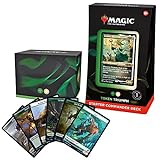
1. Magic: The Gathering Starter Commander Deck - Token Triumph (Green-White) | Ready-to-Play Deck for Beginners and Fans | Ages 13+ | Collectible Card Games
Overview:
The Token Triumph Starter Commander Deck offers a streamlined entry into Magic: The Gathering’s beloved multiplayer Commander format. Pre-constructed as a 100-card Green-White deck centered around Emmara, Soul of the Accord, it includes all essentials for immediate play, targeting both newcomers and lapsed fans seeking a casual group experience.
What Makes It Stand Out:
Its focus on token generation creates an accessible, visually engaging playstyle ideal for beginners. The foil-etched legendary commander card adds collectible appeal, while included tokens, counters, and a deck box eliminate setup barriers. The dedicated strategy guide simplifies complex Commander rules, making multiplayer dynamics less intimidating.
Value for Money:
Priced competitively for a ready-to-play 100-card deck with premium accessories, it outshines building a Commander deck from scratch. While dedicated players may eventually customize it, the deck delivers exceptional value for its target audience—beginners needing a complete package to join games immediately.
Strengths and Weaknesses:
Strengths: Intuitive token strategy; comprehensive accessories; strong thematic cohesion; excellent entry point for Commander. Weaknesses: Limited strategic depth for advanced players; Green-White’s defensive nature may feel slow; minimal card customization out of the box.
Bottom Line:
An outstanding, hassle-free introduction to Commander that balances accessibility with authentic Magic gameplay. Highly recommended for beginners or fans wanting a polished, thematic deck for group play.
2. Magic: The Gathering | Avatar: The Last Airbender Beginner Box | 2-Player Card Game | Includes 2 Tutorial Decks, 8 Themed Half-Decks, 2 Playboards, 2 Spindowns, and More

Overview:
This Beginner Box leverages the Avatar: The Last Airbender IP to teach Magic: The Gathering fundamentals through a structured 2-player experience. Featuring Aang vs. Zuko themed decks and guided tutorials, it transforms complex rules into an approachable narrative-driven learning journey for absolute newcomers.
What Makes It Stand Out:
The step-by-step tutorial booklets and dedicated playmats visually demystify gameplay, a rarity in entry-level sets. Combining eight half-decks to build themed 40-card decks encourages experimentation while retaining Avatar’s elemental identity, making deck construction intuitive and engaging.
Value for Money:
Exceptional value as a dedicated learning tool. The inclusion of playmats, spindowns, and multiple deck configurations provides far more structured guidance than standard beginner products at a similar price point, justifying its cost for true novices.
Strengths and Weaknesses:
Strengths: Unmatched guided learning; high replayability via deck mixing; immersive Avatar theme; all-inclusive components. Weaknesses: Limited to 2 players; decks lack power for competitive play; Avatar theme may not appeal to non-fans.
Bottom Line:
The definitive starting point for complete Magic beginners, especially Avatar enthusiasts. Its pedagogical design makes it a must-buy for anyone taking their very first steps into the game.
3. Magic: The Gathering Starter Commander Deck – Draconic Destruction (Red-Green) | Ready-to-Play Deck for Beginners and Fans | Ages 13+ | Collectible Card Games

Overview:
Draconic Destruction delivers an aggressive Red-Green Commander experience centered on dragon synergy and direct damage. This 100-card pre-constructed deck, themed around Atarka, World Render, empowers players to dominate through overwhelming combat pressure right out of the box.
What Makes It Stand Out:
The dragon-focused gameplay offers explosive, high-impact turns that appeal to fans of aggressive strategies. Like its Token Triumph counterpart, it includes a foil-etched commander, tokens, counters, and a deck box, but emphasizes speed and board dominance over token swarms.
Value for Money:
Offers comparable value to other Starter Commander decks, providing a complete multiplayer solution at a fraction of the cost of curating a 100-card dragon deck independently. The premium accessories and ready-to-play nature solidify its worth for casual players.
Strengths and Weaknesses:
Strengths: Exciting, fast-paced strategy; strong thematic consistency; excellent components; great for dragon fans. Weaknesses: Vulnerable to board wipes; less beginner-friendly than token strategies; limited defensive options.
Bottom Line:
A thrilling, combat-oriented Commander starter deck perfect for fans of aggressive playstyles. Ideal for beginners drawn to dragons or players wanting a fiery alternative to defensive Green-White decks.
4. Magic: the Gathering 60-Card Theme Deck - Angels

Overview:
This Angels Theme Deck provides a curated entry into Magic’s Standard format, featuring a cohesive 60-card White deck built around angelic creatures and supportive spells. Designed for players seeking a thematic, competitive-ready experience with minimal setup.
What Makes It Stand Out:
It distills the popular “Angels” archetype into a battle-tested Standard deck, emphasizing flying threats and protective effects. The inclusion of strategy inserts and token cards offers tactical guidance, bridging the gap between beginner products and tournament-level play.
Value for Money:
Solid value for immediate Standard access, though less comprehensive than Commander starters due to the smaller deck size. It’s cost-effective for players wanting a specific theme but lacks customization depth compared to pricier booster bundles.
Strengths and Weaknesses:
Strengths: Instant Standard format readiness; strong thematic identity; clear strategic focus; includes useful accessories. Weaknesses: Limited card variety for long-term play; minimal innovation; weaker against meta-specific decks.
Bottom Line:
A convenient, theme-driven on-ramp to Standard play, best suited for fans of angel lore or players wanting a polished deck for casual local events.
5. Five Crowns Collectible Tin – Card Game for Kids and Adults, Family Game Night, The Game isn’t Over Until the Kings Go Wild, 5 Suited Rummy Style Card Game, 1-7 Players, Ages 8+

Overview:
Five Crowns is a rummy-style card game featuring five suits (including stars) and rotating wild cards each round. Housed in a collectible tin with a custom scorecard, it supports 1-7 players for quick, adaptable family game nights.
What Makes It Stand Out:
The rotating wild card mechanic (changing per round) and five-suit deck create dynamic, unpredictable gameplay that evolves as hands progress. Its simple rummy foundation ensures easy learning, while increasing hand sizes per round add strategic depth without complexity.
Value for Money:
Excellent value as a durable, portable family game. The collectible tin and included scorecard enhance longevity, outperforming standard card decks in replayability for its price—especially given its broad age and player range.
Strengths and Weaknesses:
Strengths: Highly adaptable player count; quick to learn; engaging rotating wilds; durable tin storage. Weaknesses: Limited strategic depth for hardcore gamers; star suit can feel gimmicky; scorekeeping may frustrate young children.
Bottom Line:
A versatile, endlessly replayable family game that excels in accessibility and fun. Perfect for game nights seeking inclusive, rules-light entertainment with clever twists.
6. Dutch Blitz: The Original Fast Paced Card Game, Contains 160 Cards, Quick and Easy to Learn, Great Family Game, Fun for Everyone, for 2 to 4 Players, for Ages 8 and Up

Overview: Dutch Blitz delivers high-energy card gameplay where players race simultaneously to clear their Blitz piles by sequencing cards across shared stacks. This 160-card set, featuring vibrant colors and simple rules, caters perfectly to families seeking dynamic, screen-free entertainment for 2–4 participants aged 8+. What Makes It Stand Out: Its turnless, real-time mechanics create constant engagement—no waiting means nonstop action. The four distinct decks and easy-to-grasp sequencing rules foster quick learning while demanding sharp reflexes and adaptive strategy, making it uniquely accessible yet mentally stimulating for mixed-age groups. Value for Money: Priced competitively against family board games, the durable card stock and replayability justify the cost. It outshines similar party games by eliminating downtime, offering superior entertainment-per-dollar for frequent game nights without complex setup. Strengths and Weaknesses: Strengths: Exceptional replay value, inclusive for kids/adults, enhances cognitive speed, minimal storage footprint. Weaknesses: Can become chaotic with 4 players, limited strategic depth for hardcore gamers, and card shuffling between rounds slightly disrupts momentum. Bottom Line: An outstanding investment for lively family bonding; its speed, simplicity, and skill-building make it a must-have for casual gamers seeking energetic, device-free fun. Highly recommended for households prioritizing interactive play.
7. Pokemon Assorted Lot of 50 Single Cards [Any Series]
![Pokemon Assorted Lot of 50 Single Cards [Any Series]](https://m.media-amazon.com/images/I/416bxoQHvLL._SL160_.jpg)
Overview: This budget-friendly lot offers 50 random Pokémon TCG singles spanning all eras, targeting collectors seeking bulk additions without series specificity. Packaged generically, it delivers pure quantity over curation, ideal for casual fans or craft projects. What Makes It Stand Out: Its broad accessibility stands out—anyone can inexpensively expand their collection with a surprise mix of common/uncommon cards and Energies. The promise of “any series” creates anticipation, though duplicates are expected, emphasizing volume over rarity. Value for Money: Excellent for budget-conscious hobbyists needing filler cards or art for DIY projects. At typical price points, it surpasses single booster packs for sheer card count, but lacks value for serious collectors seeking specific rare pulls or newer sets. Strengths and Weaknesses: Strengths: Extremely affordable per card, effortless way to bulk up collections, great for trading with kids. Weaknesses: High duplicate risk, no guarantee of desirable cards, older/scratched cards possible, zero rarity transparency. Bottom Line: A pragmatic choice for casual collectors prioritizing quantity, but avoid if seeking specific cards or investment-grade singles. Best suited for beginners or crafters needing inexpensive raw materials.
8. Pokemon TCG 50 Shiny/Foil Pokemon Cards (Assorted Lot with No Duplicates)

Overview: This curated lot provides 50 distinct shiny/foil Pokémon cards spanning newer generations, explicitly guaranteeing no duplicates and including rare holos. Targeted at collectors wanting premium variants, it promises mint-condition foils without redundant pulls. What Makes It Stand Out: The strict “no duplicates” policy and focus on newer-gen holos differentiate it from bulk lots. Reverse holos and rare foils increase perceived value, while the mint-condition assurance reduces risk compared to random assortments. Value for Money: Justifiable for collectors seeking shiny variants efficiently, as hunting singles individually often costs more per card. However, value hinges on undisclosed card specifics—serious collectors may prefer targeted purchases despite the convenience. Strengths and Weaknesses: Strengths: Zero duplicates, newer generation relevance, includes rare holos, consistent mint quality. Weaknesses: No series/card transparency, potential for less desirable shinies, price per card may exceed market value for common holos. Bottom Line: A solid time-saver for casual shiny collectors wanting variety, but verify seller reputation first. Recommended only if prioritizing convenience over specific card acquisition.
9. Magic: The Gathering Starter Commander Deck – Grave Danger (Blue-Black) | Ready-to-Play Deck for Beginners and Fans | Ages 13+ | Collectible Card Games
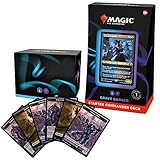
Overview: Grave Danger is a pre-constructed Commander deck centered on zombie hordes led by Gisa and Geralf, offering a complete 100-card experience for MTG newcomers. It includes rules guides, tokens, and a foil-etched commander, streamlining entry into Magic’s popular multiplayer format. What Makes It Stand Out: Its seamless beginner integration stands out—no deck-building knowledge needed. The thematic blue-black synergy, ready-to-play strategy, and included play accessories (tokens, box, counters) provide unmatched out-of-box readiness for Commander’s complex format. Value for Money: Exceptional for new players; the deck’s cost is significantly lower than building equivalent cards individually. While veterans may find it basic, the educational tools and immediate playability offer tremendous value for learning Commander fundamentals. Strengths and Weaknesses: Strengths: Truly beginner-friendly, cohesive strategy, high-quality accessories, great intro to multiplayer dynamics. Weaknesses: Limited customization out-of-box, commander art may not appeal to all, less optimal for competitive play. Bottom Line: The definitive starting point for aspiring Commander players. Its thoughtful design and completeness make it an essential purchase for MTG newcomers—highly recommended.
10. Magic: The Gathering | Teenage Mutant Ninja Turtles - Turtle Team-Up | Collectible Trading Card Game
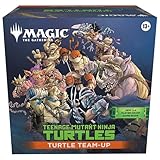
Overview: Turtle Team-Up reimagines MTG as a cooperative adventure where players unite as TMNT heroes against Shredder’s forces. This set includes four pre-built 60-card decks, Play Boosters, and streamlined rules, targeting both MTG veterans and TMNT fans. What Makes It Stand Out: The innovative co-op mode (2–4 players vs. game system) revolutionizes MTG’s traditionally competitive nature. TMNT’s nostalgic theme combined with accessible mechanics creates a unique gateway for younger or casual players to experience strategic depth. Value for Money: Strong value through four ready-to-play decks and boosters, offering immediate group play without prior investment. While niche, it justifies cost for TMNT enthusiasts or educators seeking collaborative gaming—less so for hardcore MTG players wanting standard formats. Strengths and Weaknesses: Strengths: Fresh co-op gameplay, strong entry point for kids, high thematic engagement, minimal setup. Weaknesses: Limited replayability post-campaign, not compatible with standard Commander/Constructed, shallow strategy for veterans. Bottom Line: A brilliantly executed crossover that makes MTG approachable for families and TMNT fans. Highly recommended for group fun, but supplementary for serious collectors.
Understanding Collectible Card Game Fundamentals
Before diving into specific features, it’s crucial to grasp what makes CCGs distinct from other card games. Unlike fixed-deck games, CCGs thrive on customization. Players collect cards through purchases or trades, then strategically assemble personalized decks that reflect their preferred tactics. This creates a dynamic where skill in deck construction is just as important as in-game decision-making. The core loop typically involves drawing cards, managing resources (like energy or mana systems), deploying units or spells, and outmaneuvering opponents through timing and foresight. Recognizing this foundational structure helps beginners evaluate which games align with their strategic preferences.
Core Mechanics to Watch For
When exploring beginner-friendly options, pay close attention to how the game handles core mechanics like resource management and turn structure. Simpler resource systems—where you gradually unlock stronger plays each turn without excessive bookkeeping—lower the initial learning curve. Similarly, clear phase structures (draw, main, combat, end) prevent new players from feeling lost mid-game. Games that visually distinguish card types (characters, events, locations) through intuitive icons or color-coding also reduce cognitive load. Avoid systems requiring constant rulebook references for basic actions; your first CCG should let you focus on strategy, not memorization.
The Social and Competitive Spectrum
CCGs exist on a broad spectrum from purely social, kitchen-table experiences to highly competitive tournament circuits. Beginners should consider where they want to land on this scale. Some games prioritize cooperative storytelling or casual duels with friends, featuring forgiving rules and minimal setup. Others lean into ranked play with strict tournament policies, complex timing windows, and meta-game demands. Neither approach is “better,” but mismatching your social goals with a game’s culture leads to frustration. If you value relaxed gameplay, seek communities emphasizing house rules and slow-paced matches over cutthroat optimization.
Budget-Friendly Entry Strategies
One of the biggest hurdles for newcomers is navigating costs without overspending. CCGs vary wildly in accessibility—from free-to-start digital versions to physical games demanding significant initial investment. Smart beginners focus on sustainable entry points: starter decks that provide complete, balanced gameplay out of the box, or digital platforms with robust free tiers. Avoid the “shiny trap” of chasing rare singles early on; your first decks should prioritize functionality over prestige. Many games offer “entry-level” organized play events with capped deck costs, ensuring fair matches without financial pressure.
Starter Decks vs. Booster Packs
Understanding the role of starter decks versus booster packs is essential for budget management. Starter decks give you two pre-constructed, ready-to-play decks at a fixed price—ideal for immediate gameplay with a friend. They often include rule summaries and thematic synergy, teaching core strategies through practice. Booster packs, while exciting for collecting, introduce randomness that can frustrate beginners (e.g., pulling duplicates of cards you don’t need). Prioritize starter sets for your first purchase; use boosters later once you understand deck-building fundamentals. Some games even offer “theme decks” specifically designed for onboarding new players with curated card pools.
Secondary Markets and Card Longevity
Consider how a game’s cards hold value and availability over time. Games with frequent “rotation” (retiring older cards from competitive play) may leave beginners with obsolete collections, while “eternal” formats keep all cards relevant but risk overwhelming new players with vast libraries. Check if affordable pre-owned decks or bulk card bundles exist in the community—this can slash costs significantly. Also, investigate how easily cards can be sleeved and protected; flimsy cardstock leads to replacements, inflating long-term expenses. Sustainability isn’t just ecological—it’s financial.
Learning Curve and Community Support
The steepest barrier to CCG enjoyment isn’t rules complexity—it’s finding reliable guidance when you’re stuck. Beginner-friendly games offer layered learning resources: quick-start guides for immediate play, detailed rulebooks for deeper dives, and video tutorials breaking down common scenarios. Look for active community hubs—official forums, Discord servers, or local game store meetups—where veterans patiently answer newbie questions. Games with built-in “practice modes” against AI (in digital versions) or clear “level-up” challenges help reinforce concepts without competitive pressure.
Visual Design and Rule Clarity
A game’s visual language directly impacts how quickly you grasp its mechanics. Prioritize systems where card text uses plain language over jargon, with consistent iconography that’s explained in starter materials. For example, color-coded resources or intuitive symbols for “once per turn” effects reduce misplays. Physical games should have sturdy, readable cards with non-reflective finishes—nobody wants to squint during a tense match. Digital adaptations often excel here with interactive tooltips and animation cues that highlight legal moves, making them excellent training grounds before investing in physical copies.
Local Play Accessibility
Don’t underestimate the power of face-to-face interaction for learning. Research local game stores hosting beginner nights or “learn-to-play” events for specific CCGs. A welcoming in-person community provides instant feedback, reduces rule disputes through neutral judges, and transforms solitary study into social fun. If physical stores are scarce, check if nearby libraries or community centers host casual meetups. Digital games with robust matchmaking and spectator modes can also simulate this communal aspect, letting you watch experienced players and request post-game replays for analysis.
Deck Building as a Learning Tool
Deck construction is where CCGs shift from passive play to active creativity—and it’s a critical skill for beginners to develop gradually. Start with “archetype” decks that embody clear strategies (aggro, control, combo) rather than building entirely from scratch. This exposes you to cohesive card synergies and common tactical patterns. Pay attention to deck size minimums; smaller decks (40-60 cards) increase consistency, helping new players see how their chosen cards interact more frequently. Track which cards you play often versus those that gather dust—this reveals your natural playstyle.
Balancing Card Types and Roles
Every effective deck needs functional diversity. Beginners often overlook the importance of balancing card types: too many high-impact “win condition” cards lead to inconsistent hands, while excessive “setup” cards delay meaningful actions. Aim for a mix of early-game enablers, mid-game engines, and late-game finishers. Most starter guides suggest rough ratios (e.g., 60% creatures, 30% spells, 10% resources), but treat these as flexible starting points. The real lesson comes from tweaking these proportions after playing—notice how adding two more resource cards smooths out your draws, or how cutting one “pet card” improves reliability.
Iteration Over Perfection
Resist the urge to “solve” your deck in one sitting. Effective deck-building is iterative: playtest → identify weaknesses → make one or two targeted changes → retest. Did you struggle against fast opponents? Add a couple of early disruption cards. Were you running out of steam late-game? Swap in higher-impact finishers. Document your changes and results in a simple notebook or spreadsheet. This methodical approach turns frustrating losses into valuable data points, building intuition far faster than copying someone else’s “meta” deck. Remember, your deck should evolve as you do.
Digital vs. Physical Formats
The choice between digital and physical CCGs isn’t just about preference—it impacts learning speed, cost, and social dynamics. Digital platforms automate tedious tasks (shuffling, life totals, rule enforcement), letting beginners focus purely on strategy. They also offer instant matchmaking, tutorial bots, and lower entry costs (many free-to-start). Physical games, however, provide tactile satisfaction, foster in-person connections, and avoid screen fatigue. Some beginners thrive with digital’s forgiving pace, while others bond over the ritual of cracking packs at a local store.
Advantages of Digital Onboarding
Digital adaptations excel as training wheels for complex CCGs. Features like undo buttons, visual play hints, and automatic legality checks (e.g., preventing illegal attacks) build confidence without penalty. The absence of physical card management—no sleeving, sorting, or travel hassles—means more time playing. Crucially, digital versions often include comprehensive card databases and deck-sharing tools, exposing newcomers to diverse strategies. Many physical-first games now offer companion apps that scan cards for rulings or track collection progress, bridging the gap between formats.
Preserving the Physical Experience
For those drawn to physical cards, prioritize games with beginner-friendly production quality. Seek out sets with thicker cardstock that resists bending, non-glare finishes for readability, and standard-sized cards compatible with affordable sleeves. Starter kits should include playmats or token markers to avoid early accessory costs. Also, consider portability: smaller box sizes or deck boxes that fit in a backpack encourage taking your game on the go, facilitating impromptu matches. Physical play’s magic lies in the shared space—passing cards across a table creates a unique camaraderie algorithms can’t replicate.
Long-Term Engagement Factors
Sustaining interest beyond the honeymoon phase separates fleeting hobbies from lasting passions. Beginner-friendly CCGs often feature “progression hooks” like seasonal story expansions, collectible achievements, or player-driven tournaments. But avoid games where advancement feels mandatory or pay-to-win. Look for organic engagement: narrative depth that unfolds through card art and flavor text, evolving metas that reward creative deck-building over new purchases, or community-led events like fan art contests. Your game should grow with you, not pressure you to keep spending.
Avoiding Burnout Traps
Newcomers often quit because they misjudge time commitments or emotional investment. Be wary of games demanding daily logins for rewards, excessively long matches (60+ minutes), or cutthroat environments where beginners face constant stomps from veterans. Healthy communities have “no-ask” policies for new players (veterans volunteering help) and casual play zones separate from ranked ladders. Schedule short, focused play sessions—2-3 hours weekly—to build habits without overwhelm. Remember, it’s okay to take breaks; the best CCGs welcome you back warmly.
Measuring Your Growth
Track progress beyond wins and losses. Celebrate milestones like successfully executing a complex combo, building your first original deck, or teaching the game to a friend. Many digital platforms provide analytics (win rates by deck, mulligan stats), while physical players can journal key learnings after each match. This shifts focus from immediate results to skill development, making setbacks feel like stepping stones. When you notice yourself anticipating opponents’ moves or adapting strategies mid-game, you’ve crossed into true mastery—no trophy required.
Frequently Asked Questions
How much should I expect to spend on my first collectible card game?
Start with a single starter deck or theme deck (typically $15-$30), which provides everything needed for immediate play. Avoid buying boosters initially—this keeps costs low while you confirm the game suits you.
Can I learn a collectible card game entirely on my own?
Absolutely. Many digital versions include solo practice modes and interactive tutorials. For physical games, study starter deck guides and watch beginner-focused YouTube channels before joining live play.
What’s the easiest collectible card game for absolute beginners?
Look for games with small deck sizes (40 cards), minimal resource systems, and clear win conditions—often found in modern designs prioritizing accessibility over complexity.
How do I find other beginners to play with?
Check local game store event calendars for “new player nights,” join subreddit beginner threads, or use digital platforms’ filtered matchmaking to connect with players of similar skill levels.
Are digital collectible card games better for learning than physical ones?
Digital versions often streamline rules enforcement and offer instant feedback, making them excellent learning tools. However, physical play builds social skills and tactile familiarity—try both if possible.
What should I do if I keep losing matches as a beginner?
Analyze one specific mistake per loss (e.g., mismanaging resources), adjust your deck or strategy slightly, and focus on incremental improvement—not winning. Every top player started here.
How important are rare cards for new players?
Rare cards rarely make or break beginner success. Prioritize functional synergy over rarity; many starter decks include powerful commons/uncommons that form solid foundational strategies.
Can I play competitively without spending a lot of money?
Yes! Many games have “budget” or “pauper” formats using only common cards, plus entry-level tournaments with deck cost caps. Skill and practice matter far more than card value early on.
How do I know if a game’s community is welcoming to beginners?
Observe community spaces: Do veterans offer constructive feedback? Are there dedicated beginner channels? Stores hosting “no-judgment” demo days? Avoid toxic communities immediately.
When is the right time to move beyond starter decks?
After 5-10 matches where you understand core mechanics and consistently execute basic strategies, try modifying your starter deck with 5-10 new cards to address specific weaknesses.
See Also
- 10 Best Collectible Card Games for New Players This Year
- 10 Best Collectible Card Games for Strategy Lovers This Year
- 10 Best Card Games for Beginners Looking to Learn Deck Building in 2026
- The 10 Best Card Games Every Casual Gamer Needs This Year
- 10 Most Durable Collectible Card Games Based on Real User Reviews in 2026