Table of Contents
Picture this: you’ve got friends dropping by unexpectedly, the main event just wrapped up early, or maybe you’re simply craving that spontaneous burst of laughter only shared games can spark. In those moments, scrambling for complex setups or hunting down forgotten rulebooks kills the vibe before it begins. What you truly need is a deck (or two) that transforms any space – your living room floor, a cramped kitchen table, even a park bench – into a hub of instant connection. Forget bulky boxes and lengthy tutorials; the magic lies in compact card games designed purely for rapid-fire fun, where the only barrier to play is shuffling and dealing.
Card games possess an almost alchemical power to dissolve awkward silences and ignite genuine interaction. They’re the ultimate social lubricant, requiring zero screens, minimal space, and offering immediate engagement. As our lives get busier and attention spans feel increasingly fragmented, the demand for truly accessible, pick-up-and-play experiences has never been higher. For 2026, the focus isn’t just on having games on hand; it’s about curating a selection that guarantees laughter, interaction, and zero setup frustration within minutes, making every gathering feel effortlessly lively and connected. Let’s explore what truly makes a card game shine in these spontaneous party moments.
Top 10 Card Games
Detailed Product Reviews
1. USAOPOLY Flip 7, The Ultimate Blend of Press Your Luck & Strategy, Fast-Paced Addictive Card Game,Quick to Learn & Easy to Teach,Perfect for Game Nights, 3+ Players, Ages 8 & Up, 20 Minutes Play Time

Overview: Flip 7 is a dynamic press-your-luck card game where players strategically reveal numbered cards, aiming to accumulate points without drawing duplicates that cause a “bust.” Designed for quick learning and fast-paced play, it thrives in group settings with 3+ players aged 8 and up, delivering intense 20-minute rounds ideal for game nights. What Makes It Stand Out: Its unique, mathematically structured deck—featuring decreasing quantities of each number (twelve 12s down to one 1)—creates inherent tension. Special action cards like Flip Three, Freeze, and Second Chance introduce thrilling strategic pivots, transforming simple number collection into a high-stakes risk-assessment challenge that keeps players engaged. Value for Money: Priced competitively for a specialty card game, Flip 7 offers exceptional replayability through its variable action cards and strategic depth. It outshines simpler luck-based games by providing meaningful decisions, making it a smarter investment than generic party games with less engagement. Strengths and Weaknesses: Strengths: Highly addictive gameplay loop, innovative deck design, easy to teach, perfect for short sessions. Weaknesses: Luck can heavily influence outcomes despite strategy, limited player interaction beyond direct competition, potential frustration from frequent busts with larger groups. Bottom Line: Flip 7 masterfully blends tension and strategy in a compact package. Its unique mechanics and fast pace make it a standout for game nights, earning a strong recommendation for families and casual gamers seeking thrilling, quick-play excitement.
2. Play Nine The Card Game of Golf

Overview: Play Nine translates the strategic essence of golf into a card game where the lowest score wins. Players aim to minimize the value of their cards through discards and swaps over nine “holes,” creating a family-friendly experience suitable for ages 8+ with straightforward rules perfect for casual play. What Makes It Stand Out: The golf scoring analogy is cleverly executed, turning card management into a relatable challenge. Its simplicity is a major asset—players quickly grasp drawing, discarding, and trading mechanics to lower their hand value, mirroring golf’s pursuit of par without complex rules. Value for Money: As an affordable, niche-themed card game, Play Nine delivers solid entertainment for its price. While not as strategically deep as dedicated card games, it offers unique thematic fun compared to standard decks, justifying its cost for families seeking a lighthearted, golf-inspired alternative. Strengths and Weaknesses: Strengths: Intuitive golf-themed mechanics, accessible for all ages, quick setup, promotes strategic thinking in a low-pressure way. Weaknesses: Limited replay depth over time, minimal player interaction, scoring can feel repetitive after multiple rounds, lacks the excitement of more dynamic card games. Bottom Line: Play Nine succeeds as a charming, easy-to-learn family game that effectively captures golf’s spirit. It’s a worthy addition for casual game nights, especially for golf enthusiasts, though its simplicity may not satisfy hardcore gamers.
3. Bicycle Rider Back Playing Cards, Standard Poker Size Deck of Cards, Red & Blue (2 Pack), Classic Cards for Poker, Blackjack, Family Game Night & Card Games, Fun for All Ages

Overview: This trusted 2-pack of Bicycle Rider Back playing cards delivers professional-grade quality in standard poker size, featuring one red and one blue deck with the iconic Rider Back design. Crafted for durability and smooth handling, it’s the go-to choice for everything from casino games to family gatherings. What Makes It Stand Out: Bicycle’s legendary Air Cushion Finish ensures effortless shuffling and dealing, while the 140-year reputation for durability guarantees long-lasting performance. The dual-deck set (red/blue) with color-blind accessible symbols caters to diverse players, making it universally reliable for any card game. Value for Money: Exceptional value for two premium decks. Priced modestly higher than generic cards, the investment pays off through superior longevity and consistent playability—far outperforming flimsy alternatives that wear out quickly during frequent use. Strengths and Weaknesses: Strengths: Unmatched durability, smooth handling, classic aesthetic, color-blind friendly, versatile for all games. Weaknesses: Minimal visual distinction between red/blue suits for some users, no novelty features for collectors, standard design may lack flair for themed events. Bottom Line: Bicycle Rider Back cards are the definitive standard for serious and casual players alike. Their unbeatable quality and reliability make this 2-pack an essential, highly recommended purchase for any card game enthusiast.
4. Regal Games Card Games for Kids - Go Fish, Crazy 8’s, Old Maid, Slap Jack, Garbage Monster, War - Simple & Fun Classic Family Table Games - Games May Vary (6 Set)

Overview: This vibrant 6-game set introduces children to classic card play with dedicated decks for Go Fish, Crazy 8s, Old Maid, Slap Jack, War, and Silly Monster Memory Match. Designed for ages 4+, it features oversized, colorful cards that simplify learning while building foundational skills. What Makes It Stand Out: The inclusion of six distinct, age-tailored games in one package provides exceptional variety. Oversized cards (3.5"x2.5") with bold graphics ensure easy handling for little hands, while games like “Garbage Monster” add playful twists to traditional rules, maximizing engagement. Value for Money: Outstanding value for the quantity and quality. The durable, large-format cards justify the price over single-game sets, offering years of educational play. It’s a cost-effective solution compared to buying individual kids’ card games, especially for families or classrooms. Strengths and Weaknesses: Strengths: Excellent skill-building (memory, matching, counting), highly portable, vibrant child-friendly design, multiple game options sustain interest. Weaknesses: Some games (e.g., War) offer limited strategy, card thickness may feel slightly flimsy versus premium decks, age range overlap might bore older kids. Bottom Line: Regal Games’ set is a near-perfect starter kit for young players. Its educational focus and sheer variety make it a top recommendation for parents seeking screen-free, developmental fun for children ages 4 and up.
5. Mattel Games Phase 10 Card Game with 108 Cards, Great Game for Kids, Family or Adult Game Night, Ages 7 Years and Older
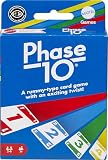
Overview: Phase 10 is a strategic rummy-style card game where players race to complete ten progressively challenging phases, combining sets, runs, and color-matching objectives. With 108 cards including Wilds and Skips, it accommodates 2-6 players aged 7+ for engaging, competitive gameplay. What Makes It Stand Out: Its phased progression system—requiring players to complete specific card combinations before advancing—creates a unique strategic layer absent in traditional rummy. The color-blind accessible design, with symbol-coded suits, is a standout inclusive feature that broadens its appeal significantly. Value for Money: A strong value proposition; the high card count and replayable phase structure offer more depth than similar-priced games. It outperforms basic Uno-style decks by providing meaningful long-term strategy, making it worth the investment for regular game nights. Strengths and Weaknesses: Strengths: Addictive phased goals, inclusive color-blind design, high replayability, Wild/Skip cards add excitement, suitable for mixed-age groups. Weaknesses: Early phases can feel repetitive, luck-dependent draws may frustrate strategic players, setup is slightly slower than pure shedding games. Bottom Line: Phase 10 excels as a versatile, strategic card game with thoughtful accessibility features. It’s highly recommended for families and groups seeking a balanced mix of luck, skill, and inclusive fun across generations.
6. Five Crowns – Card Game for Kids and Adults, Travel and Family Game Night Favorite, The Game isn’t Over Until the Kings Go Wild, 5 Suited Rummy Style Card Game, 1-7 Players, Ages 8+

Overview:
Five Crowns is a dynamic rummy-style card game that injects fresh energy into classic gameplay with its unique fifth suit of stars. Designed for 1–7 players aged 8+, it challenges participants to form books and runs while navigating rotating wild cards that shift each round, ensuring no two games feel identical. Its compact design makes it ideal for family game nights or travel.
What Makes It Stand Out:
The standout feature is the innovative fifth suit (stars), which eliminates traditional suit limitations and creates strategic depth. Rotating wild cards—starting with threes in Round 1 and escalating to kings by Round 11—add thrilling unpredictability. Its versatility accommodates small or large groups, and the intuitive rules make it accessible for kids yet engaging for adults.
Value for Money:
Priced competitively for a high-quality, durable card deck, Five Crowns offers exceptional replayability compared to single-round games. While similar rummy sets exist, the fifth suit and rotating wilds justify its cost, outperforming basic card packs in strategic variety without needing expansions.
Strengths and Weaknesses:
Strengths: Highly adaptable for varied group sizes; easy to learn but layered with strategy; excellent travel portability; star suit sparks creativity. Weaknesses: Wild card rotations can frustrate new players; limited visual appeal compared to illustrated games; no included scorepad requires manual tracking.
Bottom Line:
A must-have for families seeking a strategic, replayable card game that bridges generations. Its clever mechanics and portability make it a top-tier choice for game nights, easily earning its spot as a modern classic.
7. Taco Cat Goat Cheese Pizza Wildly Entertaining Card Game for Family and Group Game Night | Easy to Learn and Play with 10-15 Minute Rounds | Fun for Kids, Teens, Adults, and Families | 2-8 Players

Overview:
Taco Cat Goat Cheese Pizza delivers rapid-fire fun as players chant “Taco, Cat, Goat, Cheese, Pizza” while slapping the pile when card matches speech. Built for 2–8 players aged 7+, this high-energy game features 10–15 minute rounds perfect for breaking the ice at parties or filling travel downtime with laughter.
What Makes It Stand Out:
The game’s brilliance lies in its seamless blend of simplicity and chaos. Action cards (like “No-Hands” or “Attack”) escalate hilarity, while the slap mechanic demands lightning reflexes. Its universal appeal—equally thrilling for kids and adults—and screen-free engagement set it apart from passive entertainment.
Value for Money:
At a modest price, it offers disproportionate entertainment value. Unlike complex board games, its replayability hinges on human interaction, eliminating the need for costly expansions. It outshines pricier alternatives by delivering consistent, laughter-filled moments in a compact, travel-ready box.
Strengths and Weaknesses:
Strengths: Incredibly easy to learn; fosters quick reflexes and concentration; portable; ideal for large groups; screen-free fun. Weaknesses: Physical slapping may overwhelm very young kids; replay value dips without varied player groups; minor durability concerns with frequent shuffling.
Bottom Line:
An essential addition to any game collection—guaranteed to spark joy and laughter in minutes. Its simplicity, speed, and inclusivity make it a standout for family gatherings, parties, or quick breaks.
8. Bicycle Jumbo Index Playing Cards , 2 Pack Large Print Poker Size Deck of Cards for Easy Reading, Family Card Games, and Casino Play
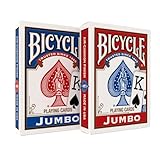
Overview:
Bicycle’s Jumbo Index Playing Cards feature oversized numbers and suits on standard poker-sized cards, enhancing readability for seniors, kids, or anyone needing clearer visuals. This two-pack set includes two full decks, leveraging Bicycle’s legendary quality for versatile card gaming at home or in casinos.
What Makes It Stand Out:
The jumbo index is the hero here—large, bold numerals and symbols eliminate eye strain without altering card dimensions. Paired with Bicycle’s Air Cushion Finish for smooth shuffling and the trust of USA manufacturing, it bridges accessibility and professional-grade performance seamlessly.
Value for Money:
Priced slightly above standard decks, the dual-pack offers excellent value. While specialty large-print cards exist, Bicycle’s reputation for durability (withstands heavy use) and the inclusion of two decks justify the cost, outperforming cheaper alternatives that yellow or warp quickly.
Strengths and Weaknesses:
Strengths: Exceptionally readable for all ages; durable finish ensures longevity; ideal for poker, rummy, or casino games; two decks included. Weaknesses: Not visually distinctive beyond size; minimal added features compared to themed decks; jumbo print may feel “clunky” to traditional card players.
Bottom Line:
A practical, high-quality investment for accessible gameplay. If readability is a priority, these outshine standard decks and are indispensable for multi-generational family card sessions.
9. Mattel Card Game Set (Skip Bo, Uno & Phase 10)

Overview:
This Mattel trio bundles three iconic card games—Skip Bo, Uno, and Phase 10—into one value-packed set. Each game offers distinct mechanics: Skip Bo focuses on sequencing, Uno on color/number matching, and Phase 10 on completing card sets. Suitable for families, parties, or casual play.
What Makes It Stand Out:
The set’s strength is its diversity. Skip Bo’s strategic stacking, Uno’s chaotic action cards, and Phase 10’s progression-based challenges cater to varied tastes. Having three complete games in one purchase eliminates the need for separate buys, maximizing replayability across different moods and group sizes.
Value for Money:
Exceptional value—purchasing these games individually would cost significantly more. The set suits households wanting versatile entertainment without clutter. While each game has standalone versions, this bundle delivers 30+ hours of gameplay at a fraction of the price of buying them separately.
Strengths and Weaknesses:
Strengths: Broad appeal across ages; eliminates decision fatigue with multiple options; high replayability; compact storage. Weaknesses: No unique features beyond standard editions; Phase 10 rules may confuse younger kids; Uno deck lacks specialty variants like color-blind modes.
Bottom Line:
A smart, economical choice for families seeking variety. This set ensures there’s always a perfect game on hand, making it a cornerstone for game nights.
10. Mattel Games UNO Card Game in Travel & Storage Tin for Kid, Adult & Family Nights & Parties, Color Blind Accessible & Customizable Deck (Amazon Exclusive)

Overview:
This Amazon-exclusive UNO edition packs the classic color/number-matching race into a durable travel tin, featuring color-blind accessibility and customizable wild cards. Designed for 2–10 players, it retains UNO’s signature chaos while adding thoughtful modern upgrades for inclusive, on-the-go fun.
What Makes It Stand Out:
The color-blind accessibility is revolutionary—each card includes distinct symbols (e.g., stripes for red), ensuring full inclusion. The blank Wild Cards let players invent house rules, while the compact tin protects cards during travel. These features elevate it beyond standard UNO decks.
Value for Money:
Priced near standard UNO but with premium additions, it’s a worthy upgrade. The tin doubles as storage, eliminating lost cards, and the accessibility features alone justify the slight premium over basic editions, especially for diverse player groups.
Strengths and Weaknesses:
Strengths: Industry-leading accessibility; travel-friendly tin; customizable rules enhance replayability; retains classic UNO excitement. Weaknesses: Symbols might distract purists; tin slightly bulkier than card-only packs; no digital companion features.
Bottom Line:
The definitive UNO version for modern players. Its inclusive design and portability make it essential for families, educators, and travelers—elevating a timeless game with purposeful innovation.
Understanding the Core Appeal of Quick-Play Card Games
The enduring popularity of card games for social gatherings isn’t accidental. It stems from fundamental qualities perfectly aligned with modern party needs. Unlike digital distractions or elaborate board games, a simple deck offers tangible interaction, fostering face-to-face connection in a world saturated with screens. The physical act of shuffling, dealing, and playing cards creates a shared, tactile experience that builds camaraderie. Furthermore, their inherent portability means you’re always prepared – a deck fits in a pocket, a purse, or a glove compartment, turning any lull into a potential game session. This accessibility is paramount for capturing those fleeting moments of group downtime.
The Critical Role of Minimal Setup Time
When the mood strikes or guests arrive unannounced, lengthy setups are the enemy of fun. Truly party-perfect card games demand almost zero preparation. Think seconds, not minutes. This means no intricate board assembly, no hunting for specific tokens, and certainly no lengthy rule explanations before the first round begins. Ideally, the rules should be graspable within a single hand of play, allowing players to learn organically as they go. Games requiring complex initial setups or player-specific configurations immediately lose their edge for spontaneous gatherings. The goal is to go from “Let’s play something!” to actual gameplay faster than you can pour a drink.
Why Low Complexity is Non-Negotiable
Parties often bring together diverse groups with varying gaming experience. A game that requires memorizing intricate mechanics or strategic depth before the first move will alienate casual players and create frustrating barriers. Quick party card games thrive on intuitive, easy-to-remember core mechanics. Think simple matching, quick pattern recognition, rapid reaction, or straightforward bidding. The cognitive load should be light, freeing mental energy for social interaction, laughter, and the playful competition itself. Complex strategy has its place, but for instant party fuel, simplicity reigns supreme – ensuring everyone, from the seasoned gamer to the absolute novice, can jump in and enjoy within moments.
Maximizing Player Count Flexibility
The number of people ready to play can fluctuate wildly at a party. A game rigidly designed for exactly four players becomes useless when you have three or six. The most versatile party card games boast impressive player count ranges, often accommodating anywhere from 2 to 8 or even more participants without needing significant rule tweaks or additional components. Some achieve this through scalable mechanics, while others offer clear variants for different group sizes. This flexibility ensures the game remains a reliable option, regardless of who happens to be gathered around the table at any given moment, maximizing its utility for unpredictable social settings.
Essential Features to Prioritize for Your Party Deck
Choosing the right card game means looking beyond just the theme or artwork. Specific functional features directly impact how smoothly it integrates into a lively, spontaneous party atmosphere. Prioritizing these elements ensures your chosen game consistently delivers the effortless fun you need.
Lightning-Fast Gameplay Rounds
The ideal party session isn’t a marathon; it’s a series of quick, satisfying sprints. Look for games where individual rounds or hands conclude rapidly – often in 60 seconds or less. This rapid turnover is crucial. It maintains high energy, prevents downtime boredom, and allows for constant player engagement. Long, drawn-out turns where others are waiting kill momentum. Games featuring simultaneous play, quick decision points, or hands that resolve based on immediate actions keep everyone involved and the laughter flowing continuously. Short rounds also make it easy to play “just one more” without anyone feeling a significant time commitment.
Built-In Mechanisms for Player Interaction
The heart of party fun is interaction. Games where players operate in isolation, making quiet strategic moves, miss the mark entirely. Seek out mechanics that force or strongly encourage players to engage with each other directly. This could be through:
- Targeted Actions: Playing cards that affect specific opponents (e.g., stealing points, forcing discards, swapping hands).
- Real-Time Chaos: Requiring players to react simultaneously to a central pile or shared space, leading to hilarious scrambles and conflicts.
- Bluffing & Deduction: Creating moments of suspicion, accusation, and playful deception (“Who has the Spy card?”).
- Shared Pools & Competition: Players vying for control of a central set of cards or resources, leading to natural clashes and alliances.
This constant back-and-forth is what transforms a simple card game into a memorable social experience.
High Replay Value Through Variability
Playing the exact same sequence of events every time gets stale fast, especially in a party setting where you might pull the game out multiple times in an evening. Games with high replay value incorporate elements of randomness, variable player powers, or modular rules that ensure no two games feel identical. Deck composition shuffling, card-drafting elements, or scenarios that change the win conditions significantly contribute to this. The best quick party games offer enough inherent unpredictability that players remain engaged, discovering new tactics and interactions with each playthrough, preventing the “we’ve seen this before” feeling from setting in too quickly.
Accommodating Mixed Skill Levels Gracefully
Parties are melting pots of experience. A game that heavily favors the most strategic player or requires deep knowledge creates frustration for others. Ideal party card games feature mechanics where luck plays a balanced role, leveling the playing field. More importantly, they often incorporate social or physical elements (like speed, dexterity in slapping cards, or reading facial expressions during bluffing) that allow players with different strengths to shine. The game should feel competitive but rarely cutthroat, ensuring newcomers have genuine chances to win and veterans don’t dominate consistently, fostering an inclusive and enjoyable atmosphere for all.
Design Elements That Enhance the Party Experience
Beyond core mechanics, specific design choices significantly impact how smoothly a game integrates into the often-noisy, dynamic environment of a party. These elements are subtle but vital for frictionless fun.
Clear, Unmistakable Card Iconography
In a lively, potentially noisy room, players can’t always rely on hearing rule explanations or remembering complex symbols. Card games designed for parties excel with intuitive, highly visual iconography. Symbols should be large, distinct, and instantly recognizable even from across a table or in slightly lower light. Color-coding, when used effectively alongside symbols, further aids quick comprehension. Ambiguous icons or tiny text that requires close scrutiny become major pain points, slowing down play and causing constant rule disputes – the antithesis of quick party fun.
Durable Cards That Withstand the Hustle
Party environments are tough on components. Cards get handled by many hands, potentially passed around, dealt quickly, slapped down enthusiastically, or even accidentally bent near drinks. Flimsy cards that warp, crease easily, or become marked after minimal use quickly degrade the experience. Prioritize games using thicker cardstock with a smooth, durable finish (like linen or air-cushion) that resists scuffs, fingerprints, and minor spills. This isn’t just about longevity; it ensures the cards feel substantial and satisfying to handle, even during the most energetic rounds, contributing to the overall tactile enjoyment.
Rules That Fit on a Cheat Sheet (Or Better, the Box!)
Nobody wants to dig out a lengthy rulebook mid-party. The absolute hallmark of a great quick-play card game is rules simplicity that allows the entire core gameplay to be explained on a single, well-designed reference card included in the box. Even better are games where the essential actions are so intuitive that the rules fit concisely on the inside of the game box lid itself. This immediate accessibility removes a huge barrier to starting play. Complex games requiring constant rulebook consultation for edge cases simply don’t belong in the spontaneous party category – the rules should empower play, not hinder it.
Thematic Flavor That Sparks Conversation
While deep, intricate themes aren’t necessary (or even desirable for simplicity), a light, engaging theme can significantly boost a party game’s appeal. A theme that’s relatable, humorous, or slightly absurd provides instant context for the actions players are taking and fuels natural conversation and laughter. Is it about stealing pies, dodging ninjas, or collecting ridiculous hats? A well-chosen, light-hearted theme makes the mechanics more memorable and gives players shared jokes and references (“Remember when you stole my last cupcake card!”). It should enhance, not complicate, the core gameplay.
Navigating Common Party Game Pitfalls
Even with the best intentions, some card games fall short in a party setting. Being aware of these common pitfalls helps you avoid selections that promise fun but deliver frustration when the crowd gathers.
Avoiding Analysis Paralysis Traps
Games that require players to meticulously plan several moves ahead, weigh complex probabilities, or optimize every single card choice are poison for party momentum. “Analysis paralysis” – where one player takes excessively long to decide their move – is a guaranteed energy killer, especially when others are waiting. Quick party games thrive on instinctive, rapid decisions. Look for mechanics with inherent time pressure (like real-time play) or clear, immediate choices that don’t invite deep strategic contemplation. The fun comes from the action and interaction, not the internal monologue.
Steering Clear of Overly Punitive Mechanics
While some player interaction is essential, mechanics that feel excessively punishing can sour the mood. Games where a single bad play or a targeted action by another player completely eliminates your chance of winning, or where you can be “out” very early with nothing to do, create frustration rather than fun. The best party interactions create playful tension and temporary setbacks, not feelings of hopelessness or resentment. Wins and losses should feel earned through the session’s flow, not dictated by one devastating early move. Keep the competition light-hearted.
Recognizing When Luck Dominates Too Much
On the flip side, a game that feels entirely random, where player skill or decisions have negligible impact on the outcome, also fails as a satisfying party experience. If winning feels purely like a dice roll (or card draw), players quickly disengage, seeing no point in trying. The ideal balance incorporates a meaningful element of luck (to keep things fresh and allow newcomers to win) but couples it with enough player agency – meaningful choices, strategic timing, or skillful execution (like speed) – so that players feel their actions genuinely influence the result. Luck should be the spice, not the entire meal.
The Peril of Fiddly Components
True quick-play card games rely almost exclusively on the cards themselves. Avoid games that introduce numerous tokens, scoring cubes, player boards, or other physical components beyond the deck. These extras inevitably get lost, slow down setup and teardown, complicate the rules, and create more points of failure during energetic play. The beauty of pure card games is their elegance; everything you need is in the deck. If a game requires managing multiple types of bits alongside the cards, it’s likely too cumbersome for the spontaneous party scenario you’re targeting.
Integrating Card Games Seamlessly into Your Social Toolkit
Owning great games is only half the battle; knowing how to deploy them effectively ensures they become go-to party saviors. It’s about strategy beyond the cards.
Reading the Room: Choosing the Right Game for the Vibe
Not every party demands the same energy. A relaxed backyard BBQ might call for a slightly more strategic (but still quick) drafting game, while a rowdy game night needs high-energy real-time chaos. Observe the group’s energy level and dynamics. Are people chatty and relaxed, or are they craving high-octane interaction? Is the group mostly close friends comfortable with bluffing, or a mix of acquaintances needing something more lighthearted? Having a couple of different game styles in your repertoire allows you to match the game to the specific party atmosphere, maximizing enjoyment.
Mastering the Art of the Quick Explanation
Your ability to teach the game swiftly is as crucial as the game itself. Practice distilling the core 2-3 rules into a 30-second pitch: “We’re all trying to get rid of cards by matching color or number. Play a card that matches the top one. Last one with cards loses! Ready? Deal!” Avoid mentioning edge cases upfront; handle them as they arise (“Oh, if you can’t play, just draw one – we’ll figure the rest as we go!”). Confidence and brevity are key – if you sound unsure or overwhelmed, players will tune out before the first card is dealt.
Fostering an Inclusive and Welcoming Atmosphere
The goal is shared fun, not cutthroat competition. As the game facilitator (even unofficially), set the tone. Welcome new players warmly, offer quick tips during early rounds, and gently steer the group away from overly negative reactions to setbacks (“Oof, bad luck! My turn now!”). Encourage playful trash talk but shut down genuine meanness. A positive, inclusive vibe makes people feel safe to try, laugh at mistakes, and return for more games, turning a single session into a recurring party tradition.
Building Your Core Collection Strategically
Don’t try to collect every card game. Focus on building a small, versatile “party core” of 2-3 games that cover different interaction styles and player counts. Maybe one is pure real-time speed, another focuses on bluffing and deduction, and a third offers light strategy with high interaction. Having this curated selection ensures you’re always prepared for different group sizes and moods without being overwhelmed by choices or storage issues. Quality and versatility over quantity is the mantra for the practical party host.
Frequently Asked Questions
Frequently Asked Questions
What’s the absolute minimum number of players most quick party card games support?
Most are designed to shine with 3-6 players, but many excellent options work surprisingly well with just 2. Look for games explicitly stating “2 players” compatibility, often featuring mechanics like head-to-head dueling or cooperative elements adapted for pairs.
How important is the actual physical quality of the cards for party use?
Extremely important. Flimsy cards warp, mark easily, and feel cheap, degrading the experience quickly in a high-handling environment. Prioritize games using thick, durable cardstock with a smooth, matte or linen finish that resists scuffs and fingerprints – it significantly impacts longevity and feel.
Can these games genuinely work for mixed-age groups, like including teenagers or younger kids?
Yes, but carefully. Focus on games with very simple core rules (match colors, slap the pile) and avoid heavy text or complex strategies. Many modern “party” games have accessible versions or core mechanics suitable for bright kids aged 8+, but always check the recommended age and complexity level; pure luck-based kids’ games often lack the interaction adults seek.
What if someone at the party has never played any card games before? Will they feel left out?
The best quick party games are designed for this! Prioritize titles with near-zero learning curves where rules are demonstrated through the first round of play. Games relying on universal concepts like matching, speed, or basic bluffing are incredibly accessible. Your role is to teach concisely and reassure them it’s easy to jump in.
Are there specific card game mechanics to avoid if we want to keep things light and not too competitive?
Yes. Steer clear of games with highly punitive “take-that” mechanics (where one player can severely cripple another’s chances), elimination (players sit out early), or intense deduction that might cause stress. Look for games emphasizing shared chaos, simultaneous action, or lighthearted interaction where setbacks feel funny, not devastating.
How do I handle rule disputes quickly without killing the party mood?
Keep it simple: for minor disputes in casual play, make a quick, fair judgment call (“Nah, that counts, let’s keep going!”) and note to check the rules later. For recurring issues, designate a “rules referee” for the session. Prioritize keeping the game moving over absolute rule precision – the goal is fun, not a tournament.
Is it worth getting games with expandable decks or multiple rule variants?
Generally, for pure quick party use, stick to the core game. Expansions and complex variants add setup time and cognitive load, counter to the instant-play goal. However, a game with one or two very simple alternate modes (e.g., a faster “lightning” variant) can be a plus for replayability without sacrificing accessibility.
What’s a reasonable budget to expect for a high-quality, durable party card game?
Most excellent, durable quick-play card games fall in the $15-$25 USD range. You might find gems slightly below or above, but this bracket typically offers the best balance of quality components, thoughtful design, and value. Avoid ultra-cheap games with flimsy cards, as they won’t withstand party use.
Can these card games work well in noisy environments, like a loud party or bar?
Absolutely, and many excel here! Games relying on visual cues, physical actions (slapping, stacking), or simultaneous play are often better in noise than those requiring constant verbal discussion. Avoid games heavily dependent on hearing specific calls or complex negotiations over the din.
How do I store and transport these games to always be ready for a spontaneous party?
Keep your core 1-2 party games in a dedicated, sturdy deck box or a small, padded pouch always in your car, bag, or by the door. Avoid storing them loose in drawers where cards get bent or lost. Ready accessibility is key to seizing those spontaneous fun moments.