Table of Contents
Stepping behind the DM screen for the first time feels like being handed the keys to an infinite universe. Your mind buzzes with epic storylines, cunning villains, and mysterious locations, but keeping track of everything quickly becomes overwhelming. That’s where a dedicated campaign journal transforms from a simple notebook into your most trusted ally—capturing fleeting ideas, organizing complex narratives, and preserving the magical moments that emerge when players interact with your world.
A well-chosen journal doesn’t just store information; it becomes an extension of your creative process, evolving alongside your confidence as a game master. For new DMs especially, the right system can mean the difference between floundering through sessions and running games with clarity and purpose. Let’s explore what makes a campaign journal truly indispensable and how to select one that matches your unique DMing style.
Top 10 Campaign Journals
Detailed Product Reviews
1. The Dungeon Master’s Campaign Journal (Dungeons & Dragons)

Overview: The Dungeon Master’s Campaign Journal is Wizards of the Coast’s official offering for DMs seeking to organize their campaigns with authenticity. This hardcover journal provides structured sections for tracking NPCs, plot threads, locations, and session summaries, all adorned with classic D&D artwork and design elements that match the 5th Edition aesthetic.
What Makes It Stand Out: As an official product, it seamlessly integrates with D&D 5e mechanics and terminology. The journal includes specialized templates for encounter planning, treasure hoard tracking, and worldbuilding that align perfectly with the game’s structure. Its durable construction features premium paper that prevents ink bleed-through, while ribbon bookmarks help you quickly access critical campaign information during active sessions.
Value for Money: Positioned at a premium price point ($30-40), this journal costs more than third-party alternatives but delivers official quality and game-specific design. Comparable generic notebooks might run $15-20, but lack the integrated D&D framework that saves preparation time and enhances thematic immersion for serious Dungeon Masters.
Strengths and Weaknesses: Pros include official D&D branding, comprehensive organization templates, durable hardcover binding, and high-quality paper. Cons involve the higher price tag, limited page count for long campaigns, and a rigid structure that may not suit DMs who prefer freeform note-taking or homebrew systems outside 5e mechanics.
Bottom Line: This journal is ideal for dedicated DMs running official 5e campaigns who value brand authenticity and structured organization. While pricey, its specialized design and durable construction justify the investment for those who journal extensively. Casual or new DMs might find more flexible, affordable options sufficient.
2. Mazeran Campaign Journal for Dungeons and Dragons 5e - A5 Softcover Notebook - DnD journal, DnD notebook, D&D 5e, Character journal (PACK OF 3)

Overview: The Mazeran Campaign Journal offers a budget-friendly three-pack of A5 softcover notebooks designed specifically for D&D 5e players. Each journal combines character sheet functionality with ample note-taking space, providing a portable solution for tracking your hero’s journey from session to session without carrying full-size binders.
What Makes It Stand Out: This pack’s exceptional value delivers three coordinated journals at a price competitors charge for one. The embossed leather-look cover provides aesthetic appeal while maintaining portability. Integration with the broader Dungeon Craft System means these journals work alongside matching DM screens, terrain tiles, and other accessories for a unified tabletop experience.
Value for Money: With three journals typically priced under $15 total, the per-unit cost rivals basic school notebooks while offering D&D-specific formatting. Individual character journals from premium brands often cost $12-18 each, making this pack an economical choice for gaming groups wanting matching player journals or individual players seeking backups for multiple campaigns.
Strengths and Weaknesses: Pros include affordability, pack quantity, portable A5 size, and character sheet integration. Cons feature softcover durability concerns, potential paper quality inconsistencies (recycled 100gsm paper may vary), limited 64-page length per journal, and less comprehensive content than official WotC products. The satisfaction guarantee mitigates quality risks.
Bottom Line: Perfect for players seeking affordable, campaign-specific journals or groups wanting unified accessories. While not as durable as premium options, the three-pack value and D&D-tailored design make these excellent starter journals. Best suited for players who prefer fresh notebooks per campaign rather than multi-campaign archival.
3. The Player’s Campaign Journal (Dungeons & Dragons)

Overview: The Player’s Campaign Journal is Wizards of the Coast’s official companion for players wanting to chronicle their characters’ adventures beyond standard character sheets. This dedicated notebook provides structured sections for backstory development, session summaries, NPC relationships, treasure logs, and personal quest tracking, all within the authentic D&D 5e design framework.
What Makes It Stand Out: Unlike generic notebooks, this journal features player-specific prompts and templates that encourage deeper roleplaying engagement. The organization mirrors how players actually use information during gameplay, with quick-reference sections for spells, equipment, and party contacts. Official artwork and thematic design elements create an immersive experience that enhances connection to your character.
Value for Money: Priced similarly to the DM version ($25-35), this premium journal costs more than blank alternatives but provides purposeful structure. Standard spiral notebooks plus printed character sheets might cost $10-15, but lack the integrated design and archival quality. For dedicated players in long-term campaigns, the organizational benefits justify the expense.
Strengths and Weaknesses: Pros include official D&D branding, player-focused templates, durable construction, and encouragement of richer character development. Cons involve premium pricing, potentially redundant information with digital tools, and a fixed structure that may not accommodate all character concepts or homebrew campaigns. Some players may prefer digital character managers.
Bottom Line: An excellent investment for dedicated roleplayers who enjoy handwritten character chronicles and deep narrative engagement. The official design and thoughtful player-centric organization make it worthwhile for campaigns lasting six months or more. Casual or digital-preferring players can likely skip this in favor of free alternatives.
4. Campaign Journal: DnD RPG DM Planning Notebook With Character Sheets and Session Notes For Building Campaign Role Playing Games and More

Overview: This third-party Campaign Journal targets Dungeon Masters seeking a practical, no-frills organization tool. The spiral-bound 121-page notebook offers a versatile workspace with plain-ruled paper for maps, notes, and initiative tracking. Its 11x8.5-inch format provides ample space for detailed session planning while remaining portable for game nights away from home.
What Makes It Stand Out: The spiral binding allows the journal to lay completely flat, a crucial feature for DMs referencing notes while simultaneously managing maps and miniatures. Unlike pre-formatted journals, the plain-ruled pages offer complete creative freedom for sketching dungeons, writing freeform narratives, or pasting printed materials. The generous page count supports extensive multi-session campaigns.
Value for Money: Typically priced between $18-25, this journal sits in the mid-range—more affordable than official WotC products but pricier than basic notebooks. You receive specialized sizing and binding designed specifically for DM workflows, making it comparable in value to premium academic planners while offering tabletop-specific dimensions.
Strengths and Weaknesses: Pros include spiral binding that lies flat, large versatile pages, substantial page count, and softcover portability. Cons feature generic design lacking D&D theming, plain paper may not suit those wanting structured templates, softcover durability concerns with heavy use, and no official integration with game mechanics.
Bottom Line: A highly functional, moderately priced option for DMs prioritizing workspace flexibility over official branding. The spiral binding and large format make it exceptionally practical during active sessions. Best suited for veteran DMs with established organization systems or those wanting freedom from pre-determined structures. New DMs might prefer more guided formats.
5. The Worldbuilder’s Journal of Legendary Adventures (Dungeons & Dragons): 365 Questions to Help You Create Mythical Characters, Storied Worlds, and Unique Campaigns
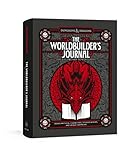
Overview: The Worldbuilder’s Journal of Legendary Adventures takes a radically different approach to campaign preparation, offering 365 curated prompts to systematically develop every facet of your D&D universe. This official journal guides DMs through daily worldbuilding exercises covering geography, politics, deities, cultures, and character motivations, transforming abstract ideas into concrete campaign elements over a full year.
What Makes It Stand Out: The prompt-driven system eliminates the intimidation of blank-page syndrome, providing structured creativity that ensures comprehensive world development. Each question builds upon previous entries, creating interconnected lore organically. The methodical approach guarantees you address often-overlooked details like economic systems, regional dialects, and historical timelines that enrich campaign depth.
Value for Money: Priced around $25-30, this specialized journal costs more than blank notebooks but delivers a complete worldbuilding methodology. Comparable worldbuilding guides and prompt books separately might cost $40-50 combined. For DMs struggling with writer’s block or wanting thorough setting development, the guided approach offers significant creative ROI.
Strengths and Weaknesses: Pros include eliminating creative blocks, comprehensive worldbuilding coverage, official D&D integration, and building consistent daily habits. Cons involve a rigid daily structure that may not suit improvisational DMs, requires year-long commitment for full benefit, and some prompts may feel irrelevant to specific campaign concepts. Not ideal for DMs who prefer spontaneous development.
Bottom Line: An invaluable tool for DMs seeking structured inspiration and comprehensive worldbuilding. The prompt system works best for those planning extended campaigns who can dedicate daily time to development. Improvisational DMs or those running pre-written modules will find less value. Perfect for creators who thrive on guided exercises and systematic creativity.
6. DnD Journal | D&D Notebook with 3D Dragon Embossed Hardcover | DnD Character Journal & Campaign Tracker | 150+ DnD Stickers included | D&D Character Sheets | DnD Gifts, Items & Accessories for Players

Overview: This premium D&D journal positions itself as the ultimate all-in-one tracking solution for 5th Edition players. With 200 pages of dedicated sections for characters, spells, inventory, quests, NPCs, and session logs, it eliminates the need for multiple notebooks. The faux leather hardcover features an eye-catching 3D dragon embossing that signals quality before you even open it.
What Makes It Stand Out: The inclusion of 150+ thematic stickers for personalization is a rare value-add that transforms this from a simple notebook into a customizable keepsake. The 100gsm paper weight is substantial enough to prevent bleed-through from most pens and markers—a critical detail for heavily-used gaming accessories. Unlike generic notebooks, every page serves a specific D&D function.
Value for Money: Priced in the mid-to-high range for gaming journals, this product justifies its cost through comprehensive organization tools and premium materials. The sticker sheet alone would cost $10-15 separately, making the bundle appealing. Competitors offering similar page counts often lack the themed design elements and thick paper stock.
Strengths and Weaknesses: Pros: Comprehensive 5e-specific layouts; durable embossed hardcover; thick bleed-resistant paper; extensive sticker collection; excellent gift presentation. Cons: 200 pages may be excessive for casual players or one-shots; sticker inclusion might not appeal to minimalist users; bulkier than slim character folios.
Bottom Line: Ideal for dedicated campaign players who value organization and aesthetics. This journal transforms note-taking into part of the D&D experience itself. Casual players may find it overwhelming, but for committed adventurers, it’s a worthy investment that honors their campaign journey.
7. 5e Compatible Campaign Journal

Overview: This minimalist entry serves players seeking a straightforward, no-frills campaign tracking solution. While the title promises 5th Edition compatibility, the manufacturer provides zero feature details, leaving buyers to assume it contains standard character sheet layouts and session note sections. It appears designed for cost-conscious players who prioritize function over form.
What Makes It Stand Out: Its complete lack of marketing fluff might actually appeal to purists tired of overdesigned products. The ambiguity suggests a back-to-basics approach—likely a simple bound notebook with printed 5e-compatible templates rather than elaborate art or accessories. For Dungeon Masters buying in bulk for entire groups, the unspecified nature could indicate a budget-friendly bulk option.
Value for Money: Without pricing or feature details, assessing value is challenging. Typically, bare-bones campaign journals retail for $8-12, making them affordable for new players testing the waters. The “compatible” label rather than “designed for” suggests generic forms that work but aren’t optimized, positioning this as a entry-level alternative to premium journals.
Strengths and Weaknesses: Pros: Likely affordable; simple and utilitarian; accessible for beginners; potentially lightweight and portable. Cons: Zero product transparency; unknown paper quality; no special features; uncertain page count; could be flimsy or poorly printed.
Bottom Line: Only recommended if you can physically inspect it first or need the absolute cheapest functional option. The lack of details is a major red flag for online purchasing. Serious players should invest in documented alternatives, while this remains a mystery-box choice for the extremely budget-minded.
8. Mazeran Campaign Journal for DnD 5e - Player Character Notebooks - D&D Adventure Game Books, D&D 5e Edition Advanced, TTRPG Character journals (PACK OF 3)
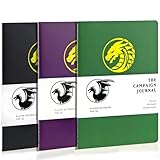
Overview: This three-pack offering targets gaming groups rather than individual players, providing matching journals for party members or backup books for prolific note-takers. Each notebook contains 42 functional pages printed on 84 total pages of 100gsm recycled paper, suggesting a compact, eco-conscious design. The leather cover material promises durability while aligning with traditional TTRPG aesthetics.
What Makes It Stand Out: The pack-of-three configuration is rare and valuable for groups wanting cohesive accessories. As part of the larger “Dungeon Craft System,” these journals integrate with battlemaps and DM tools, creating a unified product ecosystem. The satisfaction guarantee indicates manufacturer confidence, while the recycled paper appeals to environmentally aware gamers.
Value for Money: Bulk packaging typically offers 20-30% savings over individual purchases. With three journals likely priced around $25-35 total, the per-unit cost drops to $8-12, making this competitive with basic options while offering themed design. For DMs equipping entire parties, the value proposition is strong compared to buying premium single journals.
Strengths and Weaknesses: Pros: Excellent bulk value; cohesive party aesthetics; integrated product ecosystem; satisfaction guarantee; eco-friendly recycled paper. Cons: 42 functional pages may be insufficient for long campaigns; recycled paper sometimes has more texture/bleed issues; no included accessories like stickers; limited page variety compared to 200-page competitors.
Bottom Line: Perfect for Dungeon Masters purchasing for their entire group or players who prefer starting fresh journals for each campaign arc. The page count requires disciplined note-taking, but the three-pack value and ecosystem integration make it a smart choice for organized gaming tables. Eco-conscious buyers will appreciate the recycled materials.
9. Character Journal: DnD RPG Notebook With Character Sheets and Session Notes For Campaign Role Playing Games and More

Overview: This generic-sounding journal promises the essential duo: character sheets plus session notes. Without listed features, we must assume it offers standard TTRPG templates in a simple bound format. The vague “and More” suggests additional pages, but specifics remain unclear. It appears positioned as an all-purpose solution for players across various tabletop systems, not just D&D 5e.
What Makes It Stand Out: The broad “RPG” labeling rather than D&D-specific branding indicates system-agnostic design, potentially useful for players who hop between Pathfinder, Call of Cthulhu, or homebrew systems. This flexibility could be its main differentiator. The straightforward title suggests a focus on core functionality without gimmicks, appealing to players overwhelmed by overly specialized products.
Value for Money: Given the lack of premium claims, this likely sits in the $10-15 range—affordable but not dirt-cheap. Value depends entirely on page count and paper quality, both unspecified. As a middle-ground option, it competes with both printable PDFs (cheaper but less convenient) and premium leather journals (more expensive but nicer). Without details, it’s a gamble.
Strengths and Weaknesses: Pros: System-agnostic for multi-RPG players; presumably affordable; focuses on essential character+notes combo; likely portable. Cons: Zero feature transparency; unknown page count and layout quality; generic design; no special features or accessories; could be flimsy or have bleed-through.
Bottom Line: A risky online purchase due to complete lack of specifications. Only consider if you can verify quality beforehand or need a basic, system-flexible journal immediately. Multi-system players might benefit from its generic approach, but D&D 5e specialists will get more tailored utility from documented alternatives. Transparency issues make it hard to recommend confidently.
10. Campaign Journal: D&D and TTRPG Player Notebook with Character and Session Notes for Role Playing Games

Overview: This journal’s title emphasizes “Campaign” over “Character,” suggesting a broader scope for tracking entire story arcs, party dynamics, and world lore beyond individual character stats. Marketed for both D&D and general TTRPG use, it appears designed as a DM’s companion or dedicated player’s campaign logbook. The dual focus indicates comprehensive session documentation tools.
What Makes It Stand Out: The explicit “Campaign Journal” positioning differentiates it from character-centric notebooks, likely including sections for plot tracking, NPC relationship maps, and world-building notes. This makes it suitable for both players invested in lore and DMs needing portable reference tools. The D&D/TTRPG dual labeling suggests flexible templates that accommodate various systems’ terminology.
Value for Money: Expected to retail in the $12-18 range based on similar mid-tier products. Value hinges on whether it truly delivers campaign-level organization versus simply rebranding a basic notebook. If it includes specialized layouts for tracking story arcs, it justifies a slight premium over generic options. Without feature details, buyers must weigh the risk against potential utility.
Strengths and Weaknesses: Pros: Campaign-focused design for lore-heavy games; system-flexible for multi-RPG groups; likely includes both character and session sections; portable DM reference potential. Cons: No specifications provided; uncertain if truly campaign-oriented or just marketing; unknown paper quality; no customization features; could be too generic for 5e-specific needs.
Bottom Line: Best suited for lore-obsessed players or DMs wanting a lightweight alternative to bulky DM screens. However, the lack of detail makes it a speculative purchase. Verify page layouts before buying. If genuinely campaign-focused, it’s a niche tool worth the modest investment; if not, you’re overpaying for a basic notebook with fancy titling. Proceed with caution.
Why Every New DM Needs a Campaign Journal
Your brain can only hold so many details about that NPC’s hidden agenda, the magical item’s curse trigger, and the party’s unresolved side quest. A campaign journal acts as your external memory bank, freeing up mental bandwidth to focus on improvisational storytelling and responding to player choices. It creates continuity between sessions, ensuring that the shopkeeper your players befriended three months ago remembers their names and that plot threads don’t mysteriously vanish into the ether.
Beyond mere record-keeping, journaling develops your skills as a game master. The act of writing down what worked (and what flopped) after each session builds self-awareness. You’ll start noticing patterns in player engagement, identify which encounter types fall flat, and refine your pacing instincts. This reflective practice accelerates your growth from nervous novice to confident storyteller far faster than trial and error alone.
Key Features to Look For
Durability and Build Quality
Your campaign journal will travel with you, endure frantic mid-session flipping, and possibly survive spilled drinks during intense combat encounters. Look for sturdy covers that can withstand being tossed in a game bag week after week. Hardcovers offer excellent protection but add weight, while flexible covers with reinforced corners provide a nice balance of portability and resilience.
Pay attention to binding quality as well. Lay-flat bindings are game-changers for DMs who need to reference notes while simultaneously rolling dice or checking monster stats. Spiral bindings offer complete fold-back capability but can snag on other items. Smyth-sewn signatures provide durability and a satisfying lay-flat experience without the bulk of rings.
Page Layout and Structure
The internal architecture of your journal dramatically impacts usability. Some journals feature pre-printed templates with sections for initiative tracking, NPC stat blocks, and quest logs. These can be lifesavers for new DMs who appreciate guidance on what to record. Others offer dot-grid or graph paper layouts that provide subtle structure while maintaining flexibility for maps, diagrams, and free-form note-taking.
Consider whether you prefer dated pages for chronological campaign tracking or undated pages that allow you to organize content by category instead of time. Some layouts include dedicated margins for quick reference notes or symbols, letting you flag important information at a glance during heated gameplay moments.
Size and Portability
A5 journals (roughly 5.8" x 8.3") strike an ideal balance for most DMs—large enough to write comfortably and include decent maps, yet small enough to fit in a backpack alongside rulebooks. B5 size gives you more real estate for complex encounter designs but becomes cumbersome to carry. Pocket-sized options work for quick session notes but frustrate during extended world-building sessions.
Think about your typical gaming location. If you host at home, a larger desk journal might serve you perfectly. For DMs who travel to friends’ houses or game stores, portability becomes paramount. Some DMs maintain a smaller “session journal” for live notes and a larger “planning journal” for home use, creating a two-tier system that maximizes both convenience and creative space.
Paper Quality and Writing Experience
Nothing derails your note-taking momentum like ink bleeding through pages or feathering into illegible blurs. Paper weight measured in GSM (grams per square meter) tells you part of the story—heavier paper generally handles more ink types without bleed-through. However, paper coating and texture matter equally for the writing experience.
Smooth, coated papers make writing with gel pens or fountain pens a joy but can feel slippery. Uncoated paper provides better grip and dries quickly, preventing smudges for left-handed DMs. If you plan to use markers for color-coding or sketching maps, seek out paper specifically designed to handle alcohol-based inks without soaking through.
Customization Options
Your campaign journal should adapt to your growing needs. Look for features like removable pages for when you need to hand players a map or letter. Disc-bound systems let you reorganize sections as your campaign evolves. Some journals include pockets for storing handouts, character sheets, or printed encounter cards.
Consider whether the journal accommodates accessories. Does it have a sturdy back pocket for stashing sticky notes? Are the pages perforated cleanly for sharing information? Can you add tab dividers to create sections for different campaign arcs? These customization capabilities transform a generic notebook into a personalized DM command center.
Types of Campaign Journals
Pre-Structured Journals
These come loaded with templates specifically designed for tabletop RPGs, featuring sections for tracking initiative, monster HP, NPC relationships, and treasure hauls. For new DMs, this structure eliminates the paralysis of staring at blank pages wondering what to write. The built-in prompts remind you to record crucial details you might otherwise forget, like lighting conditions or which NPCs witnessed the party’s actions.
The trade-off comes with flexibility. Pre-structured pages might not match your exact DMing style or could include sections you never use, creating wasted space. However, many new DMs find that learning to use these templates helps them develop good organizational habits they can later adapt to more free-form systems.
Blank and Dot-Grid Notebooks
Purists who want complete creative freedom gravitate toward blank or dot-grid journals. These allow you to invent your own notation systems, draw maps without grid restrictions, and structure information exactly how your brain processes it. Dot-grid pages provide subtle guidance for writing straight lines and creating tables without the visual noise of ruled lines or solid graph paper.
This approach requires more upfront effort to develop organizational systems, but the payoff is a journal that works precisely for your needs. Many DMs find that creating their own key symbols, layout templates, and tracking spreads becomes a creative outlet that enhances their connection to the campaign world.
Digital vs. Physical Options
Physical journals offer tactile satisfaction and freedom from screen distractions during gameplay. They don’t require batteries or wifi and allow you to sketch quick maps or diagrams without learning software. The act of handwriting also improves memory retention, helping you internalize campaign details.
Digital journals, whether note-taking apps or dedicated campaign management software, offer searchability, cloud backup, and easy sharing with remote players. You can hyperlink between related entries, embed images directly, and reorganize content with a few clicks. Some DMs use hybrid systems—digital for planning and reference, physical for live session notes—leveraging each format’s strengths.
Modular Systems
Disc-bound notebooks and travelers’ notebook systems let you mix different page types within a single journal. You might include pre-printed encounter sheets alongside blank pages for world-building, plus specialized inserts for tracking magical items or player bonds. This modularity means your journal grows with your campaign, adding sections as new needs emerge.
These systems particularly suit DMs who run multiple campaigns or one-shots. You can swap out sections between games, maintaining a consistent core system while customizing the content for each group’s adventures. The ability to remove and rearrange pages prevents your journal from becoming a chronological mess when you need to add information retroactively.
DIY Custom Solutions
Some DMs create their own journals by printing custom templates and binding them, or by heavily modifying store-bought notebooks with added pockets, laminated reference sheets, and handmade dividers. This approach requires time and crafting skills but results in a perfectly tailored tool that reflects your personality and DMing philosophy.
DIY solutions also allow for specialized features like built-in dice rolling trays, attached mini clipboards for initiative tracking, or integrated page flags made from themed materials. While not practical for every DM, the process of building your own journal can deepen your investment in the campaign and help you think critically about what information you truly need at your fingertips.
Organizational Strategies for Your Journal
Session Note-Taking Methods
Develop a consistent shorthand system that lets you capture key moments without slowing down gameplay. Create symbols for different information types—perhaps a star for important plot points, a skull for combat encounters, and a speech bubble for memorable quotes. This visual coding lets you scan pages quickly during session prep.
Consider the two-column method: leave a narrow left margin for timestamping events and flagging quick reminders, while using the main right column for detailed notes. This creates a timeline of the session’s flow while keeping your main notes clean and readable. Some DMs prefer the Cornell note-taking system, dedicating sections for main notes, cues, and summaries.
NPC Tracking Systems
Create a dedicated NPC section with one page per character, including space for name, role, location, appearance, motivations, and relationship to the party. Leave generous margins for adding new information as the NPC evolves. Use color-coding or symbols to indicate allies, enemies, and neutrals at a glance.
For recurring NPCs, maintain a “living document” approach where each interaction gets dated entries showing how their attitude or situation changes. This creates a rich history that helps you roleplay consistently and rewards players who remember past encounters. Consider including small portrait sketches or visual cues to differentiate characters quickly during sessions.
Plot Thread Management
Dedicate a section to tracking active quests, mysteries, and unresolved story hooks. For each thread, note the originating session, key NPCs involved, current status, and potential next steps. This prevents you from forgetting that random comment about a haunted tower that your players will inevitably fixate on three months later.
Create a simple status system: active, dormant, resolved, or abandoned. Review this section before each session to identify which threads might naturally resurface based on the party’s current location or recent actions. Some DMs find mind-mapping or flowcharting these connections helps visualize how disparate story elements might converge.
World-Building Documentation
Organize your world-building section geographically, starting with continent or region maps, then drilling down to kingdoms, cities, and specific locations. For each area, note governing structures, cultural quirks, economic drivers, and potential adventure hooks. Leave space for adding details generated during play, like the name of that tavern the party adopted as their home base.
Include pages for cosmology, religions, magical systems, and historical events. These foundational elements inform consistent storytelling and help you answer unexpected player questions without contradicting established lore. Consider creating a “random tables” section where you pre-roll or pre-generate names, encounters, and loot for quick improvisation.
Player Character Integration
Maintain summaries of each player character’s backstory elements, personal goals, and notable achievements. Note which plot threads connect to their individual stories so you can weave personal stakes into broader campaign arcs. Track magic items they’ve acquired, important relationships they’ve formed, and choices that might have future consequences.
Create a “party inventory” page for communal resources like the bag of holding contents, shared funds, or the party’s stronghold upgrades. This transparency helps players stay organized and reduces the “wait, who has the healing potions?” delays that disrupt gameplay momentum.
Maximizing Your Journal’s Potential
Color-Coding Techniques
Assign colors to different information categories—perhaps blue for world-building, red for combat, green for NPCs, and purple for player-specific notes. Use colored pens, highlighters, or sticky tabs to make information pop. This visual organization lets you find relevant sections instantly, even when flipping through pages under pressure.
Take it further by using color intensity to indicate urgency or importance. Light highlights for background information, medium for relevant details, and bold colors for critical must-remember elements. This layered approach creates a visual hierarchy that guides your eye during session prep and live gameplay.
Indexing and Page Numbering
Number every page and maintain a running index at the front or back of your journal. Update this index weekly with new entries and their page numbers. For complex campaigns, create multiple indexes: one chronological by session date, another alphabetical by NPC name, and a third by location.
Use the bullet journal method of creating collections—dedicated pages for specific topics that you index separately. Your “magic items” collection might span pages 42, 67, and 89, but the index lets you find every enchanted sword and mysterious amulet instantly. This system prevents information from getting lost in chronological notes.
Session Prep Workflows
Develop a consistent pre-session ritual using your journal. Start by reviewing the previous session’s notes and transferring any unresolved issues to your current prep page. Check your plot thread management section for story elements that might become relevant. Note the party’s current location and recent goals to ground your prep in their immediate circumstances.
Create a “session at a glance” spread with key NPCs, planned encounters, and potential improvisational hooks. Include a small calendar tracking in-game time passing and any time-sensitive events looming. This prep page becomes your anchor during gameplay, keeping you focused while remaining flexible enough to follow player-driven tangents.
Post-Session Debriefing Practices
Set aside 15 minutes after each game to update your journal while memories are fresh. Record not just what happened, but how players reacted, which improvisations worked, and what needs follow-up. Note any rules questions that arose for later research. This immediate reflection captures insights you’d forget by morning and builds a valuable archive of your DMing evolution.
Create a “lessons learned” section where you track your own growth. Did you rush a roleplaying scene? Was a combat too easy? Did players surprise you with creative problem-solving? These observations help you continuously refine your craft and avoid repeating mistakes.
Budget Considerations
Entry-Level Options
You don’t need to invest heavily to start journaling effectively. Basic composition notebooks or simple spiral-bound journals from office supply stores provide functional canvases for your campaign notes. Focus your limited budget on quality pens that make writing pleasurable rather than expensive leather-bound tomes.
Many free printable templates online let you create structured pages without buying specialized products. A three-ring binder with printed inserts offers maximum flexibility at minimal cost, allowing you to experiment with different layouts before committing to a permanent system.
Premium Features Worth the Investment
If your budget allows, prioritize paper quality over fancy covers. Smooth, thick paper that handles various inks without bleed-through improves the writing experience dramatically. Lay-flat binding is worth paying extra for, as it genuinely impacts usability during gameplay.
Consider investing in archival-quality materials if you hope to keep your journals as long-term keepsakes. Acid-free paper and durable binding ensure your campaign chronicles survive for years, becoming treasured artifacts of your gaming history. Some DMs find that spending more on their journal increases their commitment to using it consistently.
Long-Term Value
Calculate cost-per-session when evaluating journal prices. A $30 journal that lasts through a year-long weekly campaign costs less than 60 cents per session—a worthwhile investment for organized, stress-free game mastering. Cheaper journals that fall apart or frustrate you with poor paper quality end up costing more in replacement and lost time.
Think of your journal as a professional tool. Just as a carpenter invests in quality measuring tools, a DM benefits from reliable organizational systems. The confidence and efficiency gained from a well-designed journal pays dividends across every session you run.
Frequently Asked Questions
What size journal works best for most new DMs?
A5 (5.8" x 8.3") hits the sweet spot between writing comfort and portability. It provides enough space for detailed notes and small maps while fitting easily in most game bags alongside rulebooks and dice.
Should I use pen or pencil in my campaign journal?
Pen creates permanent, archival records and forces you to embrace imperfection. However, pencil allows for easy corrections and evolving NPC stats. Many DMs use pen for session notes and pencil for planning sections that change frequently.
How do I prevent my journal from becoming a chaotic mess?
Establish a consistent organizational system within your first few sessions. Number pages, maintain an index, and use color-coding or symbols to categorize information. Spend 15 minutes after each game updating and tidying your notes.
Is a pre-structured RPG journal worth it for beginners?
Absolutely. The built-in templates teach you what information matters and help develop good organizational habits. You can always transition to a custom system later once you understand your specific DMing style and needs.
How far ahead should I plan in my journal?
Plan major story arcs months ahead but only detail specific sessions 1-2 weeks in advance. This balance gives you direction while maintaining flexibility to incorporate player choices and unexpected developments.
Can I use a regular notebook instead of a specialized campaign journal?
Yes! Many excellent DMs use basic composition books or dot-grid notebooks. The key is developing a consistent personal system for organizing information, not the specific brand or format of your journal.
How do I track time in-game versus real time?
Create a simple calendar system in your journal. Note the in-game date at the start of each session entry and track days passing during travel or downtime. This prevents timeline confusion and helps manage time-sensitive plot elements.
What if I run multiple campaigns?
Use separate journals for each campaign to avoid confusion, or employ a modular system with distinct sections you can swap between games. Clearly label everything and consider using different colored covers or ribbons for quick visual identification.
How do I incorporate player backstories into my journal?
Dedicate a section to each character’s background elements, personal goals, and important NPCs from their past. Regularly review these pages before planning sessions to weave individual stories into the main campaign narrative.
Should I let players see my journal?
Generally, keep your journal private to maintain mystery and flexibility. However, some DMs share specific sections like world maps or recaps. Consider creating a separate “player-facing” document or handout pages specifically designed for sharing.
See Also
- The 10 Best Tabletop Game Inserts Every New Collector Needs This Year
- 10 Most Durable Campaign Journals Based on Real User Reviews in 2026
- 10 Game-Changing Campaign Journals for First-Time DMs in 2026
- The 10 Best Tabletop Game Inserts Every Enthusiast Needs This Year
- 10 Best Game Journals for Tracking Campaign Progress in 2026