Table of Contents
Every great Dungeon Master knows that a campaign lives or dies by its organization. Between tracking NPC motivations, mapping intricate plot threads, and remembering which player character has a secret vendetta against the local innkeeper, your brain can only hold so much. That’s where a dedicated campaign journal becomes your most trusted magical item—no attunement required. As we venture into 2026, the landscape of DM tools has evolved dramatically, offering more sophisticated options than ever before for capturing the living, breathing world you’re creating at the table.
But here’s the thing: not all campaign journals are created equal. The perfect journal for a lore-heavy homebrew worldbuilder might feel like overkill for a DM running published modules, while a minimalist notebook could leave a sandbox-style campaign gasping for structure. This comprehensive guide cuts through the marketing spells and illusionary promises to reveal what truly matters when selecting your next campaign journal. We’ll explore the essential features, format considerations, and decision-making frameworks that will help you find the perfect companion for your unique DMing style—without getting locked into specific brand loyalties or fleeting product cycles.
Top 10 Campaign Journals
Detailed Product Reviews
1. The Dungeon Master’s Campaign Journal (Dungeons & Dragons)

Overview: The Dungeon Master’s Campaign Journal from Wizards of the Coast serves as an official tool for DMs to organize their campaigns. This hardcover journal provides structured sections for tracking sessions, NPCs, locations, and plot threads across your adventures. Designed with the official D&D branding, it offers a thematic experience that matches the quality expected from the game’s publisher, helping DMs maintain continuity in long-running campaigns.
What Makes It Stand Out: As an official product, it features bespoke layouts tailored specifically for Dungeons & Dragons 5th Edition mechanics. The journal includes pre-formatted sections for initiative tracking, encounter building, and campaign hooks, eliminating the need to create your own organization system. The thematic artwork and durable construction make it a collector’s item as much as a functional tool, with specialty pages for magic items, factions, and world lore.
Value for Money: Positioned as a premium product, this journal typically retails between $25-35. While more expensive than generic notebooks, the specialized content and official branding justify the cost for dedicated DMs. Compared to creating digital notes or using standard journals, the time saved with pre-made templates adds significant value, especially when preparing complex multi-session storylines.
Strengths and Weaknesses: Strengths include official D&D branding, purpose-built layouts, high-quality materials, and thematic immersion. Weaknesses involve premium pricing, limited flexibility for homebrew systems, and potential redundancy with digital tools. Some users may find the structured format constraining if they prefer free-form note-taking or use non-standard rules.
Bottom Line: Perfect for Dungeon Masters seeking an official, tactile organizational tool. Worth the investment if you value thematic consistency and pre-built structure, though digital-savvy DMs might find it less essential than cloud-based alternatives.
2. Mazeran Campaign Journal for Dungeons and Dragons 5e - A5 Softcover Notebook - DnD journal, DnD notebook, D&D 5e, Character journal (PACK OF 3)

Overview: The Mazeran Campaign Journal offers a pack of three A5 softcover notebooks designed specifically for Dungeons & Dragons 5th Edition players. Each journal contains 64 pages of 100 gsm recycled paper, providing a compact solution for tracking characters and adventures. The pack includes character sheet templates integrated with extensive note-taking space, making it ideal for players who prefer physical record-keeping over digital options while remaining eco-conscious.
What Makes It Stand Out: The three-pack configuration provides exceptional value for gaming groups, allowing multiple players to have matching journals. The embossed leather-look cover adds a thematic touch without the premium price tag. As part of the larger Dungeon Craft System, these journals integrate with other Mazeran products for a cohesive tabletop experience, creating a unified aesthetic across your gaming accessories.
Value for Money: With three journals per pack, this product delivers outstanding affordability. The price per journal is significantly lower than official Wizards of the Coast alternatives, making it accessible for budget-conscious players. The 100 gsm recycled paper offers decent quality at this price point, though the page count is somewhat limited for campaigns extending beyond ten sessions.
Strengths and Weaknesses: Strengths include affordability, portability, thematic design, and the three-pack convenience. Weaknesses involve thin page count, potential durability issues with softcover binding, and some confusion in the product description regarding exact page numbers. The recycled paper, while eco-friendly, may not handle heavy ink or marker well, limiting artistic customization.
Bottom Line: An excellent choice for players wanting affordable, thematic journals. Perfect for new players or groups seeking matching notebooks, though serious long-term campaigns may require additional volumes or supplementary record-keeping methods.
3. The Player’s Campaign Journal (Dungeons & Dragons)

Overview: The Player’s Campaign Journal from Wizards of the Coast provides an official, structured way for D&D players to document their characters’ journeys. This hardcover notebook combines character sheet functionality with expanded space for backstory development, quest logs, and personal notes. Designed specifically for 5th Edition, it helps players maintain organized records of their adventuring career from session one through epic-level campaigns, creating a permanent character legacy.
What Makes It Stand Out: Unlike standard character sheets, this journal offers continuity across multiple levels and adventures. The official D&D branding ensures thematic artwork and layouts optimized for the game’s mechanics. It includes dedicated sections for tracking equipment, spells, allies, and personal goals, creating a comprehensive character archive that grows with your hero rather than requiring constant sheet replacement.
Value for Money: Retailing around $20-25, this journal sits at a premium price point compared to printable character sheets or generic notebooks. However, the durable construction and specialized format provide long-term value for dedicated players. It serves as both a functional tool and a keepsake of your character’s legacy, justifying the cost for serious enthusiasts who treasure their characters’ stories.
Strengths and Weaknesses: Strengths include official branding, comprehensive character tracking, durable hardcover, and archival quality. Weaknesses involve premium pricing, limited flexibility for non-D&D systems, and potential overlap with digital character management apps. Some players may prefer loose sheets for easier updating or find the book format cumbersome during gameplay.
Bottom Line: Ideal for dedicated D&D players who want a permanent record of their characters. Worth the investment for campaign-long use, though casual players may find simpler solutions sufficient for one-shots or short adventures.
4. Campaign Journal: DnD RPG DM Planning Notebook With Character Sheets and Session Notes For Building Campaign Role Playing Games and More

Overview: This spiral-bound Campaign Journal targets Dungeon Masters needing a flexible, spacious planning tool. With 121 pages of plain-ruled paper in an 11 x 8.5 inch format, it provides ample room for session notes, character sheets, and hand-drawn maps. The spiral binding allows pages to lay flat or fold back, essential for referencing notes during gameplay without wrestling with a traditional binding that refuses to stay open.
What Makes It Stand Out: The large format and plain-ruled paper combination offers versatility that pre-printed journals lack. DMs can sketch battlemaps, write extensive session notes, or paste printed materials without format constraints. The spiral design proves genuinely practical at the gaming table, staying open to the current page during play. Its soft cover maintains portability despite the larger size, making it transportable to game nights.
Value for Money: Positioned as a mid-range option, this journal offers excellent page count and functionality for the price. The 121 pages provide substantially more content than many competitors, and the versatile format eliminates the need for separate map sketchbooks. For DMs who prefer free-form planning over structured templates, this represents strong value compared to more expensive branded alternatives.
Strengths and Weaknesses: Strengths include spiral binding, large writing area, versatile paper, and generous page count. Weaknesses involve soft cover durability concerns, larger size reducing portability, and lack of pre-made D&D-specific sections requiring manual organization. The plain paper may not suit those wanting guided structure or quick-reference templates.
Bottom Line: Highly recommended for DMs who prioritize flexibility and space over pre-printed templates. The spiral binding and large format make it exceptionally practical for active gameplay use, though those wanting guided structure should look elsewhere.
5. The Worldbuilder’s Journal of Legendary Adventures (Dungeons & Dragons): 365 Questions to Help You Create Mythical Characters, Storied Worlds, and Unique Campaigns
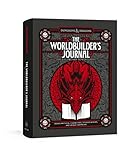
Overview: The Worldbuilder’s Journal of Legendary Adventures takes a radically different approach, offering 365 guided questions to spark creativity for DMs crafting homebrew campaigns. Rather than tracking existing games, this journal functions as a developmental tool, prompting deep thinking about cultures, histories, factions, and landscapes. Each question challenges worldbuilders to add layers of detail that transform generic settings into memorable, living worlds players will want to explore.
What Makes It Stand Out: The prompt-driven format distinguishes it from blank or templated journals. Questions like “What do locals fear most at sunset?” or “Which historical figure shaped current politics?” force creative answers that enrich campaigns. This systematic approach ensures comprehensive world development covering geography, sociology, magic systems, and narrative hooks that players will actually encounter at the table, not just in your notes.
Value for Money: As a specialized creative tool, this journal offers excellent value for DMs struggling with blank-page syndrome. The 365 prompts provide a full year of daily worldbuilding exercises, making it more affordable than creative writing courses or extensive sourcebooks. For homebrew DMs, the structured inspiration justifies every penny and prevents wasted preparation time on unused details.
Strengths and Weaknesses: Strengths include inspiring prompts, comprehensive coverage, creative focus, and excellent value for worldbuilders. Weaknesses involve no space for session tracking, potential redundancy with experienced DMs who have established methods, and a format unsuitable for players or those running published campaigns. Some may find the daily question structure too rigid for their creative process.
Bottom Line: Essential purchase for DMs creating homebrew worlds from scratch. Less useful for those running published modules or wanting campaign tracking, but unparalleled for systematic world creation and overcoming creative blocks.
6. DnD Journal | D&D Notebook with 3D Dragon Embossed Hardcover | DnD Character Journal & Campaign Tracker | 150+ DnD Stickers included | D&D Character Sheets | DnD Gifts, Items & Accessories for Players

Overview: The DnD Journal is a meticulously crafted 200-page campaign companion designed for 5th Edition players seeking an all-in-one tracking solution. This premium notebook combines character sheets, spell logs, inventory trackers, and session notes in a single organized package. With its faux leather hardcover embossed with a striking 3D dragon design, it immediately signals its dedication to the tabletop gaming aesthetic. The inclusion of over 150 thematic stickers allows for deep personalization, letting players mark important quests, NPCs, or simply decorate their adventuring chronicle.
What Makes It Stand Out: Unlike generic notebooks, this journal is purpose-built for D&D 5e mechanics with dedicated sections for every aspect of gameplay. The 3D embossed dragon cover creates a tactile, premium feel that distinguishes it from flat-printed alternatives. The 100gsm thick paper prevents bleed-through from pens and markers—a critical feature for heavily-used gaming notes. The extensive sticker collection transforms it from a simple notebook into a customizable gaming accessory that grows with your campaign.
Value for Money: At its price point, this journal offers exceptional value compared to purchasing separate character sheet packs, spell cards, and notebooks. The durable construction ensures it survives years of weekly sessions, while the comprehensive layout eliminates the need for multiple tracking tools. For dedicated players, it’s an investment that consolidates campaign management into one elegant solution.
Strengths and Weaknesses: Strengths include comprehensive organization, premium materials, aesthetic appeal, and included stickers. The thick paper handles all writing instruments well. Weaknesses: The 200-page count may be excessive for one-shots or short campaigns, making it better suited for long-term play. The elaborate design might feel too ornate for minimalists.
Bottom Line: This is the ultimate campaign journal for serious D&D 5e players who value organization and aesthetics. It transforms scattered notes into a cohesive adventuring legacy worth keeping.
7. 5e Compatible Campaign Journal

Overview: The 5e Compatible Campaign Journal positions itself as a streamlined, system-specific notebook for Dungeons & Dragons fifth edition players. While manufacturer details remain sparse, the title suggests a focus on mechanical compatibility with 5e’s character progression, spell slots, and ability score frameworks. Typically, such journals offer templated pages for tracking hit points, inventory, and session notes without the fluff of system-agnostic alternatives.
What Makes It Stand Out: Its explicit 5e compatibility indicates purpose-driven design rather than generic roleplaying utility. This likely means pre-printed sections for proficiency bonuses, death saves, and spell preparation—saving players from drawing their own tables. The minimalist branding may appeal to those wanting function over flashy aesthetics, focusing budget on paper quality and logical layout rather than decorative elements.
Value for Money: Without listed features, value assessment depends on price point and page count. If priced competitively against DIY printing costs, it offers convenience. However, lack of details on paper weight or page count makes it a gamble compared to transparently specified alternatives. Best for budget-conscious players willing to sacrifice premium touches for core functionality.
Strengths and Weaknesses: Strengths include presumed 5e-specific optimization and likely affordability. Weaknesses: Absence of product details creates uncertainty about durability, paper quality, and comprehensiveness. No mention of extras like stickers or durable covers. Risk of being too basic for complex campaigns.
Bottom Line: A no-frills option for players prioritizing mechanical fidelity to 5e rules over aesthetic appeal. Verify specifications before purchasing to ensure it meets your campaign’s complexity needs.
8. Mazeran Campaign Journal for DnD 5e - Player Character Notebooks - D&D Adventure Game Books, D&D 5e Edition Advanced, TTRPG Character journals (PACK OF 3)
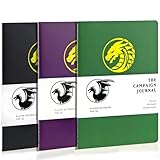
Overview: The Mazeran Campaign Journal offers a practical three-pack solution for D&D 5e players who prefer multiple dedicated notebooks or group gifting. Each journal contains 42 functional pages printed on 100gsm recycled paper, providing a compact tracking system for character development and session notes. The embossed leather cover delivers a classic tabletop aesthetic while promising durability through numerous gaming sessions.
What Makes It Stand Out: The three-pack configuration uniquely serves players running multiple characters or gaming groups wanting matching journals. Its integration with the Dungeon Craft System suggests modular compatibility with other Mazeran products like terrain tiles and battlemaps. The 100gsm recycled paper appeals to environmentally conscious gamers without sacrificing writeability. The satisfaction guarantee demonstrates manufacturer confidence.
Value for Money: Purchasing three journals at once typically reduces per-unit cost significantly compared to individual buys. This pack excels for DMs providing character tracking tools for their table or players juggling several campaigns. However, the 42-page-per-journal limit may require supplemental notebooks for epic-length campaigns, potentially diminishing long-term value.
Strengths and Weaknesses: Strengths include multi-pack convenience, eco-friendly materials, cohesive system integration, and risk-free trial. Weaknesses: Limited page count restricts extensive note-taking. Recycled paper, while sustainable, may have slight texture inconsistencies. The “advanced” labeling seems mismatched with modest page quantity.
Bottom Line: Ideal for DMs equipping entire parties or players managing multiple characters across campaigns. Best suited for moderate-length adventures rather than multi-year epics.
9. Character Journal: DnD RPG Notebook With Character Sheets and Session Notes For Campaign Role Playing Games and More

Overview: This Character Journal markets itself as a versatile notebook bridging structured character sheets and freeform session notes. The title’s emphasis on “and More” suggests flexibility beyond strict D&D mechanics, potentially accommodating various TTRPG systems. While specific features remain undocumented, the product appears targeted at players wanting unified character documentation without pre-printed system constraints.
What Makes It Stand Out: The hybrid approach—combining formatted character sheets with blank note sections—offers adaptability for homebrew rules or system-hopping gamers. Unlike rigidly templated journals, this likely provides foundational tracking pages followed by open-ended space, letting players customize organization. This flexibility serves both D&D 5e and alternative systems like Pathfinder or Call of Cthulhu.
Value for Money: Value hinges on execution and materials. If it delivers quality paper and thoughtful layout at mid-range pricing, it competes well against printing character sheets separately. However, lack of specifications on page count, paper weight, or binding durability makes it difficult to assess true worth against transparent alternatives.
Strengths and Weaknesses: Strengths include presumed versatility and unified design. Weaknesses: Vague product details create purchase risk. Without confirmed paper quality, ink bleed-through is a concern. May lack specialized sections that 5e-specific journals include, requiring manual additions for complex spellcasting or inventory tracking.
Bottom Line: A potentially flexible option for multi-system gamers, but insufficient product information demands careful verification of specs before commitment. Better for experienced players who know their tracking preferences.
10. Campaign Journal: D&D and TTRPG Player Notebook with Character and Session Notes for Role Playing Games

Overview: The Campaign Journal positions itself as a universal solution for both D&D and broader TTRPG communities. Its title suggests a balanced approach between character-specific tracking and session-wide note-taking, appealing to players who maintain detailed records of plot developments, NPC interactions, and personal character arcs. The dual focus indicates thoughtful layout segmentation.
What Makes It Stand Out: By explicitly mentioning both D&D and TTRPG compatibility, this journal likely employs generic yet comprehensive templates usable across multiple systems. This avoids edition-specific obsolescence, making it future-proof for players who transition between game systems. The combined character and session notes approach prevents players from juggling separate notebooks, consolidating all campaign information in one portable volume.
Value for Money: Universal design maximizes utility across gaming systems, stretching your investment further than edition-locked alternatives. However, the lack of feature details—particularly page count and paper quality—prevents definitive value judgment. It must be priced competitively against system-specific journals with known specifications to justify the uncertainty.
Strengths and Weaknesses: Strengths include broad system compatibility, integrated character/session structure, and potential longevity across edition changes. Weaknesses: Without detailed features, durability and paper quality remain unknown. Generic templates may lack depth for complex rule systems. No mentioned extras like maps or stickers.
Bottom Line: A promising universal journal for multi-system gamers, but the absence of product specifics requires price-conscious evaluation. Confirm paper weight and page count before purchasing to ensure it meets demanding note-taking needs.
Why Campaign Journals Matter More Than Ever
The modern tabletop landscape has transformed dramatically, with campaigns stretching across years and blending in-person sessions with digital play. Your journal isn’t just a record-keeping tool anymore—it’s the central nervous system of your entire campaign world. A well-chosen journal helps you maintain consistency when your party returns to a village they visited eighteen months ago, track the butterfly effects of player choices, and build satisfying narrative payoffs that feel intentional rather than improvised.
Beyond simple note-taking, today’s campaign journals serve as creative incubators where stray ideas evolve into full-fledged story arcs. They become physical artifacts of your group’s shared history, often outlasting individual campaigns and providing inspiration for future adventures. The right journal transforms scattered thoughts into a cohesive world that feels alive, responsive, and worthy of your players’ investment.
Key Features to Look for in 2026
Modular Page Layouts
The most versatile campaign journals now offer pages that adapt to different types of content. Look for dot-grid sections that seamlessly transition into lined areas, allowing you to sketch a dungeon map on one page and write detailed room descriptions on the opposite side. Some advanced designs incorporate removable pages or expandable pockets for player handouts, letting you customize the journal’s structure as your campaign evolves.
Integrated Indexing Systems
Gone are the days of flipping frantically through pages to find that one NPC’s name. Modern journals feature sophisticated indexing methods—think color-coded tabs, numbered pages with pre-printed index templates, or even QR code systems that link physical notes to digital backups. The key is finding a system intuitive enough that you’ll actually use it mid-session when your players inevitably zig where you expected them to zag.
Time-Tracking Tools
Calendar systems have become increasingly sophisticated, with some journals offering customizable month/week/day layouts that accommodate fantasy calendars or track multiple simultaneous plotlines. The best designs let you visualize how long until the villain’s ritual completes, when the mercenary band will arrive in town, or how many days of rations your party has left—all at a glance.
NPC Relationship Webs
Dedicated sections for mapping character connections can transform your storytelling. These visual diagram spaces help you track who knows whom, who owes favors, and who secretly works for the BBEG. When your party befriends an NPC you created on the fly, having a dedicated space to immediately chart their place in your world prevents contradictions and inspires future complications.
Understanding Different Journal Formats
Bound vs. Spiral-Bound Construction
Bound journals offer durability and a classic feel, lying flat on your DM screen without pages escaping. However, spiral-bound options provide true 360-degree page rotation and easy removal of individual sheets when you need to share information with players. Consider your typical DMing environment—do you need something that travels well to conventions, or does it primarily sit on a dedicated gaming table?
Lay-Flat Design Elements
The engineering of a journal’s spine determines how easily you can write near the inner margins. Sewn bindings with flexible covers allow pages to truly lay flat, while cheaper glued bindings force you to wrestle with the book just to add a quick note. Test how the journal feels when you’re writing at awkward angles during those intense combat-tracking moments.
Page Count and Thickness
A 200-page journal might seem sufficient until you’re sixty sessions deep into a sprawling campaign. Conversely, a 400-page tome can become unwieldy to transport. The sweet spot depends on your campaign scope—a one-shot focused journal needs fewer pages than a multi-year homebrew world bible. Consider whether you prefer one journal per campaign or an ongoing master tome that spans multiple adventures.
Digital vs. Physical Journals in 2026
The Hybrid Approach Advantage
The false dichotomy of digital versus physical has given way to hybrid systems that leverage both strengths. Many DMs now maintain a physical journal for session notes and spontaneous creativity, while using digital tools for searchable archives and cross-referencing. Look for journals that acknowledge this reality—perhaps with page markers that scan to digital backups, or companion apps that photograph and index your handwritten notes.
Tactile Benefits of Physical Journals
There’s something irreplaceable about the tactile experience of writing by hand. The act of physically creating maps and notes engages different cognitive pathways, often leading to more creative problem-solving mid-session. Physical journals also eliminate screen distractions and never suffer from battery failure during a climactic encounter. The sensory connection between pen and paper can anchor you in your fictional world more deeply than typing ever could.
Digital Integration Without Compromise
The best physical journals now play nice with digital ecosystems. Features like subtle page markers compatible with scanning apps, pre-formatted photo frames for digital character art, or even companion cloud services that store photos of your pages mean you never have to choose between searchable digital archives and the joy of analog creation. The key is finding integration that feels seamless rather than forced.
Size and Portability Considerations
The Standard A5 Sweet Spot
A5-sized journals (roughly 5.8" x 8.3") have become the DM community favorite for good reason. They provide ample writing space without overwhelming smaller gaming tables, fit comfortably in most bags, and offer enough page real estate for detailed encounter maps. This size also strikes the perfect balance between visibility for your reference needs and discretion when you need to keep information hidden from players.
Pocket-Size Options for Mobile DMs
If you frequently run games at different locations or prefer minimal table clutter, pocket-sized journals offer surprising utility. While you’ll sacrifice space for elaborate maps, these compact companions excel for quick NPC notes, initiative tracking, and capturing spontaneous ideas between sessions. Many mobile DMs pair a small session journal with a larger campaign master journal kept at home.
Large-Format Journals for Worldbuilders
Some DMs need room to breathe—extensive region maps, family trees spanning centuries, or detailed dungeon complexes. Large-format journals (A4 or larger) provide this canvas but demand dedicated storage space. Consider whether you have a permanent gaming area where the journal can remain open and accessible, as these behemoths become impractical for travel.
Customization for Your Campaign Style
Sandbox vs. Linear Campaign Support
Sandbox campaigns require extensive random tables, region maps, and faction relationship trackers. Linear adventures benefit more from detailed session prep templates, clue progression charts, and pacing guides. Identify your primary DMing style and seek journals that emphasize the organizational tools you’ll actually use rather than getting seduced by features that look cool but won’t serve your specific needs.
Homebrew vs. Published Module Adaptation
Running published adventures demands space for annotating existing text, tracking how you’ve modified encounters, and recording which secrets the party has uncovered. Homebrew creation requires more free-form space for ideation, worldbuilding, and connecting disparate elements. Some journals offer specialized modules for each approach, with removable inserts that let you reconfigure the journal as your campaign evolves.
Player-Driven vs. DM-Driven Narratives
In player-driven campaigns, you’ll need robust systems for tracking PC backstory hooks, personal quest progression, and consequences of player choices. DM-driven narratives benefit more from detailed timeline trackers, foreshadowing notes, and plot twist preparation. The most flexible journals accommodate both styles with modular sections you can activate or ignore based on your table’s dynamic.
Organization Systems That Deliver
The Bullet Journal Method for DMs
Adapting bullet journal techniques to campaign management creates powerful, personalized organization. Rapid logging symbols differentiate between NPCs, locations, quests, and loot at a glance. Migration techniques ensure no plot thread gets forgotten, while monthly reviews help you identify which story seeds your players actually found compelling versus which ones withered from neglect.
Color-Coding Without the Chaos
Effective color-coding systems use limited palettes for maximum clarity. Assign one color to player actions and consequences, another to NPC secrets, and a third to timeline-sensitive events. Overcomplicating with too many colors creates visual noise rather than clarity. The best journals provide subtle dot grids or margins that accommodate color-coding without interfering with your main content.
Layered Information Architecture
Sophisticated journals organize information in layers: quick-reference summaries on page edges, detailed notes in the main body, and hidden GM-only secrets in fold-out sections or translucent overlays. This architecture lets you find critical information at different speeds—glancing for initiative order, scanning for NPC motivations, or studying for intricate plot connections.
Durability and Longevity Factors
Paper Quality That Lasts
Low-quality paper yellows, bleeds through, and crumbles over time. For a campaign journal that becomes a treasured artifact, seek acid-free, archival-quality paper around 100gsm that handles multiple pen types without ghosting. Consider how your chosen writing instruments interact with the paper—fountain pen enthusiasts need different paper than gel pen users.
Cover Materials for Real-World Use
That beautiful leather cover might look stunning, but will it survive coffee spills, dice being dropped on it, and being shoved into backpacks? Synthetic covers often provide better water resistance and durability while mimicking premium materials. Look for reinforced corners, secure elastic closures, and covers that can withstand being used as an impromptu DM screen in a pinch.
Binding Integrity Over Time
A campaign journal that falls apart mid-campaign is a tragedy. Sewn signatures, reinforced spines, and quality glue (if used) determine longevity. Lay-flat binding often sacrifices some durability, so consider whether you prioritize writing comfort or lifespan. Some journals now offer re-binding services or modular page systems that let you replace sections without losing your entire campaign record.
Budget Considerations and Value
Entry-Level Options That Don’t Compromise
You don’t need to spend a fortune to get a functional campaign journal. Budget-friendly options often focus on core functionality over fancy features, providing clean layouts and decent paper quality without premium materials. The key is identifying which features you’ll actually use—paying extra for gold-foil page edges adds no value if you’re primarily concerned with practical organization.
Premium Features Worth the Investment
Higher-priced journals justify their cost through superior paper, innovative layouts, and construction that survives years of use. Features like integrated bookmarks, pen loops, interior pockets, and companion digital tools can streamline your workflow enough to warrant the expense. Consider cost-per-session—spending $50 on a journal that serves a two-year campaign costs less than a dollar per game night.
The Hidden Costs of “Free” Digital Options
While digital note-taking apps seem cost-free, factor in subscription fees, device costs, and the cognitive load of managing backups and updates. Physical journals have no monthly fees and don’t become obsolete when a company changes its pricing model. Your campaign notes remain accessible decades later without worrying about file format compatibility or cloud storage limits.
Specialty Journals for Specific Needs
One-Shot and Convention Modules
Running short-form adventures demands different tools than epic campaigns. Journals designed for one-shots feature reusable templates, quick-prep checklists, and space for recording multiple discrete adventures. These often include player feedback trackers and loot distribution logs perfect for organized play environments where you might run the same scenario for different groups.
West Marches and Open-Table Formats
These demanding campaign styles require tracking which players attended which sessions, maintaining persistent world state across irregular attendance, and managing multiple concurrent plot threads. Specialized journals offer player rosters, session sign-up sheets, and world-update logs that keep everyone synchronized despite irregular scheduling.
Solo DM Journals for Worldbuilding
Many DMs maintain a separate journal purely for worldbuilding, separate from session notes. These focus on random generation tables, cultural development frameworks, and historical timelines. Having a dedicated space for creative development prevents your session prep notes from becoming cluttered with ideas that won’t manifest for months, keeping your active game information clean and actionable.
Integrating with Your Digital Ecosystem
Photographing and Archiving Handwritten Notes
Modern smartphone cameras can create searchable PDFs from handwritten pages, but journal design affects scan quality. Pages with subtle corner markers help apps auto-crop images, while consistent layouts improve OCR accuracy for your custom index. Some journals now include scanning-friendly page colors and contrast ratios optimized for digital archiving.
Companion Apps and Cloud Synchronization
The most forward-thinking journals acknowledge that DMs live in both physical and digital worlds. Look for systems that let you photograph a page and automatically sync it to a campaign wiki, or where handwritten tags translate into digital hashtags. The goal is reducing duplicate work, not creating more tasks to manage.
Backing Up Without Losing the Magic
Your journal represents countless hours of creative labor, so losing it would be catastrophic. Develop a simple backup routine—perhaps photographing new pages every Sunday evening. The best journals make this painless with features like page numbers that sync to cloud filenames, or companion apps that remind you to backup and verify image clarity.
Making Your Final Decision
The Two-Week Trial Method
Before committing to a journal for an entire campaign, test it for at least two weeks of actual gameplay. Use it for session notes, worldbuilding, and quick reference. Pay attention to what frustrates you—do you need more map space? Better indexing? Are the pages too thin? This real-world testing reveals more than any product description ever could.
Building Your Personal Feature Hierarchy
Create a list of non-negotiable features versus nice-to-have bonuses. Maybe you absolutely must have removable pages for player handouts, but gold foil stamping means nothing to you. Rank potential features by how they’ll impact your specific DMing style. This hierarchy becomes your decision filter when evaluating options, preventing you from being swayed by impressive-sounding features you’ll never use.
When to Start Fresh vs. Continue
There’s a peculiar anxiety about starting a new journal mid-campaign. However, if your current system actively hinders your organization, the transition pain is worth it. Some journals include “campaign transfer” sections designed specifically for migrating critical information from an old system to a new one, making the switch less daunting and ensuring no vital plot threads get lost in translation.
Frequently Asked Questions
What size campaign journal works best for most Dungeon Masters?
The A5 format (approximately 5.8" x 8.3") hits the sweet spot for versatility, providing enough space for detailed notes while remaining portable enough for travel to different gaming locations. This size accommodates most DMing styles without dominating your table space.
How do I prevent my campaign journal from falling apart after months of use?
Prioritize journals with sewn bindings, reinforced covers, and archival-quality paper. Store it flat rather than upright, avoid overstuffing pockets, and consider using a protective case when transporting it. Regularly photographing pages also creates a backup if physical damage occurs.
Should I use separate journals for different campaigns or one master journal?
This depends on your DMing frequency and campaign style. Running multiple concurrent campaigns benefits from separate journals to prevent confusion. However, maintaining a single master worldbuilding journal alongside individual campaign notebooks offers the best of both worlds for most DMs.
Can I effectively use a regular notebook instead of a specialized campaign journal?
Absolutely. Many DMs successfully adapt dot-grid or lined notebooks using bullet journal techniques. The key is developing a consistent organization system rather than relying on pre-printed templates. Specialized journals simply provide time-saving structures for common DM tasks.
How do I organize a campaign journal for improvisational sandbox games?
Focus on rapid-capture tools: numbered pages with a dedicated index, quick-reference NPC stat blocks in a consistent location, and faction relationship webs. Use symbols to differentiate between established world elements and improvised additions you need to remember later.
What’s the best way to index NPCs, locations, and plot threads?
Create a master index at the back of your journal with alphabetical sections. Use page numbers and brief descriptive tags like “NPC: Blacksmith, Thorin - p.47” or “LOCATION: Whisperwood - p.23”. Update this index weekly rather than trying to maintain it perfectly during sessions.
Should I choose a digital or physical campaign journal?
Most experienced DMs use both: physical journals for session creativity and digital tools for searchability and backup. The tactile act of writing enhances memory and creativity, while digital archives provide security and cross-referencing capabilities. The hybrid approach maximizes both strengths.
How much should I expect to spend on a quality campaign journal?
Functional, durable journals start around $25-35, while premium options with specialized features range from $50-80. Consider cost-per-session rather than upfront price—a $60 journal used weekly for two years costs less than $0.60 per game. Avoid sub-$15 options that use thin paper and weak bindings.
Can campaign journals work for systems other than D&D?
Definitely. While many journals use D&D terminology, their core organizational principles apply universally to any TTRPG. Systems like Pathfinder, Call of Cthulhu, or Blades in the Dark all benefit from tracking NPCs, locations, and plot developments. Look for system-agnostic layouts or easily adaptable templates.
How do I backup my physical campaign journal without losing the analog experience?
Establish a simple weekly routine of photographing completed pages using your smartphone. Use apps that auto-crop and create searchable PDFs, then store files in a dedicated cloud folder. This takes five minutes but protects hundreds of hours of creative work while preserving the joy of handwriting during sessions.
See Also
- 10 Game-Changing Campaign Journals for Dungeon Masters in 2026
- 10 Most Durable Campaign Journals Based on Real User Reviews in 2026
- 10 Game-Changing Campaign Journals for First-Time DMs in 2026
- 10 Best Game Journals for Tracking Campaign Progress in 2026
- 10 Best Value Game Journals for Long-Term Campaign Tracking in 2026